Writing a resignation letter from teaching is one of the most career-defining steps an educator takes. Schools keep resignation letters on file. They shape your references, your standing with the district, and how HR handles your departure. Getting this document right protects your career long after you’ve moved on.
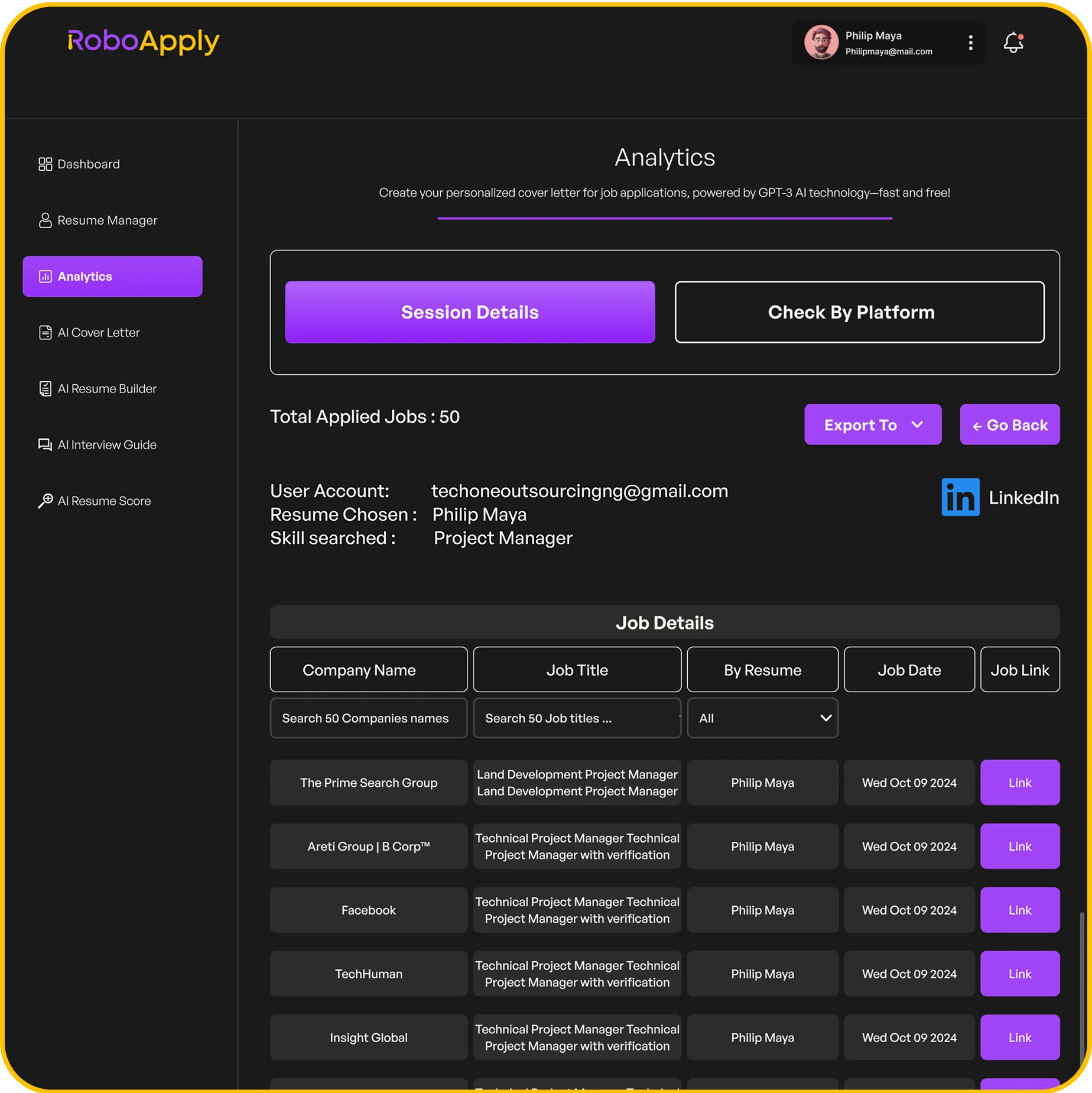
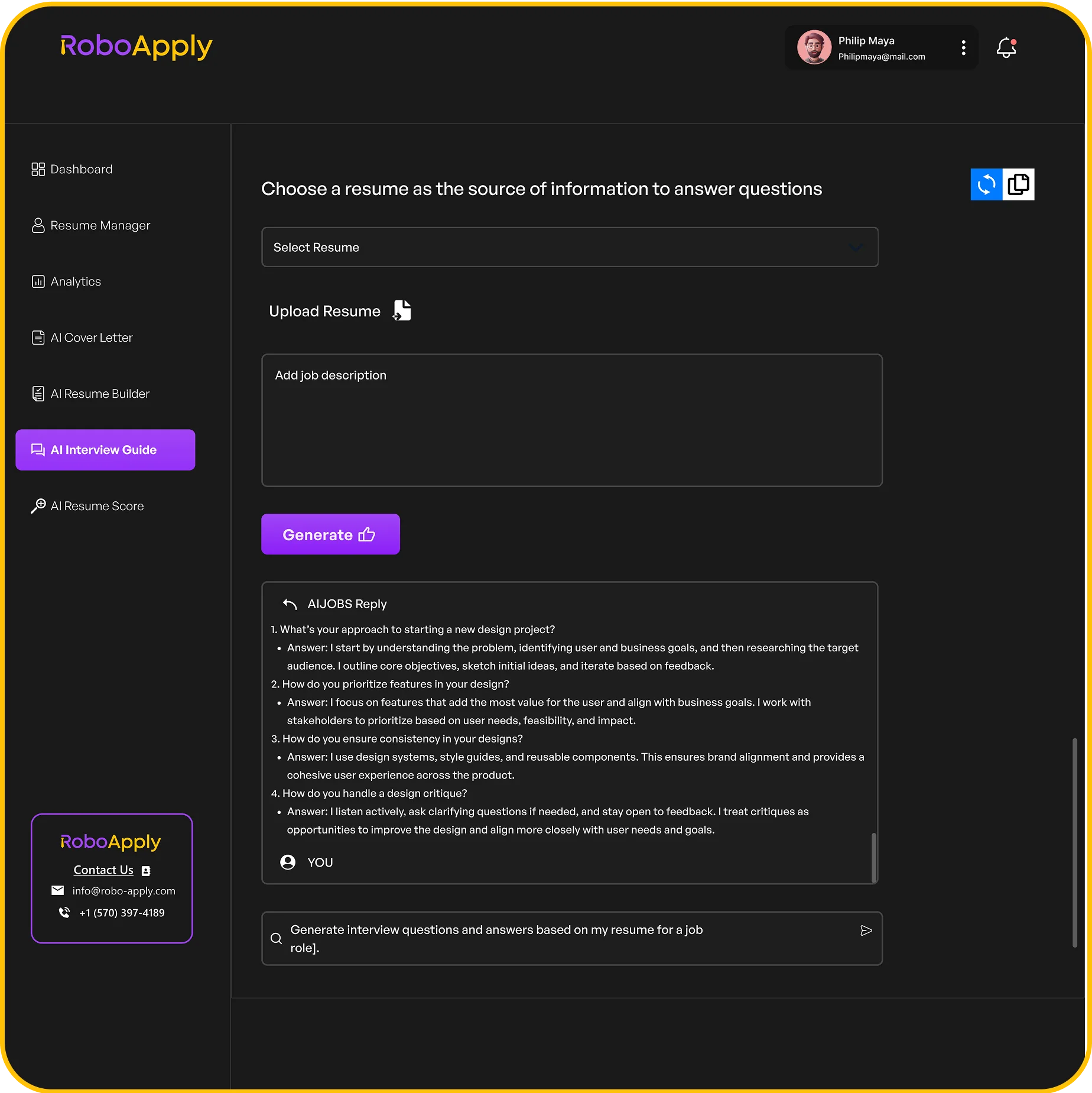
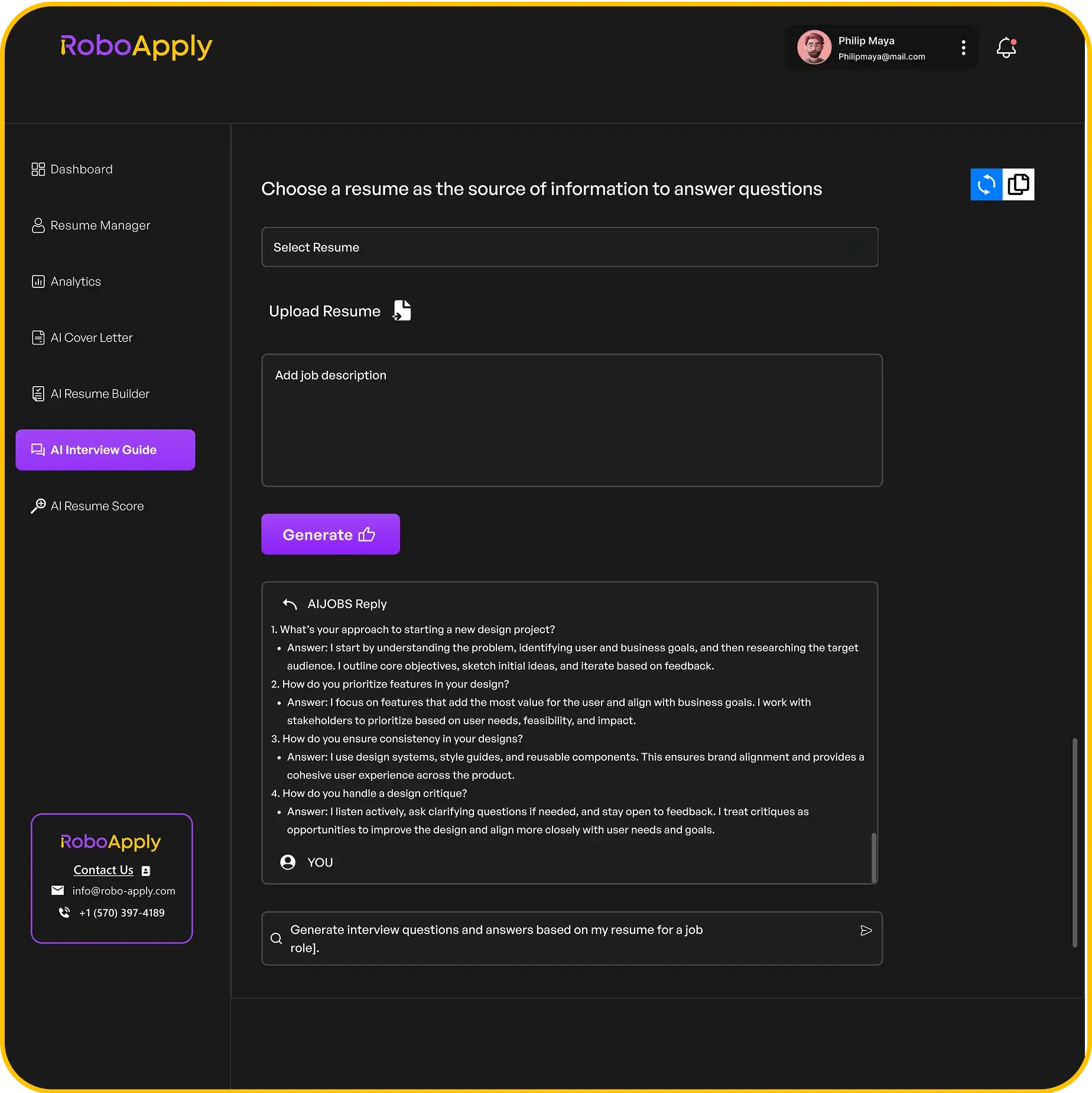
Most teachers are never formally taught how to resign well. Some write too much. Others leave out key details that create unnecessary confusion for administration. This guide covers exactly what your letter needs, when to submit it, and the mistakes that quietly damage professional reputations. Before you start writing, use RoboApply’s AI Resume Builder to prepare your resume for the job search that follows your resignation.
What to Include in a Resignation Letter From Teaching
A resignation letter from teaching does not need to be long or complicated. One page is the professional standard across most school districts. Your goal is to communicate your intent clearly without leaving room for misinterpretation.
What a Resignation Letter From Teaching Must Cover
School HR departments look for specific information in every formal teaching resignation. The elements below are expected in any professional letter, and leaving any of them out creates delays.
- Your full name and current teaching position
- The date you are submitting the letter
- Your last day of work, written as a specific calendar date
- A brief and positive reason for leaving (optional, but usually appreciated by administrators)
- A genuine expression of gratitude for the experience
- A clear offer to support the transition before your final day
Each of these components serves a real function. The specific last day eliminates scheduling confusion and starts your HR paperwork. The gratitude paragraph preserves goodwill. The transition offer signals professionalism and reduces friction with school leadership. According to the National Education Association, educators who exit professionally are far more likely to maintain strong references that serve them in future roles.
Getting the Tone Right in a Resignation Letter From Teaching
Tone is where many resignation letters fall apart. Teachers who feel burned out or frustrated with leadership sometimes let that come through in their writing, which is a quiet mistake that follows them for years.
Your resignation letter should be warm, direct, and completely free of grievances. Write in first person and keep your phrasing simple. Active voice makes the message read more confidently. Instead of “It has been decided that I will be leaving,” write “I am resigning from my position.” That shift feels subtle, but it reads far more professionally to HR staff and future references.
Three focused paragraphs cover everything most school districts need. One for your notice of intent, one for gratitude, and one for the transition offer. There is no need to overshare your reasons or get into personal detail. Simple and professional always outperforms lengthy explanations.
When to Submit Your Teaching Resignation
Timing a teacher resignation is more consequential than in most industries. Teachers work under employment contracts, and those contracts typically specify required notice periods. Submitting your resignation late can result in financial penalties or a breach-of-contract note on your teaching license.
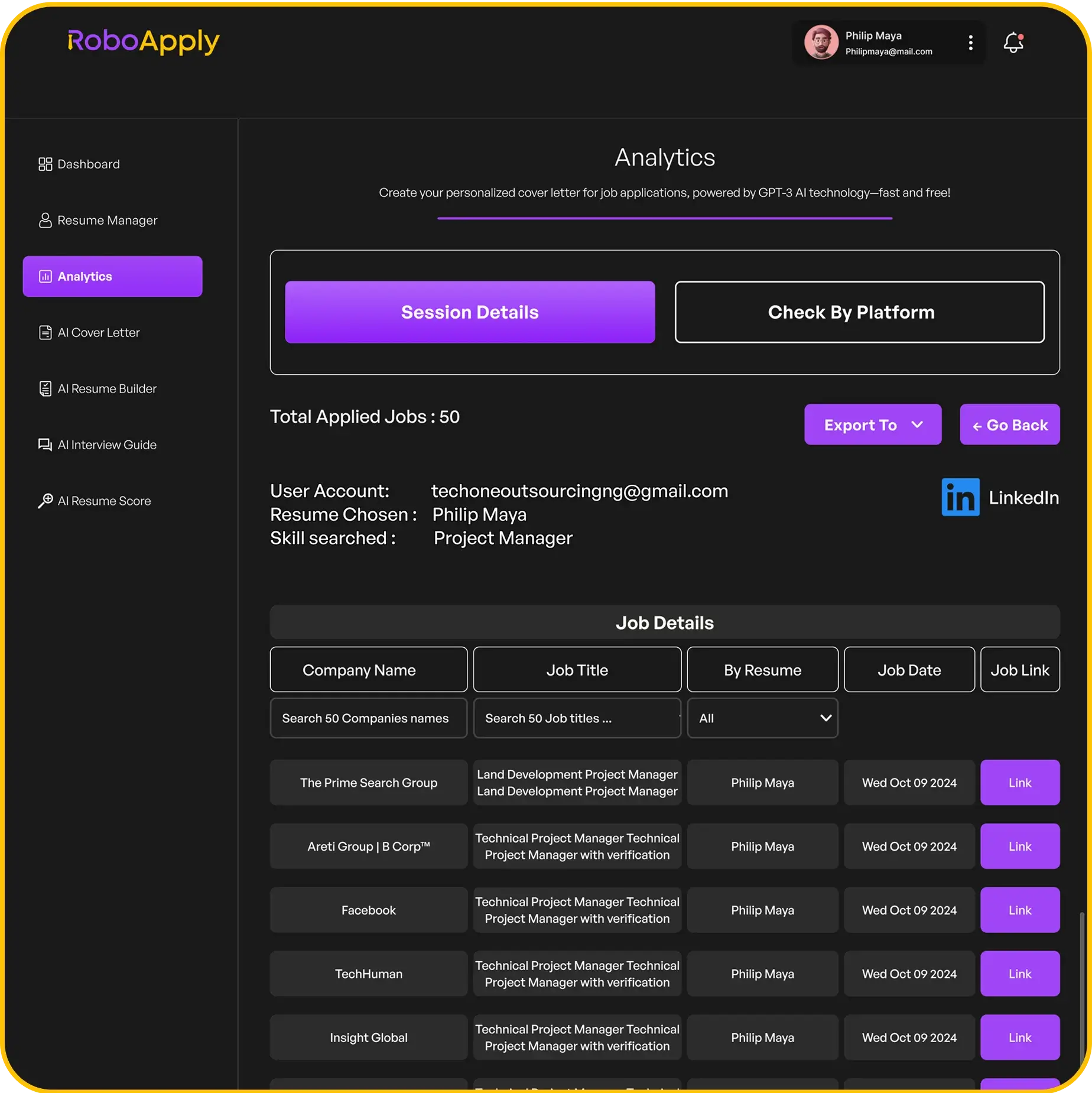
RoboApply’s AI Auto Apply can handle your job applications automatically while you focus on wrapping up your responsibilities the right way before your last day.

Notice Periods by School Type
The required notice period depends on your school type and the state you work in. Here is what most educators can expect across different institutions.
- Public school districts generally require 30 to 90 days’ notice, depending on state law and district policy
- Private schools typically require 30 days, though some allow shorter notice during the summer break
- Charter schools usually follow the same notice requirements as public schools in their state
The U.S. Bureau of Labor Statistics classifies education as one of the most contract-driven employment sectors in the country. Your notice period is a legal obligation, not just a professional courtesy, so review your specific contract before setting a last day in your letter.
Mid-year resignations are the hardest to handle cleanly. If you have any flexibility in your timeline, plan your exit for the end of a semester or school year. This minimizes disruption for students and leaves your professional record in much better shape with the district.
Common Mistakes in a Resignation Letter From Teaching
Small errors in a resignation letter can affect your references for years without you realizing it. Here are the most frequent mistakes teachers make and how to avoid each one.
Leading with complaints is the biggest error. A formal resignation is not the place to raise frustrations about leadership, workload, or pay. If you have genuine concerns, save them for an exit interview or a private conversation with HR. Your resignation letter stays on file permanently, and its tone follows you.
Giving too little notice puts you in contract breach territory. Thirty days is the minimum in most districts, and sixty days is better for mid-year exits. The Society for Human Resource Management identifies insufficient notice as one of the top reasons employers give poor references, even for otherwise strong performers.
Being vague about your last day creates administrative delays. Always state a specific date. A clear statement like “My last day will be Friday, May 30” gives HR everything they need to begin replacing your position.
Skipping the transition offer is a small omission with a large impact. Offering to help prepare materials or brief a substitute before your departure shows professional commitment and gives administrators a reason to speak positively about you long after you’ve left.
Forgetting to keep a personal copy is more common than it should be. Save both a digital and printed version of your signed letter. This protects you if any disputes ever arise about your notice period or official end date.

Life After Teaching
Leaving a teaching position often means starting a fresh job search, sometimes in an entirely new field. Teachers carry strong transferable skills to almost any professional environment. Communication, leadership, curriculum design, project management, and the ability to explain complex topics clearly all translate well outside the classroom and into industries that actively value those capabilities.
Start by updating your resume with your most recent experience. Frame your classroom work in terms of outcomes rather than duties. Instead of “taught 6th grade English,” write “guided 30 students annually through measurable gains in reading and writing.” Results-focused language gets noticed by applicant tracking systems and recruiters alike. Before you finalize your document, read how many bullet points per job on resume to make sure your format is clean and recruiter-friendly.
If you’re making a full industry switch, the career change resume example guide walks through how to reframe a teaching background for a new professional direction. Before sending any applications, also check should you put references on a resume so you handle that section the right way. Once applications are out, read calling a job after applying for practical guidance on following up without coming across as overbearing.
For teachers exploring higher-paying options outside education, take a look at how much do underwater welders make as one example of a well-compensated trade career. If you want a broader view of where job volume is strong across sectors, how many jobs are available in basic industries gives useful context for planning the direction of your search.
According to Education Week, teacher satisfaction has hit historic lows in recent years. If you’re part of that wave, your skills are more portable than you might assume. A strong resume and the right job search tools make a real difference in how quickly you land your next role. The U.S. Department of Labor also provides resources on your employment rights as you transition out of your current position.
Download these Sample Templates
Conclusion
A resignation letter from teaching is a short document with lasting consequences. Keep it to one page, give proper notice, express genuine gratitude, and offer to help with the handover. Those four elements are everything you need to exit professionally and protect your reputation as an educator.
How you leave a job shapes how you are remembered by colleagues, administrators, and future references. A well-written teaching resignation letter takes less than an hour to draft and pays off in your career for years. Once your letter is submitted, shift your energy toward your next chapter. Update your resume, clarify the roles you’re targeting, and start applying strategically.
Frequently Asked Questions
How long should a resignation letter from teaching be?
One page is the standard. Three short paragraphs covering your notice, gratitude, and transition offer are more than enough.
Do teachers need to give a reason for resigning?
No. A clear statement of resignation and a specific last day is all HR requires from a formal resignation letter.
When is the best time to submit a teaching resignation?
The end of a semester or school year is ideal. It reduces disruption for students and keeps your professional record clean.
Can a teacher resign mid-contract?
Yes, but financial penalties may apply. Review your contract and your state’s laws before committing to a specific last day.
What should a teacher do after submitting a resignation letter?
Follow up with both a digital and printed copy, keep a personal copy for your records, and start your transition preparations right away.