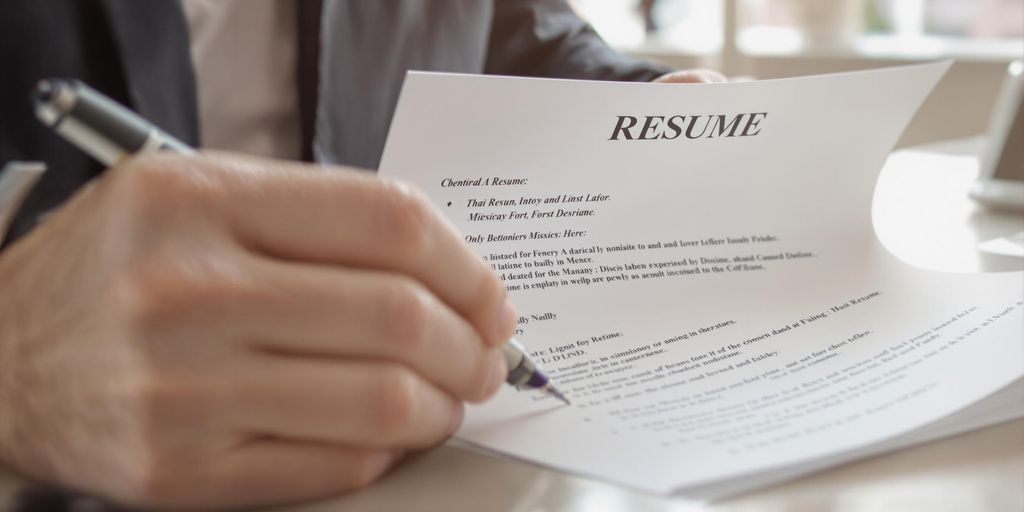
You shouldn’t put references on a resume. This outdated practice wastes valuable space that could showcase your skills and experience instead. Modern hiring managers expect you to provide references later in the interview process when they specifically request them.
The old phrase “references available upon request” has also become unnecessary. Recruiters assume you’ll have references ready when needed. Adding this line takes up room without adding value to your application.
Your resume should focus on what matters most to employers. That means highlighting your work experience, relevant skills, and measurable achievements. Every line counts when you’re applying for a job against dozens or hundreds of other candidates.
Why You Shouldn’t Include References on a Resume
Space on your resume is prime real estate. You need every inch to demonstrate why you’re the best fit for the role. Including references or reference contact information crowds out more important details about your qualifications.
Research from the Jobscan platform shows that recruiters spend an average of six to seven seconds on an initial resume scan. They’re looking for skills, experience, and achievements that match the job description. Reference names and phone numbers don’t help you pass this critical first screening.
It’s best to keep information on your resume focused on your accomplishments. Whether you should include references on a resume depends on one factor: if the employer specifically asks for them. Otherwise, there’s no need to list references on a resume.
References Take Up Valuable Space
Most resumes should fit on one page, especially for professionals with less than 10 years of experience. Adding references to your resume can consume a quarter of your available space. That’s room you could use to describe another relevant project or quantify your impact in previous roles.
Your resume template should prioritize what hiring managers care about during initial reviews. Don’t include references unless requested by the employer. It’s not necessary to include references on your resume during the application stage.
Writing your resume requires strategic choices. You don’t need to provide a list of professional contacts when you’re applying to multiple positions. Save that space for accomplishments that get you noticed.
Employers Ask for References Later
The standard hiring process follows a clear sequence. First, you submit your resume and cover letter. Second, recruiters review applications and select candidates for phone screens. Third, selected candidates move to formal interviews. An employer will ask for references later in the process.
According to SHRM research, 87% of employers conduct reference checks only on final candidates. That means you’re wasting resume space on information that won’t be needed until much later. Employers will request references when they’re ready.
Many job seekers wonder when to submit references. The answer is simple: wait until the employer specifically asks. Don’t include references on your resume or CV unless the job application requires it upfront.
Privacy and Professional Courtesy
Listing references on your resume means their contact information gets shared with every company that receives your application. Your references haven’t agreed to be contacted by all these potential employers. This approach shows poor professional judgment.
References deserve advance notice before a recruiter or hiring manager calls them. When you put references on a resume applying for multiple jobs, you lose control over when people contact your references. This can strain professional relationships and reduce the quality of recommendations.
Give your references time to prepare. It’s a good idea to ask for permission before adding anyone to your list. This courtesy ensures people who can speak on your behalf are ready and willing.

When to Prepare Your Reference List
You should create a separate document with your list of references before you start your job search. Having this ready means you can respond quickly when employers request it during the interview process. Quick responses demonstrate organization and professionalism.
Most job applications don’t require resume references upfront. However, some online systems include optional fields for reference information. Leave these blank unless the employer specifically asks you to fill them out.
Creating a separate reference page keeps your resume focused. This approach allows you to provide references when needed without cluttering your main application document.
During the Interview Stage
Employers typically request references after one or more successful interviews. This signals they’re seriously considering you for the position. When a hiring manager asks for references, send your prepared list within 24 hours.
Some companies ask for references later in the process, after they’ve narrowed their candidate pool. References are available when employers need them. You’ll be ready to provide at least two references quickly.
Don’t put “references available upon request” on your resume. Employers already know references are available. This phrase adds no value to your application materials.
What Employers Want from References
Hiring managers use professional references to verify your work history and assess your job performance. They want to speak with former managers or colleagues who directly observed your work. LinkedIn talent research indicates that 95% of employers want at least two references from previous supervisors.
Choose references who can speak to your strengths in specific, measurable ways. References can help validate your skills and experience. Strong contacts provide concrete examples of projects you completed and challenges you overcame.
You’re supposed to put references who know your work well on your list. References for a resume should include people who can vouch for your professional capabilities with specific examples.
How to Create a Separate Reference Page
Your separate reference page should match your resume’s formatting and design. Use the same header, font, and color scheme to maintain a cohesive professional brand. This approach shows consistency and care in your application materials.
Include three to five references on your list. The number of references you provide typically ranges from three references minimum to five maximum. Quality matters more than quantity when building your list.
A certified professional resume writer recommends creating a separate document for references. This keeps your resume focused on your qualifications while having references ready when needed.
Essential Information to Include
Each reference entry needs complete contact information so recruiters can easily reach them. Include the person’s full name, job title, company name, phone number and email address. Also note your professional relationship to this person.
Format your reference list clearly. People on your reference list deserve proper presentation. Here’s how to list references on a resume reference page:
- Full name of the reference
- Current job title and company
- Relationship to you (former manager, colleague, etc.)
- Phone number and email address
- Brief context (worked together at Company X, 2019-2022)
Tips for listing references include keeping contact details current. One of your references may change jobs or phone numbers. Update your list regularly.
Getting Permission First
Always ask for permission before listing someone as a reference. This professional courtesy gives them time to prepare and ensures they’re willing to give you a strong recommendation. Contact your references early in your job search.
When you reach out, remind references of your accomplishments while working together. Share the types of positions you’re applying for and what skills employers are seeking. This prep work helps references who can vouch for you give more relevant recommendations.
The Professional Association of Resume Writers recommends updating your references every six months. People change jobs, phone numbers, and email addresses. Keep your list current to avoid delays.
Include references on my resume only when asked. Good idea to include them on a separate reference page instead. This approach gives you better control over when to provide references.
Best Practices for Managing References on a CV
Professional reference management goes beyond creating a basic list. Strategic choices about who to include and how to prepare them can significantly impact your job search success. People on your reference list become ambassadors for your professional reputation.
References on a CV follow the same rules as references on a resume. Don’t include references unless the employer requests them. Create a separate list you can submit when needed.
Choosing the Right References
Former managers make the strongest references because they evaluated your performance directly. If you left a job on good terms, your previous supervisor should be your references first choice. Colleagues who worked closely with you on major projects also make excellent additions.
Avoid using personal references unless you’re a recent graduate with limited work experience. Employers want people who can speak to your professional capabilities. A personal reference doesn’t carry the same weight.
Consider diversity in your reference selection. Including references from different companies or roles demonstrates breadth of experience. A mix of industry perspectives strengthens your overall profile and shows varied skills.
Keeping References Informed
Send your references a copy of your resume before employers contact them. This refreshes their memory about your accomplishments and ensures they have current information. Share the job description for positions where you expect reference checks.
After an employer contacts your references, follow up with a thank you message. Let them know the outcome of your application. This courtesy maintains strong professional relationships for future job searches.
Many references appreciate knowing when to expect calls. Give your references a heads up when you advance to final interview stages. This preparation helps them speak to your strengths more effectively.
Reference Page Examples and Templates
Your reference page shouldn’t include complex graphics or unusual formatting. Clean, professional design works best. Use standard business fonts like Arial, Calibri, or Times New Roman.
Many job seekers wonder whether to include a reference page with every application. Don’t attach it unless specifically requested. However, bring a printed copy of your resume and references to job interviews.
A separate reference page gives you flexibility. You can tailor the list based on the job title and requirements. This targeted approach beats adding references to your resume permanently.
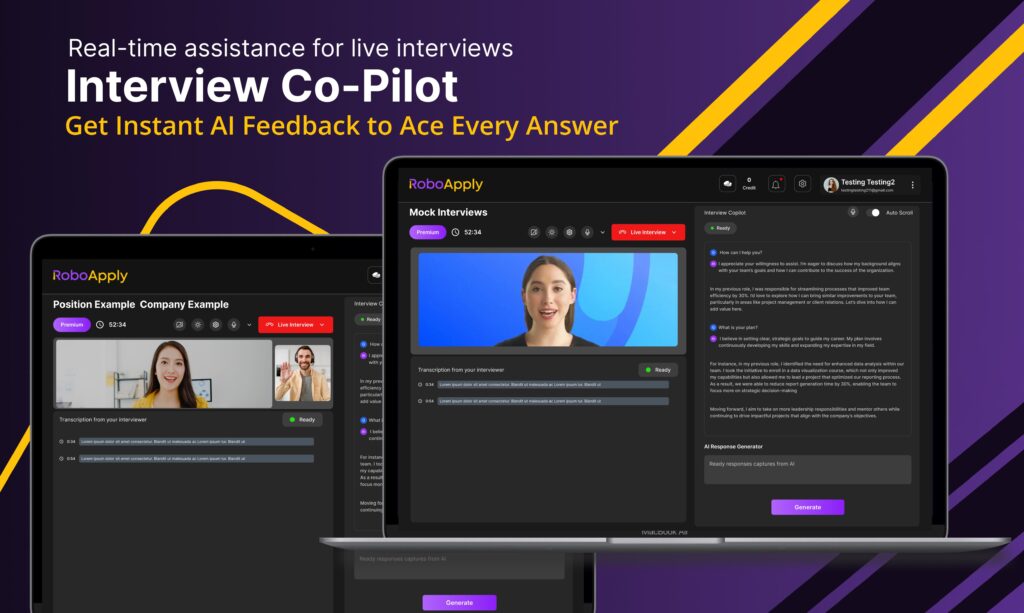
How RoboApply Streamlines Your Job Application Process
Creating perfect application materials takes time and attention to detail. RoboApply’s AI Resume Builder helps you craft ATS-optimized resumes that focus on what actually matters to employers. The platform automatically formats your work experience and skills for maximum impact.
When you’re ready to provide references, RoboApply’s analytics tools help you track which applications move forward to the reference-checking stage. You’ll know exactly when to alert your references and can respond quickly when employers request your list.
The resume writing experts at TopResume confirm that automated application tools save job seekers an average of 15 hours per week. RoboApply’s AI Auto Apply feature handles the repetitive work while you focus on preparing for interviews and managing your professional references effectively.
Build the best resume possible with RoboApply’s professional templates. The platform helps you create documents that get past applicant tracking systems and impress hiring managers. Focus on your qualifications while RoboApply handles formatting and optimization.
Frequently Asked Questions About References on a Resume
Should I include “references available upon request” on my resume?
No, this phrase is outdated and unnecessary. Employers assume you’ll provide references when asked during the hiring process. It wastes space.
How many references should I prepare for job applications?
Prepare three to five professional references. Most employers request at least two references but rarely need more than five total for verification.
Can I use the same references for multiple job applications?
Yes, but inform your references about your active job search. Update them regularly about positions where employers might contact them soon.
When should I give my references a heads up?
Contact references immediately after a successful interview when you expect the employer to request them. Give them 24-48 hours notice when possible.
Do references have to be from my most recent job?
No, references can be from any previous position. Choose people who can speak most effectively about skills relevant to your target role.