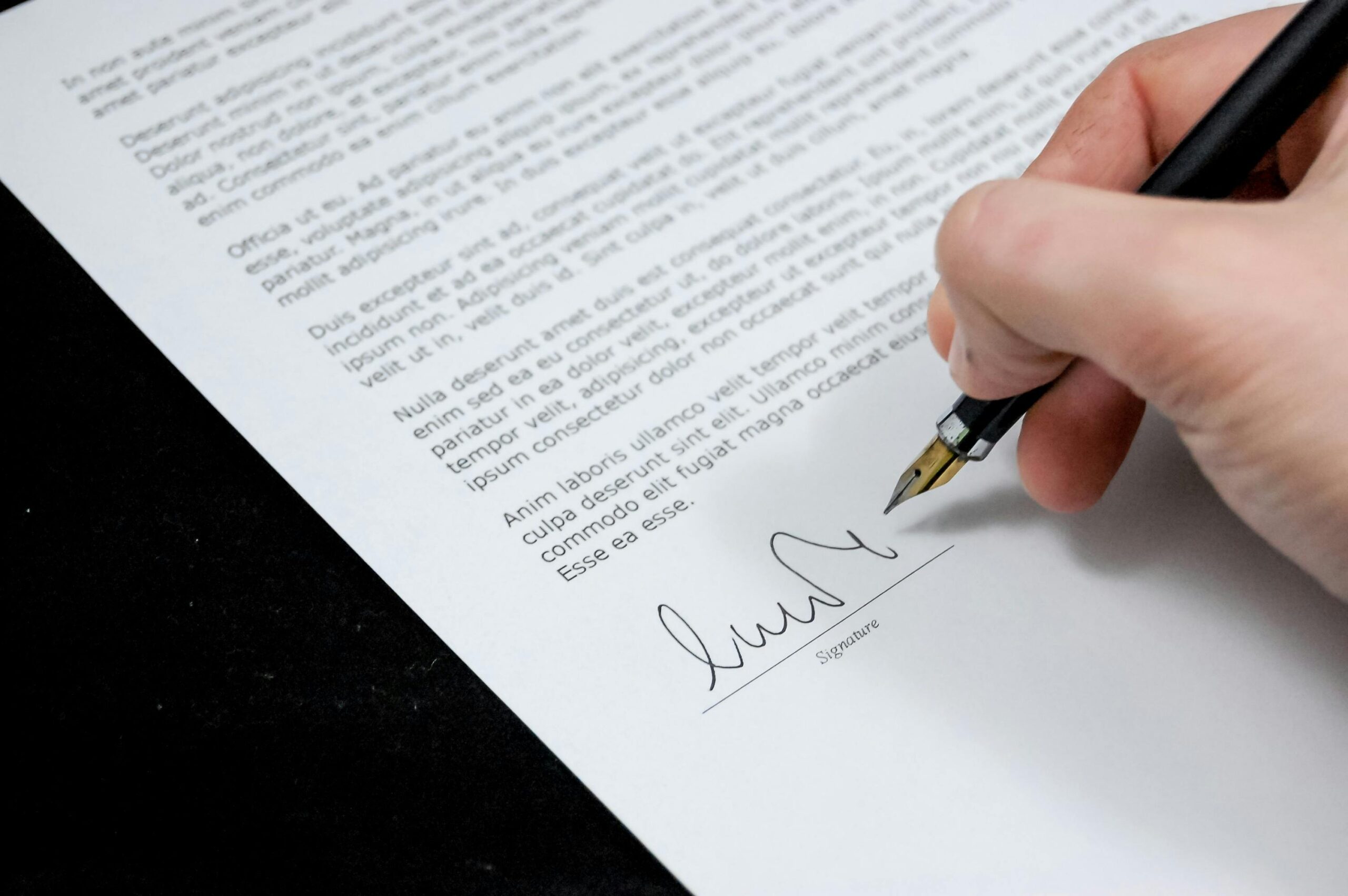
A letter of resignation of trustee is a formal, written document that officially ends your duties as a trustee. Whether you serve on a family trust, a charitable trust, or a corporate trust, this letter protects you legally and helps the transition run smoothly. It signals the start of a handover process that keeps the trust operating without interruption.
Trustees carry fiduciary responsibilities. They act in the best interest of the beneficiaries at all times. Stepping down from this role requires more than a verbal notice. A written letter creates a clear legal record and triggers the proper succession process.
What a Letter of Resignation of Trustee Actually Does
A resignation letter for a trustee isn’t just a courtesy document. It functions as legal notice that your fiduciary duties are ending. Many people underestimate its importance and resign informally, which can lead to complications later.
Here’s what a proper letter of resignation of trustee accomplishes:
- Formally notifies co-trustees, beneficiaries, and relevant parties of your intent to resign
- Establishes a clear and specific effective date for your departure
- Documents your willingness to complete the transition and transfer records
- Protects you from future liability claims once your resignation is accepted
- Triggers the succession process so a replacement trustee can step in
Without a written letter, your resignation may not hold up legally. According to the Uniform Trust Code adopted across many U.S. states, trustees must provide written notice to resign in most circumstances. Oral resignations often don’t qualify.
When You Need to Send a Letter of Resignation of Trustee
People resign from trustee positions for many reasons. The timing of your resignation matters just as much as the content of your letter. Leaving at the wrong moment could expose you to claims of breach of duty.
Common situations that lead to a trustee resignation include:
- A personal health issue that limits your capacity to manage trust affairs
- A conflict of interest with one or more beneficiaries
- Relocation that makes trust administration impractical
- A significant dispute with co-trustees
- Retirement or a major shift in your professional life
Before writing anything, read the trust document carefully. It typically outlines how much advance notice you must give before your resignation takes effect. Many trust agreements require a minimum of 30 days’ written notice.
Who Receives a Letter of Resignation of Trustee
Sending the letter to the right parties is just as important as writing it correctly. The distribution depends on the trust structure and jurisdiction.
Generally, copies should go to:
- All co-trustees currently serving
- The successor trustee named in the trust agreement
- Beneficiaries, particularly if the trust document requires it
- Legal counsel handling the trust
- Any court with jurisdiction, for court-supervised trusts
If the trust is charitable or nonprofit in nature, the IRS and state attorney general’s office may also require notification depending on the state.

Key Elements of a Trustee Resignation Letter
Every letter of resignation of trustee should cover specific points. Leaving any of them out can create confusion, delay the process, or leave you exposed to liability long after you’ve stepped down.
Here are the core components every trustee resignation letter needs:
Full identification. Open with your full legal name, your role as trustee, and the full legal name of the trust. Include the trust’s date of establishment to avoid any ambiguity about which trust you’re referring to.
Effective date. State the exact date your resignation takes effect. Be specific. A vague timeline creates problems for co-trustees and beneficiaries who need to plan around your departure.
Transition commitment. Confirm in writing that you’ll transfer records, complete any pending administrative duties, and cooperate fully with the incoming trustee. This protects your reputation and demonstrates good faith.
Signature and notarization. Some states require notarization of a letter of resignation of trustee. Even where it’s optional, notarizing the letter adds credibility. It confirms the document is authentic and signed willingly. According to Nolo’s legal resources, notarized resignation letters are best practice in states where real property or significant assets are held in trust.
How to Write a Letter of Resignation of Trustee Step by Step
The actual writing process is straightforward when you follow a clear structure. Keep the language direct and professional. This letter serves a legal function, not a personal one.
Follow this step-by-step approach:
- Start with your full legal name and your official title as trustee
- Name the trust using its complete legal title and date of formation
- State your resignation directly, using clear and unambiguous language
- Include the exact effective date your resignation takes effect
- Confirm your commitment to completing the transition and transferring records
- Close with your signature, printed name, date, and notary block if applicable
Keep the tone neutral and factual. Avoid detailed explanations of why you’re leaving. Save that for a private conversation if one is needed. The letter’s only job is to fulfill the legal requirement of formal written notice.
Common Mistakes in a Trustee Resignation Letter
Many trustees make preventable errors when stepping down. These mistakes can delay the process, trigger legal disputes, or extend your liability beyond your intended resignation date.
Watch out for these common missteps:
- Skipping the trust document review before writing the letter
- Leaving out the effective date, which creates confusion about when duties end
- Failing to transfer trust records, which can result in ongoing liability
- Not notifying all required parties, which may invalidate the resignation
- Resigning in the middle of a major trust transaction without completing your fiduciary duties
The American Bar Association’s trust and estate section points out that incomplete trustee resignations are a common source of probate disputes. A carefully written letter prevents most of these problems before they start.
Download these Sample Templates
Legal Considerations Before Sending Your Trustee Resignation Letter
The legal weight of a letter of resignation of trustee makes it worth reviewing a few details before you send it. Getting the process right protects you from ongoing obligations after you’ve stepped down.
Review the Trust Agreement First
The trust document is your primary reference. It specifies the required notice period, outlines the resignation procedure, and may include conditions you must meet before leaving. Some trusts require court approval before a trustee can resign.
Confirm a Successor Trustee Is in Place
A trust cannot operate without a trustee. Before your resignation takes effect, verify that a successor is named in the trust agreement or has already been appointed. If no successor exists, a court will likely need to appoint one. Your letter can acknowledge this directly and offer your cooperation in the appointment process.
According to ACTEC, the American College of Trust and Estate Counsel, a clear succession plan is the single most important factor in preventing trust administration from stalling after a trustee steps down.
Prepare a Final Accounting
Before your resignation date arrives, prepare a thorough accounting of all trust assets. Document every transaction, balance, and distribution made during your time as trustee. This final accounting protects you from future claims and gives the incoming trustee a clean starting point.
Resigning as a Trustee and Planning Your Next Step
For many people, resigning a trustee role coincides with a broader professional transition. Some return to the workforce after years of serving in a fiduciary capacity. Others shift industries or pursue new career paths entirely.
Re-entering the job market after a role like this takes preparation. Your trustee experience carries real value. It demonstrates financial oversight, legal compliance, decision-making under pressure, and stakeholder management. The challenge is translating that experience into a resume that hiring managers and ATS systems recognize quickly.
RoboApply’s AI Resume Builder helps professionals reframe complex experience into clean, ATS-optimized documents in minutes. Once your resume is ready, RoboApply’s AI Auto Apply sends personalized applications to hundreds of relevant roles across LinkedIn, Indeed, and ZipRecruiter automatically.
Small details also matter in a job search. Knowing how many bullet points per job on a resume keeps your document clean and readable. Deciding whether to put references on a resume is another question worth getting right early. And understanding where hiring is active, from how many jobs are available in basic industries to niche fields like how much underwater welders make, helps you target your search more effectively. Once applications go out, knowing the right approach to calling a job after applying can move you to the top of the candidate list.

Conclusion
A letter of resignation of trustee is a legal document with real consequences. Write it carefully, follow the trust agreement, notify all required parties, and confirm a successor is ready to take over. Getting these steps right protects you from ongoing liability and ensures the trust continues without disruption. Whether you’re leaving due to a life change or a professional shift, a clean resignation sets a strong foundation for whatever comes next.
Frequently Asked Questions
Can a trustee resign at any time?
Most trustees can resign with proper written notice, though the trust document may impose specific conditions or timeframes before departure.
Does a trustee resignation letter need to be notarized?
Notarization isn’t always required, but it’s strongly recommended to protect against legal disputes arising after your departure.
What happens if no successor trustee is named?
A court will typically step in to appoint a qualified replacement so the trust continues to operate without interruption.
How much advance notice does a trustee need to give?
Most trust agreements require 30 days’ notice, but the exact period depends on your specific trust document’s terms.
Can a trustee resign from an irrevocable trust?
Yes, but the process often requires court approval and confirmation that a qualified successor is available to take over.