A job decline letter sample shows you how to professionally reject a job offer while maintaining positive relationships. Send your decline letter via email within 24-48 hours of deciding. Thank them for the offer, clearly state you’re declining, provide a brief reason if comfortable, and express appreciation for their time. Keep it short, gracious, and professional to preserve networking opportunities.
Most people struggle with declining job offers because they worry about burning bridges. You don’t want to seem ungrateful after they invested time interviewing you. But companies understand candidates choose the best fit for themselves. Declining professionally keeps doors open for future opportunities.
Research from Harvard Business Review shows how you decline offers impacts your professional reputation significantly. Hiring managers remember gracious candidates who might be perfect for future roles. Rude or ghost-style declines damage your reputation permanently.
Essential Elements of Job Decline Letters
Job decline letters follow specific formats ensuring professionalism while clearly communicating your decision. Understanding these core elements helps you write effective letters that maintain positive relationships with employers.
Every effective job decline letter includes a clear subject line stating your decision. “Job Offer Decision – [Your Name] – [Position]” works perfectly. Don’t use vague subjects like “Following Up” that waste the recipient’s time.
Start with appreciation thanking them for the opportunity. “Thank you for offering me the [position title] role at [company]” acknowledges their investment in your candidacy. One sentence expressing genuine gratitude sets a respectful tone.
State your decision clearly without ambiguity. “After careful consideration, I’ve decided to decline the offer” leaves no confusion. Don’t leave them wondering whether you’re still considering or negotiating. Clarity respects everyone’s time. Understanding opportunities across basic industries helps you evaluate offers.
Provide a brief reason if you’re comfortable sharing. “I’ve accepted another position that better aligns with my career goals” or “After reviewing the offer, I’ve decided it’s not the right fit” both work. Keep reasons professional and vague. Don’t detail every concern or criticize the company.
Close with future-oriented positivity. “I wish you continued success and hope our paths cross again” keeps the relationship warm. Express interest in staying connected if genuine.
Job Decline Letter Samples
These sample letters demonstrate different scenarios for declining job offers professionally. Use these templates as starting points, customizing them for your specific situation and communication style.
Sample 1: Accepting Another Offer
Subject: Job Offer Decision – Sarah Johnson – Marketing Manager Position
Dear Ms. Rodriguez,
Thank you for offering me the Marketing Manager position at ABC Company. I sincerely appreciate the time you and your team invested in interviewing me and considering my candidacy.
After careful consideration, I have decided to decline the offer. I recently accepted another position that aligns more closely with my long-term career goals in digital marketing specialization.
This was a difficult decision as I was genuinely impressed by ABC Company’s innovative approach and collaborative team culture. I hope we can stay in touch, and I wish you continued success in finding the perfect candidate for this role.
Best regards, Sarah Johnson
Sample 2: Compensation Concerns
Subject: Job Offer Decision – Michael Chen – Software Engineer
Dear Mr. Thompson,
Thank you for extending the offer for the Software Engineer position at Tech Solutions Inc. I appreciate the opportunity to learn more about your team and the exciting projects you’re working on.
After thorough consideration of the compensation package, I’ve decided to decline the offer. While I’m impressed by your company’s mission and culture, the salary doesn’t meet my current financial requirements.
I enjoyed our conversations and learning about your development process. I hope our paths cross again in the future.
Sincerely, Michael Chen
Sample 3: Personal Reasons
Subject: Job Offer Decision – Jennifer Martinez – Sales Director
Dear Ms. Anderson,
Thank you so much for offering me the Sales Director role at Global Enterprises. I’m honored you selected me from what I’m sure was a competitive pool of candidates.
Unfortunately, I need to decline the offer due to personal circumstances that have recently changed my career priorities. This wasn’t an easy decision as I was excited about the opportunity to contribute to your team.
I appreciate the professionalism and courtesy you showed throughout the interview process. I hope we can connect again when circumstances allow.
Best regards, Jennifer Martinez
Following professional standards includes declining offers graciously.

Download Professional Job Decline Letter Templates
We’ve created job decline letter templates for different scenarios. Each template balances professionalism with warmth appropriately for various decline reasons.
How to Write Your Job Decline Letter
Writing your own decline letter requires balancing honesty with diplomacy. These strategies help you craft messages that preserve relationships while clearly communicating your decision.
Respond quickly after making your decision. Waiting weeks to decline wastes the company’s time and prevents them from moving to other candidates. Aim to send your letter within 24-48 hours of deciding.
Be honest but tactful about your reasons. You don’t owe detailed explanations but brief context helps. “I’ve accepted another offer” or “The compensation doesn’t meet my needs” both work. Avoid saying “I found something better” which sounds insulting.
Keep the letter concise. Three to four short paragraphs maximum. Hiring managers are busy. Long explanations waste their time and make your letter harder to read. Like understanding resume formatting, brevity improves professional communication.
Personalize each letter referencing specific details from your interviews. Mentioning the team you met or projects you discussed shows genuine engagement. Generic template letters feel cold and insincere.
Proofread carefully before sending. Typos or grammatical errors in decline letters look unprofessional. You’re demonstrating the quality of work they’re missing out on. Make it flawless.
Consider calling first for senior positions. If you built strong rapport during interviews or the role was high-level, call to decline verbally before sending the email. This personal touch shows extra respect.
Common Job Decline Letter Mistakes
Certain errors damage your professional reputation when declining offers. Avoiding these mistakes ensures you maintain positive relationships with employers and recruiters.
Ghosting the Employer
Never just stop responding to an offer hoping they’ll figure it out. Ghosting burns bridges permanently and damages your reputation. Recruiters talk to each other and remember candidates who disappear. Always send a clear decline message.
Over-Explaining Your Decision
Don’t write paragraphs detailing every reason you’re declining. “The commute would be too long, the salary is $10K below my target, I didn’t like the office layout, and my spouse prefers I work remotely” sounds whiny and unprofessional. Brief, vague reasons work better. Like knowing when to follow up on applications, timing and brevity help.
Criticizing the Company or Offer
Never use decline letters to vent frustrations. “Your benefits package is terrible” or “The interview process was disorganized” might feel good to write but destroys relationships. Keep everything positive or neutral.
Leaving Door Cracked for Negotiation
Don’t decline while hinting you might reconsider with better terms. “I’m declining because the salary is too low, but if you could increase it…” sounds manipulative. If you want to negotiate, negotiate directly. If you’re declining, decline clearly.
Using Inappropriate Tone
Maintain professional formality even if interviews were casual. Don’t write “Hey Sarah, thanks for the offer but I’m gonna pass” in an email. Formal business correspondence shows respect regardless of company culture.
Managing Multiple Job Offers
Declining offers becomes complicated when you’re juggling multiple opportunities. These strategies help you navigate competing offers professionally.
Compare compensation across specialized fields to understand market rates. This helps you evaluate whether offers meet industry standards.
Request reasonable extensions when needed. Most companies give 3-7 days to decide. If you need more time, ask politely explaining you’re considering other opportunities. Many employers accommodate reasonable requests.
Be transparent about timelines without creating bidding wars. You can mention you’re considering other offers without providing details or trying to leverage companies against each other.
Make decisions based on overall fit not just compensation. Career growth, company culture, work-life balance, and learning opportunities all matter beyond salary numbers.
Optimizing Your Job Search and Offer Management
Beyond declining offers gracefully, managing your entire job search efficiently helps you evaluate opportunities and respond professionally to all employers.
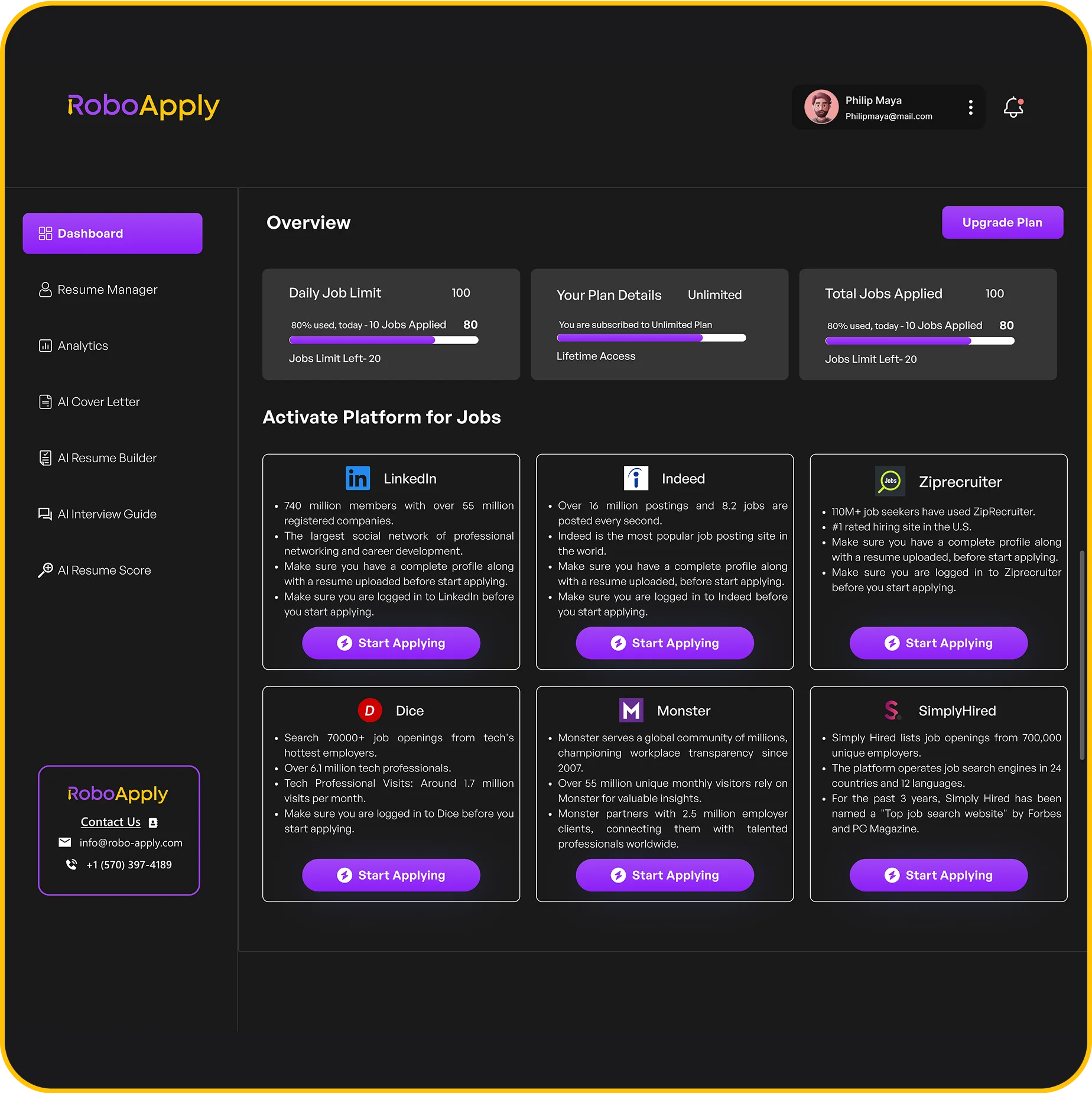
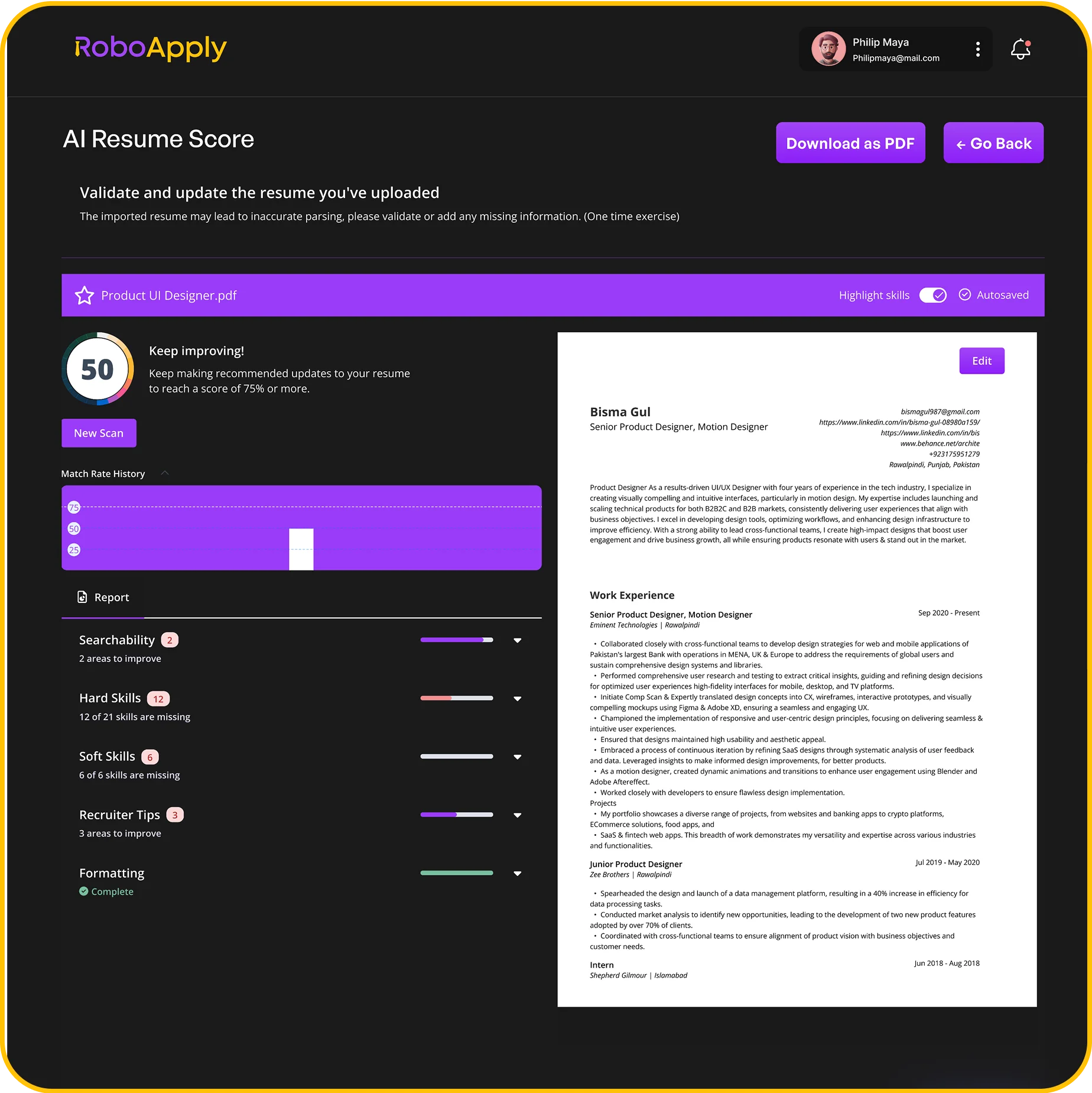
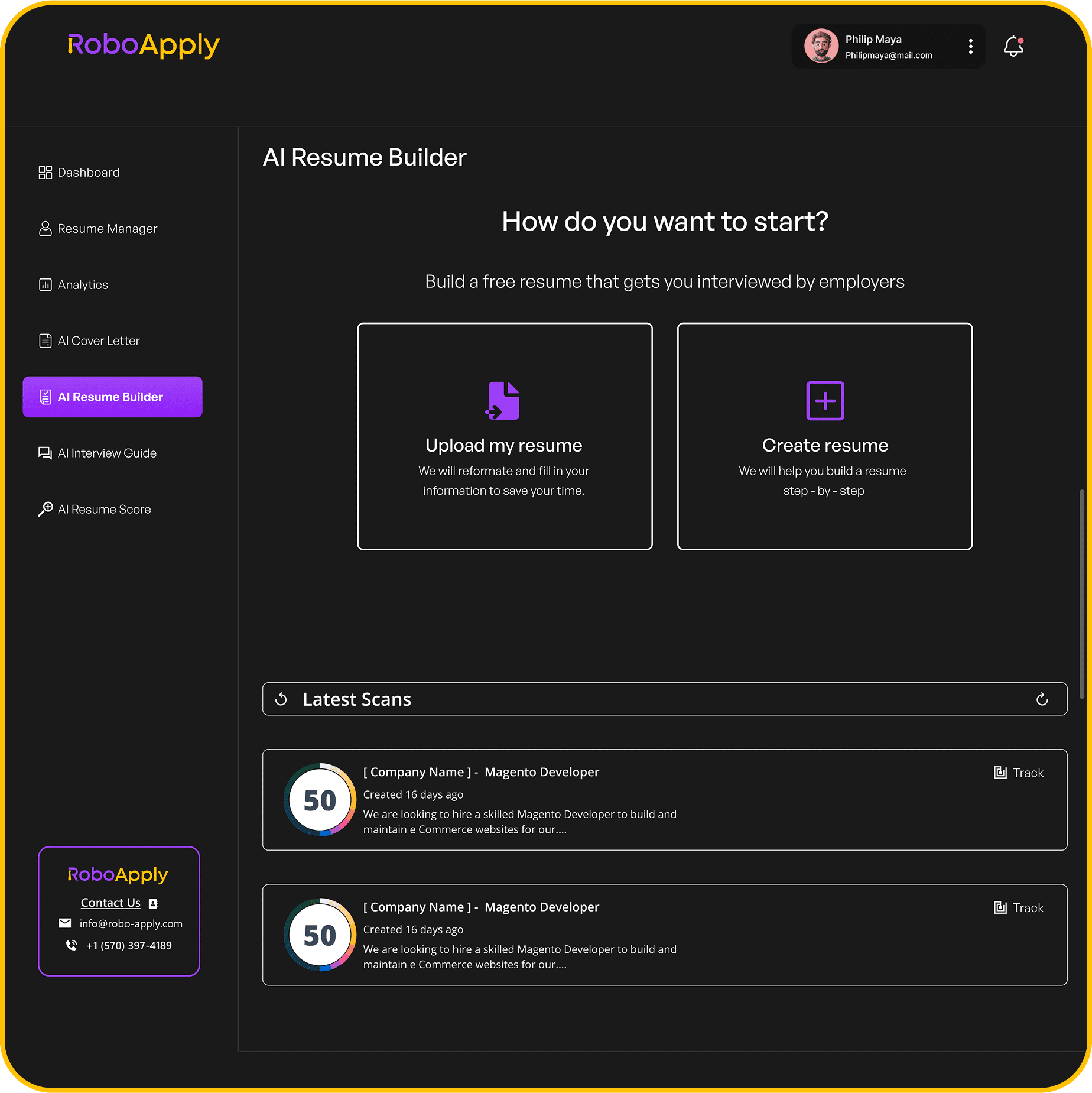
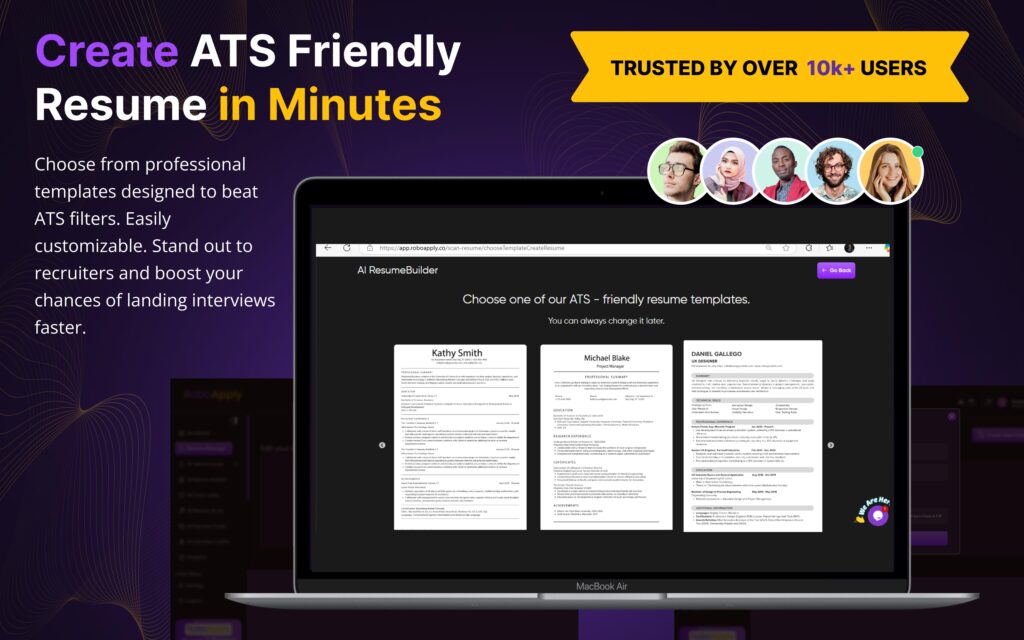
RoboApply’s AI Resume Builder helps you create optimized resumes that generate multiple quality offers. More options mean better leverage when evaluating opportunities.
The AI Cover Letter Generator creates customized letters for each application improving your callback rates. You’re not wasting time on applications that won’t generate offers.
AI Auto Apply submits applications across hundreds of positions efficiently. You can evaluate multiple offers rather than desperately accepting the first one you receive.
Frequently Asked Questions
How do you write a job decline letter sample?
Include clear subject line, thank them for the offer, state your decline decision, provide brief reason if comfortable, and close with positive wishes.
Should you call or email to decline a job offer?
Email works for most situations. Call first for senior positions or when you built strong rapport during interviews, then follow with email.
How quickly should you decline a job offer?
Decline within 24-48 hours after making your decision. Quick responses respect the employer’s timeline and allow them to move to other candidates.
Do you need to give a reason when declining?
No, but brief vague reasons help. “Accepted another offer” or “Personal circumstances” work. Don’t feel obligated to provide detailed explanations.
Can declining a job offer hurt future opportunities?
Professional declines preserve relationships. Ghosting or rude declines damage your reputation. Gracious letters keep doors open for future roles.