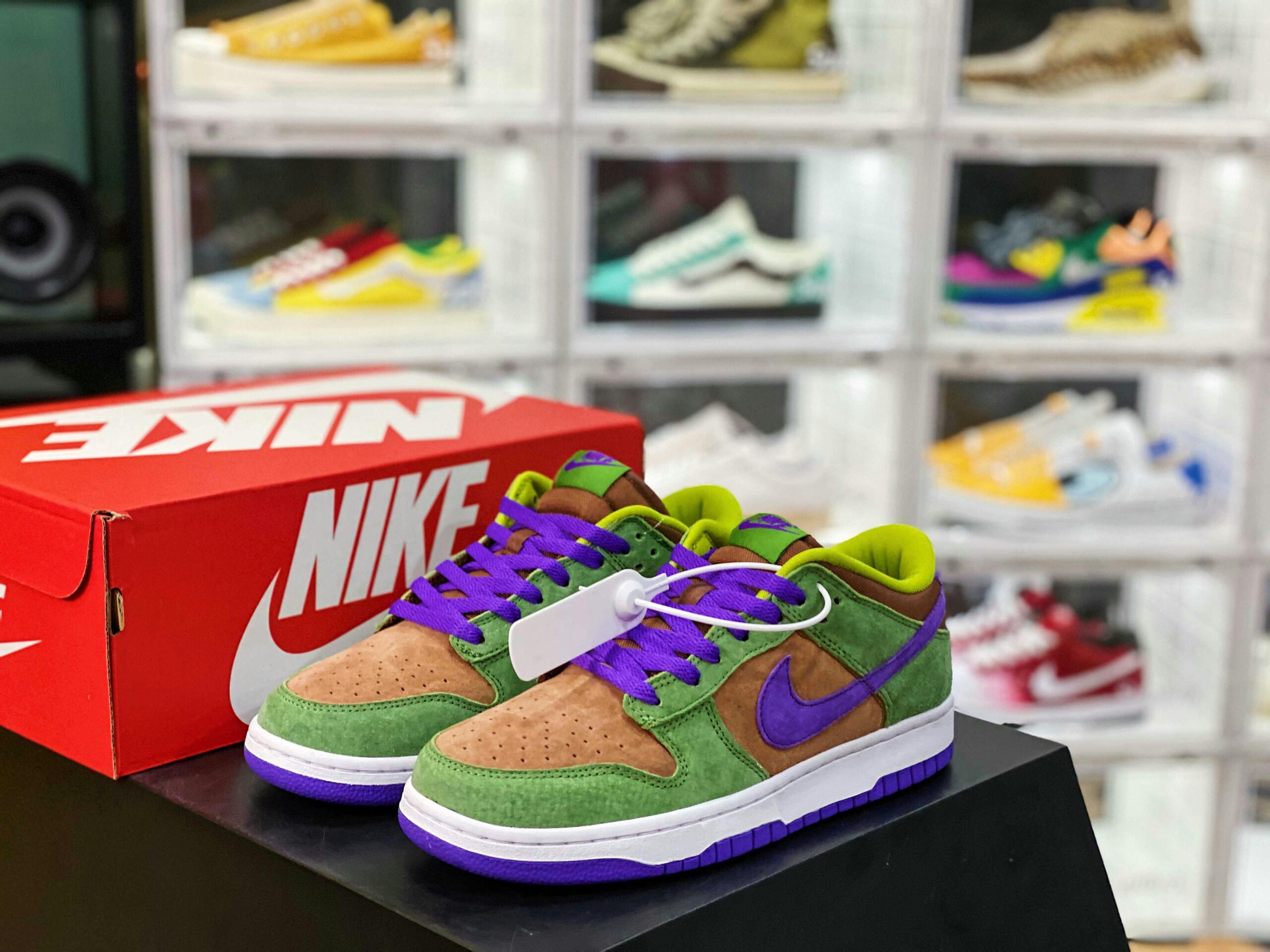
Nike store interview questions focus on brand passion, customer service experience, and teamwork abilities. Expect questions like “Why Nike?” and “What does Just Do It mean to you?” You’ll also face behavioral questions about going above and beyond for customers, handling difficult situations, and working in fast-paced environments. Nike uses a mix of video interviews and in-person meetings with store managers or coaches.
Most candidates applying to Nike stores underestimate how much the brand cares about cultural fit. You’re not just getting hired to fold shirts and ring up sales. Nike wants people who genuinely connect with athletic culture and the brand’s mission. Your passion for sports and Nike’s story matters as much as your retail experience.
Research from Glassdoor shows Nike store interviews typically last 30-45 minutes combining motivation questions with behavioral scenarios. The company receives thousands of applications for each location. Standing out requires preparation showing you understand Nike’s culture beyond just liking their shoes.
Common Nike Store Interview Questions
Nike store interviews follow predictable patterns focusing on specific themes. Understanding these question categories helps you prepare targeted responses that impress interviewers.
Brand Passion and Alignment Questions
Nike interviewers want to know why you chose their company specifically. These questions test whether you’ve done research and genuinely care about the brand or you’re just looking for any retail job.
Expect these brand-focused questions during your Nike interview:
- Why do you want to work at Nike specifically rather than other athletic brands?
- What does “Just Do It” mean to you personally beyond just a slogan?
- Who is your favorite Nike athlete and why do they inspire you?
- What is your favorite Nike product and what makes it special to you?
- Tell me about a recent Nike campaign or initiative that resonated with you
- How do you personally embody Nike’s commitment to innovation and performance?
These questions require genuine answers based on real connection to Nike’s brand. Don’t make stuff up about loving running if you never run. Find authentic connections between your interests and Nike’s mission. Maybe you admire their sustainability initiatives or love basketball and follow Nike’s NBA partnerships. Understanding opportunities across basic industries shows how retail fits broader employment.
Customer Service Behavioral Questions
Retail success depends on exceptional customer service. Nike asks behavioral questions assessing how you’ve handled real customer situations in previous jobs or life experiences.
The “above and beyond” story comes up constantly. Interviewers ask “Tell me about a time you went out of your way to help a customer.” They want specific examples with details about what you did and what happened. Vague answers like “I always try to help customers” fail completely.
Conflict resolution questions test your composure under pressure. “Describe handling a difficult customer or coworker” reveals whether you stay professional during conflicts. Nike wants people who solve problems without escalating situations or getting defensive.
Teamwork questions explore collaboration skills. “Give an example of achieving a goal as part of a team” shows whether you work well with others. Retail requires constant collaboration with coworkers during shifts. Following professional standards applies throughout retail applications.
Fast-paced adaptability questions assess stress management. “How do you stay motivated during high-traffic rushes or slow periods?” reveals your approach to retail’s variable pace. Some days you’re slammed with customers. Other days drag with minimal traffic.
Role-Specific Scenario Questions
Nike presents hypothetical situations testing your sales approach and product knowledge. These questions reveal how you’d actually perform on the floor.
Sales strategy questions might ask “If a customer enters the store, what are the first three things you do?” They’re testing whether you understand greeting, building rapport, and discovering needs before pushing products. Good answers show customer-focused approaches rather than aggressive sales tactics.
Product knowledge questions test whether you understand Nike technologies. “How would you sell Air Max or Dri-FIT to someone unfamiliar with it?” requires explaining benefits in simple terms customers understand. You need basic knowledge of Nike’s key technologies and their advantages. Like knowing how to format resumes, presentation matters in sales.
The Nike Store Interview Process
Nike’s hiring process involves multiple steps screening candidates before final selection. Understanding each stage helps you prepare appropriately for what’s coming next.
The process typically starts with an online application through Nike’s careers portal. You’ll submit your resume and answer basic screening questions about availability and experience. This initial application filters candidates based on minimum requirements.
Digital assessments come next for some locations. Nike uses retail skills assessments or personality tests measuring customer service aptitude and work style preferences. These tests take 20-30 minutes and can’t really be studied for. Answer honestly based on your actual preferences.
HireVue video interviews screen many candidates efficiently. You’ll record yourself answering preset questions with limited time. Most questions give you 30 seconds to think and 2 minutes to record your response. This feels awkward but practice helps. Record yourself answering common questions beforehand to improve delivery.
In-store interviews represent the final stage before hiring decisions. You’ll meet with a store manager or “coach” for 30-45 minutes discussing your background, availability, and fit. This conversation determines whether you get an offer. Store leaders want confident people who genuinely love Nike’s brand. Understanding when to follow up on applications helps throughout the process.
How to Answer Nike Interview Questions Effectively
Structuring your responses using proven frameworks helps you deliver compelling answers that interviewers remember. Random rambling about your background doesn’t work. Organized responses highlighting relevant details win interviews.
Using the STAR Method
The STAR method structures behavioral answers clearly. STAR stands for Situation, Task, Action, Result. This framework ensures you provide complete answers without rambling or missing key details.
Situation sets the context briefly. Describe where you were working and what was happening. “I worked as a server at a busy restaurant during holiday season.” Keep this part short. One or two sentences maximum.
Task explains what needed to be done. “My job was serving 8-10 tables simultaneously while maintaining quality service.” This clarifies your responsibility and the challenge you faced.
Action describes specifically what you did. This is the longest part of your answer. “I created a system color-coding my orders by urgency. I communicated frequently with the kitchen about timing. I checked on tables proactively before customers needed to ask for things.” Include concrete details about your approach.
Result shares the outcome. “I maintained 4.8/5 customer ratings throughout the season and received compliments from management on my efficiency.” Quantify results when possible. Similar to understanding specialized trade compensation, specific numbers prove capability.
Some recommend adding Reflection explaining what you learned. “This experience taught me that organization and communication prevent problems before they start.” Reflection shows growth mindset and self-awareness.
Tailoring Answers to Nike’s Culture
Generic retail answers fail at Nike interviews. You need to connect your responses specifically to Nike’s culture, values, and brand identity throughout.
Reference Nike athletes, campaigns, or products when relevant. If discussing teamwork, mention how Nike teams collaborate like championship basketball teams. If talking about innovation, connect it to Nike’s constant product evolution.
Use Nike’s language naturally. Terms like “winning as a team,” “innovation,” “performance,” and “athlete” appear throughout Nike’s messaging. Incorporating this vocabulary shows cultural alignment without sounding forced.
Emphasize athletic mindset even if discussing non-athletic experiences. Nike values competitive drive, resilience, and continuous improvement. Frame your stories highlighting these qualities whether you’re talking about retail, school, or personal achievements.
Preparation Tips for Nike Store Interviews
Beyond just knowing potential questions, strategic preparation significantly improves your performance. These tactics help you stand out from other candidates competing for the same position.
Research Nike thoroughly before your interview. Read about their sustainability initiatives, recent product launches, athlete partnerships, and company news. Visit Nike stores observing how employees interact with customers. This research provides specific details for your answers.
Prepare questions to ask your interviewer. Never say “no, I don’t have any questions” at the end. Ask about team dynamics, busy season strategies, favorite aspects of working there, or growth opportunities. Good questions show genuine interest and engagement.
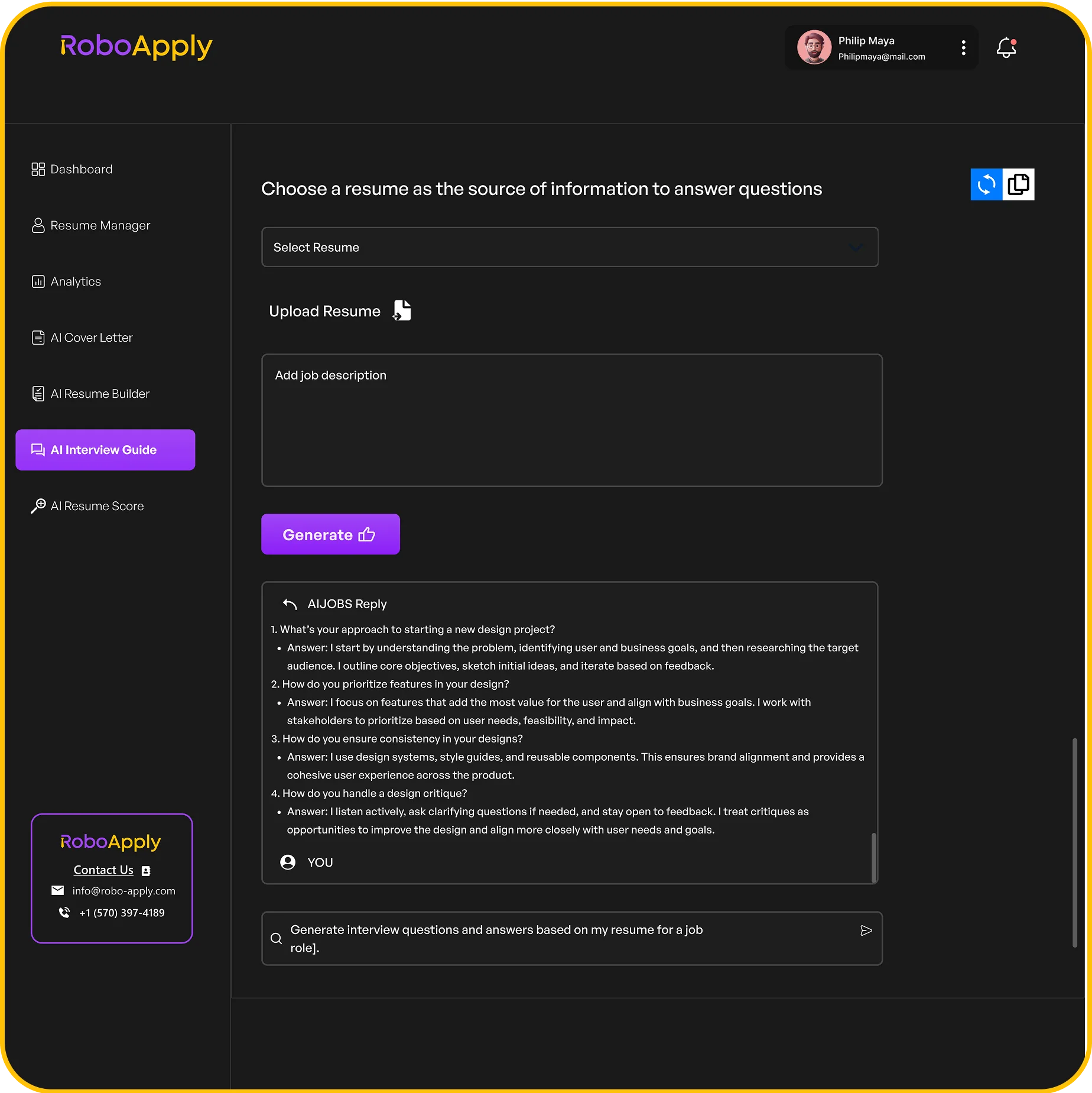
Practice answering questions out loud. Reading answers in your head differs completely from speaking them. Record yourself or practice with friends. You’ll catch filler words, rambling, and awkward phrasing you’d miss otherwise.
Plan your interview outfit strategically. Nike’s culture is “professional athletic.” Wear clean Nike gear or stylish athletic-casual clothing. Don’t show up in a suit and tie. Don’t wear competitors’ brands. Your appearance should signal you understand and fit Nike’s aesthetic.
Prepare multiple examples for behavioral questions. You’ll need different stories about customer service, teamwork, conflict resolution, and problem-solving. Having 5-6 solid examples ready prevents scrambling during the interview.

Optimizing Your Nike Application
Beyond interview performance, your initial application and follow-up affect hiring decisions. These strategies improve your chances of getting the interview in the first place.
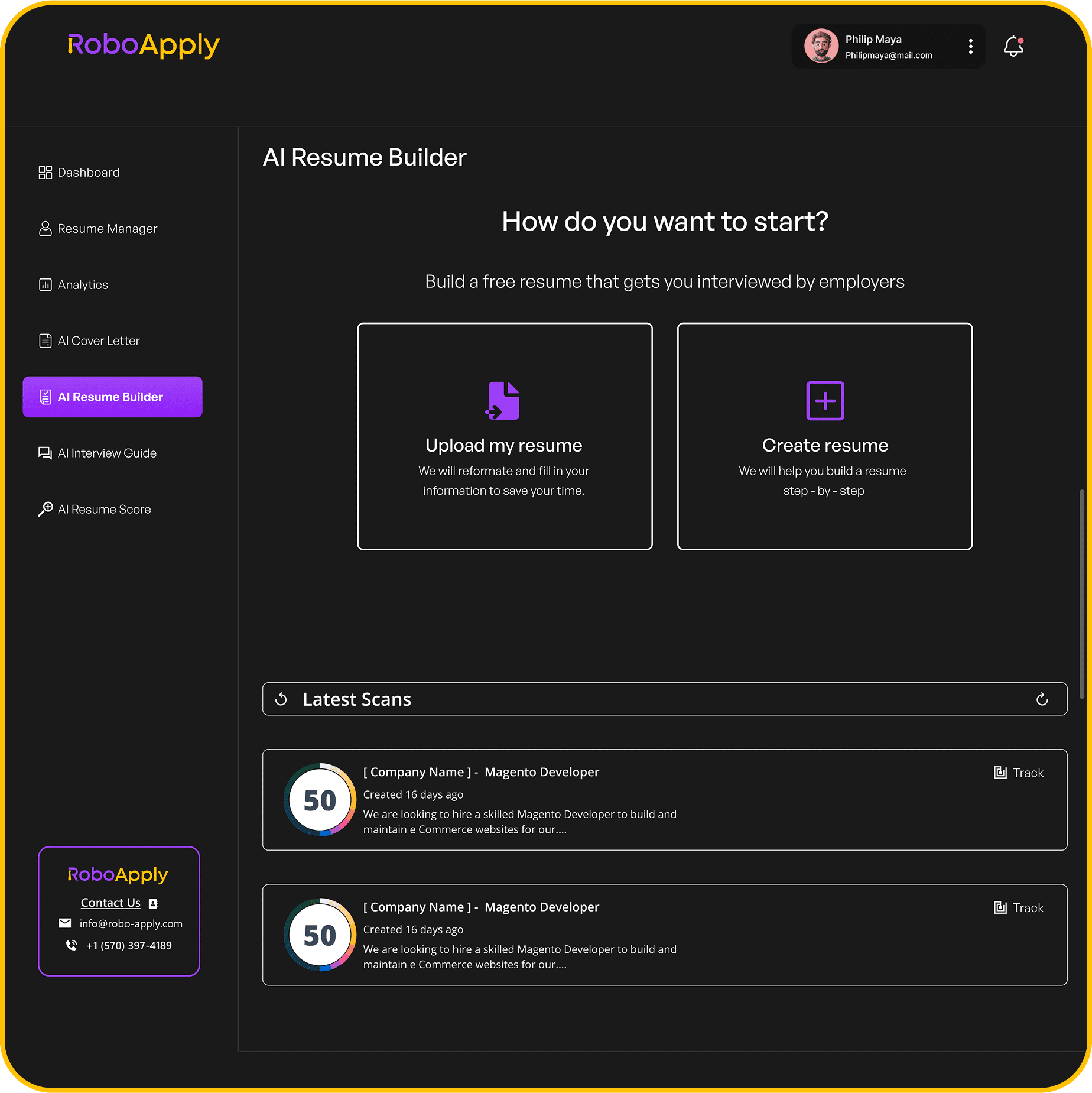
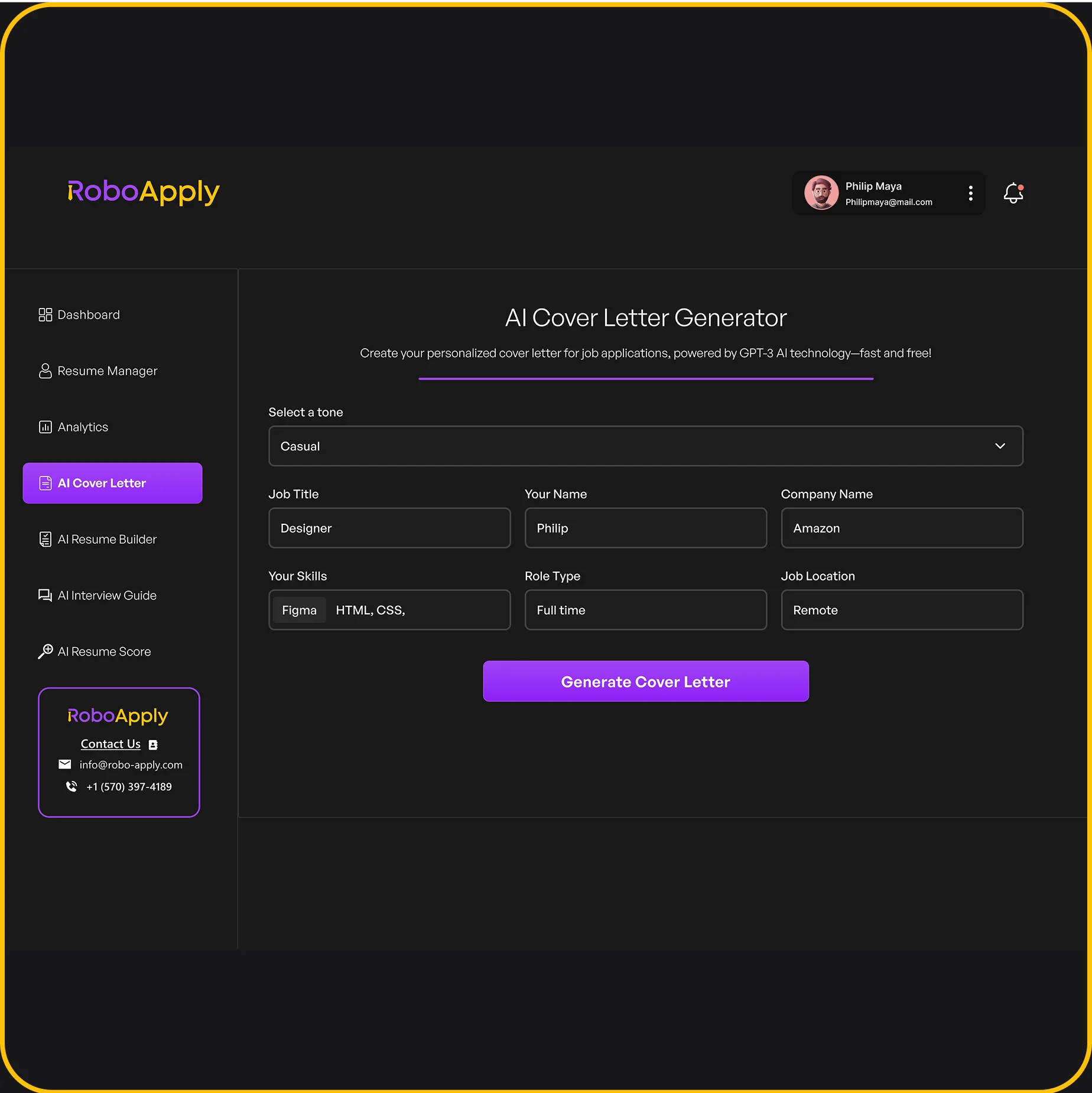
RoboApply’s AI Resume Builder helps you create retail-optimized resumes emphasizing customer service and sales experience. The platform formats your background for Nike’s applicant tracking system.
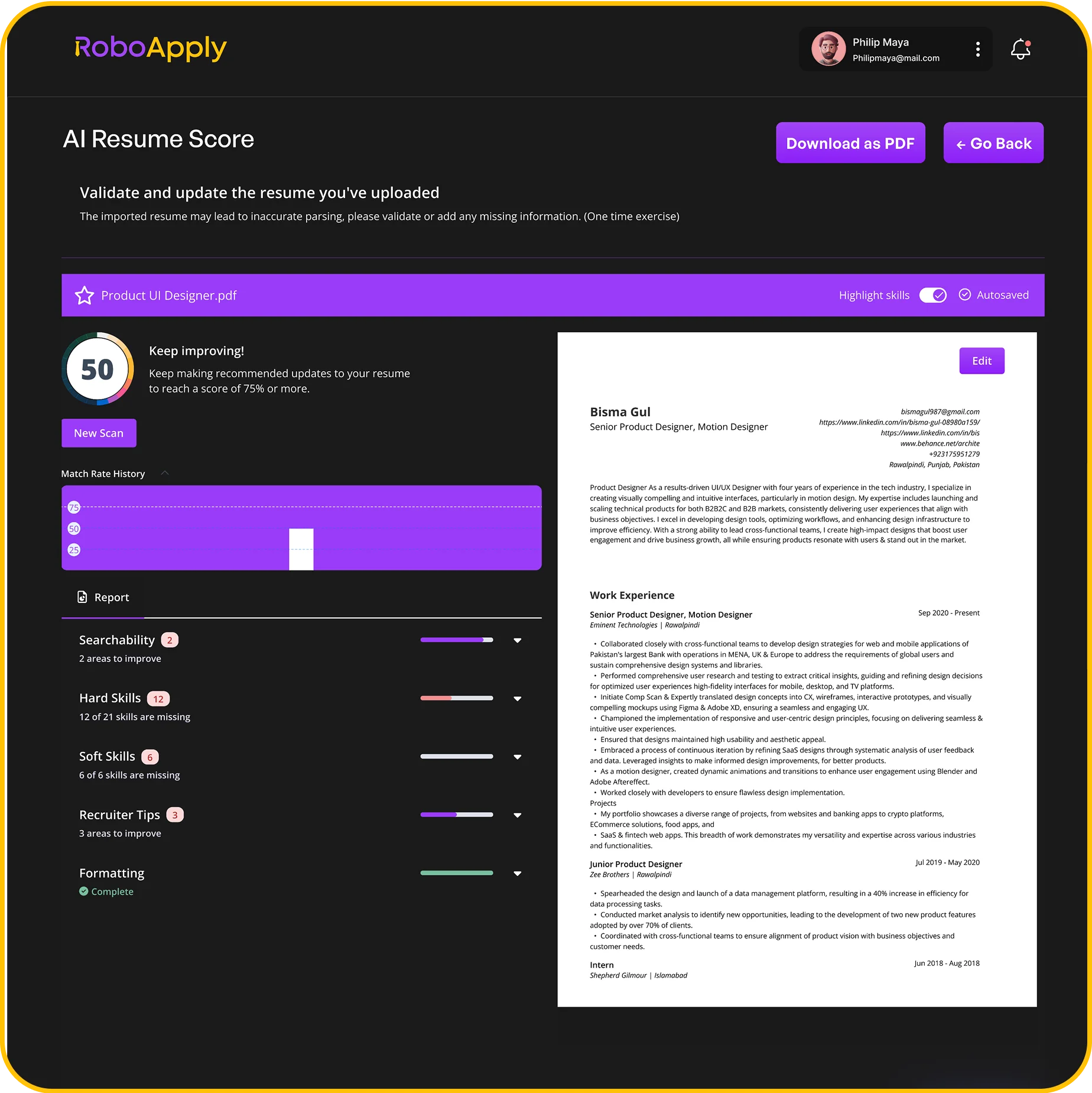
The Resume Score feature analyzes your resume against retail hiring standards. You’ll see which experiences to emphasize for Nike and how to quantify your achievements effectively.
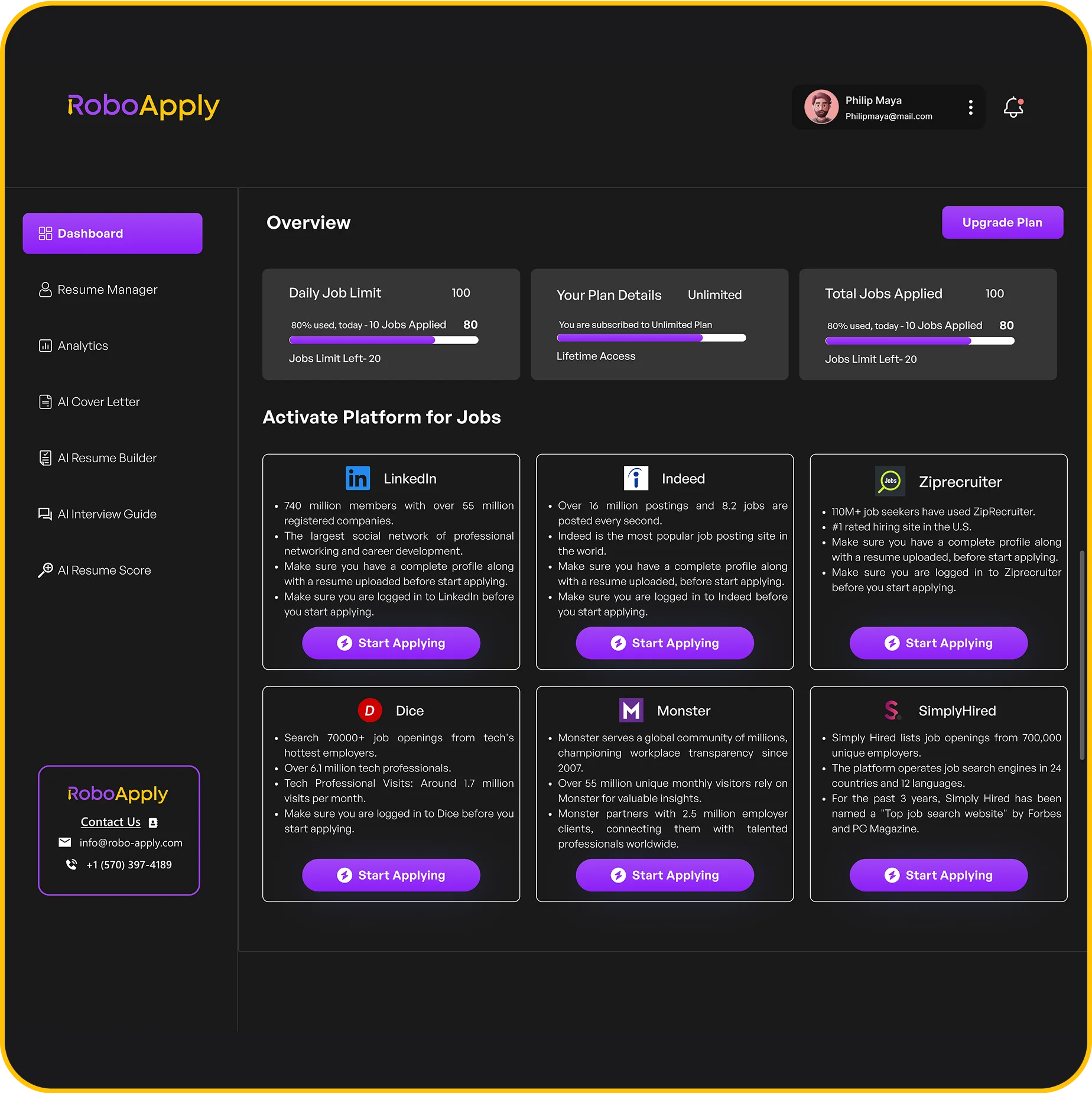
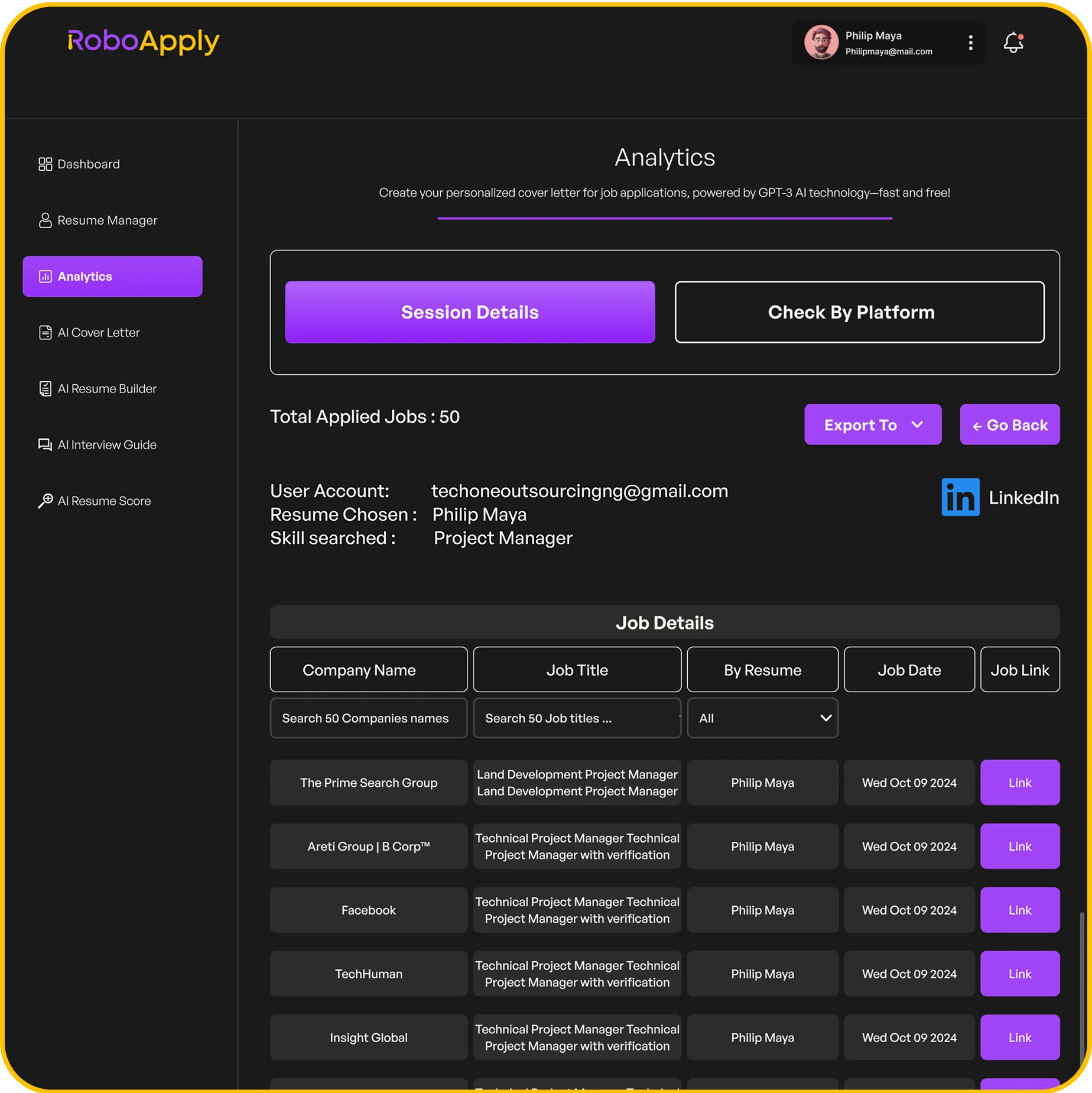
AI Auto Apply manages applications across Nike and other retail employers efficiently. You’re not manually filling repetitive forms at multiple companies.
Frequently Asked Questions
What are common Nike store interview questions?
Nike asks about brand passion, customer service examples, teamwork situations, and sales approaches. Expect “Why Nike?” and behavioral questions using STAR method responses.
How long is the Nike store interview?
Nike store interviews typically last 30-45 minutes. The process includes video screening interviews followed by in-person meetings with store managers or coaches.
What should I wear to a Nike interview?
Wear clean Nike gear or professional athletic-casual clothing. Nike’s culture is “professional athletic.” Avoid suits or competitors’ brands. Show you understand the aesthetic.
How do I prepare for Nike interview questions?
Research Nike’s brand, prepare STAR method examples, practice answers out loud, and genuinely connect your interests to Nike’s mission and athlete culture.
Does Nike ask technical questions in retail interviews?
Nike asks about product knowledge like Air Max or Dri-FIT technologies. They want you explaining benefits to customers in simple terms, not technical specifications.