A letter of resignation as a nurse should state your departure date, thank your employer, and offer a transition period upfront. You’ll include your last working day at least two weeks ahead. Then you’ll express gratitude for the opportunity. Finally, you’ll offer to help train your replacement or complete patient handoffs.
Most nurses overthink resignation letters. They write long explanations about why they’re leaving. Your letter isn’t therapy. It’s a professional notice that maintains relationships and protects your nursing license.
According to the American Nurses Association, nurses change jobs every 2-3 years on average. Your resignation letter creates your lasting impression. Hospital systems share references. Your professional reputation follows you throughout your career.
What Makes Nursing Resignation Letters Different
Nursing resignations require extra care compared to other professions. Patient care continuity and professional licensing create unique considerations.
Patient Care Transition Requirements
Your resignation affects patient care directly. Your letter should address how you’ll ensure smooth transitions. Mention your willingness to document patient histories. Offer to brief incoming staff on critical cases.
Include these transition elements:
- Completing current patient charts and documentation
- Participating in unit handoff meetings
- Training replacement nurses on specialized procedures
- Updating care plans for long-term patients
- Finishing required continuing education hours
Hospitals appreciate nurses who prioritize patient safety during transitions. Research from the Journal of Nursing Management shows proper handoffs reduce medical errors significantly.
Professional License Considerations
Your nursing license follows you everywhere. Burning bridges affects future employment and licensing renewals. Your resignation letter becomes part of your employment record.
Keep your letter professional regardless of circumstances. Avoid mentioning conflicts with doctors or administrators. Don’t cite staffing issues or workload complaints. Save honest feedback for exit interviews if offered.
Notice Period Expectations
Most nursing contracts require 30 days notice. Some specialized units need 60-90 days. Check your employment agreement before writing your letter.
Shorter notice might be acceptable for:
- Medical emergencies affecting you or family
- Hostile work environments documented with HR
- Relocation for spouse’s job transfer
- Acceptance into graduate nursing programs
Always offer the contractually required notice when possible. Early departures can result in penalties or negative references.
How to Structure Your Nursing Resignation Letter
A clear structure maintains professionalism while covering necessary details. Follow this proven format that protects your nursing career. Similar to how many bullet points per job on resume matters for applications, your letter’s organization affects perception.
Opening Paragraph: State Your Intent
Your first paragraph should include three key pieces of information immediately. State that you’re resigning. Provide your last working day. Reference your position and unit.
Example: “I’m submitting my resignation from my position as Registered Nurse in the ICU at Memorial Hospital. My last working day will be March 15, 2026, providing 30 days notice.”
This opening answers the essential questions immediately. No confusion exists about your timeline or intent.
Middle Paragraph: Express Gratitude
Use one paragraph to thank your employer genuinely. Mention specific learning experiences or professional growth. Keep it brief and sincere.
Focus on:
- Skills you developed at this facility
- Mentorship from senior nurses or doctors
- Challenging cases that expanded your expertise
- Professional development opportunities provided
Avoid empty flattery. Choose one or two specific positives you genuinely appreciated.
Transition Paragraph: Offer Assistance
Dedicate one paragraph to transition planning. Show your commitment to patient care continuity. Offer specific help during your notice period.
You might write: “During my remaining time, I’ll complete all patient documentation, participate in knowledge transfer meetings, and assist with training my replacement. I’m committed to ensuring seamless care for our patients.”
This demonstrates professionalism and care for patient outcomes.
Closing: Professional Sign-Off
End with a forward-looking statement. Wish the team well. Provide contact information for future references. Keep it warm but professional.
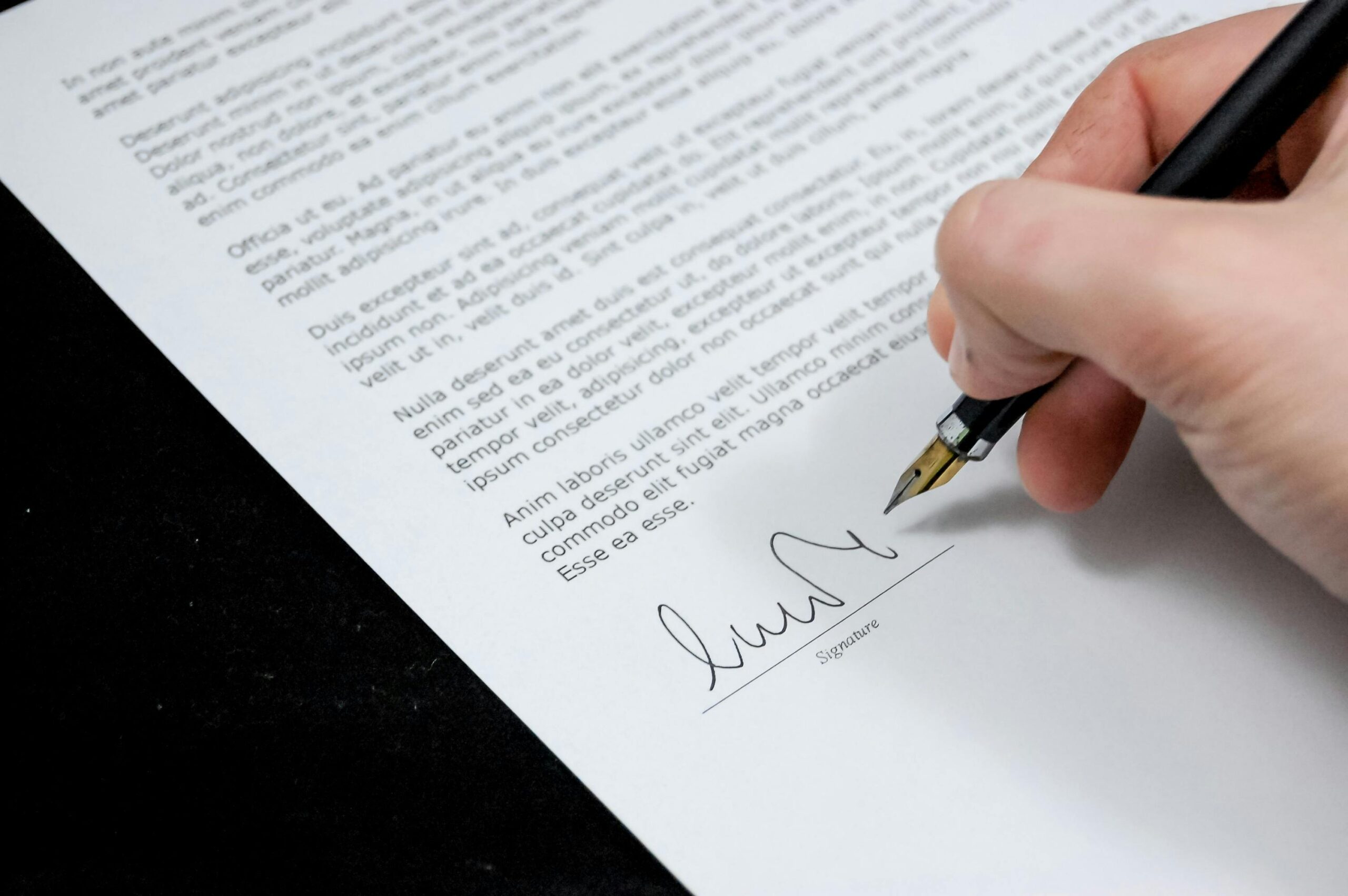
Close with “Sincerely” or “Best regards” followed by your signature. Include your full name, credentials (RN, BSN, etc.), and contact information.

Common Nursing Resignation Letter Mistakes
These errors damage your professional reputation. Avoid them to maintain positive references. Understanding professional communication matters across fields, just like knowing how many jobs are available in basic industries informs career decisions.
Over-Explaining Your Reasons
You don’t owe detailed explanations for leaving. Your letter should focus on logistics, not justifications. Personal reasons stay personal.
Don’t write:
- “The staffing ratios are unsafe”
- “I can’t work with Dr. Smith anymore”
- “Administration doesn’t listen to nurses”
- “I’m burned out from mandatory overtime”
These statements burn bridges. They can be used against you in licensing disputes or reference checks.
Forgetting Legal and Contractual Details
Many nursing contracts include non-compete clauses or penalties for early departure. Your resignation letter should acknowledge contractual obligations.
Review your contract for:
- Required notice periods
- Geographic restrictions on future employment
- Tuition reimbursement repayment clauses
- Continuing education completion requirements
Address these in your letter to show you’re honoring agreements.
Being Too Casual or Emotional
Nursing creates intense bonds with coworkers. Your resignation letter isn’t the place for emotional goodbyes. Keep it professional and brief.
Save personal sentiments for individual conversations. Your letter goes in your permanent file. Future employers might request it.
Download Professional Nursing Resignation Letter Templates
We’ve created four resignation letter templates for different nursing situations. Each template maintains professionalism while addressing specific circumstances.
Each template comes in DOCX, PDF, and TXT formats. Customize them with your specific dates and details.
Special Situations in Nursing Resignations
Different circumstances require different approaches. Here’s how to handle common nursing resignation scenarios.
Leaving for Travel Nursing
Travel nursing offers better pay and flexibility. Your resignation letter should maintain positive relationships since you might return.
Key elements to include:
- Appreciation for permanent position experience
- Desire to gain diverse clinical experience
- Openness to per diem shifts when in the area
- Willingness to return in the future
Many nurses return to home hospitals after traveling. Don’t burn bridges.
Resigning Due to Burnout
Nursing burnout is real and valid. Your resignation letter shouldn’t detail mental health struggles. Keep it professional and brief. The stress affects nurses similarly to how specialized roles like underwater welding demand both physical and mental resilience.
Simply state you’re pursuing opportunities better aligned with work-life balance. Offer full notice and transition support.
Moving to Different Healthcare Settings
Transitioning from hospital to clinic, home health, or school nursing requires tact. Your letter should respect your current role while expressing new interests.
Mention:
- Gratitude for acute care experience gained
- Interest in different patient populations
- Desire to apply your skills in new settings
- Commitment to quality care in all environments
Resignation for Advanced Degrees
Pursuing your NP, DNP, or other advanced degree is admirable. Your resignation letter should reflect professional growth.
Highlight:
- How current role inspired further education
- Skills you’ll bring back to nursing practice
- Appreciation for employer’s development support
- Possibility of returning with advanced credentials
Many hospitals offer tuition assistance with return commitments. Address these obligations if applicable.
After You Submit Your Resignation
Your letter submission starts your transition period. How you conduct yourself during notice matters as much as the letter itself. Professional follow-through matters in nursing just as calling a job after applying shows initiative in other fields.
Maintain Professional Standards
Continue providing excellent patient care through your last shift. Your work quality shouldn’t decline during notice. Coworkers and patients depend on you.
Document thoroughly. Complete all required charting. Finish pending certifications. Leave your unit in good shape.
Handle Exit Interviews Carefully
HR might request exit interviews. You can be more honest here than in your resignation letter. But remain professional and constructive.
Focus on:
- Specific workflow improvements rather than complaints
- Systemic issues rather than personal conflicts
- Actionable feedback rather than venting
- Future-focused suggestions rather than past grievances
Your feedback might improve conditions for nurses who remain.
Protect Your Professional Reputation
Avoid social media posts about leaving until after your last day. Don’t badmouth your employer to coworkers. Gossip spreads fast in healthcare.
Regarding whether you should put references on a resume, nursing positions require them. Maintain relationships that provide strong references.

Streamlining Your Next Career Move
After resigning, you’ll need to apply for new positions quickly. Most nurses apply to 5-10 hospitals simultaneously. That means creating customized applications for each facility.
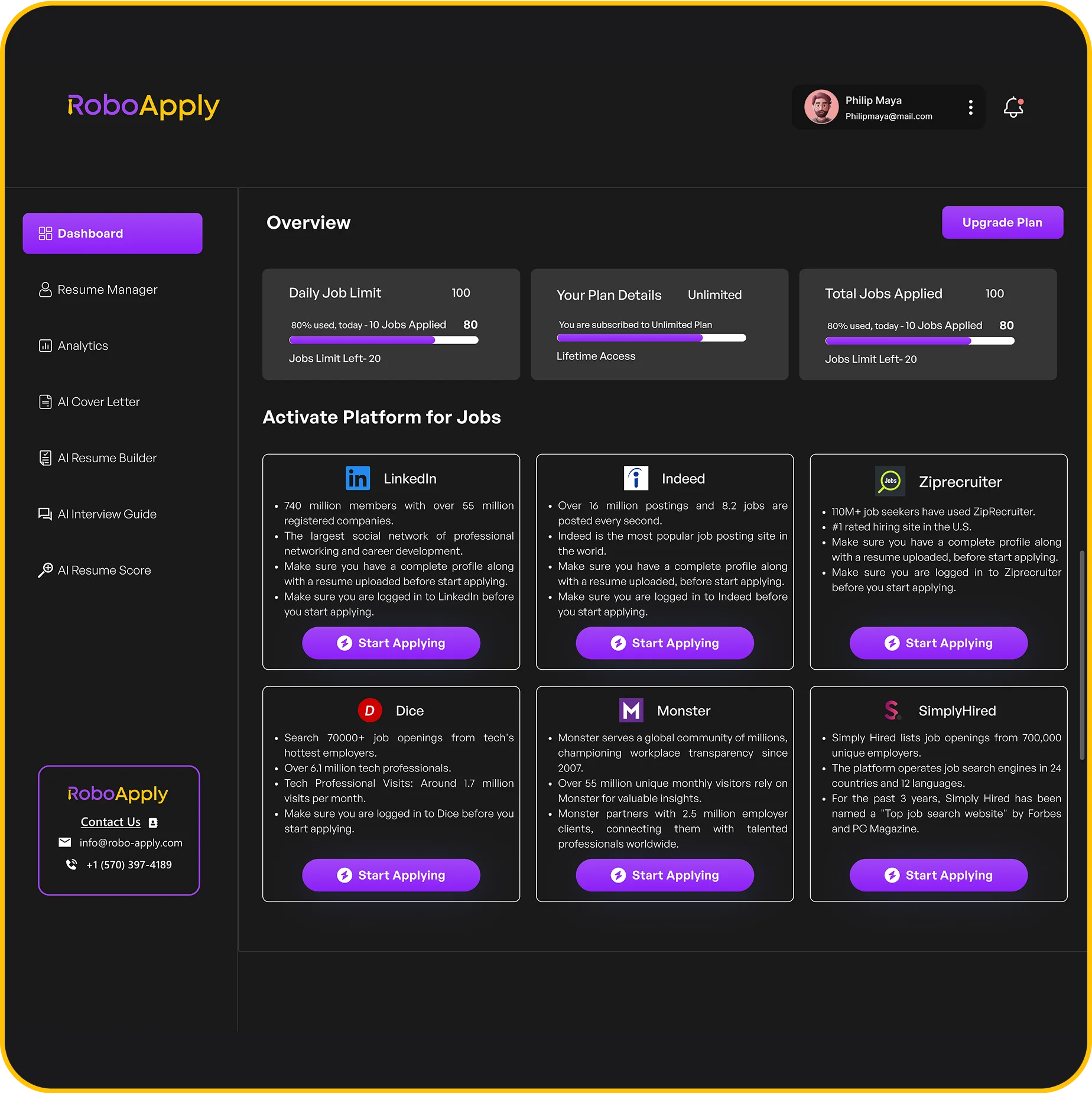
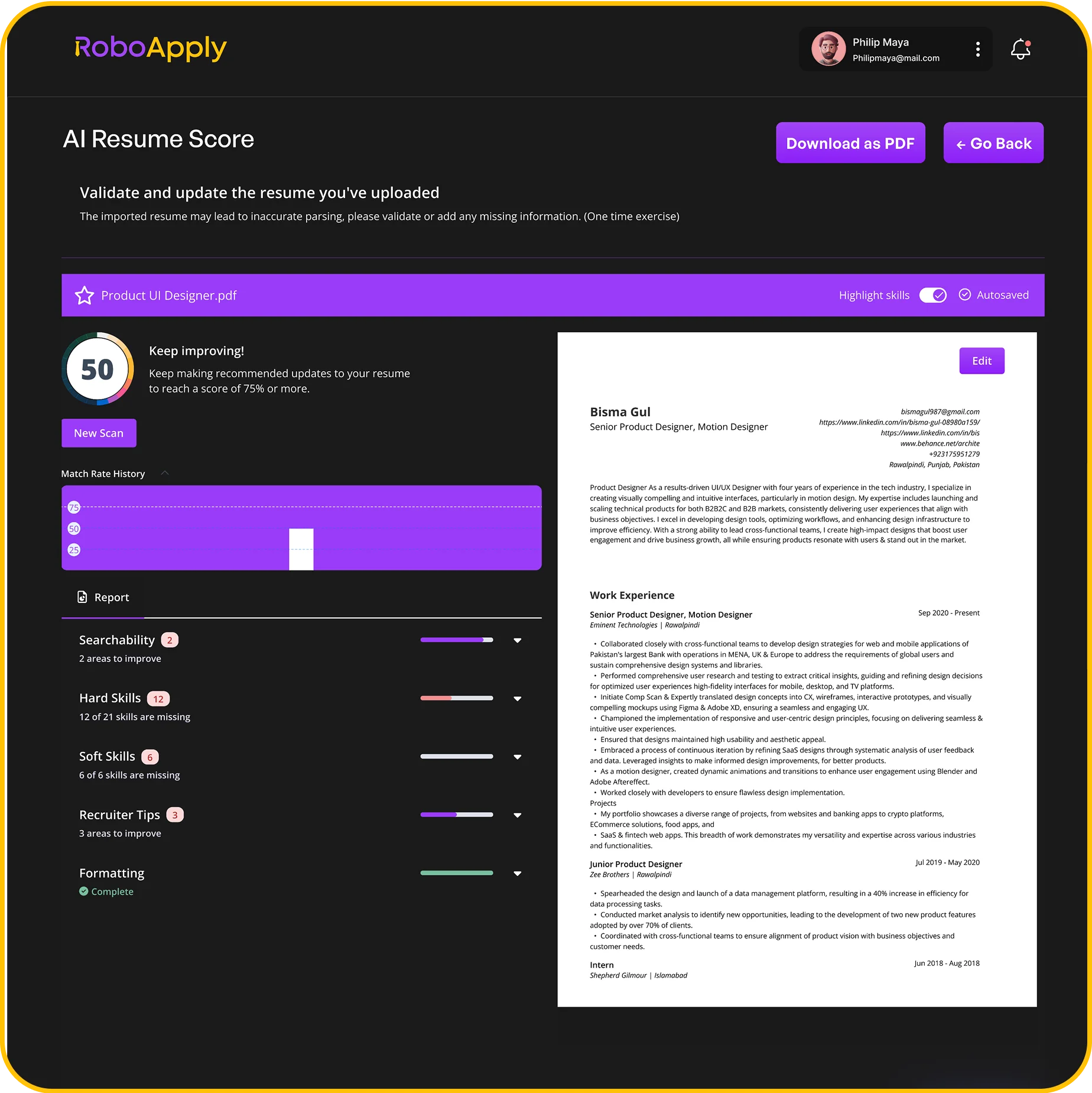
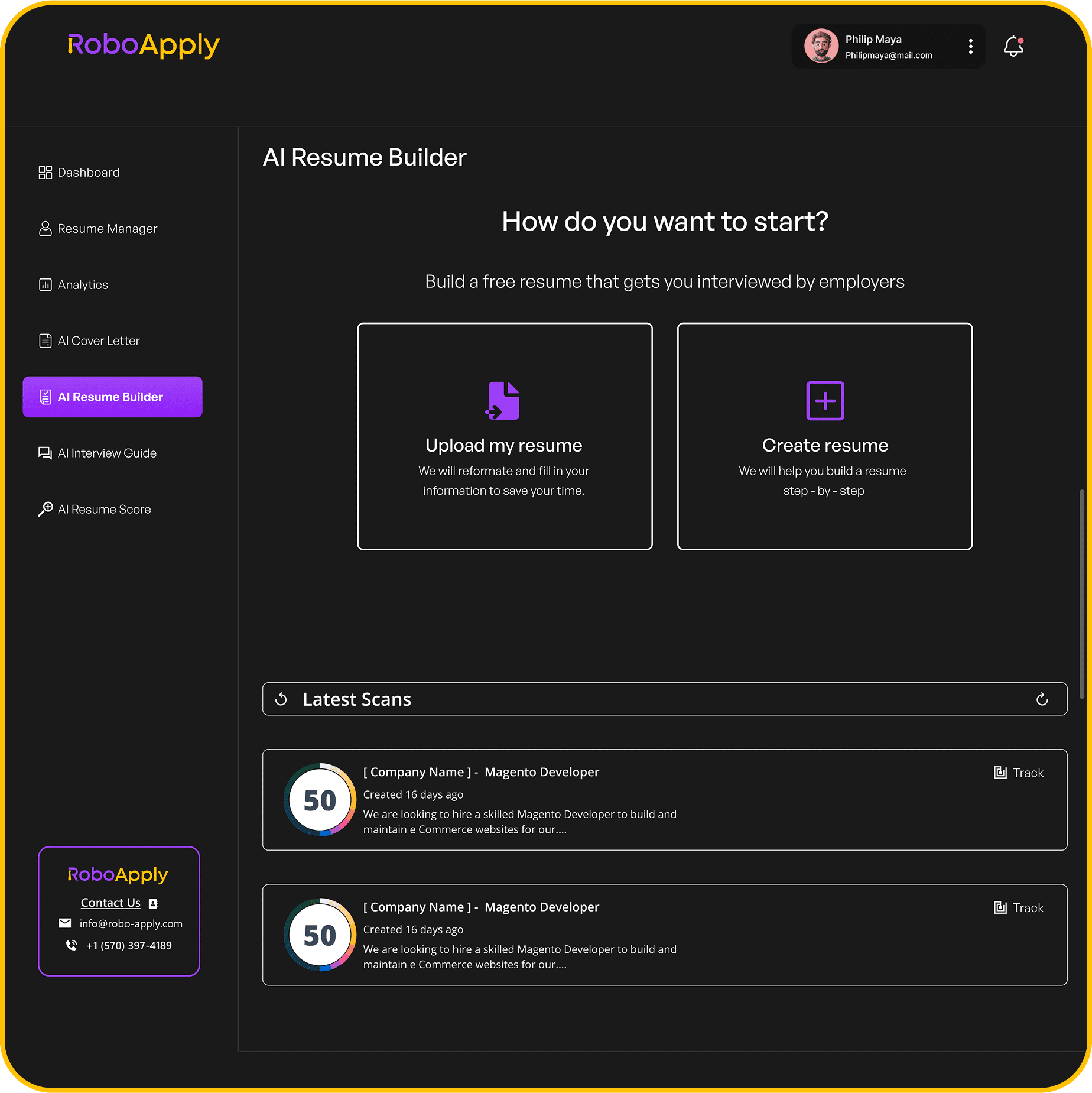
RoboApply’s AI Resume Builder helps nurses create ATS-optimized resumes highlighting clinical experience. The platform formats your nursing background for hospital hiring systems. Your certifications and specialties appear prominently automatically.
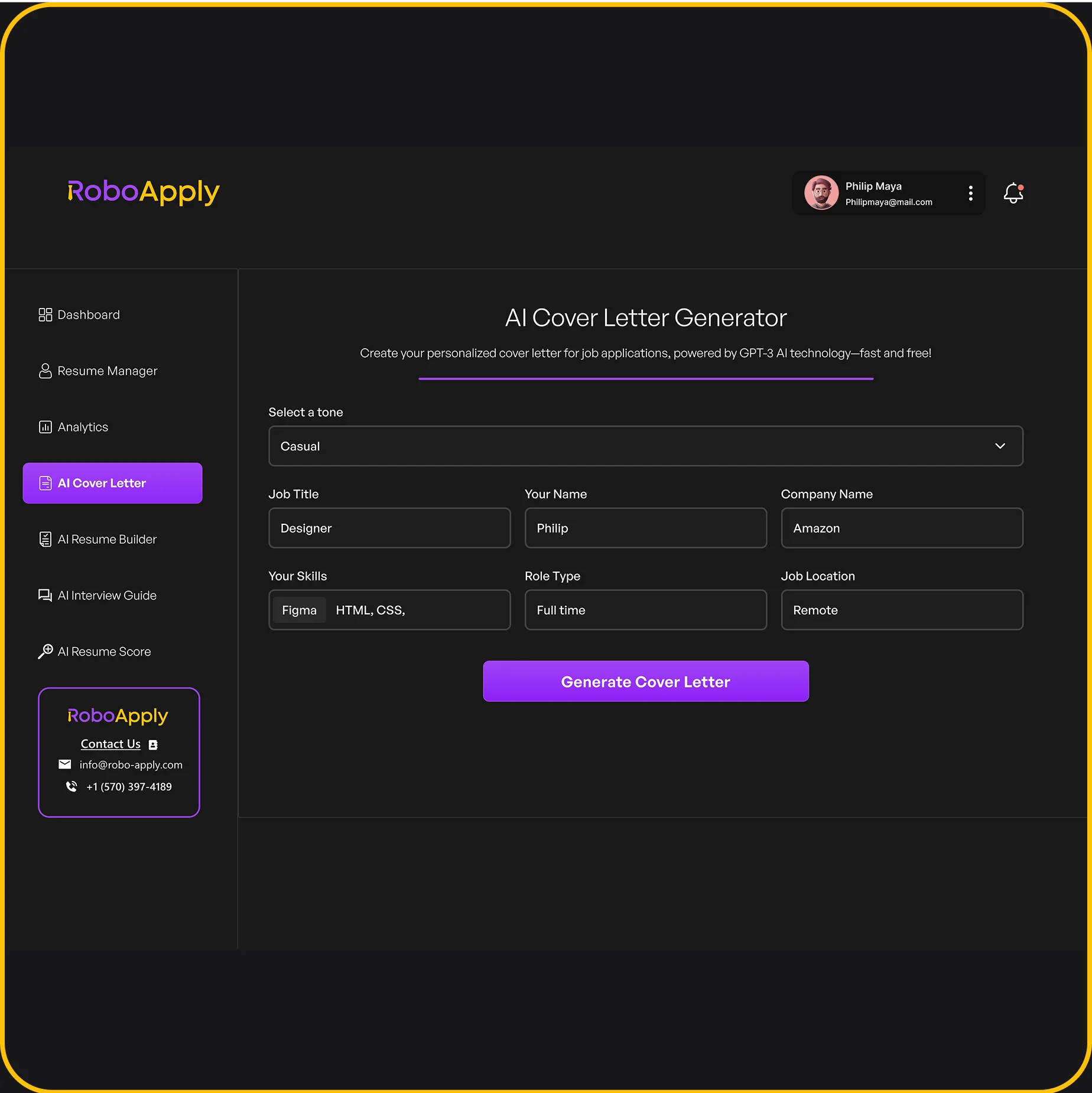
The AI Cover Letter Generator creates personalized letters for each nursing application. It emphasizes your relevant unit experience and patient populations. Each letter connects your background to the facility’s specific needs.
AI Auto Apply submits applications to multiple hospitals based on your nursing qualifications. Your RN license and specialties reach more opportunities without manual portal entries. You’re applying efficiently while finishing your current notice period.
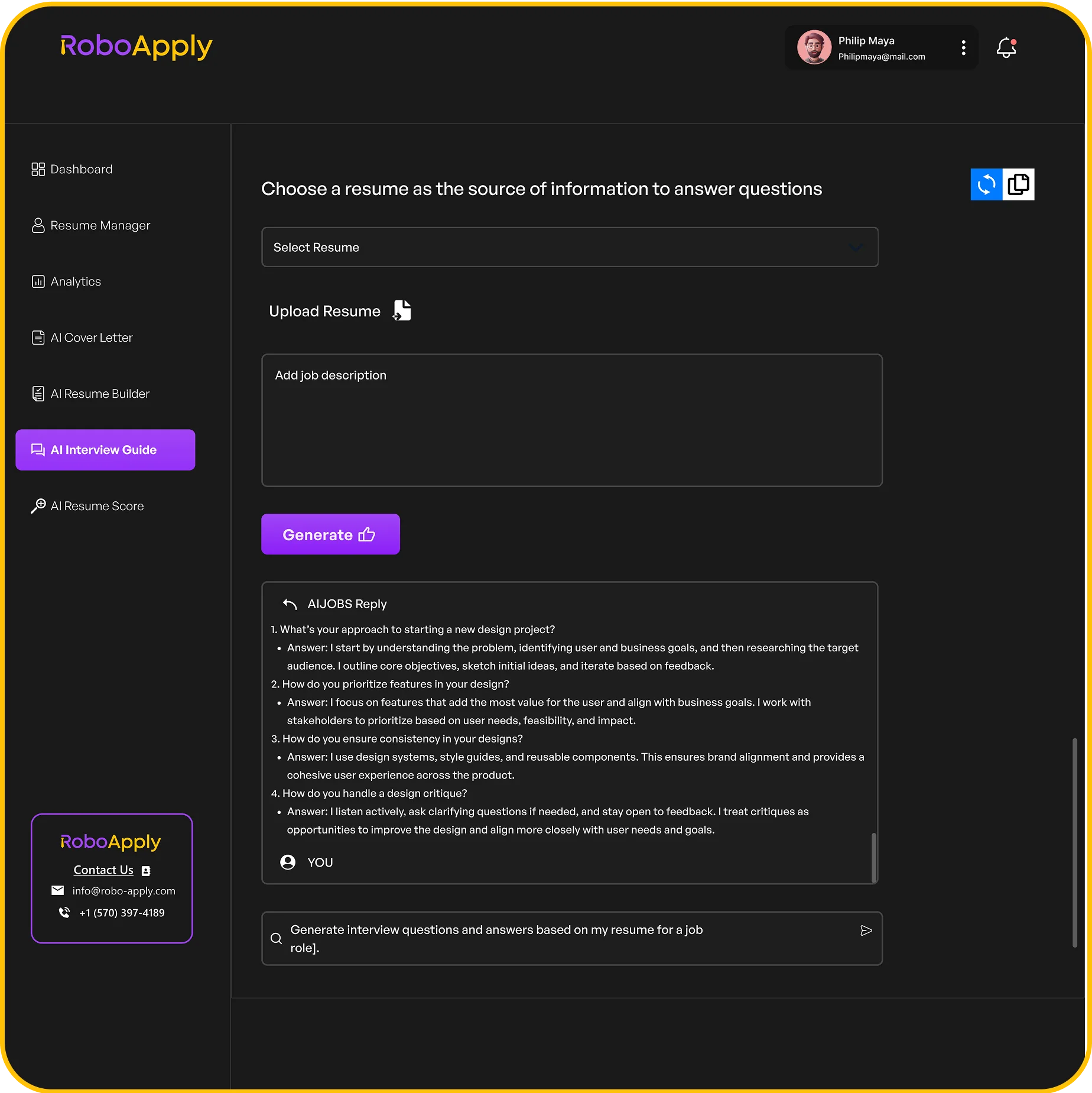
Interview Copilot prepares you for nursing interviews. You’ll practice answering clinical scenarios and behavioral questions. The tool helps you discuss your experience confidently using specific patient examples.
Frequently Asked Questions
How much notice should a nurse give when resigning?
Most nursing contracts require 30 days notice. Check your employment agreement. Some specialized units require 60-90 days for proper transitions.
Should I mention my new job in resignation letter?
No, keep your letter brief without mentioning your next employer. Focus on transition logistics and gratitude. Save new job details for conversations.
Can I resign a nursing position immediately?
Immediate resignation risks license complaints and negative references. Only consider it for documented hostile environments or medical emergencies requiring HR involvement.
Do I need to give reasons in my resignation?
No, you’re not required to explain why you’re leaving. A simple “I’ve accepted another opportunity” or “personal reasons” suffices professionally.
Will resigning affect my nursing license?
No, if done professionally with proper notice. Abandoning shifts or breaking contracts can trigger license complaints. Follow proper resignation procedures always.