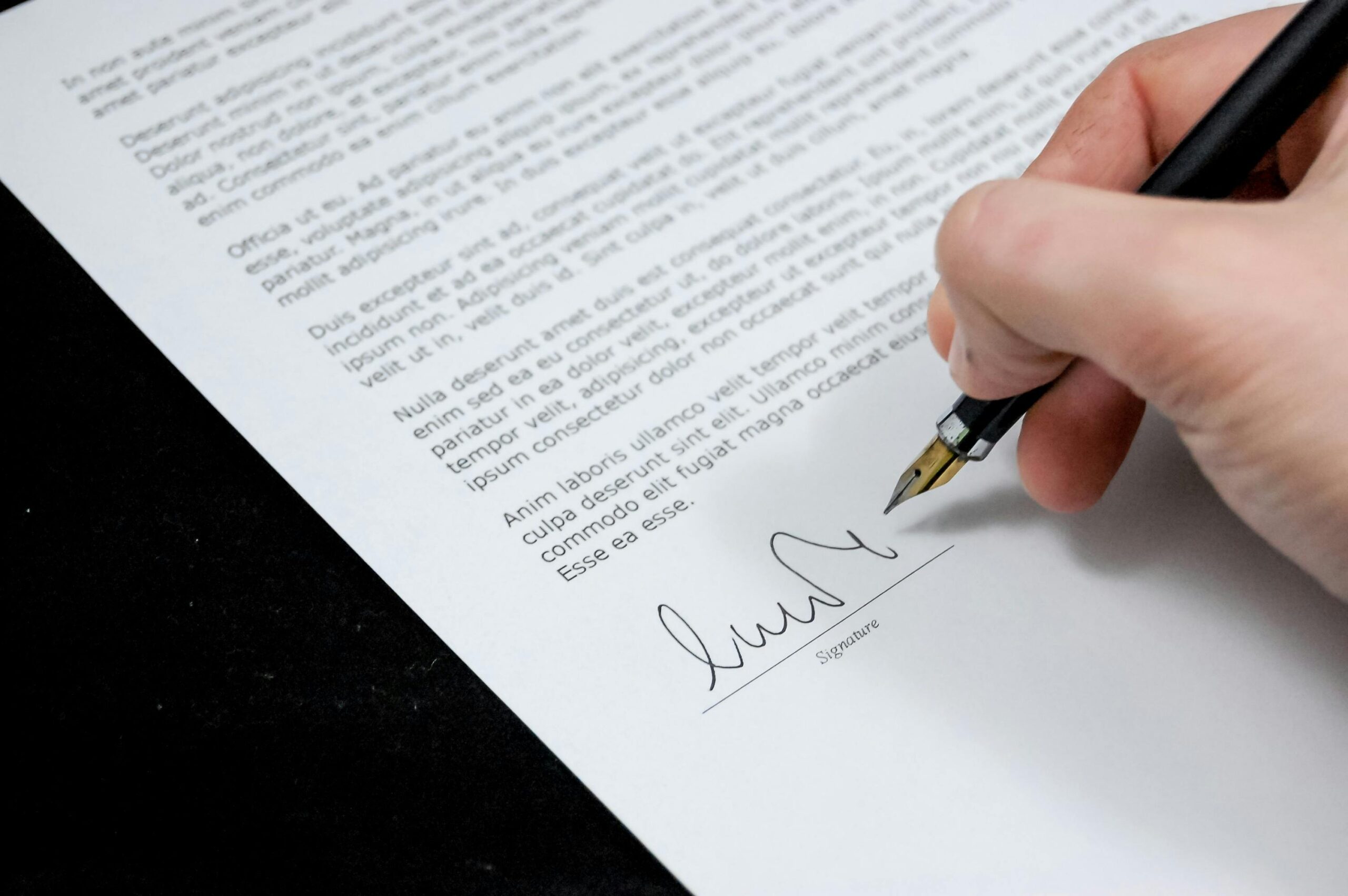
What to write on the envelope of resignation letter depends on delivery method. For hand-delivered letters, write “CONFIDENTIAL – RESIGNATION LETTER” and your manager’s name on a blank envelope. For mailed letters, use standard business format with your return address, manager’s full name and title, company address, and mark “PERSONAL AND CONFIDENTIAL” in the corner. Keep it professional and discreet.
Most people overthink resignation letter envelopes. You’re not sending a wedding invitation or legal document. You just need clear labeling that ensures the right person receives your letter privately without broadcasting your resignation to everyone in the office.
Research from The Muse shows proper resignation etiquette significantly impacts your professional reputation and references. How you deliver your resignation letter sets the tone for your exit. Getting the envelope right is part of maintaining professionalism during a potentially awkward transition.
Hand-Delivered Resignation Letter Envelopes
Hand-delivering your resignation letter directly to your manager is the most common and professional approach. This method requires minimal envelope labeling since you’re controlling the delivery personally.
Use a standard white business envelope for hand delivery. Nothing fancy or colored. Plain white envelopes signal professional correspondence without drawing unnecessary attention. You can buy these at any office supply store for a few dollars.
Write your manager’s full name on the front of the envelope. “Sarah Johnson” or “Mr. Michael Chen” both work. Use their preferred name and appropriate title. Don’t use nicknames or first names only unless your workplace is extremely casual.
Add “CONFIDENTIAL” or “PRIVATE” below the name. This signals to anyone who might see the envelope that it contains sensitive information. You’re preventing administrative staff or coworkers from opening it accidentally.
Include “RESIGNATION LETTER” or “LETTER OF RESIGNATION” on the envelope if comfortable. This gives your manager context before opening it. Some people prefer not labeling it this specifically to maintain privacy until the actual conversation. Understanding opportunities across basic industries helps you time resignations appropriately.
Leave the back of the envelope blank. No return address needed for hand delivery. You’re giving it directly to your manager, so there’s no chance of it getting lost or needing to be returned.
Seal the envelope properly. Don’t leave it unsealed or use a paperclip. Sealing demonstrates seriousness and ensures privacy. Lick and seal traditional envelopes or use self-seal varieties.

Mailed Resignation Letter Envelope Format
Mailing your resignation letter requires more detailed envelope addressing following standard business correspondence formats. This ensures proper delivery and maintains professionalism even when you’re not physically present.
Return Address Formatting
Place your return address in the top left corner of the envelope. This follows standard business letter conventions and ensures the letter can be returned if there are delivery issues.
Format your return address like this:
Your Full Name Your Street Address Your City, State ZIP Code
Don’t include your phone number or email on the envelope. Those belong in the letter itself, not on the outside. Keep the envelope focused on delivery information only.
Recipient Address Requirements
Center the recipient’s address slightly below middle of the envelope. Use your manager’s full professional name, their title, and the complete company address.
Proper recipient addressing looks like this:
Ms. Jennifer Martinez Director of Marketing ABC Corporation 123 Business Boulevard Suite 400 New York, NY 10001
Include your manager’s title so mail room staff know which department to route the letter to. This prevents delays or misdelivery to someone else with a similar name. Following professional standards applies to all resignation communications.
Confidentiality Markings
Add “PERSONAL AND CONFIDENTIAL” in the bottom left corner below the return address. This alerts mail room staff and assistants that they shouldn’t open this envelope. It goes directly to the named recipient unopened.
Some people write “CONFIDENTIAL” or “PRIVATE” in all caps in the corner. Any of these variations work. The key is signaling that this isn’t general business correspondence anyone can open.
Don’t write the reason for the letter on the envelope. “RESIGNATION” or “NOTICE OF RESIGNATION” broadcasts your departure to everyone handling the mail. Keep that information inside the sealed envelope.
When to Mail vs Hand-Deliver
Choosing between mailing and hand-delivering your resignation letter depends on your specific situation and relationship with your manager. Each method has appropriate use cases.
Hand delivery works best when you’re in the office regularly and have scheduled a resignation meeting. You can give the envelope directly to your manager during your conversation. This shows respect and allows for immediate discussion. Like knowing when to follow up on applications, timing resignation delivery well helps.
Mail your resignation when you’re working remotely full-time and won’t return to the office. Waiting weeks for an in-person visit delays your official notice period. Mailing ensures your manager receives formal documentation promptly.
Consider mailing if you’re unable to schedule a private meeting with your manager. Their calendar is packed for two weeks. You need to submit notice now. Mailing the letter with a follow-up email works.
Hand delivery is better when you have a good relationship with your manager and want to explain your reasons personally. The envelope becomes part of a larger conversation rather than the entire communication.
Mail when you’re uncomfortable with face-to-face resignation conversations. Some managers react poorly to resignations. Written notice by mail protects you from immediate confrontation while meeting legal notice requirements.
What Not to Write on Resignation Envelopes
Certain envelope markings create problems or look unprofessional. Avoiding these mistakes ensures your resignation starts on the right note.
Inappropriate Markings to Avoid
Never write “URGENT” or “IMMEDIATE ATTENTION” on resignation envelopes. This isn’t an emergency despite how stressful quitting feels. Resignation letters follow normal business timelines. Marking them urgent seems dramatic and unprofessional.
Don’t use personal or informal language on the envelope. “Hey Sarah – Important Stuff Inside!” or “Sarah – We Need to Talk” both sound unprofessional and alarming. Stick to formal business correspondence standards.
Avoid decorative envelopes or unusual colors. Your pink floral envelope might express your personality, but resignation letters require plain professional presentation. White or manila business envelopes only.
Don’t include your job title in the return address. “John Smith, Senior Developer” on the envelope looks odd. Your title belongs in the letter itself, not on the outside. Understanding resume formatting principles helps across professional documents.
Never write emotional statements on the envelope. “I QUIT!” or “Two Weeks Notice – Finally!” might reflect your feelings, but they damage your professional reputation. Keep all emotion inside the sealed letter or better yet, out of written communication entirely.
Special Situation Envelope Guidelines
Certain resignation scenarios require modified envelope approaches. These situations need extra consideration to maintain professionalism while addressing unique circumstances.
Resigning while on leave requires mailing your letter to ensure it’s received during your absence. Address it to your direct manager with copies to HR if required by company policy. Mark it “PERSONAL AND CONFIDENTIAL” clearly.
Hostile work environments might make you uncomfortable hand-delivering resignation letters. Mail your letter using certified mail with return receipt. This creates legal proof of delivery and protects you from claims you never formally resigned.
Remote work situations where you’ve never met your manager in person make mailing the standard approach. Follow all formatting guidelines carefully since the envelope is your only face-to-face representation.
Multiple manager situations can be tricky. If you report to several people, put one manager’s name on the envelope and mention in the letter you’re copying others. Don’t try fitting multiple names on one envelope.
Company-wide reorganizations happening during your resignation require extra care with addressing. Use your current manager’s name even if reporting structures are changing. They’re responsible for processing your resignation regardless of upcoming changes. Similar to understanding compensation across specialized fields, resignation procedures vary by situation.

Streamlining Your Resignation Process
Beyond just the envelope, managing your complete resignation and job transition efficiently reduces stress during an already challenging time.
RoboApply’s AI Resume Builder helps you create optimized resumes for your next opportunity after resigning. You’ll need updated materials ready for your job search.
The AI Cover Letter Generator creates customized letters for each new application. You’re not starting your job search from scratch after submitting your resignation.
AI Auto Apply manages applications across multiple opportunities while you work through your notice period. You can line up your next position without the stress of manual applications.
Frequently Asked Questions
What should you write on a resignation letter envelope?
For hand delivery write manager’s name and “CONFIDENTIAL.” For mailed letters include your return address, manager’s full details, company address, and “PERSONAL AND CONFIDENTIAL.”
Do you need to put anything on the envelope?
Yes, at minimum include the recipient’s name and confidentiality marking. For mailed letters, add complete addresses following business letter format with return address.
Should you write resignation on the envelope?
No, avoid writing “RESIGNATION” on the outside. This broadcasts your departure to everyone handling the mail. Keep that information inside the sealed envelope.
Can you email resignation instead of using an envelope?
Email works in many situations but check your employment contract. Some require written hard copy notice. Email lacks the formality of traditional letters.
How do you address the envelope to HR?
Address to your direct manager first, not HR. If copying HR, send a separate envelope or mention in the letter you’re copying them.