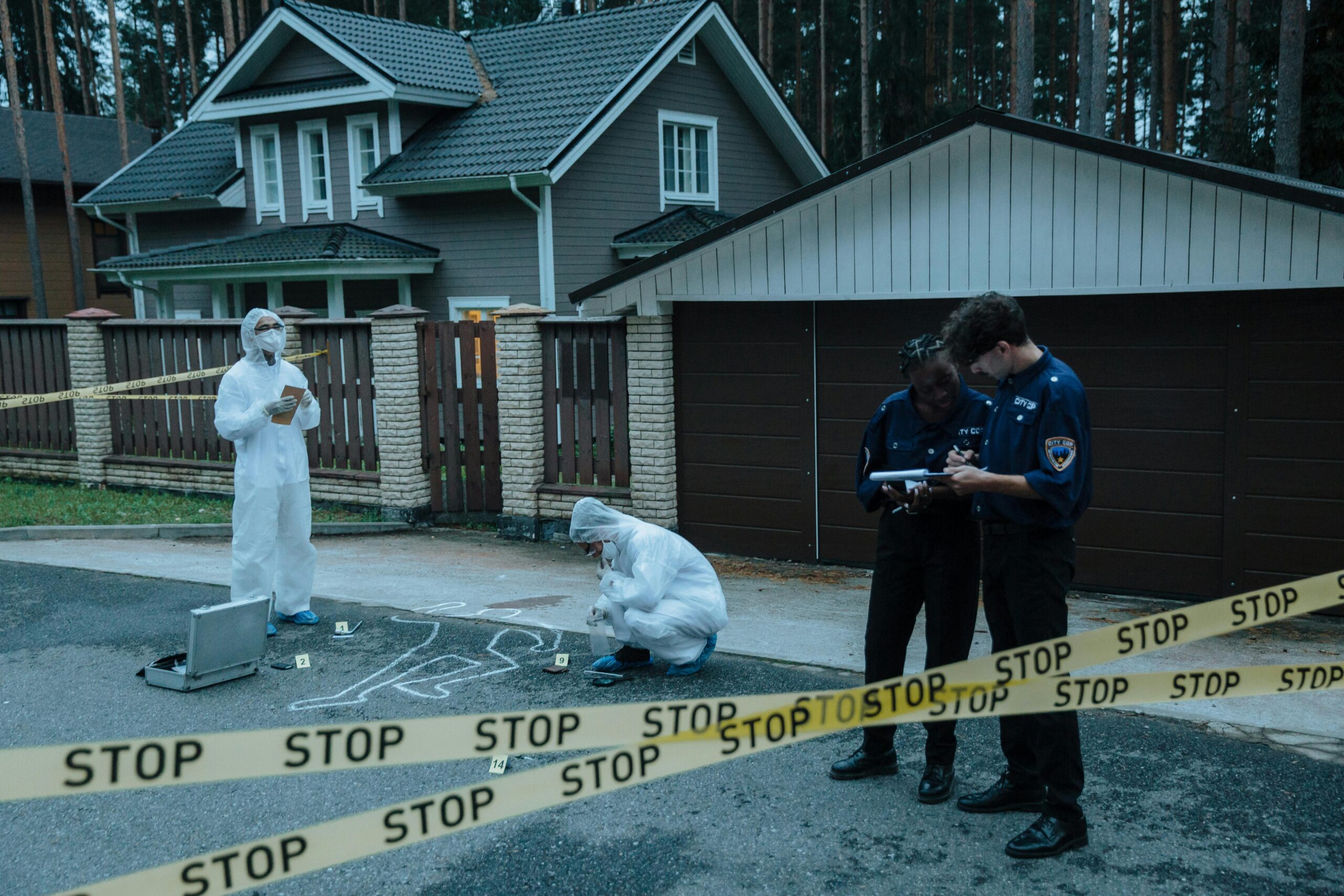
How much does a CSI make? It is anywhere from $45,000 to $95,000 a year. If you’re just starting out, expect around $45,000-$55,000. Investigators working in major cities with solid experience can pull in $80,000-$95,000. Federal jobs pay even better, with some senior-level folks breaking the $100,000 mark.
Your paycheck depends on a few big things. Where you live matters a lot. California, New York, and Texas pay better than most other states. How long you’ve been doing the work, what degrees you hold, and any special certifications you’ve earned all play into your salary.
What You’ll Earn at Different Career Stages
Your salary grows as you gain more experience and pick up specialized skills. Knowing what to expect helps you map out your career.
When you first start as a CSI, you’re looking at $45,000-$55,000 in most areas. You need a bachelor’s degree in something like forensic science or criminal justice. Those first couple years, you’re basically shadowing senior investigators. You learn how to properly collect evidence and get comfortable testifying in court.
Five to ten years in, you’re probably making $60,000-$75,000. By now, you handle complicated cases without someone looking over your shoulder. Maybe you’re even supervising newer people on the team. If you’ve picked up skills in blood splatter analysis or digital forensics, you can ask for more money.
After ten-plus years, senior investigators earn $75,000-$95,000 or higher. You’re leading big investigations, training the newbies, and acting as an expert witness in trials. Some people move into management. Lab directors can hit $100,000-$120,000 depending on how big the department is.
How Your Location Changes Everything
Where you work changes your paycheck more than almost anything else. Crime rates, living costs, and how much money the department has all factor in.
California pays the best. Investigators there average $85,000-$95,000 according to the Bureau of Labor Statistics. Cities like LA and San Francisco pay top dollar because crime stays high and everything costs more. The state has thousands of CSI jobs.
New York comes in second at $75,000-$90,000 for people with experience. The crime labs in NYC never stop. Urban scenes get messy and complicated, which explains why the pay beats smaller towns.
Texas sits around $65,000-$80,000 for experienced investigators. Houston, Dallas, and Austin all have decent job markets. The population keeps climbing, which means more jobs for forensic people.
West Coast states generally pay better than everywhere else. Washington, Oregon, and Nevada compete for good talent. Cities always beat rural areas on salary no matter which region you’re in.
Down in the Southeast, salaries run $50,000-$65,000. States like Alabama, Mississippi, and Arkansas work with smaller budgets. But everything costs less there too, so it balances out somewhat.
Who Writes Your Paycheck Changes Things
Different employers mean different pay structures and perks. Government agencies, private labs, and federal positions all have their own setups.
Most CSIs work for local police departments. Salaries range from $45,000-$75,000 based on how big the department is and where it’s located. You get pension plans, health coverage, and money for training.
State police agencies usually pay a bit more than local ones. State CSIs make $55,000-$80,000 with solid benefits. You travel around helping different jurisdictions with major cases.
Federal agencies pay the most. We’re talking $75,000-$120,000 yearly. The FBI, DEA, and ATF hire forensic specialists for big national investigations. You need serious experience and probably an advanced degree. Federal cases involve terrorism, organized crime, and stuff that crosses state lines. The work gets intense, which explains the premium pay. Benefits include retirement plans and money for more education.
Private forensic labs hire CSI professionals too. Salaries run $50,000-$85,000 depending on what you specialize in. These jobs usually focus on specific things like DNA analysis or toxicology.
Download this Sample Templates
How Your Education Affects Your Earnings
What degrees you have makes a big difference in what you earn. More school usually means more money and better job options.
A bachelor’s degree gets your foot in the door most places. Forensic science, criminal justice, chemistry, or biology all work fine. Starting salary with a bachelor’s sits around $45,000-$55,000.
A master’s degree adds $10,000-$15,000 to what you make compared to bachelor’s level jobs. Graduate school opens doors to specialized roles and supervisor spots. Lots of experienced CSIs go back to school while still working.
Getting certified helps too. The International Association for Identification offers credentials in crime scene investigation, fingerprint analysis, and forensic photography. Employers really value these.
Most departments make you do training every year. You need to stay sharp on new forensic tech. Even knowing basics like how many bullet points per job on resume helps when you’re moving up.
Money Beyond Your Base Salary
CSIs get paid more than just their base rate. These extras can really boost what you take home each year.
Overtime adds serious money for a lot of investigators. Crime doesn’t stick to business hours. Working extra at time-and-a-half can add $5,000-$15,000 to your yearly earnings.
Night and weekend shifts pay better too. Lots of departments add 5-10% for less popular hours. You could make more than day shift people even with the same base pay.
When you testify in court as an expert witness, you get extra fees. Some places pay more if you show up on your day off. Big cases needing tons of testimony can bring in good additional money.
Government jobs usually include health insurance, pension contributions, vacation and sick days, training budgets, uniform money, and life insurance.
What the Job Market Looks Like
The Bureau of Labor Statistics says forensic jobs will grow 11% through 2031. That beats most other careers. New technology keeps creating more need for skilled investigators.
Older investigators retiring creates openings. This gives younger people chances to get in. That pattern keeps going for at least another ten years.
Some places cut budgets, which limits new hires. Economic problems affect how much governments spend on forensic stuff. But crime and safety concerns keep CSI jobs around.
Digital forensics, cybercrime investigation, and DNA analysis are growing fast. Getting good at these areas sets you up for better-paying jobs.
How CSI Pay Stacks Up Against Similar Work
Police detectives make similar money at $50,000-$90,000 yearly. Detective work focuses more on talking to witnesses and building cases. CSI work centers on physical evidence and lab stuff.
Forensic lab analysts who mostly work in labs make $45,000-$85,000. Less time at crime scenes, more time in controlled settings. Good fit if you like labs better than unpredictable scenes.
Coroner investigators who examine deaths earn $50,000-$85,000. This needs extra medical knowledge. You work with deceased people regularly.
Looking at different fields helps you decide. Check how many jobs are available in basic industries or see how much underwater welders make for perspective.
Ways to Increase What You Earn
Keep getting more education and certifications. Each new credential shows you’re committed and expands what you can do. School pays off through raises and promotions.
Get experience with different types of investigations. Departments want people who can handle various cases. Being versatile beats being super specialized in one narrow thing.
Think about moving for better pay. Relocating to high-paying states or big cities can boost your salary $20,000-$30,000 yearly. That difference adds up over time.
Get good at explaining things in court. Juries need technical evidence broken down simply. This skill gets valued highly.

How RoboApply Speeds Up Your Job Search
Looking for CSI positions across different agencies takes forever. You’re up against hundreds of other people for just a few spots. RoboApply’s AI Resume Builder makes resumes that emphasize your forensic background. Government agencies use systems that filter out resumes automatically. Yours has to get through.
AI Auto Apply sends out applications for you across job boards. You set what you want and it handles the rest. AI Tailored Apply tweaks each resume for specific jobs. The Interview Copilot gets you ready for hard questions. Analytics shows what’s working and what isn’t.
Frequently Asked Questions
What is the starting salary for entry-level CSI positions?
Entry-level investigators typically earn $45,000-$55,000 yearly. Big cities offer higher starting pay than rural areas based on where you work.
Do CSI professionals earn more than regular police officers?
CSI salaries compare pretty closely to police pay. Special forensic skills and certifications can push you higher than general law enforcement.
Which states pay crime scene investigators the highest salaries?
California, New York, Texas, Illinois, and Massachusetts offer top pay. California leads with averages around $85,000-$95,000 for experienced people.
Can CSI professionals earn six-figure salaries?
Yes, senior investigators in federal jobs or major cities can break $100,000. Lab directors and managers often hit six figures.
How does education level affect CSI salary?
Master’s degrees usually add $10,000-$15,000 yearly. Advanced degrees get you into supervisor roles and specialized spots with better pay.