Chief innovation officer meaning refers to an executive responsible for driving innovation strategy, managing R&D initiatives, and fostering organizational creativity. CINOs identify emerging technologies, lead digital transformation, develop new products, and create innovation cultures. They typically report to CEOs earning $150,000-$300,000+ annually. The role combines strategic vision, technology expertise, and change management skills.
Most people confuse chief innovation officers with chief technology officers. You’re not just implementing technology. You’re fundamentally changing how organizations create value, solve problems, and compete in evolving markets.
Research from McKinsey shows companies with dedicated innovation officers grow revenue 2.5x faster than competitors. The role emerged in the 2000s but exploded after 2010 as digital disruption threatened traditional business models across industries.
Understanding the Chief Innovation Officer Role
The chief innovation officer position represents relatively recent addition to C-suite leadership teams. Understanding what CINOs actually do helps you evaluate whether this career path matches your skills and interests.
CINOs serve as catalysts for organizational change and growth. You’re not managing existing operations. You’re identifying opportunities for transformation and building systems that generate continuous innovation. The role sits at the intersection of strategy, technology, and organizational culture.
Core CINO Responsibilities
Chief innovation officers handle diverse responsibilities spanning strategy development through execution. These duties vary by company size, industry, and innovation maturity but share common themes.
Primary CINO responsibilities include these critical functions:
- Innovation strategy development creating roadmaps aligning innovation with business objectives
- Emerging technology evaluation identifying and testing new technologies for competitive advantage
- R&D portfolio management overseeing research projects and development initiatives
- Digital transformation leadership driving adoption of new technologies and processes
- Partnership cultivation building relationships with startups, universities, and innovation hubs
- Innovation culture building fostering experimentation, risk-taking, and creative thinking
- New product/service development leading teams creating novel offerings
- Change management helping organizations adapt to new ways of working
These responsibilities require balancing long-term vision with short-term results. You’re investing in future possibilities while proving current value. Understanding opportunities across basic industries shows innovation needs vary by sector.

How CINOs Differ from CTOs and Other Executives
Chief innovation officers occupy distinct space from other C-suite roles despite some overlapping responsibilities. Clarifying these differences helps you understand where CINOs fit in organizational structures.
CTOs focus primarily on technology infrastructure, systems, and operations. They ensure existing technology works reliably and scales effectively. CINOs focus on future possibilities exploring how new technologies could transform business models. CTOs maintain and optimize. CINOs experiment and disrupt.
Chief strategy officers develop high-level business strategy and competitive positioning. CINOs execute innovation components of that strategy. CSOs think broadly about market position. CINOs think specifically about innovation capabilities and opportunities.
Chief digital officers drive digital transformation of existing operations. CINOs explore completely new digital business models and opportunities. CDOs digitize current processes. CINOs imagine new possibilities enabled by digital technologies. Following professional standards matters for all executive applications.
Skills and Qualifications for Chief Innovation Officers
Becoming a chief innovation officer requires unique combination of strategic thinking, technical knowledge, and leadership capabilities. Understanding required qualifications helps you develop relevant expertise for this career path.
Educational and Professional Background
Most CINOs hold advanced degrees and significant executive experience. The role demands both technical credibility and business acumen that takes years to develop.
Common educational backgrounds include MBA degrees from top business schools, advanced degrees in engineering or computer science, design thinking or innovation management certifications, and executive education from programs like MIT or Stanford. Many CINOs combine technical undergraduate degrees with business graduate degrees.
Professional experience typically spans 15-20 years before reaching CINO level. Successful paths include product management leadership, R&D director positions, strategy consulting at top firms, startup founder experience, or general management in innovative companies. You need proven track record launching successful innovations before companies trust you leading entire innovation functions.
Career progression often follows this pattern: starting in product development or engineering, moving to product management or strategy roles, leading innovation teams or business units, then advancing to CINO positions. Each step builds skills and credibility needed for the next level. Like understanding specialized compensation, executive salaries reflect extensive experience.
Critical Skills for Innovation Leadership
Beyond credentials, effective CINOs possess specific skills enabling them to drive organizational innovation successfully. Developing these capabilities increases your readiness for innovation leadership roles.
Essential CINO skills include strategic thinking connecting innovation to business outcomes, technology literacy understanding emerging technologies deeply, creative problem-solving generating novel solutions to complex challenges, change management helping organizations adopt new approaches, communication skills articulating vision inspiring teams, and risk assessment balancing innovation investments with returns.
Soft skills matter equally. You’ll need political savvy navigating organizational dynamics, emotional intelligence managing diverse stakeholders, resilience persisting through inevitable failures, and curiosity constantly learning about new possibilities. Innovation leadership requires both analytical rigor and creative thinking. Understanding resume formatting helps showcase these diverse skills.
Chief Innovation Officer Compensation and Career Path
CINO positions offer competitive compensation reflecting their strategic importance and required expertise. Understanding salary ranges and career trajectories helps you evaluate this path financially and professionally.
Chief innovation officer salaries vary significantly based on company size, industry, and location. Small companies ($50M-$250M revenue) offer $120,000-$180,000 base salaries. Mid-size companies ($250M-$1B) pay $180,000-$250,000. Large corporations ($1B+) compensate $250,000-$400,000+ for CINO roles.
Total compensation typically includes substantial bonuses and equity. Annual bonuses range 30-50% of base salary tied to innovation metrics. Stock options or equity grants add another 20-40% for public companies. Total compensation packages often reach $300,000-$600,000 for experienced CINOs at major corporations.
Geographic location significantly impacts compensation. Tech hubs like San Francisco, New York, and Seattle pay 20-30% premiums over other markets. International roles vary widely by country and cost of living. Like knowing when to follow up appropriately, location strategy affects outcomes.

Optimizing Your Application for Innovation Leadership Roles
Pursuing chief innovation officer positions requires strategic application management highlighting your innovation track record and leadership capabilities effectively.
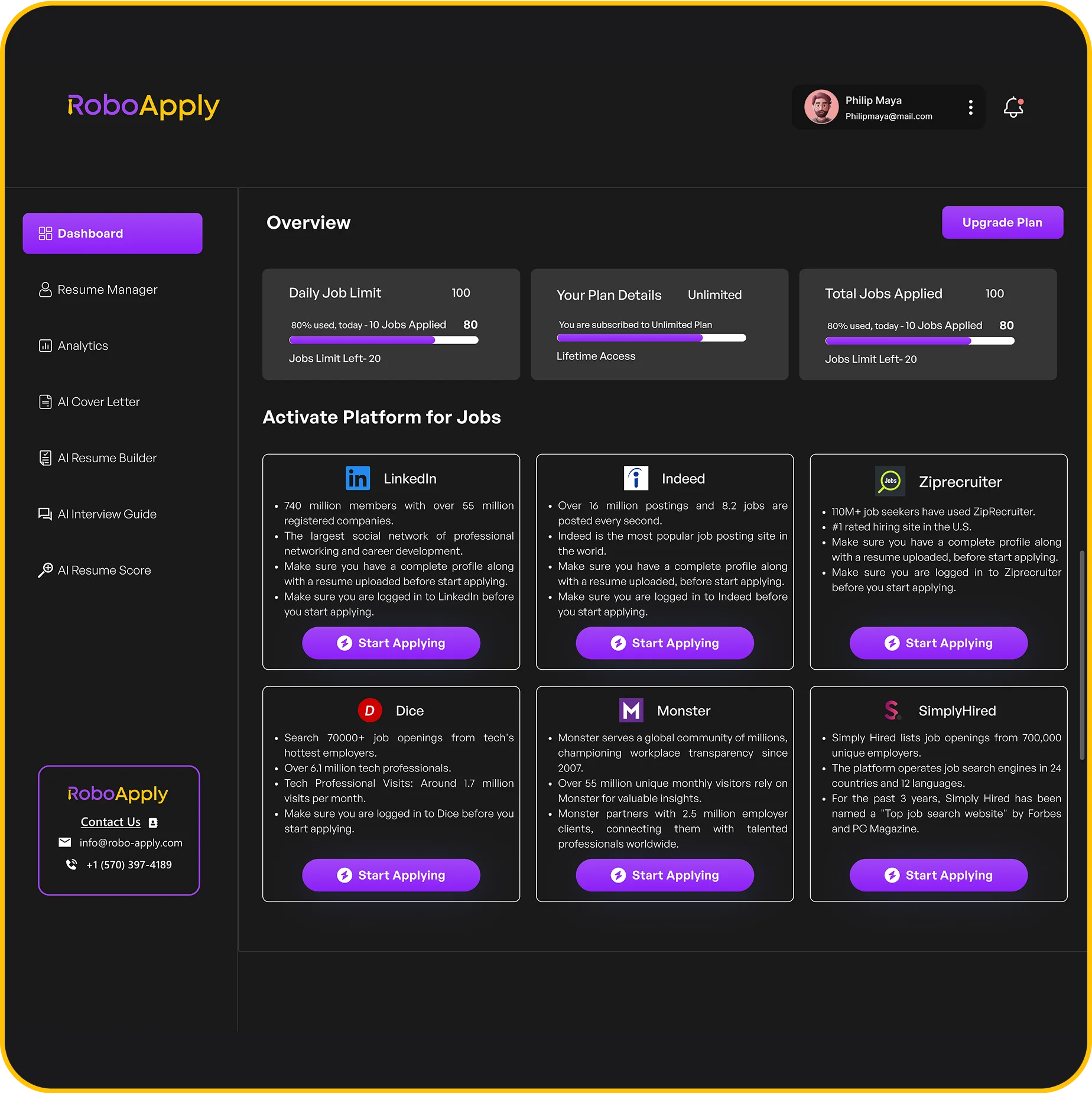
RoboApply’s AI Resume Builder creates executive-level resumes emphasizing your innovation achievements and strategic thinking. The platform formats complex executive experience for C-suite hiring processes.
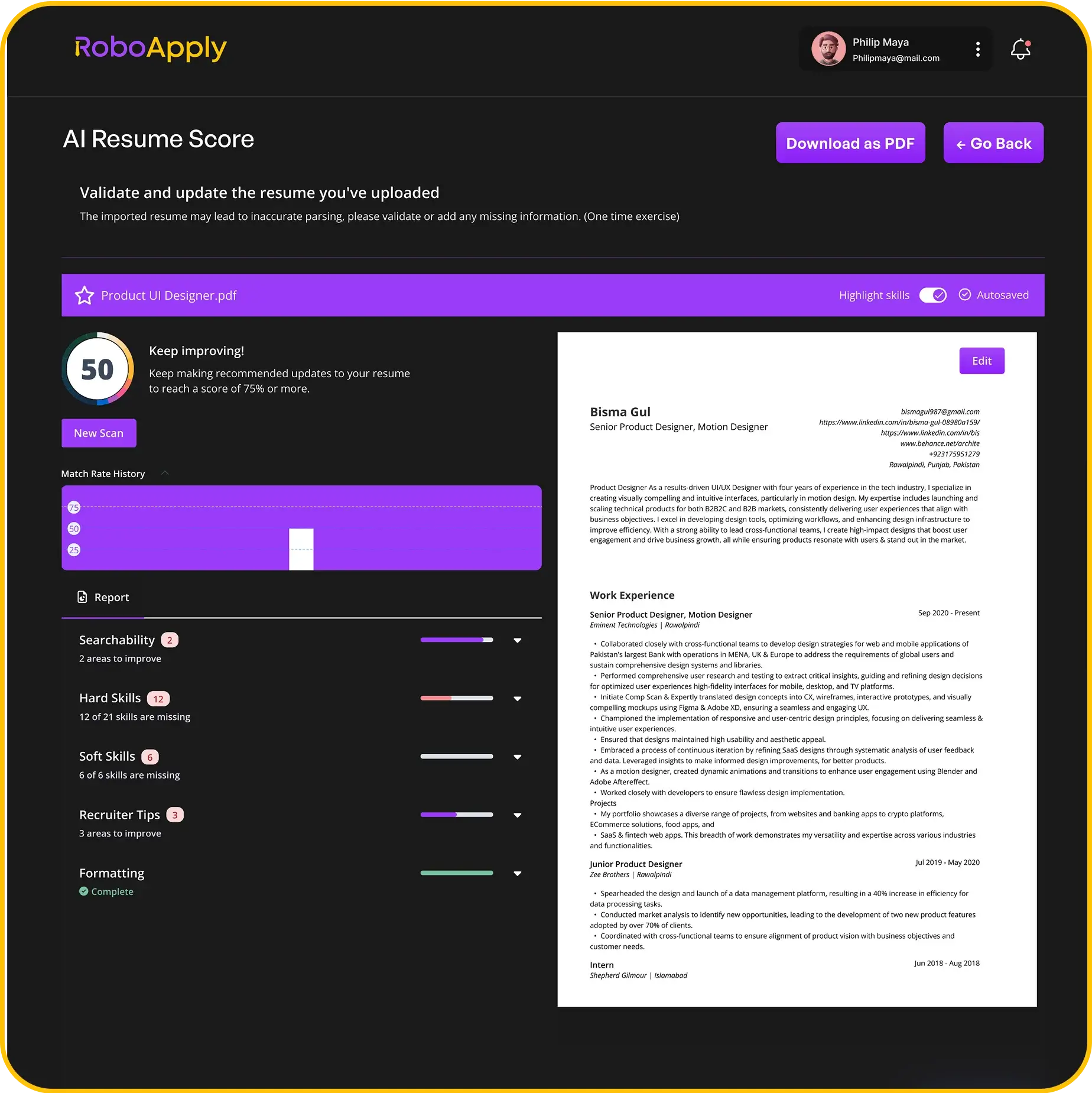
The Resume Score feature analyzes your application against executive role requirements. You’ll see which accomplishments to emphasize and how to position your innovation leadership.
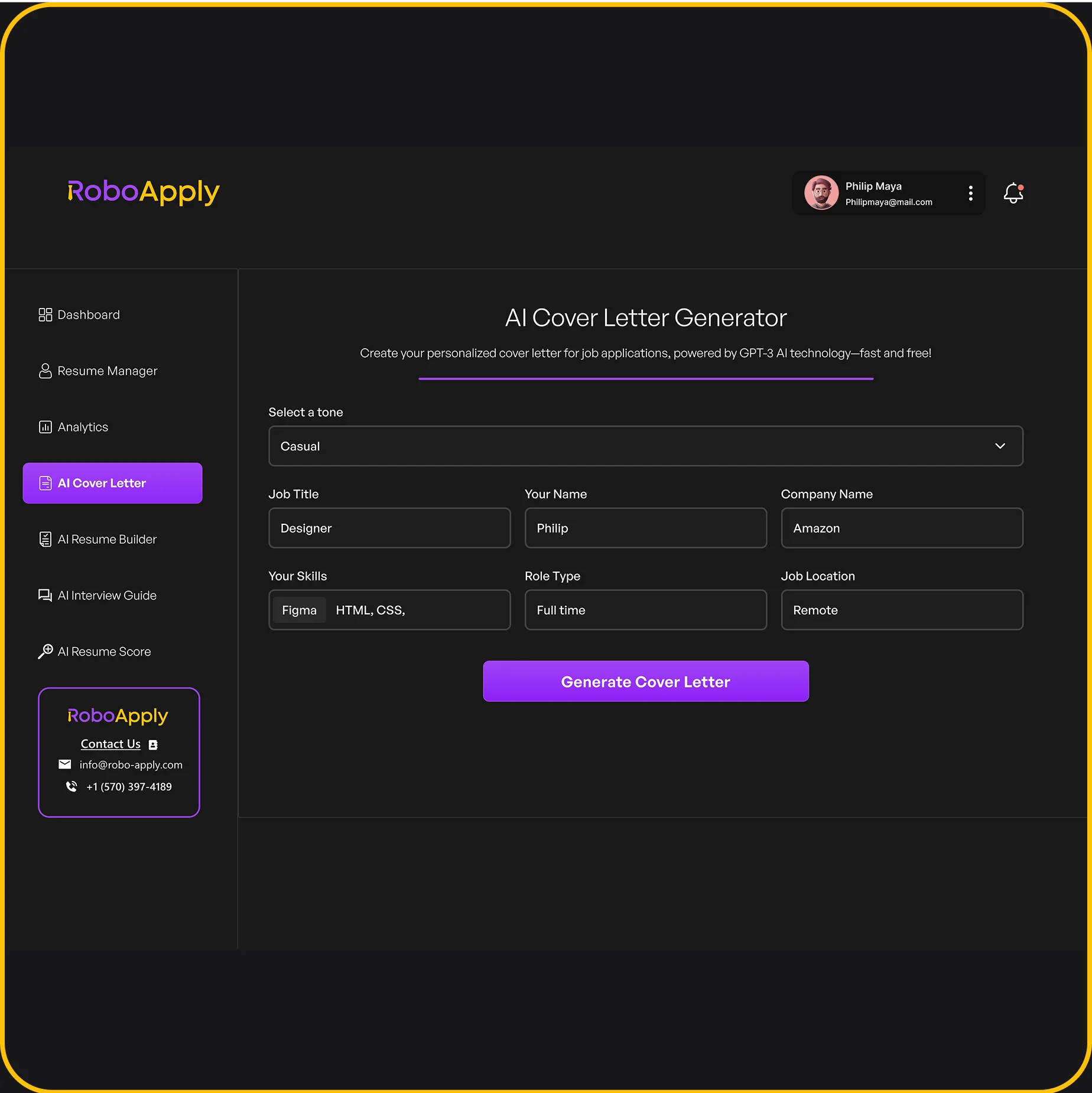
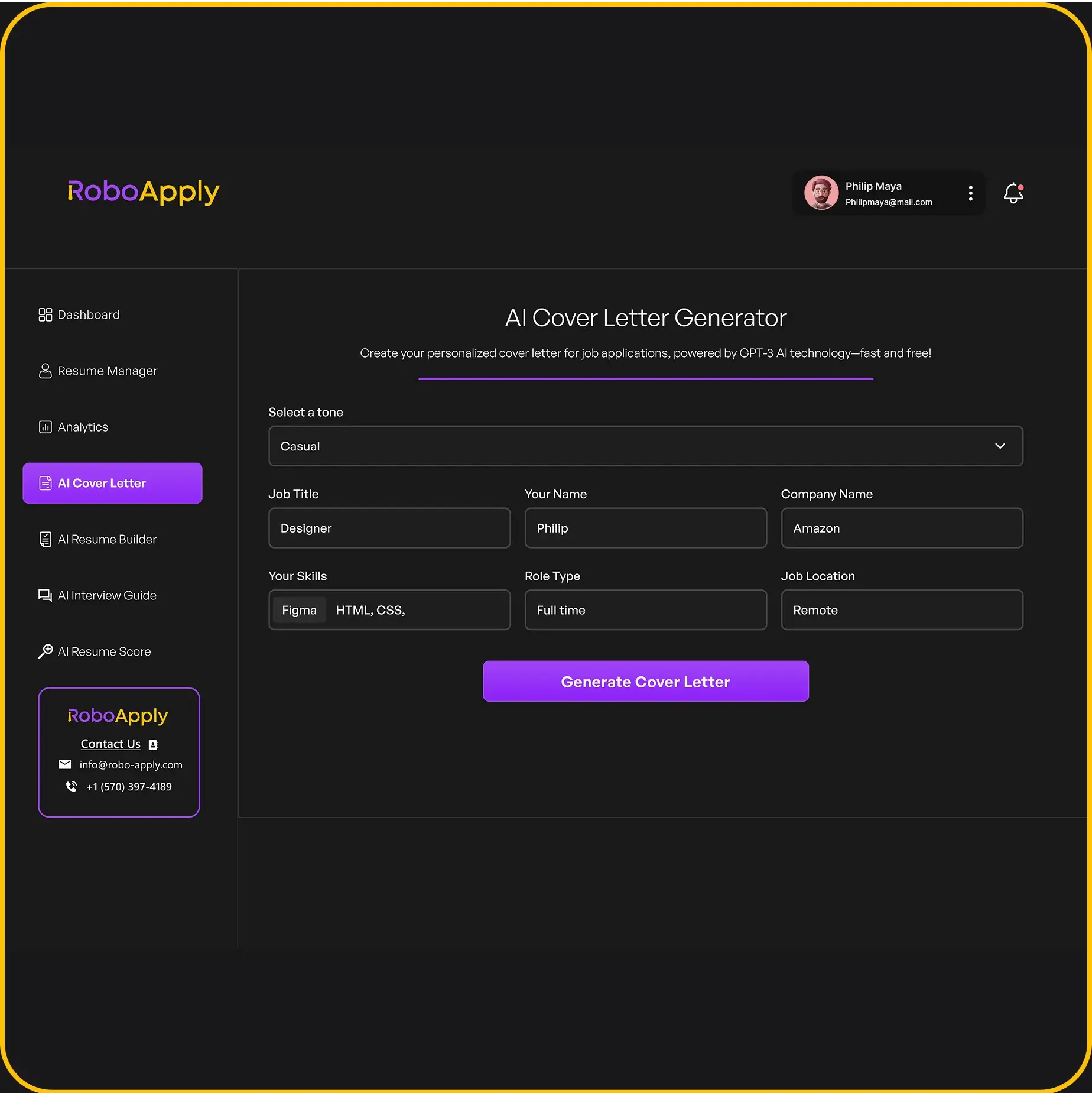
AI Cover Letter Generator produces customized letters for executive positions highlighting relevant innovation experience and strategic vision.
Frequently Asked Questions
What does a chief innovation officer do?
A chief innovation officer drives innovation strategy, manages R&D initiatives, evaluates emerging technologies, leads digital transformation, and builds innovation cultures within organizations.
How much does a chief innovation officer make?
Chief innovation officers earn $150,000-$300,000+ annually depending on company size. Total compensation with bonuses and equity often reaches $300,000-$600,000 at large corporations.
What qualifications do you need to be a CINO?
CINOs typically need advanced degrees, 15-20 years experience, proven innovation track record, strategic thinking skills, technology expertise, and change management capabilities.
How is a CINO different from a CTO?
CTOs manage technology infrastructure and operations. CINOs focus on future innovation opportunities and new business models. CTOs maintain existing systems while CINOs explore new possibilities.
What industries hire chief innovation officers?
Technology, healthcare, finance, manufacturing, retail, and professional services all hire CINOs. Any industry facing disruption or seeking competitive advantage through innovation needs this role.