A cover supervisor cover letter should highlight your classroom management skills, student engagement abilities, and experience maintaining learning continuity immediately. You’ll state your teaching or supervisory background upfront. Then you’ll mention specific age groups you’ve worked with. Finally, you’ll explain how your presence supports both students and teaching staff effectively.
Most applicants write generic education letters. They don’t address the unique demands of cover supervision. Your letter isn’t about teaching subject expertise. It’s about proving you can manage classrooms independently when regular teachers are absent.
Research from the Department for Education shows schools increasingly rely on cover supervisors. Budget constraints make this role critical. Your cover letter determines whether you get called for interviews.
What Makes Cover Supervisor Roles Unique
Cover supervisor positions differ significantly from traditional teaching. You’re maintaining classroom order rather than delivering lesson plans. Understanding these distinctions helps you write targeted cover letters.
Classroom Management Takes Priority
Cover supervisors keep students on task with pre-prepared materials. Teachers leave lesson plans. Your job is ensuring students complete the work. You’re not teaching new concepts or marking assignments.
Your cover letter should emphasize:
- Experience managing groups of students independently
- Ability to maintain discipline across different age groups
- Comfort handling behavioral issues without teacher support
- Skills following written instructions and lesson plans precisely
- Flexibility adapting to various subjects and year groups
Schools need confidence you’ll control classrooms alone. Your letter must prove this capability through specific examples. Understanding career paths helps across education sectors.
Supporting Both Students and Staff
You’re not just watching students. You’re supporting the teaching team. Your presence lets absent teachers rest assured learning continues smoothly.
Effective cover supervisors provide:
- Immediate classroom coverage when teachers are unexpectedly absent
- Consistency in behavior expectations across the school
- Accurate feedback about student engagement to regular teachers
- Professional presence maintaining school standards
- Flexibility covering any subject or year group as needed
Your cover letter should demonstrate understanding of this support role. You’re part of the school’s continuity planning.
Essential Elements of Your Cover Supervisor Cover Letter
Structure your letter to address what schools actually need. Each section should prove you understand the role’s demands clearly.
Opening Paragraph Impact
Start with the specific position and school name. State your relevant experience immediately. Mention any connection to their school or educational philosophy.
Example: “I’m applying for the Cover Supervisor position at [School Name]. I have 3 years of classroom support experience across Key Stages 2-4. I’m drawn to your school’s emphasis on inclusive education.”
This opening proves you’re qualified and genuinely interested. You’re not mass-applying to every school.
Experience Breakdown
Your middle paragraphs detail relevant background. Focus on situations proving you can handle cover supervisor responsibilities.
Address these key areas:
- Previous roles supporting teachers or managing students
- Age ranges and subjects you’ve covered successfully
- Challenging situations you’ve handled independently
- Your approach to maintaining learning engagement
- Familiarity with school policies and procedures
Connect your experience directly to their needs. If they mentioned behavior management challenges, emphasize your discipline strategies. Similar to following up effectively, customization matters.
Skills and Qualifications
Dedicate space to relevant certifications and capabilities. Cover supervisors need specific qualifications depending on location and school type.
Highlight these credentials:
- Teaching qualifications or education degrees if applicable
- DBS clearance status (essential for UK schools)
- Safeguarding training and child protection knowledge
- Behavior management certifications or courses
- Experience with special educational needs if relevant
Don’t just list qualifications. Explain how each one makes you effective in cover roles.
Professional Closing
End by requesting an interview. Express genuine enthusiasm for their school specifically. Provide contact information clearly.
Thank them professionally. Reference your attached CV. Keep it confident without seeming presumptuous. Understanding professional standards applies throughout applications.

Common Cover Supervisor Cover Letter Mistakes
These errors hurt your chances significantly. Schools receive dozens of applications. Mistakes eliminate you from consideration immediately.
Generic Education Letters
Using standard teacher cover letters fails. Cover supervisors aren’t teachers. The roles require different skills entirely.
Don’t emphasize:
- Subject expertise or teaching methods
- Lesson planning or curriculum development
- Assessment and grading experience
- Long-term student relationships
Focus instead on:
- Immediate classroom management capabilities
- Flexibility across subjects and year groups
- Following instructions precisely
- Handling unexpected situations independently
Your letter should speak specifically to cover supervision duties. Understanding resume formatting helps across all applications.
Overlooking Behavioral Management
Schools hire cover supervisors primarily for behavior control. Students test boundaries with unfamiliar adults. Your letter must address this reality.
Share specific examples of:
- How you’ve established authority quickly in new environments
- Strategies you use maintaining student engagement
- Difficult situations you’ve de-escalated successfully
- Your approach to consistent behavior expectations
Vague claims about being “good with kids” don’t convince anyone. Concrete examples prove capability.
Neglecting Safeguarding Knowledge
Schools take safeguarding extremely seriously. Your cover letter should acknowledge this priority without dwelling on it excessively.
Mention your understanding of:
- Child protection procedures and reporting requirements
- Appropriate professional boundaries with students
- Recognizing signs of concern or vulnerability
- Following school policies rigorously
One or two sentences confirms you understand these responsibilities. Don’t dedicate entire paragraphs unless specifically requested.
Download Professional Cover Supervisor Cover Letter Templates
We’ve created four cover supervisor cover letter templates for different experience levels and school types. Each template addresses the unique demands of cover supervision specifically.
Each template comes in DOCX, PDF, and TXT formats. Customize them with your specific experience and target school details.
Tailoring for Different School Settings
Primary and secondary schools need different approaches. Your cover letter should reflect the specific age groups and challenges involved.
Primary School Positions
Primary cover supervisors work with younger children. Your letter should emphasize patience, creativity in maintaining engagement, and understanding of child development.
Focus on:
- Experience with children aged 4-11
- Ability to make pre-set work engaging for young learners
- Strategies for managing energetic primary classes
- Comfort with basic safeguarding and first aid
Primary schools value warmth alongside authority. Your letter should balance both qualities naturally.
Secondary School Roles
Secondary cover supervisors handle teenagers. Your letter needs to prove you can command respect from older students who may resist authority.
Emphasize:
- Experience with students aged 11-18
- Firm but fair behavior management approaches
- Comfort covering various subject areas
- Understanding of teenage psychology and motivation
Secondary schools want confidence you won’t be intimidated. Your letter should project quiet authority. Understanding specialized roles helps across industries.

Streamlining Your Cover Supervisor Applications
Writing customized letters for multiple schools requires efficiency. You’re applying to several positions while maintaining quality.
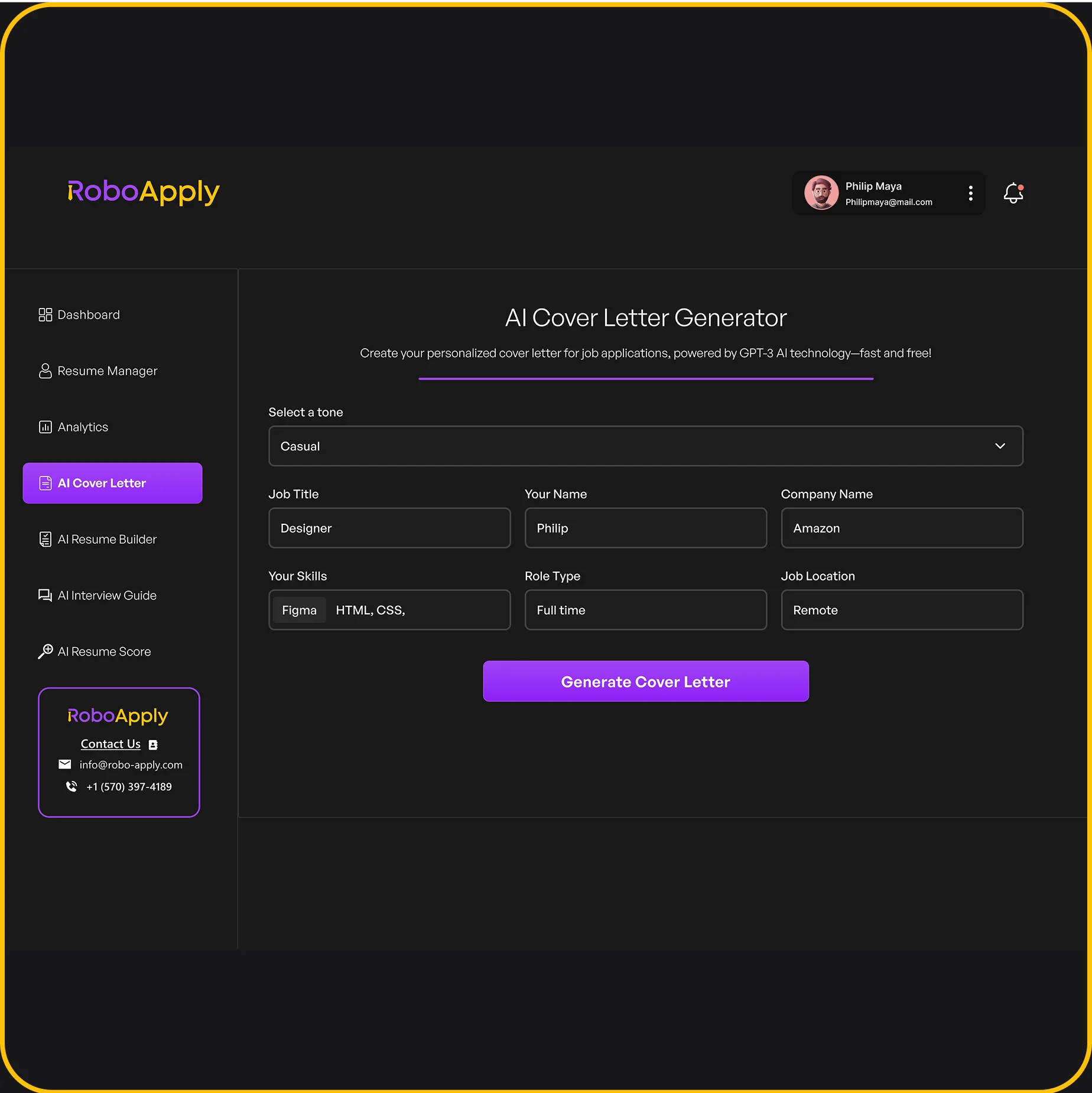
RoboApply’s AI Cover Letter Generator helps create school-specific letters quickly. The platform adapts your classroom management experience to each school’s focus. You’ll maintain personalization without starting from scratch repeatedly.
The AI Resume Builder formats your education background for school hiring systems. Your experience appears prominently. The system optimizes for education sector keywords automatically.
AI Auto Apply submits applications to multiple schools based on your qualifications. Your profile reaches more hiring managers without manual entries. You’re applying efficiently while preparing for interviews.
Interview Copilot prepares you for school interviews. You’ll practice discussing behavior management scenarios and safeguarding knowledge. The tool helps you articulate your experience confidently.
Frequently Asked Questions
What should a cover supervisor cover letter include?
Highlight classroom management skills, experience with relevant age groups, DBS clearance, safeguarding knowledge, and flexibility covering various subjects without teaching expertise required.
How long should my cover supervisor cover letter be?
Keep it to one page, approximately 300-400 words. Schools review many applications. Concise letters highlighting relevant experience perform better than lengthy ones.
Do I need teaching qualifications for cover supervisor roles?
Not always. Many schools accept strong classroom experience without formal teaching qualifications. Check specific school requirements. Some prefer teaching backgrounds while others don’t.
Should I mention specific subjects I can cover?
Yes, if you have subject strengths. However, emphasize flexibility across all subjects. Cover supervisors must handle any assignment. Subject expertise is bonus, not requirement.
Can I apply without DBS clearance?
You can apply, but mention you’ll obtain clearance immediately upon offer. Most schools require DBS checks before starting. Having current clearance strengthens applications significantly.