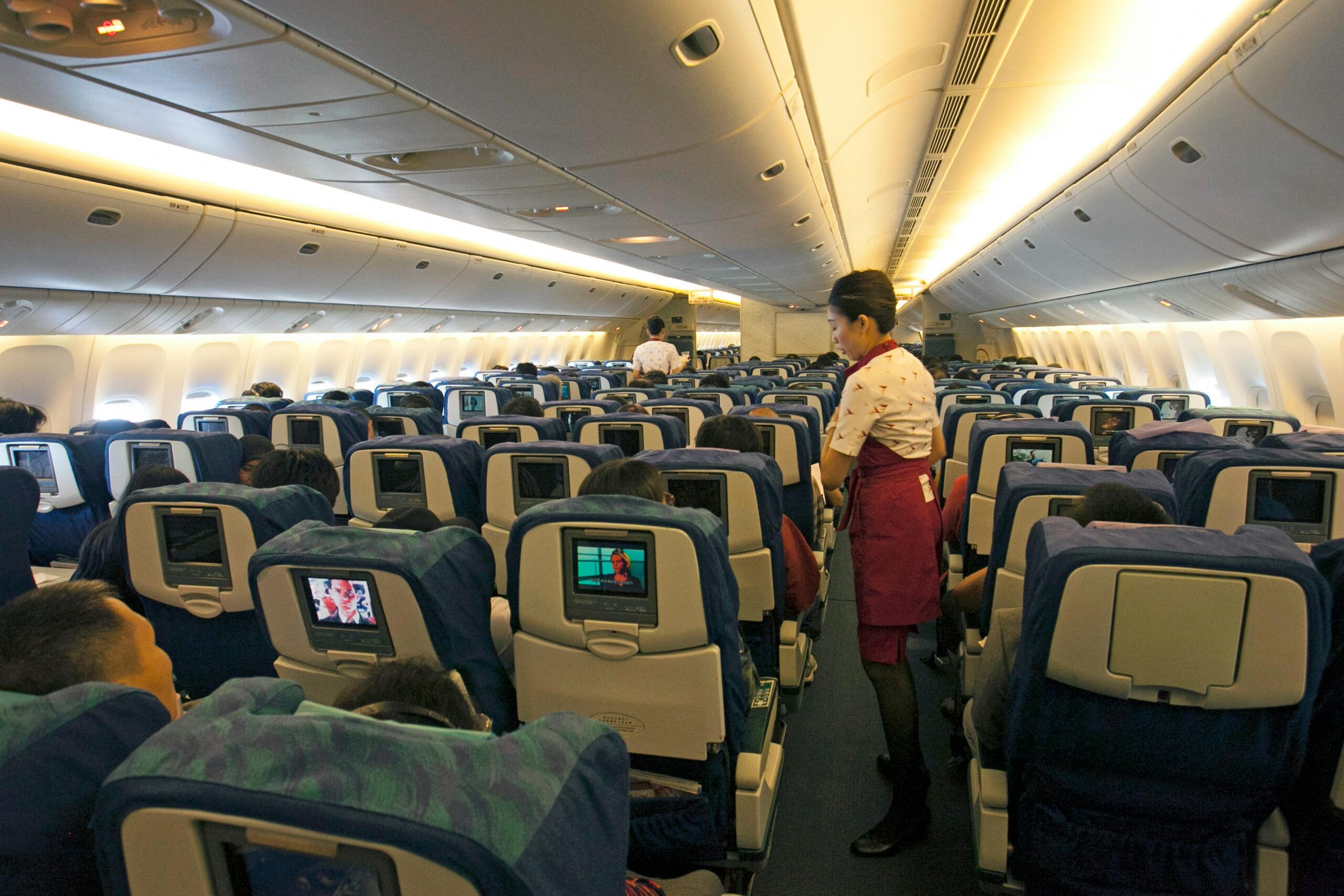
A cabin crew letter of application should highlight your customer service experience, safety awareness, and language skills immediately. You’ll state your aviation passion and relevant certifications upfront. Then you’ll mention specific qualities matching airline requirements. Finally, you’ll explain how your interpersonal abilities enhance passenger experiences.
Most applicants write generic letters that could apply to any service job. That approach fails. Your application letter isn’t a resume summary. It’s your chance to prove why your crisis management experience and genuine enthusiasm for aviation make you perfect for their cabin crew team.
Research from the International Air Transport Association shows airlines receive 200-400 applications per cabin crew opening. Your letter determines whether recruiters review your full application. You’ve got approximately 20 seconds to demonstrate you understand what cabin crew work actually involves.
What Makes Cabin Crew Application Letters Unique
Airline hiring differs significantly from other industries. Understanding these unique factors helps you craft effective applications that stand out from hundreds of competitors.
Safety and Service Balance
Cabin crew roles combine safety responsibilities with hospitality excellence. Your letter must prove you understand both dimensions equally. Airlines need employees who switch instantly from serving drinks to managing emergencies.
Demonstrate this dual focus by mentioning:
- Emergency response training or certifications you’ve completed
- Customer service experience in high-pressure environments
- First aid, CPR, or medical emergency training
- Conflict resolution skills from previous roles
- Ability to remain calm during unexpected situations
According to the Federal Aviation Administration, safety remains the primary cabin crew responsibility. Your letter should acknowledge this priority before discussing service aspects.
Physical and Schedule Requirements
Cabin crew work demands specific physical capabilities and schedule flexibility. Your letter should address these requirements proactively rather than waiting for employers to question them.
Essential elements to confirm:
- Physical fitness for standing 8+ hour flights
- Availability for irregular schedules including nights and holidays
- Willingness to relocate to airline hub cities
- Height requirements meeting aircraft safety standards
- Swimming ability for emergency water landings
- Valid passport and ability to travel internationally
Addressing requirements upfront shows you’ve researched the role seriously. It prevents your application from being dismissed due to basic qualification concerns.
Cultural Fit and Team Dynamics
Airlines seek cabin crew who represent their brand professionally. Your letter must demonstrate alignment with their specific culture and values. Different airlines prioritize different qualities.
Budget carriers emphasize efficiency and cheerfulness. Legacy carriers value polished professionalism. International airlines require cultural sensitivity and language skills. Research each airline before writing.
Essential Components of Your Application Letter
Your cabin crew letter needs specific elements that prove your suitability. Each component serves a distinct purpose in convincing airlines you’re the right candidate. Understanding career fundamentals helps across service industries.
Professional Opening Statement
Start with the specific cabin crew position and airline. Mention how you learned about the opportunity. State your strongest qualification immediately.
Example: “I’m applying for the Cabin Crew position with Emirates Airlines advertised on your careers portal. As a customer service professional with 4 years in hospitality and current first aid certification, I’m ready to deliver the exceptional passenger experience Emirates is known for.”
This opening answers who, what, and why in three sentences. No wasted words. No generic fluff.
Customer Service Excellence Evidence
Airlines hire based on proven service track records. Your letter must provide specific examples demonstrating hospitality expertise.
Include these experience types:
- Hotel, restaurant, or retail customer service roles
- Handling difficult customers or complaints successfully
- Working with diverse populations and cultures
- Managing high-volume, fast-paced service environments
- Receiving recognition or awards for service quality
- Training or mentoring others in customer service
Quantify achievements when possible. “Maintained 98% customer satisfaction rating serving 150+ daily guests” proves capability better than “provided excellent customer service.”
Language and Communication Skills
Multilingual abilities significantly strengthen cabin crew applications. Even basic proficiency in additional languages matters. Your letter should highlight linguistic capabilities prominently.
State your language proficiencies clearly:
- Native fluency in English and Spanish
- Conversational French and basic Mandarin
- Professional communication certification
- Experience interpreting or translating
- Cultural competency training completed
Airlines value communication beyond language. Mention public speaking, presentation experience, or conflict mediation skills. These abilities translate directly to cabin crew responsibilities.
Safety Consciousness and Training
Safety training separates serious candidates from those treating cabin crew as a glamorous travel job. Demonstrate your understanding of safety priorities through relevant qualifications.
Highlight safety-related credentials:
- First aid and CPR certification with renewal dates
- Emergency response or crisis management training
- Aviation security awareness courses
- Water safety or swimming certifications
- Conflict de-escalation training
If you lack formal aviation safety training, mention transferable experience. Lifeguard certification, fire safety training, or security roles all demonstrate safety mindset. Similar to specialized skills, safety training commands attention.
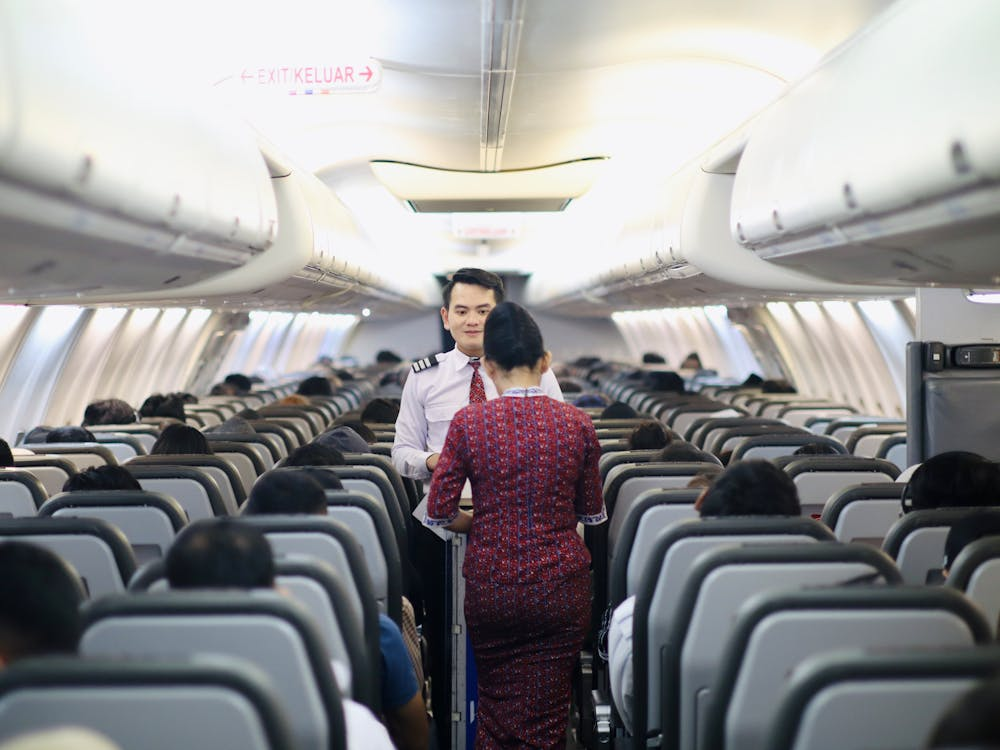
Structuring Your Cabin Crew Application Letter
Organize your letter for maximum impact. Airlines scan applications quickly. Clear structure helps recruiters find key information effortlessly.
Compelling Introduction Paragraph
Your opening must capture attention immediately. State the position, your location, and one powerful qualification. Keep it under 50 words.
Strong example: “I’m applying for Singapore Airlines’ Cabin Crew position based at Changi Airport. My combination of luxury hotel experience, trilingual communication abilities, and passion for aviation safety make me an ideal ambassador for Singapore Airlines’ world-class service.”
This introduction proves relevance, demonstrates research, and creates interest. Recruiters want to read more.
Experience and Qualifications Body
Use 2-3 paragraphs detailing your relevant background. Don’t chronologically list every job. Choose experiences that match cabin crew requirements specifically.
Address these key areas:
- Customer-facing roles with service excellence
- Team collaboration in diverse environments
- Problem-solving under pressure examples
- Physical stamina demonstrated through previous work
- Schedule flexibility from past positions
Connect each experience to airline needs explicitly. Don’t assume recruiters will make connections themselves. Understanding resume formatting principles applies to letters too.
Motivation and Cultural Fit
Dedicate one paragraph to why you specifically want this cabin crew role at this particular airline. Generic statements about “loving travel” won’t work. Be specific and authentic.
Research the airline’s:
- Route network and destinations they serve
- Service philosophy and brand positioning
- Recent achievements or industry recognition
- Corporate social responsibility initiatives
- Fleet modernization or expansion plans
Reference something specific that attracted you. Show you’ve invested time understanding their operation.
Professional Closing
End by requesting an interview and providing contact information. Express enthusiasm without desperation. Maintain professional tone throughout.
Example: “I’m eager to discuss how my service expertise and safety consciousness contribute to your cabin crew team. I’m available for interviews at your convenience. Thank you for considering my application.”
Include your phone number and email clearly. Make it easy for recruiters to contact you.
Download Professional Cabin Crew Application Letter Templates
We’ve created four application letter templates for different experience levels and airline types. Each template balances safety awareness with service excellence appropriately.
Each template comes in DOCX, PDF, and TXT formats. Customize them with your specific experience and target airline details.
Common Application Letter Mistakes
Certain errors plague cabin crew applications repeatedly. Avoiding these problems improves your chances significantly.
Treating It Like a Standard Job
Cabin crew work differs from regular employment. Your letter can’t use generic job application language. Phrases like “9-to-5 position” or “work-life balance” signal misunderstanding of the role.
Airlines want crew who embrace irregular schedules. They need people excited about the unique lifestyle. Your letter should acknowledge and welcome these differences enthusiastically.
Overemphasizing Travel Benefits
Yes, cabin crew travel to interesting destinations. But treating this as your primary motivation backfires. Airlines need safety professionals who also happen to enjoy travel.
Mention travel interest briefly if at all. Focus predominantly on service excellence, safety commitment, and passenger care. These priorities matter most to hiring managers. Similar to following up professionally, demonstrating work ethic matters.
Neglecting Appearance Standards
Airlines maintain specific grooming and appearance policies. Your letter should acknowledge awareness of professional presentation requirements. Don’t ignore this reality.
Briefly mention:
- Understanding of professional appearance standards
- Willingness to meet grooming requirements
- Professional demeanor in customer-facing roles
- Attention to personal presentation
One sentence suffices. You’re confirming awareness without dwelling on the topic extensively.
Spelling and Grammar Errors
Communication skills are paramount for cabin crew. Errors in your letter immediately disqualify you. Typos signal carelessness passengers wouldn’t tolerate mid-flight.
Proofread extensively:
- Read aloud to catch awkward phrasing
- Use spell-check but verify manually too
- Have someone else review it
- Check airline names and terminology carefully
- Verify all dates and contact information
Airlines require precision during emergencies. Your letter must demonstrate this capability through flawless execution. Understanding professional standards extends to all materials.

Maximizing Your Cabin Crew Application
Beyond writing a strong letter, strategic application management increases success rates. Most applicants apply to 10-15 airlines during active searches.
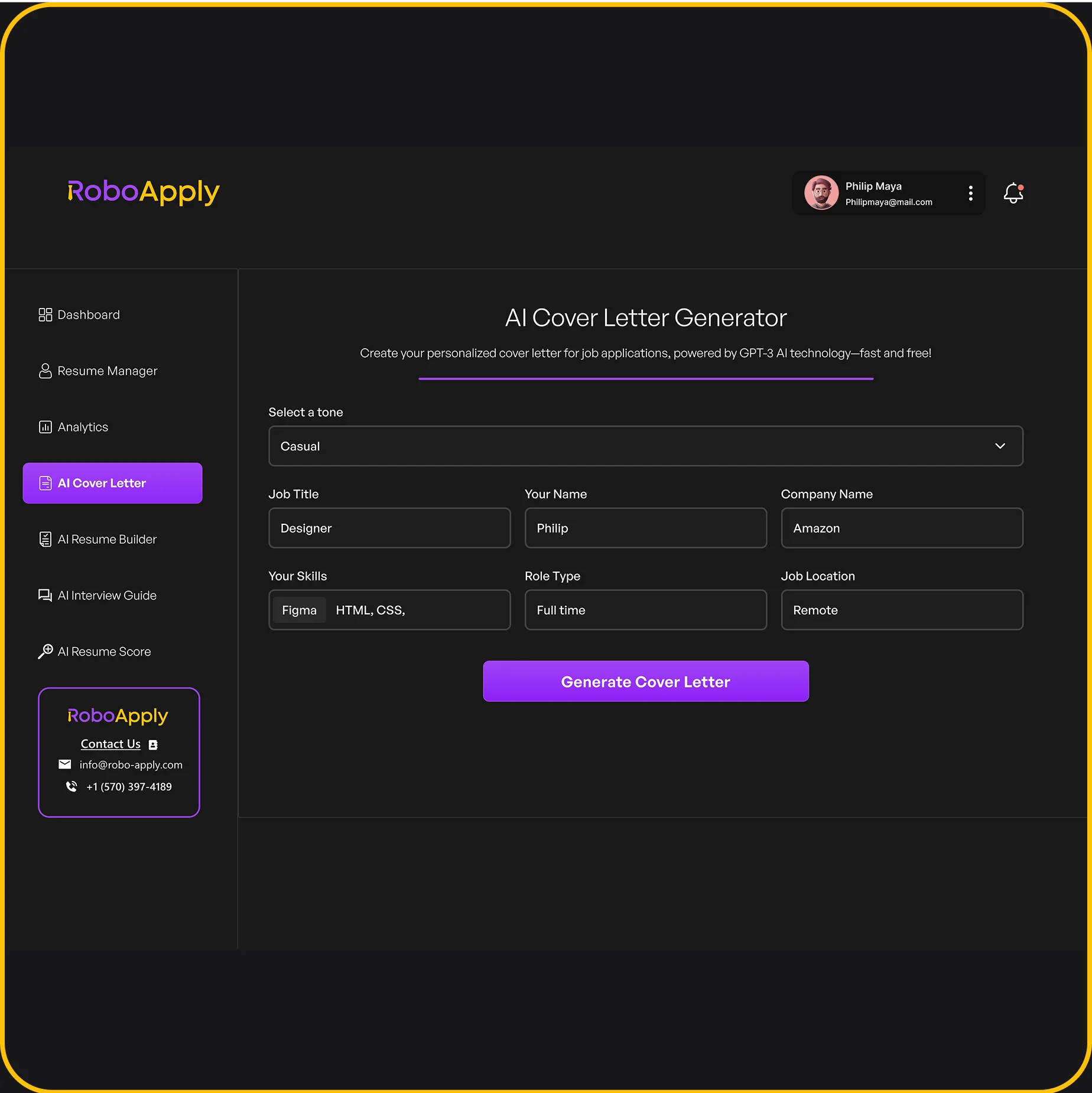
RoboApply’s AI Cover Letter Generator helps create personalized cabin crew letters efficiently. The platform adapts your service experience and safety qualifications to each airline’s specific requirements. You’ll maintain customization without starting from scratch repeatedly.
The AI Resume Builder formats your hospitality background for airline ATS systems. Your customer service metrics and certifications appear prominently. The system optimizes for aviation industry keywords automatically.
AI Auto Apply submits applications to multiple airlines based on your qualifications. Your credentials reach more hiring managers without manual portal entries. You’re applying efficiently while preparing for assessment days.
Interview Copilot prepares you for airline interviews and group assessments. You’ll practice common scenarios and behavioral questions. The tool helps you present your service mindset confidently.
Frequently Asked Questions
How long should a cabin crew letter of application be?
Keep your cabin crew application letter to one page, approximately 300-400 words. Airlines review hundreds of applications. Concise letters highlighting key qualifications perform best consistently.
Should I mention specific airlines I’ve flown with?
Yes, briefly mention positive experiences with the airline if authentic. This shows genuine interest. Don’t invent stories. Recruiters detect insincerity immediately during interviews.
Do I need flight experience for cabin crew applications?
No, airlines don’t require prior aviation experience. Customer service excellence, safety awareness, and communication skills matter most. They provide comprehensive training after hiring qualified candidates.
Should my application letter include salary expectations?
No, avoid salary discussion in application letters. Cabin crew compensation follows standard scales. Discuss pay during interview stages when airlines raise the topic appropriately.
Can I mention health conditions in my letter?
Only mention health issues if directly relevant to meeting physical requirements. Airlines conduct medical assessments later. Don’t volunteer information unnecessarily in initial applications.