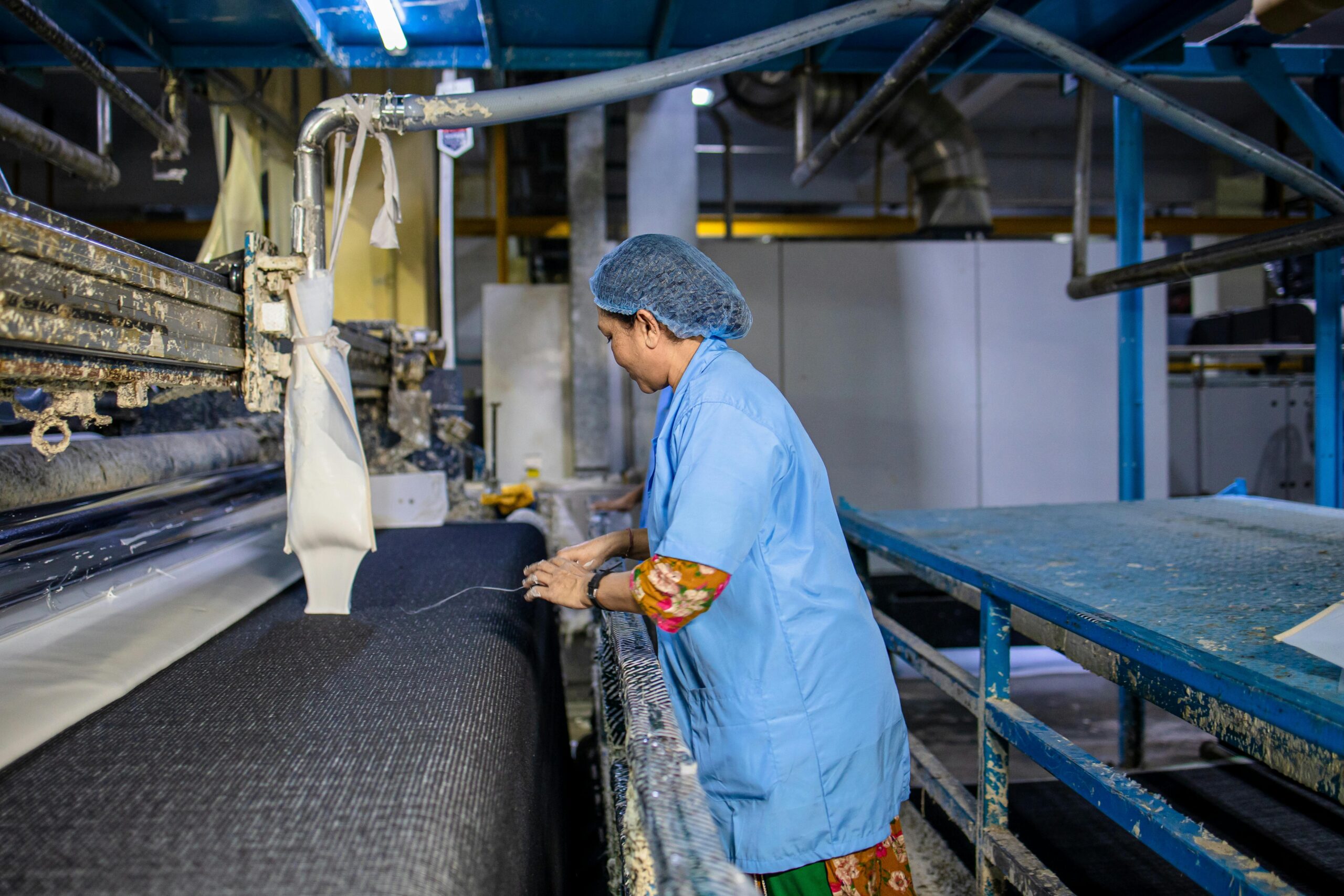
Is capital goods a good career path? Yes, capital goods offers excellent career prospects with median salaries of $55,000-$95,000, strong job security, and consistent demand driven by infrastructure needs. These sectors produce machinery, equipment, and industrial products that businesses require. You’ll find stable employment, advancement opportunities, and technical skill development.
Capital goods manufacturing employs over 12.8 million Americans across machinery, aerospace, defense, and industrial equipment sectors. Bureau of Labor Statistics data shows these positions offer competitive wages with comprehensive benefits. The work provides tangible results you can see daily.
Career stability matters now more than ever. Capital goods industries survived economic downturns better than consumer sectors. Your job won’t disappear because of retail trends or consumer preferences. These sectors produce equipment other industries need to operate.
What Are Capital Goods Industries
Capital goods companies manufacture products other businesses use for production. They create machinery, equipment, and tools rather than consumer products. Understanding this sector helps you evaluate career opportunities accurately.
Core Sectors Within Capital Goods
Capital goods include several major categories. Each sector offers distinct career paths with different skill requirements and growth potential.
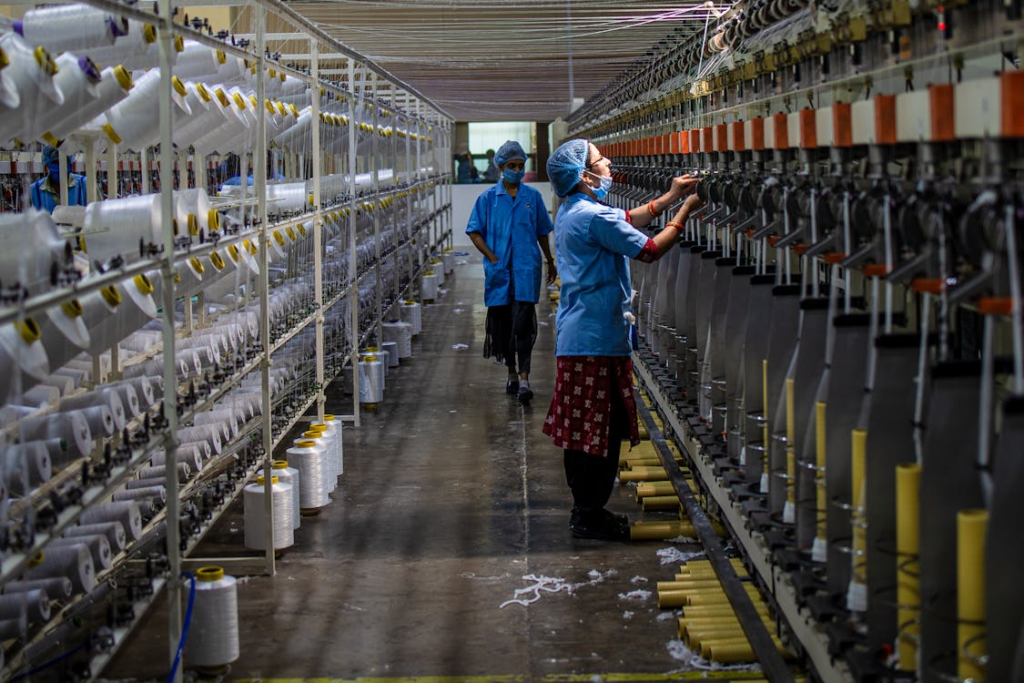
Manufacturing equipment represents the largest employment sector:
- Industrial machinery and equipment production
- Machine tool manufacturing
- Fabricated metal products
- Robotics and automation systems
- Processing equipment for various industries
Aerospace and defense operations include:
- Aircraft manufacturing and assembly
- Defense systems and equipment
- Satellite and spacecraft production
- Aviation components and parts
Construction equipment covers:
- Heavy machinery manufacturing
- Earth-moving equipment production
- Material handling systems
- Industrial vehicles and equipment
Electrical equipment involves:
- Power generation equipment
- Electrical machinery production
- Control systems and instrumentation
- Industrial electrical components
Each sector requires different technical skills but shares common characteristics. They all produce durable goods, offer stable employment, and resist economic volatility better than consumer industries.
How Capital Goods Differ From Other Industries
Capital goods operate differently than consumer goods, technology, or service sectors. Understanding these differences helps you make informed career decisions.
Key distinctions include:
- B2B focus: You create products for businesses, not consumers
- Longer sales cycles: Products involve significant investment decisions
- Technical complexity: Equipment requires specialized knowledge
- Project-based work: Many roles involve custom solutions
- Engineering emphasis: Technical expertise drives career advancement
- Global markets: Products sell internationally, creating stability
Research from the National Association of Manufacturers confirms these industries offer better job security than emerging sectors. You’re solving real engineering challenges rather than chasing trends.
Career Opportunities in Capital Goods
Capital goods provide diverse career paths across skill levels. You’ll find opportunities whether you’re starting fresh or switching careers mid-life. Understanding opportunities across various sectors helps you evaluate prospects.
Entry-Level Positions
Starting positions require varied educational backgrounds. Many employers provide extensive training. You can begin earning while developing specialized skills.
Common entry points include:
- Manufacturing technicians earning $38,000-$52,000 annually
- Quality control inspectors starting at $40,000-$55,000
- Production assemblers making $35,000-$48,000
- CNC machine operators earning $42,000-$58,000
- Engineering technicians starting at $45,000-$60,000
Requirements typically include:
- High school diploma or associate degree
- Basic mechanical aptitude and problem-solving skills
- Willingness to learn technical processes
- Attention to detail and quality standards
- Comfortable with hands-on technical work
Trade schools and community colleges offer relevant programs. Certifications in welding, machining, or industrial maintenance boost starting pay significantly. Many employers reimburse tuition for employees pursuing relevant credentials.
Mid-Level Professional Roles
Experience and specialized training lead to better-paying positions. Most workers reach these levels within 5-10 years. The progression path remains clear and achievable.
Mid-career opportunities include:
- Mechanical engineers earning $70,000-$95,000
- Manufacturing engineers making $65,000-$90,000
- Quality assurance managers earning $60,000-$85,000
- Production supervisors making $55,000-$75,000
- Project managers earning $75,000-$100,000
- Sales engineers making $70,000-$110,000 with commissions
These positions require:
- Bachelor’s degree in engineering or related field
- 5-8 years relevant industry experience
- Technical problem-solving abilities
- Project management and leadership skills
- Understanding of manufacturing processes
Advancement happens through demonstrated technical competence and results. Your engineering solutions and process improvements determine promotion timing. Similar to specialized trades, technical skills command premium compensation.
Senior Leadership and Management
Senior roles offer six-figure salaries with comprehensive benefits. Industry experience matters more than MBA degrees for many positions. Technical knowledge combined with business acumen creates advancement opportunities.
Leadership positions include:
- Engineering directors earning $110,000-$160,000
- Plant managers making $95,000-$145,000
- Operations directors earning $100,000-$155,000
- Product development managers making $105,000-$150,000
- Business unit leaders earning $120,000-$180,000
These roles require:
- 12+ years industry experience
- Proven technical and business leadership
- Deep understanding of manufacturing processes
- Budget and strategic planning skills
- Regulatory and quality system knowledge
The path to leadership remains accessible through technical excellence. Companies promote engineers who understand both technical and business aspects.
Advantages of Capital Goods Careers
Capital goods offer specific benefits that other sectors can’t match. These advantages significantly impact long-term career satisfaction and financial security.
Strong Job Security and Growth
Capital goods industries maintain stability through economic cycles. Businesses need machinery and equipment regardless of consumer spending trends. Your job won’t disappear during recessions.
Market indicators support this stability:
- Infrastructure investments guarantee continued equipment demand
- Global manufacturing growth creates export opportunities
- Automation and robotics sectors expand rapidly
- Reshoring initiatives bring production back domestically
- Aging infrastructure requires replacement equipment
Manufacturing Institute research shows capital goods employment remained stronger than many sectors during recent economic disruptions.
Competitive Compensation Packages
Capital goods companies offer superior total compensation. Engineering and technical roles receive benefits exceeding many white-collar positions.
Standard benefits include:
- Health insurance with employer-subsidized premiums
- 401(k) plans with company matching up to 6%
- Paid vacation starting at 2-3 weeks annually
- Professional development and tuition reimbursement
- Performance bonuses and profit sharing
- Stock options at publicly traded companies
According to SHRM data, manufacturing engineers receive benefits packages worth 35-45% of base salary. This addition significantly increases effective compensation.
Technical Skill Development
Capital goods companies invest heavily in workforce development. Employers benefit from skilled workers, creating alignment between company and employee interests.
Development opportunities include:
- Engineering training and certification programs
- CAD and design software proficiency
- Lean manufacturing and Six Sigma methodologies
- Project management certifications
- Industry-specific technical knowledge
- Leadership development programs
Companies pay for training rather than requiring employees to fund education. This contrasts with many fields requiring expensive degrees with uncertain returns. Understanding resume presentation helps showcase acquired skills.
Challenges to Consider
Capital goods careers aren’t perfect. Understanding potential drawbacks helps you make informed decisions. These challenges affect different people differently based on preferences.
Economic Cyclicality
Capital goods face cyclical demand based on business investment cycles. Companies delay equipment purchases during economic uncertainty. This cyclicality creates occasional employment volatility.
However, this challenge is overstated. Capital goods perform better than many alternatives during downturns. Essential equipment still needs replacement. Infrastructure projects continue through recessions.
Geographic Concentration
Capital goods manufacturing clusters in specific regions. Aerospace concentrates in certain states. Industrial equipment manufacturers locate near transportation hubs. This geographic concentration affects location flexibility.
Major employment centers include:
- Midwest for heavy machinery and industrial equipment
- Southeast for automotive and aerospace manufacturing
- Northeast for precision equipment and defense
- West Coast for aerospace and advanced manufacturing
Career advancement might require relocation to regions with more opportunities. However, once established, you typically enjoy geographic stability. Plants remain operational for decades.
Technical Skill Requirements
Many capital goods positions require engineering degrees or technical training. The barrier to entry is higher than some fields. You’ll need education or extensive apprenticeship experience.
This requirement becomes an advantage long-term. Higher barriers create better compensation and job security. Your technical skills become increasingly valuable with experience.

Streamlining Your Capital Goods Career Launch
Once you’ve decided this path suits you, take concrete steps toward entry. The application process requires strategic approaches. Similar to following up after applications, persistence matters.
RoboApply’s AI Resume Builder helps you create engineering-optimized resumes highlighting technical skills. The platform formats your background for capital goods hiring systems. Your qualifications appear prominently automatically.
The AI Cover Letter Generator creates targeted letters emphasizing your relevant experience. Each application highlights your technical capabilities and problem-solving skills naturally.
AI Auto Apply submits applications to multiple capital goods employers efficiently. Your profile reaches more hiring managers without repetitive manual entries. You’re applying strategically while preparing for technical interviews.
Interview Copilot prepares you for engineering interviews. You’ll practice discussing technical projects and problem-solving approaches. The tool helps you present your capabilities confidently. Understanding professional standards matters throughout applications.
Frequently Asked Questions
Is capital goods a good career path for engineers?
Yes, capital goods offers excellent opportunities for engineers with competitive salaries, technical challenges, and clear advancement paths through management or technical leadership roles.
What’s the average salary in capital goods industries?
Entry-level positions start at $35,000-$60,000. Mid-career professionals earn $60,000-$100,000. Senior engineers and managers make $95,000-$180,000 annually with comprehensive benefits.
Do capital goods jobs require engineering degrees?
Many technical roles require engineering degrees. However, technician, machinist, and skilled trade positions offer strong careers with associate degrees or apprenticeships instead.
Are capital goods careers stable long-term?
Yes, capital goods provide above-average job security. Businesses need equipment regardless of economic conditions. Infrastructure investments guarantee continued demand for manufactured equipment.
How do I start a capital goods career?
Pursue engineering degree or technical training, seek internships at manufacturing companies, apply to entry-level positions, and develop specialized knowledge in specific equipment types.