Cover letter for a librarian position does more than introduce you. It shows a hiring manager why your background fits their specific library, whether that’s a public branch, school media center, academic institution, or special collections department. Get this right, and your application moves forward. Get it wrong, and even a strong resume gets ignored.
Librarian roles are competitive. Many postings attract dozens of applicants with similar degrees and certifications. Your cover letter is where you separate yourself from that pile.
What Hiring Managers Look For in a Librarian Cover Letter
Library directors and HR staff reviewing applications look for a few specific things. They want to see that you understand the role’s scope, that your skills match the job description, and that you can communicate clearly in writing. A cover letter for a librarian job also signals how well you’ll represent the institution to patrons and colleagues.
Here are the qualities they prioritize:
- Relevant library experience (cataloging, reference services, programming, outreach)
- Familiarity with library systems like Sierra, Koha, or OCLC WorldCat
- Clear communication skills that reflect how you’ll interact with the public
- Knowledge of the institution’s community or patron base
- Enthusiasm that reads as genuine, not generic
Most applicants send the same boilerplate. A letter that speaks directly to the library’s mission and community stands out immediately.
Cover Letter for Librarian: Structure That Works
The structure of your cover letter for librarian applications follows a proven format. Each section has a job to do, and keeping things concise is key. Aim for three to four paragraphs, no longer than one page.
Opening Paragraph
Start with the position title and where you found the listing. Then pivot immediately to your strongest qualification or a specific detail about the institution that drew your attention. Avoid vague openers like “I am writing to express my interest.” Every hiring manager has read that line thousands of times.
A stronger opener looks like this: “The reference librarian position at Westfield Public Library caught my attention because of your community literacy initiative. My five years of public library experience, including developing adult reading programs that served over 300 patrons annually, aligns directly with that work.”
That opening names the role, references something specific about the library, and connects a concrete achievement to their work. All in two sentences.
Skills and Experience Paragraph
This section connects your background to the job description point by point. Read the posting carefully and pull out the top three or four requirements. Then address each one with a specific example from your career.
For a public librarian role, relevant points might include:
- Reference desk experience, including helping patrons with research, technology, and reader advisory
- Program development for children, teens, or adults
- Collection development and weeding using usage data
- Experience with community outreach or partnership organizations
For academic librarian positions, shift the focus toward information literacy instruction, database management, subject liaison work, and faculty collaboration. The Bureau of Labor Statistics outlines the full range of librarian duties across settings, which can help you match your experience to employer expectations.
Why This Library
Hiring managers can tell when a cover letter was written once and sent to fifty places. A specific paragraph about why you want this particular role at this particular institution shows effort. It also shows you understand their community, their programs, and their challenges.
Spend fifteen minutes researching the library before you write. Look at their website, recent news, annual reports, or social media. Reference something concrete. A school librarian cover letter might mention a district’s focus on digital literacy. An academic library letter might address their special collections or research support services.
The American Library Association publishes resources on library trends and standards that can help you frame your alignment with current professional priorities.
Closing Paragraph
Keep the close short and direct. State your interest in the next step, mention your availability for an interview, and thank them for their time. Avoid restating your entire background or ending with passive phrases like “I hope to hear from you.”
A clean close: “I would welcome the chance to discuss how my background in community programming and collection management can support the library’s goals. Thank you for your time and consideration.”
School Librarian and Academic Librarian Letters Need Different Focus
A general cover letter for librarian jobs misses the mark when the role is highly specialized. School librarians and academic librarians have different audiences, responsibilities, and evaluation criteria.
School Librarian Cover Letter Focus
School librarian positions, often called school library media specialists, require a different emphasis. Curriculum alignment matters here. So does your ability to collaborate with classroom teachers, support student research skills, and manage a media center budget.
Your cover letter for a school librarian role should address:
- State teaching or library media certification (required in most districts)
- Experience integrating information literacy into core curriculum areas
- Familiarity with school library management systems like Destiny or Follett
- Any reading or literacy initiatives you’ve led or contributed to
The American Association of School Librarians publishes national school library standards that describe the competencies districts look for. Referencing these standards in your letter shows professional fluency.
Academic Librarian Cover Letter Focus
Academic library positions, especially at research universities, often require a master’s degree in library science plus subject expertise. Cover letters for these roles should demonstrate scholarly depth alongside practical skills.
Key areas to address include:
- Subject liaison experience or a second graduate degree in a relevant discipline
- Information literacy instruction, including teaching sessions or credit-bearing courses
- Familiarity with research databases and scholarly publishing models
- Any experience with digital scholarship, data management, or institutional repositories
The Association of College and Research Libraries offers frameworks and standards that can sharpen how you frame your academic library experience.
Common Cover Letter Mistakes Librarians Make
Even strong candidates lose interviews because of preventable cover letter errors. These are the ones that show up most often.
Vague language is the biggest problem. Phrases like “passionate about literacy” or “dedicated to service” appear in nearly every cover letter. They mean nothing without specifics. Replace them with numbers, programs, and outcomes.
Ignoring the job description is a close second. Every posting tells you exactly what they need. If they want experience with electronic resources management and you have it, say so directly using the same language they used.
Length is also an issue. A two-page cover letter signals poor judgment about professional communication. Keep it tight. One page, three to four paragraphs, clear and scannable.
Finally, submitting the same letter everywhere without updating the institution name, position title, or specific references is a mistake that’s surprisingly common. Hiring managers notice.
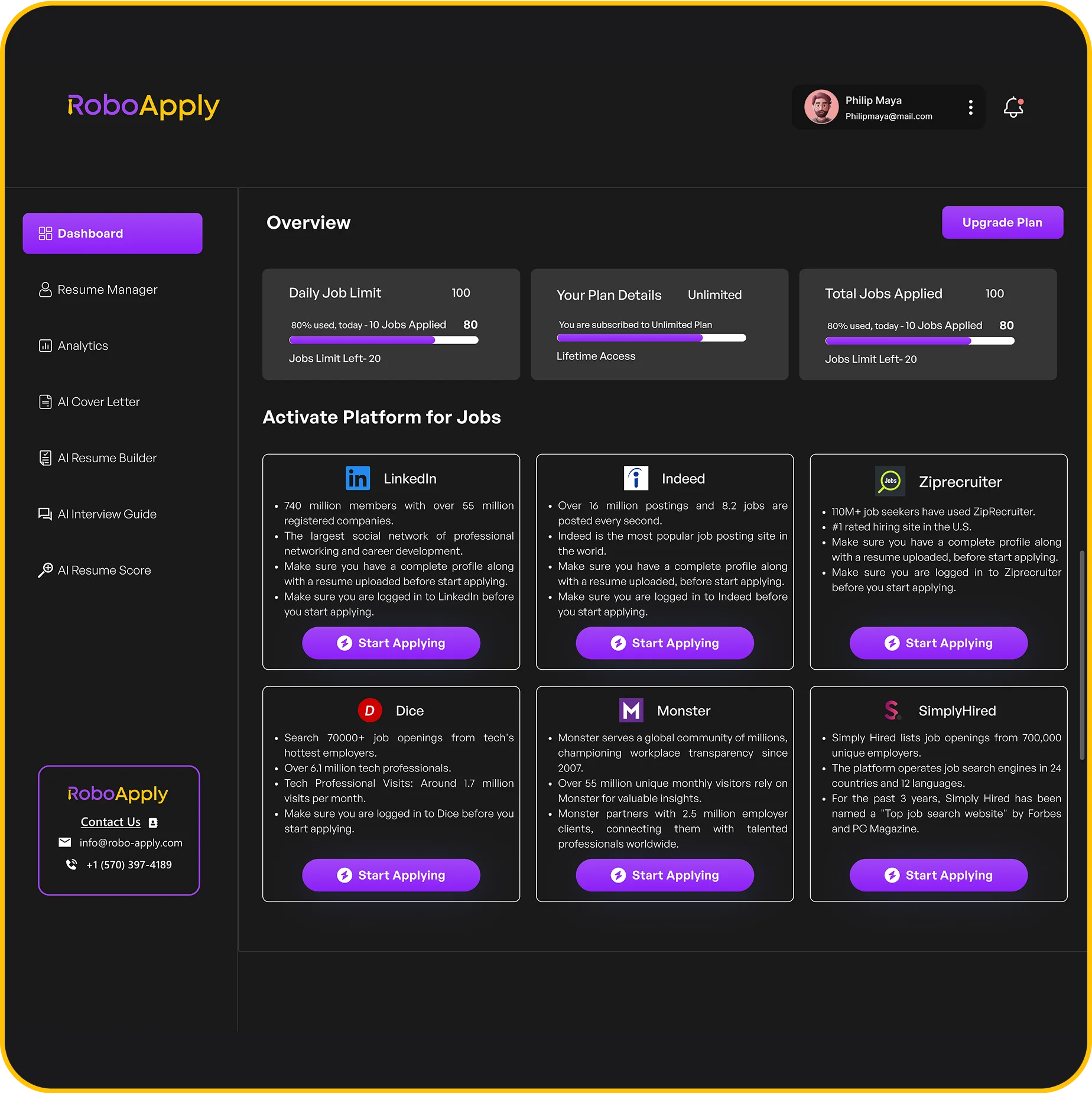
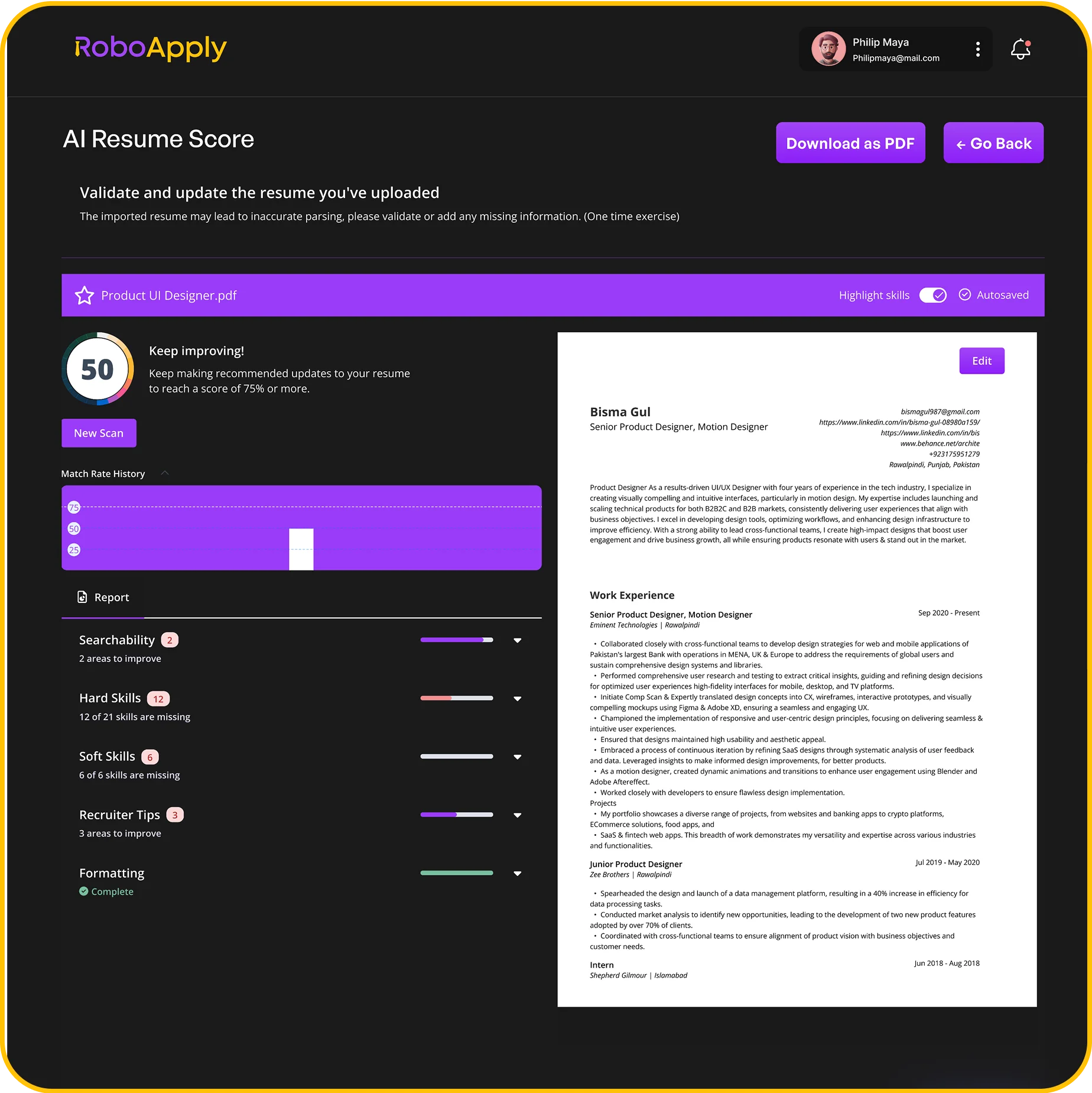
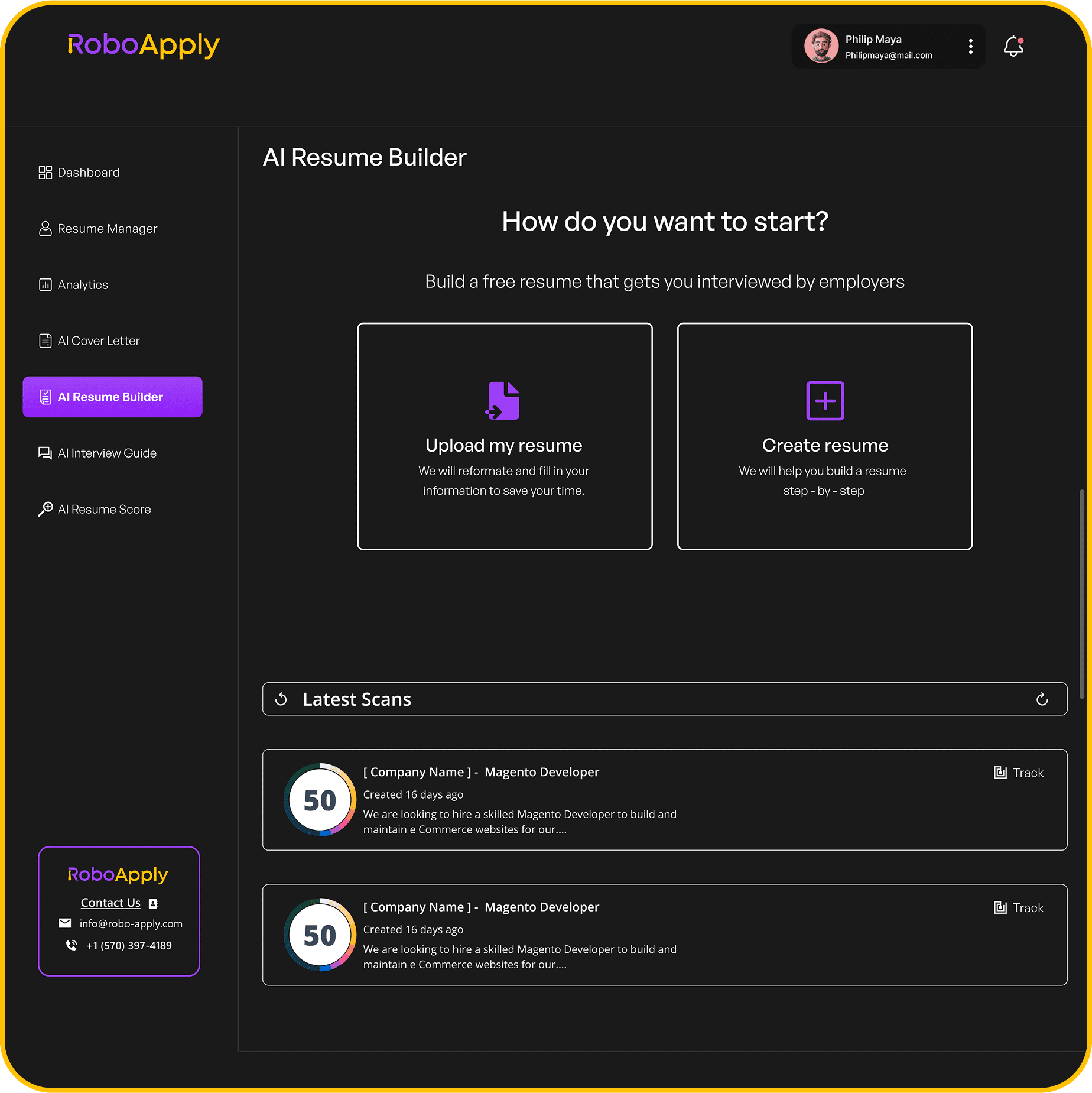
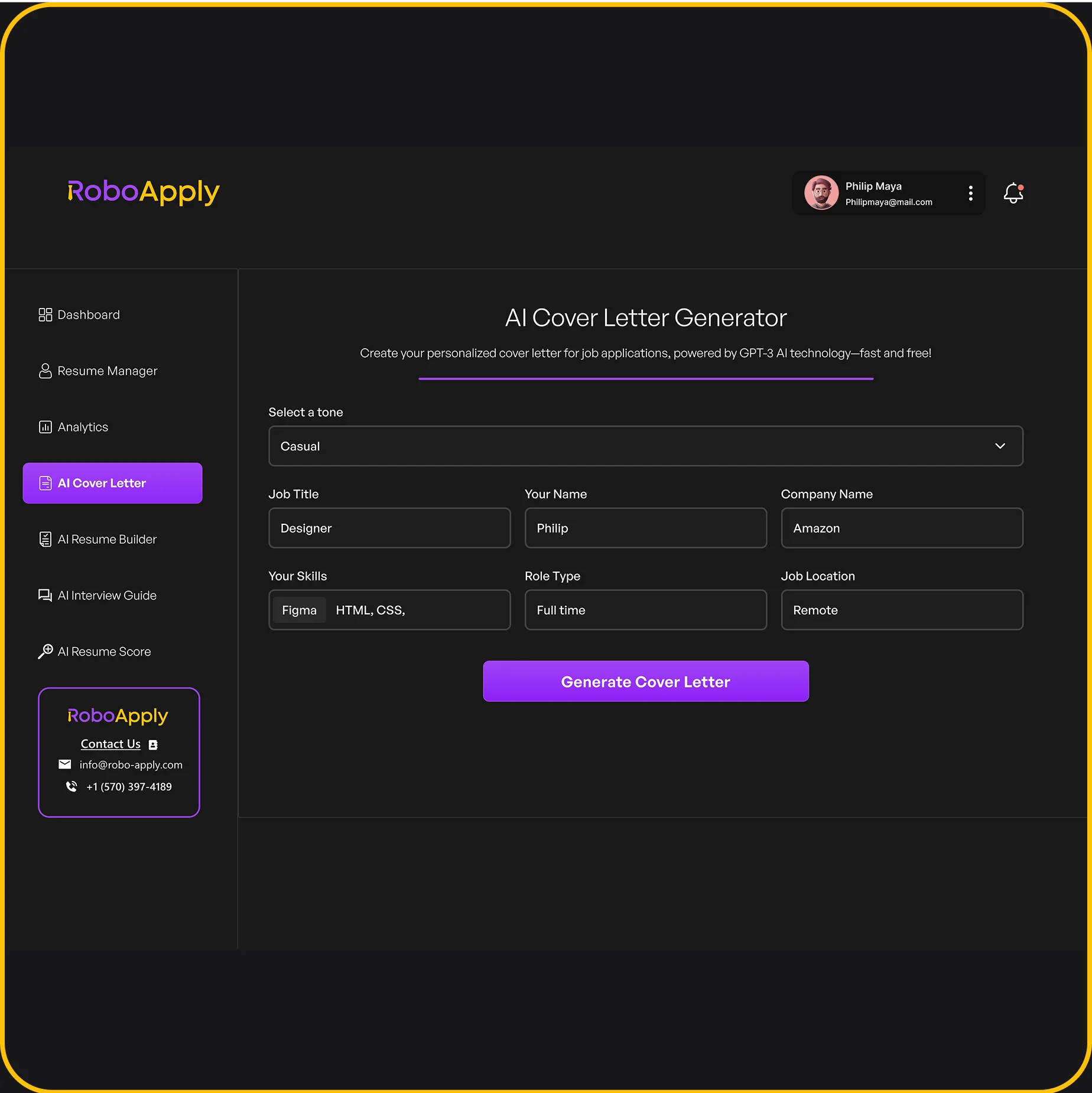
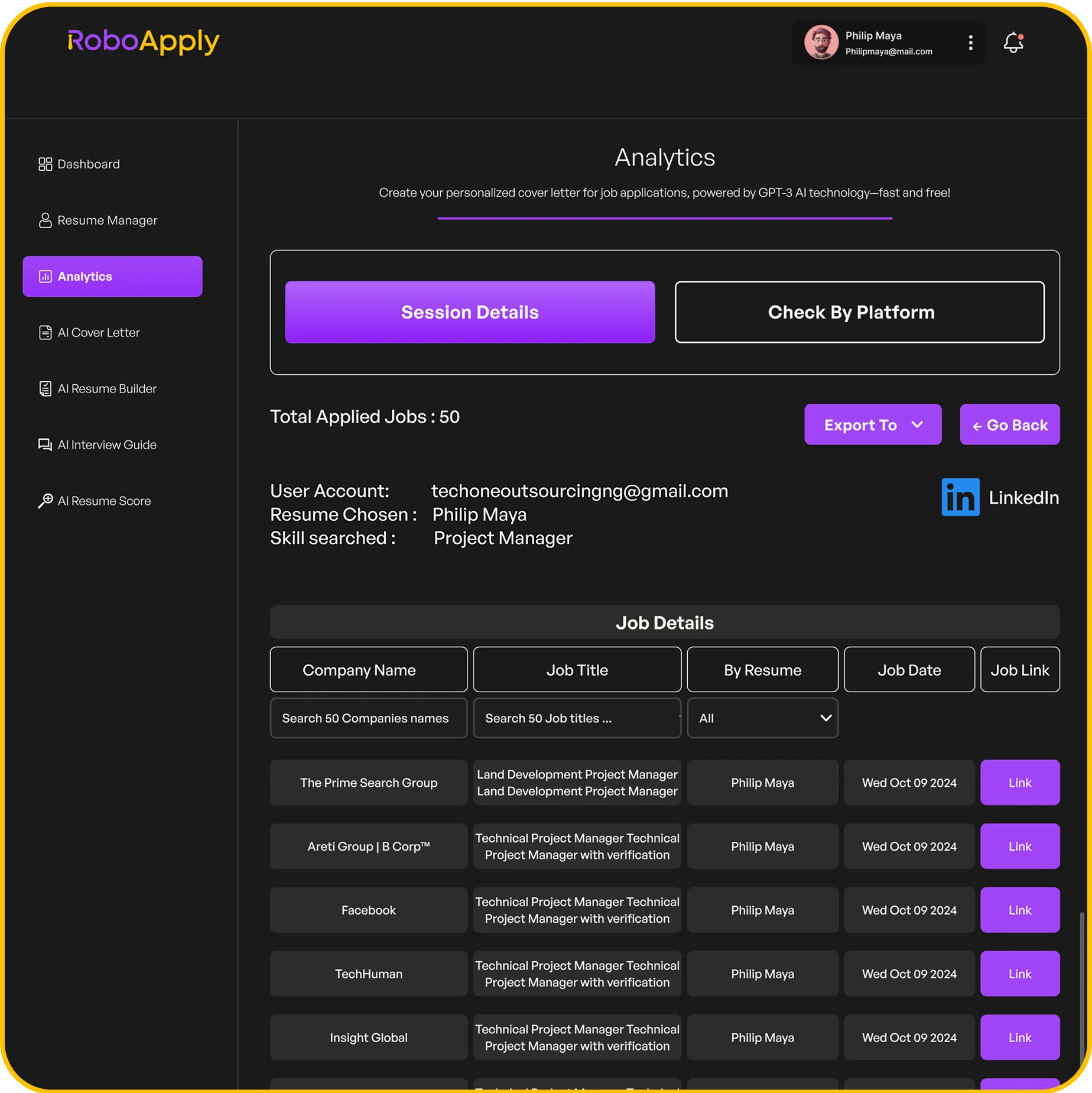
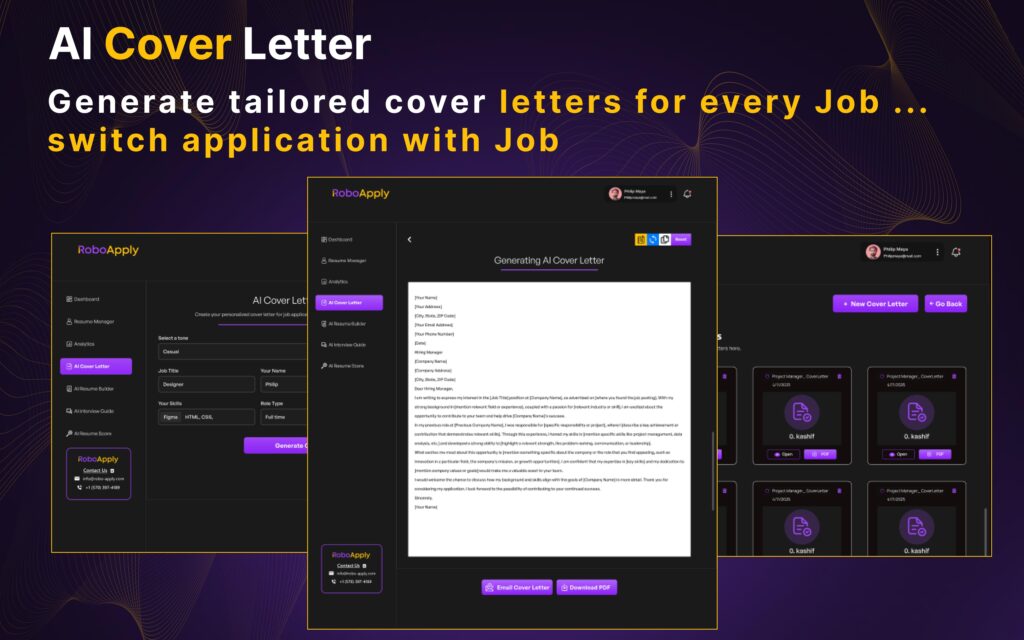
If you’re applying broadly while still personalizing each letter, tools like RoboApply’s AI Cover Letter Generator can speed up the process. It pulls your resume details and the job description, then builds a letter aligned to the specific role. You review and adjust, which keeps the final version genuinely yours. The AI Resume Builder works the same way for your resume, and the AI Resume Score can flag gaps before you apply.
For librarians sending multiple applications across different library types, RoboApply’s AI Tailored Apply lets you generate customized versions in bulk. That’s useful when you’re targeting both public and academic positions at the same time.
Also review your resume formatting alongside your cover letter. Resources like how many bullet points per job on a resume and should you put references on a resume are worth checking before you submit anything.
Other job search resources worth bookmarking: calling a job after applying, how many jobs are available in basic industries, and how much do underwater welders make for career salary research context.
Download Your Librarian Cover Letter Template
Frequently Asked Questions
Should a librarian cover letter mention specific library software?
Yes. Name systems you’ve used, like Sierra or Koha. Specific tools show technical readiness and improve ATS keyword matching.
How long should a cover letter for a librarian position be?
One page. Three to four focused paragraphs. Hiring managers read dozens of applications, so brevity shows respect for their time.
Do public and academic librarian cover letters differ?
Yes. Public librarian letters focus on community service and programming. Academic letters emphasize research support and information literacy instruction.
Is a cover letter required for every librarian job application?
Not always required, but always recommended. A well-written letter consistently improves callback rates, especially in competitive markets.
What certifications should I mention in a librarian cover letter?
Include your MLS or MLIS degree, any state licensure, and relevant certifications like ALA-APA credentials or school library media certification.