The right resume format for medical assistant positions can be the difference between getting called back and getting ignored. Recruiters spend about six seconds scanning a resume before deciding to read further. Your format has to do a lot of work fast.
Most medical assistant resumes fail because they look cluttered, lack clinical keywords, or bury the most relevant experience. This guide breaks down what works, section by section, so your resume gets past applicant tracking systems (ATS) and earns a second look from hiring managers.
The Best Resume Format for Medical Assistant Roles
Medical assistant job seekers should use a reverse-chronological resume format. This means your most recent job comes first. Hiring managers want to see your current skills and responsibilities right away. It also works best for ATS software, which most healthcare employers use.
Functional or combination formats can work if you are switching careers or have gaps. But for most medical assistants with any clinical experience, reverse-chronological is the strongest choice.
Standard Layout and Length
Keep your resume to one page if you have fewer than ten years of experience. Two pages are acceptable for senior-level roles or extensive certifications.
Use these layout guidelines:
- Margins between 0.5 and 1 inch on all sides
- Font size between 10 and 12 points (Arial, Calibri, or Georgia work well)
- Clear section headers in bold
- No tables, text boxes, or graphics that confuse ATS parsers
- Save as a PDF unless the job posting asks for Word format
Sections to Include
A complete resume format for medical assistant applications has six core sections. Here is the order that performs best:
- Header with contact information
- Professional summary (3 to 4 sentences)
- Clinical and administrative skills
- Work experience
- Certifications and education
- Optional: Professional affiliations or languages
Writing Each Section of Your Medical Assistant Resume
Every section needs to carry weight. Thin, generic content drops your chances. Here is how to treat each one.
Header and Contact Information
Put your full name at the top in a slightly larger font. Include your phone number, professional email, city and state, and a LinkedIn profile URL if you have one. Skip your full mailing address. Do not include a photo.
Make sure your email looks professional. Addresses like “butterfly1998@gmail.com” hurt your credibility before a hiring manager reads a single word.
Professional Summary
Your summary sits right below your header and should be three to four sentences. Write it last, after you have finished the rest of the resume. It should reflect your strongest qualifications directly.
A strong summary for a medical assistant resume format sounds like this:
Certified Medical Assistant with four years of experience in high-volume family medicine clinics. Skilled in phlebotomy, vital signs, electronic health records (EHR), and patient intake. Comfortable managing front and back office duties in fast-paced environments. Committed to accurate documentation and patient-centered care.
Avoid vague openers like “results-driven professional.” Be specific about your specialty area, years of experience, and two or three hard skills.
Clinical and Administrative Skills
This section is where ATS matching happens. Include both clinical and administrative competencies. Hiring managers for medical assistant roles want to see a mix of both.
Clinical skills to include (if applicable):
- Phlebotomy and venipuncture
- Vital signs and patient intake
- EKG/ECG administration
- Medication administration (oral, IM, subcutaneous)
- Wound care and dressing changes
- Specimen collection and handling
- Urinalysis and basic lab procedures
Administrative skills to include:
- Electronic health records (Epic, Athenahealth, Kareo, NextGen)
- Insurance verification and prior authorizations
- Scheduling and appointment coordination
- Medical billing and coding basics (ICD-10, CPT)
- HIPAA compliance
- Patient check-in and registration
Pull keywords directly from the job description. If the posting says “Epic EHR,” use that exact phrase. This improves your ATS match rate significantly. According to research from Jobscan, resumes with high keyword match rates are far more likely to move forward in ATS systems.
Work Experience
List each role with the job title, employer name, city and state, and dates of employment (month and year). Under each role, write three to six bullet points that describe what you did and the impact it had.
Start every bullet with an action verb. Quantify wherever possible.
Weak: Helped with patient care. Strong: Assisted physicians with 20+ patient exams daily in a busy internal medicine clinic, documenting visit notes in Epic EHR with 99% accuracy.
If you have limited experience, include clinical rotations from your medical assistant program. Externships count. Label them clearly as “Clinical Externship” and include the facility name and dates.
The American Association of Medical Assistants (AAMA) notes that externship hours are a recognized component of medical assistant training and belong on your resume.
For tips on how many bullet points to use per job, check out this guide on how many bullet points per job on a resume.
Certifications and Education
List certifications before your formal education if they are directly relevant. For medical assistants, these matter a lot:
- Certified Medical Assistant (CMA) from AAMA
- Registered Medical Assistant (RMA) from AMT
- National Certified Medical Assistant (NCMA) from NCCT
- BLS/CPR certification (include expiration date)
- Phlebotomy Technician Certification (CPT)
Include the certifying body and the year obtained. If your CMA is current, note that. Expired certifications can raise questions, so leave them off unless you are actively renewing.
For education, list your medical assistant diploma or associate degree, the school name, and the graduation year. If you graduated recently, you can add relevant coursework.

Common Resume Format Mistakes Medical Assistants Make
Getting the resume format for medical assistant applications right means avoiding mistakes that knock you out before you are even considered.
These are the most common issues:
- Using a template with columns or graphics that ATS cannot read
- Writing a generic objective statement instead of a specific summary
- Listing duties instead of achievements in your work experience
- Forgetting to include specific EHR systems by name
- Including irrelevant jobs from unrelated fields without connecting the skills
- Submitting a resume that runs three pages for an entry-level position
A clean, well-organized resume tells hiring managers you pay attention to detail. That matters a lot in a clinical role. The Bureau of Labor Statistics projects medical assistant employment to grow 14% through 2032, so competition is real.
If you are not hearing back, your resume format may be the issue. Checking whether you should put references on your resume is also worth reading before you finalize your document.
How to Tailor Your Resume Format for Different Employers
A single generic resume rarely performs well across different medical settings. A pediatric clinic, a dermatology practice, and a hospital emergency department all look for different things.
Specialty-Specific Adjustments
Match your resume to the setting you are targeting. If you are applying to a cardiology office, front-load your EKG experience and cardiology-related terms. Applying to a dermatology practice? Highlight any experience with skin procedures, patient education, or cosmetic consultations.
Check the job description for specific language and mirror it. If the posting says “back-office medical assistant,” make sure those words appear in your summary and experience sections.
Entry-Level vs. Experienced Candidates
Entry-level candidates should emphasize certifications, externship hours, clinical skills learned in training, and any customer service or healthcare-adjacent work experience. A strong summary can compensate for limited formal employment.
Experienced candidates should lead with tenure, specific settings, and measurable outcomes. If you have managed a high patient volume, trained new staff, or improved a workflow, include it.
If you need guidance on following up after applying, this post on calling a job after applying has practical advice.
Resume Templates and Download
Automate the Application Process After Your Resume Is Ready
Once your resume is polished, the next challenge is applying consistently at scale. Most job seekers send fewer than a dozen applications per week manually. That limits your exposure at a time when getting seen is everything.
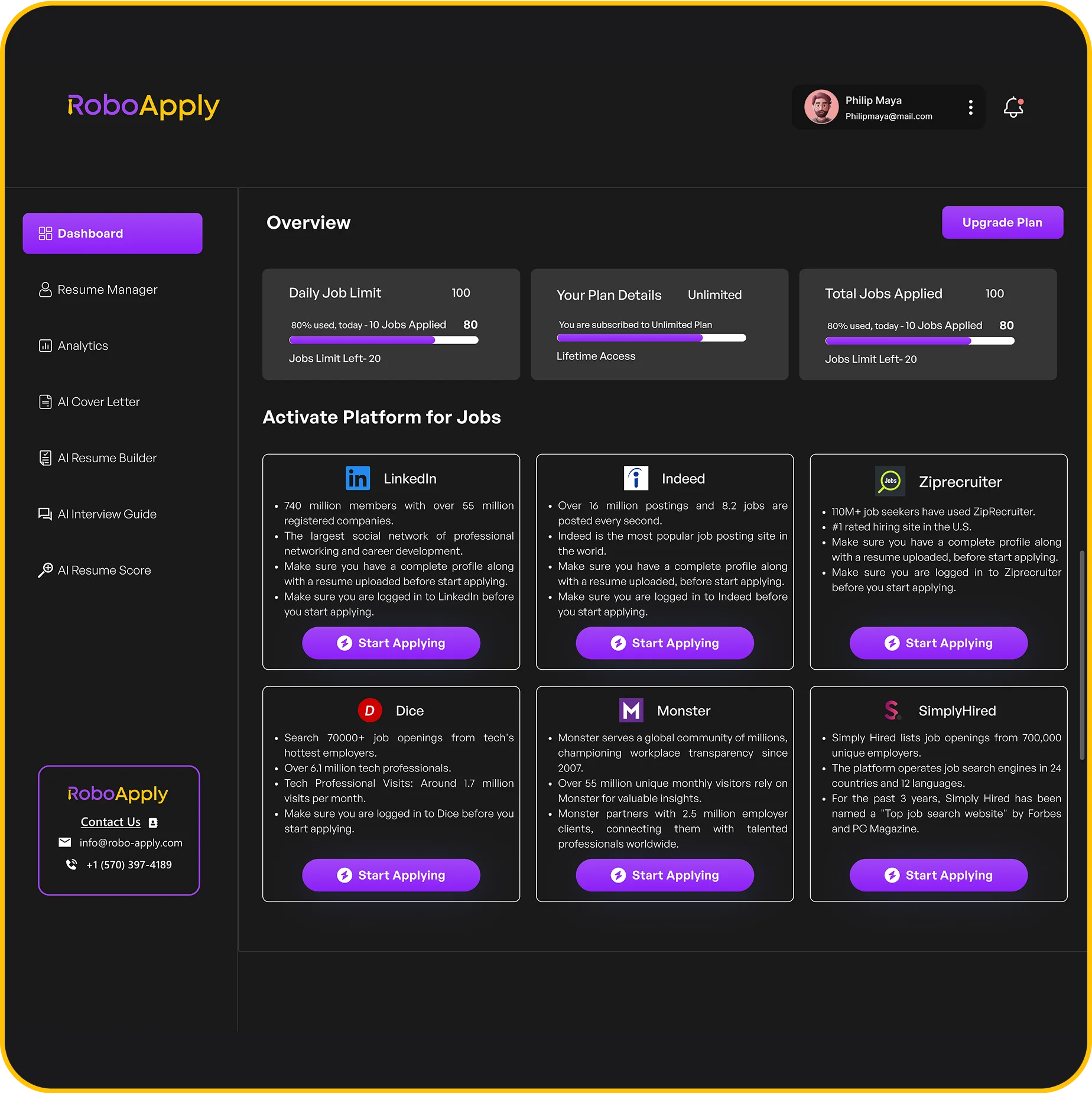
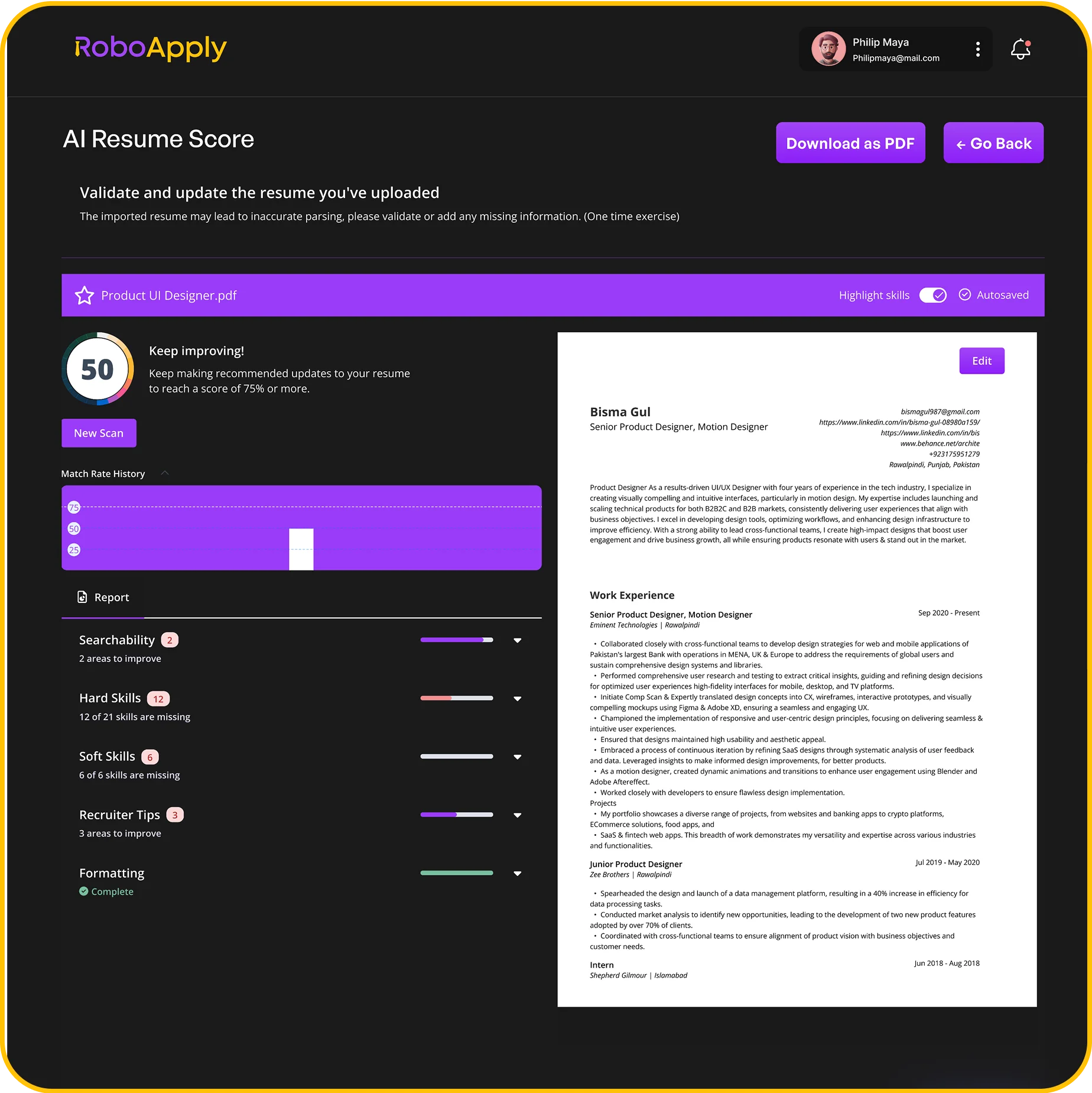
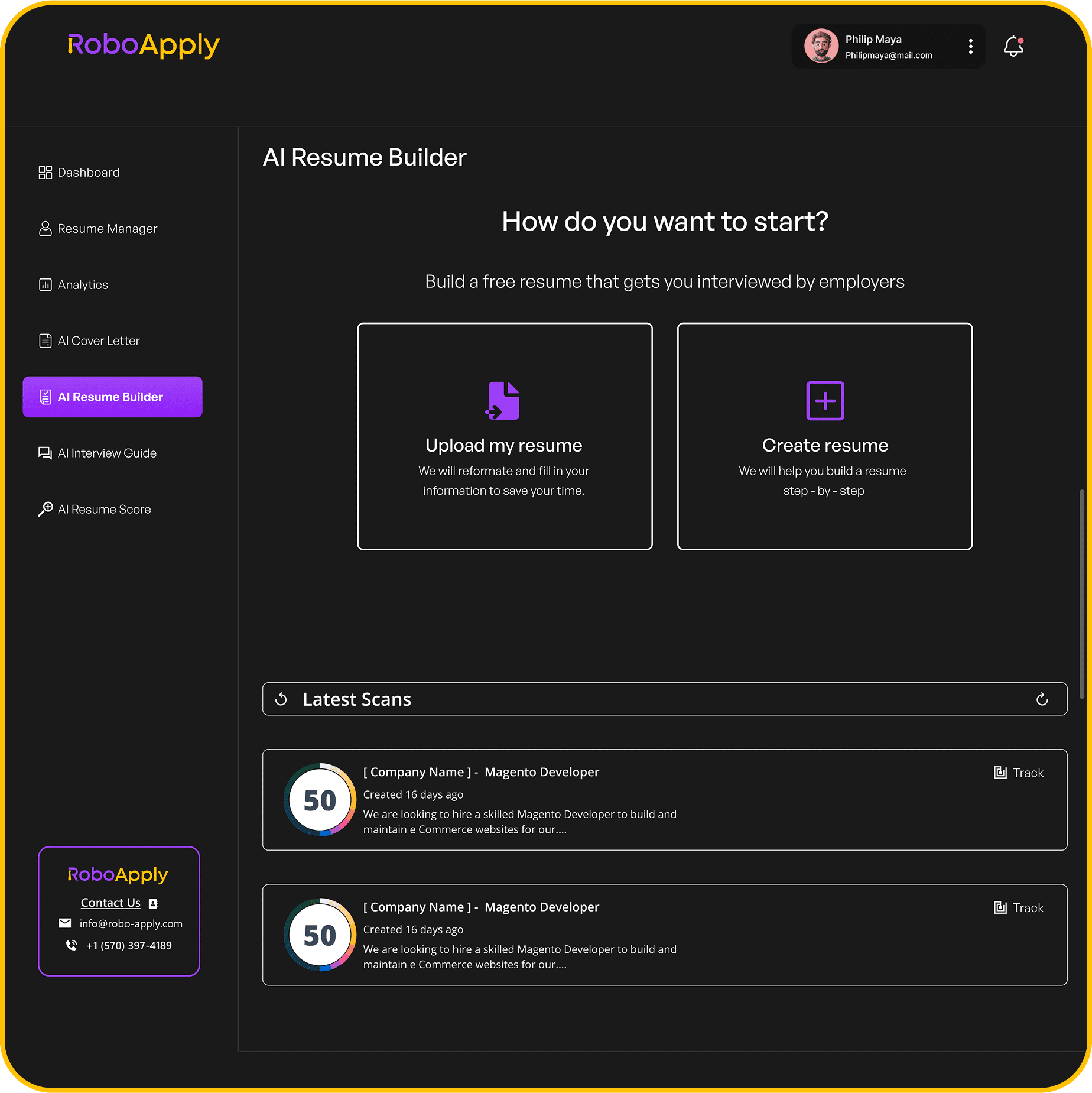
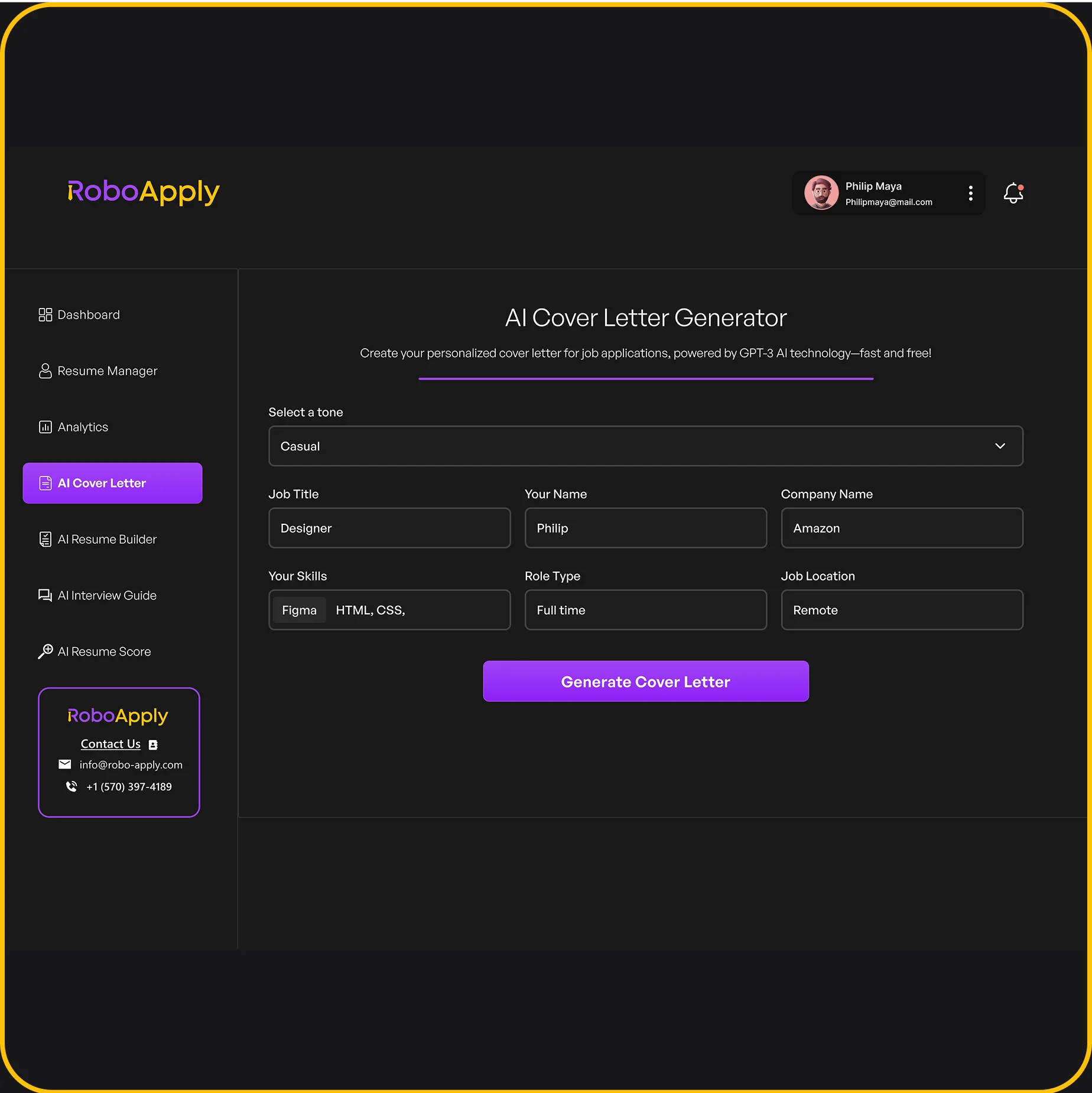
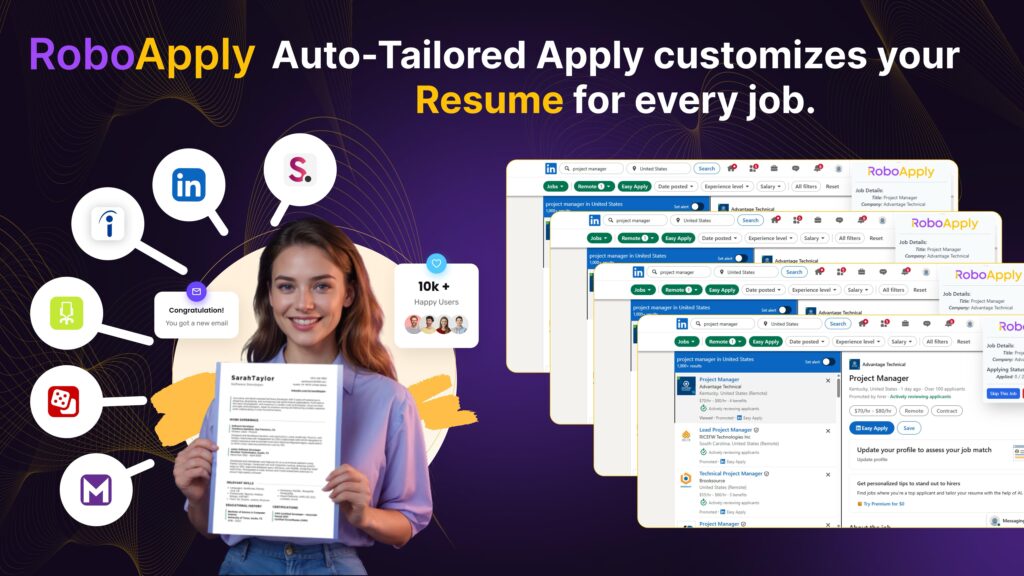
Tools like RoboApply’s AI Resume Builder let you generate ATS-optimized resumes for specific job descriptions in minutes. The AI Tailored Apply feature rewrites your resume to match each posting, improving your keyword alignment and boosting your chances of getting through ATS filters. With AI Auto Apply, you can submit applications across LinkedIn, Indeed, ZipRecruiter, and more without manual effort.
If you want to know more about what jobs are growing in healthcare and related fields, this guide on how many jobs are available in basic industries gives useful context on the job market.
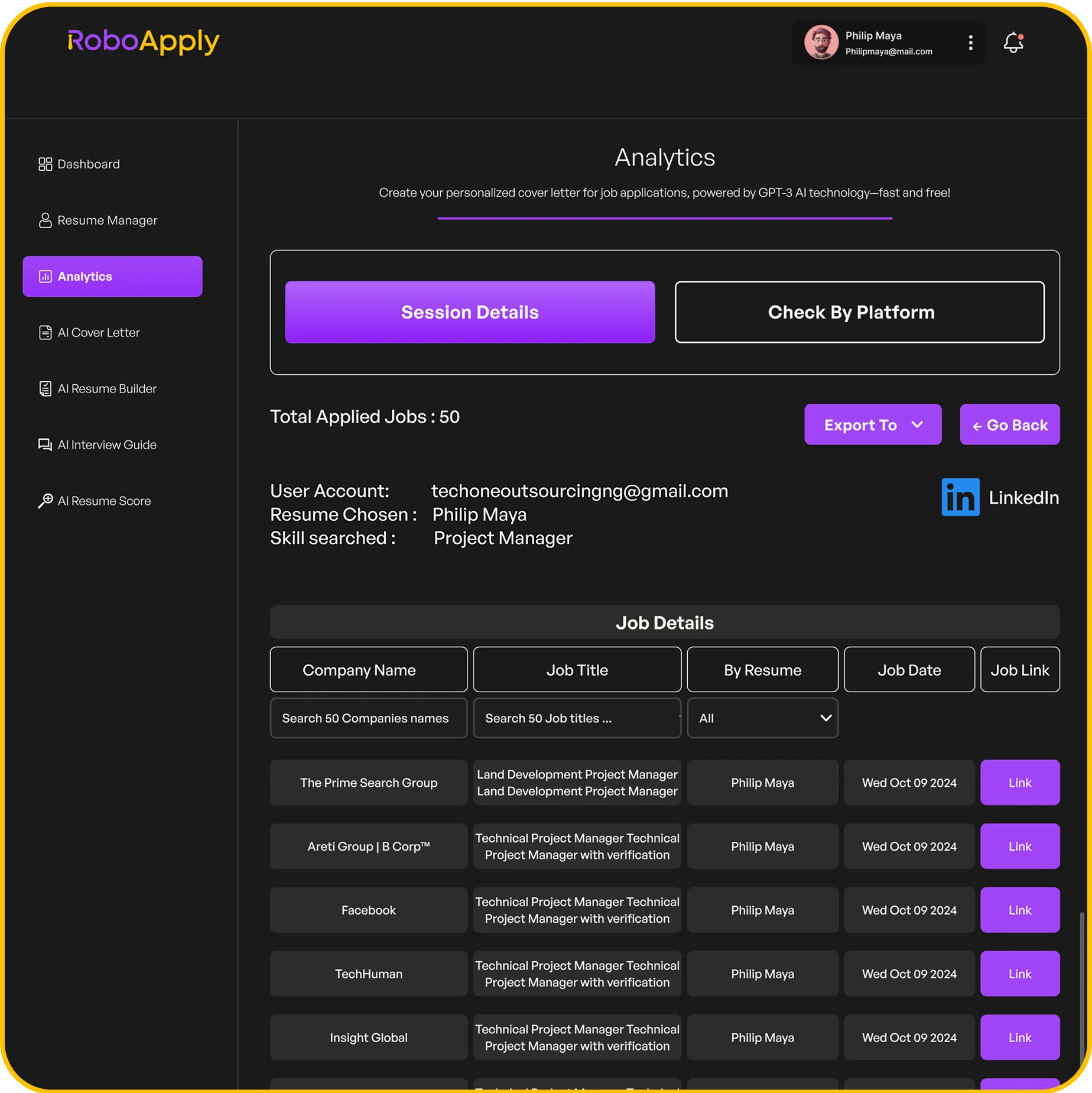
You can also explore the RoboApply Analytics dashboard to track applications, monitor which platforms are performing, and adjust your strategy over time.
Frequently Asked Questions
What is the best resume format for a medical assistant with no experience?
Use a reverse-chronological format that leads with your certifications, clinical externship hours, and a strong skills section.
Should I include both clinical and administrative skills on my medical assistant resume?
Yes. Most medical assistant roles require both, and listing them increases your ATS keyword match rate.
How long should a medical assistant resume be?
One page is standard for candidates with under ten years of experience. Two pages are acceptable for senior-level candidates.
Do I need to list my CMA certification separately from my education?
Yes. Certifications belong in their own section, listed above or alongside your education, with the certifying body and date.
Can I use a resume template I found online for a medical assistant job?
Only if it is ATS-compatible. Avoid templates with tables, columns, or graphics. Simple, clean formatting reads best by automated systems.