Good examples of tell me about yourself in interview answers do three things fast. They show who you are professionally, what you bring to the role, and where you want to go. That is it. No life story. No rambling. Just a focused, confident pitch that sets the tone for everything that follows.
Interviewers ask this question first for a reason. They want to see how you communicate, what you prioritize, and whether your background actually fits the job. Your answer is your first impression, and it carries more weight than most candidates realize.
The Formula Behind Every Strong Answer
Before looking at examples of tell me about yourself in interview responses, you need to know the structure that makes them work. Most hiring coaches and career professionals use a simple three-part framework called Present, Past, Future.
This framework keeps your answer tight and on point. Here is how it breaks down.
Present: Start With What You Do Now
Open with your current role or your most recent position. State your title, the type of company you work for, and one or two things you do well there. Keep this to two sentences.
Past: Connect Your Background to the Role
Pick one or two experiences from your history that directly support why you are a good fit. This is not a full career recap. Pull the highlights that matter most for the job you are interviewing for.
Future: Explain Why This Role Fits Your Goals
Close by tying your background to this specific opportunity. Show that you know what the company does and that this role makes sense for where you want to go next. This signals genuine interest, not just desperation.
Examples of Tell Me About Yourself in Interview Answers
These examples cover a range of experience levels and industries. Each one follows the Present-Past-Future structure and stays under 90 seconds when spoken aloud.
Entry-Level or Recent Graduate
“I recently graduated with a degree in marketing from the University of Illinois. During school, I interned at a regional e-commerce brand where I managed their social media calendar and ran A/B tests on email subject lines. That experience gave me a real appreciation for data-driven marketing. Now I am looking for a full-time role where I can grow in digital strategy, and this position stood out because of your focus on content performance and analytics.”
Career Changer
“I spent six years in retail management, where I led a team of 14 people and oversaw daily operations for a high-volume location. Over time, I realized my strongest skill was coaching people, not managing inventory. I started taking HR courses online, got my SHRM-CP certification, and recently supported a company through a restructuring as a part-time HR consultant. This HR coordinator role is the natural next step for me, and I am excited to bring both my people leadership background and my new credentials to your team.”
Mid-Level Professional
“I am a project manager with seven years of experience in tech, mostly working with SaaS companies in the fintech space. I have led cross-functional teams on product launches, reduced onboarding timelines by 30 percent at my last company, and managed budgets up to $2 million. I am now looking for a senior role where I can take on more strategic ownership. Your company’s growth stage and the scope of this role are exactly what I have been looking for.”
Senior or Executive Level
“I am a VP of Sales with 12 years of experience building and scaling B2B revenue teams. At my last company, I grew the sales org from 8 to 45 reps and tripled annual recurring revenue over four years. Before that, I ran enterprise accounts at a Fortune 500 firm, which gave me a strong foundation in consultative selling. I am looking for a Chief Revenue Officer role where I can apply that full-cycle experience to drive growth at a company in an earlier stage, which is why this opportunity caught my attention.”
Someone Who Was Laid Off
“I was part of a company-wide reduction in force last fall after my company was acquired. Before that, I spent four years as a data analyst building dashboards, running cohort analyses, and supporting product decisions with behavioral data. The acquisition was disappointing, but it gave me time to reflect, sharpen my Python skills, and get clear on what I want next. I am looking for a role where data is central to the decision-making process, and from what I have read about your team, that sounds like a match.”
Common Mistakes That Hurt Your Answer
Most candidates know they should prepare this answer. Few actually do it well. Here are the patterns that consistently weaken responses.
- Starting from childhood or early schooling with no relevance to the role
- Reciting your entire resume in chronological order
- Using filler phrases like “I’m a people person” or “I’m very passionate” without proof
- Giving an answer that could apply to any job at any company
- Running past two minutes without realizing it
The goal is not to tell them everything. The goal is to make them want to ask more questions.

How to Personalize Your Answer for Every Interview
A generic answer might get you through, but a personalized one gets you the callback. Read the job description carefully before every interview. Identify the two or three skills or experiences they emphasize most. Then adjust your Present-Past-Future answer to highlight exactly those things.
If the job posting mentions cross-functional collaboration six times, your answer should touch on that. If it emphasizes data fluency, work in a specific result tied to data. This is not about exaggerating. It is about choosing which parts of your real story to put in the spotlight.
According to Harvard Business Review, the candidates who prepare role-specific answers consistently outperform those who give the same pitch to every employer.
The Role of Confidence and Delivery
Having a good answer written down is one thing. Delivering it under pressure is another. A few things that make a real difference.
First, practice out loud. Reading your answer silently does not prepare you for how it feels to say it in a room. Record yourself once and watch it back. Most people are surprised by how rushed or quiet they sound.
Second, do not memorize it word for word. Know your three points and talk through them naturally. A memorized script sounds robotic and falls apart if you get interrupted.
Third, end with energy. The last sentence of your answer sets the tone. Finish with something forward-looking and specific to the company, not a trailing sentence like “…so yeah, that is basically my background.”
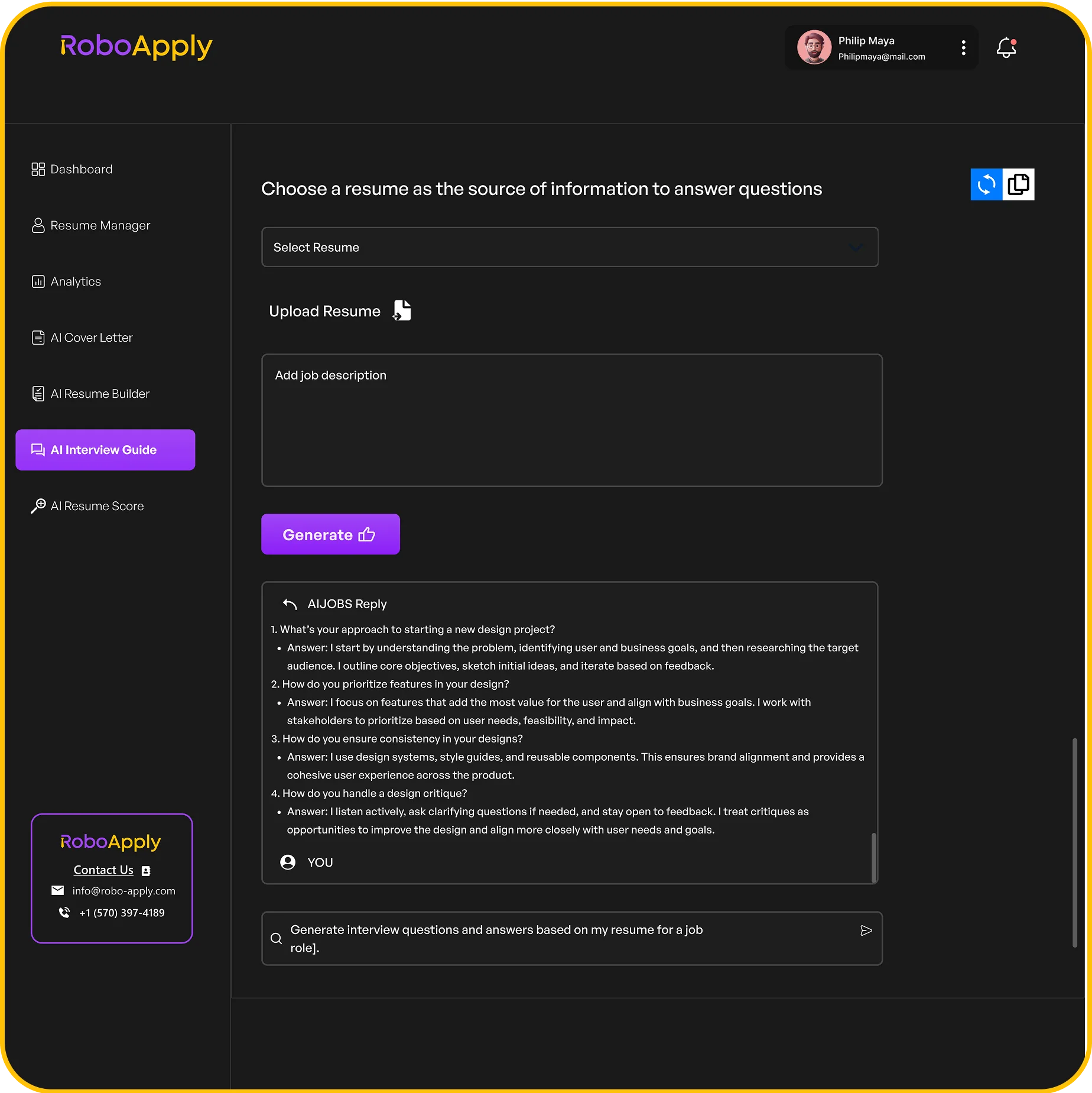
For interview preparation strategies beyond this question, the RoboApply interview guide covers common questions, delivery tips, and ways to build real confidence before the big day.
Why This Question Still Trips People Up
The irony of this question is that it feels easy and catches people off guard anyway. Part of the problem is that people treat it as casual small talk instead of a structured opportunity.
Research from LinkedIn’s Global Talent Trends shows that soft skills communication, specifically how well candidates articulate their value, are now among the top factors hiring managers evaluate in early rounds.
Your self-introduction is not throwaway time. It frames every answer you give after it. If you lead with something sharp and specific, interviewers carry that impression into every follow-up question.
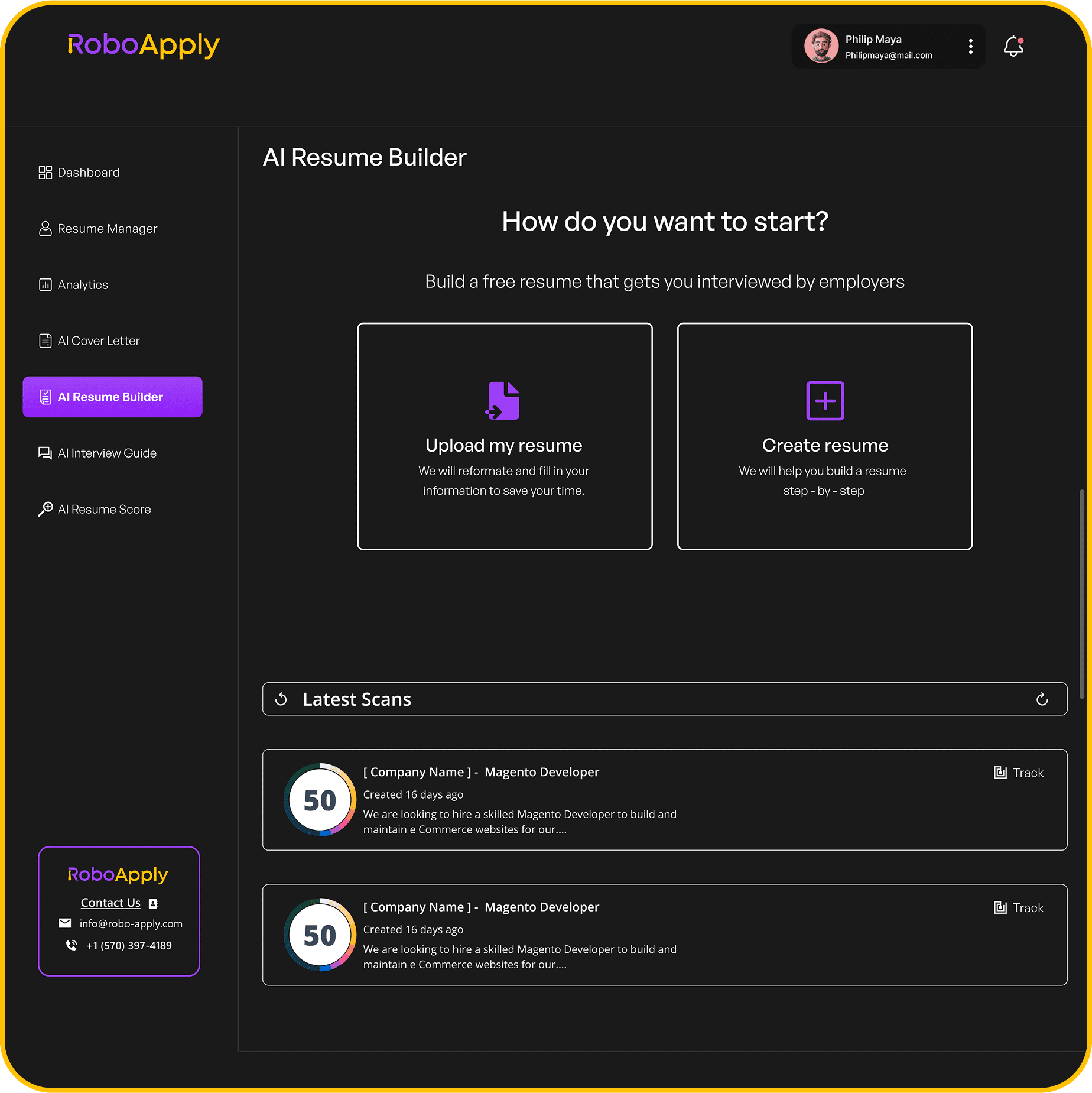
You should also think about how this answer connects to other parts of your job search. A strong personal pitch is basically your resume summary spoken aloud. If your resume summary is weak or missing, your verbal answer and your written application are out of sync. The RoboApply AI Resume Builder can help you create a summary that matches the story you are telling in interviews.
How to Handle Variations of This Question
Interviewers do not always ask it the exact same way. Here are the most common variations and how to adjust.
- “Walk me through your background.” Use the same structure, but pace it slightly slower. They are asking for a bit more depth.
- “Tell me a little about yourself.” This is conversational, so you can be slightly less formal, but keep the same three-part flow.
- “Why are you here today?” This version is more about motivation. Lean harder into the Future part of your answer and connect it directly to the company.
- “What brings you to us?” Same as above. Lead with what drew you to this specific role and company, then back into your background.
Knowing how to shift your answer based on the phrasing saves you from freezing up or defaulting to a rote response.
Download Sample Template of Tell Me About Yourself Interview
Preparing Your Application to Match Your Story
Your interview answer and your resume should tell the same story. When they do not, it creates doubt. Recruiters notice when your verbal pitch does not match what they read before the call.
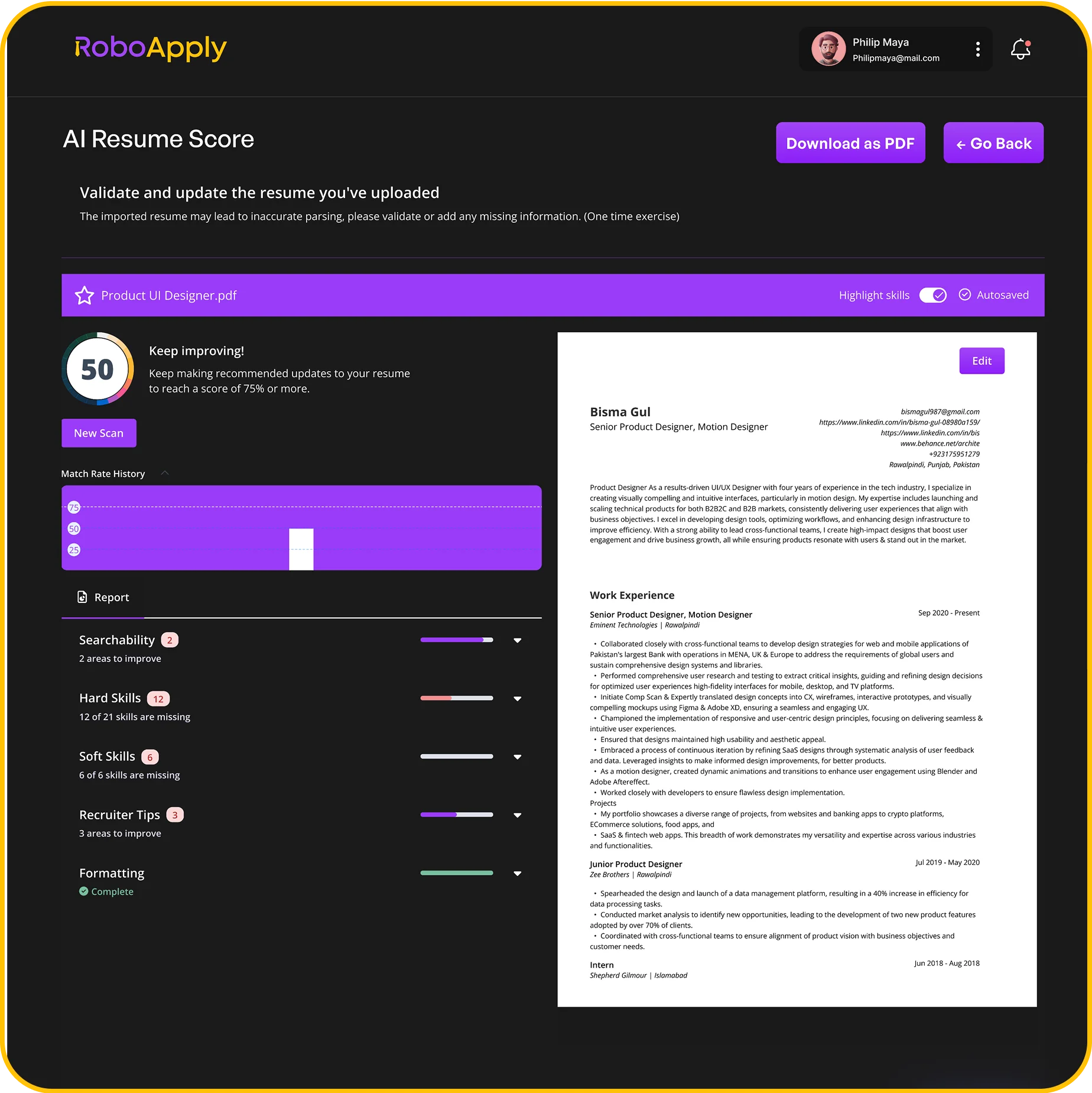
Before your interview, run your resume through the RoboApply AI Resume Score to see how well your written profile aligns with the job description. It checks ATS compatibility, keyword gaps, and whether your bullet points actually communicate impact.
It is also worth reviewing how many bullet points per job on a resume to make sure your document is not over-stuffed or too sparse. Your resume is the thing they have already read before you walk in, so it should be tight and accurate.
Other job search tips that support your preparation:
- Should you put references on a resume — and what to say if they ask
- Calling a job after applying — how to follow up without coming across as pushy
- How many jobs are available in basic industries — useful context if you are switching sectors
- How much do underwater welders make — an example of researching role-specific market data before interviews
For a broader look at how to prep for any interview, the Bureau of Labor Statistics Occupational Outlook Handbook is one of the best free resources for understanding job growth, required skills, and salary context by industry. That kind of research makes the “why this company” part of your answer much more specific and credible.
The SHRM Career Resource Center also offers guidance on interview readiness from an HR professional’s perspective, which gives you insight into what the person on the other side of the table is actually evaluating.
Frequently Asked Questions
How long should a “tell me about yourself” answer be in an interview?
Keep it between 60 and 90 seconds. Anything longer risks losing the interviewer’s attention early.
Should you mention personal details in a “tell me about yourself” answer?
Skip personal details like hobbies unless they are directly relevant to the role or company culture.
What is the biggest mistake people make answering “tell me about yourself”?
Reciting their entire resume from the beginning. Focus only on the parts most relevant to this specific job.
Can you use the same answer for every interview?
No. Always adjust your Past and Future sections to reflect the specific role and company you are applying to.
What if you have gaps in your employment history?
Briefly address the gap with honesty, then quickly pivot to what you did during that time and why you are ready now.