Examples of resume for medical assistant positions follow a specific structure that hiring managers and ATS systems both reward. A strong medical assistant resume leads with a clear summary, highlights clinical and administrative skills, and lists relevant certifications upfront. Get those elements right and your chances of landing a callback go up significantly.
Medical assistant roles sit at a crossroads between clinical support and front-office operations. That means your resume has to cover both sides. Employers scan for things like phlebotomy, EHR software experience, and patient intake procedures. Miss those, and your application gets filtered out before a human even reads it.
This guide breaks down what works, what doesn’t, and which resume formats fit different medical assistant career stages.
What Employers Look for in a Medical Assistant Resume
Before building your resume, it helps to know what a hiring manager actually wants to see. Medical practices, clinics, and hospitals get dozens of applications per opening. According to research from Jobscan, over 98% of Fortune 500 companies use applicant tracking systems to screen resumes before a recruiter ever sees them. That number is just as high in healthcare.
Recruiters in healthcare settings look for a specific combination of hard skills, credentials, and soft skills. Here’s what rises to the top:
- Certified Medical Assistant (CMA) or Registered Medical Assistant (RMA) credentials
- EHR/EMR proficiency, including platforms like Epic, Athenahealth, or eClinicalWorks
- Clinical skills: vital signs, phlebotomy, EKG, injections, specimen collection
- Administrative tasks: scheduling, billing codes, insurance verification
- Patient communication and empathy
- HIPAA compliance knowledge
Clinics also want to see real numbers. Saying “managed patient flow” is weak. “Managed check-in and check-out for 40+ patients daily” is specific and credible.
Examples of Resume for Medical Assistant: Three Formats That Work
There’s no single resume format that fits every job seeker. Your career stage, work history, and the role you’re applying for all influence which structure works best. Here are three resume formats with examples of resume for medical assistant candidates at different points in their careers.
Chronological Resume Format
The chronological format is the most widely accepted in healthcare. It lists your work history from most recent to oldest. Hiring managers can scan it quickly, and ATS systems parse it cleanly.
This format works best if you have at least one year of medical assistant experience. It shows career progression and makes gaps obvious, so it’s less ideal if you have employment gaps.
Sample structure:
- Contact info and LinkedIn profile link
- Professional summary (3–4 lines)
- Core competencies or skills section
- Work experience (reverse chronological)
- Education and certifications
- Additional training or memberships
A sample professional summary for a chronological resume might read:
“Certified Medical Assistant with 4 years of experience in family medicine and urgent care settings. Proficient in Epic EHR, phlebotomy, and patient triage. Consistently maintained 95%+ patient satisfaction scores.”
That summary answers who you are, what you do, and a measurable result. It’s tight, confident, and specific.
Functional Resume Format
The functional format puts skills and competencies front and center. Work history still appears, but it’s less prominent. This format suits career changers coming from nursing assistant, pharmacy technician, or dental assistant backgrounds.
The downside is that many ATS platforms struggle with functional resumes. According to SHRM, recruiters also prefer chronological resumes because they tell a clearer story. Use functional format only when your skills genuinely outweigh your direct experience.
Combination Resume Format
The combination format merges the best of both. It opens with a strong skills summary, then follows with a chronological work history. This works well for medical assistants switching specialties, moving from pediatrics to oncology for example, or stepping up to a lead medical assistant role.
The combination format also gives you more control over what the reader sees first. Front-load the skills that match the job description, then back them up with your work history.

How to Write Each Section of a Medical Assistant Resume
Good resume examples only take you so far. You need to know how to apply the structure to your own background. Here’s how to build each section of a medical assistant resume that holds up under scrutiny.
Professional Summary
Your summary is the first thing a recruiter reads. Keep it to 3–4 lines. Include your certification, years of experience, primary setting (clinic, hospital, private practice), and one standout result.
Avoid generic phrases like “hardworking team player.” Recruiters see that language hundreds of times a week. Instead, say something like:
“RMA with 2 years of experience in outpatient cardiology. Skilled in 12-lead EKG interpretation, medication administration, and insurance pre-authorization. Reduced appointment no-show rates by 18% through proactive patient reminder workflows.”
Skills Section
List both clinical and administrative skills. A recruiter scanning fast needs to see the most relevant ones immediately. Keep the skills section keyword-heavy without making it feel stuffed.
Strong skills to include:
- Vital signs measurement
- Venipuncture and capillary puncture
- Medication preparation and administration
- Prior authorizations
- CPR/BLS certified
- Medical coding (ICD-10, CPT)
- Patient education
- Bilingual (if applicable)
The Bureau of Labor Statistics projects 14% job growth for medical assistants through 2032, faster than average. That growth means more openings and more competition. A skills section that mirrors job description language gives you a real edge.
Work Experience Section
Each job entry needs a job title, employer name, location, dates of employment, and 4–6 bullet points. Use action verbs. Quantify wherever possible. Knowing how many bullet points per job on a resume keeps your experience section clean and scannable.
Strong bullet point examples:
- Performed phlebotomy on 25–30 patients daily with a 98% first-stick success rate
- Managed scheduling for a 3-physician practice using Athenahealth
- Conducted patient intake, including medical history review and vital signs for 50+ daily visits
- Processed prior authorizations for 15+ insurance plans, reducing denial rate by 22%
Weak bullet points say what you did. Strong bullet points say what you did and the result.
Education and Certifications
List your highest degree first, followed by your medical assistant diploma or certificate. Then list active certifications. Include expiration dates for time-sensitive credentials like CPT/BLS.
Common certifications to include:
- Certified Medical Assistant (CMA) – AAMA
- Registered Medical Assistant (RMA) – AMT
- National Certified Medical Assistant (NCMA) – NCCT
- Basic Life Support (BLS) – American Heart Association
Harvard’s career development resources recommend listing certifications prominently, especially in fields where credentials directly affect hiring decisions.
Common Resume Mistakes Medical Assistants Make
Even strong candidates lose opportunities because of avoidable mistakes. These are the ones that show up most often in medical assistant resumes.
Skipping the references question is common too. If you’re unsure whether to add them, check out should you put references on a resume before submitting your application.
Other mistakes to avoid:
- Using a one-size-fits-all resume without adjusting for each job description
- Listing duties instead of accomplishments in the work experience section
- Leaving off EHR system names (say “Epic” not just “electronic health records”)
- Using a resume template that isn’t ATS-compatible (decorative columns and tables often break parsing)
- Forgetting to include your CMA or RMA number where applicable
LinkedIn’s 2024 Hiring Trends Report confirms that personalized applications get significantly higher response rates than generic ones. That applies directly to how you frame your resume for each role.
Download the Medical Assistant Resume Templates
These templates include a chronological, functional, and combination format — each pre-formatted for ATS compatibility and ready to customize.
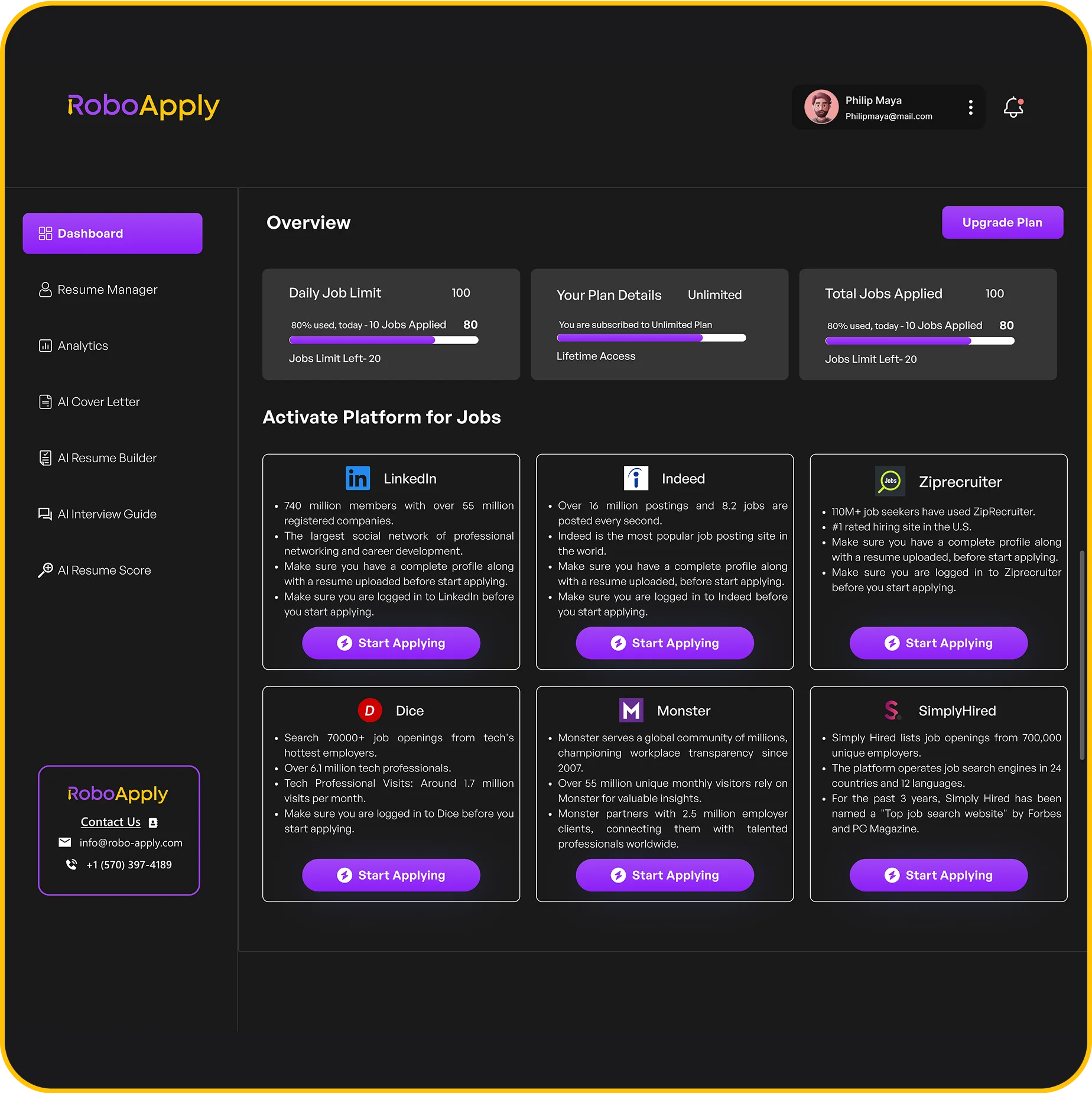
How RoboApply Helps Medical Assistants Apply Faster
Once your resume is solid, the next challenge is volume and speed. Most medical assistant job seekers apply to 10–20 positions and wait. The reality is that sending more targeted applications, faster, produces better outcomes.
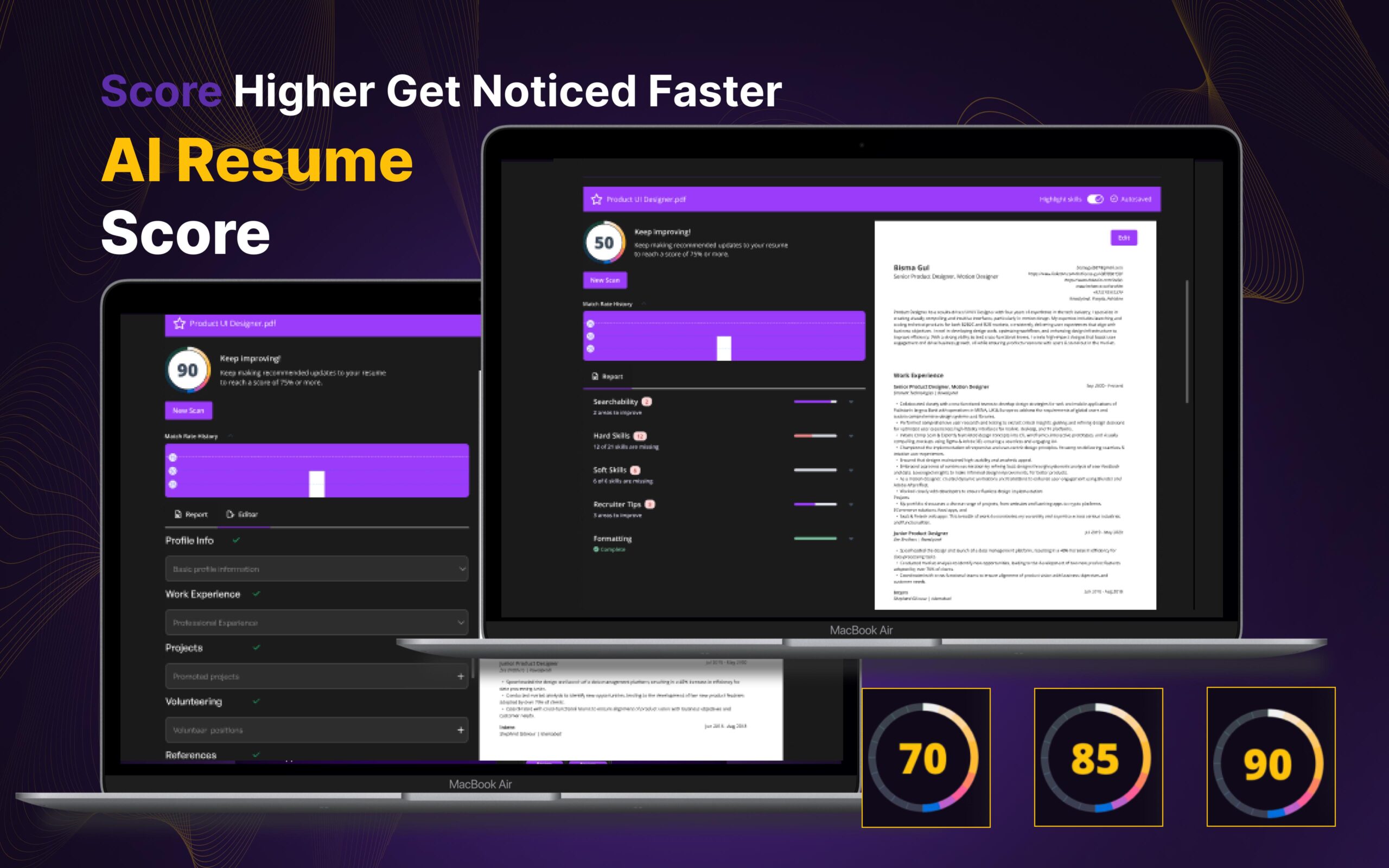
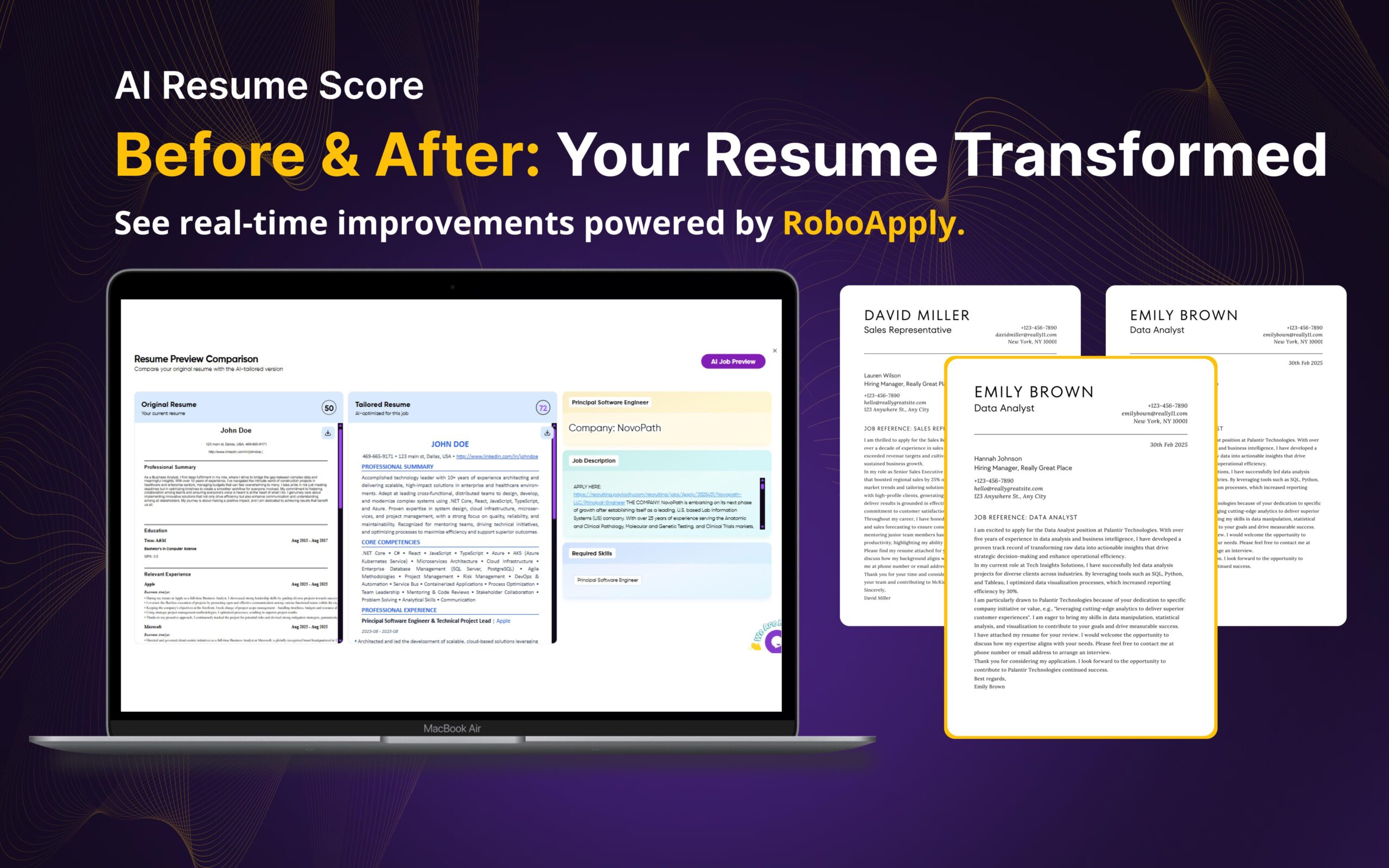
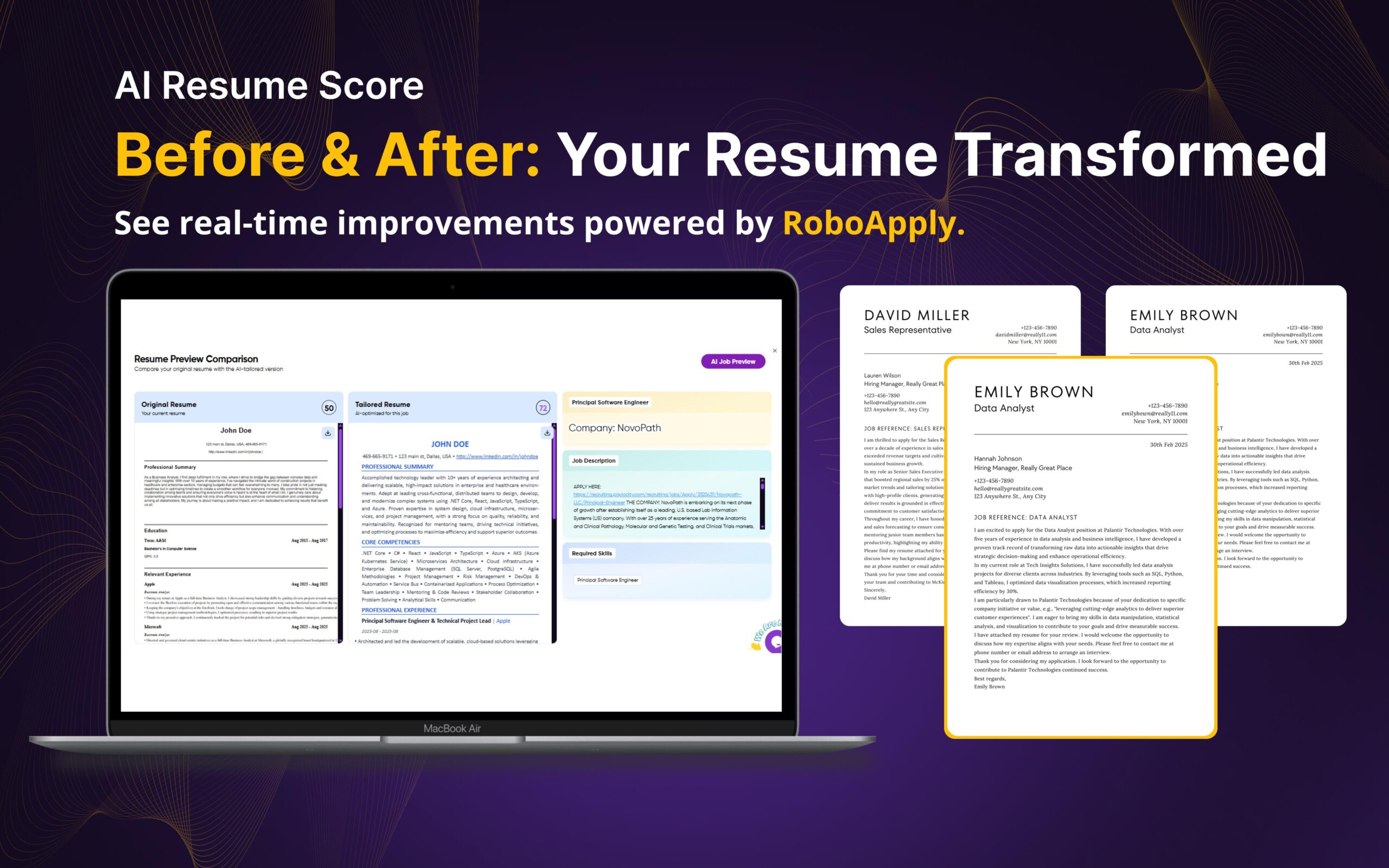
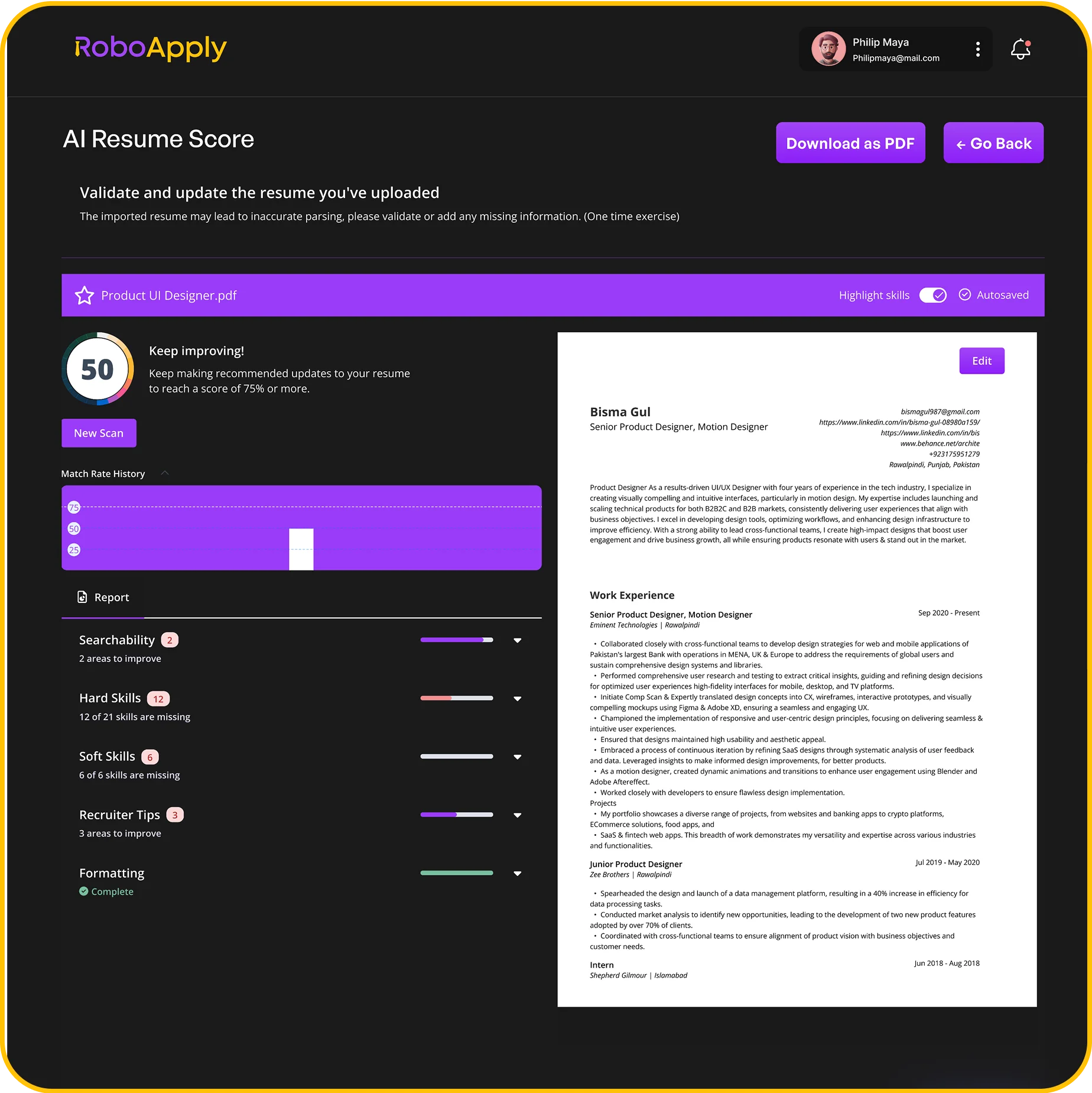
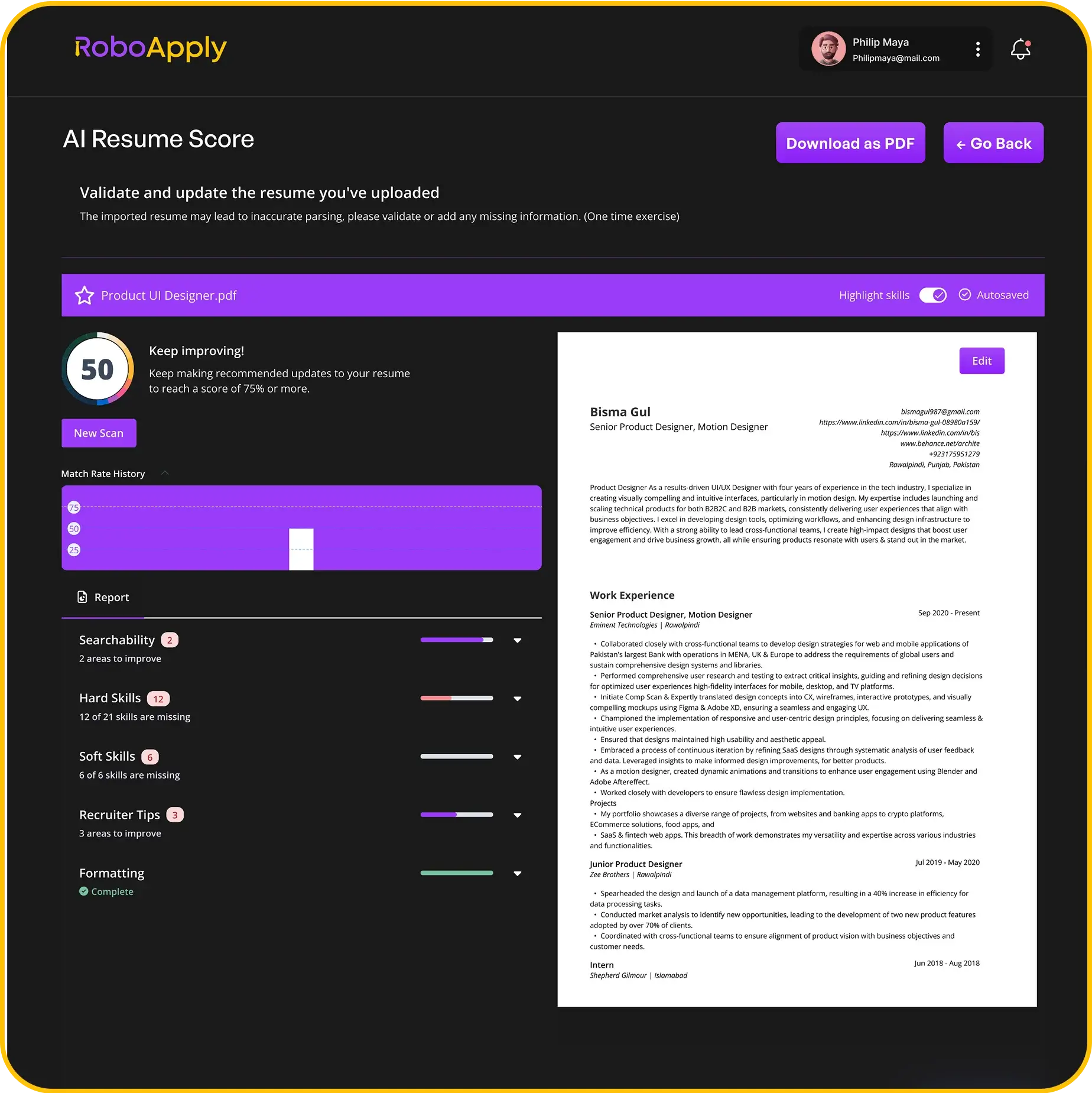
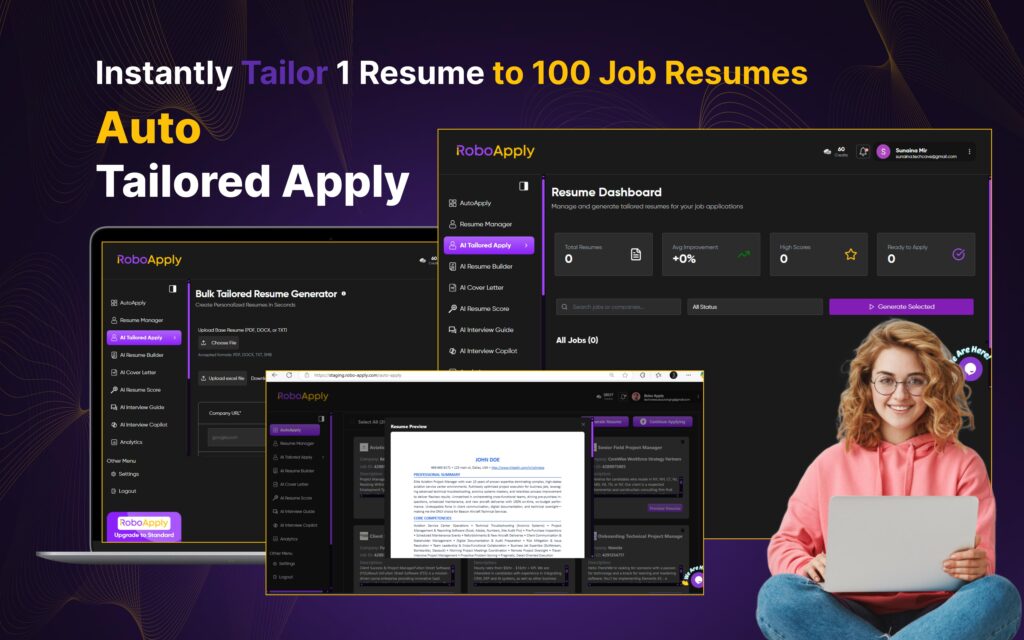
RoboApply’s AI Tailored Apply automatically adjusts your resume to match each job description. It pulls relevant keywords from the posting and aligns your experience accordingly, so every application you send is optimized. The AI Resume Score feature also gives you instant feedback on your resume’s ATS performance before you submit.
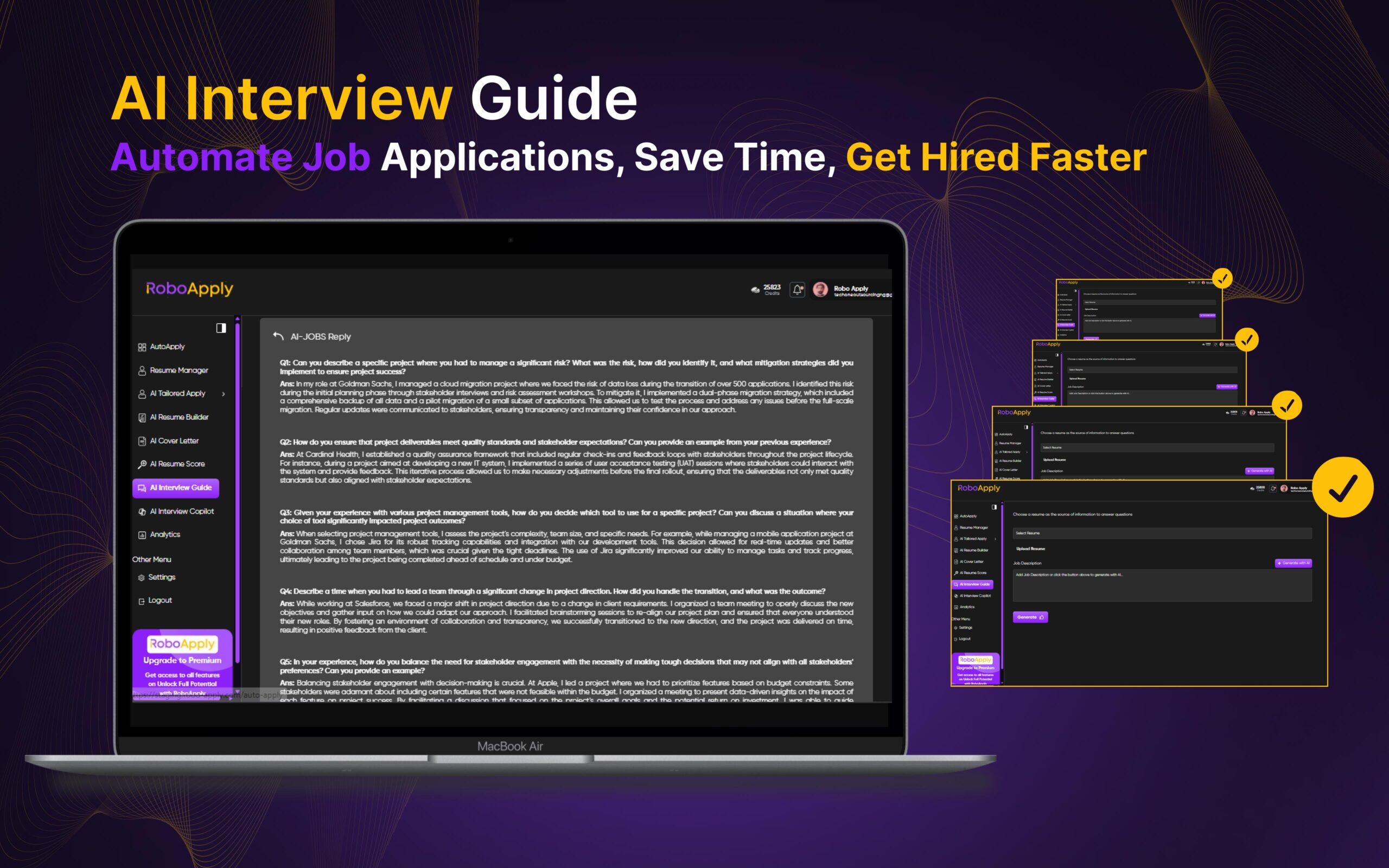
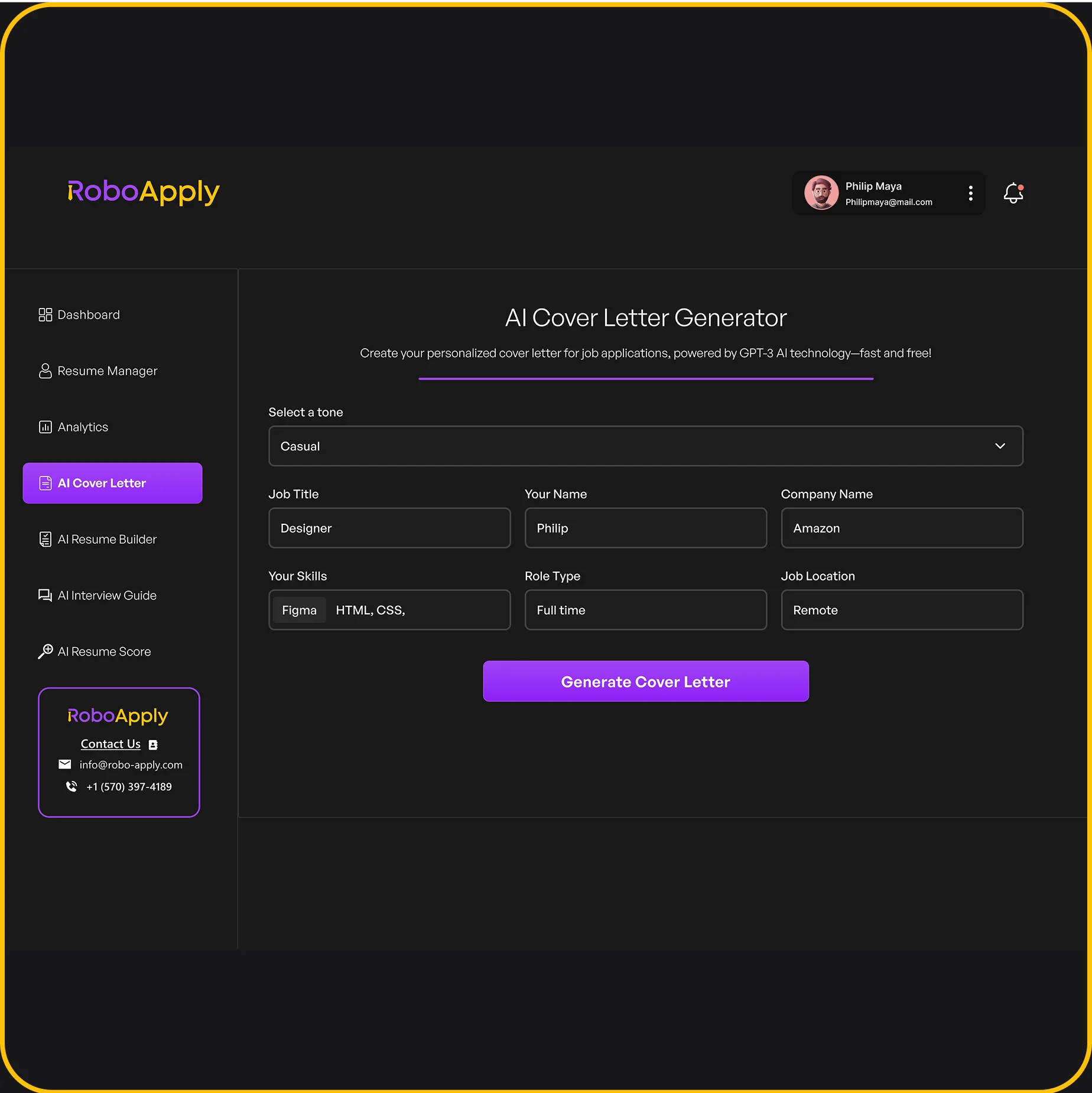
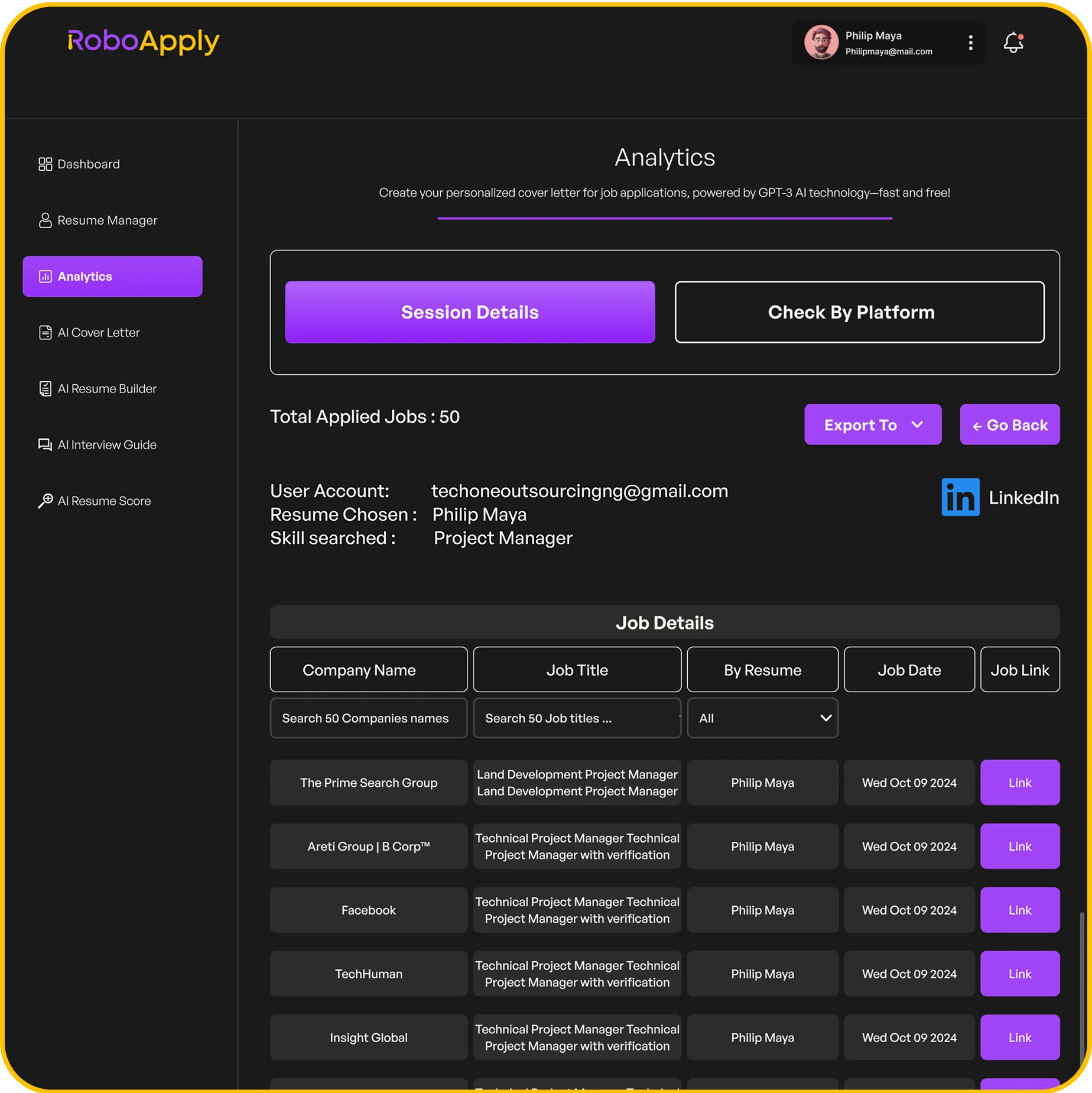
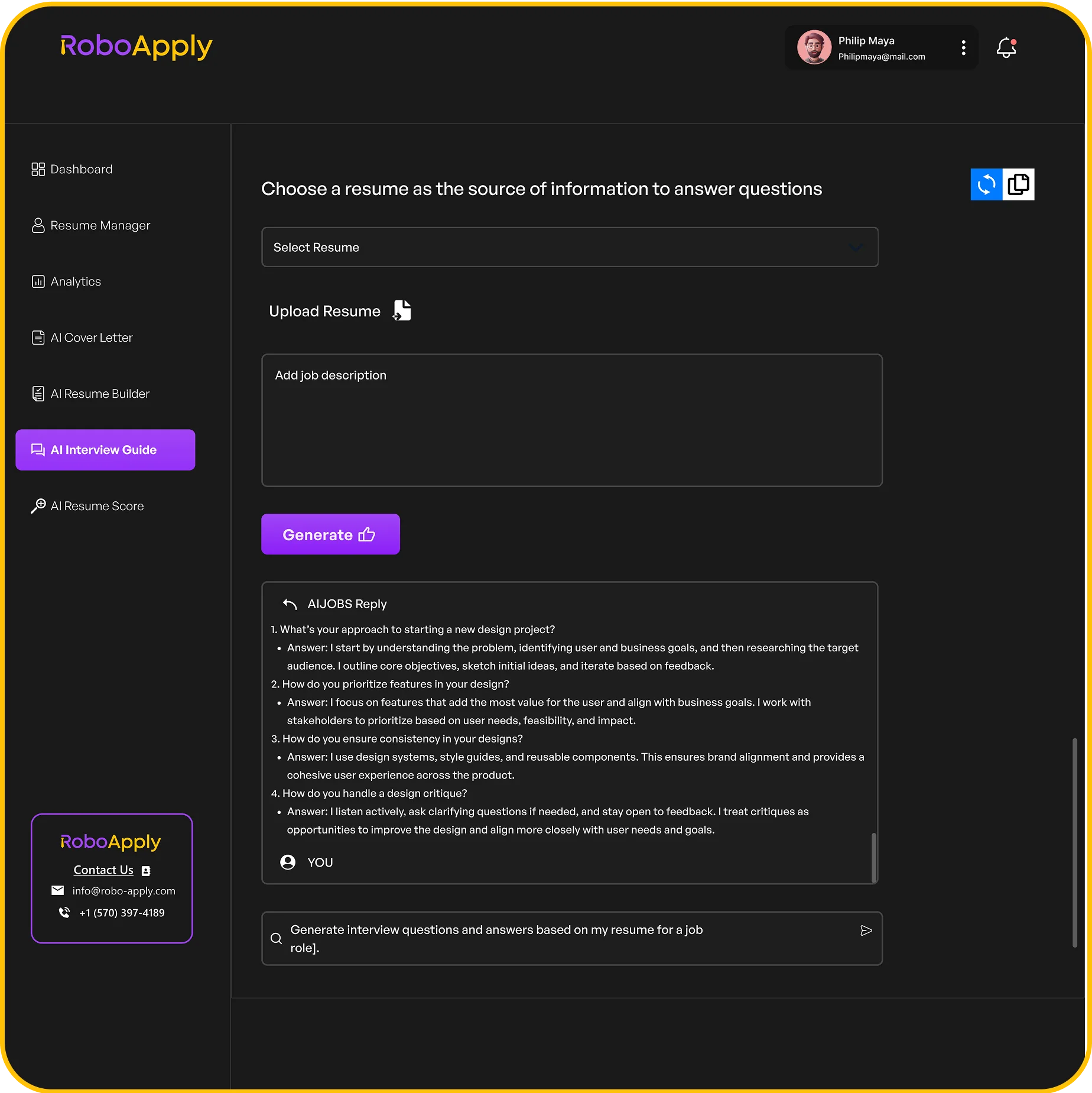
For medical assistants applying across multiple clinic types, the AI Auto Apply feature handles bulk submissions while you focus on interview prep. You can also use the AI Cover Letter Generator to create a targeted cover letter for each role in seconds.
Knowing how many jobs are available in basic industries and adjacent healthcare sectors also helps you cast the right net when expanding your search. After applying, following up is just as important. Check out the guide on calling a job after applying to handle that step with confidence.
Frequently Asked Questions
What should be included in a medical assistant resume?
Include a professional summary, clinical and administrative skills, work experience with quantified results, education, and active certifications like CMA or RMA.
What format works best for a medical assistant resume?
Chronological format works best for most candidates. It’s ATS-friendly and easy for recruiters to scan quickly.
How long should a medical assistant resume be?
Keep it to one page for under 10 years of experience. Two pages are acceptable for senior or lead medical assistant roles.
Should I list my EHR software on my resume?
Yes. Always name the specific platform, such as Epic or Athenahealth. Generic terms like “electronic records” don’t help you stand out to hiring managers or ATS systems.
Do I need a cover letter with my medical assistant resume?
A cover letter adds context and personality. It’s worth including, especially when applying to smaller practices where hiring decisions are more personal.