An event management cover letter should highlight your event planning experience, organizational skills, and successful events you’ve managed immediately. You’ll state the number and types of events you’ve coordinated upfront. Then you’ll mention specific skills like budget management, vendor coordination, and timeline execution. Finally, you’ll connect your experience to their specific event needs.
Most event professionals write generic cover letters. They list responsibilities instead of showcasing actual events they’ve pulled off. You’re competing with dozens of other event coordinators who all claim they’re “detail-oriented” and “great at multitasking.” Your cover letter needs to prove you can deliver flawless events under pressure.
Research from the Events Industry Council shows the events sector employs over 6 million Americans. Competition for the best event management positions stays fierce. Your cover letter often determines whether you get the interview or get passed over.
What Makes Event Management Cover Letters Different
Event management cover letters aren’t like typical office job applications. You’re selling your ability to create experiences, manage chaos, and deliver results under tight deadlines. Generic corporate letters fail for event positions.
Showcasing Event Success Stories
Event managers get hired based on what they’ve accomplished, not just what they’re responsible for. Your cover letter should lead with your most impressive event wins right away.
Open with achievements that grab attention. Talk about events you’ve managed from concept to completion, attendee numbers and satisfaction rates you’ve achieved, budgets you’ve handled successfully, or crisis situations you’ve navigated smoothly.
Get specific about your event experience. Don’t write “managed corporate events.” Say “coordinated 15+ corporate conferences ranging from 50 to 500 attendees with 95% satisfaction ratings and zero budget overruns.” Numbers prove capability instantly. Understanding opportunities across basic industries helps you position event management skills.
Proving Organizational Excellence
Event management requires juggling dozens of moving pieces simultaneously. Your cover letter should demonstrate this capability through specific examples rather than vague claims about being organized.
Strong event managers handle details like vendor coordination across catering, AV, and decor teams, timeline management ensuring setup happens correctly, budget tracking preventing cost overruns, attendee communication before and during events, and problem-solving when inevitable issues arise.
Your letter should show how you’ve managed these elements successfully. “Coordinated 8 vendors for 200-person gala staying within $50K budget while handling last-minute venue change” proves organizational skills better than claiming you’re “highly organized.”

Essential Elements of Your Event Management Cover Letter
Structure your letter addressing what event companies and corporate event departments look for. Each section should prove you can handle their specific event challenges.
Opening Paragraph Impact
Start with the specific position and company name. State your event management experience immediately. Mention why their organization appeals to you.
Try something like this. “I’m applying for the Event Manager position at [Company]. I have 5 years managing corporate events ranging from intimate executive dinners to 1,000-person conferences. Your focus on sustainable event practices and innovative attendee experiences aligns perfectly with my approach to event design.”
This opening proves you’re qualified, shows genuine interest, and demonstrates you researched their company. You’re not mass-applying to every event company in town. Following professional standards applies throughout event applications.
Experience and Achievement Breakdown
Your middle section details relevant background. Focus on experiences proving you can handle events similar to what they produce.
Address these key areas through specific examples:
- Types of events you’ve managed including conferences, galas, trade shows, or weddings
- Event scales from intimate gatherings to large productions
- Budget ranges you’ve managed successfully
- Vendor relationships you’ve built and maintained
- Technology platforms you’ve used for registration and management
- Crisis management examples showing grace under pressure
Connect your experience to their needs directly. If they produce tech conferences, emphasize your experience with AV coordination and tech-savvy attendees. If they’re a wedding planning company, talk about your client relationship skills and attention to aesthetic details. Like knowing when to follow up on applications, customization helps throughout hiring.
Skills and Specializations
Dedicate space to relevant capabilities beyond just listing events you’ve managed. Event management requires diverse skills across logistics, creativity, and relationship management.
Highlight these competencies through context:
- Event planning software like Cvent, Eventbrite, or Social Tables
- Budget management and financial tracking
- Vendor negotiation and relationship management
- Marketing and promotion for event attendance
- On-site coordination and problem-solving
- Post-event analysis and ROI measurement
Don’t just list skills. Provide context showing how you’ve used them. “Used Cvent managing registration for 500-person annual conference achieving 90% pre-registration rate” beats “proficient in Cvent” every time.
Professional Closing Statement
End by requesting an interview or portfolio review. Express enthusiasm for their events specifically. Provide contact information clearly.
Thank them professionally without being overly formal. Reference your attached resume and any portfolio materials. Keep it confident and personable. The events industry values energy and personality. Understanding resume formatting helps across all application materials.
Common Event Management Cover Letter Mistakes
These errors hurt your chances significantly. Hiring managers in events spot them immediately and question whether you’d deliver quality work.
Listing Duties Instead of Outcomes
Your cover letter shouldn’t catalog what you were supposed to do. Event companies assume event managers coordinate vendors and manage timelines. They want to know how well you did it and what results you achieved.
Bad approach says “Responsible for managing corporate events and coordinating with vendors.” Better version states “Managed 12 corporate events annually averaging 200 attendees, maintaining 4.5/5 satisfaction scores while negotiating vendor contracts reducing costs 15%.”
See the difference? The second version proves you didn’t just show up. You delivered measurable results. That’s what gets interviews.
Being Too Generic
Generic event cover letters fail immediately. “I’m passionate about events” could apply to anyone. Event companies want to know what specifically excites you about their events and approach.
Customize every letter for the specific organization. Reference their recent events or signature productions. Mention what impresses you about their work. Show you understand their event style and client base.
Generic letters scream you’re applying everywhere hoping something sticks. Customized letters prove you want this specific position at their specific company.
Neglecting the Creative Side
Event management combines logistics with creativity. Your cover letter needs to demonstrate both analytical and creative thinking.
Mention creative solutions you’ve implemented. Talk about unique event concepts you’ve developed. Describe how you’ve personalized events for different audiences. Share examples of going beyond standard event formats.
Balance discussing budgets and timelines with mentioning innovative ideas and attendee experiences. Event companies want coordinators who can both execute flawlessly and think creatively. Understanding compensation across specialized fields gives perspective on event management earning potential.
Download Professional Event Management Cover Letter Templates
We’ve created five event management cover letter templates for different event specializations. Each template emphasizes both organizational skills and creative event execution.
Each template comes in DOCX, PDF, and TXT formats. Customize them with your specific experience and target company details.
Tailoring for Different Event Types
Corporate events, weddings, conferences, and nonprofit galas require different approaches. Your cover letter should reflect the specific event environment you’re pursuing.
Corporate Event Positions
Corporate event managers coordinate conferences, team building, executive retreats, and company celebrations. Your letter should emphasize professionalism and ROI focus.
Highlight experience with business objectives alignment, professional vendor relationships, budget accountability and reporting, seamless execution minimizing work disruption, and post-event measurement and analytics.
Corporate environments value event managers who understand business goals beyond just throwing parties. Show you connect events to larger organizational objectives.
Wedding and Social Event Roles
Wedding planners and social event coordinators focus on creating memorable personal experiences. Your letter should demonstrate creativity and client relationship skills.
Emphasize your ability to understand client vision and preferences, manage emotional situations with grace, coordinate aesthetic details perfectly, handle family dynamics diplomatically, and create personalized meaningful experiences.
Social events succeed through personal connection. Prove you can build trust with clients during stressful planning periods.
Conference and Trade Show Management
Conferences and trade shows involve large-scale logistics and multiple stakeholder management. Your letter needs to show you can handle complexity.
Focus on managing large attendee numbers efficiently, coordinating exhibitors and sponsors, working with convention centers and venues, leveraging technology for registration and engagement, and creating educational content programming.
Conference management requires both big-picture thinking and detailed execution. Demonstrate you can handle both aspects successfully.
Streamlining Your Event Management Applications
Writing customized letters for multiple event companies requires efficiency. You’re applying to several positions while maintaining quality and personality.
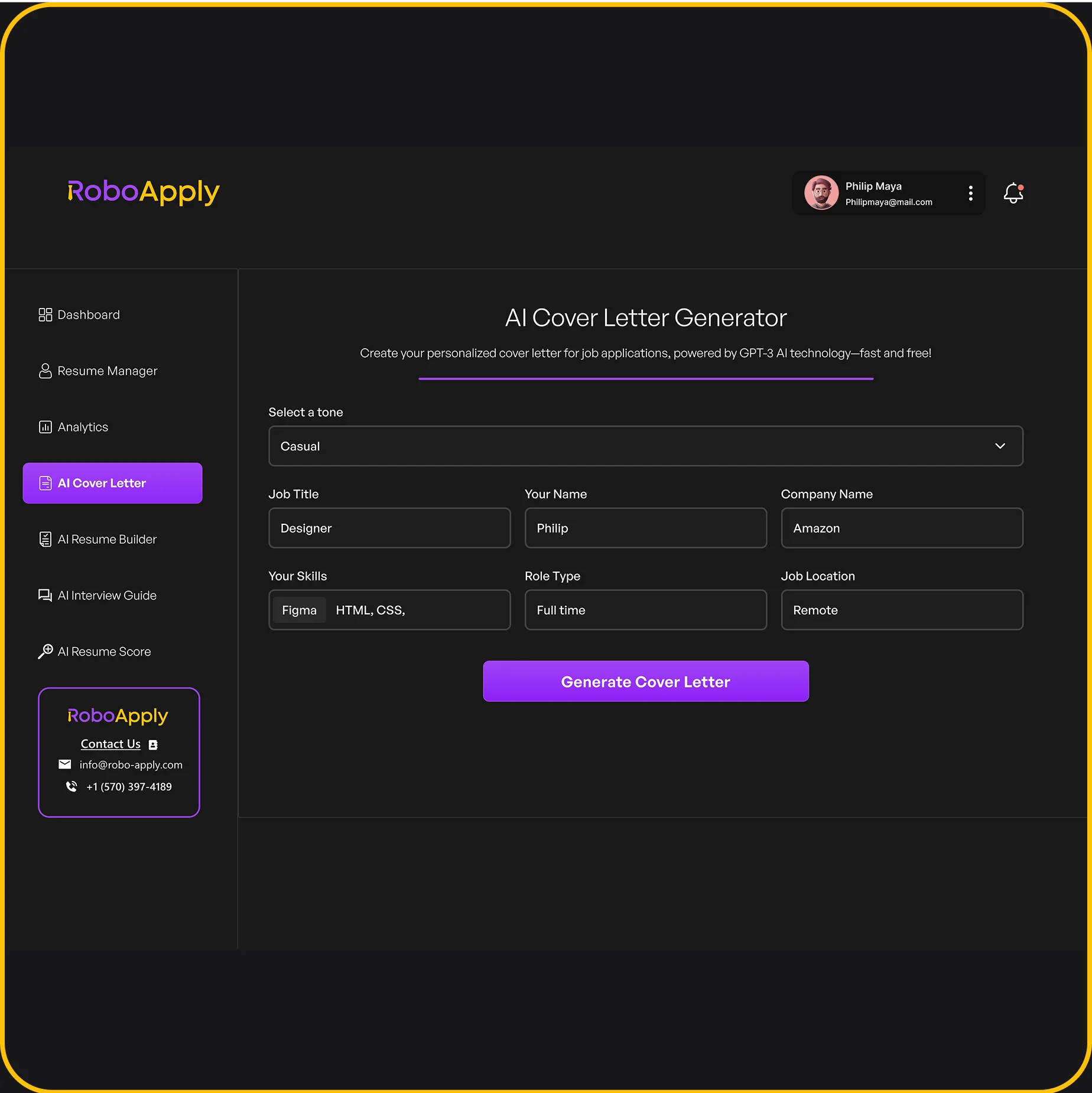
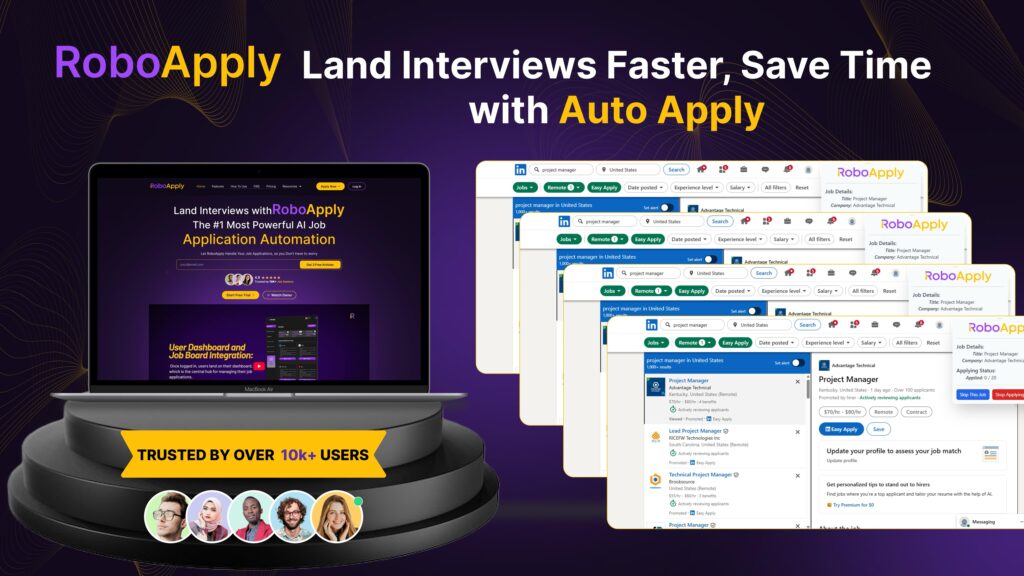
RoboApply’s AI Cover Letter Generator helps create company-specific letters quickly. The platform adapts your event management experience to each organization’s focus and event types naturally.
The AI Resume Builder formats your event background for hiring systems. Your organizational skills and event achievements appear prominently. The system optimizes for event industry keywords automatically.
AI Auto Apply submits applications to multiple event companies based on your qualifications. Your profile reaches more hiring managers without manual entries repeatedly.
Interview Copilot prepares you for event management interviews. You’ll practice discussing your event experiences and problem-solving approaches confidently.
Frequently Asked Questions
What should an event management cover letter include?
Highlight specific events managed, attendee numbers, budget sizes, vendor coordination experience, crisis management examples, and why you want this specific event position.
How long should event management cover letters be?
Keep it to one page, approximately 300-400 words. Event companies review many applications. Concise letters highlighting achievements perform better than lengthy ones.
Should I include event portfolio in cover letter?
Mention your portfolio and offer to share it. Include a link if sending digitally. Don’t describe every event in detail within the letter itself.
Do I need different letters for different event types?
Yes, customize for corporate, wedding, conference, or nonprofit events. Each requires different emphasis on business objectives, creativity, logistics, or fundraising respectively.
Can I use same letter for multiple companies?
No, customize each letter for the specific organization. Reference their events, style, and values. Generic letters fail at companies prioritizing cultural fit.