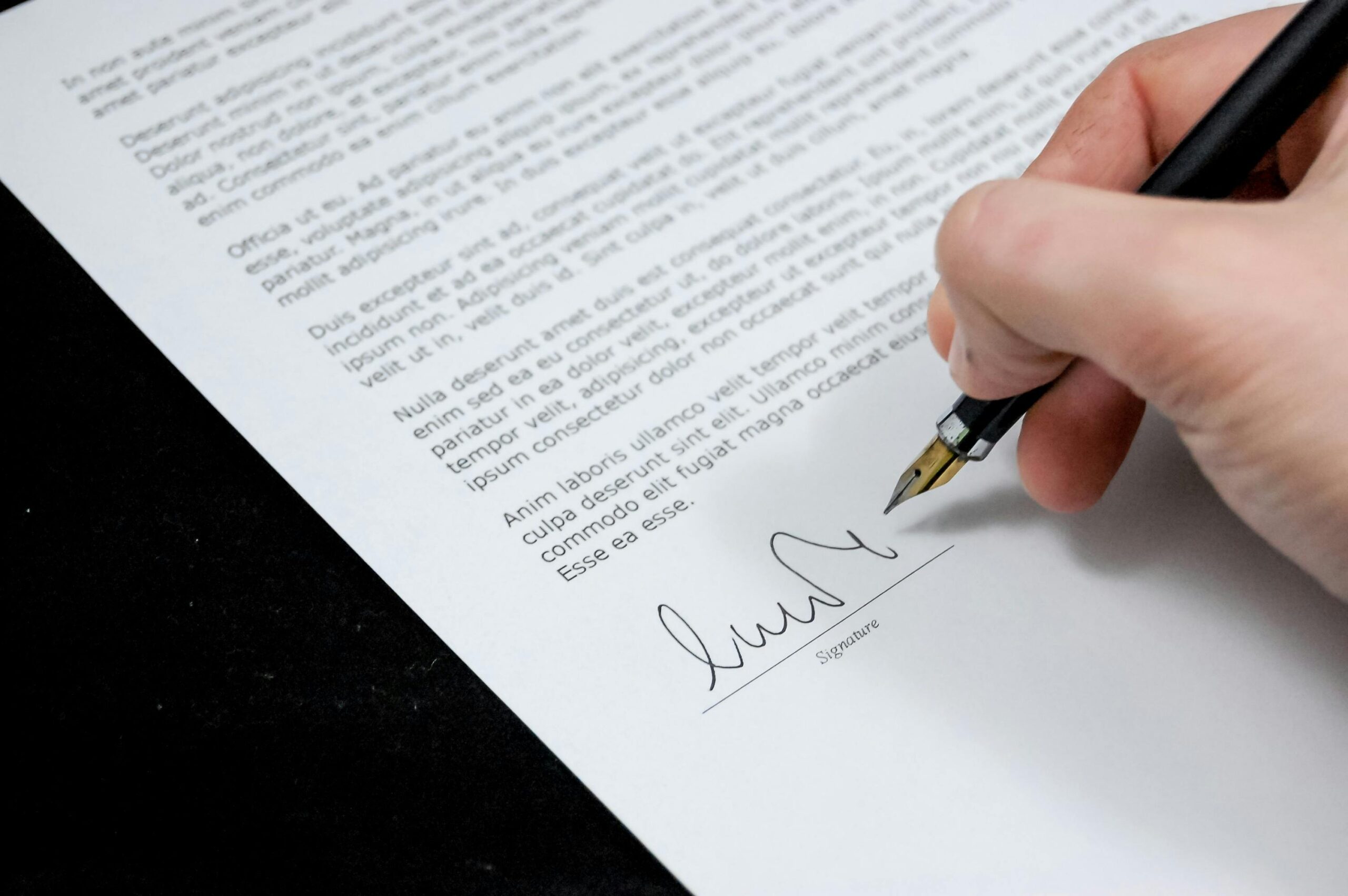
A letter of resignation as trustee needs three things. Clear resignation statement. Effective date. Acknowledgment of fiduciary duties. That’s it.
You’re stepping down from a legal position, not quitting some random job. This matters.
Trustee positions carry serious weight. You manage someone else’s assets. You make financial decisions affecting people’s lives. Leaving requires way more formality than typical resignations.
Most trustees mess this up. They’re unsure what to include. They worry about legal problems. They don’t know how much detail matters.
This guide shows you what actually works.
What Makes Trustee Resignations Different
Resigning as a trustee isn’t like quitting regular employment. You’re leaving a fiduciary position. Legal obligations don’t vanish just because you want out.
Your letter needs specific elements others don’t require. Courts might review this document later. Beneficiaries could reference it during disputes years down the line.
Here’s what must appear in every trustee resignation letter:
- Clear resignation statement without hedging language
- Specific effective date calculated from your trust document
- Explicit acknowledgment of continuing fiduciary duties
- Reference to the governing trust document provisions
- Brief offer of transition cooperation
Start with your resignation statement. “I resign as trustee of the [Trust Name], effective [date]” works. Don’t soften it with “I’m planning to” or “I’m considering.”
Include your effective resignation date carefully. Many trust documents specify notice requirements. Some need 30 days. Others require 60 or 90 days advance notice. Check your trust agreement before dating anything.
Research from the American Bar Association emphasizes following trust document procedures exactly as written. Deviation creates problems.
Different Types of Trustee Positions
Your resignation letter changes based on trustee type. Different positions carry different requirements you need to understand before writing anything.
Family Trust Trustee Resignation
Family trusts involve personal relationships complicating everything. You’re not just leaving a position. You’re potentially disappointing relatives who expected your involvement.
Keep your letter professional despite personal connections. Business language maintains boundaries everyone respects. Don’t let family drama creep into formal documentation that lasts forever.
Your family trust resignation should reference these specific elements:
- The exact trust name and creation date
- Your appointment date as trustee
- The trust provision allowing resignation
- Your cooperation during transition period
- Contact information for follow-up questions
Family situations tempt you to over-explain. Resist that completely. Your reasons don’t belong in legal documentation.

Nonprofit Board Trustee Departure
Nonprofit trustees serve on boards governing organizations. Your resignation affects governance structure immediately and needs careful handling.
Nonprofit Quarterly research shows graceful departures strengthen organizations long-term. How you leave matters.
Include formal resignation from the board position. Acknowledge your term length. Thank them for the opportunity. Commit to current projects through departure. Offer to help find replacement if appropriate.
Corporate Trust Officer Resignation
Corporate trustees work for financial institutions. You’re an employee managing trust accounts. This resignation combines employment departure with fiduciary role termination simultaneously.
Your letter needs resignation from employment position. Resignation from all trustee capacities you hold. Acknowledgment of account transition procedures. Compliance with company policies. Reference to regulatory requirements where applicable.
Corporate settings demand strict adherence to procedures. Don’t improvise or get creative.
Essential Legal Considerations
Legal implications separate trustee resignations from typical departures. You can’t just walk away without potential consequences. Understanding what you’re still responsible for protects you significantly.
Your Continuing Fiduciary Duties
Your fiduciary duties continue through your effective date without exception. You remain legally responsible for trust management until then. Cornell Law School’s Legal Information Institute defines these obligations comprehensively.
Your letter must acknowledge ongoing duties explicitly. This protects you if issues arise during transition. Courts look favorably on trustees who documented their commitment properly.
Don’t resign effective immediately unless truly necessary. Abrupt departures can breach fiduciary duties. Emergency situations justify it. Personal convenience doesn’t.
Successor Trustee Coordination
Most trust documents specify succession procedures you must follow. Some name successor trustees automatically. Others require beneficiary approval or court appointment processes.
Reference succession provisions in your letter specifically. “Upon my resignation, [Name] will assume trustee duties per Section [X]” clarifies transition. Or state “I understand beneficiaries will select my successor per trust provisions.”
Record Transfer Responsibilities
You’re responsible for organized record transfer to whoever comes next. Getting this wrong creates massive headaches later.
State your commitment clearly. “I will provide complete trust records and documentation to the successor trustee” protects everyone. Prevents future disputes about missing information.
Create detailed inventory before leaving. List every asset. Note every document. Record every outstanding obligation. This protects you from later accusations about missing stuff.
Court Approval Requirements
Some jurisdictions require court approval for trustee resignations by law. Check local laws before proceeding. Your trust document might specify court involvement too.
If court approval applies, state it explicitly. “This resignation is subject to court approval per state law” shows you understand proper procedure. ACTEC guidelines provide comprehensive information about jurisdiction-specific requirements worth checking.
Common Mistakes That Create Problems
Certain errors appear repeatedly in trustee resignations. Avoiding these mistakes protects you legally and professionally going forward.
Insufficient Notice Periods
Many trustees give inadequate notice. They treat it like standard employment. Trust documents often specify minimum notice though.
Thirty days is common. Some require 60 or 90 days. Review your trust agreement carefully. Calculate from submission date, not your desired departure.
Insufficient notice can breach your fiduciary duties. Courts don’t look kindly on trustees who abandoned responsibilities prematurely.
Missing Legal References
Generic resignation letters fail in trustee contexts every time. You need specific references to governing documents throughout your letter.
These details can’t be skipped or generalized:
- Trust name exactly as documented originally
- Trust creation date and jurisdiction
- Article or section authorizing resignation
- Your appointment date as trustee
- Proper legal entity names without abbreviation
The National Association of Estate Planners & Councils emphasizes accuracy in all formal trust communications. Precision matters.
Emotional or Personal Explanations
Trustees sometimes overshare reasons for leaving. They discuss family conflicts. They complain about beneficiaries. They explain personal circumstances unnecessarily.
None of that belongs in formal resignations. Your reasons are your business. State facts only. Resignation effective date. Cooperation with transition. Done.
Emotional content can be used against you later. Keep everything professional and brief.
Download Professional Templates
We’ve created professional templates for family trusts, nonprofit boards, and corporate trustee positions. Each includes proper legal language and structure. Templates come in Word and PDF formats.

When Career Changes Follow Departure
Many trustees serve these roles alongside professional employment. Leaving a trustee position often coincides with broader career transitions naturally.
Job searches during these transitions require strategic approaches. You’re balancing trustee obligations while pursuing new positions. Time becomes extremely limited fast.
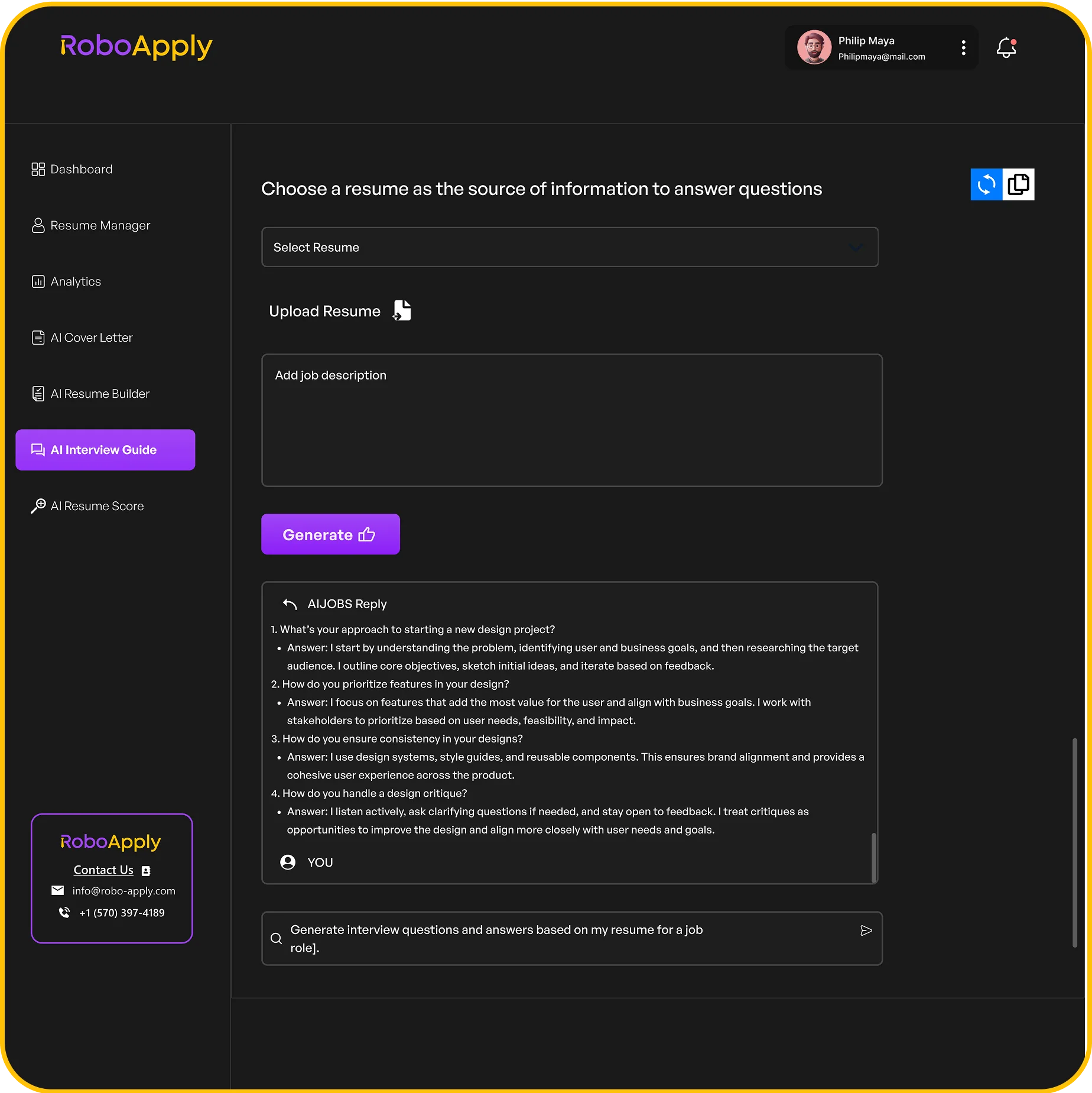
RoboApply automates your job search while you handle trustee duties. AI Auto Apply submits applications 24/7 across LinkedIn, Indeed, and major boards.
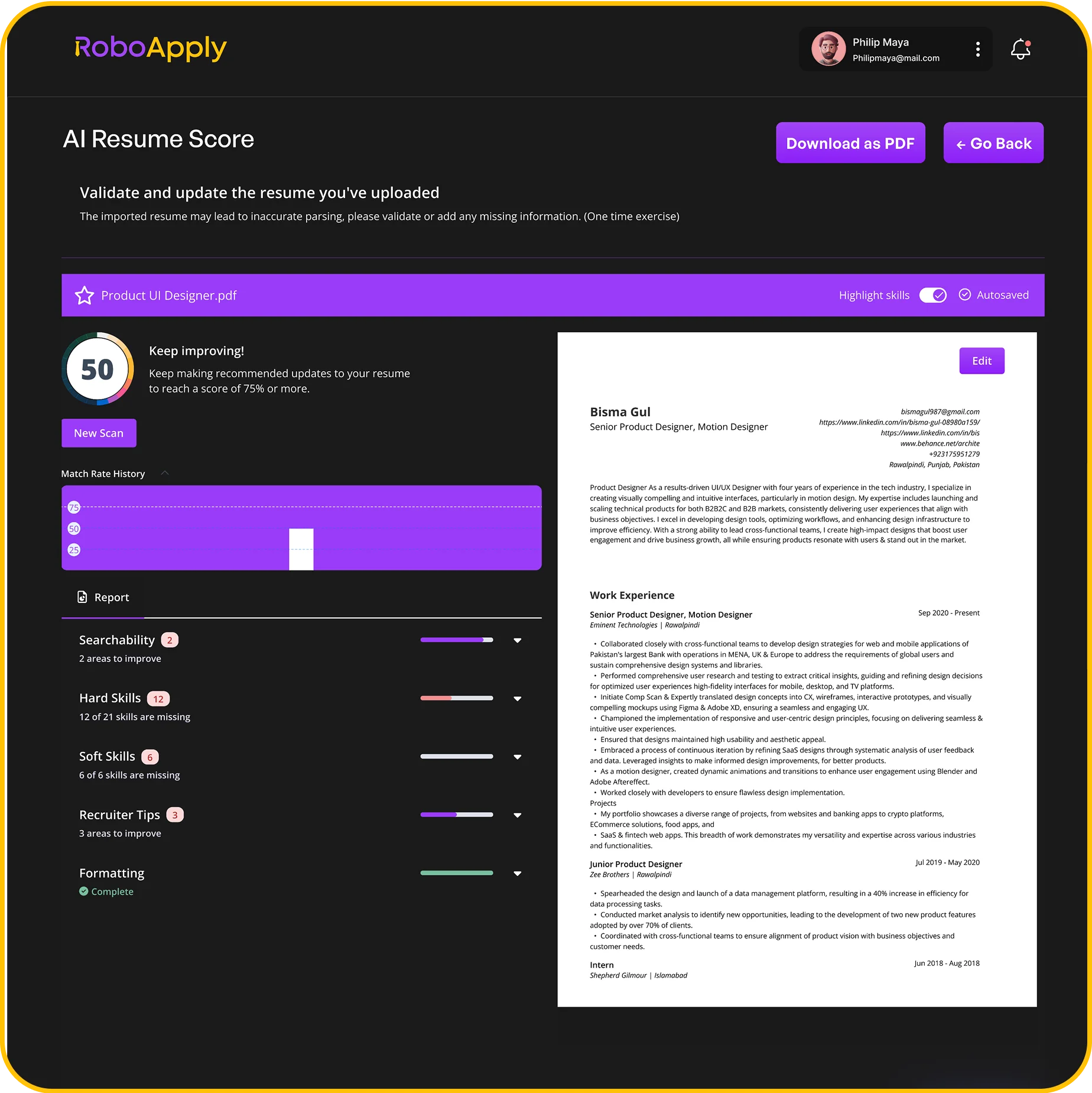
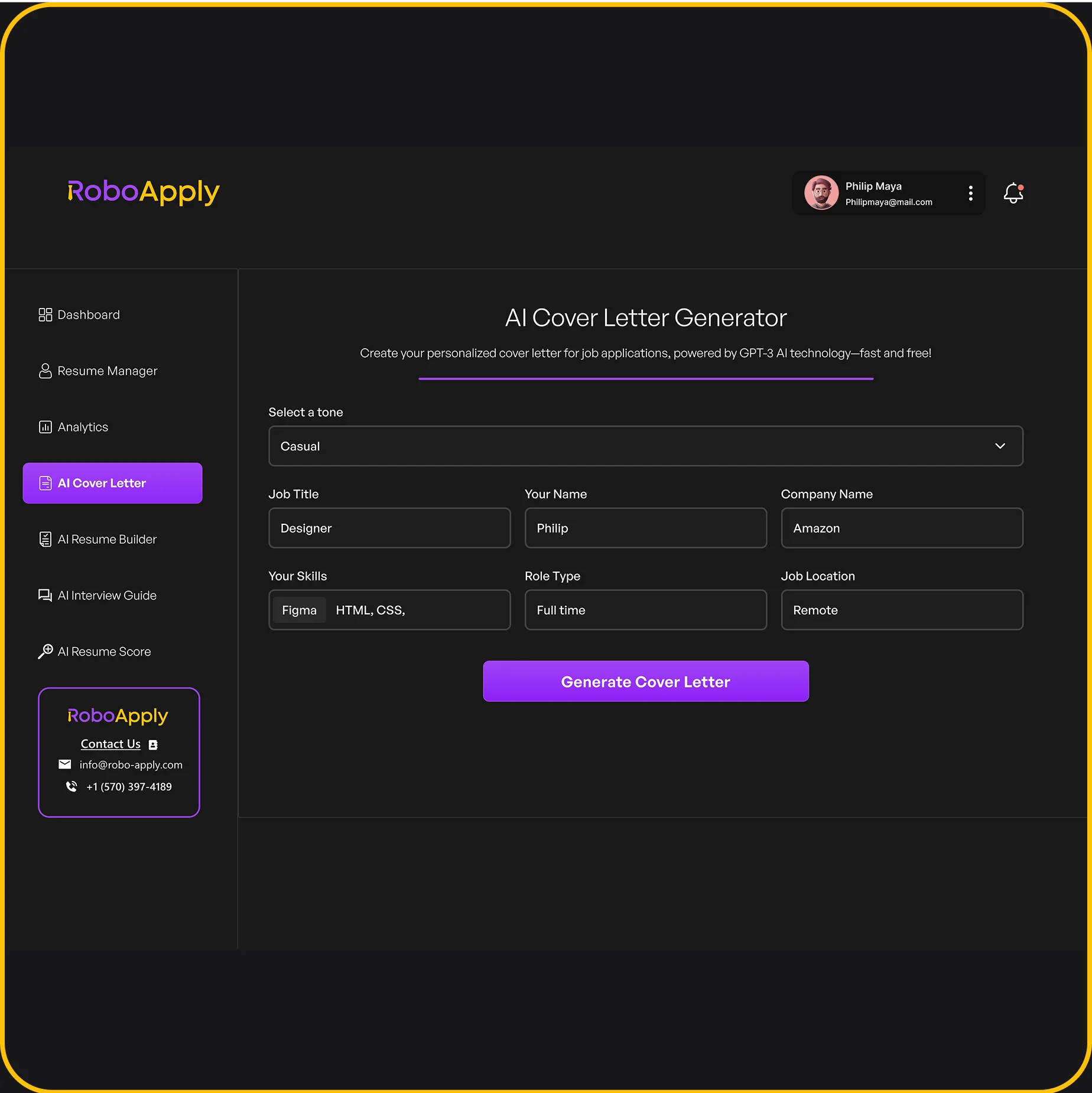
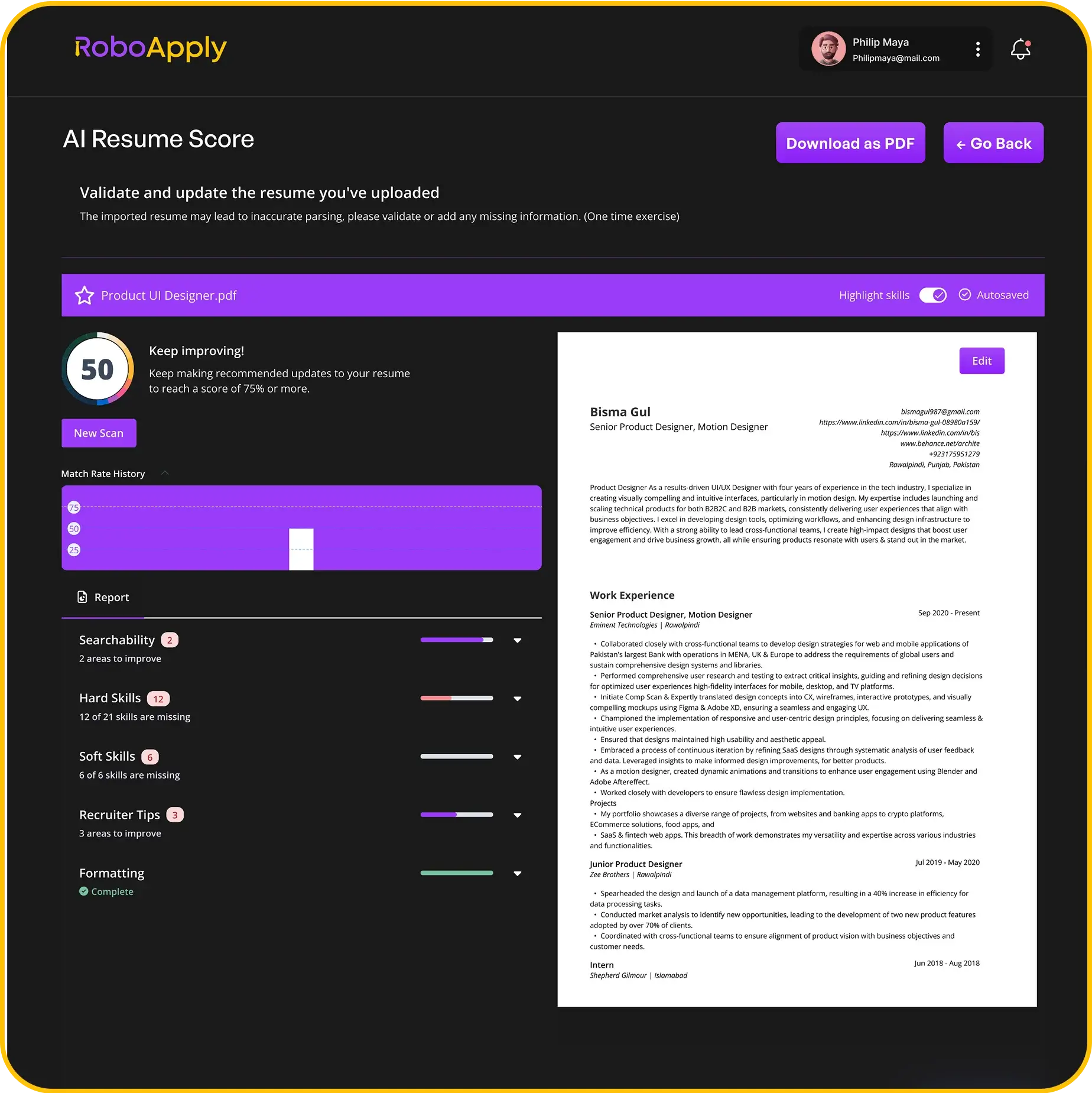
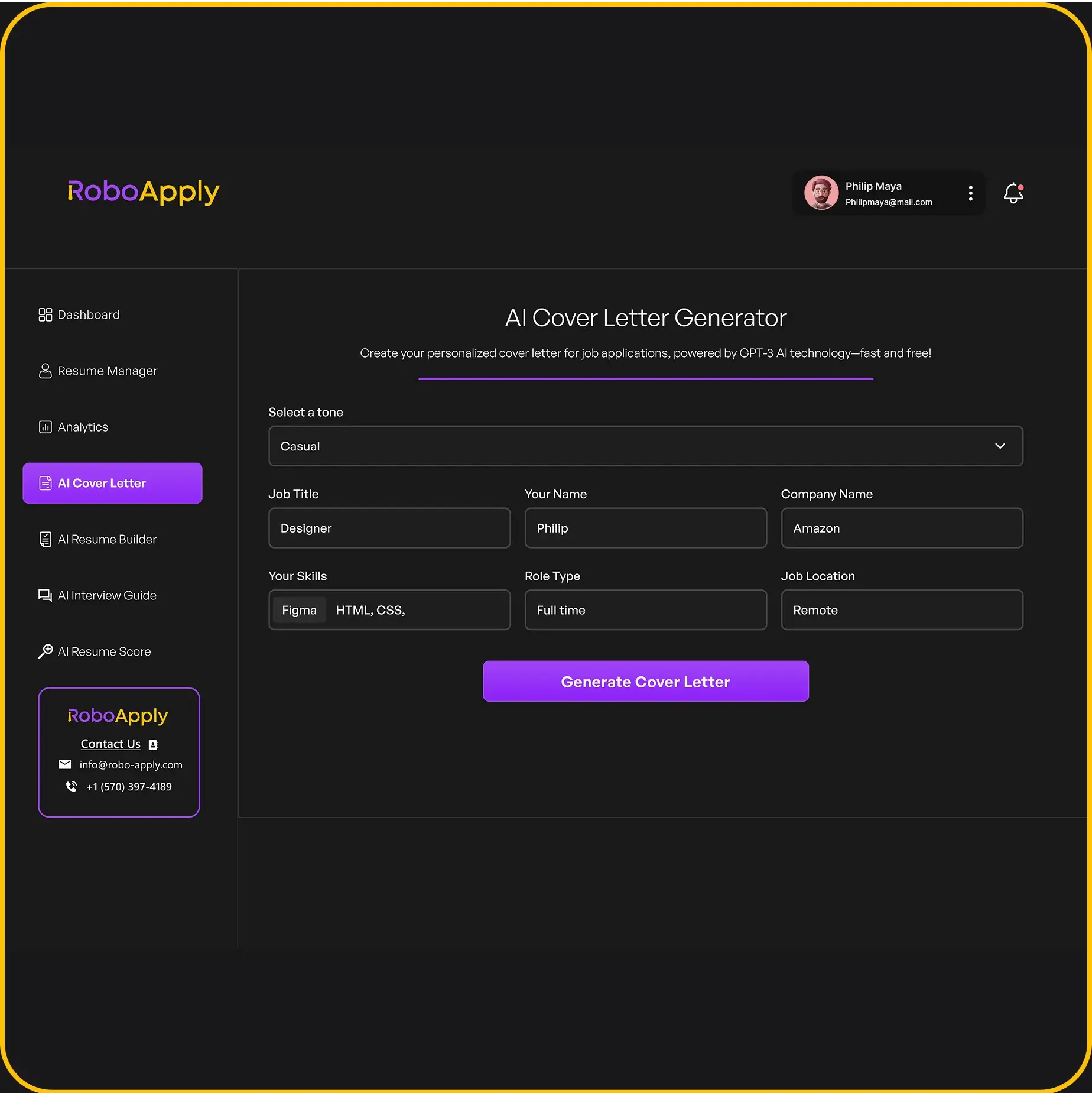
Every resume gets optimized through AI Tailored Apply. The AI Resume Builder creates professional documents. The AI Cover Letter generator creates personalized versions.
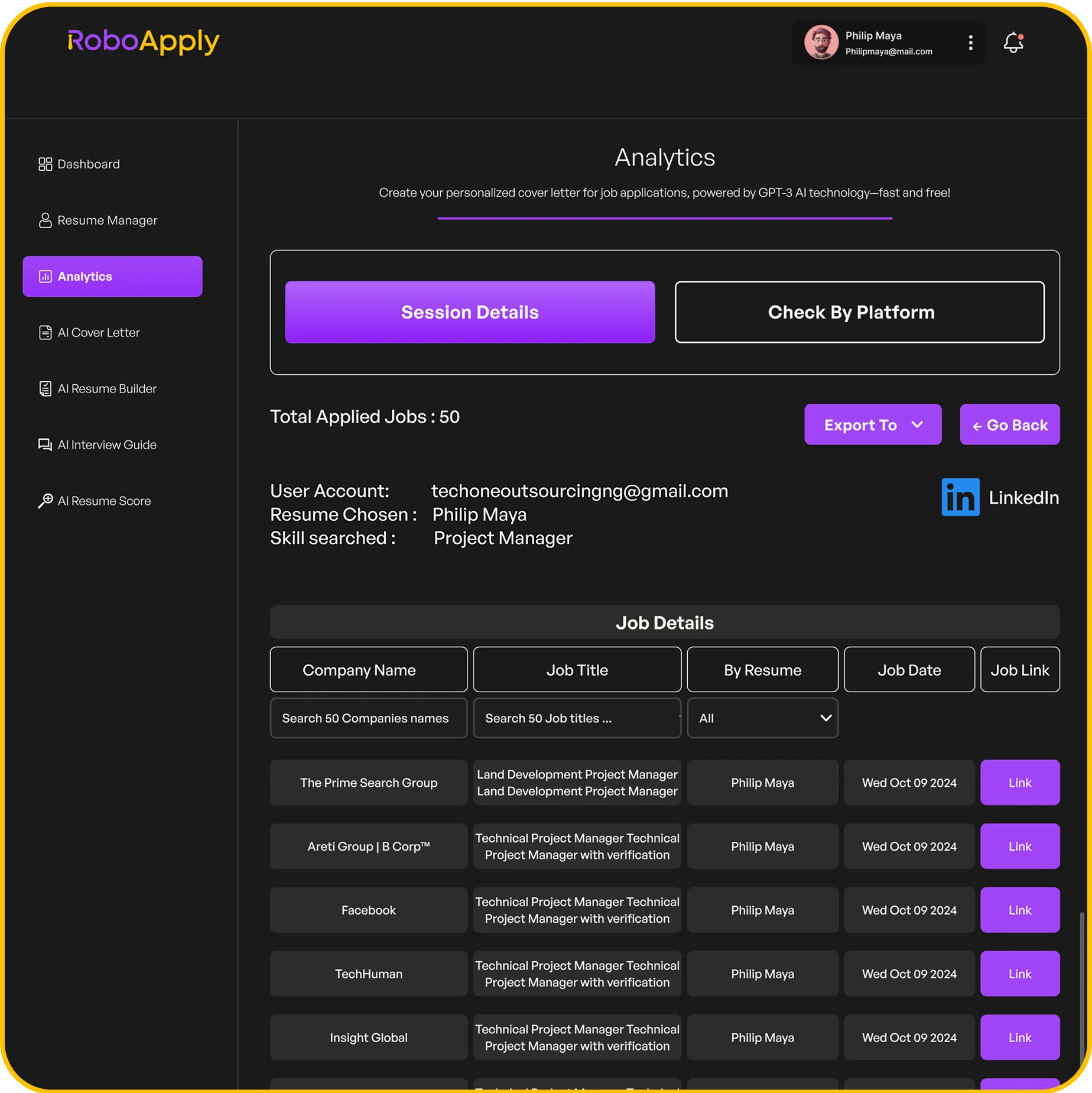
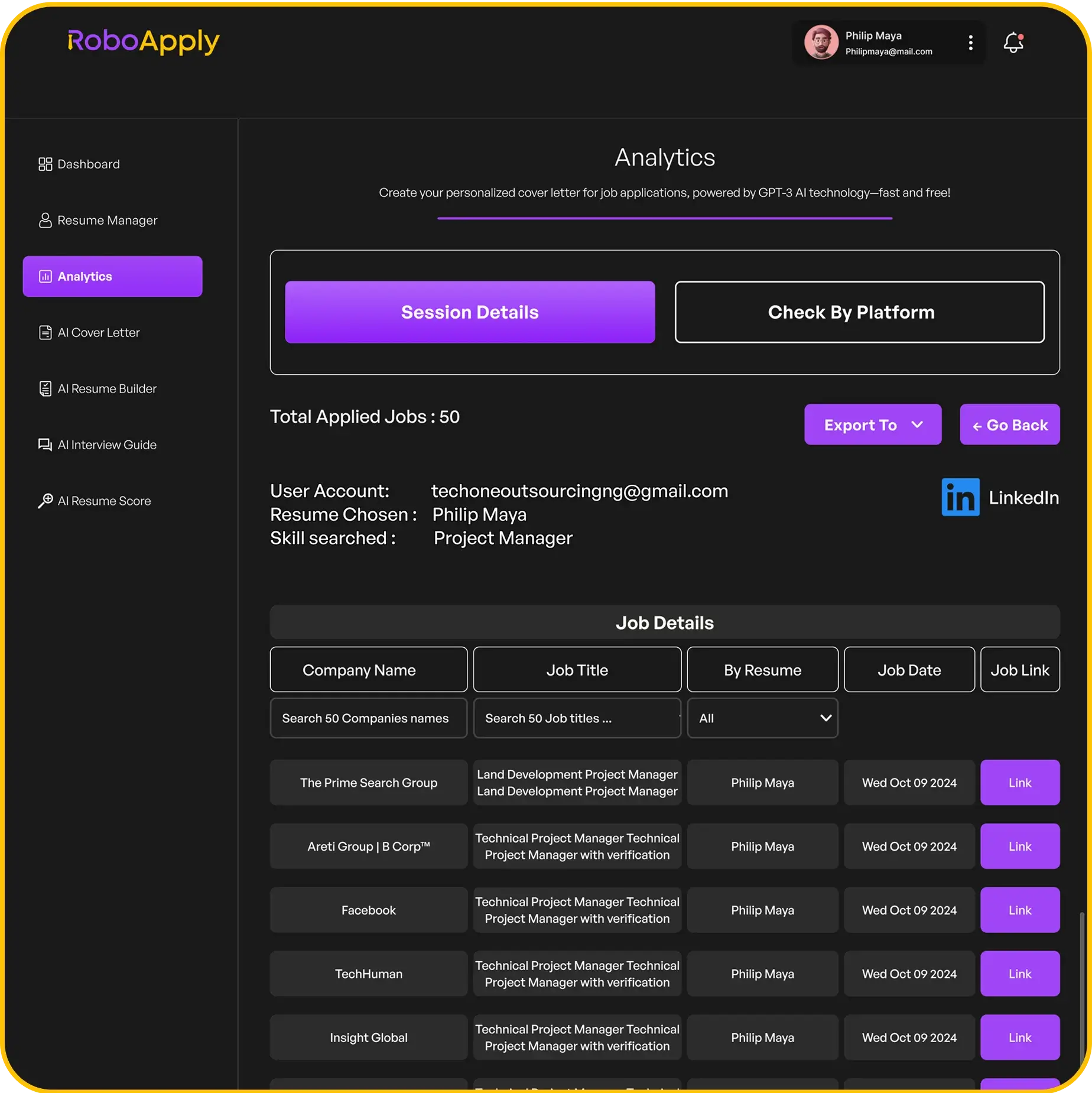
Interview prep happens through AI Interview Copilot. Track everything through Analytics.
Start with the free plan. Three free resumes demonstrate functionality.
Frequently Asked Questions
What should a letter of resignation as trustee include at minimum?
Clear resignation statement, specific effective date, acknowledgment of continuing fiduciary duties, reference to governing trust document, and offer of transition cooperation.
How much notice must trustees give before resigning from trusts?
Notice periods vary by trust document and jurisdiction. Review your specific trust agreement carefully. Common requirements range from 30 to 90 days.
Can trustees resign immediately without notice in emergencies?
Yes, true emergencies justify immediate resignation. Health crises, relocations, or conflicts qualify. Document emergency circumstances thoroughly though for protection.
Do all trustee resignations require court approval to be effective?
Not all jurisdictions require court approval. Some trust documents mandate it regardless. Check your state laws and specific trust provisions carefully.
Should trustees explain their reasons for resigning in letters?
No, detailed explanations aren’t necessary or recommended. State your resignation and effective date. Keep reasons private unless legally required otherwise.