Letter of resignation examples nursing show you exactly how to leave your position professionally while maintaining positive relationships. Nurses resign for tons of reasons. Better opportunities. Relocation. Career changes. Burnout that’s become unbearable. Your resignation letter needs to communicate your decision clearly while preserving your professional reputation.
Here’s the thing about nursing. It’s a small world. That charge nurse you work with today? She might be your future manager somewhere else. The doctor you assist now could be your reference later. Your resignation letter creates a lasting impression that follows you around.
This guide provides actual letter of resignation examples nursing professionals can customize. You’ll learn what to include, what to avoid, and how to leave without burning bridges.
Why Nurses Actually Resign
Nurses leave positions for various reasons beyond just chasing better pay. Understanding common resignation triggers helps you articulate your own decision without sounding generic or rehearsed.
Career advancement drives many nursing resignations honestly. You’ve outgrown your current role. You need new challenges or specialized experience you can’t get where you are. You’re pursuing advanced certifications or degrees. Research from the American Nurses Association shows that career development opportunities significantly impact nurse retention across healthcare.
Burnout affects healthcare workers at alarming rates. Long shifts that drain you. Understaffing that’s gotten worse. Emotional exhaustion that follows you home. Physical demands that wreck your back. These factors pile up over time until something breaks. Sometimes leaving becomes necessary for your health. You can’t pour from an empty cup.
Relocation for family reasons happens frequently in nursing. Your spouse gets transferred across the country. You’re moving closer to aging parents who need you. You’re seeking better school districts for your kids. Personal circumstances change and your job must change with them.
Better compensation attracts nurses to new positions constantly. Healthcare systems compete for qualified nurses everywhere. Sometimes another facility offers significantly better pay or benefits you can’t ignore. Bureau of Labor Statistics data confirms that nursing salaries vary considerably by location and specialty.
Work environment issues push some nurses to resign unfortunately. Toxic management that makes every shift miserable. Poor teamwork that affects patient safety. Inadequate resources that leave you scrambling. Safety concerns nobody addresses. These problems affect your ability to provide quality patient care. When workplaces become unsustainable, leaving makes sense for everyone.

What to Include in Your Nursing Resignation Letter
Your letter of resignation examples nursing should include specific elements regardless of your reason for leaving. These components ensure professionalism while protecting your reputation down the road.
Give Proper Notice
Most nursing positions require two weeks’ notice minimum. Some facilities request more, especially for specialized roles or leadership positions. Check your employment contract before writing anything down.
Your letter should state your last working day clearly without ambiguity. “My last day of work will be [specific date]” removes any confusion. This gives your employer time to arrange coverage and train replacements properly.
Some situations prevent standard notice periods though. Family emergencies that can’t wait. Sudden health issues requiring immediate attention. Hostile work environments that have become unbearable. In these cases, explain briefly without excessive detail that opens you up legally. “Due to unforeseen personal circumstances, my resignation is effective immediately” suffices without oversharing.
Keep Your Tone Professional
Your resignation letter isn’t the place for complaints or settling scores. Even if you’re leaving because of serious problems, keep your letter positive and professional throughout. SHRM guidelines on resignation letters emphasize maintaining professional relationships above all else.
Here’s what to avoid in your letter:
- Mentioning specific grievances or workplace problems you’ve experienced
- Criticizing management, coworkers, or hospital policies directly
- Discussing salary dissatisfaction or compensation issues in detail
- Bringing up workplace conflicts or personality clashes
- Making demands or ultimatums about your departure
Focus on neutral or positive statements instead. “I’ve accepted another opportunity” works way better than “I found a job that actually values nurses.” Professional restraint protects you legally and professionally.
Express Some Gratitude
Thank your employer for the opportunity regardless of your actual experience there. Mention specific skills you gained or experiences you valued somewhat. This demonstrates maturity that future employers appreciate.
Gratitude doesn’t require dishonesty though. You can find something positive about any position if you look hard enough. “Thank you for the opportunity to develop my critical care skills” acknowledges professional growth without praising everything that happened.
Brief expressions work best here. One or two sentences suffice completely. Don’t overdo the gratitude if it feels forced or makes you uncomfortable.
Letter of Resignation Templates for Nurses
Below you’ll find a section for proven resignation letter templates. These examples demonstrate proper formatting and tone for different scenarios you might face.
Mistakes That Damage Your Nursing Reputation
Certain errors in letter of resignation examples nursing professionals should avoid can harm your career long-term. These mistakes create unnecessary problems that follow you around.
Don’t Burn Bridges
Never use your resignation letter to air grievances publicly. Don’t complain about management or coworkers in writing ever. Don’t list all the reasons you disliked the job. Research from LinkedIn shows that negative resignation letters damage professional relationships permanently across all industries.
Healthcare’s a surprisingly small community everywhere you go. The nurse manager you criticize today might review your application tomorrow at a different facility. The colleague you complain about could become your supervisor elsewhere down the line. Maintain professionalism always in writing.
Don’t Skip Proper Notice
Leaving without notice should happen only in true emergencies. Immediate resignations burden your coworkers unfairly and damage patient care continuity. They also burn professional bridges you might desperately need later.
Plan your resignation timing carefully instead. Submit your letter early in your shift, not at the end when everyone’s exhausted. Give your manager time to process the news and begin planning coverage realistically.
Don’t Overshare
Your resignation letter isn’t a confessional or therapy session. Don’t overshare about new positions, salaries, or personal issues happening in your life. Keep your letter brief and professional throughout.
Excessive detail creates problems you don’t need right now. Mentioning your new salary could violate confidentiality agreements you signed. Discussing personal health issues might affect future references negatively. Share only what’s absolutely necessary for the resignation itself.
Don’t Email First
Email resignations feel impersonal and unprofessional to most managers. Schedule a meeting with your supervisor first if possible. Discuss your resignation verbally face-to-face. Then follow up with your written letter afterward as documentation.
This approach shows respect and allows for productive conversation. Your manager might address concerns keeping you there if they’re fixable. They might negotiate your departure timing more flexibly. Face-to-face discussion demonstrates professional courtesy that people genuinely remember.

How RoboApply Helps Nurses Navigate Career Transitions
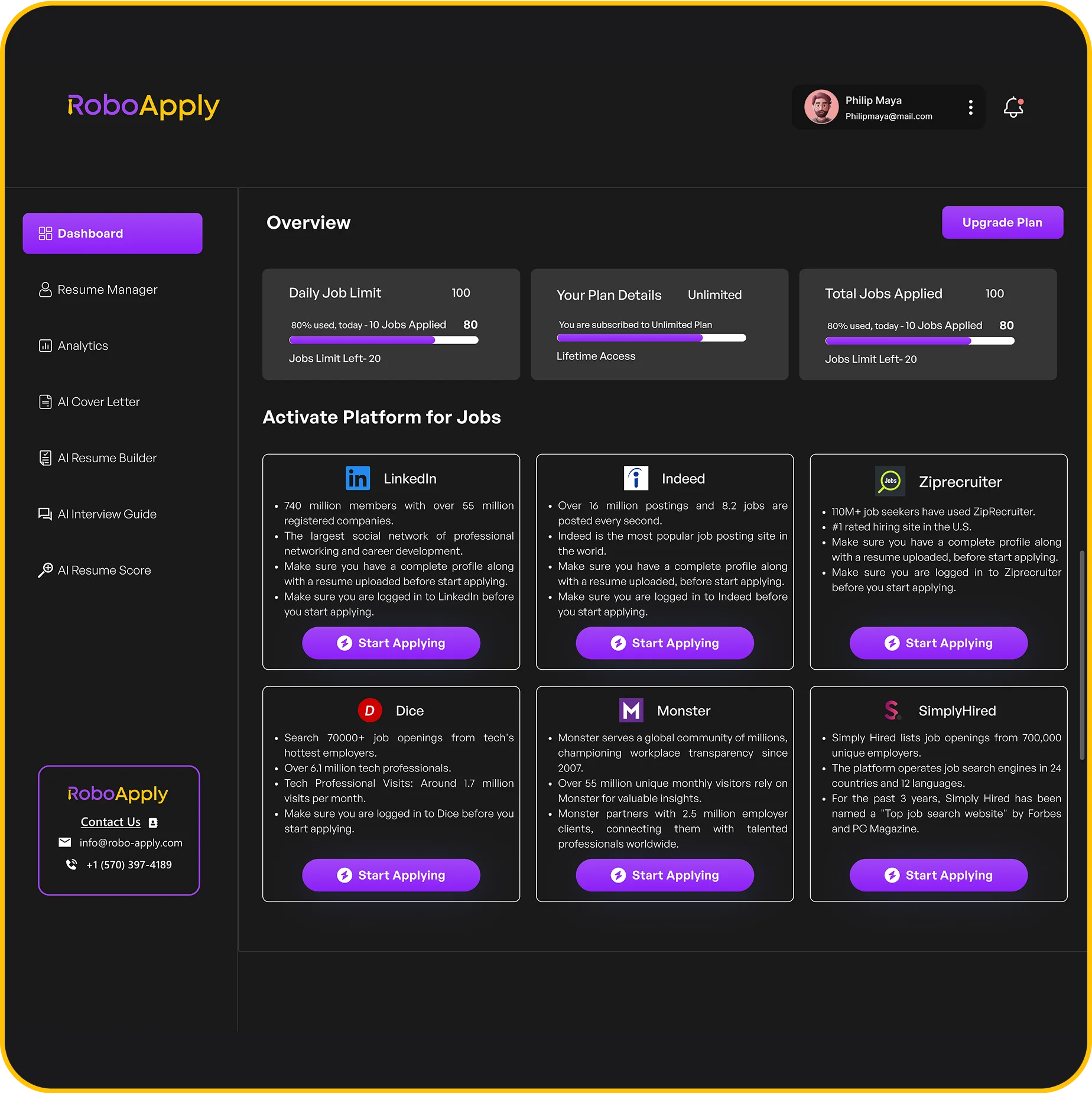
Changing nursing positions involves more than just writing resignation letters obviously. You need updated resumes highlighting your clinical experience properly. Cover letters explaining your specializations clearly. Applications submitted to multiple healthcare facilities efficiently without losing your mind.
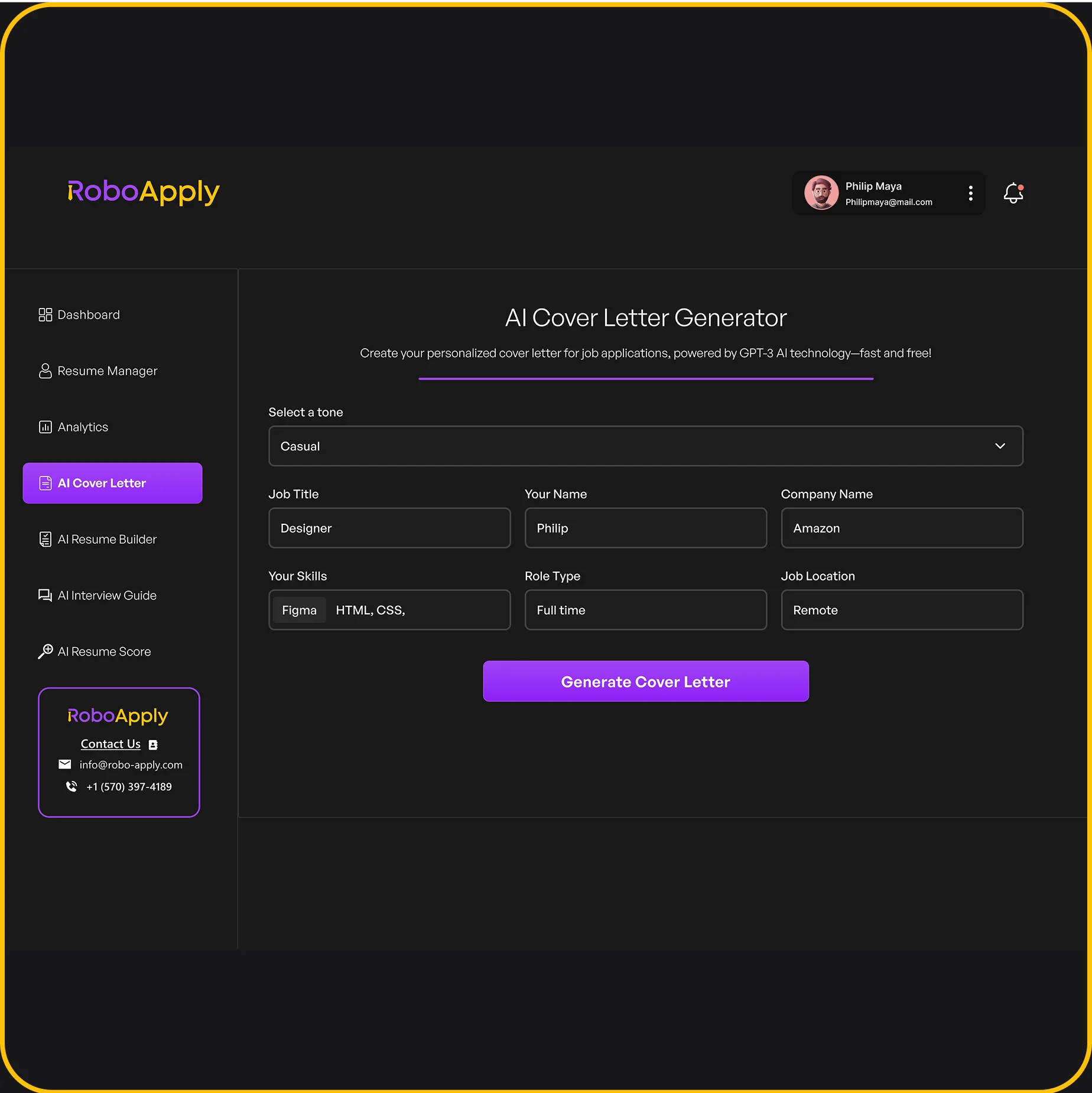
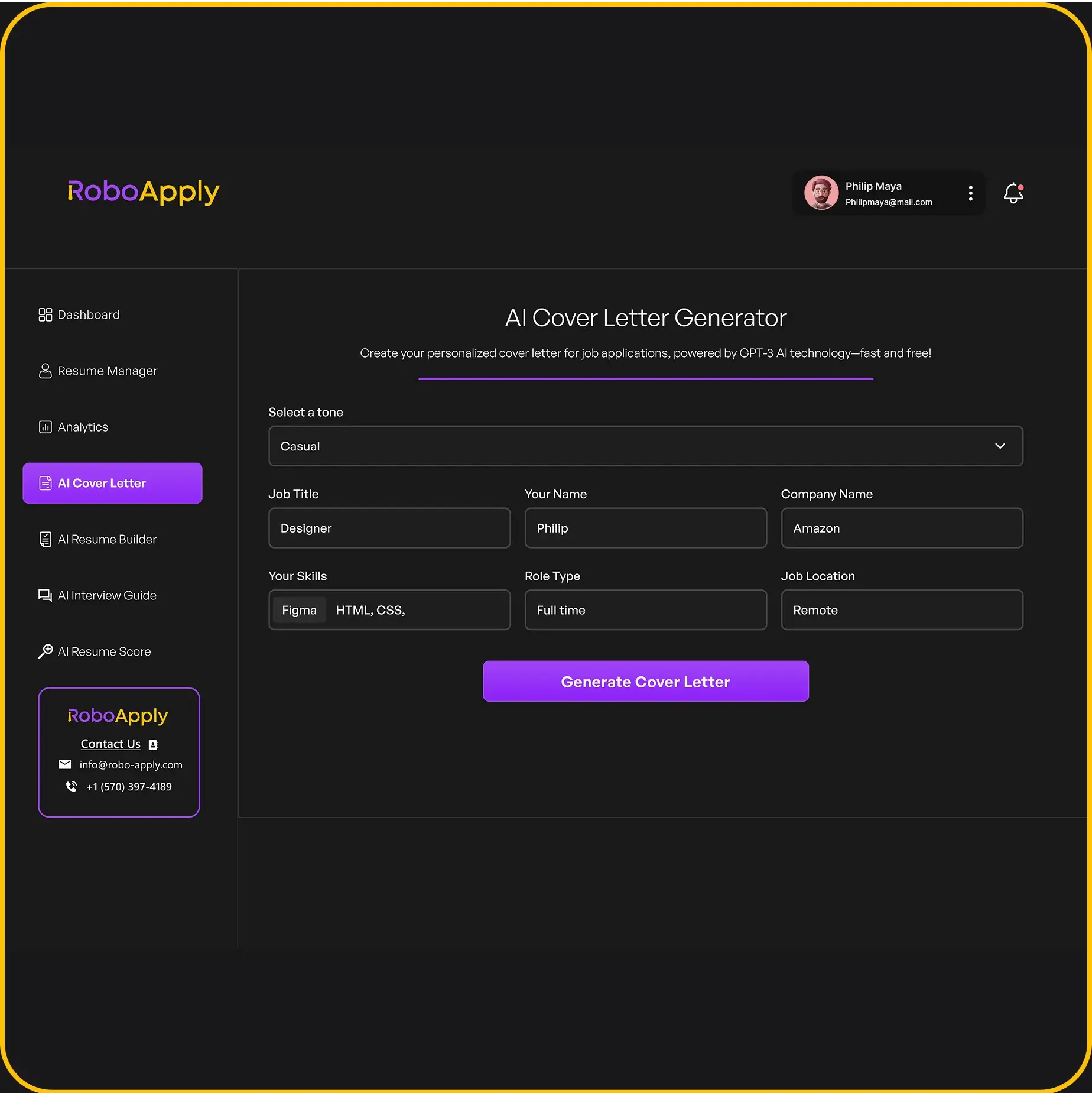
RoboApply’s AI Cover Letter generator creates healthcare-specific letters automatically for each application. The system understands nursing specialties, certifications, and clinical experience naturally. It emphasizes your relevant background for different nursing roles without sounding generic.
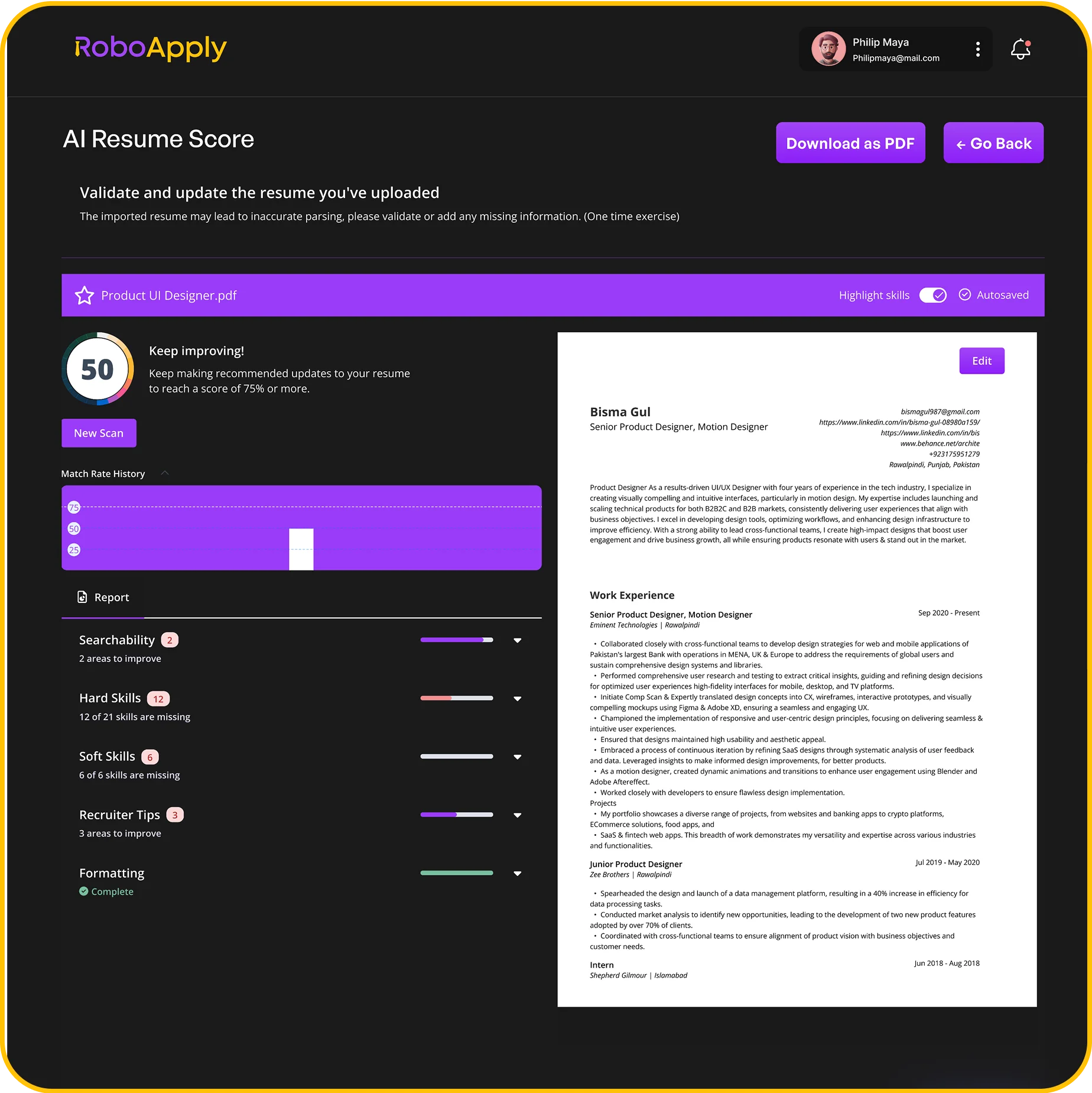
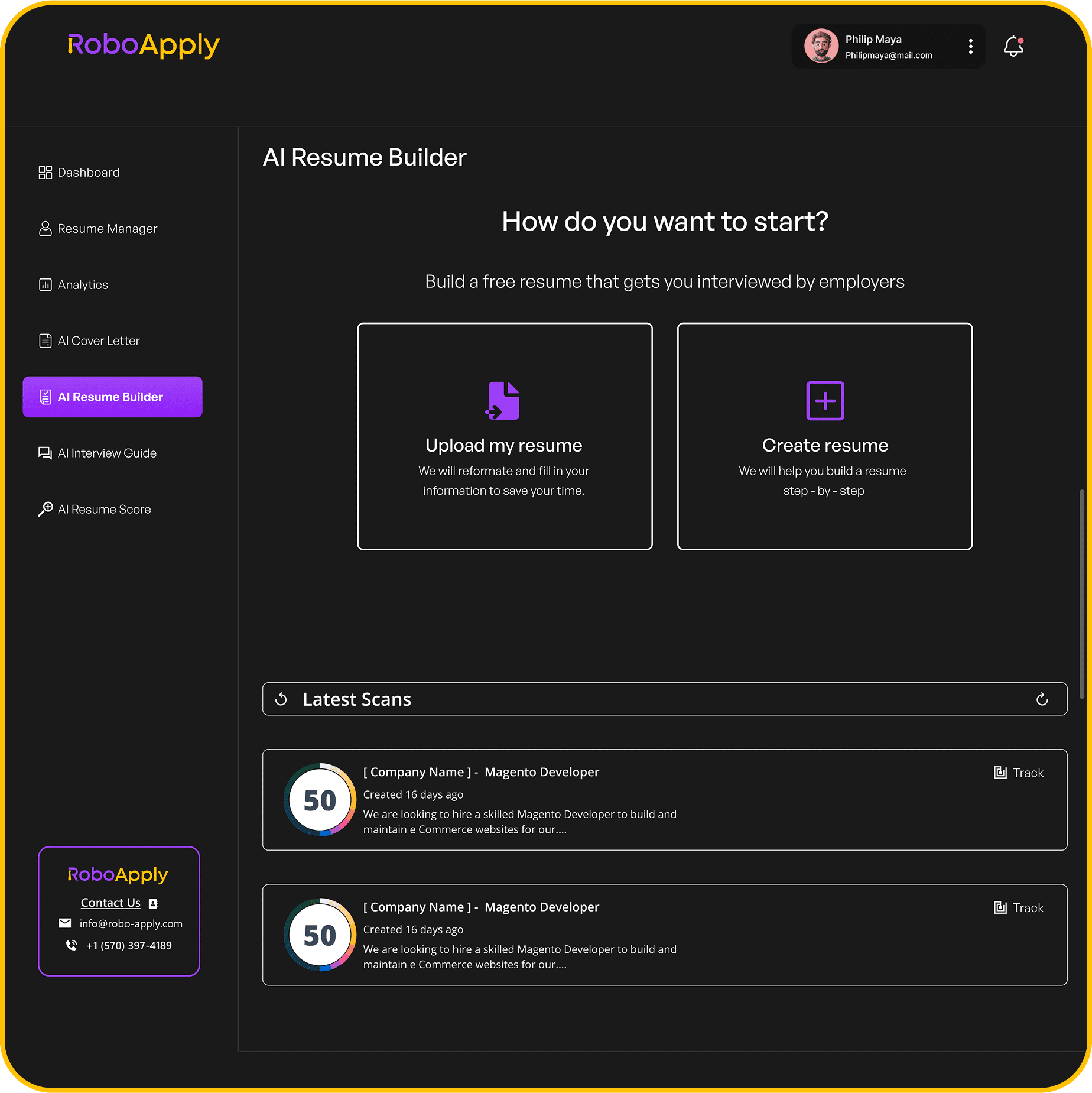
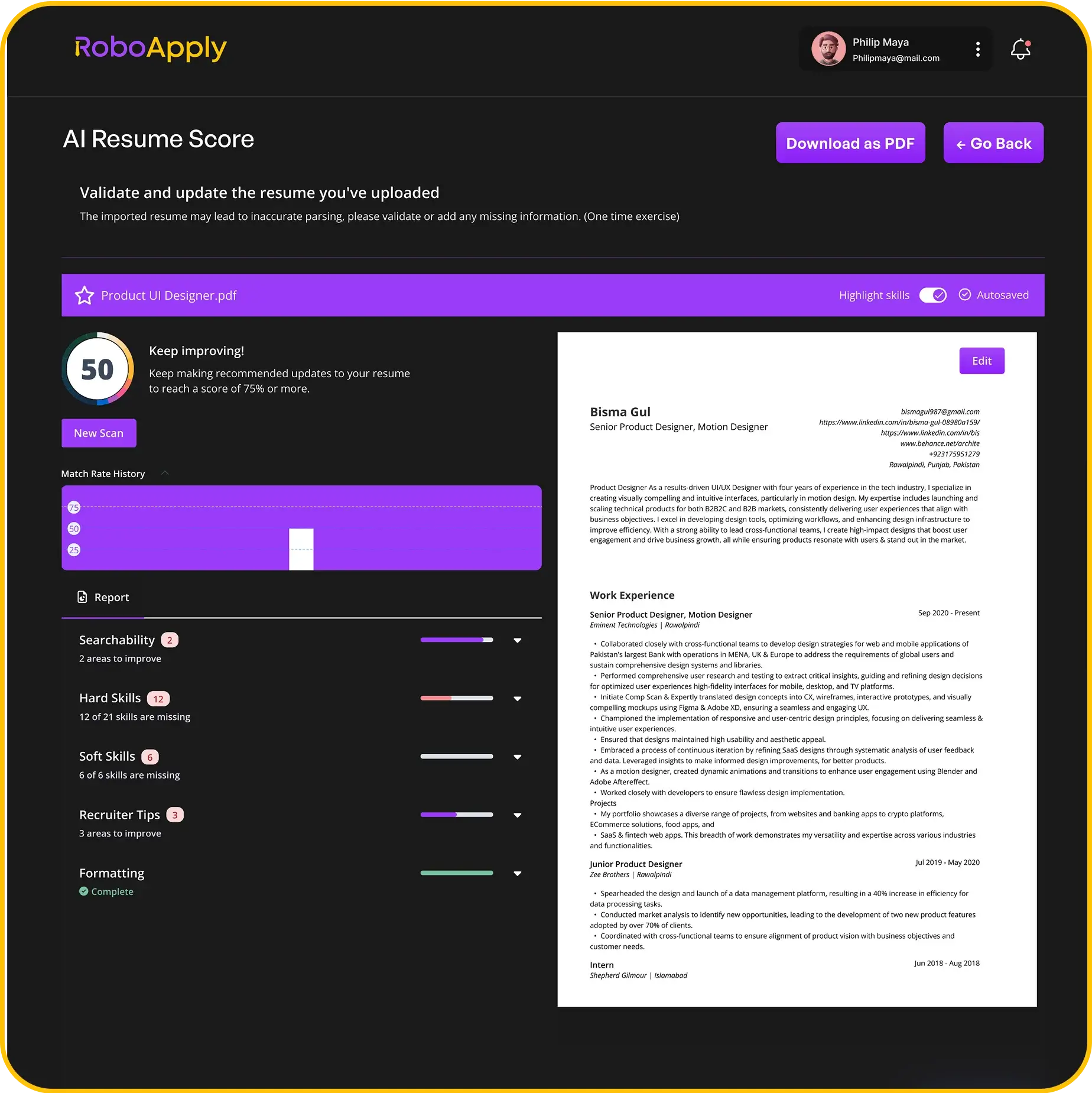
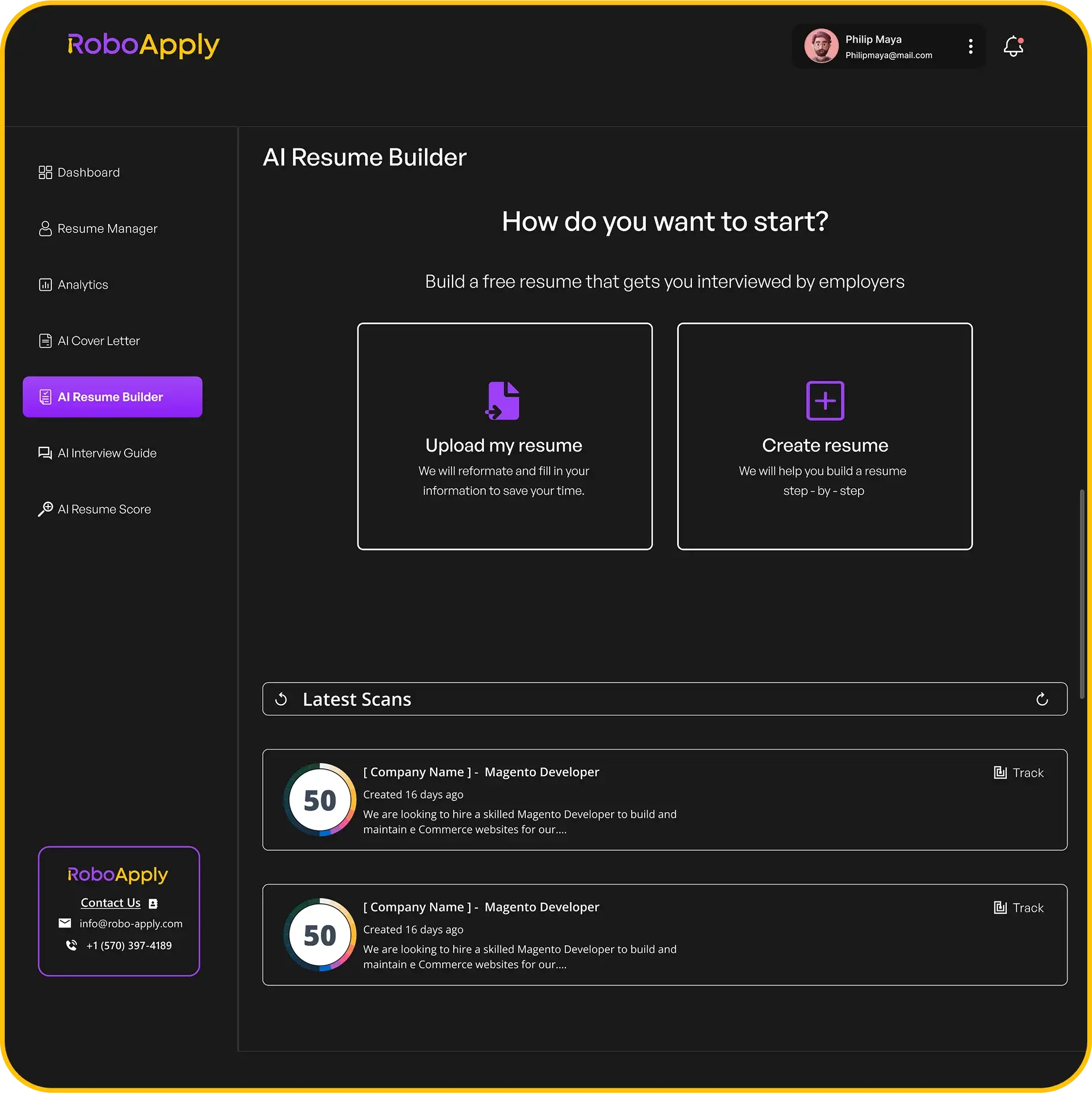
Your AI Resume Builder formats your clinical experience professionally. It highlights certifications, specializations, and patient care achievements effectively. Everything stays ATS-optimized for hospital hiring systems that screen applications first.
AI Auto Apply submits applications across major healthcare job boards automatically while you sleep. It finds positions matching your specialty and location preferences precisely. Then it customizes and submits your materials while you focus on your current patients.
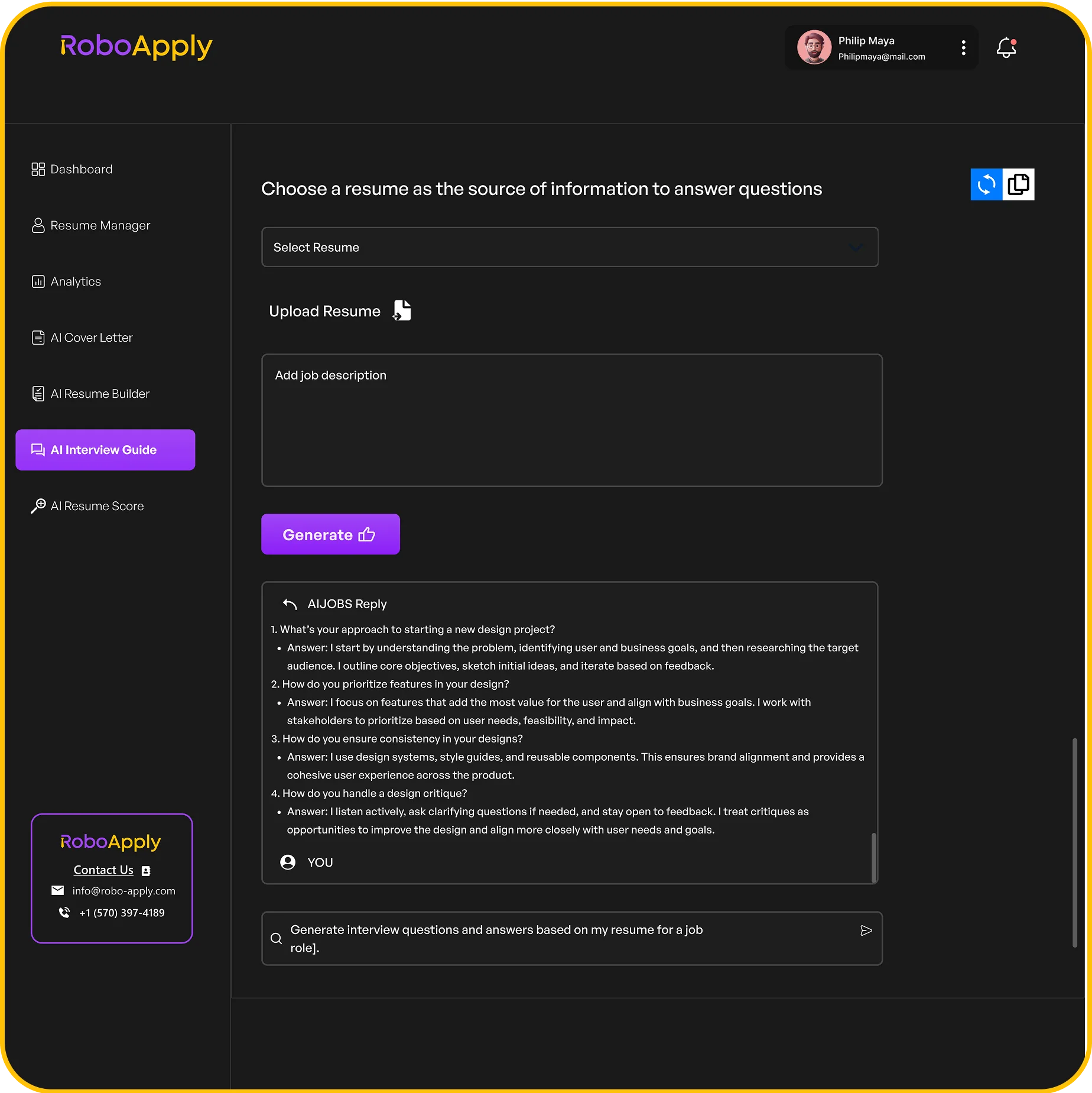
The AI Interview Copilot prepares you for nursing interviews thoroughly. You practice with specialty-specific questions about patient care scenarios and emergency responses. Real-time feedback improves your answers before actual interviews happen.
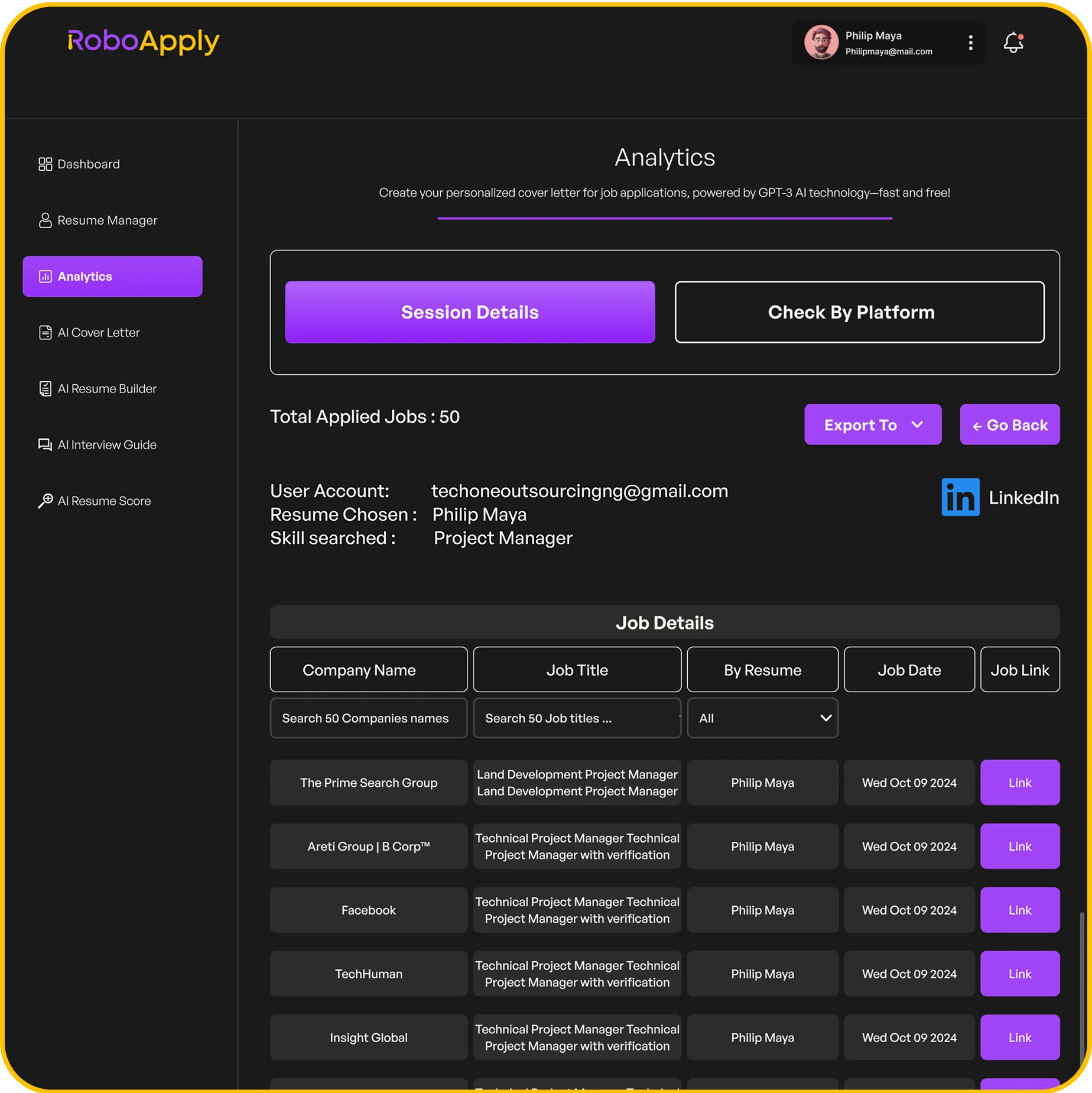
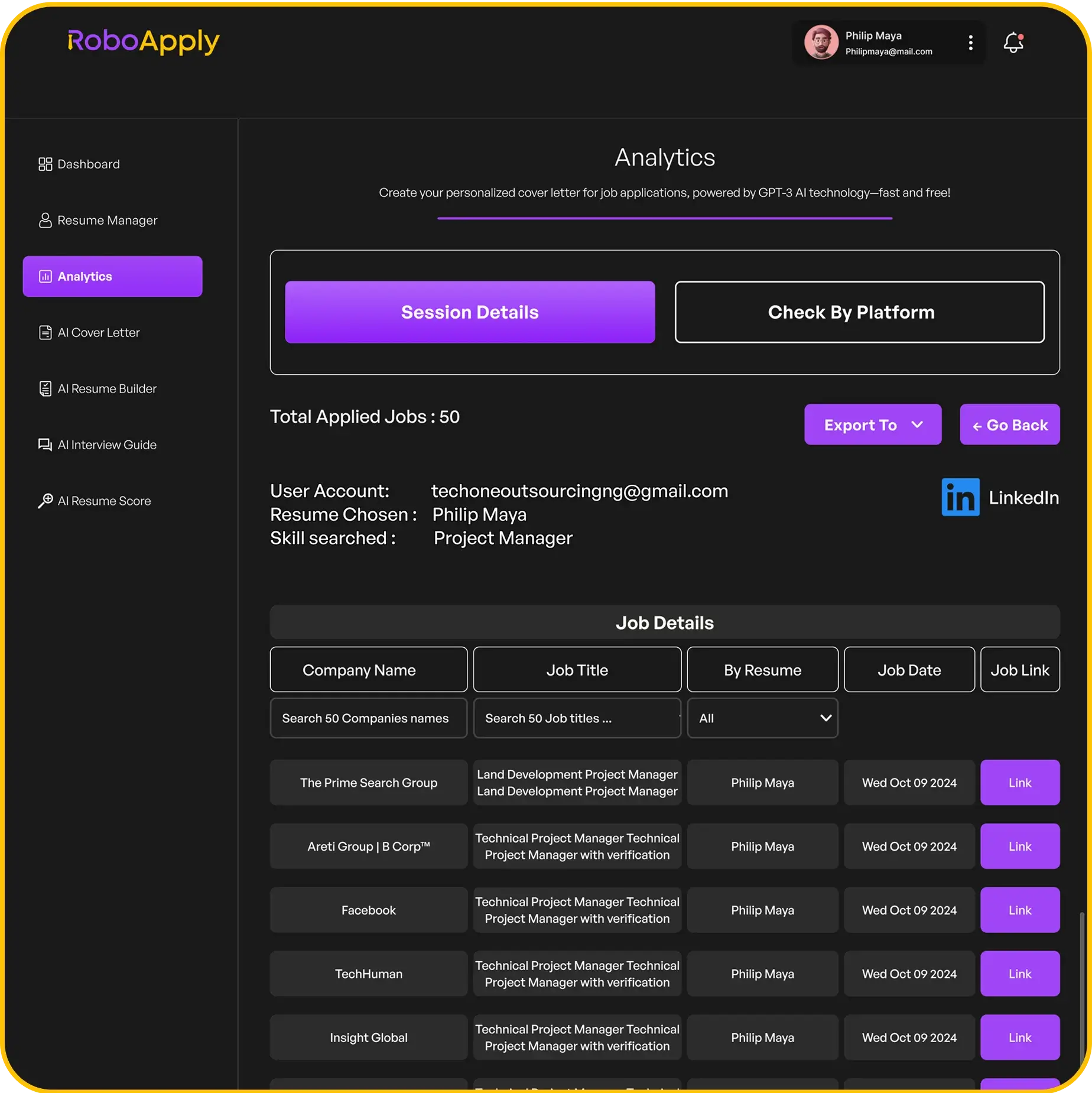
Tracking stays simple through Analytics. You see which applications generate responses from healthcare facilities quickly. The Resume Score feature ensures your materials pass hospital ATS systems properly.
Start with the free plan to test everything out. Three free applications let you experience the platform’s healthcare-specific features firsthand.
Frequently Asked Questions
How much notice should nurses give when resigning from hospital positions?
Two weeks minimum for staff nurses. Four weeks recommended for charge nurses or specialized roles. Check your employment contract for specific requirements always.
Should I explain why I’m leaving in my nursing resignation letter?
Brief explanation works best. “Accepting another opportunity” or “personal reasons” suffices. Don’t provide excessive detail or criticize your current employer in writing.
Can I rescind my nursing resignation letter after submitting it?
You can ask, but the facility isn’t obligated to allow it. Once submitted, assume your resignation is final. Consider decisions carefully before submitting.
Do I need to give notice if I’m leaving due to hostile work environment?
Standard notice remains professional when possible. Document the hostile environment separately through appropriate HR channels. Consult employment attorney if needed.
Should I mention my new employer in my resignation letter?
Generally no. Simply state you’ve accepted another position. Revealing your new employer creates potential conflicts and serves no necessary purpose.