An application letter for data entry clerk positions should highlight your typing speed, accuracy rate, and software proficiency immediately. You’ll state your data entry experience and relevant certifications upfront. Then you’ll mention specific skills matching the job requirements. Finally, you’ll explain how your attention to detail benefits their organization.
Most applicants write generic letters listing every job they’ve ever had. That approach fails. Your application letter isn’t a resume copy. It’s your chance to prove why your 98% accuracy rate and experience with enterprise databases make you perfect for their data management needs.
According to the Bureau of Labor Statistics, data entry positions receive 40-60 applications on average. Your letter determines whether hiring managers read your full application. You’ve got roughly 15 seconds to demonstrate you meet their requirements.
Understanding the Data Entry Clerk Role
Data entry clerks form the backbone of organizational information systems. They input, update, and maintain critical business data. The role requires precision, speed, and technical competence.
Core Job Responsibilities
Data entry work involves more than just typing. You’ll manage databases, verify information accuracy, and generate reports. Understanding these duties helps you write a targeted application letter.
Daily tasks typically include:
- Entering data from various sources into computer systems
- Verifying accuracy of entered information against source documents
- Updating existing database records and correcting errors
- Generating reports and data summaries for management
- Maintaining confidentiality of sensitive information
- Meeting daily productivity and accuracy quotas
Research from SHRM shows employers value consistency and reliability most. Your application letter should demonstrate these qualities through specific examples.
Essential Skills for Success
Technical and soft skills both matter for data entry positions. Your letter needs to address the complete skill set employers seek.
Key competencies include:
- Typing speed of 50+ words per minute with high accuracy
- Proficiency in Microsoft Excel, Word, and database software
- Excellent attention to detail and error detection abilities
- Time management and ability to meet deadlines
- Basic understanding of data privacy and security
- Communication skills for clarifying unclear information
Don’t just list these skills. Provide context showing how you’ve applied them successfully. Understanding career fundamentals helps across industries.
Why Application Letters Matter for Data Entry
Your application letter serves a specific purpose in the hiring process. It introduces you personally while highlighting qualifications your resume can’t fully convey.
What Hiring Managers Seek
Employers scan application letters for immediate disqualifiers first. Then they look for specific competencies. Your letter must pass both filters.
Hiring managers evaluate:
- Professional communication ability and clarity
- Demonstrated understanding of data entry requirements
- Evidence of accuracy and attention to detail
- Genuine interest in the specific position
- Cultural fit with their organization
Grammar and spelling errors eliminate candidates immediately. Data entry requires precision. Mistakes in your letter signal careless work habits.
Standing Out From Other Applicants
Generic letters get rejected instantly. Customization separates serious candidates from mass applicators. Your letter should reference the company specifically.
Research the organization before writing. Mention their industry, recent projects, or values. Connect your background to their specific needs. This approach works similarly to following up after applications.

Essential Elements of Your Application Letter
Structure your letter to maximize impact. Each section serves a distinct purpose in convincing employers you’re the right candidate.
Professional Opening
Address the hiring manager by name when possible. Check LinkedIn or call the company to find the right person. Generic greetings weaken your application immediately.
Start strong with: “Dear Mr. Johnson” or “Dear Hiring Manager” if the name is unavailable. State the position you’re applying for in the first sentence. Mention where you found the listing.
Compelling Introduction Paragraph
Your opening paragraph should grab attention immediately. State your strongest qualification upfront. Explain why you’re interested in this specific opportunity.
Example: “As a certified data entry specialist with 4 years of experience maintaining 99.8% accuracy across 500,000+ records annually, I’m applying for the Data Entry Clerk position at [Company] advertised on Indeed.”
This introduction proves capability, shows dedication, and demonstrates research effort simultaneously.
Detailed Body Content
Your middle paragraphs must connect your experience to their needs. Focus on relevant achievements with measurable results. Avoid vague claims about being “detail-oriented” or “hardworking.”
Address these key points:
- Specific data entry experience with volume and accuracy metrics
- Software proficiency matching their requirements
- Industry experience if they mentioned it
- Problem-solving examples from past data entry work
- Any relevant certifications or training
Structure similar to resume bullets applies here too. Use concrete examples with numbers.
Strong Closing Paragraph
End by reiterating your interest and requesting an interview. Thank them for consideration. Provide contact information clearly. Express enthusiasm without seeming desperate.
Example: “I’m excited to contribute my data management expertise to [Company]’s continued success. I’m available for an interview at your convenience and can be reached at [phone] or [email]. Thank you for considering my application.”
Common Application Letter Mistakes
Avoiding these errors significantly improves your chances. Hiring managers see the same problems repeatedly from data entry applicants.
Generic Content Without Customization
Using the same letter for every application fails. Each organization has different needs. Your letter must address their specific requirements.
Customize by mentioning:
- The company name and industry
- Specific software they use
- Data volume or type they mentioned
- Their values or mission if relevant
Generic letters signal lack of genuine interest. Employers notice immediately.
Information Overload and Length
Keep your letter to one page maximum. Brevity demonstrates respect for hiring managers’ time. Long letters rarely get read completely.
Focus on your three strongest qualifications. Provide supporting details for each. Cut anything not directly relevant to this position.
Errors and Poor Formatting
Typos eliminate data entry candidates instantly. The job requires accuracy. Mistakes in your letter prove you lack attention to detail.
Proofread multiple times. Read aloud to catch awkward phrasing. Have someone else review it. Use spell-check but don’t rely on it exclusively. Understanding professional standards matters across all application materials.
Download Professional Data Entry Application Letter Templates
We’ve created six application letter templates for different data entry specializations and experience levels. Each template follows proven formatting that gets results.
Each template comes in DOCX, PDF, and TXT formats. Customize them with your specific experience and target company details.
Making Your Application Stand Out
Beyond avoiding mistakes, you need strategies that actively differentiate you from other qualified candidates. These approaches catch hiring managers’ attention.
Tailoring to Job Descriptions
Match your letter to their specific requirements. Use keywords from the posting naturally. Show you’ve read carefully and understand what they need.
If they mention “high-volume data entry,” quantify your experience. If they need “healthcare database experience,” emphasize relevant background. Specialized skills command attention across industries.
Demonstrating Genuine Enthusiasm
Show authentic interest in their organization. Research their industry, recent news, or community involvement. Reference something specific that attracted you.
Avoid generic statements like “I’ve always wanted to work here.” Explain what specifically appeals to you about this opportunity versus others.
Quantifying Your Impact
Numbers prove your capabilities better than adjectives. Convert responsibilities into achievements with measurable results.
Instead of “responsible for data entry,” write “processed 2,000+ customer records weekly with 99.5% accuracy rate.” Instead of “maintained databases,” write “updated inventory database of 15,000 SKUs, reducing lookup errors by 40%.”
Streamlining Your Data Entry Job Search
Writing customized application letters for multiple positions takes significant time. Most job seekers apply to 15-20 data entry roles during active searches.
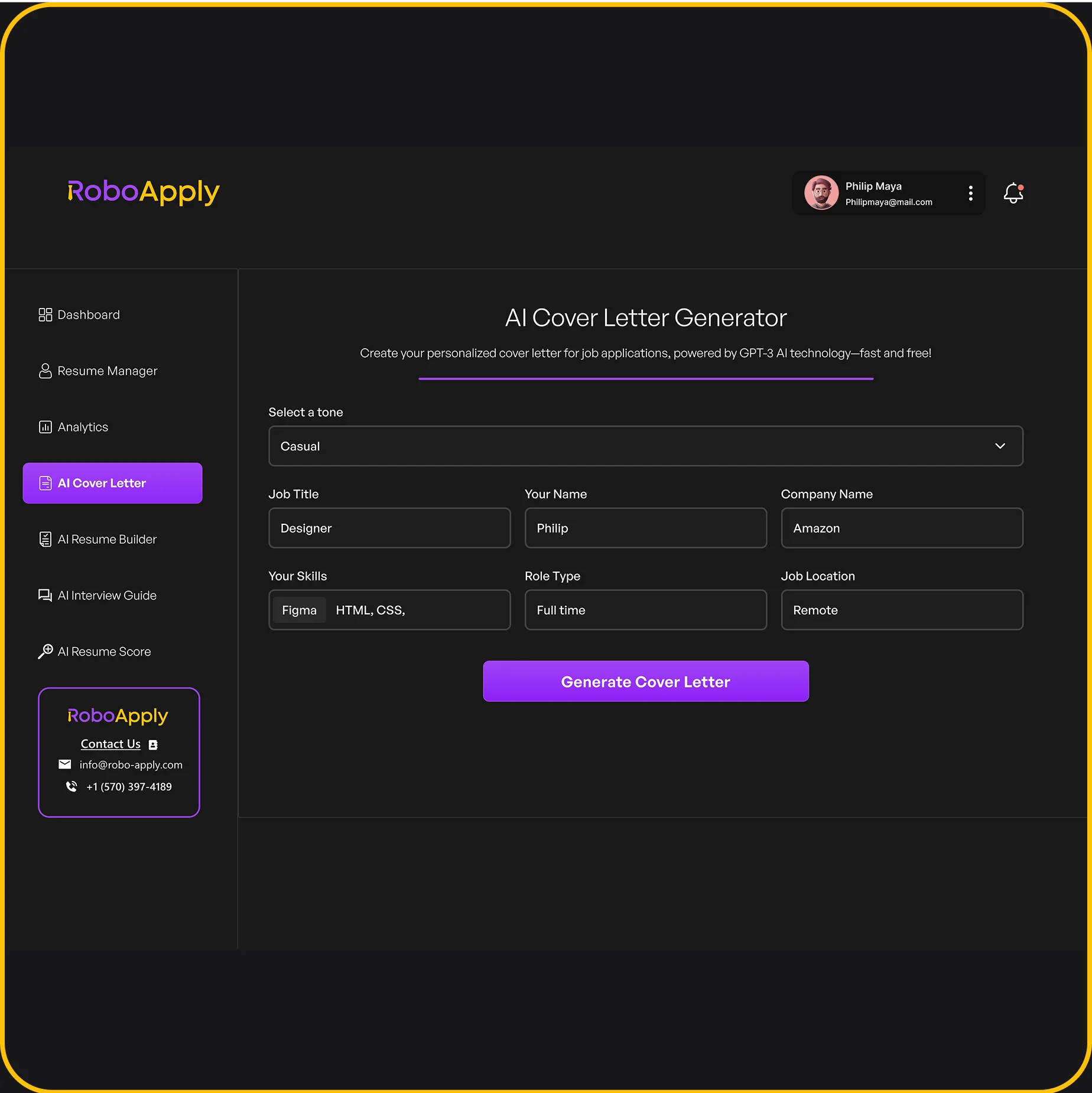
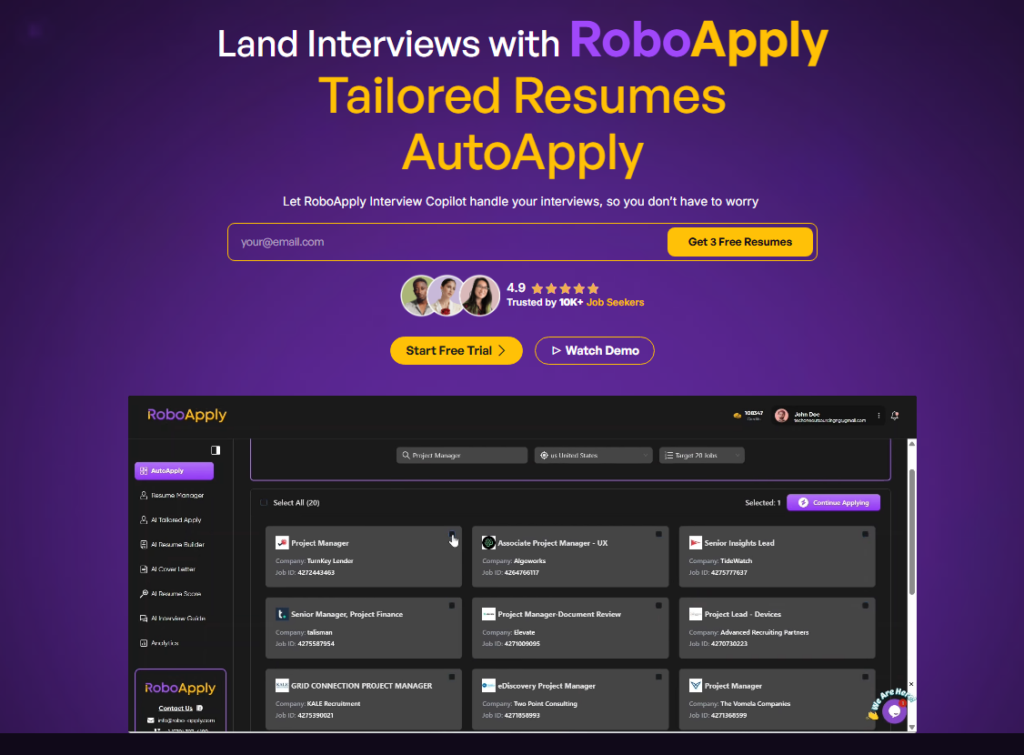
RoboApply’s AI Cover Letter Generator helps create personalized letters efficiently. The platform adapts your data entry experience to each employer’s specific requirements. You’ll maintain customization without starting from scratch repeatedly.
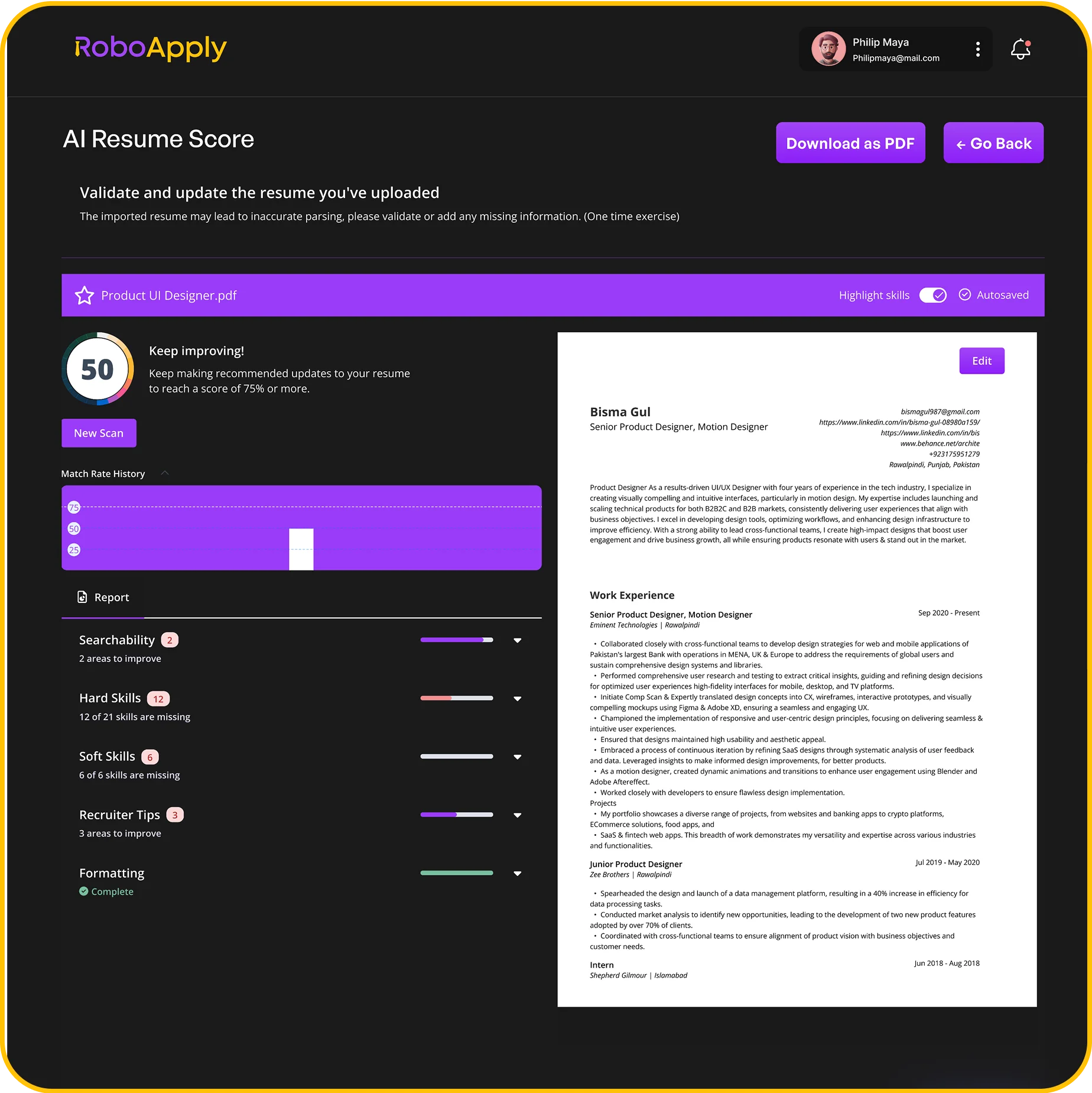
The AI Resume Builder formats your data entry background for ATS systems companies use. Your typing speed, accuracy rate, and software skills appear prominently. The system optimizes for data entry keywords automatically.
AI Auto Apply submits applications to multiple companies based on your qualifications. Your credentials reach more hiring managers without manual portal entries. You’re applying efficiently while preparing for interviews.
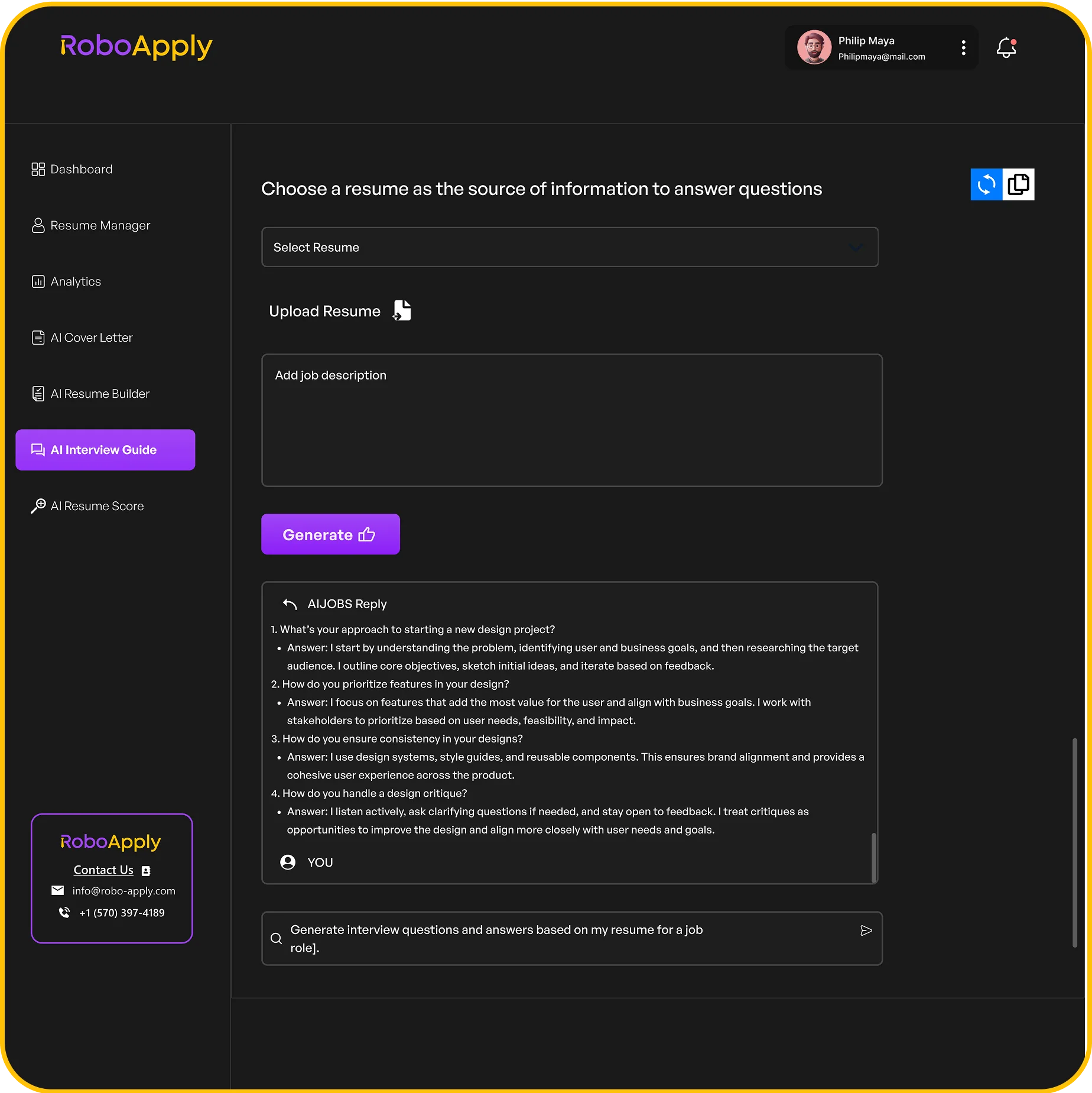
Interview Copilot prepares you for common data entry interview questions. You’ll practice discussing accuracy standards and handling high-volume work. The tool helps you present your skills confidently.
Frequently Asked Questions
How long should an application letter for data entry clerk be?
Keep your data entry application letter to one page, approximately 300-400 words. Hiring managers review many applications. Concise letters highlighting relevant skills perform best.
Should I mention my typing speed in the letter?
Yes, state your typing speed if it’s 50+ WPM. Include your accuracy rate if it’s above 95%. These metrics prove your technical capability immediately.
Do I need different letters for different data entry jobs?
Yes, customize each letter for the specific position. Mention their industry, required software, and data types. Generic letters rarely result in interviews.
Should my application letter include salary expectations?
No, avoid salary discussion in application letters. Data entry positions have established pay ranges. Discuss compensation during interview stages when employers raise the topic.
Can I mention remote work preference in my letter?
Only mention remote work if the position advertises remote or hybrid options. Otherwise, wait for interviews to discuss work arrangement preferences.