A cover letter for data entry clerk positions separates you from hundreds of other applicants. Hiring managers barely glance at most letters. Maybe 10 seconds tops.
You’ve got to grab attention fast. Show your typing speed, accuracy rate, and software skills right at the top. Make them want to read more.
This guide breaks down what actually works. No fluff. Just practical advice, real examples, and templates you can use today.
What Employers Really Want to See
Hiring managers aren’t reading for fun. They’re hunting for specific proof you can handle the job.
The Bureau of Labor Statistics tracks what employers prioritize. Speed matters. But accuracy? That’s the real deal-breaker.
Show Me the Numbers
Your accuracy rate matters more than anything else. Mistakes cost companies money and create extra work. That’s why smart employers want to see your actual error percentage.
Got 99.8% accuracy? Say it upfront. Don’t bury that stat.
Talk about how you catch errors too. Maybe you double-check everything before submitting. Or you use validation systems. Whatever your method is, mention it. Shows you care about quality.
Typing Speed Can’t Be Vague
Most jobs want 60 to 80 WPM minimum. Some need faster speeds. Put your exact number in the first paragraph.
Typing 75 WPM? Great. Say it early. Don’t make them hunt through paragraphs to find this basic info.
But here’s the thing. Speed without accuracy is useless. Someone typing 90 WPM with constant mistakes won’t beat a 70 WPM person who’s flawless.
Software Skills Need to Be Specific
Every company uses different tools. Check what they’re asking for in the posting.
Excel shows up almost everywhere. Google Sheets is super common now too. Lots of places use specialized databases or CRM systems.
According to Indeed’s research, mentioning specific software certifications boosts interview requests by 40%. That’s huge for something so simple.

Building Your Cover Letter for Data Entry Clerk
Every solid letter follows the same basic structure. Nothing fancy. Just organized and clear.
Keep it to one page. Use Arial or Calibri. Standard one-inch margins all around.
Contact Info Comes First
Put your name at the top. Phone number and email below that. Add your city and state.
Nobody needs your street address anymore. Email and phone are what count.
Then add today’s date. Below that, include the hiring manager’s name and title. Company name and address too. Don’t know the manager’s name? Call the office and ask. Shows you made an effort.
Open Strong
Your first paragraph either hooks them or loses them. State the exact job you want. Mention where you saw the posting.
Then hit them with your best stat immediately. Could be your WPM. Maybe it’s years of experience. Or an impressive number from your current role.
“I type 82 WPM with 99.9% accuracy” beats “I’m really good at typing” every single time.
Prove Your Value
This middle section is where you show what you bring. Pick two or three things from their job posting. Match each one with a real example from your work history.
Here’s what works when proving your value:
- Completed projects ahead of schedule
- Error rates you improved at past jobs
- Software you learned and mastered
- Processes you made more efficient
- Training programs you finished
Use numbers whenever you can. “Processed 500+ records daily” carries way more weight than “did data entry tasks.”
Match your experience to what they need. Healthcare company? Highlight your medical data work. Financial firm? Talk about your number accuracy. Make the connection obvious.
End With Action
Your closing needs to be direct. Tell them you’re interested. Thank them. Then ask for an interview.
Skip the weak language. “I hope to hear from you” sounds wimpy. Try “I’d like to discuss how I can contribute to your team” instead.
Put your phone number again. Make it easy to reach you. Sign off with “Sincerely” or “Best regards” and your full name.
Skills That Actually Matter
Generic claims don’t cut it anymore. You need specifics that match what employers posted.
LinkedIn’s data shows that aligning your skills with job descriptions increases callbacks by 60%. Worth the effort to customize.
Be Exact About Speed
State your words per minute. Add your accuracy percentage right next to it.
“I type 78 WPM with 99.7% accuracy” is concrete. Measurable. Way better than vague claims.
Speed improved over time? Share it. “Went from 65 to 85 WPM in six months” shows commitment to improvement.
List Your Software Honestly
Name every relevant program you know. Be real about your skill level though. Employers spot exaggeration fast.
Your list might include Microsoft Office, Google Workspace, database systems, CRM platforms, or industry-specific tools. Match what you know to what they use.
Specialized stuff helps most. Medical billing software for healthcare jobs. Inventory systems for warehouse positions. Industry match matters.
Explain Your Quality Process
How do you prevent errors? What’s your system for catching mistakes?
Maybe you review entries twice. Use Excel validation rules. Prefer peer reviews. Whatever your method is, describe it clearly.
Quality metrics strengthen this part. “Maintained the lowest error rate on my team for 18 months” proves consistency. “Caught 95% of errors during QC reviews” shows sharp attention.
Mistakes That Cost You Interviews
Even qualified people mess this up. These errors kill your chances before anyone reads your resume.
Watch for:
- Generic wording that fits any job anywhere
- Typos or grammar mistakes (terrible look for data entry)
- Talking about what you want instead of what you offer
- Going over one page long
- Unprofessional email addresses
- Same exact letter to every company
- Missing contact details
- Ignoring specific skills from the posting
- Passive voice throughout
- Mentioning salary when they didn’t ask
Harvard Business Review found customized letters get three times more responses than generic ones. Worth the time to personalize.
Another big mistake? Making it all about you. Employers care what you’ll do for them. Flip your language from “I want” to “I can provide.”
Sample Cover Letter for Data Entry Clerk
Here’s what actually works in practice.
Download Free Data Entry Clerk Cover Letter Templates
Notice the mix of short and longer sentences? That variation keeps it readable. The numbers prove capability without sounding like bragging.
Speed Things Up With Smart Tools
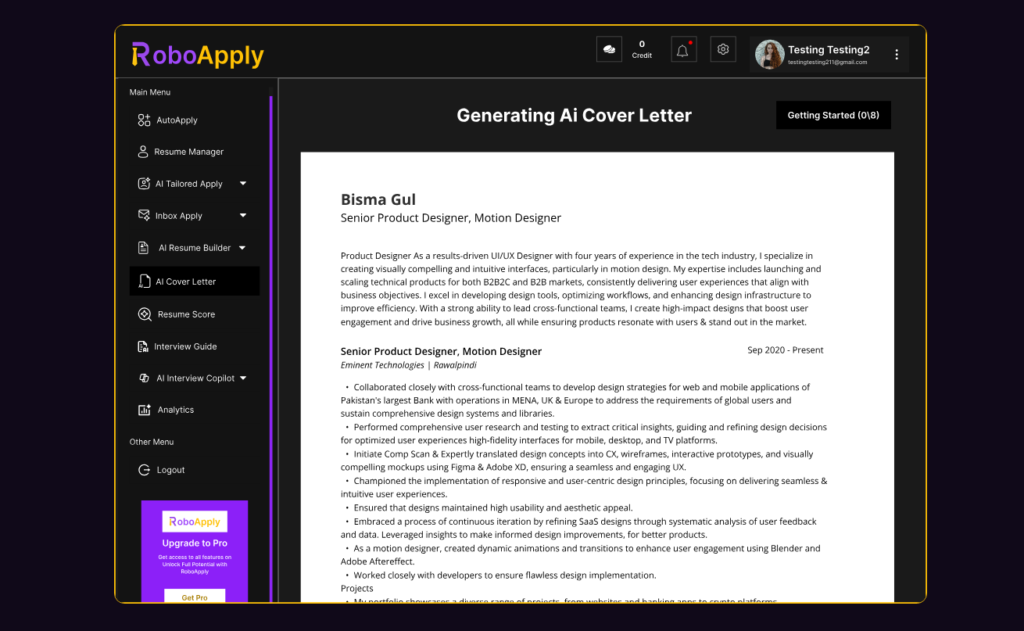
Writing custom letters for 50+ applications eats up tons of time. There’s smarter ways to handle this now.
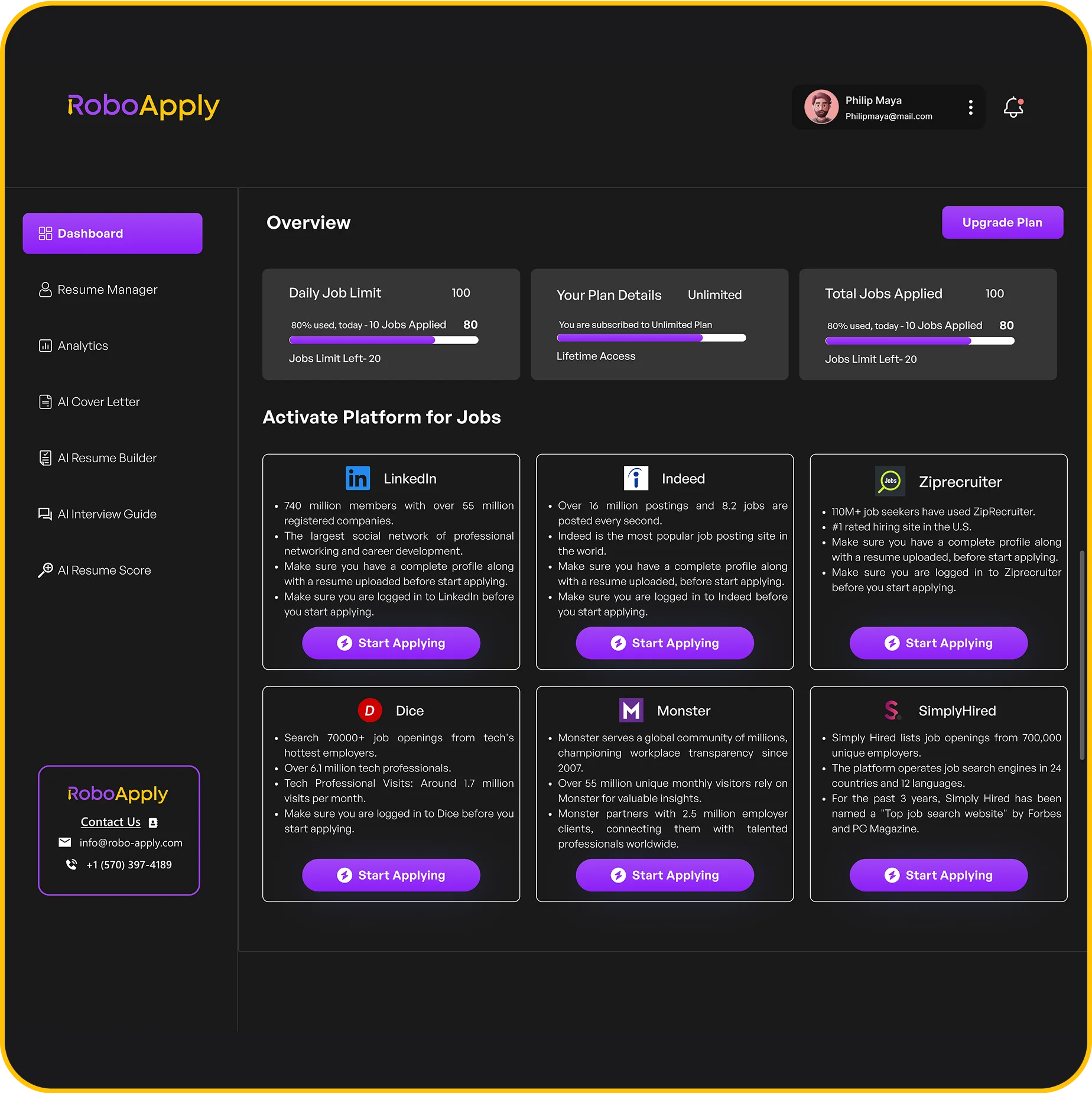
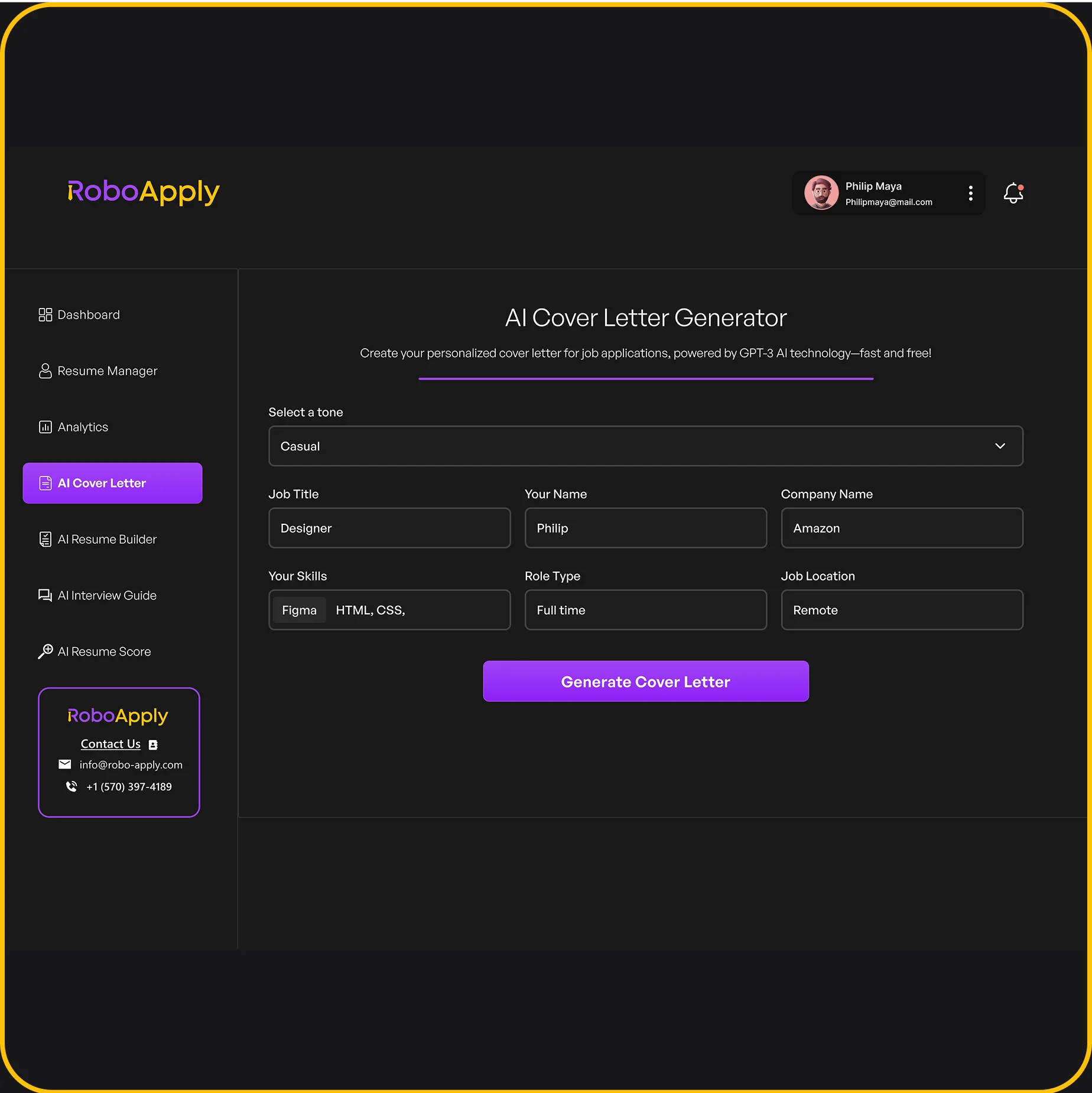
AI cover letter generators create personalized letters in seconds. They read job descriptions and match your background automatically.
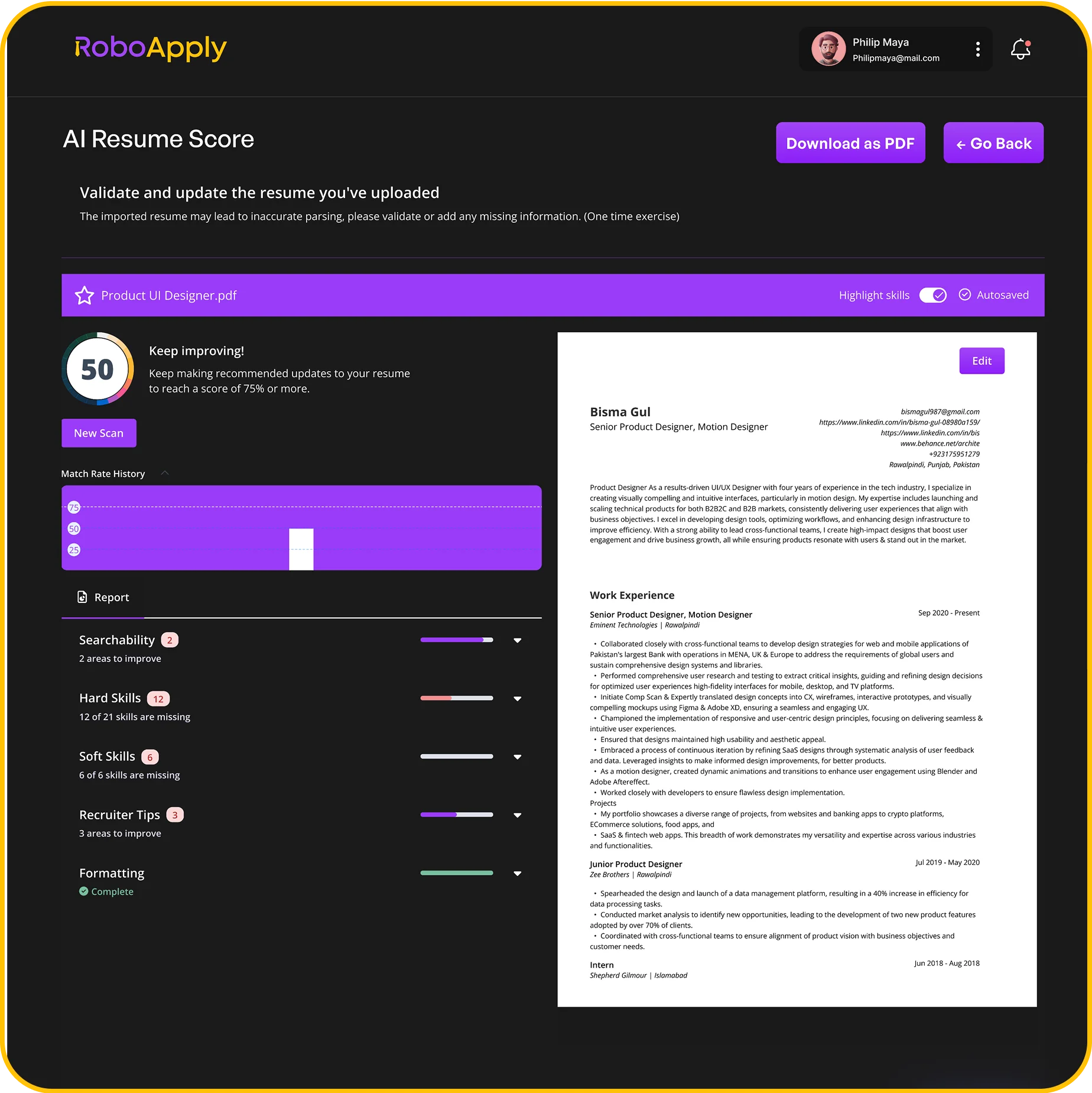
Want to check your application strength? Resume scoring tools show what hiring managers actually see. Fix weak spots before you apply.
Auto-apply systems take it further. They find matching jobs, customize your stuff, and submit everything while you prep for interviews.
ZipRecruiter’s research shows applying to more positions gets you hired faster. Automation lets you increase volume without losing quality.
Modern job platforms combine everything in one place. Resume building, application tracking, interview prep. No jumping between different tools.
Frequently Asked Questions
How long should a cover letter for data entry clerk be?
One page max. Shoot for 250-350 words across three to four paragraphs. Keep it tight.
Should I include my typing speed in a data entry cover letter?
Absolutely. Put your exact WPM and accuracy rate right upfront. It’s proof you meet basic requirements.
Can I use the same cover letter for multiple data entry jobs?
Nope. Customize each one. Use the company name and highlight their specific requirements.
What font should I use for my data entry clerk cover letter?
Arial, Calibri, or Times New Roman work best. Keep size between 10 and 12 points.
Do I need a cover letter if the posting doesn’t require one?
Yes. Always include one unless they specifically say not to. Gives you an edge over people who skip it.