A cover letter for medical receptionist positions separates you from everyone else applying. And trust me, there’s a lot of competition. Healthcare facilities get buried in applications.
You’ve got about 10 seconds to grab their attention. Maybe less. Your letter needs to show right away that you can handle stressed patients, juggle multiple tasks, and work with medical software.
Here’s the thing about medical reception. You’re the first person patients see when they walk in. The voice they hear on the phone when they’re worried. Your role shapes how they feel about the entire practice. Hiring managers get this. They’re looking for very specific proof you can handle it.
We’re covering exactly what works. What hiring managers actually want. How to structure your letter. Which skills to spotlight. Plus, you’re getting a template you can use today.
What Hiring Managers Actually Look For
Healthcare hiring managers scan fast. Really fast. They’re hunting for specific proof points. Can you handle difficult patients? Know your way around EHR systems? Stay organized when everything’s chaos?
Your cover letter for medical receptionist roles needs to answer these questions immediately. Not buried somewhere in paragraph three.
The Medical Group Management Association found that front desk performance directly affects patient satisfaction scores. That’s why they’re so picky about who answers their phones.
Patient Skills Come First
You’ll deal with sick, frustrated, or scared people every day. Someone waited too long. Another person got a confusing bill. Someone else just got bad news from their doctor.
Staying calm and helpful matters more than anything else. Healthcare runs on compassion. But compassion that actually gets things done.
Talk about real situations you’ve handled. Maybe you calmed someone panicking before a procedure. Or you spent extra time helping an elderly patient understand their insurance. Real examples stick way better than vague claims about being a “people person.”
Software Experience Gets Attention Fast
Most practices use electronic health records now. Epic, Cerner, Athenahealth, Meditech. You need to know at least one.
The Healthcare Information and Management Systems Society reports that over 95% of hospitals and medical practices use EHR systems. It’s not optional anymore. It’s baseline.
List every system you’ve used. Include billing software. Insurance verification tools. Scheduling platforms. Be specific about your experience level.
Got certifications? Say so. Completed training? Mention it. These details separate you from candidates who just claim they’re “good with computers.”
Multitasking Needs Clear Proof
Front desk work means doing six things at once. Answering phones while checking patients in. Processing co-pays while scheduling follow-ups. Handling walk-ins while updating charts.
Give concrete examples. Maybe you handled 50+ patient interactions daily. Or processed insurance for 30 patients while fielding 100+ calls. Numbers make it real.

Building Your Cover Letter Step by Step
Every strong letter follows the same structure. Nothing fancy. Just clear and organized.
One page. Always. Use Arial or Calibri. Standard margins. Professional but not stuffy.
Contact Info at the Top
Start with your name. Phone number and email below that. City and state too.
Skip the full street address. Nobody needs it. Your email and phone are what they’ll use.
Add today’s date. Then the hiring manager’s name if you found it. Facility name and address. Don’t have a name? Call and ask. Shows you made an effort.
Opening That Hooks Them
Your first paragraph either grabs them or loses them. State the exact job you want. Mention where you saw it.
Then lead with your strongest qualification immediately. Years of experience. EHR certification. Patient satisfaction scores from your current role.
“I’ve worked in medical reception for five years with a 98% patient satisfaction rating” beats “I’m very interested in this position” every time.
Middle Part Proves Your Value
This section shows you can do what they need. Pick three things from their job posting. Match each one with a real example from your work.
Connect your experience to their specific needs. Pediatric office? Highlight your experience with kids and nervous parents. Urgent care? Talk about handling high volume and fast pace.
What strengthens this section:
- Patient volumes you managed
- Insurance verification accuracy rates
- Scheduling improvements you made
- Software systems you mastered
- Training you completed or provided
- Problems you solved
Each example should tie back to something they want. Don’t make them guess why you’re bringing it up.
Closing With Confidence
End strong and direct. Restate your interest. Thank them. Ask for the interview.
Skip weak language. “I hope you’ll consider me” sounds timid. Try “I’d welcome the chance to discuss how I can contribute to your team” instead.
Put your phone number again. Sign off with “Sincerely” and your name.
Skills That Actually Matter
Certain skills matter way more in healthcare reception than other settings. Make sure hiring managers see these in your letter.
According to the Bureau of Labor Statistics, medical receptionists need stronger technical and people skills than general receptionists. The healthcare environment demands both.
Medical Terms and HIPAA
You need to understand basic medical terminology. Patients and doctors use it constantly. Mixing up conditions or misdirecting calls creates real problems.
HIPAA compliance isn’t optional. Facilities face massive penalties for violations. Show you understand patient privacy. Mention any HIPAA training you’ve done.
Taken medical terminology courses? Say so. Healthcare Administration certificates count too. These prove you’re serious about healthcare work.
Insurance and Billing
Insurance verification takes up huge chunks of your day. Practices need someone who can verify coverage quickly and accurately. Mistakes cost money and frustrate patients.
Talk about your experience with different types. Medicare has different rules than private insurance. Medicaid is different again. Workers’ comp is its own thing. The more you know, the better.
Billing software experience helps. Point-of-service collections matter. Co-pay processing matters. Be specific.
Phone Skills
You’ll spend half your day on the phone. Answering patient questions. Scheduling appointments. Handling pharmacy calls. Following up on lab results.
Your phone manner needs to be warm but efficient. Patients want to feel heard without being stuck on hold forever.
Mention call volume if you can. “Handled 80+ patient calls daily” shows you can manage traffic. “Maintained professional tone during difficult conversations” proves you stay calm under pressure.
Mistakes That Kill Your Application
Even qualified candidates mess up their letters. These errors cost interviews.
Research from Harvard Business Review shows customized letters get three times more responses than generic ones. Yet most people still send generic letters everywhere.
Watch for:
- Generic wording that fits any medical office
- Spelling or grammar errors (especially medical terms)
- Focusing on what you want instead of what you offer
- Going over one page
- Unprofessional email addresses
- Identical letters to every facility
- Forgetting HIPAA knowledge
- Ignoring requirements from the posting
- Passive voice throughout
Another big mistake? Not matching the facility type. A busy urgent care letter shouldn’t sound like one for a small family practice. Different settings need different approaches.
Sample Letter That Works
This works because it leads with relevant experience. Shows achievements with numbers. Addresses what they’re looking for. You can customize it for your applications.
Download Free Medical Receptionist Cover Letter Templates
Notice the sentence variety? Short statements mixed with longer ones. That keeps it readable and natural.
Speed Things Up With Smart Tools
Writing custom letters for every application takes forever. Most people apply to 20-30 facilities. That’s hours of work.
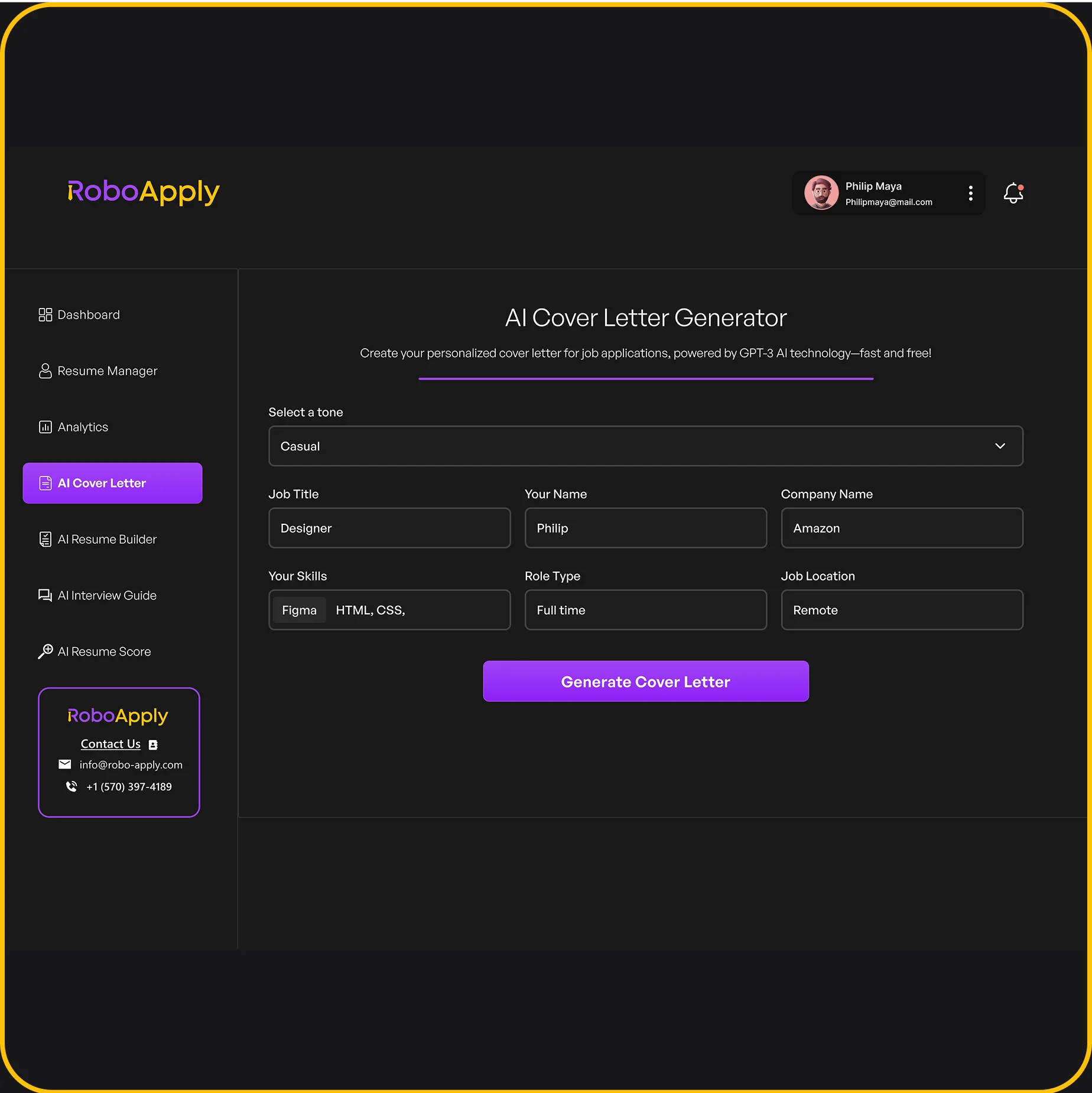
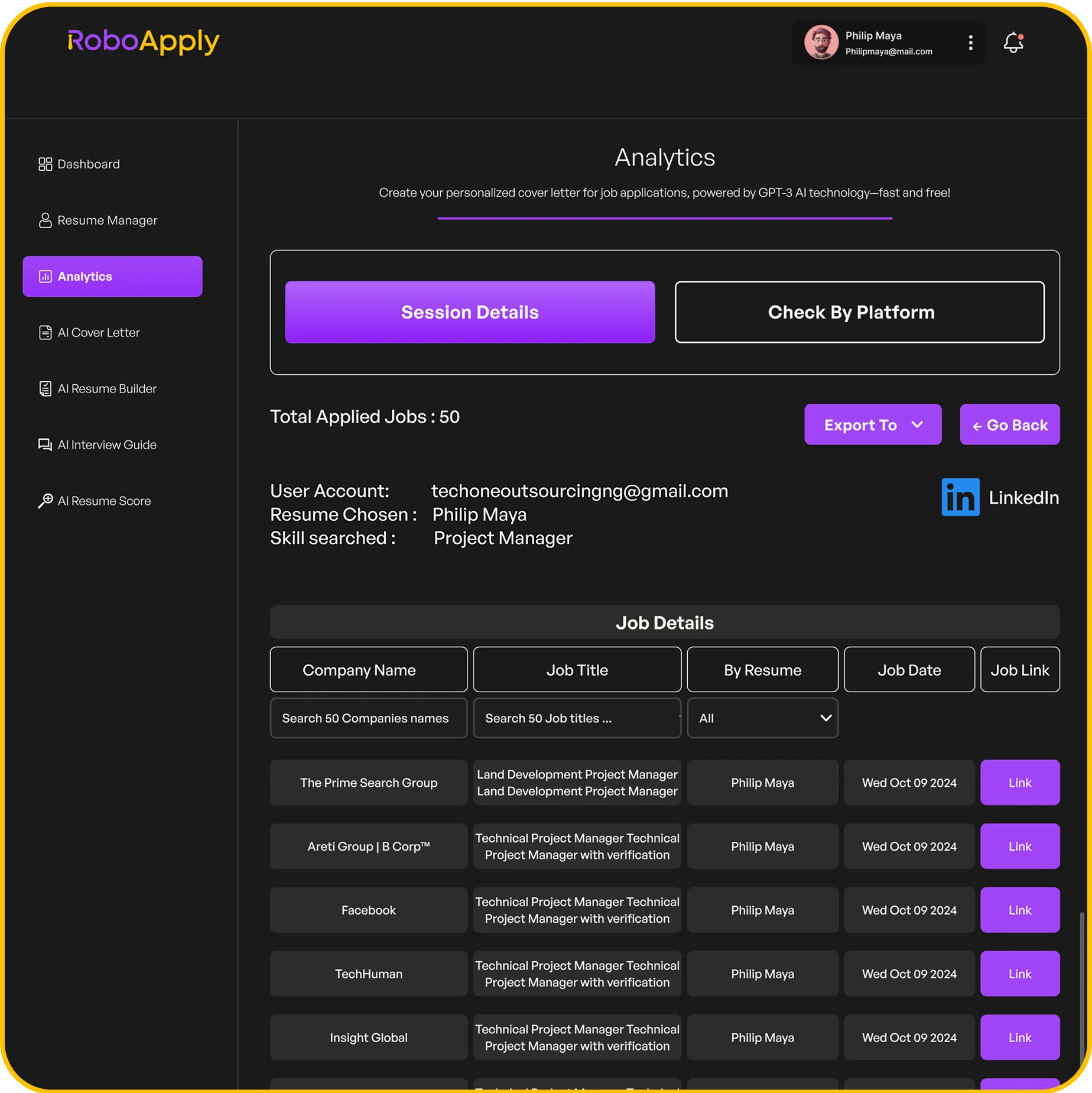
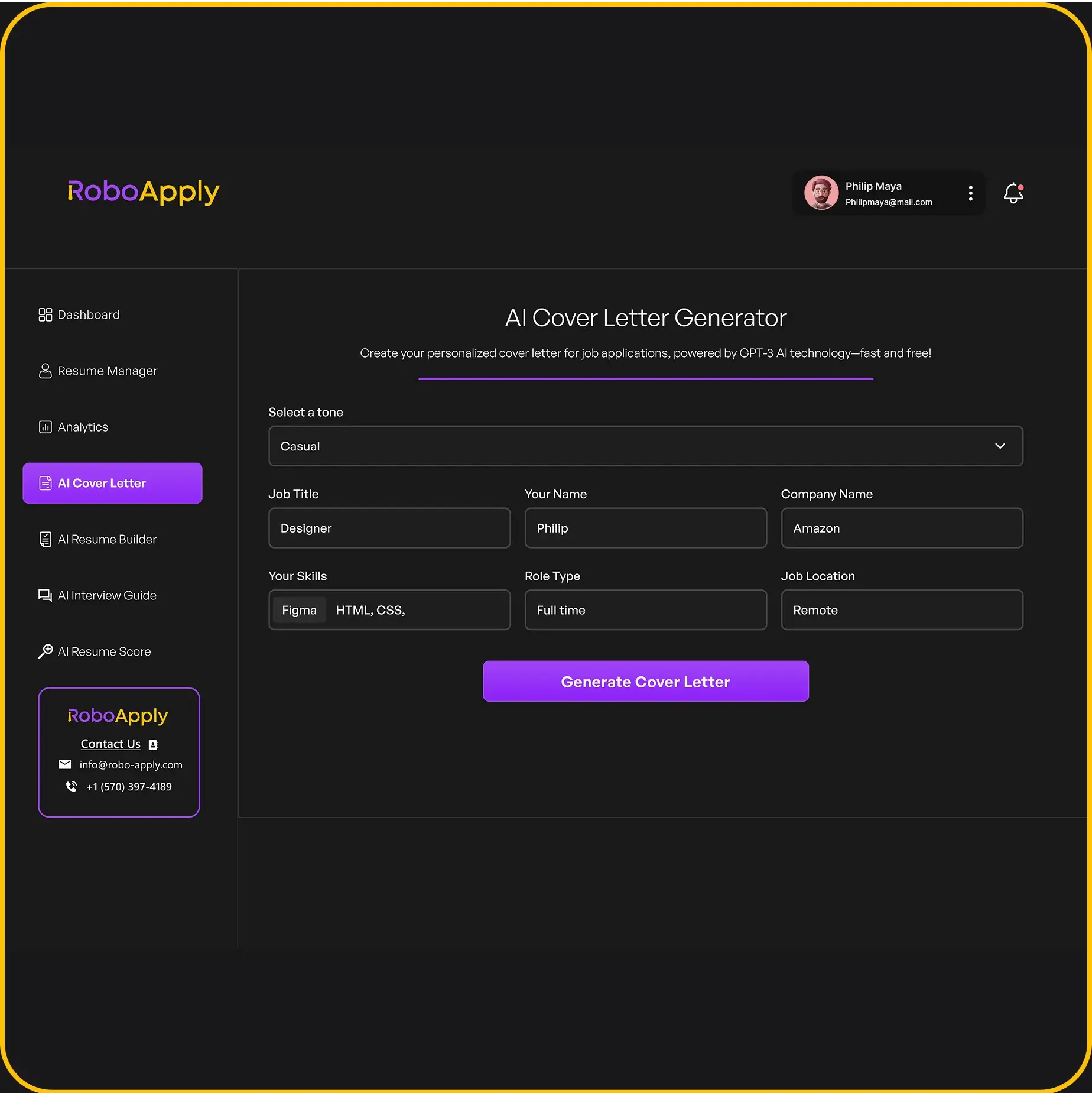
An AI cover letter generator creates personalized letters in seconds by reading job descriptions and matching your experience.
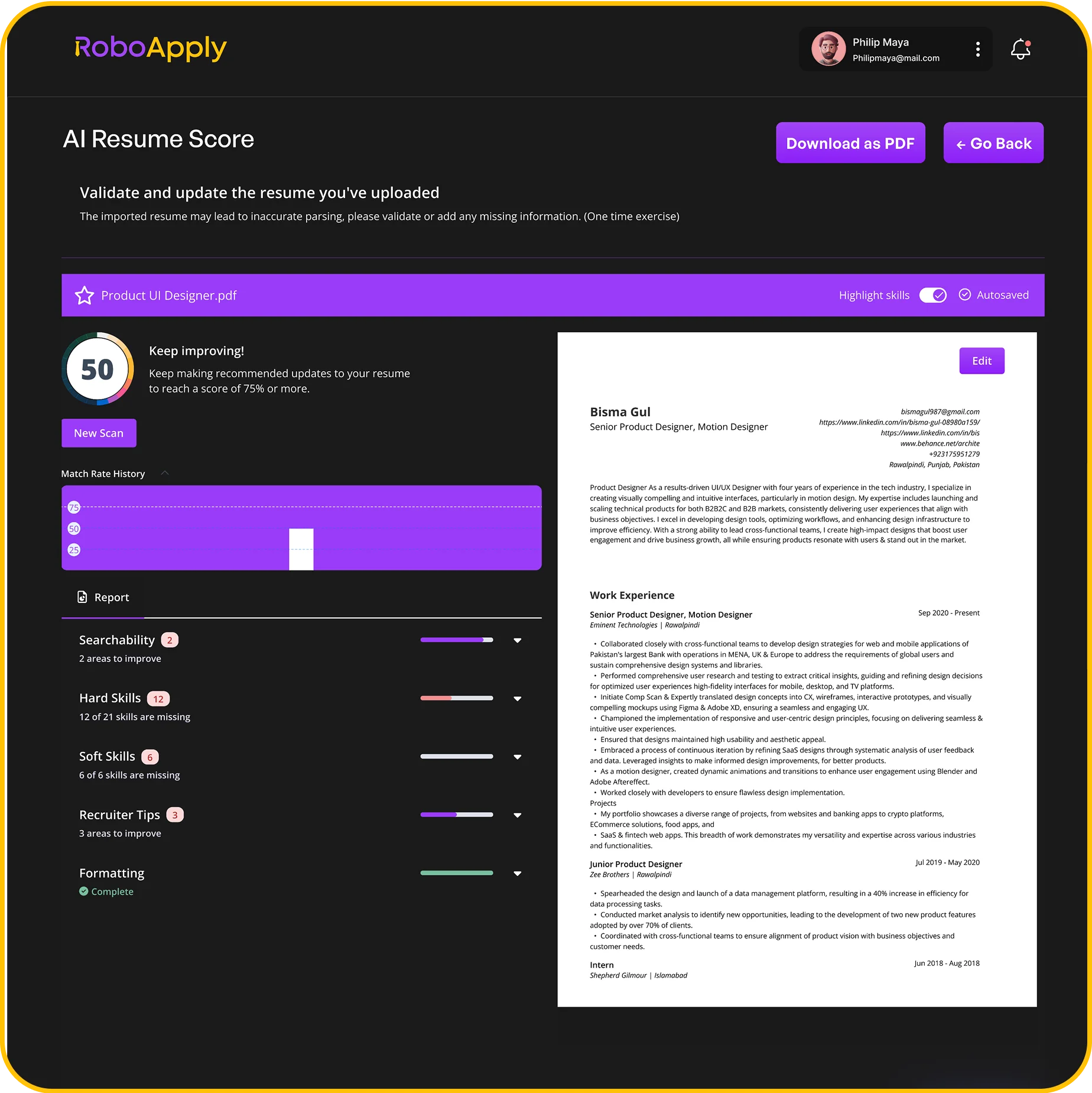
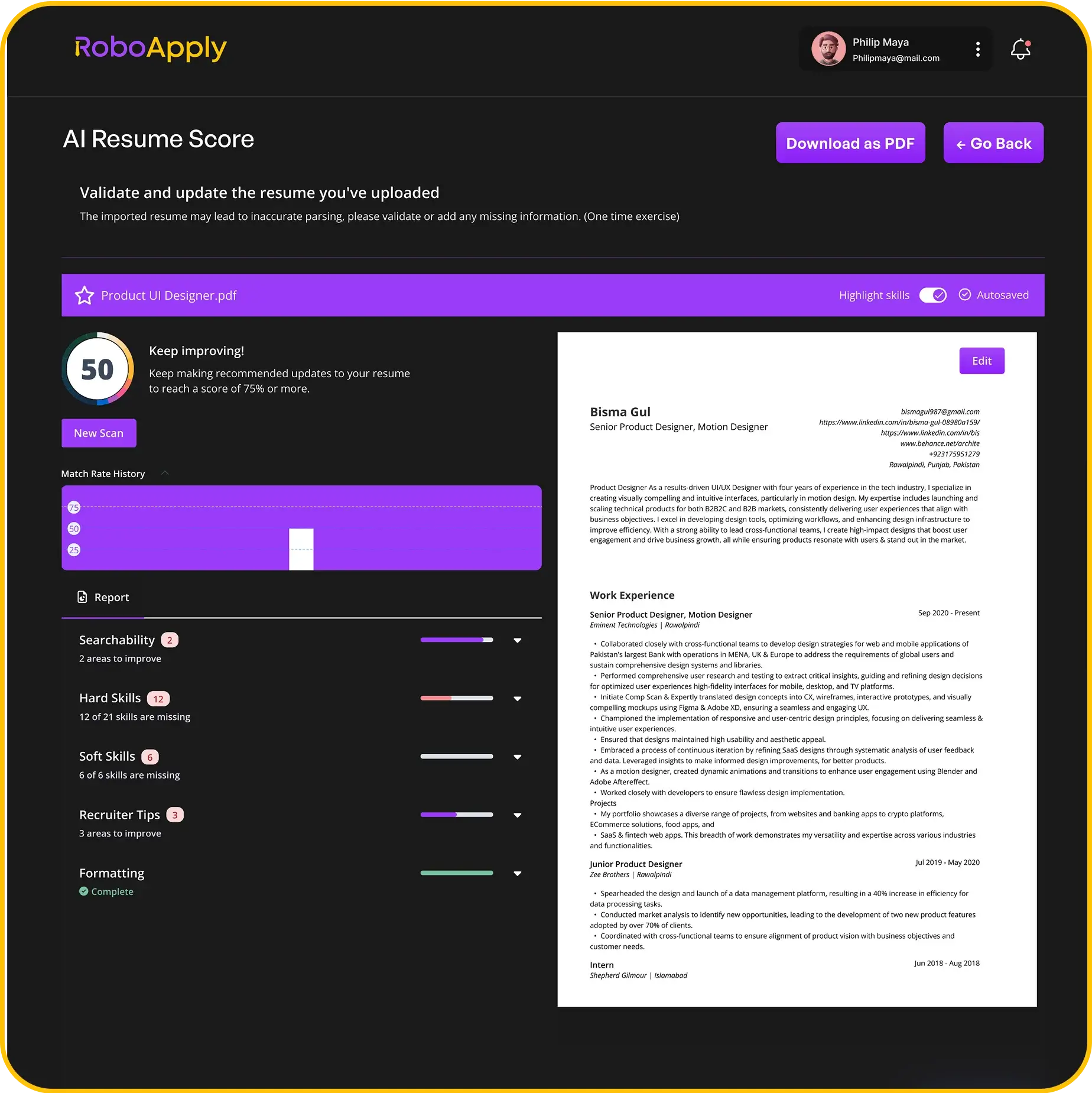
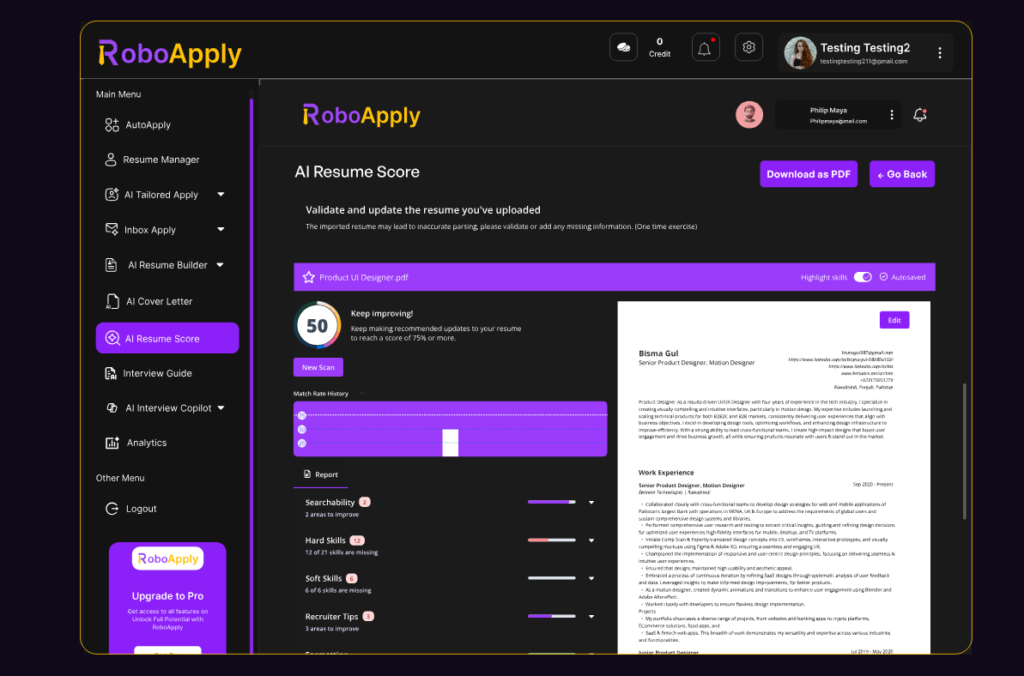
Want to check your application strength? A resume scoring tool shows what hiring managers see first. Fix weak spots before submitting.
For medical receptionist jobs specifically, AI resume tailoring adjusts your resume for each posting automatically. Picks up their keywords and highlights your relevant skills.
The Society for Human Resource Management found recruiters spend just 5-7 seconds on initial screening. Optimized applications make it past that first cut more often.
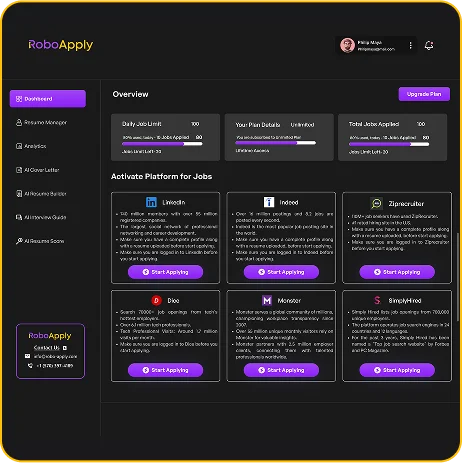
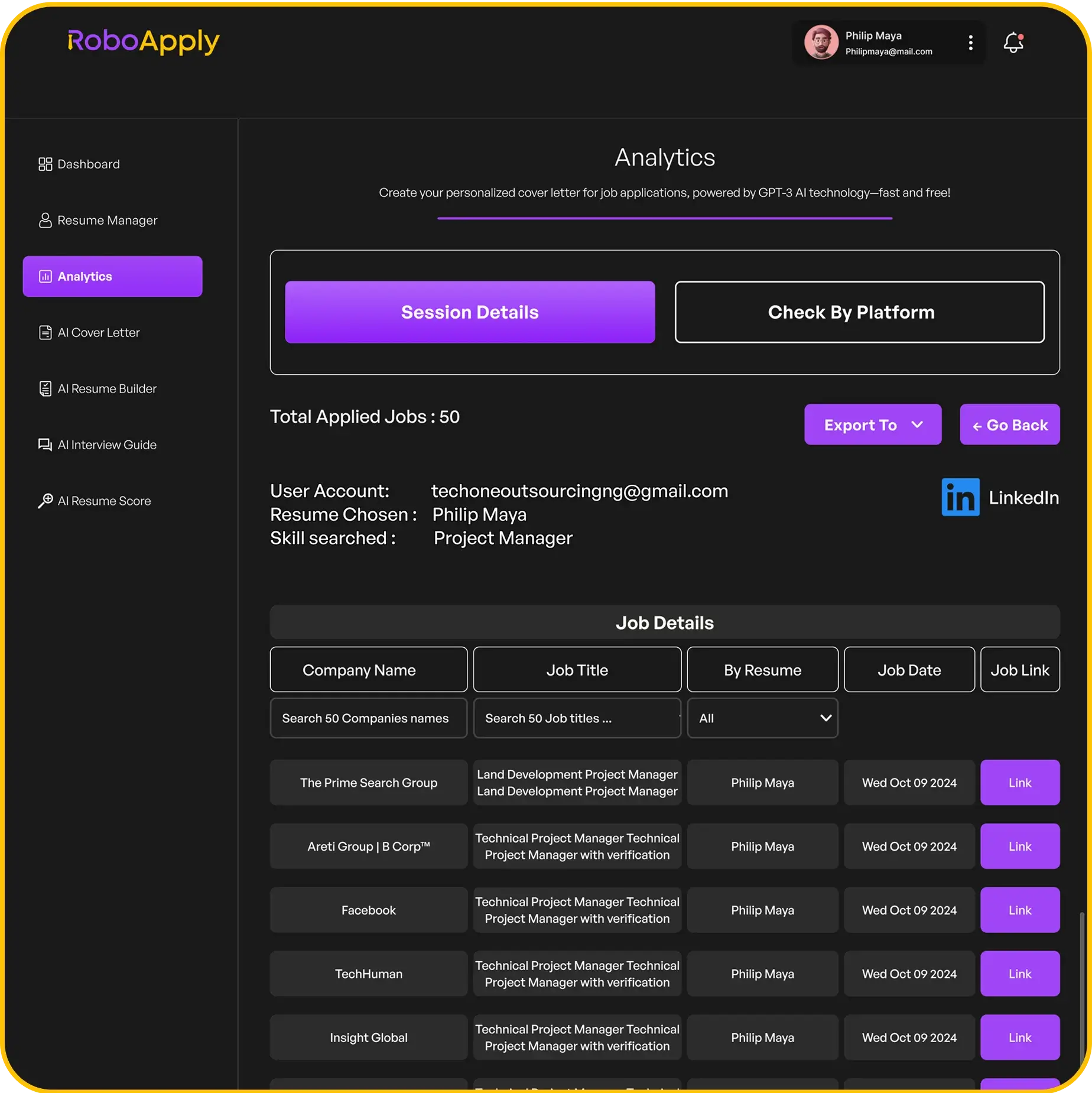
Automated systems take it further. They find matching jobs, create custom materials, and submit everything while you focus on interview prep.
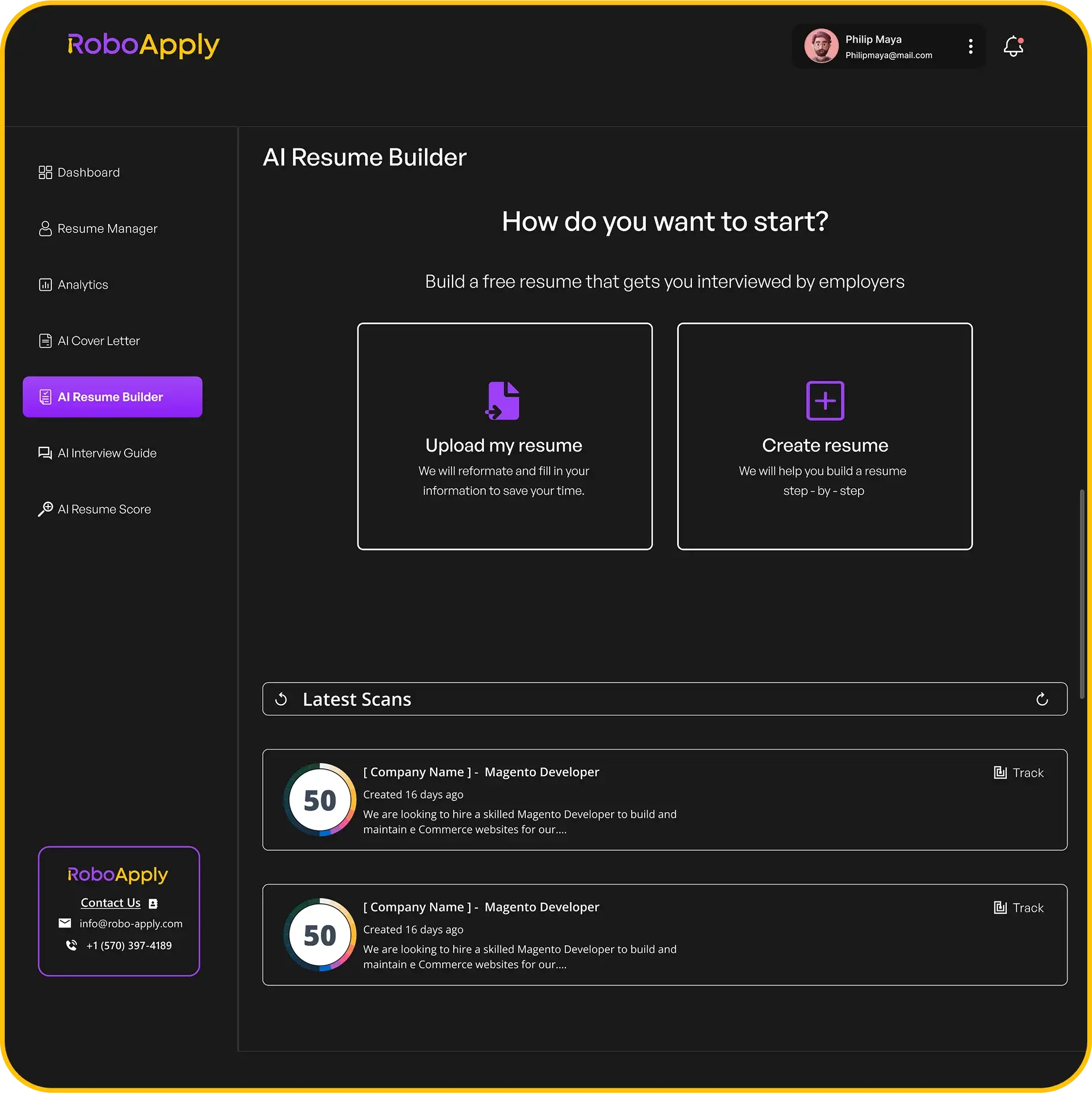
Modern job platforms combine everything in one place. Resume building, application tracking, interview prep. No jumping between tools.
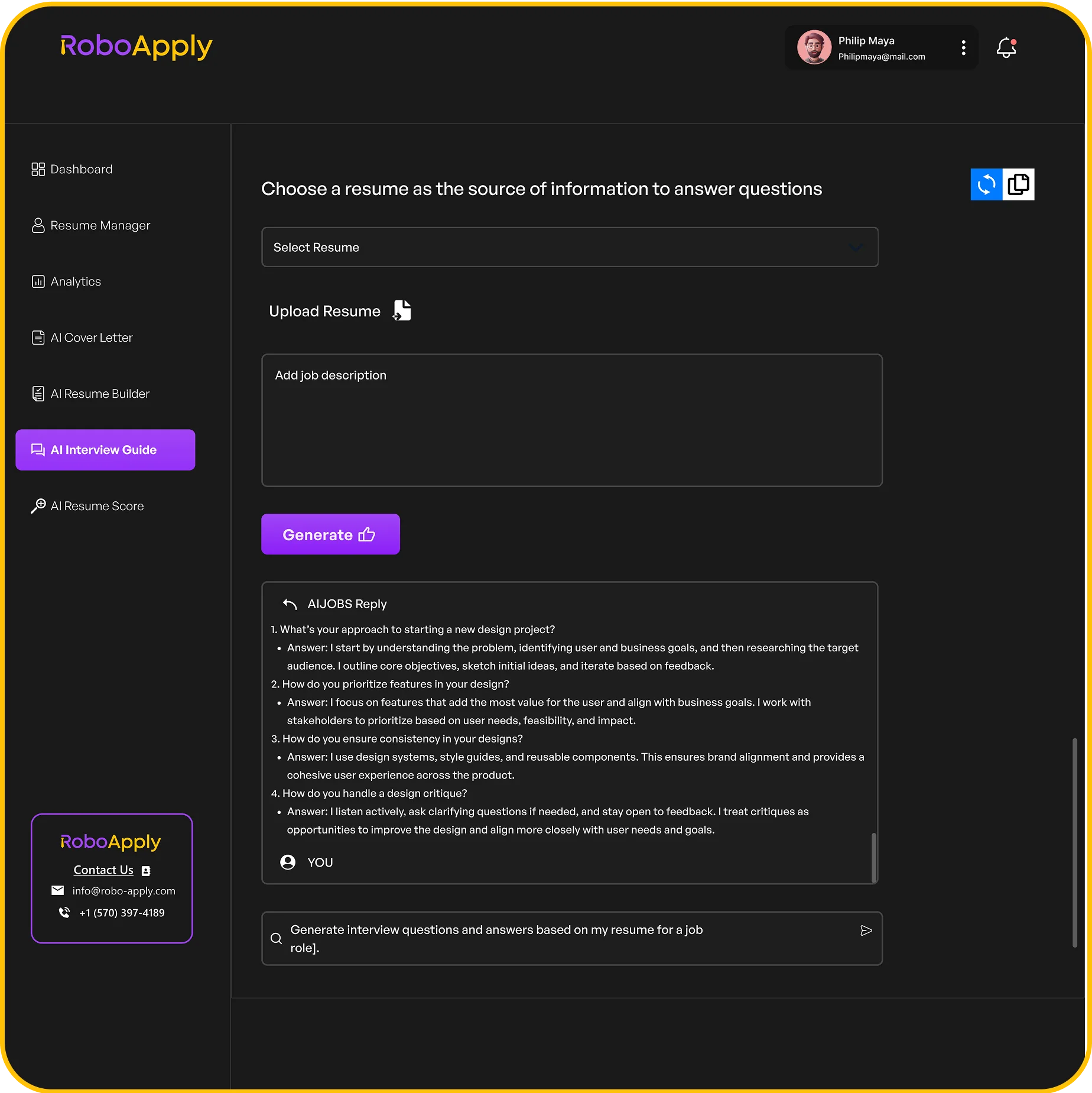
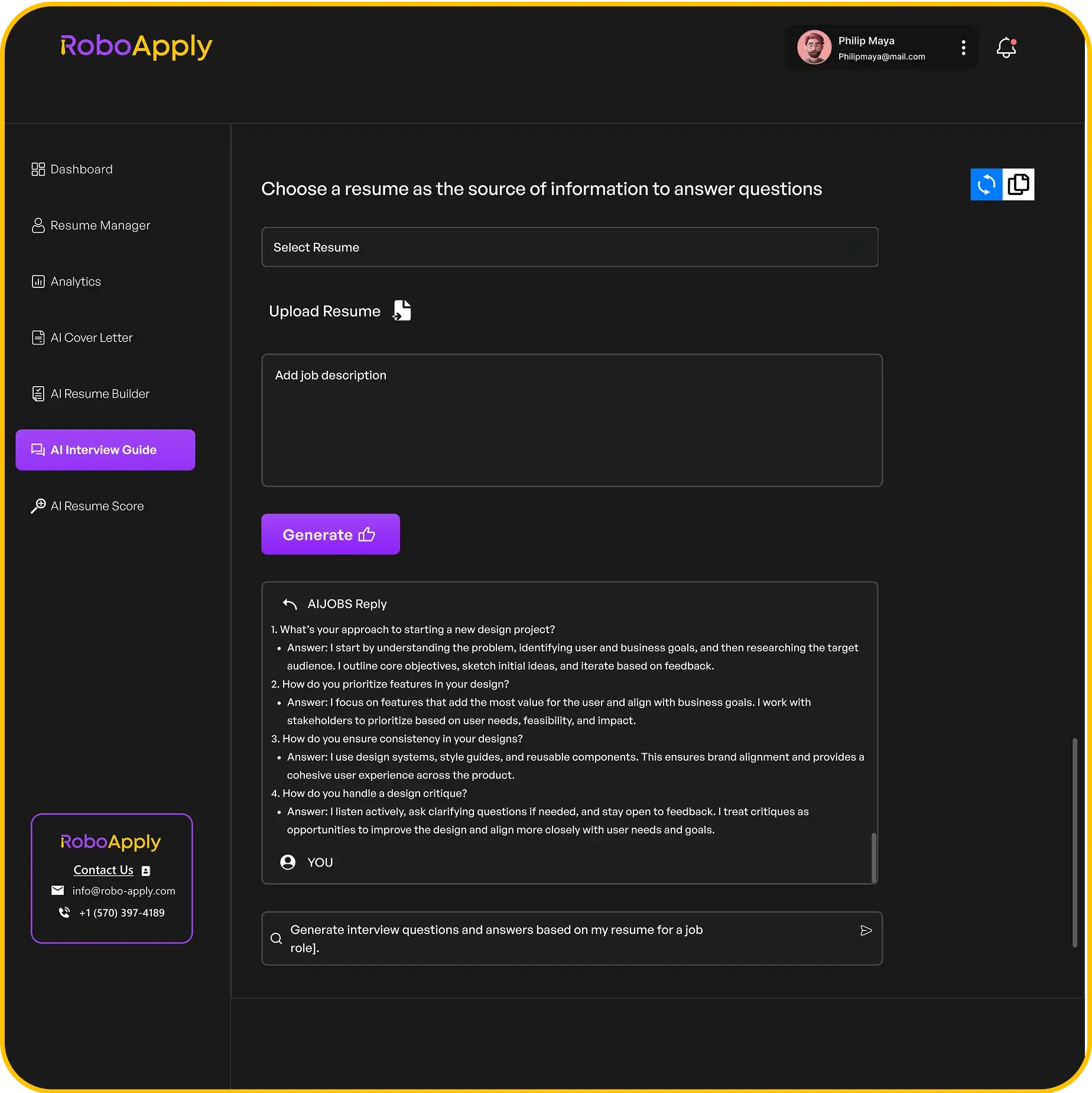
Need interview help? AI interview tools provide real-time support during video interviews.
Frequently Asked Questions
How long should a cover letter for medical receptionist be?
One page max. Shoot for 300-400 words across three to four paragraphs. Keep it tight and focused.
Should I mention my medical software experience in a medical receptionist cover letter?
Absolutely. List every EHR system, billing software, and scheduling tool you know. Software skills are critical.
Can I use the same cover letter for different medical facilities?
No. Customize each one. Use their facility name and match their specific requirements for better results.
What should I emphasize in a medical receptionist cover letter with no experience?
Highlight transferable skills like customer service, organization, multitasking, and any healthcare coursework or volunteer work you’ve done.
Do I need to mention HIPAA in my medical receptionist cover letter?
Yes. HIPAA knowledge is essential for all medical positions. Always mention any training or certification you’ve completed.