The best questions to ask an interviewee separate great hires from expensive mistakes. Most interviewers? They’re asking surface-level stuff that gets rehearsed answers.
You need questions that show how someone actually thinks. How they solve real problems. Whether they’ll fit your team. Not hypothetical scenarios. Real situations they’ve faced.
Bad questions waste time. Good ones reveal who can deliver. We’re covering exactly which questions work, what to listen for, and how to spot strong answers.
Why Your Interview Questions Really Matter
Your questions determine who you hire. Who you hire determines whether your team succeeds. Simple as that.
The Society for Human Resource Management found bad hires cost up to 30% of first-year salary. That’s before counting lost productivity or the time spent recruiting all over again.
The best questions to ask an interviewee focus on actual job situations. Real challenges they’ve handled and how they did it.
Traditional Questions Don’t Work
“Tell me about yourself” starts most interviews. It’s useless. You get a rehearsed career summary. Zero insight into whether they can do the job.
“What’s your biggest weakness?” Same thing. Everyone says “I’m a perfectionist” or “I work too hard.” Nobody’s being honest there.
Research from Harvard Business Review shows structured interviews focused on specific competencies predict job success 26% better than random conversations. That’s huge.
Better Questions Dig Into Past Behavior
The best questions to ask an interviewee explore what they’ve actually done. Past behavior predicts future performance better than anything else.
Someone who solved complex problems before will likely do it again. Someone who missed deadlines repeatedly? Probably still will.
You’re looking for patterns. Do they take ownership or blame others? Can they learn from mistakes? How do they handle pressure?
Best Questions to Ask an Interviewee About Problem-Solving
Problem-solving matters for almost every role. You need to understand how candidates think through challenges.
These questions show analytical abilities and creativity. How they break down complex issues. Whether they can find solutions under pressure.
Start with specific situations they’ve faced. Ask them to walk through their process. Details matter way more than outcomes.
Here’s what works:
- Walk me through the most complex problem you solved recently
- Tell me about fixing something that was completely broken
- Describe when the obvious solution didn’t work
- How’d you handle a project with constantly changing requirements
- Give me an example of learning something new really fast
Listen for how they describe their thinking. Do they analyze systematically? Ask for help when stuck? Pivot when the first approach fails?
Strong candidates break down their thought process clearly. They explain what they considered. What they tried. What worked and what didn’t.
They take ownership even when the problem wasn’t their fault. They focus on what they controlled. How they responded. What they learned.
Watch for specifics. Vague claims like “I’m great at problem-solving” mean nothing. You want concrete examples with real outcomes.

Best Questions to Ask an Interviewee About Teamwork
Most jobs require collaboration. You need to know how candidates work with others.
These questions reveal communication style and emotional intelligence. Whether they handle conflict well. What role they naturally take on teams.
Gallup research shows teams with strong collaboration are 21% more productive. Your questions directly impact this.
Focus on real team situations. How they contributed. How they handled disagreements. What happened when things got tense.
Questions that work:
- Describe disagreeing strongly with a team member
- Tell me about a project where teammates weren’t pulling weight
- Give me an example of when you had to compromise
- Walk through your most successful collaboration
- Describe working with someone really difficult
Pay attention to how they talk about others. Do they respect different viewpoints? See situations from multiple angles? Or always position themselves as right?
Red flags? Candidates who blame everyone else. “My team was lazy” or “Nobody understood the project.” These scream poor collaboration.
Vague responses like “I’m a team player” without examples tell you nothing. You need specific situations and outcomes.
Strong candidates own their role in both wins and losses. They explain what they learned from messy dynamics.
Best Questions to Ask an Interviewee About Work Ethic
Work ethic separates average employees from exceptional ones. You need to understand what drives them beyond a paycheck.
These questions reveal how they handle tight deadlines, setbacks, and challenging periods. Whether they take initiative or wait for direction.
Ask about situations that tested their commitment. How they pushed through impossible projects. What keeps them going when work gets hard.
Questions that get honest answers:
- Tell me about meeting an impossible deadline
- Describe your most challenging project and staying motivated
- Give me an example of going above and beyond
- Walk through a time you failed and what happened next
- How do you prioritize when everything feels urgent
The Bureau of Labor Statistics shows turnover costs companies billions annually. Hiring people with strong work ethic cuts this dramatically.
Look for self-motivation. Do they need constant supervision? Or solve problems before you know they exist?
Good candidates give specific examples of perseverance. They talk about learning from setbacks. How they improved skills independently.
They show ownership of their work. Pride in accomplishments. Accountability for mistakes.
Watch for genuine passion. People who care about their work naturally put in more effort. They’re always learning and improving.
Best Questions to Ask an Interviewee About Cultural Fit
Skills can be taught. Cultural fit can’t. You need people who align with your values and work style.
These questions reveal what environment helps them thrive. How they prefer to communicate. What management style works for them.
MIT Sloan Management Review found toxic culture is the top predictor of turnover. Getting fit right during interviews prevents this.
Ask about their ideal work situation. What energizes them. What drains them. Be honest about your actual culture.
Questions include:
- Describe where you do your best work
- What management style brings out your strengths
- Tell me about a culture where you thrived
- Give me an example of a workplace that didn’t fit
- How do you prefer receiving feedback
Be specific about your real culture. Remote or office? Collaborative or independent? Fast-paced or methodical? Don’t oversell. Honesty prevents bad matches.
Listen for alignment with your actual environment. If they love structure and you’re a startup, that’s a mismatch.
Strong candidates ask questions back. They want to understand your culture too. Shows they care about fit, not just any job.
How Smart Tools Help Everyone
Interviews stress everyone out. Candidates worry about answers. Interviewers worry about decisions.
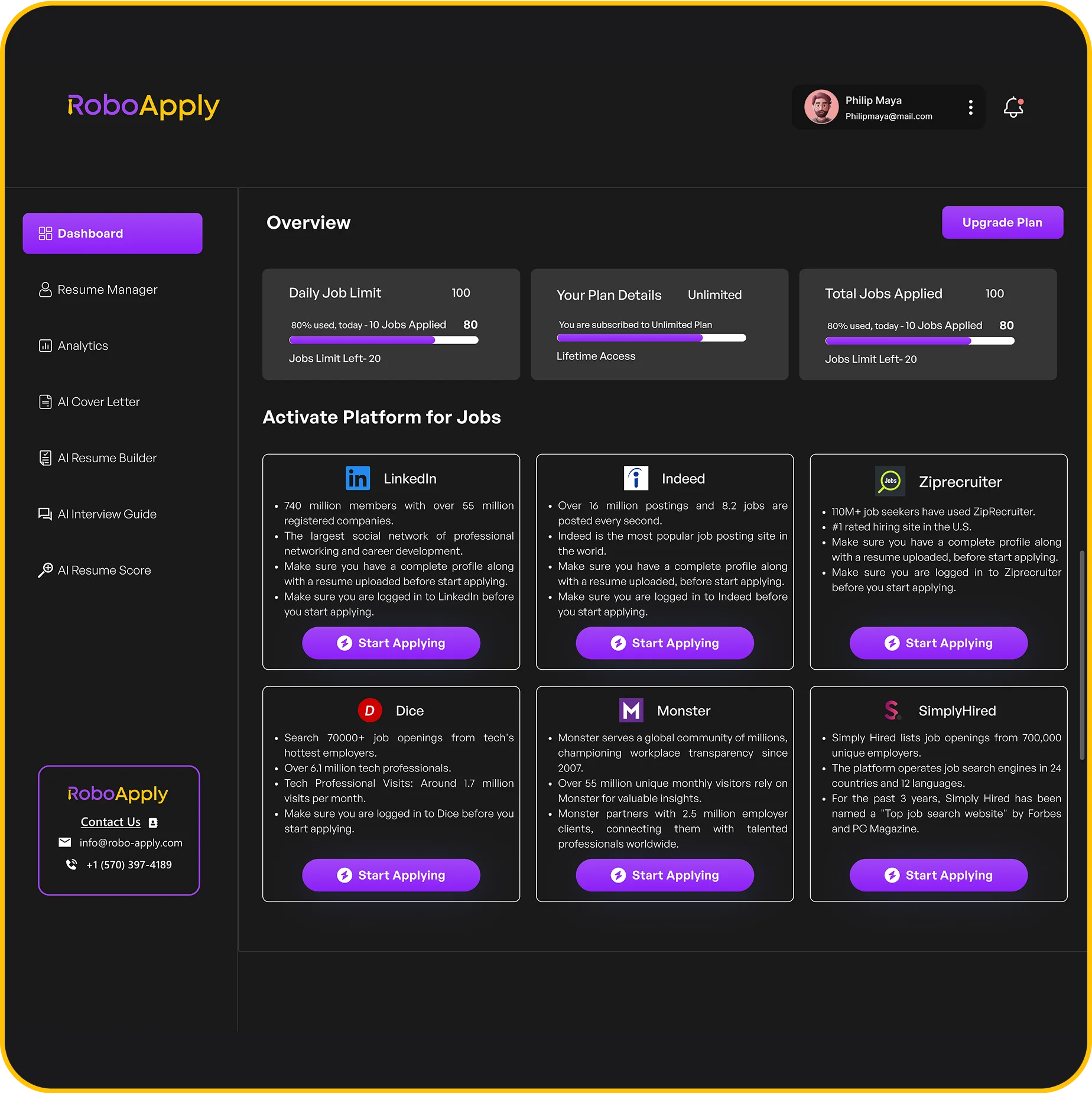
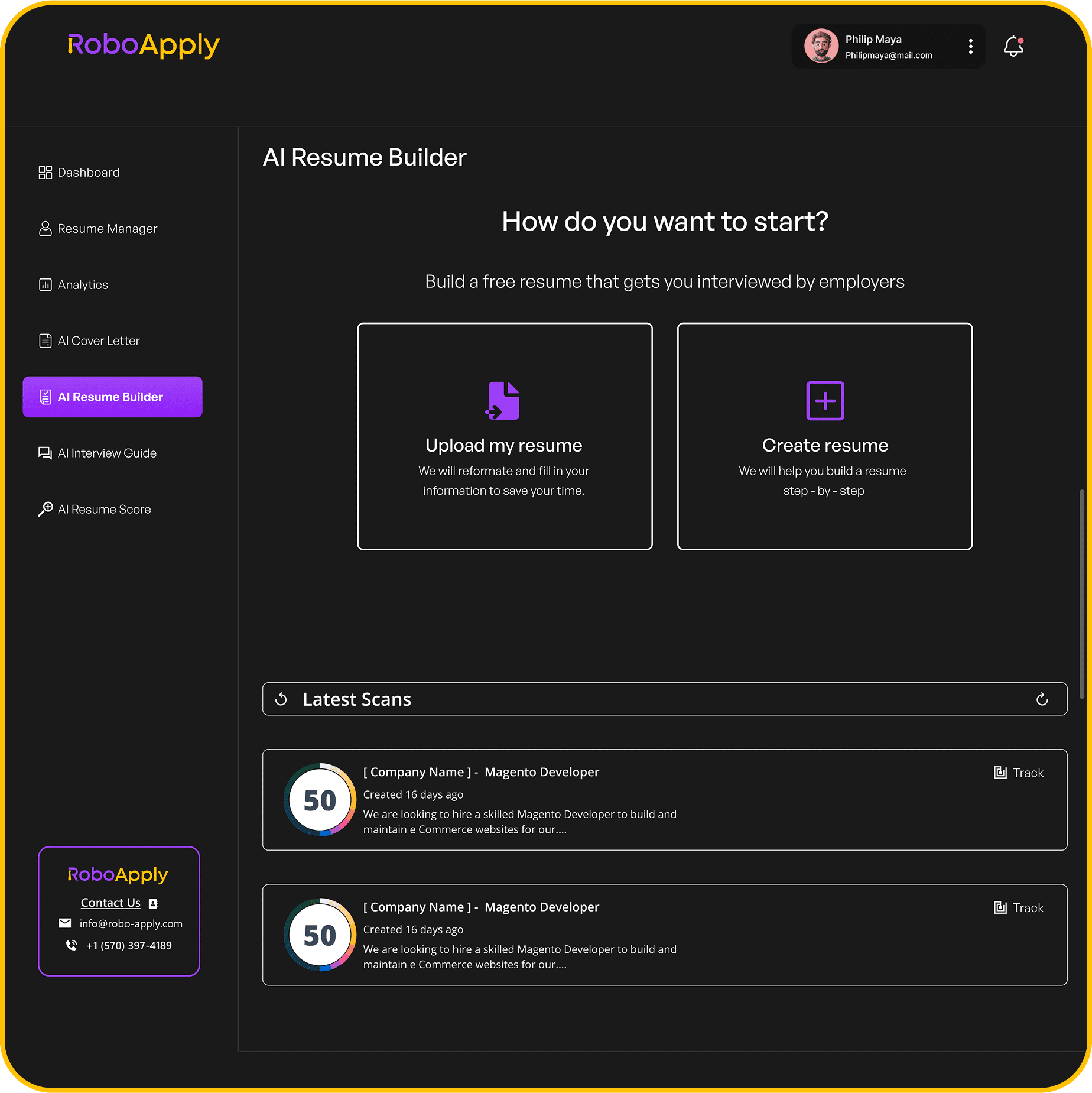
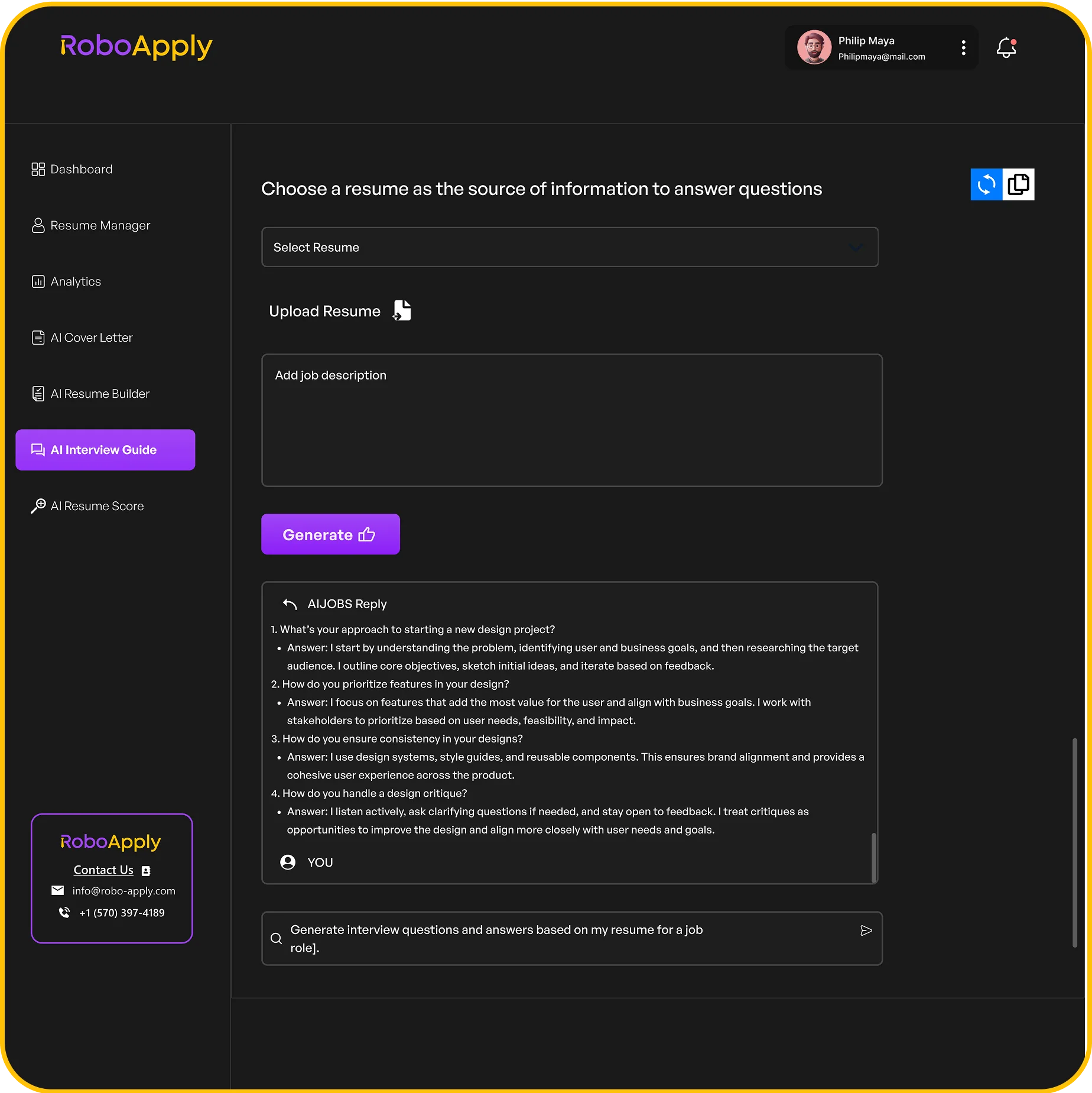
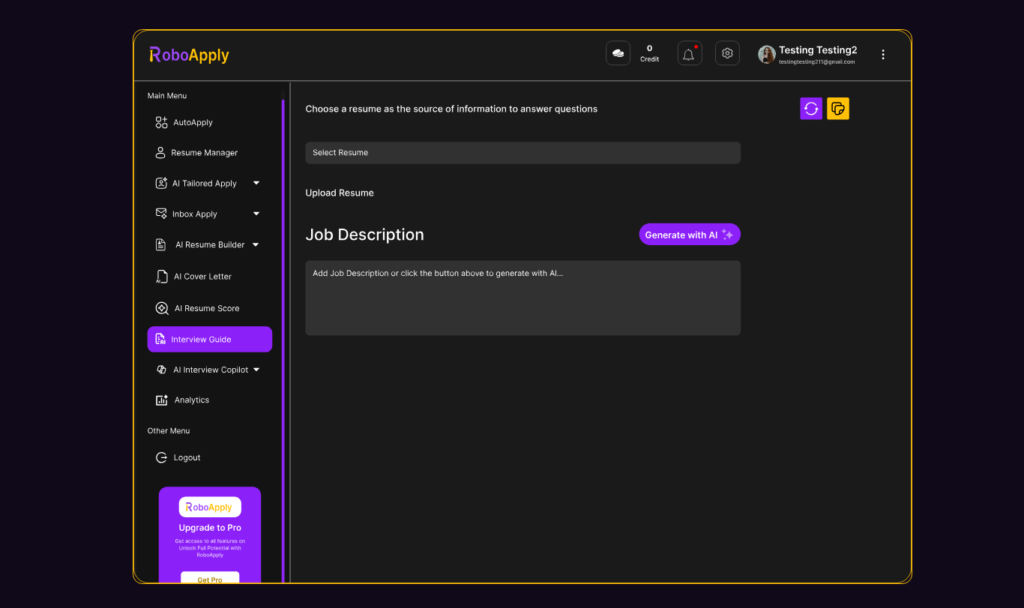
Job seekers can use AI interview prep tools to practice tough questions. Better-prepared candidates give more honest, detailed answers.
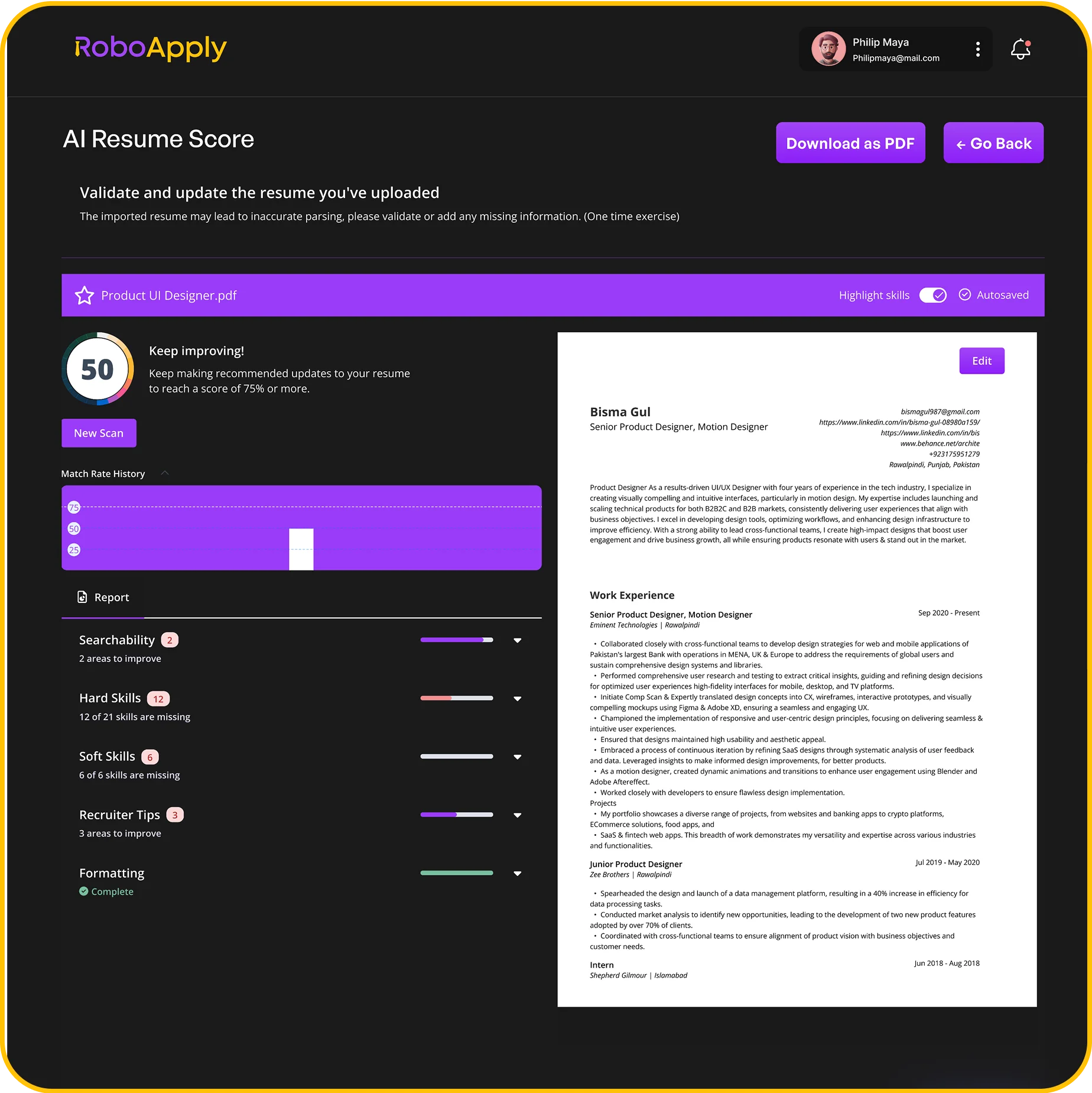
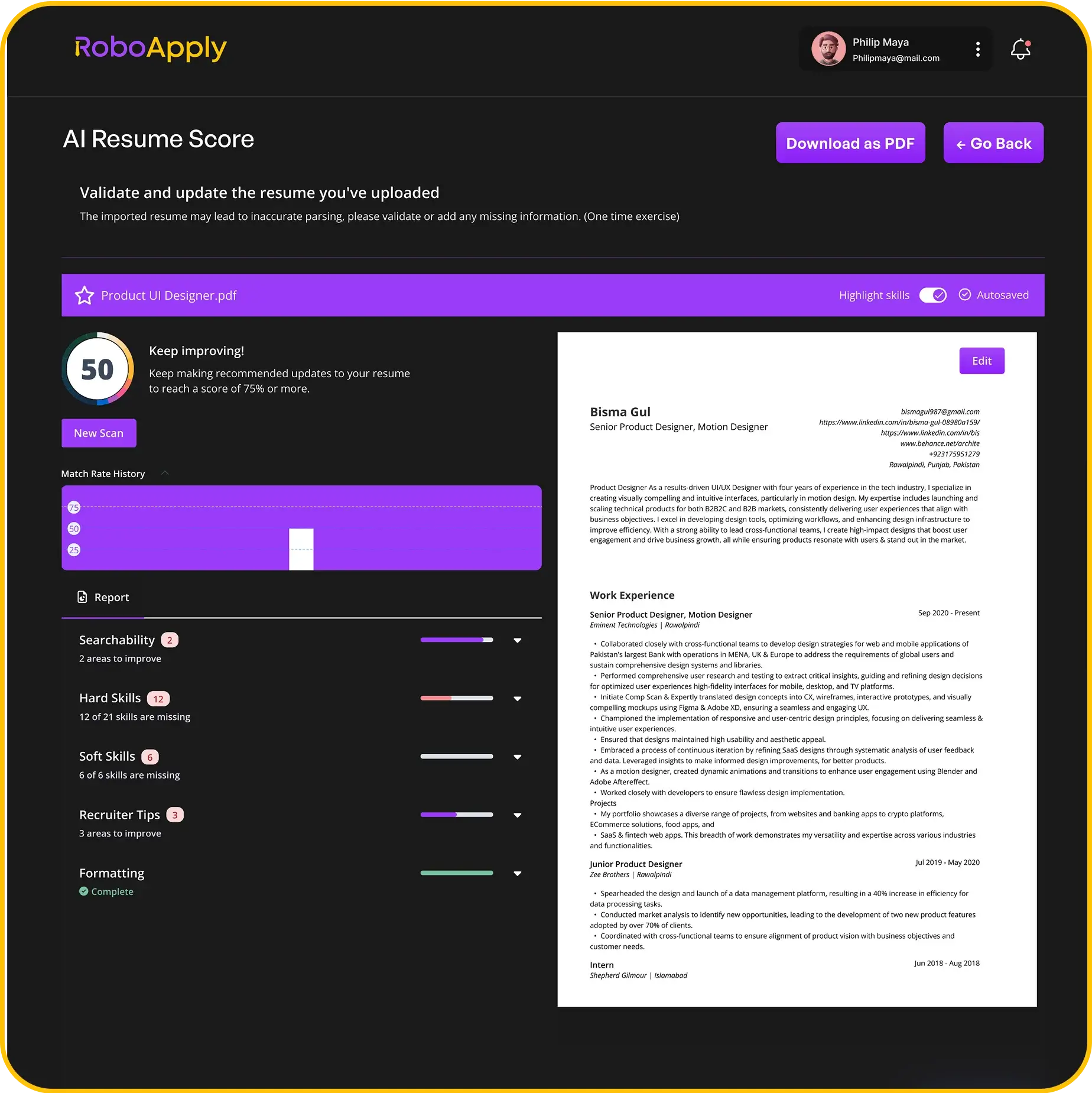
Resume scoring helps you identify top candidates before interviews. You spend time with people who actually match requirements.
Automated applications help qualified candidates apply efficiently. Better candidate pools lead to better hires.
Check out our interview guide for comprehensive prep on both sides. Modern job platforms combine everything in one place.
Structuring Your Interview Right
The best questions to ask an interviewee need structure. Random questions lead to inconsistent evaluations.
Start with easier questions. Build rapport first. End with time for their questions. This creates better conversations.
Take detailed notes. Don’t rely on memory. Document specific examples. Helps when comparing candidates later.
Use the same core questions for everyone. Add role-specific ones as needed. Maintain consistency in evaluating key competencies.
Frequently Asked Questions
What are the best questions to ask an interviewee?
Focus on behavioral questions about past experiences. Ask how they handled challenges, worked with teams, and solved real problems.
How many questions should I ask in an interview?
Plan 8-12 core questions for 45-60 minutes. Leave time for follow-up questions and their questions back.
Should I ask the same questions to every candidate?
Yes. Use identical core questions for fair comparison. Add role-specific ones as needed but maintain base consistency.
How do I know if an interviewee is giving good answers?
Look for specific examples with clear outcomes. Good answers show reflection, learning, and growth from past experiences.
Can I ask about salary expectations during interviews?
Yes, but wait until later rounds. Focus early interviews on skills and fit. Discuss compensation when seriously considering them.