Job interview Q and A preparation starts with understanding what employers actually want to hear. Specific examples ready to go. Stories proving your capabilities. Answers showing how you solve problems.
Most candidates wing interviews completely. They ramble. Freeze on tough questions. Miss obvious chances to shine.
This guide shows exactly how to answer common interview questions. What hiring managers listen for. Which stories work. How to structure responses that get you hired.
Why Interview Preparation Actually Matters
Hiring managers ask surprisingly similar questions across industries. They’re testing specific competencies. Looking for red flags. Evaluating how you think under pressure.
Research from TopResume shows 92% of interviewers ask variations of the same 15 questions. Prepare for these and you’ve covered most interviews.
Your answers reveal more than you realize. Managers hear confidence or uncertainty instantly. They spot rehearsed scripts versus authentic examples. They notice whether you focus on yourself or the company’s needs.
Strong answers follow patterns. They use specific examples with context. They quantify results. They connect your experience directly to the employer’s needs.

Essential Questions You’ll Face Every Time
Certain questions pop up in almost every interview. You need solid answers ready.
Tell Me About Yourself
This opens nearly every interview. You’ve got maybe 90 seconds to make an impression. Don’t recite your resume. Don’t start with childhood stories.
Cover three things fast. Your current role and key strength. One major achievement with numbers. Why you’re interested in this specific position.
Bad example: “Well, I grew up in Ohio and always loved working with people…”
Strong example: “I’m a marketing coordinator specializing in social media campaigns. Last year I increased our Instagram engagement by 150% while cutting ad spend 20%. I’m excited about this role because your brand’s mission aligns perfectly with my experience in sustainable fashion marketing.”
See the difference? The strong answer stays concrete. Quantifies success. Connects to their needs immediately.
Why Do You Want This Job?
Employers hear this question’s real meaning: “Did you research us or are you desperate?”
Never mention salary or benefits first. Focus on the company’s mission, specific projects, or growth trajectory instead.
Research thoroughly before any interview. Read recent news. Check their social media. Understand their challenges. Harvard Business Review research confirms candidates referencing specific company initiatives receive 3x more offers.
What Are Your Strengths?
Don’t just list adjectives. Anyone can claim they’re “hardworking” without proof.
Pick 2-3 strengths relevant to the job. Back each with a specific story. Include measurable outcomes.
Use this structure: State the strength. Give a concrete example. Share the result.
Example: “I excel at turning around underperforming projects. At my last company, I inherited a client account losing $50K monthly. Within three months, I restructured their strategy and turned it profitable. That account now generates $200K annually.”
Numbers make your claims credible. Stories make them memorable.
What’s Your Greatest Weakness?
This question trips up countless candidates. They either fake-humble-brag (“I work too hard!”) or share genuinely disqualifying flaws.
Pick a real weakness that’s not critical to this job. Show how you’re actively improving it. Demonstrate self-awareness.
Bad answer: “I’m a perfectionist who sometimes works too many hours.”
Better answer: “I used to struggle delegating tasks. I wanted controlling every detail. Last year I took a management course and practiced assigning projects with clear parameters. My team’s productivity increased 30% and I freed up time for strategic planning.”
The key is showing growth. You acknowledge a challenge. You took action. You achieved better results.
Behavioral Interview Questions That Reveal Character
Behavioral questions start with “Tell me about a time when…” They’re testing how you handle real situations. Your past behavior predicts future performance.
Research from SHRM indicates behavioral interviews predict job success 55% more accurately than traditional questioning.
The STAR Method You Need
Structure behavioral answers using STAR. Situation, Task, Action, Result.
Here’s how it breaks down:
- Situation: Set the context briefly. What was happening?
- Task: Explain your responsibility. What needed doing?
- Action: Describe what you specifically did. Use “I” not “we.”
- Result: Share the outcome with numbers when possible.
Example question: “Tell me about a time you solved a difficult problem.”
STAR answer: “Our biggest client threatened to leave after a product malfunction. As account manager, I needed to retain them and prevent similar issues. I personally visited their office, listened to all concerns, and worked with engineering to fix the problem within 48 hours. The client stayed, increased their contract by 40%, and referred two new accounts.”
Practice 5-7 STAR stories covering different competencies. Teamwork. Leadership. Problem-solving. You can adapt these stories to multiple questions.
Common Behavioral Questions Worth Preparing
Prepare answers for these situations:
- Describe a time you failed and what you learned
- Tell me about a conflict with a coworker and how you resolved it
- Share an example of leading a team through change
- Explain a situation where you had to meet a tight deadline
- Describe how you handled a difficult customer
Each story should take 90 seconds maximum. LinkedIn research shows interviewers remember three key details maximum per answer.
Questions You Should Ask Them
Interviews end with “Do you have questions for us?” This matters more than candidates realize.
Never ask about salary or vacation in first interviews. Ask about the actual work itself.
Strong questions that impress:
- What does success look like in this role after six months?
- What challenges is the team currently facing?
- How would you describe the company culture?
- What opportunities exist for professional development?
- What’s your favorite part about working here?
These questions reveal whether the company suits you. They show you’re evaluating fit, not just begging for any job.
Common Mistakes That Kill Offers
Certain errors destroy your chances instantly.
Arriving late shows disrespect. Plan to arrive 10-15 minutes early always.
Speaking negatively about previous employers makes hiring managers wonder what you’ll say about them eventually. Stay positive or neutral.
Failing to prepare questions suggests you don’t care. Have 3-5 thoughtful questions ready minimum.
Not following up after interviews is a missed opportunity. Send a thank-you email within 24 hours. Reference something specific from your conversation.
Handling Unexpected Questions
Interviewers sometimes throw curveballs. Stay calm.
For questions you didn’t expect, pause briefly. It’s better to pause three seconds than ramble for three minutes. Say “That’s a great question, let me think for a moment” if you need time.
If you don’t know something, admit it honestly. Then explain how you’d find the answer. “I haven’t encountered that specific situation, but I’d approach it by…”
Forbes research shows honesty about knowledge gaps increases trust 68% compared to faking expertise.
How RoboApply Helps You Land Interviews
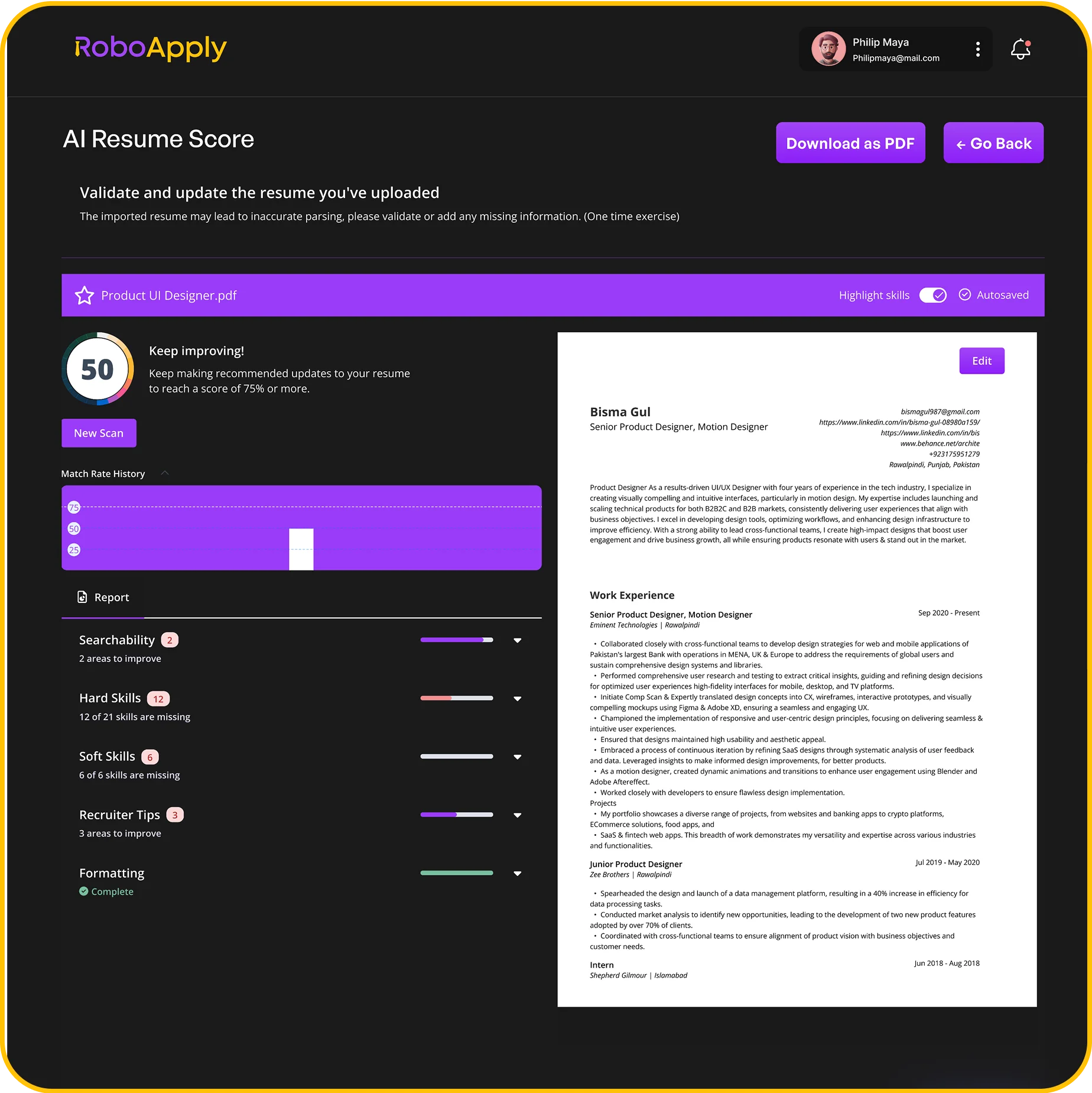
Landing interviews requires strong applications first. You need resumes passing ATS screening. Cover letters grabbing attention. Materials that get you called.
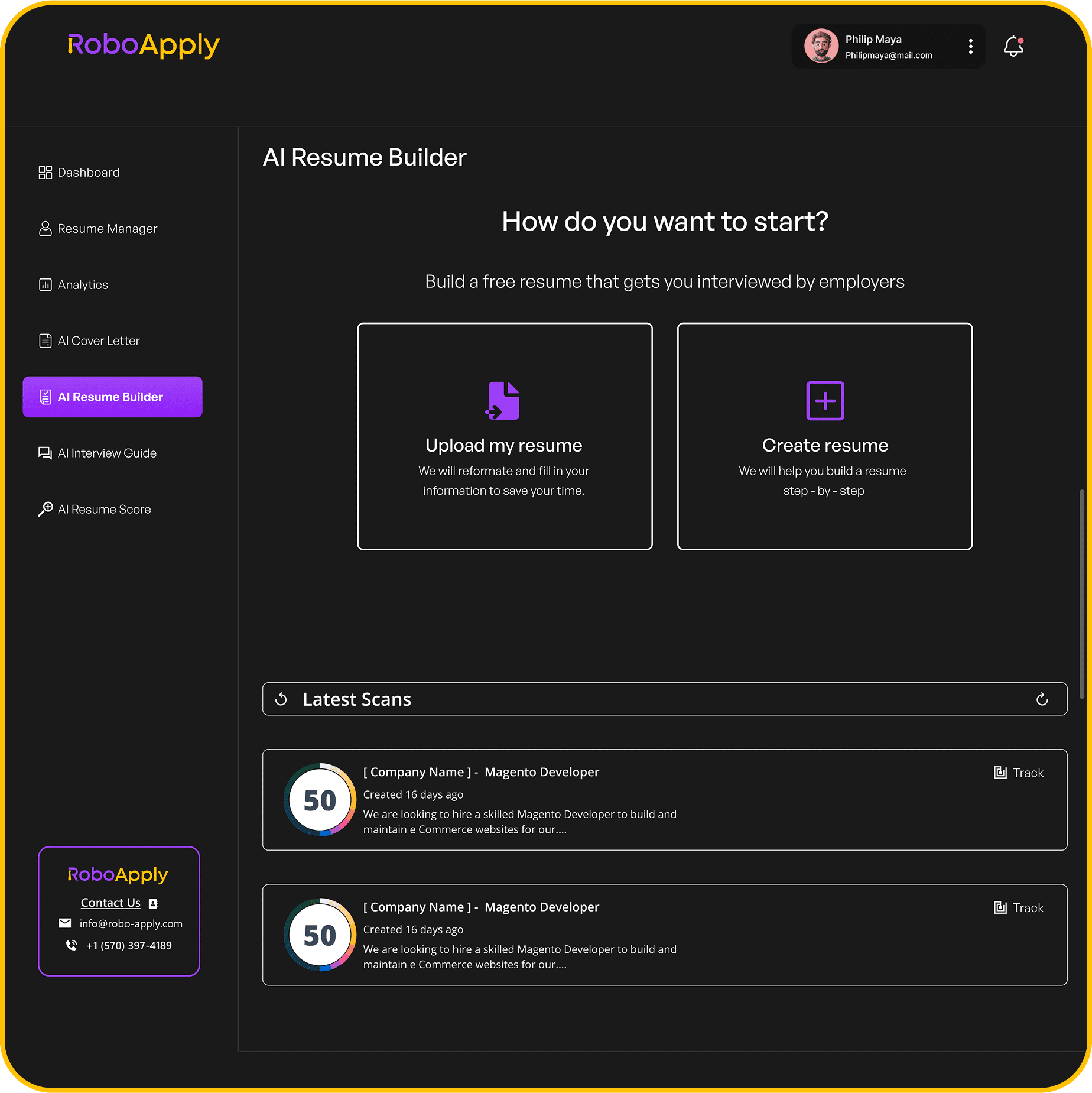
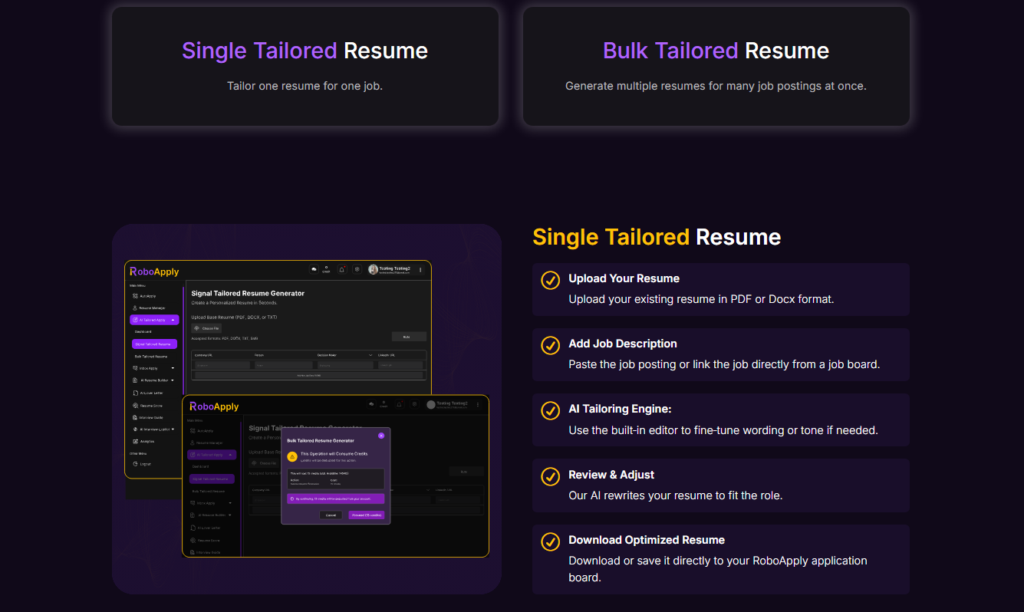
RoboApply handles applications automatically. The AI Resume Builder creates targeted resumes for each position. The AI Tailored Apply customizes applications based on job descriptions.
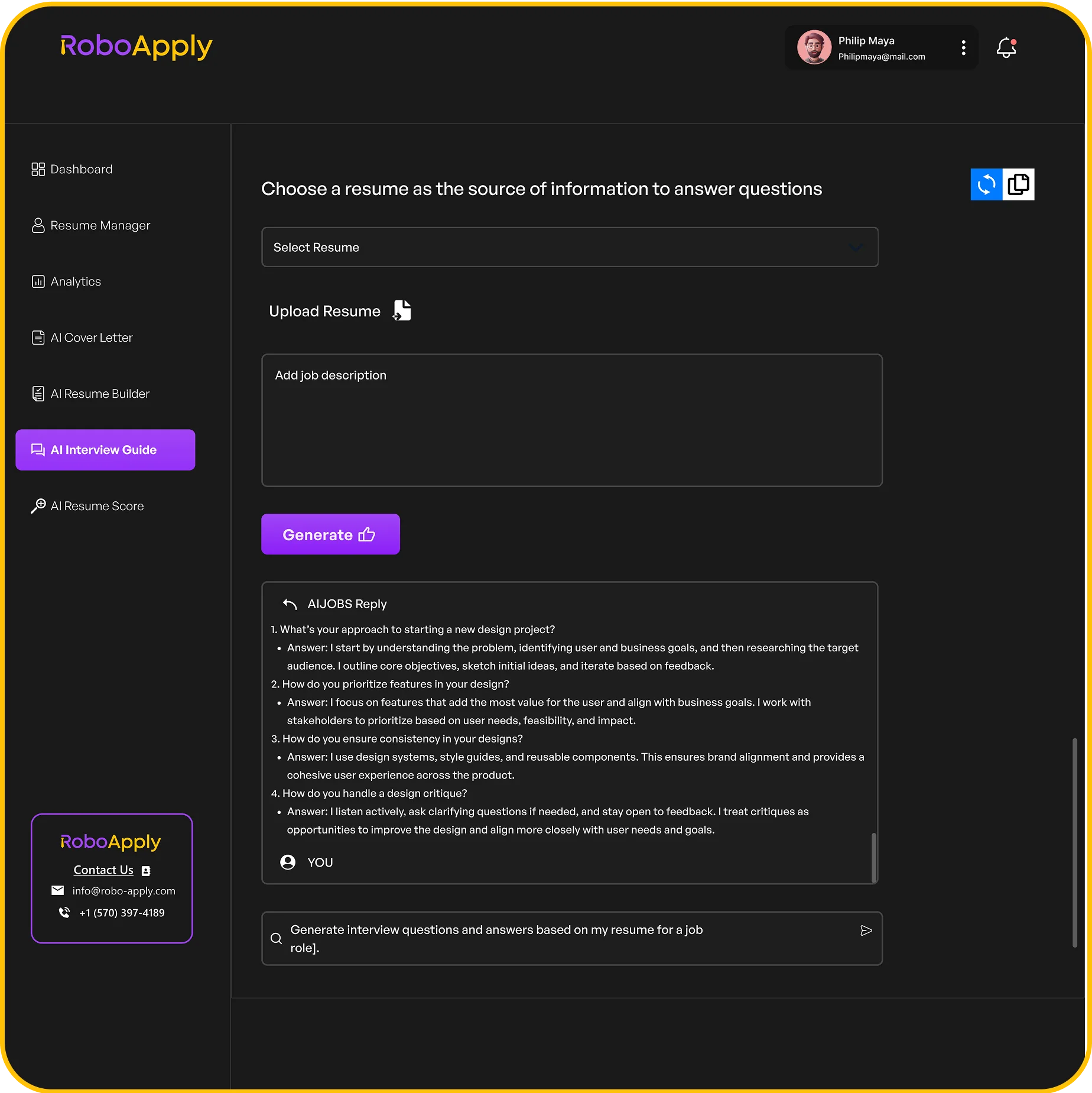
The AI Interview Copilot prepares you for actual conversations. You practice with role-specific questions. You refine your STAR stories. You get real-time feedback.
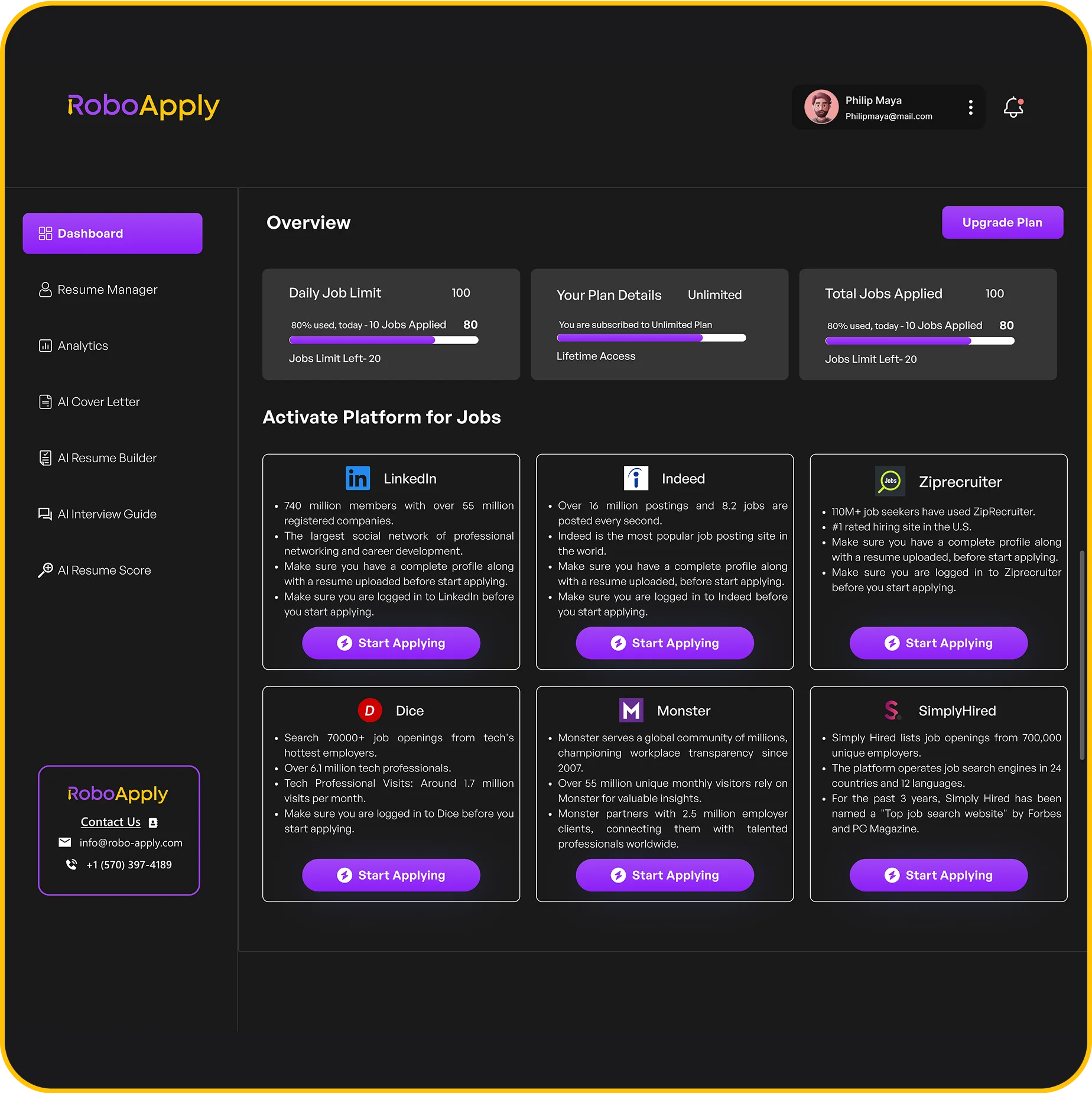
The system generates questions based on positions you’ve applied to. It helps you prepare targeted examples for each interview. The Interview Guide provides comprehensive preparation resources.
The AI Auto Apply feature finds matching positions across major job boards. It submits customized applications automatically. You spend time preparing for interviews instead of filling out forms.
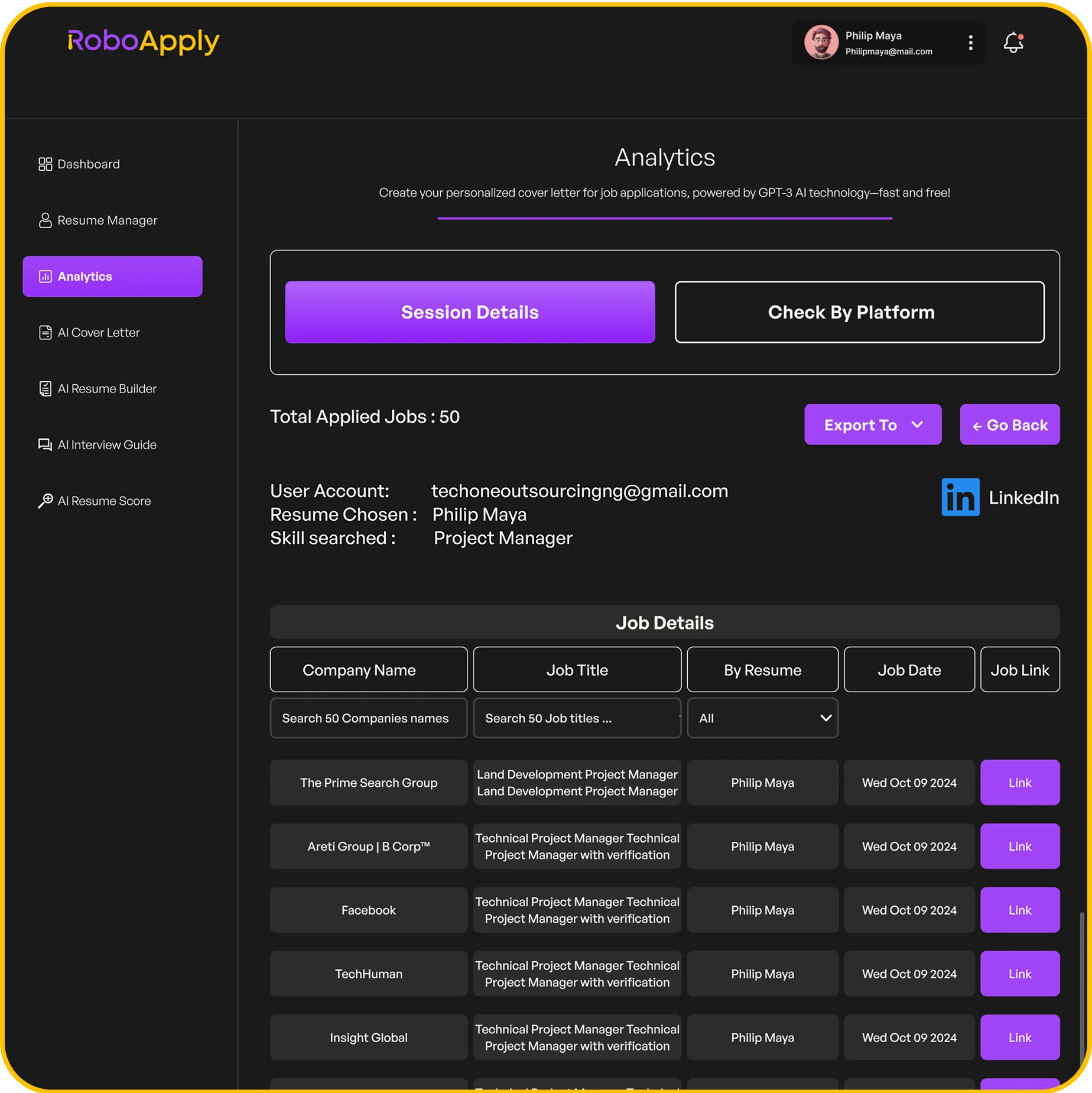
Analytics tracks your application success. You see which resume versions generate the most interviews.
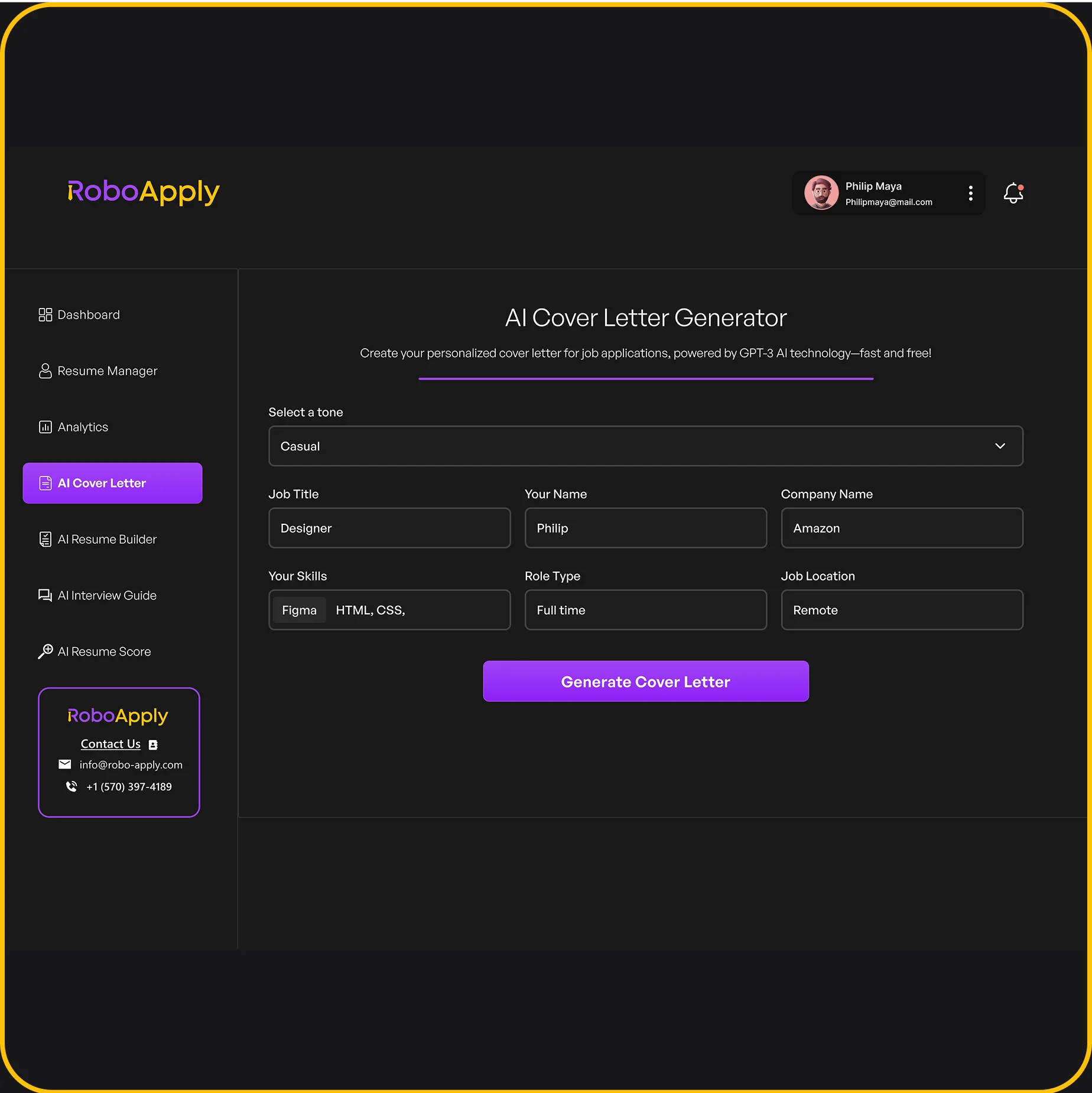
The AI Cover Letter generator creates personalized letters referencing specific company details.
Start with the free plan to test everything. Three free resumes and applications demonstrate the full system.
Practice Makes Perfect
Knowing good answers isn’t enough. You need practice delivering them confidently.
Record yourself answering common questions. Watch the playback. Note filler words, nervous habits, and weak explanations.
Practice with friends or family. Ask them to throw tough questions at you. Get honest feedback on clarity and confidence.
Time your answers. Most should run 60-90 seconds. Longer answers lose attention. Shorter ones lack depth.
Your next interview could be tomorrow.
Frequently Asked Questions
What are the most common job interview Q and A topics I should prepare for?
Focus on your background, strengths and weaknesses, behavioral scenarios, why you want the role, and examples of past problem-solving successes with measurable results.
How long should my answers be during job interviews?
Most answers should run 60-90 seconds maximum. Behavioral STAR stories can extend slightly longer but shouldn’t exceed two minutes total.
Should I memorize my job interview answers word for word?
No. Memorize key points and examples but speak naturally. Rehearsed scripts sound robotic. Know your stories well enough to tell them conversationally.
What if I don’t have experience for a behavioral interview question?
Use examples from volunteer work, school projects, or personal situations. Show how you’d approach the situation based on related experiences.
How many questions should I prepare to ask interviewers?
Prepare 5-7 thoughtful questions. You won’t ask all of them since interviews often answer some naturally. Having extras shows thorough preparation.