Job application strategy examples show you exactly how to approach your search systematically. You need a plan that works. Random applications to hundreds of jobs waste time. Strategic targeting gets results faster.
Successful job seekers use proven strategies that work consistently. They don’t spray resumes everywhere hoping something sticks. They customize each application intelligently. They track their progress methodically. They optimize based on real data.
This guide shows you actual job application strategies that work. You’ll see specific examples you can copy. We’ll cover what makes each strategy effective.
What Makes a Job Application Strategy Effective
An effective job application strategy combines several key elements. You need clear targeting criteria. You require consistent execution. You must track your results. And you should optimize continuously based on data.
The best strategies aren’t complicated. They focus on applying to the right positions consistently. They emphasize quality over pure quantity. SHRM research from 2024 shows that targeted approaches outperform spray-and-pray methods by 4x.
Your strategy should match your specific situation. Entry-level searches differ from executive hunts. Career changers need different tactics than industry veterans.

Five Proven Job Application Strategy Examples
Here are real strategies that job seekers use successfully. Each example includes specific tactics and implementation steps.
Strategy Example 1: The Quality-Focused Approach
This strategy prioritizes application quality over volume. You apply to fewer positions but customize each application heavily.
- How it works: Apply to 5-10 highly-targeted positions weekly. Research each company thoroughly before applying. Customize your resume completely for each role. Write personalized cover letters referencing specific company initiatives.
- Best for: Mid-level professionals, career changers, competitive industries where personalization matters enormously.
- Example implementation: Monday morning, identify 10 positions matching your criteria exactly. Tuesday through Thursday, research companies and customize applications. Submit 2-3 applications daily. Friday, send follow-up messages to previous applications.
TopResume data confirms that personalized applications receive 3x more responses.
Strategy Example 2: The Volume-Plus-Intelligence Method
This strategy combines application volume with smart targeting and automation. You apply to many positions but maintain quality through intelligent systems.
- How it works: Set clear job criteria including titles, industries, and locations. Use automation tools to find matching positions across multiple boards. Customize applications automatically based on job requirements. Submit 30-50 applications weekly while maintaining quality standards.
- Best for: Active job seekers who need interviews quickly, recent graduates entering competitive markets, professionals in fields with many open positions.
- Example implementation: Define your target like “Marketing Manager roles in tech companies, 5-10 years experience required, hybrid or remote.” Configure automation to scan LinkedIn, Indeed, and ZipRecruiter daily. Review matches each morning. Approve 5-7 applications daily.
This balances reach with relevance. Forbes research from 2023 found that 67% of successful job seekers use some form of intelligent automation.
Strategy Example 3: The Network-First Strategy
This strategy prioritizes referrals and internal connections before submitting applications. You leverage relationships to bypass initial screening.
- How it works: Map your network against target companies weekly. Reach out to connections at companies you’re targeting. Request informational interviews before applying. Get referred internally when possible. Apply through normal channels simultaneously as backup.
- Best for: Senior professionals with established networks, career changers leveraging past connections, industries where referrals carry significant weight.
- Example implementation: Create a list of 20 target companies. Check LinkedIn for first and second-degree connections at each. Message 5 people weekly requesting brief conversations. Mention specific roles you’re interested in. Request referral if conversation goes well.
LinkedIn data shows that referred candidates are 4x more likely to receive interviews than cold applicants.
Strategy Example 4: The Industry-Specific Targeting Approach
This strategy focuses exclusively on specific industries or company types. You become an expert applicant in one sector rather than a generalist.
- How it works: Choose 2-3 specific industries or company categories. Learn industry terminology and priorities deeply. Tailor your entire resume to that sector. Join industry-specific job boards and communities. Apply only to positions within your chosen focus.
- Best for: Career changers entering new industries, professionals seeking advancement in current field, job seekers in specialized sectors.
- Example implementation: Target “Healthcare technology companies focusing on patient engagement.” Join HealthIT job boards. Subscribe to industry newsletters. Update resume emphasizing healthcare and technology experience. Highlight HIPAA knowledge and patient-focused projects. Apply to 15-20 positions monthly within this narrow focus.
Specialization makes you more attractive to employers. Your applications demonstrate genuine industry understanding.
Strategy Example 5: The Data-Driven Optimization Strategy
This strategy treats job searching like a measurable experiment. You track everything, analyze results, and optimize continuously based on data.
- How it works: Track every application with detailed metrics. Record company, position, application date, customization level, and response. Calculate response rates by industry, job board, and application type. Adjust your strategy based on what’s working.
- Best for: Analytical professionals, job seekers facing extended searches, people who need to maximize limited time efficiently.
- Example implementation: Create a spreadsheet tracking all applications. Columns include Date, Company, Position, Job Board, Customization Level, Response Date, Interview Result. Apply to varied positions initially. After 30 applications, analyze data. Which boards perform best? Which industries respond most? Adjust strategy accordingly.
Jobscan research indicates that tracking and optimization improve results by 40%.
How to Choose Your Job Application Strategy
Your ideal strategy depends on several factors. Consider these when selecting your approach.
- Your Timeline: Urgent job searches require volume strategies. Quality-focused approaches take longer but yield better fit. Extended timelines allow for network-first strategies.
- Your Experience Level: Entry-level candidates benefit from volume approaches. Senior professionals need quality or network strategies. Your reputation matters more at higher levels.
- Your Industry: Highly competitive fields require quality strategies. Growing industries with many openings favor volume strategies. Supply and demand affect optimal approaches.
- Your Resources: Time-constrained searches need automation support. Manual customization takes hours per application. Investment in automation pays off quickly for active searchers.
Common Strategy Mistakes to Avoid
Even good strategies fail with poor execution. Watch out for these common errors.
Inconsistent application patterns hurt results. Applying in bursts doesn’t work. Steady daily applications perform better. Consistency beats sporadic intensity.
No tracking system means you can’t optimize. Track everything from day one. Memory fails when you’ve applied to dozens of positions.
Ignoring response patterns wastes energy. If a job board never generates responses, stop using it. Redirect energy to channels that work.
Over-customization paralysis kills productivity. Good enough beats perfect. Submit customized applications daily rather than perfect applications occasionally.
How RoboApply Supports Every Job Application Strategy
Different strategies require different tools. RoboApply adapts to support whatever approach works best for you.
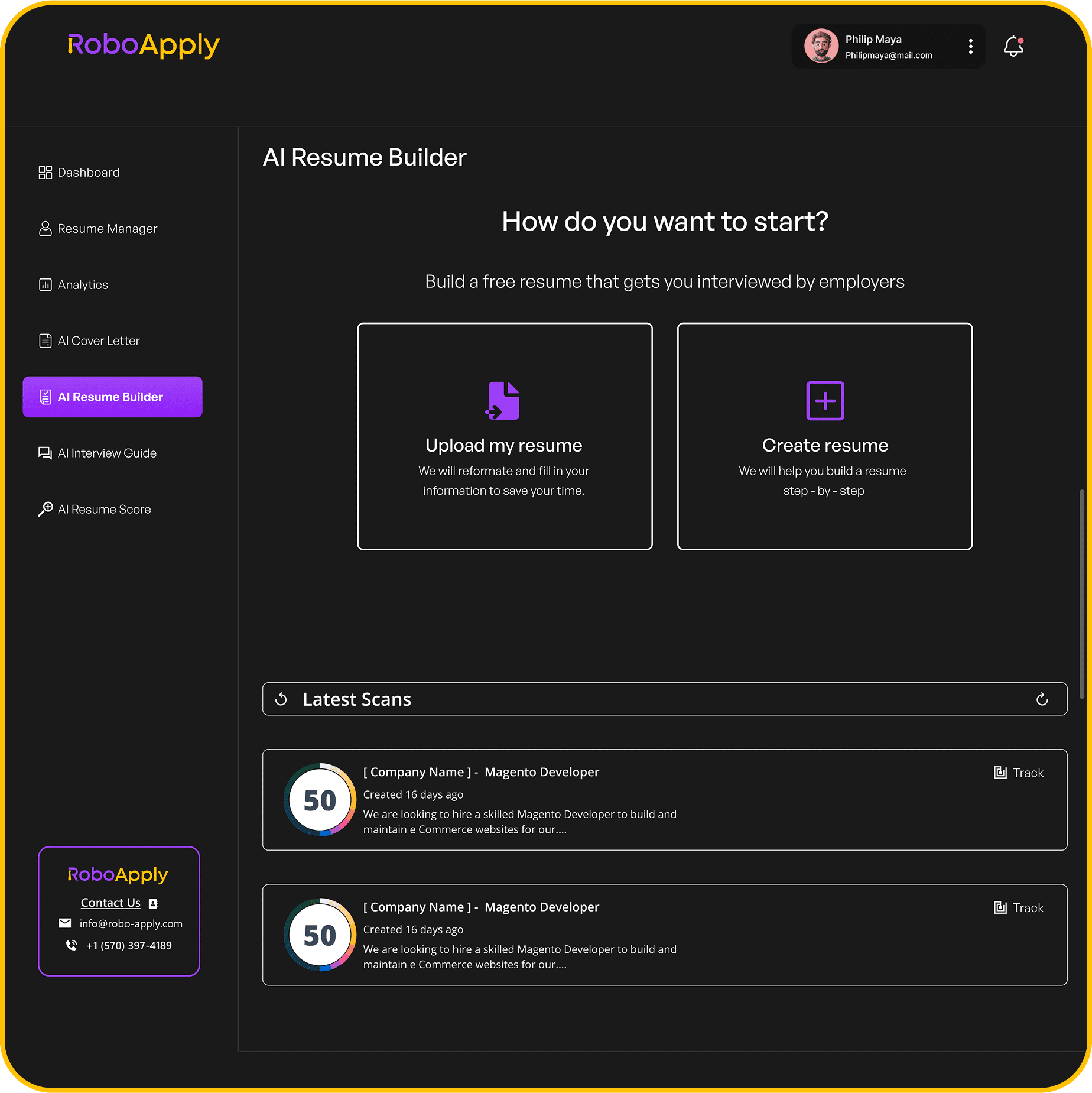
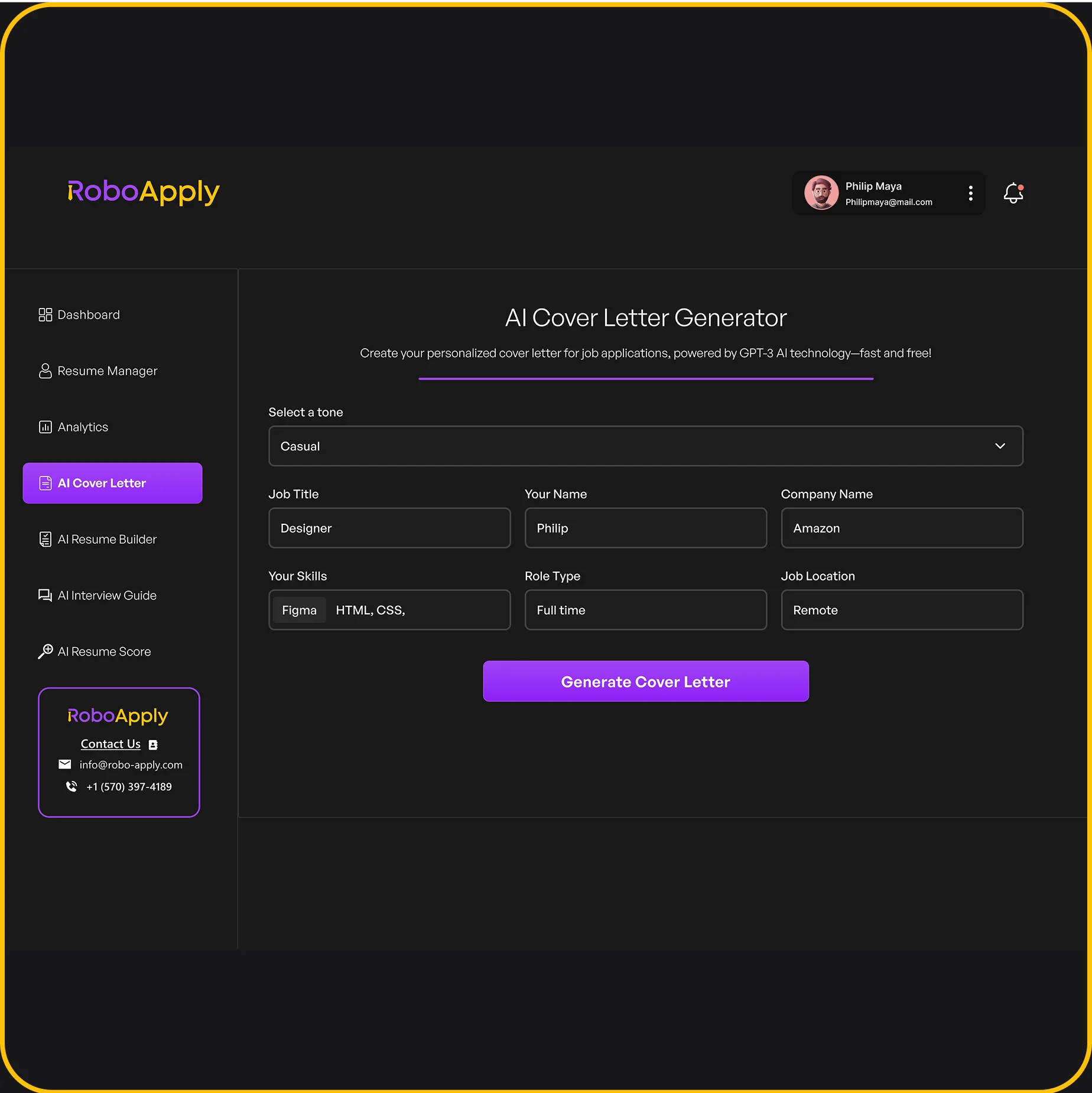
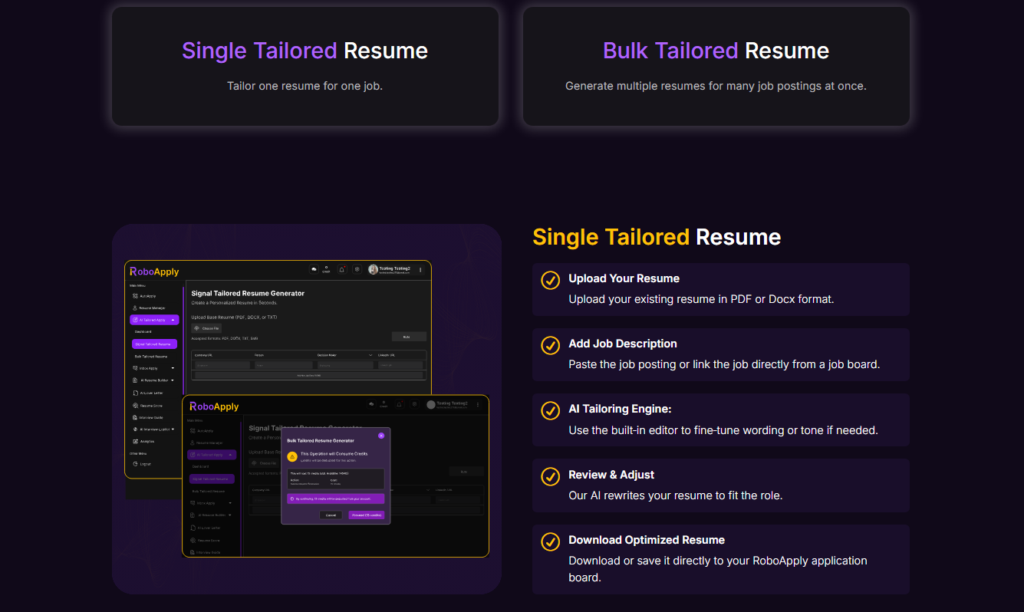
For quality-focused strategies, the AI Resume Builder creates highly customized versions quickly. The AI Cover Letter generator writes personalized letters in seconds.
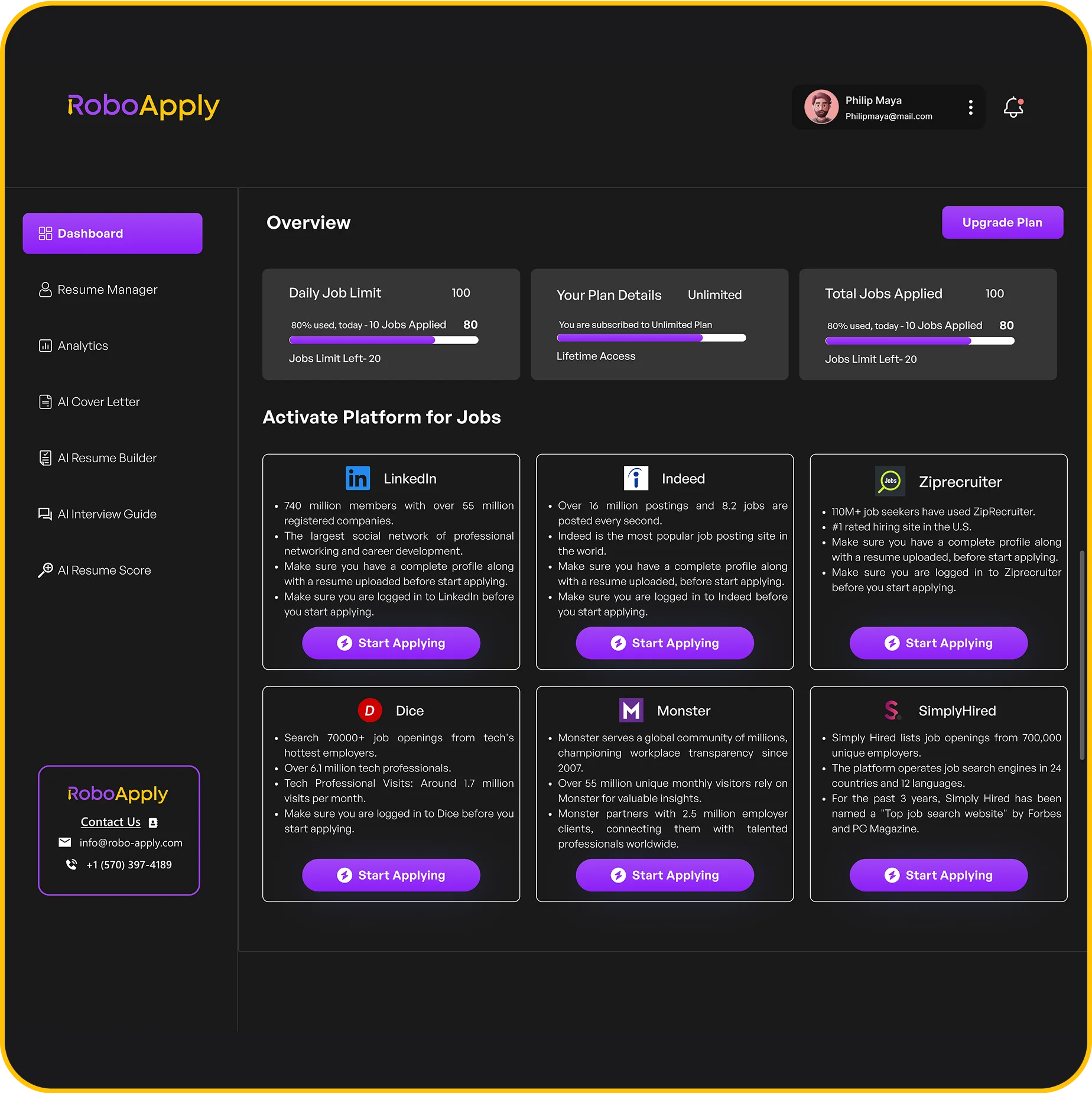
For volume-plus-intelligence strategies, AI Auto Apply handles the heavy lifting. The system finds matching positions across major boards. It customizes each application based on requirements. Everything submits automatically.
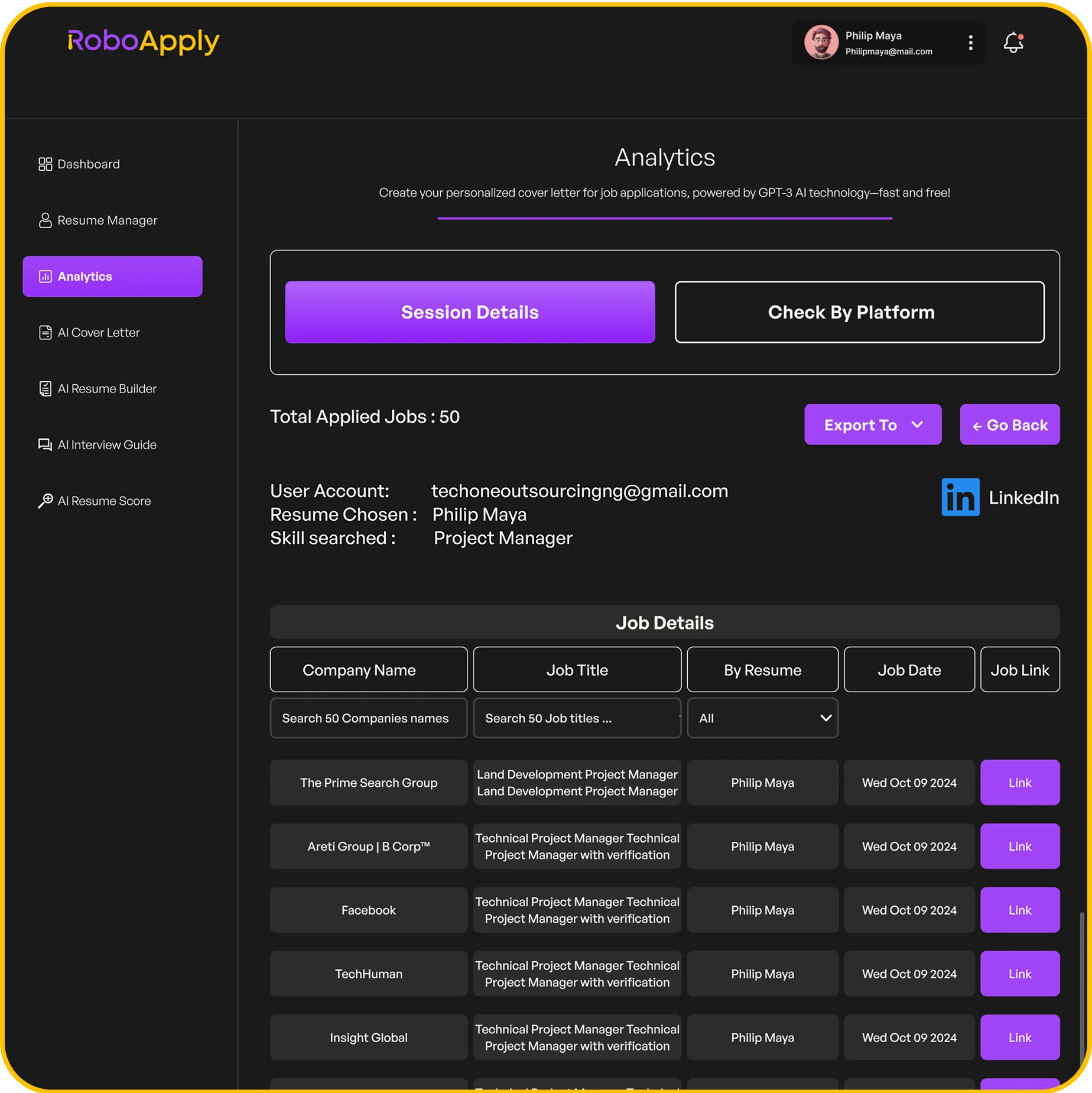
Network-first strategies benefit from organization tools. The Analytics dashboard tracks all your outreach. You see which connections generated responses.
Industry-specific targeting gets easier with intelligent filtering. The AI Tailored Apply system learns your preferences. It emphasizes industry-relevant experience automatically.
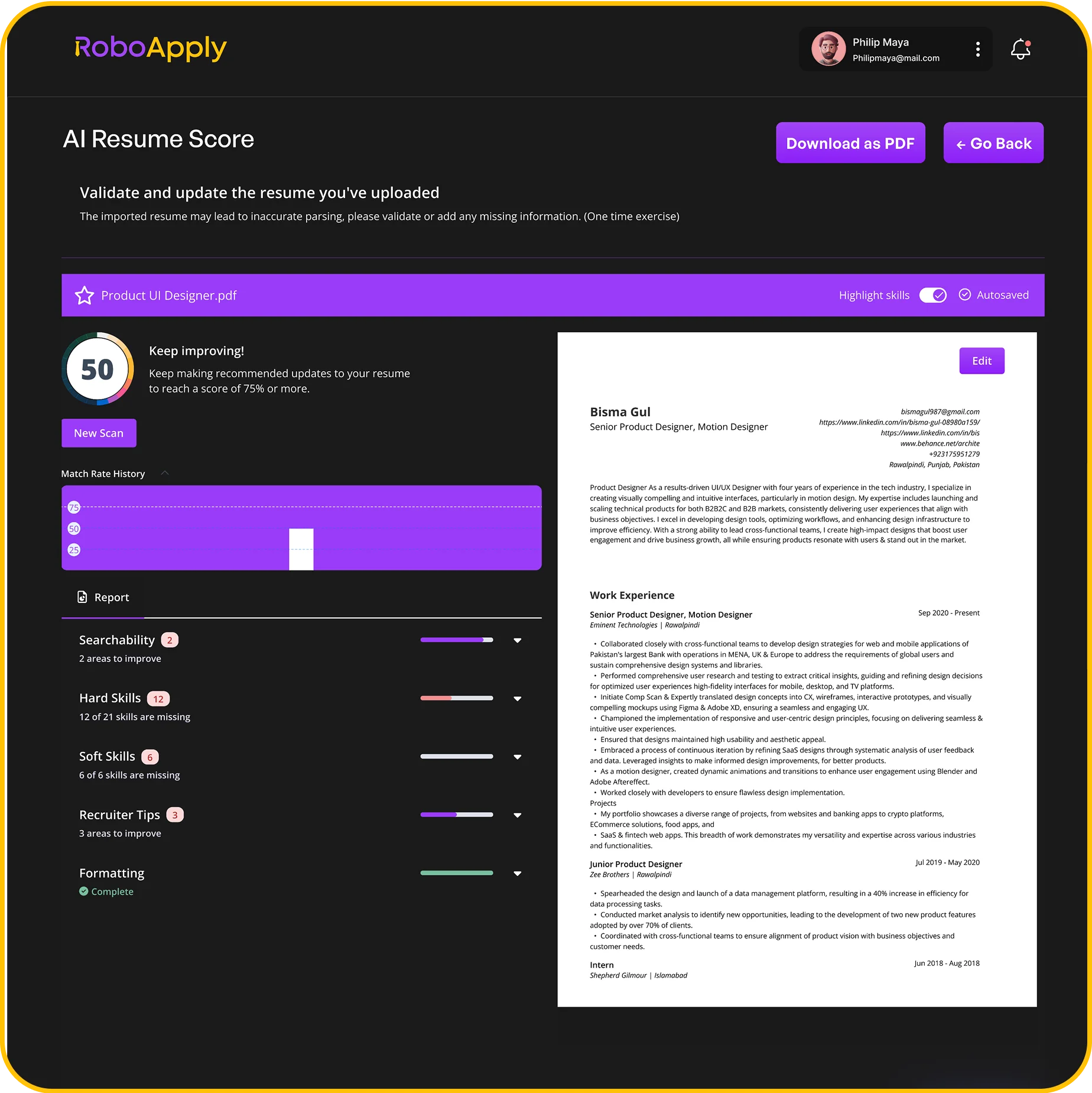
Data-driven strategies require comprehensive tracking. RoboApply centralizes everything in one dashboard. You see application volume, response rates, and performance by source. The Resume Score feature shows exactly what’s working.
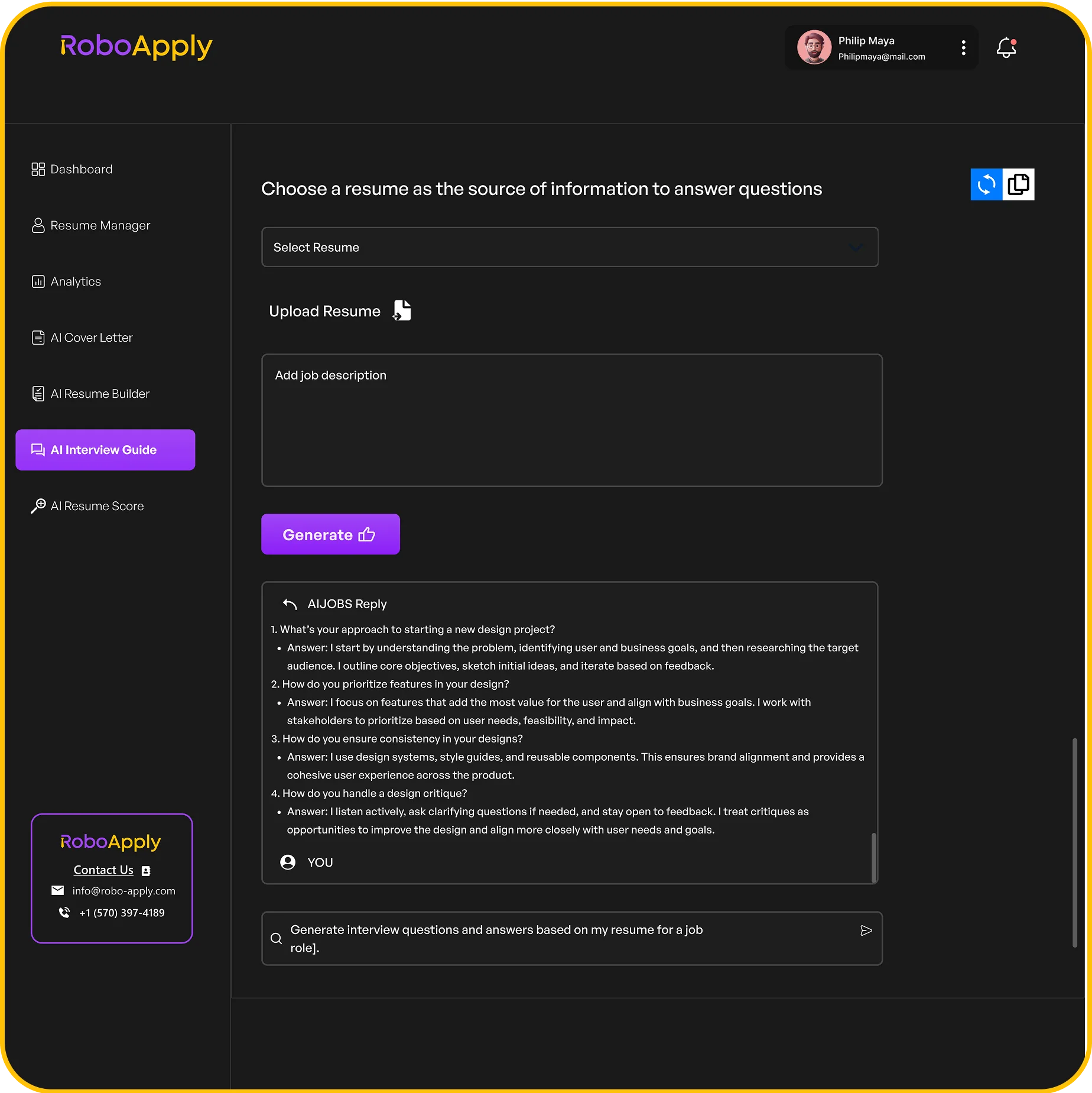
Interview preparation integrates seamlessly regardless of strategy. The AI Interview Copilot generates role-specific questions. You practice responses and get feedback.
Pricing scales to match your strategy needs. Start with the free plan to test everything. Three free applications let you experience full functionality. The 90-day money-back guarantee eliminates risk completely.
Implementing Your Chosen Strategy
Once you’ve selected your strategy, implementation matters more than perfection. Start immediately with your chosen approach. Adjust based on results after 2-3 weeks. Track everything from the beginning.
Set specific daily or weekly goals. “Apply to 10 quality positions weekly” beats vague intentions. Schedule application time like important meetings. Consistency produces results.
Review your strategy monthly. What’s working? What needs adjustment? Successful job searches evolve continuously. Static strategies underperform dynamic ones.
Your next interview starts with the right strategy. Choose an approach that matches your situation. Execute consistently. Track results systematically.
Frequently Asked Questions
What’s the most effective job application strategy?
The most effective strategy matches your timeline, experience level, and industry. Quality-focused works for competitive fields. Volume-plus-intelligence suits urgent searches needing fast results.
How many jobs should I apply to weekly?
Quality-focused strategies target 5-10 positions weekly. Volume strategies aim for 30-50 applications. Balance depends on how much customization each application receives and needs.
Should I focus on one job board or multiple?
Use multiple boards but track performance by source. After 30 applications, analyze which boards generate responses. Focus energy on top-performing platforms for your situation.
How long should I stick with one strategy?
Give any strategy 2-3 weeks before evaluating results. Adjust based on data after 20-30 applications. Complete strategy changes should happen monthly at most frequently.
Can I combine multiple strategies?
Yes, many successful job seekers blend approaches. Network-first with quality applications works well. Data-driven optimization improves any primary strategy. Adapt strategies to your needs flexibly.