A sample letter of volunteering is a formal written document expressing your interest in contributing your time and skills to an organization without compensation. This letter introduces you to the organization, explains why you want to volunteer, highlights relevant skills or experience, and states your availability and commitment level.
Writing an effective volunteer letter requires balancing enthusiasm with professionalism. Organizations receive numerous volunteer applications, so your letter needs to stand out while demonstrating genuine interest in their mission.
Why Volunteer Letters Matter
Organizations use volunteer letters to assess potential contributors before investing time in interviews or training. Your letter serves as a first impression, showing communication skills, reliability, and alignment with organizational values.
Many volunteer coordinators review dozens of applications weekly. A strong letter immediately communicates your value and makes their decision easier. Generic, poorly written letters signal lack of genuine interest and often get rejected immediately.
According to research on volunteer management, organizations with formal volunteer application processes retain volunteers 60% longer than those with informal recruitment. The letter helps both parties determine if the fit makes sense before committing time and resources.
Essential Components of a Volunteer Letter
Every effective sample letter of volunteering includes specific elements that provide necessary information while showcasing your personality and commitment. Here’s what coordinators expect to see in a strong volunteer application letter:
- Contact information at the top with your full name, address, phone number, and email
- Date and recipient details addressing a specific person whenever possible
- Opening paragraph stating your purpose and how you learned about the opportunity
- Body paragraphs explaining your motivation, relevant skills, and availability
- Closing paragraph reiterating interest and suggesting next steps
- Professional sign-off with “Sincerely” or “Best regards” and your full name
Your opening paragraph states your purpose immediately. Explain that you’re writing to express interest in volunteering with their organization. Mention how you learned about the opportunity and why it caught your attention.
The body paragraphs should cover three key areas. First, explain your motivation for volunteering with this specific organization. Generic statements like “I want to help people” don’t create connection. Specific references to their programs demonstrate genuine interest.
Second, highlight relevant skills and experience. Connect them to organizational needs. If you have customer service experience and they work with the public, explain how your skills would help their clients.
Third, state your availability clearly. Be specific about hours per week, preferred days, and any scheduling restrictions. Organizations appreciate knowing exactly what you can offer.
For guidance on professional document formatting, resources on whether to put references on a resume can help you understand what information to include or exclude.
Download Sample Volunteer Letter Templates
Writing Tips for Different Volunteer Situations
Different volunteer contexts require adjusting your letter’s tone and content. Understanding these variations helps you create the most effective volunteer letter template for your situation.
Student Volunteer Letters
Students writing for academic credit or college applications need to address specific requirements. Mention any hour requirements, supervision needs, or learning objectives from your school.
Be clear about your schedule limitations. Organizations understand that students have classes, exams, and breaks. Providing your academic calendar upfront helps them plan around your availability.
Career-Change Volunteer Letters
Professionals exploring new fields through volunteering should highlight transferable skills while expressing genuine interest in learning. Explain your career goals honestly.
Be upfront about your intentions. If you’re volunteering to explore whether you’d enjoy this field professionally, say so. Most organizations appreciate this honesty and may provide extra mentorship.
Court-Ordered Service Letters
If volunteering for court-ordered community service, be honest but tactful. State that you’re seeking to fulfill community service requirements while contributing meaningfully to causes you care about.
Be extremely clear about your requirements including hours needed, deadlines, and required documentation.
Understanding professional communication across different contexts helps. Resources like how many jobs are available in basic industries show how different sectors operate.

Common Mistakes to Avoid When Writing a Volunteer Letter
Even well-intentioned volunteers make letter-writing mistakes that reduce their chances of acceptance. Watch out for these common pitfalls that can hurt your volunteer position letter:
- Generic, template-sounding content that coordinators spot instantly
- Overly long letters exceeding one page without extensive relevant experience
- Focusing on personal benefits rather than organizational contribution
- Vague availability statements like “I’m flexible” instead of specific commitments
- Typos and grammatical errors suggesting carelessness
- Inappropriate tone that’s either too casual or overly formal
- Missing contact information or unclear next steps
According to research on volunteer retention, typos and grammatical errors suggest carelessness. If you won’t take time to proofread a one-page letter, coordinators question how carefully you’ll handle volunteer responsibilities.
Reference specific programs or recent news about the organization. This personalization proves you’ve done research and genuinely care about their mission.
For more on professional communication after applying, calling a job after applying offers insights that apply to volunteer applications too.
Formatting Your Volunteer Application Letter Properly
Proper formatting makes your volunteering cover letter easy to read and professionally presented. Follow these guidelines to create the best impression:
Use standard business letter format with your contact information at the top, followed by the date and recipient details. Choose a clean font like Times New Roman, Arial, or Calibri in 11 or 12-point size.
Use single spacing within paragraphs and double spacing between paragraphs. Keep margins at one inch on all sides for adequate white space. Limit your letter to one page whenever possible.
Save email attachments as PDFs with professional file names like “Volunteer_Application_YourName.pdf” rather than generic names. This preserves your formatting across different devices.
According to studies on professional communication, proper formatting increases response rates by making documents easier to read and more professional.
Understanding professional document preparation helps across contexts. Resources on how many bullet points per job on resume provide insights into effective written communication.
Making Your Volunteer Coordinator Letter Stand Out
Beyond the letter itself, several strategies help your community service letter rise above others competing for limited volunteer positions. Here are proven approaches to strengthen your application:
Research the organization thoroughly before writing. Read their website, annual reports, and social media. Reference specific programs or initiatives in your letter to demonstrate genuine interest.
Connect your personal story to their mission. Personal connections create memorable applications that coordinators remember and value. Did a family member benefit from their services? Share that connection.
Offer specific, relevant skills the organization actually needs. Review their volunteer opportunities page or ask about current needs before writing.
According to research on volunteer engagement, organizations prefer volunteers who honestly contribute 4 hours weekly for a year over those who promise 20 hours but disappear quickly.
Express willingness to start small and prove yourself. Organizations appreciate humble volunteers ready to begin with whatever roles need filling.
For those exploring specialized career paths through volunteering, checking resources like how much do underwater welders make shows how volunteer experience can lead to professional opportunities.
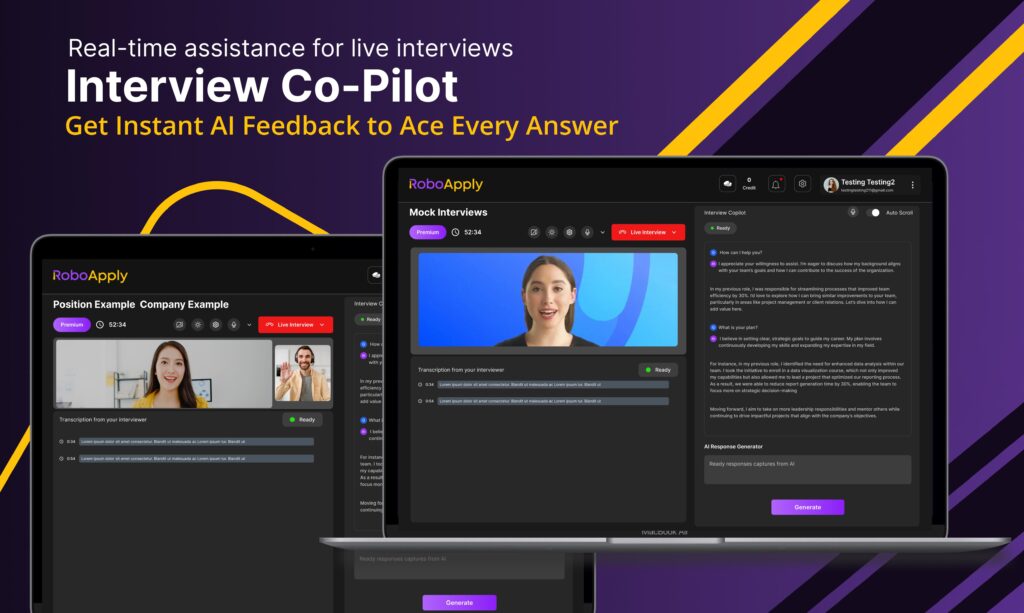
Streamlining Your Volunteer Application Process
Applying to multiple volunteer positions requires organization and efficiency. These tools help you manage volunteer opportunity letter submissions across different organizations while maintaining quality and personalization.
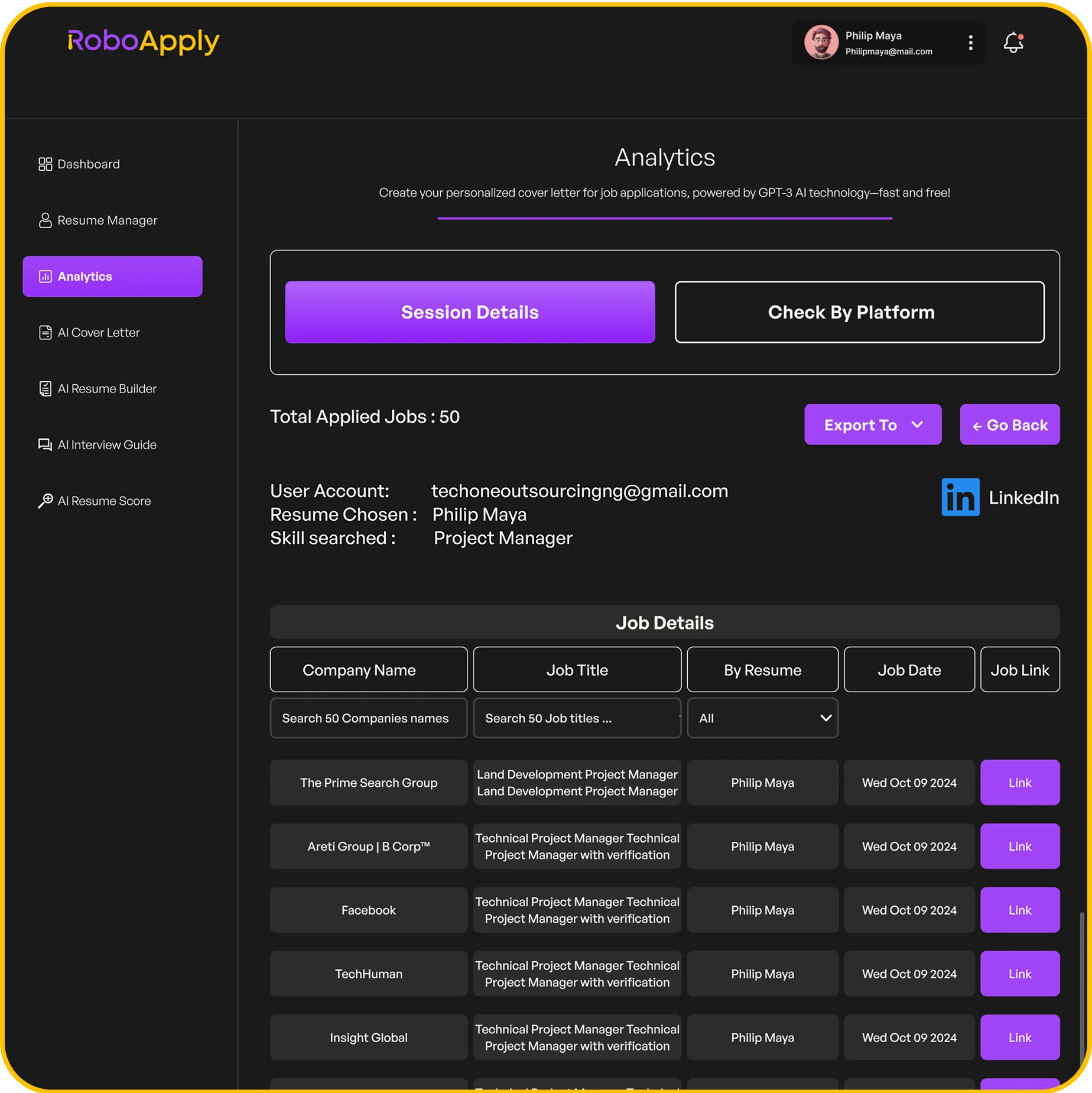
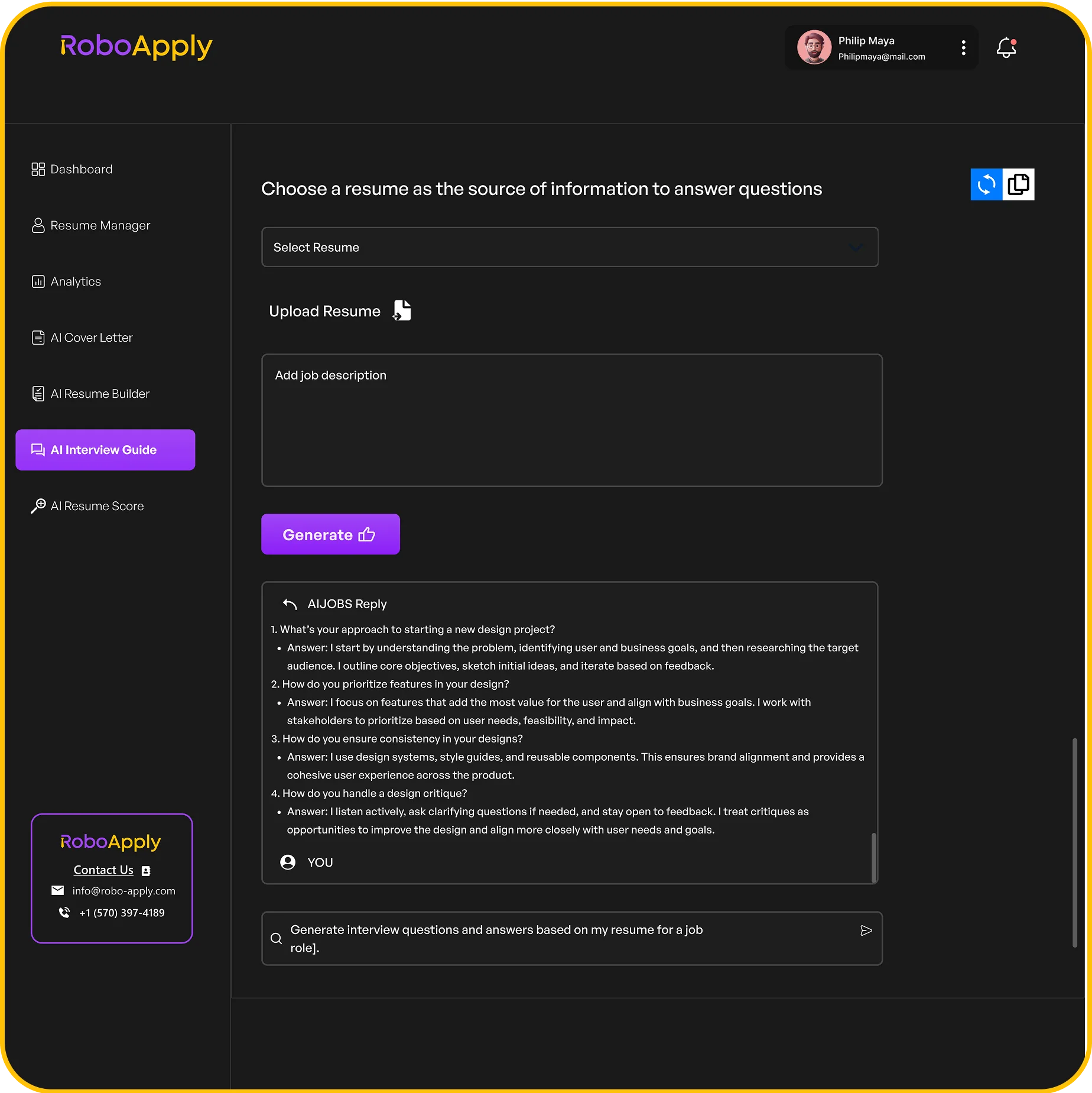
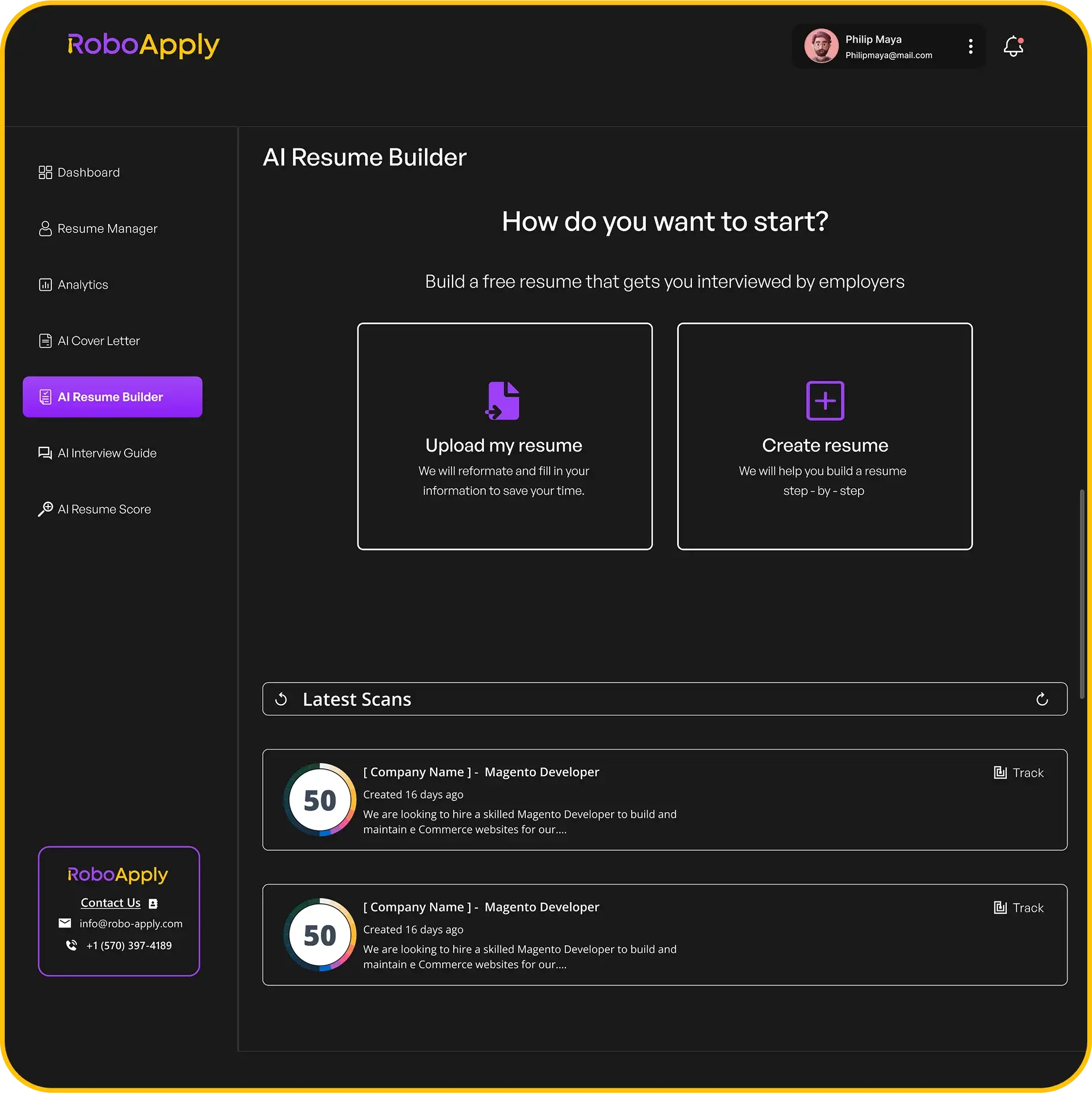
RoboApply’s AI Resume Builder creates professional documents highlighting your volunteer experience and relevant skills. The platform formats your background for both paid positions and volunteer opportunities.
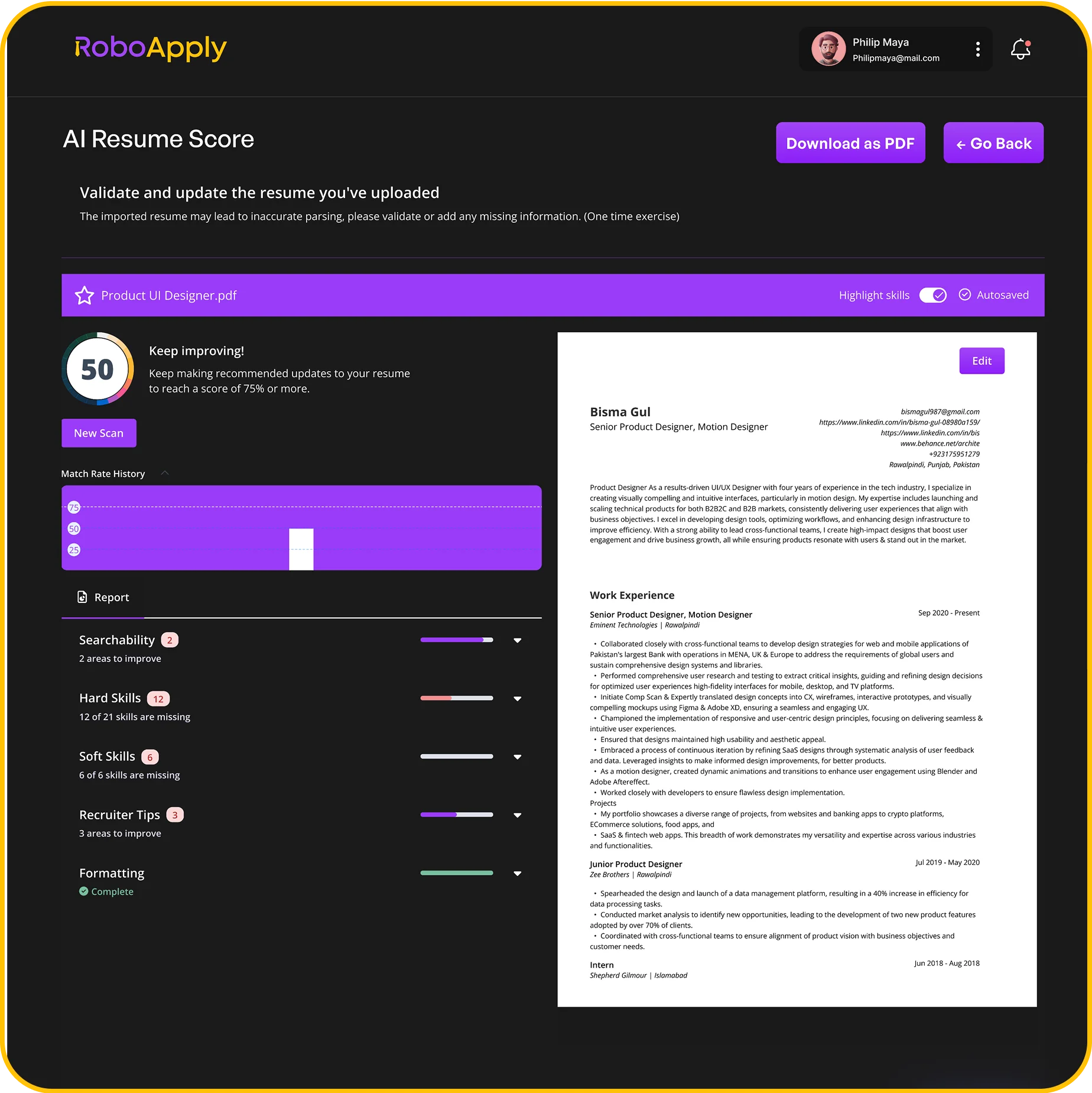
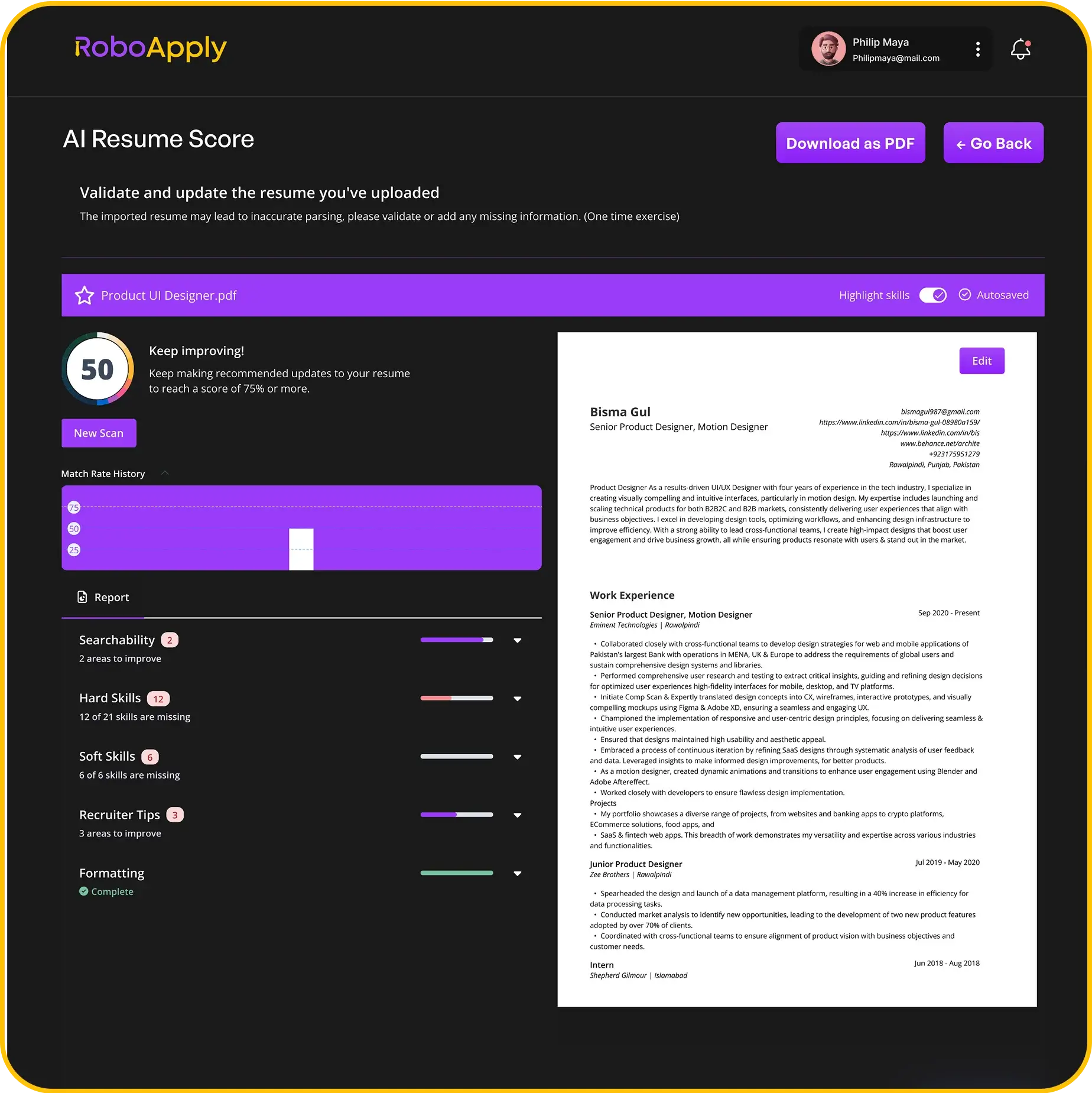
The Resume Score feature analyzes your application materials against opportunity requirements. You’ll see which qualifications to emphasize for different volunteer roles.
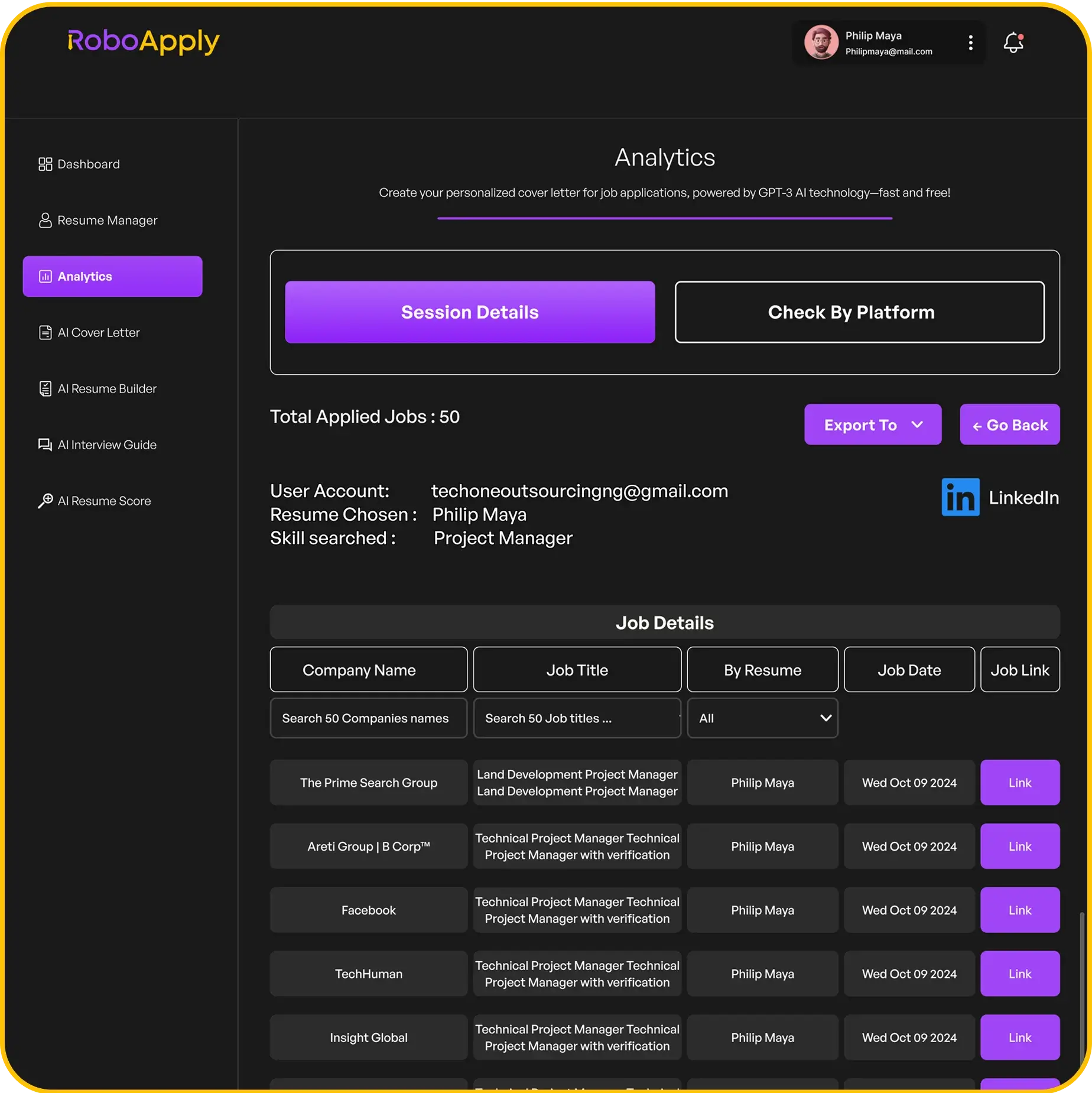
AI Auto Apply helps manage applications across multiple opportunities. You can track organizations contacted, follow-up dates, and responses in one location.
Frequently Asked Questions
What should a sample letter of volunteering include?
Your contact information, specific organization addressed, motivation for volunteering, relevant skills and experience, availability details, and enthusiasm for contributing to their mission.
How long should a volunteer application letter be?
One page is ideal, approximately 250-400 words. Two pages maximum only if you have extensive relevant experience that directly relates to the role.
Should I attach a resume with my volunteer letter template?
Yes, attach a resume if you have relevant experience. For simple volunteer roles, the letter alone may suffice, but a resume provides helpful context.
How do I address a volunteering cover letter without a name?
Use “Dear Volunteer Coordinator” or “Dear [Organization Name] Team.” Research the website or call to find a specific contact person when possible.
When should I follow up on my volunteer position letter?
Wait one to two weeks after submitting your letter, then send a brief, polite email reiterating your interest and asking about next steps.