What is the difference between a job and career? A job is a position you hold to earn money, while a career is a long-term professional journey built through related experiences, skills, and advancement over time. Jobs are typically short-term and transactional, whereas careers involve strategic planning, growth, and purpose-driven work that aligns with your goals and values.
Understanding this distinction helps you make smarter decisions about your professional path. Many people work multiple jobs throughout their lives, but those positions only become a career when they connect into a meaningful progression.
Breaking Down the Core Differences
The line between jobs and careers goes beyond simple definitions. These concepts shape how you approach work, plan your future, and measure success.
A job represents immediate employment. You show up, complete tasks, receive payment, and go home. The relationship stays transactional. Your employer needs work done, and you need income. This exchange forms the entire foundation of the arrangement.
Careers function differently. They represent your professional identity and long-term trajectory. Each position you hold contributes to a larger story about who you are and where you’re headed. Your choices compound over years, building expertise and opening doors to bigger opportunities.
Think of jobs as individual chapters in a book. Each one stands alone with its own beginning and end. A career is the entire book, where those chapters connect to tell a complete story with themes, development, and purpose.
Time Commitment and Duration
Jobs often come with defined time frames. You might work somewhere for six months, a year, or a few years before moving on. The end point exists from the start, whether you know the exact date or not.
Summer jobs, seasonal positions, and contract work exemplify this temporary nature. You take them knowing they’ll end. Even permanent jobs can feel temporary when you’re not invested in the field or company.
Careers span decades. You’re not thinking about next month or next year alone. You’re building something that will support you for 20, 30, or 40 years. This extended timeline changes how you evaluate opportunities and make decisions.
According to research from the Bureau of Labor Statistics, the average person holds 12 different jobs during their lifetime. Not all of those jobs contribute equally to career development. Some serve as stepping stones, while others are simply paychecks during transitions.
The duration difference affects everything from how you negotiate salary to whether you invest in additional training. Jobs encourage short-term thinking, while careers reward long-term strategy.

Financial Goals and Compensation
Jobs provide immediate income. You work, you get paid, and you use that money to cover bills and expenses. The financial relationship stays straightforward and present-focused.
Career-minded professionals think beyond their current paycheck. They consider earning potential five or ten years down the line. They invest in skills that command higher salaries later, even if that means accepting lower pay now.
A job might pay $15 per hour today. A career track in the same field might start at $12 per hour but lead to $50 per hour within five years through promotions, specialization, and expertise development.
This forward-thinking approach to compensation includes benefits, retirement planning, and wealth building. Career professionals negotiate for equity, profit sharing, and advancement opportunities. Job holders focus on hourly rates and immediate perks.
Studies on career development show that workers who actively manage their careers earn significantly more over their lifetimes compared to those who move between disconnected jobs.
Skill Development and Growth
Jobs require specific skills to complete assigned tasks. You learn what’s necessary to perform your duties, then stop. Additional learning happens only when job requirements change or you risk losing the position.
Careers demand continuous skill development. You’re always learning, growing, and expanding your capabilities. The skills you build in one role prepare you for the next level. Each experience adds to your professional toolkit.
A retail job teaches you to operate a register, stock shelves, and help customers. Those skills serve that specific position. A retail career involves learning inventory management, visual merchandising, vendor relationships, staff training, and business operations. Each layer builds on the previous one.
Professional development becomes a priority in career thinking. You attend workshops, earn certifications, read industry publications, and seek mentorship. These investments make sense because you’re playing a long game.
Job-focused thinking asks “what do I need to know to keep this position?” Career thinking asks “what should I learn to reach the next level?” That subtle shift in perspective creates dramatically different outcomes over time.
Personal Investment and Engagement
Your emotional connection to work differs significantly between jobs and careers. Jobs are what you do. Careers are part of who you are.
People with jobs often separate their personal identity from their work. They might say “I work at a restaurant” rather than “I’m a hospitality professional.” The work doesn’t define them or connect to their sense of self.
Career professionals integrate work into their identity. They take pride in their field, follow industry trends, and see their work as meaningful. This deeper engagement drives better performance and greater satisfaction.
The investment shows up in how you spend your time outside work hours. Job holders clock out and disconnect completely. Career builders read industry news, network with colleagues, and think about professional challenges even when off duty.
This doesn’t mean careers require unhealthy work-life balance. It means the work feels more personal and purposeful. You care about outcomes beyond just getting through another shift.
Strategic Planning and Direction
Jobs happen to you. Careers you build intentionally. This difference in agency shapes your entire professional experience.
When operating in job mode, you respond to what’s available. You check listings, apply where positions exist, and take what you can get. External factors drive most decisions.
Career planning puts you in control. You identify where you want to end up, then reverse-engineer the path to get there. You seek specific experiences, build targeted skills, and make calculated moves that align with long-term goals.
Here’s what strategic career planning includes:
- Researching industries and roles that match your interests and strengths
- Identifying companies known for developing talent in your field
- Building relationships with mentors who’ve achieved what you want
- Accepting positions that offer growth opportunities over higher immediate pay
- Timing job changes to maximize learning and advancement potential
Career development research indicates that professionals with written career plans earn promotions faster and report higher job satisfaction than those without clear direction.
Random jobs might accidentally form a career pattern, but that’s luck rather than strategy. Intentional career building requires thought, planning, and deliberate action.
Education and Credentials
Educational requirements reveal another key difference. Jobs need you to meet minimum qualifications. Careers push you toward continuous credential building.
An entry-level job might require a high school diploma or GED. Once hired, your education typically stops unless the employer mandates training. Your diploma got you in the door, and that’s sufficient.
Career paths involve ongoing education. You pursue degrees, certifications, licenses, and specialized training throughout your working life. Each credential opens new opportunities and increases your value in the marketplace.
Consider healthcare as an example. A job as a medical receptionist requires basic computer skills and customer service ability. A healthcare career might start there but progress through medical coding certification, health information management degree, and eventually healthcare administration credentials.
The education serves different purposes too. Job-related learning helps you perform current duties. Career-focused education prepares you for positions you don’t hold yet. You’re investing in future capabilities, not just present needs.
Some careers require specific educational pathways from the start. Medicine, law, engineering, and teaching demand particular degrees before you can begin. Other careers let you start with minimal education and build credentials while working.
Understanding these patterns helps you choose appropriate educational investments. If you’re just finding a job, you invest minimally. If you’re building a career, education becomes an ongoing priority worth significant time and money. For resume-related guidance, resources on whether to put references on a resume or how many bullet points per job on resume can strengthen your applications.
Networking and Relationships
Professional relationships matter differently in jobs versus careers. Jobs involve coworkers you see during shifts. Careers build professional networks that span companies, cities, and decades.
In a job, you develop working relationships with immediate colleagues and supervisors. These relationships serve current needs but often end when you leave the position. You might stay friendly, but the professional connection typically dissolves.
Career networking creates lasting professional relationships. You maintain contact with former colleagues, bosses, and industry contacts. These connections provide job leads, advice, mentorship, and collaboration opportunities throughout your working life.
The networking effort looks different too. Job-focused workers network only when searching for new positions. Career professionals network continuously, building relationships even when happily employed. They understand that today’s peer might be tomorrow’s hiring manager or business partner.
Professional associations, industry conferences, and online communities become important for career builders. These platforms connect you with people outside your immediate workplace who share your professional interests and can support your growth.
Research on professional networking shows that up to 85% of jobs are filled through networking rather than traditional applications. Career professionals leverage these connections strategically.
Measuring Success Differently
How you define success reveals whether you’re in a job or building a career. The metrics differ completely.
Job success means meeting basic expectations. You show up on time, complete assigned tasks, and keep your position. Success is stability and steady income. Anything beyond that feels like extra rather than expected.
Career success involves progression. You measure advancement through promotions, salary increases, expanded responsibilities, and growing influence in your field. Standing still feels like falling behind. You expect continuous improvement.
The comparison points change too. Job holders compare their situation to their own past. “I’m making more than last year” or “this job is better than my previous one” represents success.
Career professionals compare themselves to industry standards and peer trajectories. They ask “where should someone with my experience level be?” and “am I advancing at a competitive pace?” The benchmarks come from external professional norms rather than personal history.
This doesn’t make one approach better than the other. Sometimes you need a job to pay bills while dealing with other life priorities. Sometimes career building is your primary focus. Understanding the difference lets you make conscious choices rather than drifting.
If you’re exploring different industry opportunities, checking resources like how many jobs are available in basic industries can broaden your perspective on available paths.
Making the Transition From Jobs to Career
You can shift from job-focused thinking to career building at any point. The transition requires intentional changes in how you approach work.
Start by identifying your field of interest. What type of work could you see yourself doing for decades? What industries genuinely interest you beyond just earning money? This clarity provides direction for all future decisions.
Research career paths in your chosen field. Talk to people working at different levels. Understand typical progression, required skills, and realistic timelines. This information helps you set appropriate expectations and plan effectively.
Evaluate your current position through a career lens. Does it build relevant skills? Does it connect you with the right people? Could it lead to advancement in your chosen field? If yes, maximize the opportunity. If no, start planning your next move.
Invest in targeted skill development. Take courses, earn certifications, or pursue degrees that align with your career goals. Make these investments even if they don’t help your current job. You’re building for future positions.
Build professional relationships intentionally. Connect with people in roles you want eventually. Seek mentors who’ve achieved what you’re pursuing. Join professional groups and participate actively.
Document your accomplishments and growth. Track projects, results, and skills gained. This information strengthens future applications and helps you articulate your value to employers.
Accept that career building takes time. You won’t jump from entry-level to executive overnight. Plan in years and decades rather than months. Patience combined with consistent effort yields results.
For those interested in specialized fields, exploring topics like how much do underwater welders make demonstrates the value of researching specific career paths thoroughly.
Streamlining Your Career Development Process
Building a successful career requires managing multiple job applications, tracking opportunities, and presenting your evolving experience effectively. These tools help you navigate career transitions strategically.
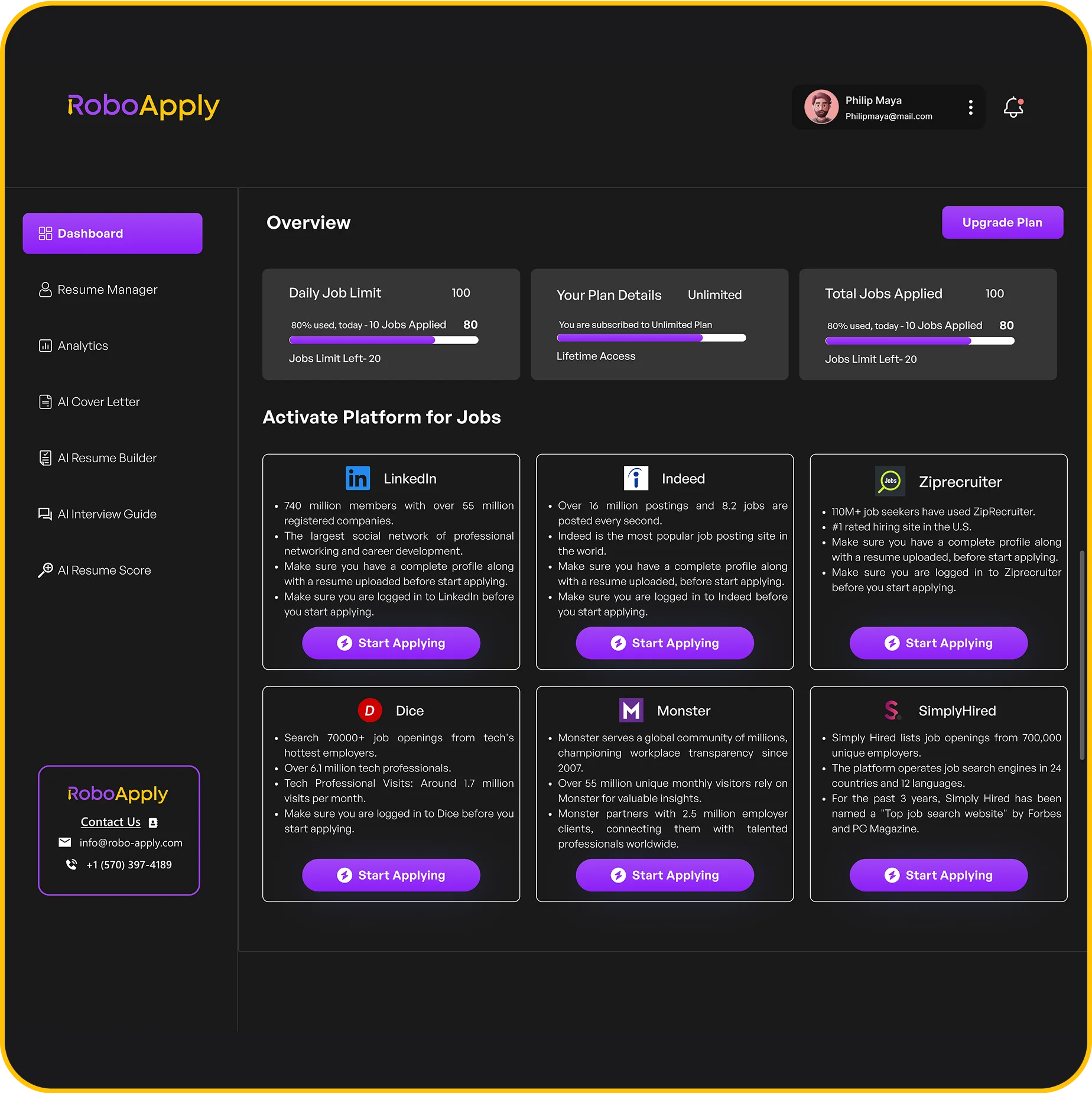
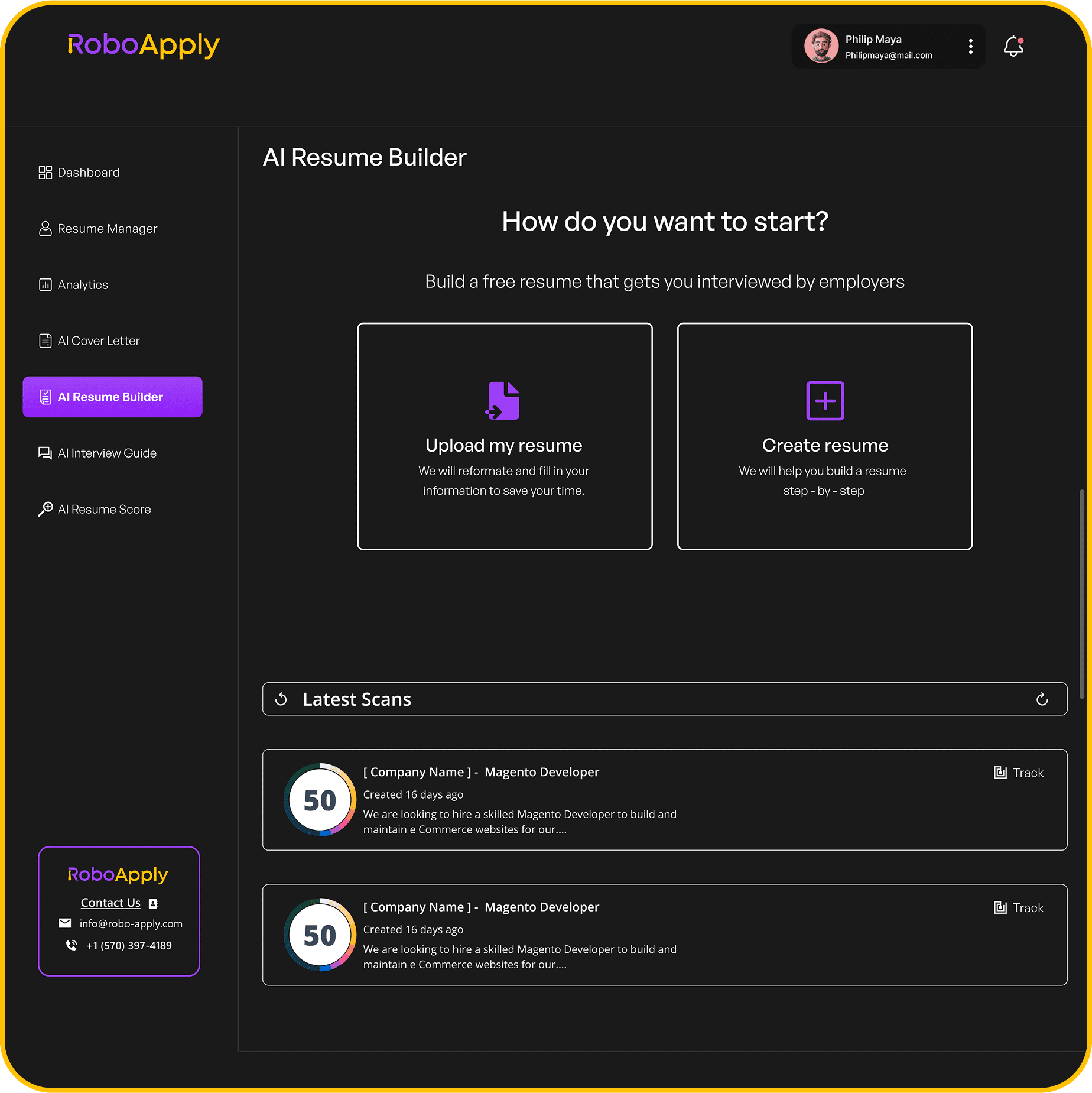
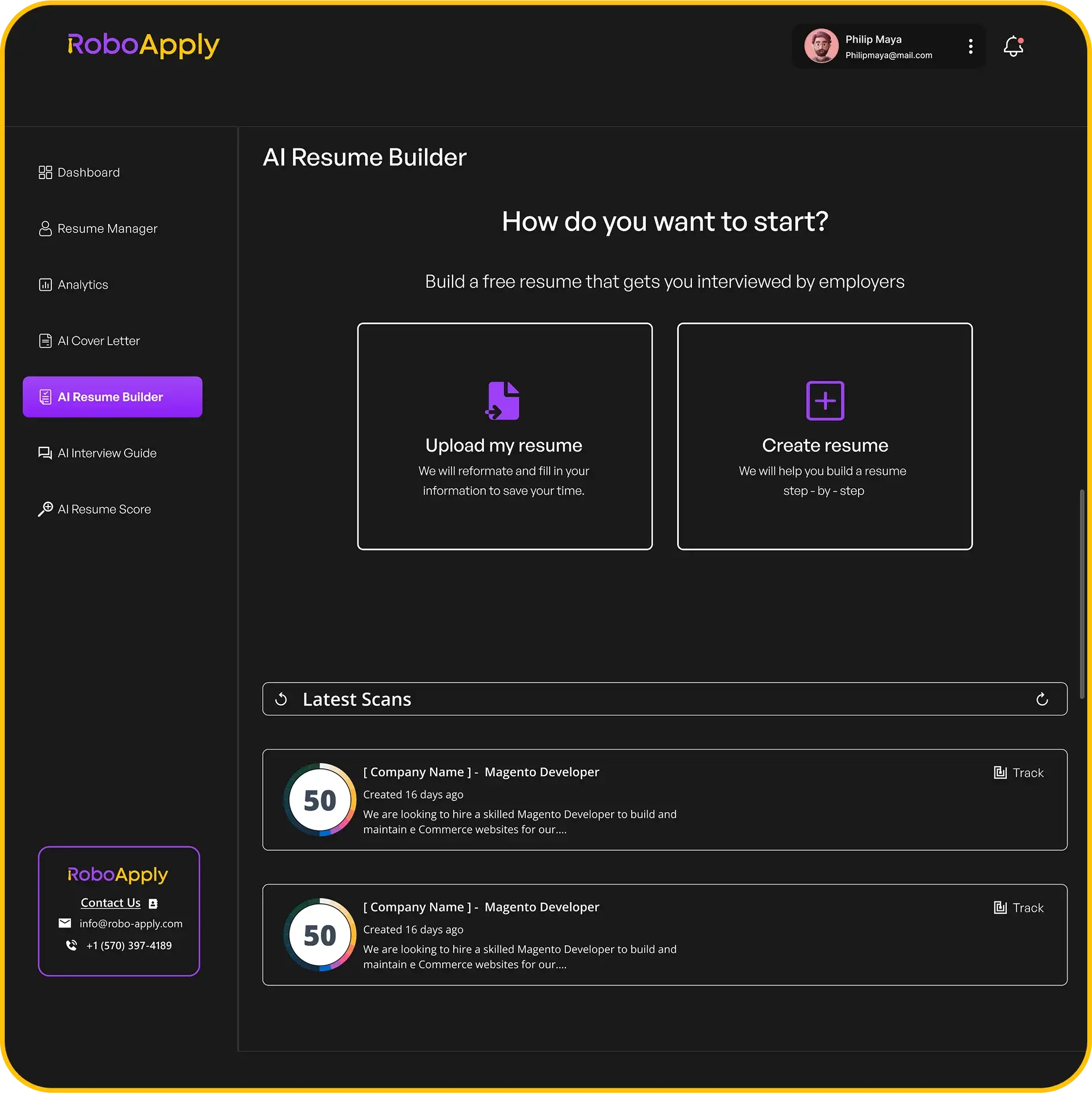
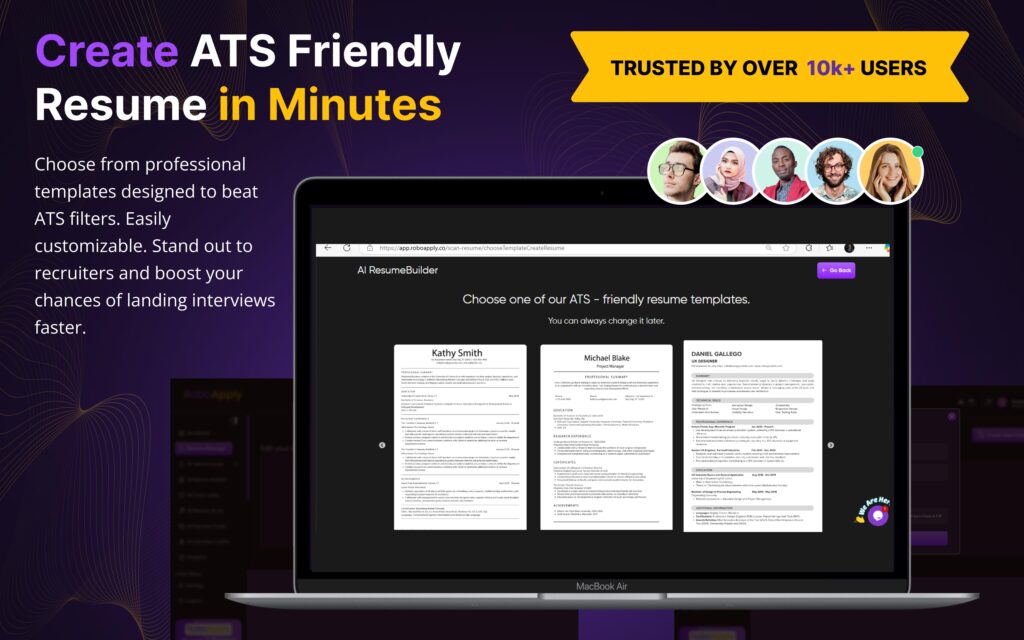
RoboApply’s AI Resume Builder creates optimized resumes that highlight your career progression and skill development. The platform formats your experience to show growth patterns and advancement potential.
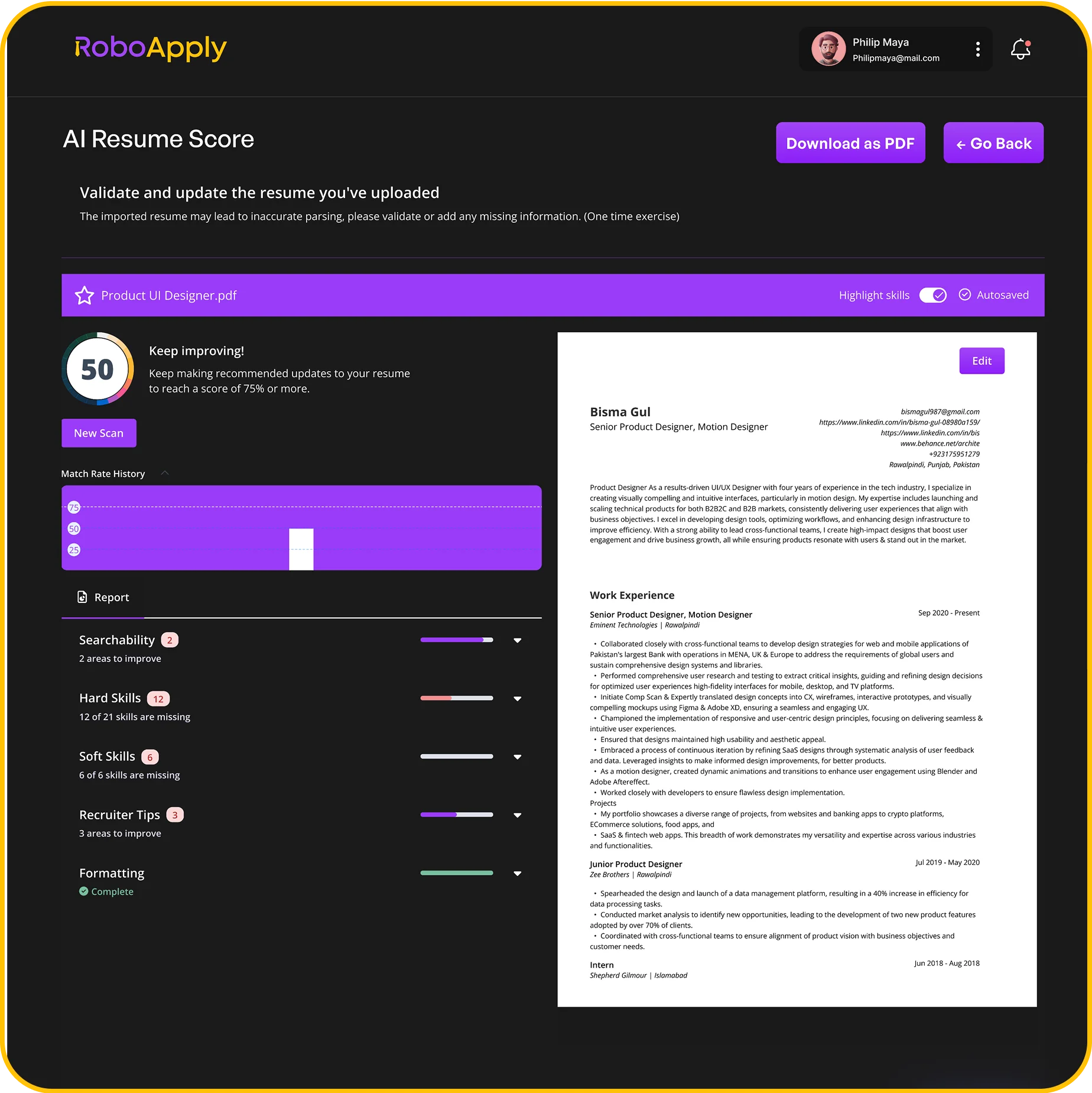
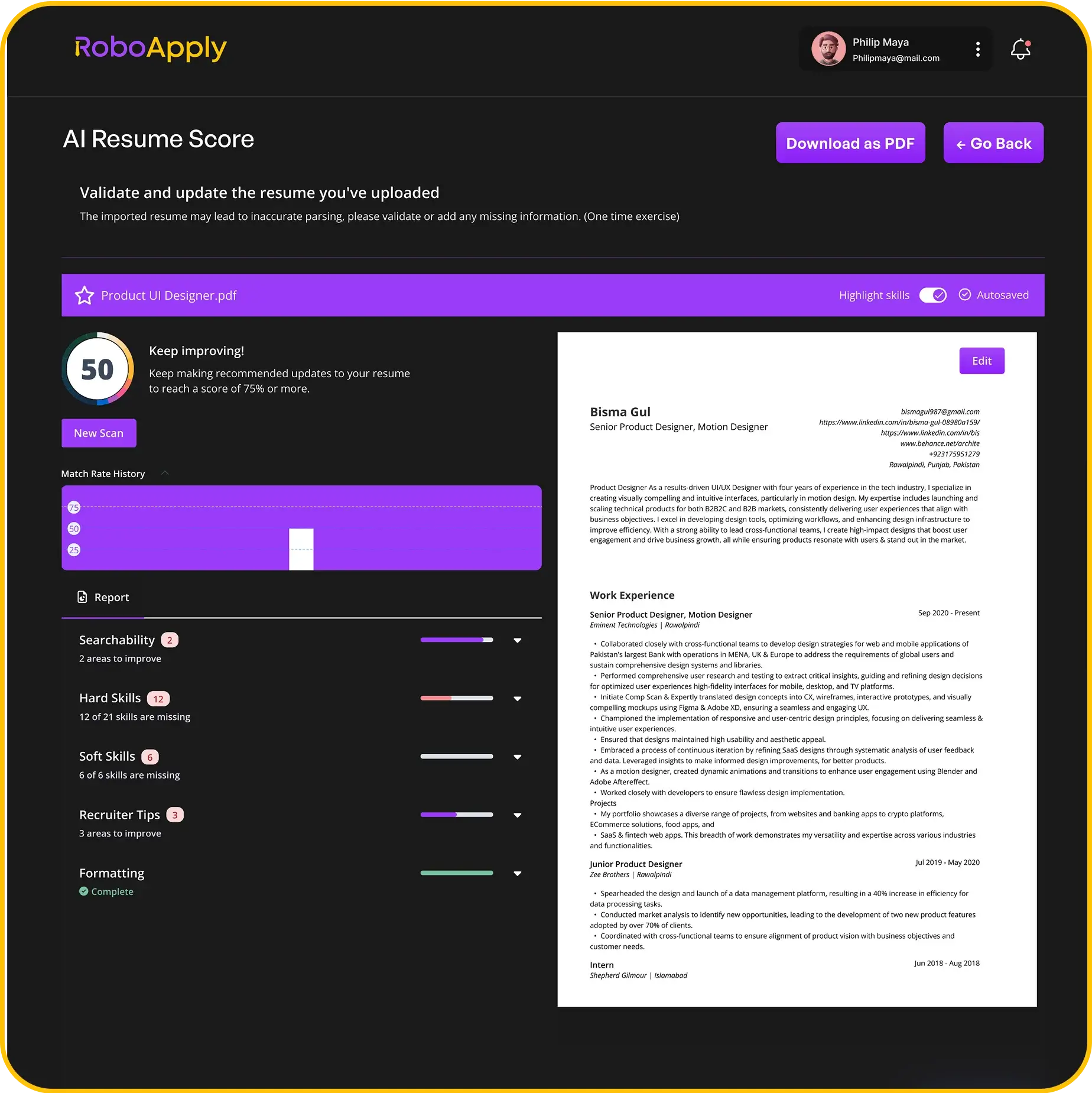
The Resume Score feature analyzes your application against career-level position requirements. You’ll see which qualifications to emphasize for roles that represent advancement in your field.
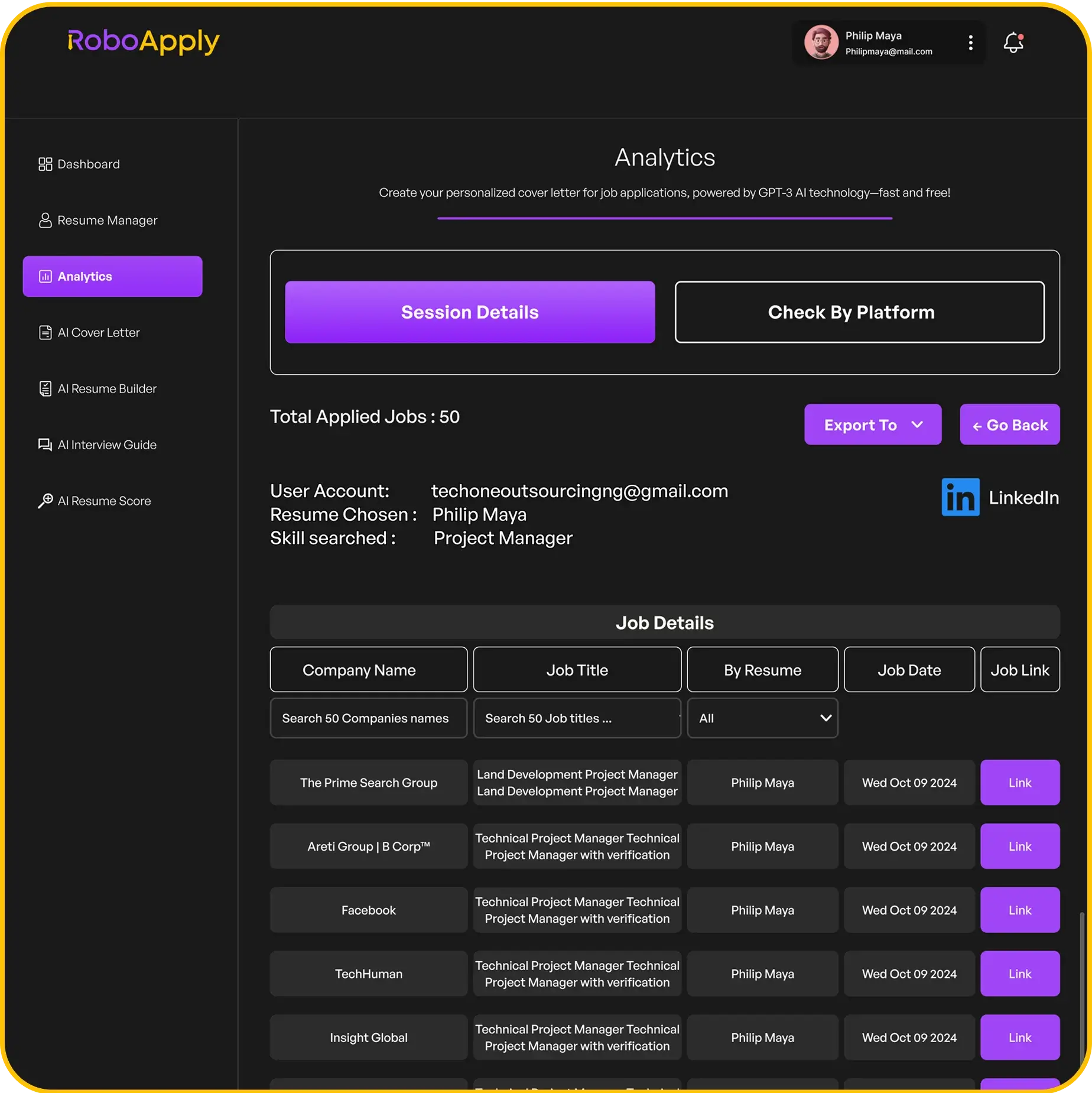
AI Auto Apply manages applications across hundreds of career-building positions. You’re not manually filling repetitive forms for every opportunity that could advance your professional trajectory.
When following up on applications, understanding best practices around calling a job after applying can help you stand out in competitive career-level positions.
Frequently Asked Questions
What is the difference between a job and career?
A job is a position held for income, while a career is a long-term professional journey involving growth, advancement, and purposeful progression through related roles.
Can a job become a career?
Yes, when you transform disconnected positions into intentional progression by developing skills, building expertise, and advancing within a field over time.
How long should you stay in a job before it’s a career?
Duration alone doesn’t create careers. Strategic skill development, advancement, and purposeful progression in a field define careers regardless of time spent in individual positions.
Do you need a degree to have a career?
Not always. Some careers require specific degrees, while others allow you to build credentials and expertise through work experience, certifications, and continuous learning.
When should I focus on a career instead of just a job?
When you’re ready to commit to long-term professional development, have identified a field of interest, and can invest time and resources in strategic growth.