A financial internship cover letter needs to showcase your analytical skills, relevant coursework, and genuine interest in finance immediately. Banks and firms scan for specific qualifications like Excel proficiency, accounting knowledge, and financial modeling experience. Your cover letter should prove you understand financial concepts while explaining why you’re passionate about their firm.
Most students make a critical error. They write generic letters listing coursework without connecting it to the role. Your cover letter isn’t a transcript repeat. It’s your chance to explain how your financial statement analysis project prepares you for their investment banking team.
Research from the National Association of Colleges and Employers shows finance firms receive 50-100 applications per internship opening. Your cover letter determines whether recruiters read your resume. You’ve got roughly 20 seconds to capture attention. Every sentence must add value.
What Finance Firms Look for in Cover Letters
Finance recruiters scan for specific signals before reading anything else. Your cover letter needs to pass this initial screening.
Technical Skills and Coursework
Your cover letter should highlight these qualifications early:
- Relevant coursework in accounting, corporate finance, or investments
- Excel skills including pivot tables, VLOOKUP, and financial modeling
- Familiarity with Bloomberg Terminal or financial databases
- Understanding of financial statements and ratio analysis
- Any programming skills like Python or R for financial analysis
Don’t assume firms will dig through your transcript. State your technical abilities clearly. According to the CFA Institute, employers prioritize candidates who demonstrate quantitative and analytical capabilities upfront.
Demonstrated Interest in Finance
Firms want interns who genuinely care about finance. Your cover letter should prove this passion through actions. Mention your involvement in investment clubs or finance competitions. Reference market trends you’ve been following. Discuss financial news sources you read regularly.
If you’ve completed online courses in financial modeling or valuation, include them. Self-directed learning signals commitment beyond classroom requirements.
Cultural and Firm-Specific Knowledge
Every finance firm has a unique culture. Bulge bracket banks differ from boutique firms. Asset management roles vary from private equity. Your cover letter must show you understand these differences.
Research the firm thoroughly before writing. Mention specific deals they’ve completed. Reference their market positioning. Discuss why their approach to finance appeals to you. Generic letters get rejected instantly.
How to Structure Your Financial Internship Cover Letter
A clear structure keeps recruiters reading. Follow this proven format that highlights your qualifications logically.
Opening Paragraph That Grabs Attention
Start with the specific internship you’re applying for. State your school and major immediately. Include your expected graduation date.
Example: “I’m applying for the Summer 2026 Investment Banking Analyst internship at [Firm]. I’m a junior at [University] majoring in Finance with a 3.8 GPA.”
This opening answers the recruiter’s first questions. You’re a relevant candidate. You’re available for their timeline. You’re worth reading further.
Middle Paragraphs: Experience and Skills
Use 2-3 paragraphs to detail your relevant experience. Focus on accomplishments that match the internship requirements. Similar to how many bullet points per job on resume matters, your cover letter should prioritize quality over quantity.
Here’s what works well in these paragraphs:
- Describe a relevant project with quantifiable results
- Explain coursework that taught applicable skills
- Mention leadership roles in finance organizations
- Discuss previous internships or work experience
- Connect your background to their specific needs
Always use numbers when possible. “Analyzed 50+ companies using DCF modeling” beats “analyzed companies.” Specificity proves capability.
Closing Paragraph With Clear Next Steps
End by requesting an interview confidently. Express enthusiasm for their firm specifically. Mention your availability for discussions.
Provide your contact information. State when you can start. Thank them professionally without being overly formal.

Common Financial Internship Cover Letter Mistakes
Avoiding these errors significantly improves your chances. Recruiters see the same problems repeatedly.
Using Generic Templates Without Customization
Sending the same cover letter to Goldman Sachs and a regional bank fails. Each firm operates differently. Their cultures and opportunities vary dramatically.
Research each firm individually. Mention their recent transactions or market focus. Show you’ve done homework beyond their website homepage. Generic letters signal lack of genuine interest.
Focusing on What You’ll Gain
Many students write about learning opportunities they’ll receive. Flip this perspective. Focus on what you’ll contribute to their team.
Instead of “I’ll learn financial modeling,” write “My experience building DCF models in Corporate Finance will help analyze potential acquisitions.” Show how you’ll add value from day one.
Overlooking Proofreading
Finance requires precision and attention to detail. Typos in your cover letter suggest carelessness with numbers. Proofread multiple times. Have someone else review it.
Pay special attention to firm names and deal details. Getting these wrong shows poor research and lack of care.
Download Professional Financial Internship Cover Letter Templates
We’ve created three cover letter templates for different finance internship levels. Each template includes proper formatting and industry-appropriate language.
Each template comes in DOCX, PDF, and TXT formats. Customize them with your specific experience and target firm details.
Writing Tips for Different Finance Internship Types
Different finance roles need different cover letter approaches. Tailor your message to the specific position. Understanding various career paths helps, just like knowing how many jobs are available in basic industries informs career decisions.
Investment Banking Internships
Investment banking covers value work ethic and technical skills. Your cover letter should emphasize your ability to handle long hours and complex analysis.
Highlight these elements:
- Financial modeling experience from coursework or competitions
- Understanding of M&A transactions and valuation methods
- Ability to work under pressure with tight deadlines
- Interest in specific industry groups they cover
Mention any relevant transactions you’ve studied. Discuss why deal-making excites you. Show you understand the demanding nature of banking.
Asset Management and Research Roles
Asset management firms want analytical thinkers who can evaluate investments. Your cover letter should demonstrate research capabilities and market knowledge.
Include discussion of:
- Stock pitch competitions or investment club leadership
- Your investment thesis for a current market opportunity
- Experience analyzing financial statements and industry trends
- Understanding of their investment strategy and philosophy
Reference specific holdings in their portfolio. Explain why their investment approach aligns with your interests.
Corporate Finance Internships
Corporate finance roles emphasize collaboration and business partnership. Your cover letter should show understanding of strategic finance within operations.
Highlight:
- Cross-functional project experience
- Understanding of budgeting and forecasting processes
- Communication skills for working with non-finance teams
- Interest in the company’s industry and business model
Discuss how finance supports business objectives. Show you understand the strategic role beyond pure number crunching.
How Your Cover Letter Fits Your Application Strategy
Your cover letter works with other application materials to tell your complete story. Just like calling a job after applying can help in some industries, following up shows initiative in finance too.
Finance internship applications typically include:
- Cover letter (1 page)
- Resume (1 page)
- Transcript (unofficial initially)
- References (usually 2-3 professional)
Your cover letter provides context your resume can’t. It explains career transitions or course choices. It adds personality that transcripts don’t convey. Regarding whether you should put references on a resume, most finance applications request them separately.
Think of your application like a pitch deck. Your cover letter is the executive summary. Your resume provides supporting details. Transcripts verify academic performance. References confirm your capabilities.
Streamlining Your Finance Internship Applications
Writing strong cover letters for multiple firms gets overwhelming fast. Most students apply to 20-30 internships each recruiting season. That means customizing 20-30 cover letters while managing interviews and coursework.
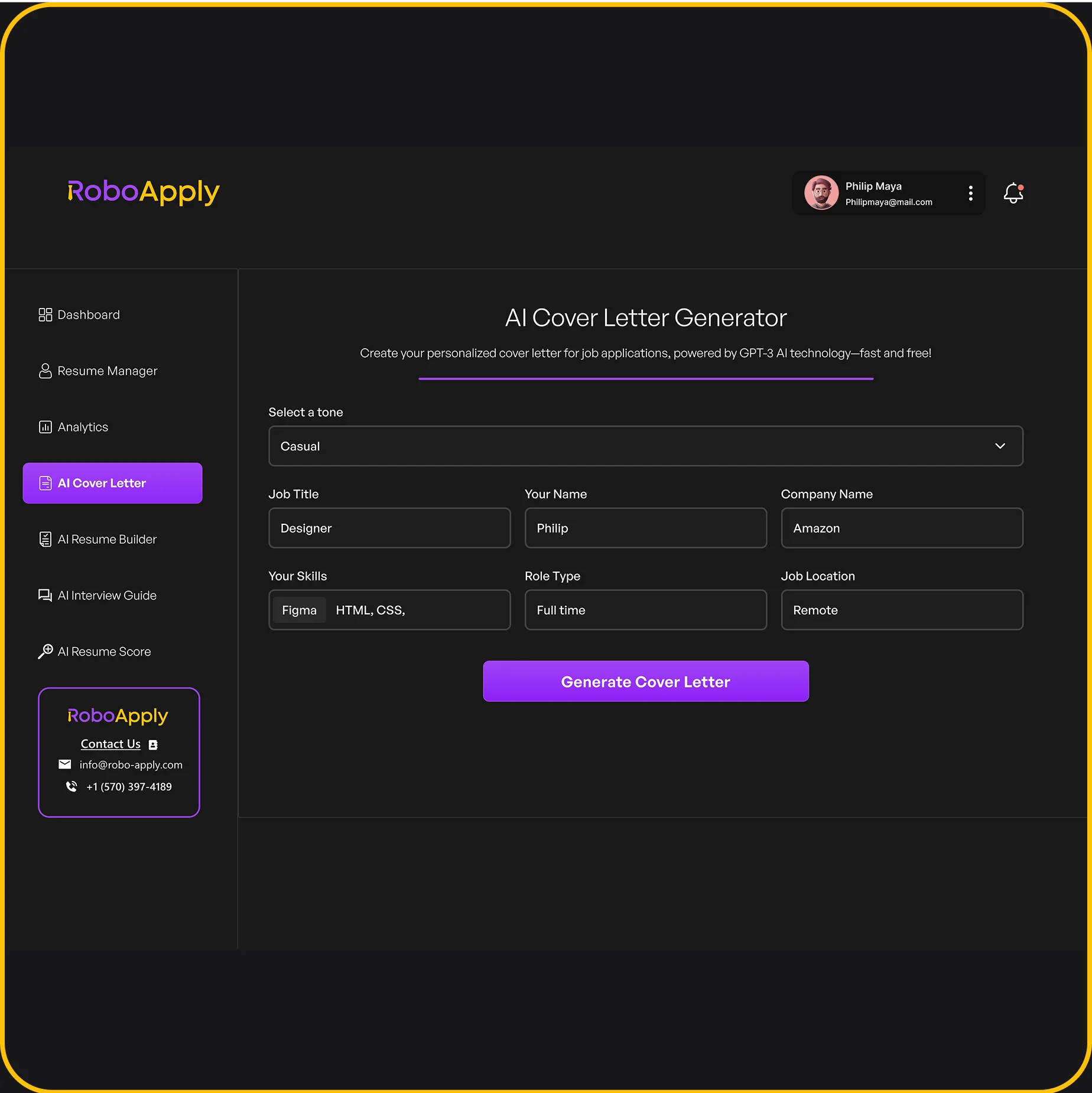
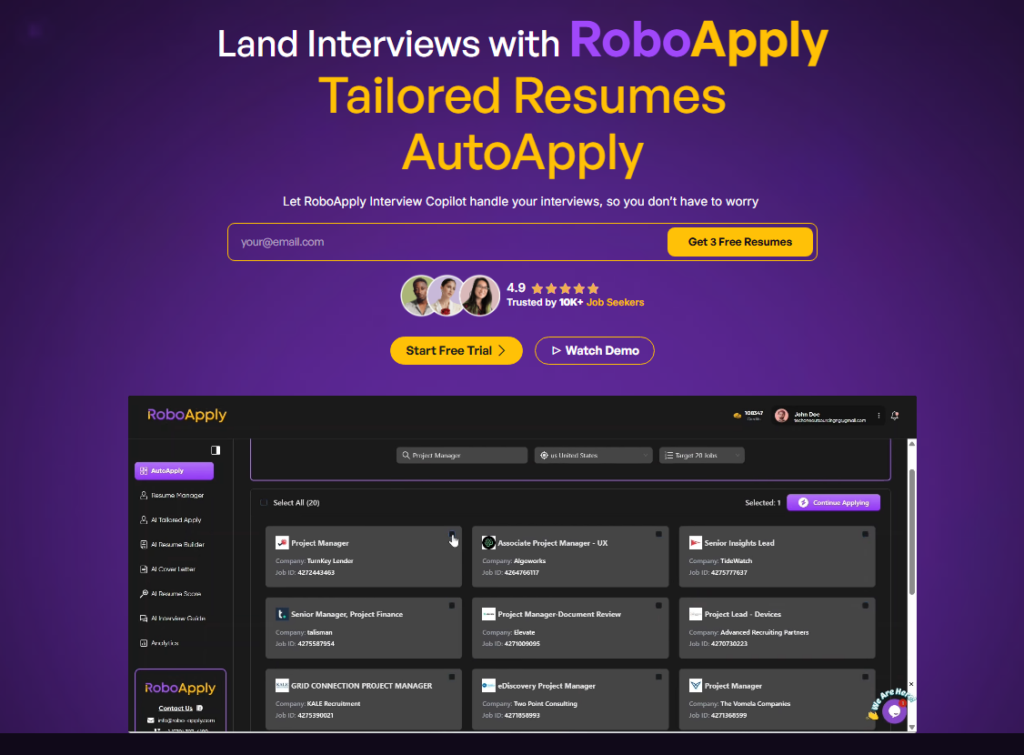
RoboApply’s AI Cover Letter Generator helps finance students create personalized letters efficiently. The platform adapts your core experiences to each firm’s specific requirements. You’ll maintain customization without starting from scratch repeatedly.
The AI Resume Builder formats your finance experience for ATS systems banks use. Your modeling projects and analytical skills appear prominently. The system optimizes for finance industry keywords automatically.
AI Auto Apply submits applications to multiple firms based on your qualifications. Your finance background reaches more opportunities without manual portal entries. You’re applying efficiently while focusing on interview preparation.
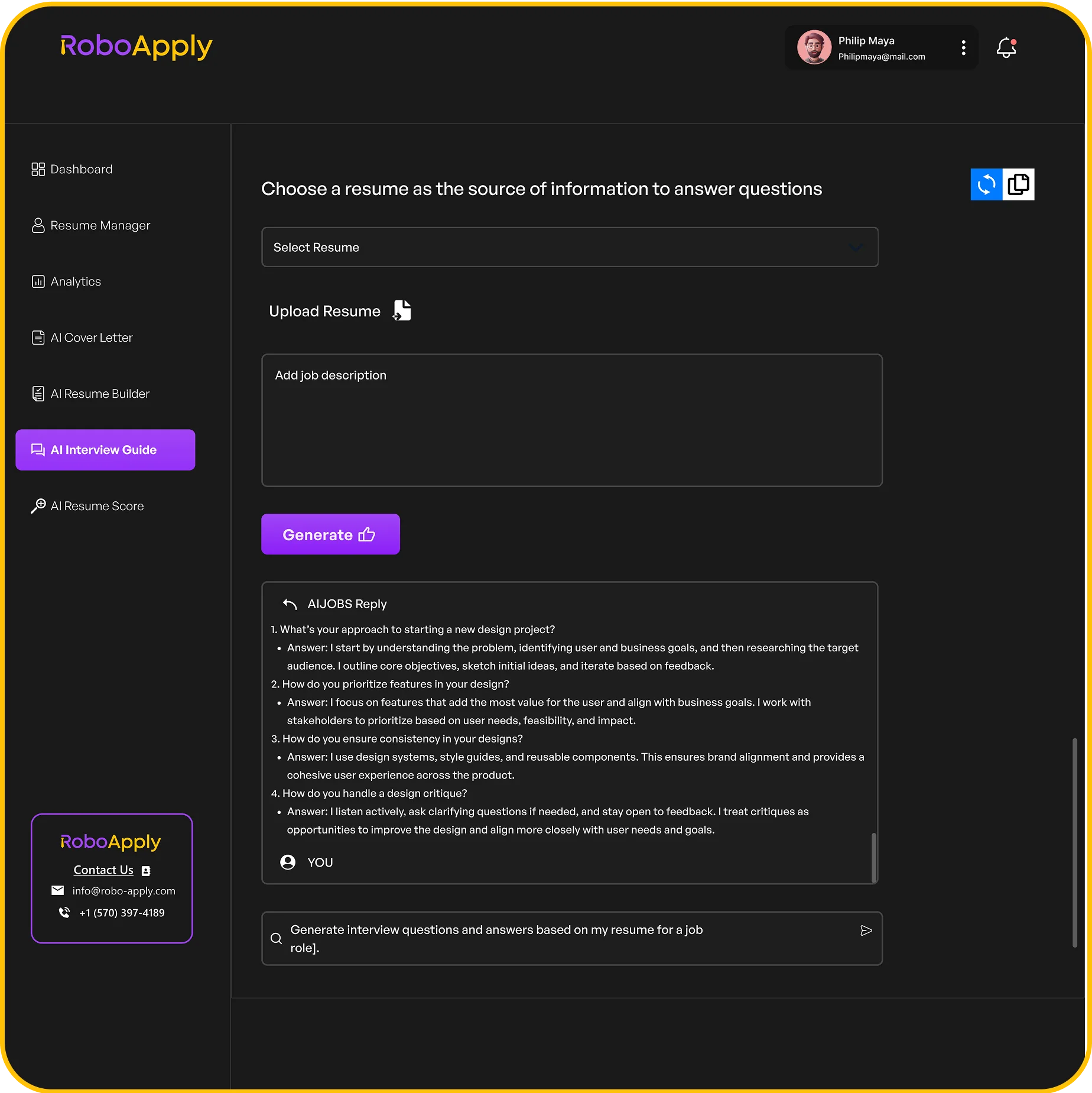
Interview Copilot prepares you for technical finance interviews. You’ll practice valuation questions and behavioral scenarios. The tool helps you discuss experiences confidently using STAR method frameworks.
Finance careers offer strong compensation potential across industries. For comparison, specialized roles like underwater welding show how technical skills command premium pay in any field.
Frequently Asked Questions
How long should a financial internship cover letter be?
Keep your cover letter to one page, around 300-400 words maximum. Finance recruiters review many applications. Concise letters highlighting key qualifications perform best.
Should I mention my GPA in my finance cover letter?
Yes, mention your GPA in the opening if it’s 3.5 or higher. Finance firms use GPA as a screening tool. Strong academic performance matters significantly.
Can I use the same cover letter for banking and asset management?
No, these roles require different skills and mindsets. Banking emphasizes deal execution. Asset management focuses on research and analysis. Customize accordingly.
Do I need to explain why I chose finance in my cover letter?
Yes, briefly explain your interest in finance authentically. Avoid clichés about loving numbers. Share specific experiences that sparked your passion for financial markets.
Should my financial internship cover letter mention certifications?
Yes, mention relevant certifications like CFA Level I if you’re pursuing them. This shows commitment to finance beyond coursework requirements and differentiates you.