A civil engineer job cover letter needs three things. Technical project specifics. Quantified results. Software proficiency. That’s it. Generic letters about “passion for engineering” get ignored.
Your letter competes against dozens of qualified engineers. Hiring managers scan fast. They’re hunting for concrete proof you deliver. Someone who solved actual problems on real projects.
Most civil engineer cover letters fail. They list vague responsibilities. They mention software without showing mastery. They discuss projects without numbers. None of that proves anything.
This guide shows what actually works. You’ll see which details hiring managers want. How to present project experience. And the mistakes killing your applications.
What Gets Cover Letters Noticed Fast
Strong letters demonstrate technical skills through specific examples. Not statements like “excellent problem-solver.” Actual project details showing what you built or designed.
Your first paragraph hooks them with your best outcome. “Reduced bridge construction timeline by 23% saving $1.2M” grabs attention. I’m a hardworking civil engineer passionate about infrastructure” gets deleted.
Research from ASCE shows quantified achievements increase callbacks by 40%. Numbers prove impact. Words don’t.
Components You Can’t Skip
Your letter needs specific elements hiring managers expect. Skip any and you’re weakening your shot.
Open With Impact
Start with your strongest project outcome. Lead with results.
Strong openings:
- “Managed $8.5M highway interchange completing 3 weeks early with zero safety incidents across 50,000 work hours.”
- “Designed stormwater system reducing runoff by 35% for 200-acre commercial development under EPA regulations.”
- “Led structural analysis for 12-story building optimizing foundation design to cut costs by $400K.”
Weak openings:
- “I’m writing to express interest in the Civil Engineer position.”
- “As a passionate civil engineer with excellent skills…”
- “I believe I’d be a great fit for your team.”
Generic openings waste time. Get to your value fast.
Highlight Technical Skills That Match
Civil engineering spans multiple specializations. Your letter should emphasize skills matching the specific job. Don’t list everything you know.
For structural roles? Emphasize analysis software like SAP2000 or ETABS. Load calculations. Code compliance. Foundation design. Document preparation.
For transportation? Highlight traffic analysis. Civil 3D for roadway design. Pavement work. MUTCD compliance. Traffic control plans.
For water resources? Focus on hydraulic modeling. HEC-RAS or SWMM. Stormwater BMP design. Flood plain analysis. Water distribution systems.
NSPE research shows software mentions boost ATS scores by 60%.

Show Projects With Full Context
List projects with complete context. Project type. Size. Budget. Timeline. Your role. Context proves the scale you handle.
Follow this: Project Type + Scale/Budget + Your Role + Outcome.
Strong examples:
- “Designed bridge rehab for 800-foot span with $3.2M budget, coordinating with FHWA while maintaining traffic flow.”
- “Performed site civil for 500-unit development including grading, utilities, stormwater across 85 acres.”
- “Led geotechnical investigation with 45 borings, analyzing conditions to optimize foundations saving client $280K.”
These prove you understand project delivery. You work within constraints. You produce results.
What Employers Hunt For
Hiring managers scan letters for specific signs of competence. Understanding their priorities helps you emphasize right.
Regulatory knowledge matters big. Civil projects operate under strict regulations. Employers need engineers who understand codes and ensure compliance.
Show this by referencing codes you’ve worked under. IBC, ASCE 7, ACI 318 for structural. AASHTO and MUTCD for transportation. NPDES permits for environmental work.
“Coordinated with county planning securing approval for 150-lot subdivision through three review cycles” proves you navigate bureaucracy.
Collaboration comes up constantly. Civil engineering requires coordination with architects, MEP engineers, contractors, clients. Your letter should show collaborative success.
Examples work here. Coordinating with structural engineers on foundations. Working with surveyors establishing benchmarks. Collaborating with environmental consultants on permits. Presenting technical info to non-technical clients.
Problem-solving wins interviews. Every project faces challenges. Budget limits. Difficult sites. Tight schedules. Managers want engineers who solve problems instead of creating them.
Describe challenges you overcame. Redesigning drainage when tests revealed bad soils. Value engineering to meet budget. Modifying traffic control for emergency access.
ENR research shows problem examples improve scores by 55%.
Mistakes That Kill Applications
Certain errors appear constantly on rejected applications. Avoid these and you’re ahead immediately.
Duties Instead of Wins
“Responsible for structural design of commercial buildings” tells them nothing. Every structural engineer designs buildings. What’d you accomplish?
Transform duties:
- Weak: “Performed site inspections”
- Strong: “Conducted 87 inspections identifying 23 issues early, preventing rework”
- Weak: “Prepared construction documents”
- Strong: “Produced documents for $12M education facility including 150 coordinated sheets”
Accomplishments prove value. Duties describe existence.
Too Technical or Too Vague
Balance depth with readability. HR reads your letter before engineering managers. Too much jargon confuses non-engineers. But oversimplifying sounds inexperienced.
Write clearly:
- Too technical: “Utilized LRFD methodology per AASHTO for prestressed girder design achieving optimal span-to-depth ratios”
- Too vague: “Designed bridges using best practices”
- Right: “Designed three-span bridge using prestressed girders, optimizing efficiency to cut material costs 18%”
Ignoring Job Requirements
Generic letters applying to any position show mass-applying without research. Customize matching specific requirements.
Read the posting carefully. Find which qualifications they emphasize. Structure examples demonstrating those capabilities.
Posting prioritizes Civil 3D? Mention specific Civil 3D projects prominently. Need DOT experience? Lead with transportation work. SHRM data shows customized letters get 3x more interviews.
Repeating Your Resume
Your letter shouldn’t restate your resume. It provides context your resume can’t.
Use your letter to explain why projects prepared you for this role. Connect experience to their needs. Provide details that don’t fit resume bullets. Show understanding of their company.
The letter adds dimension. It shouldn’t duplicate without adding value.
Download Your Templates
We’ve created specialized templates for different disciplines. Each includes industry language, technical terms, and formats passing ATS. Templates cover structural, transportation, water resources, geotechnical, and construction management.
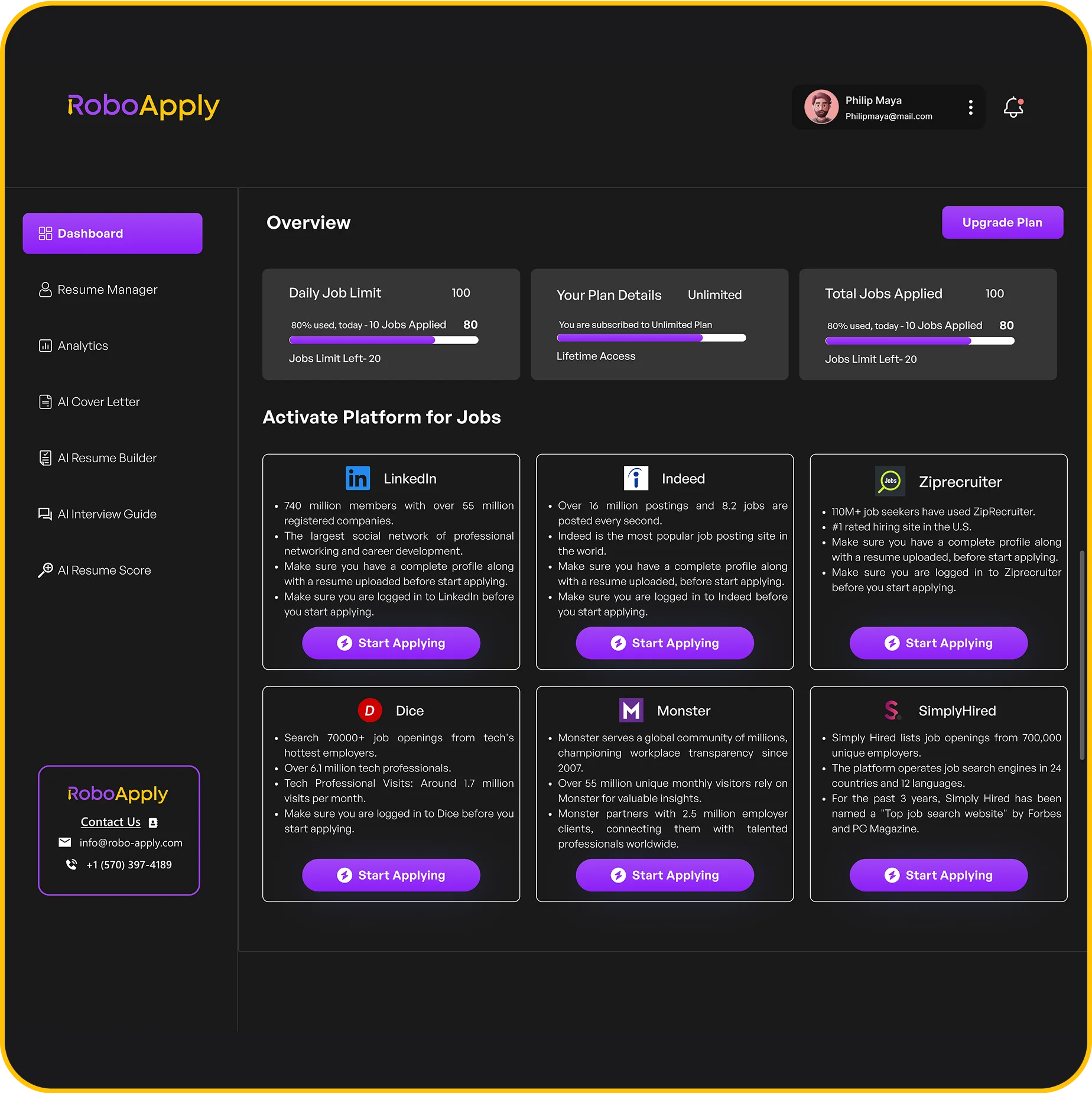
How RoboApply Speeds Everything Up
Creating customized letters for every position eats time. Each role needs different emphasis. Tailoring letters for dozens of applications gets overwhelming fast.
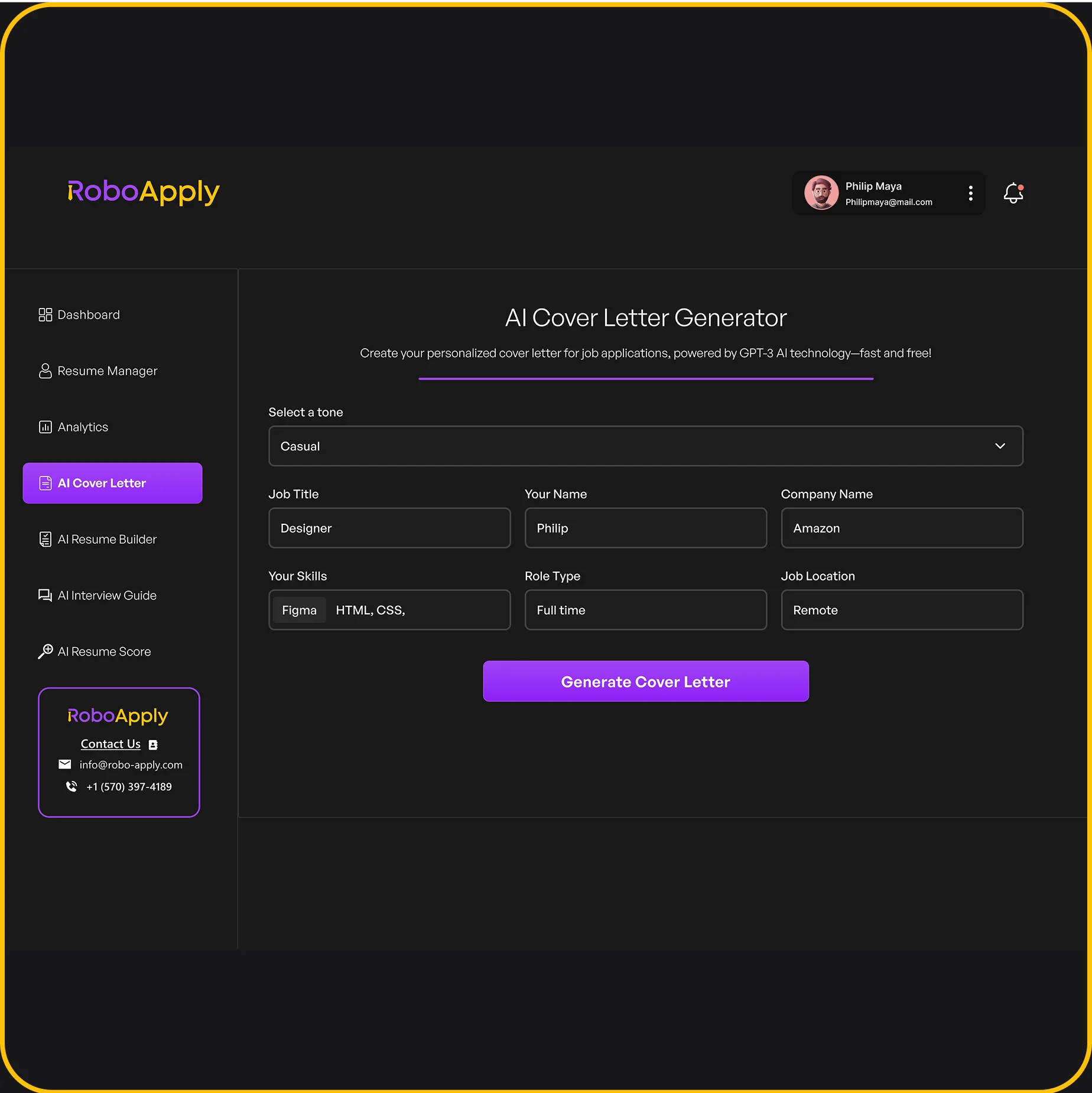
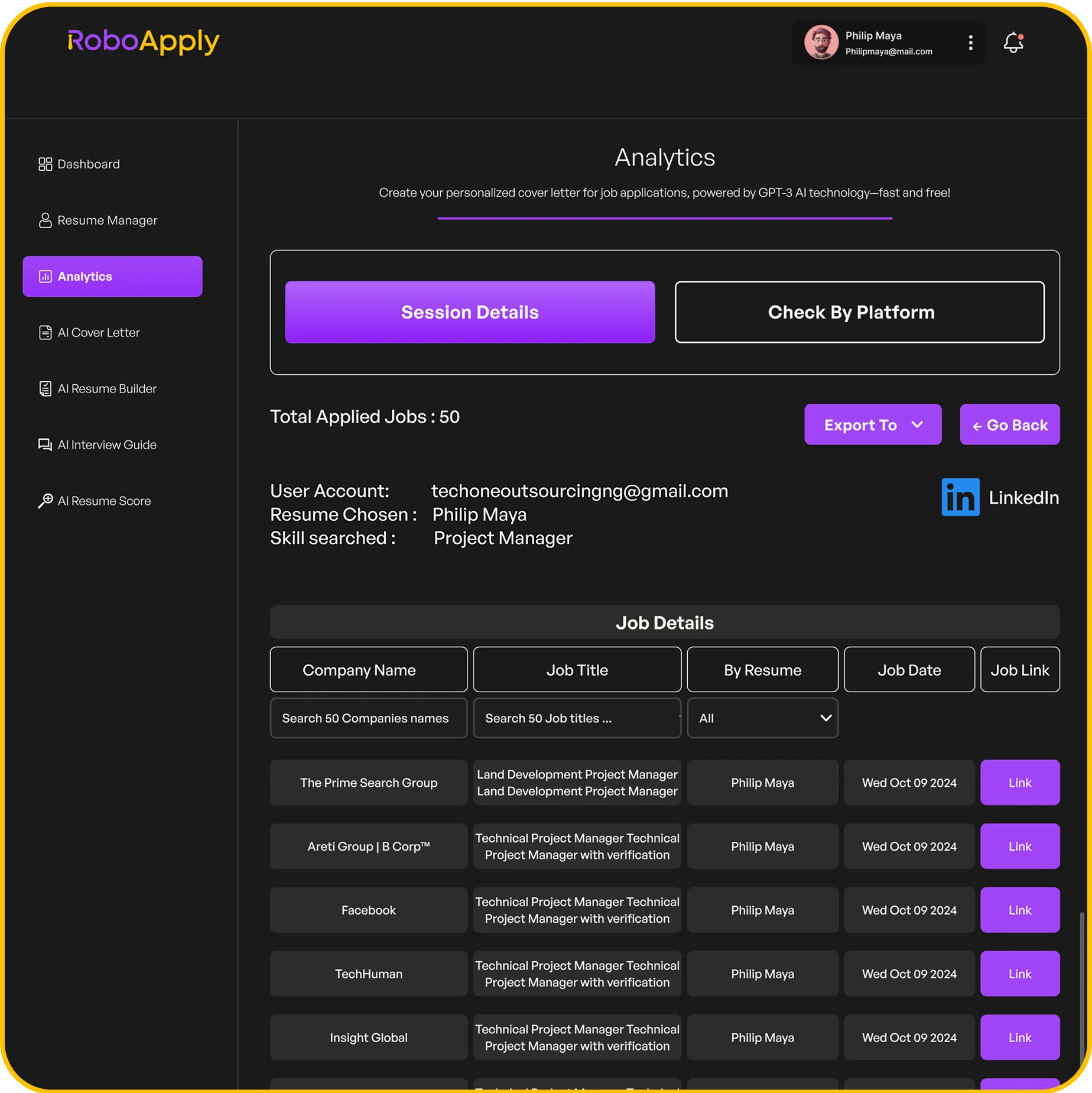
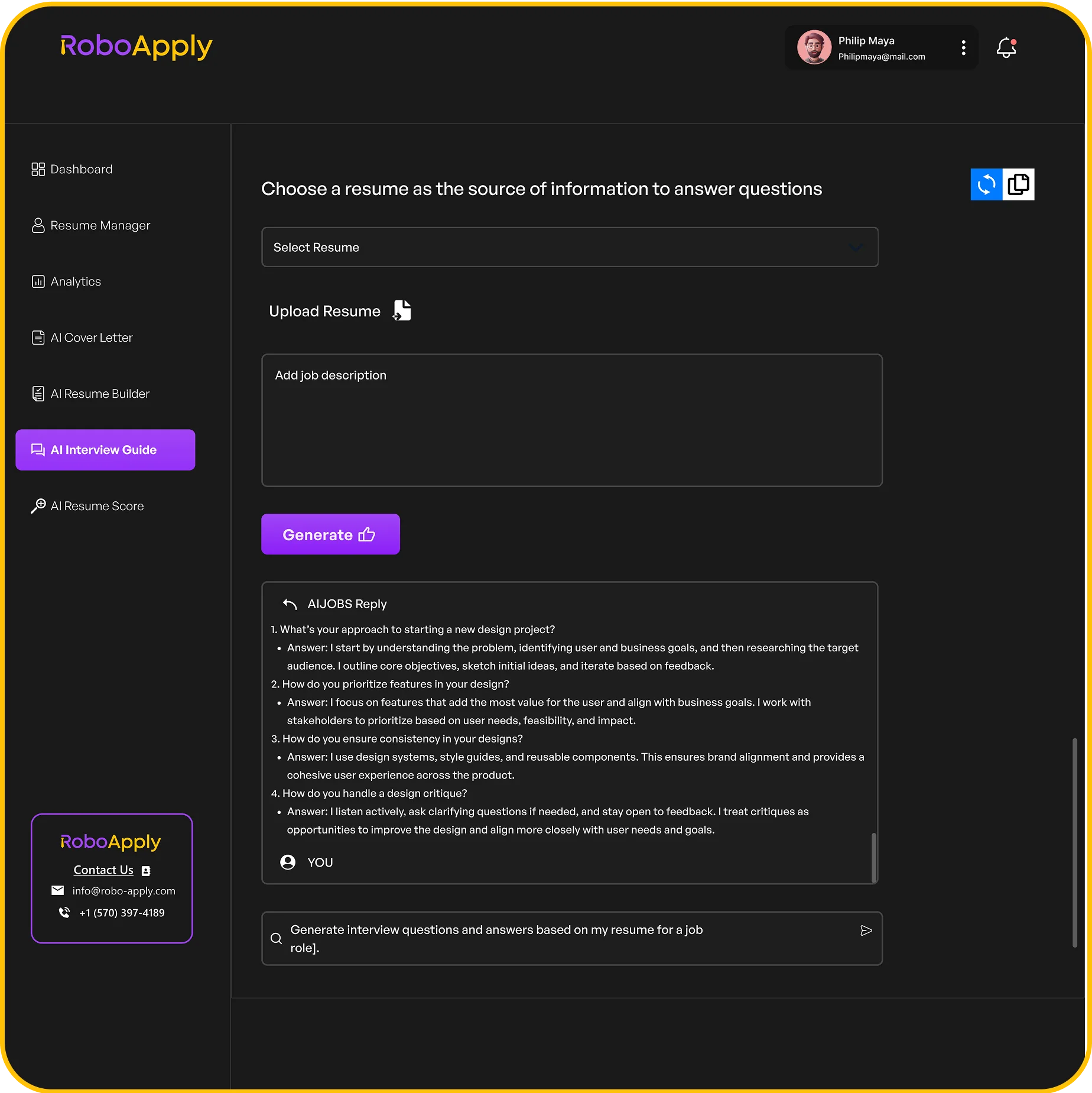
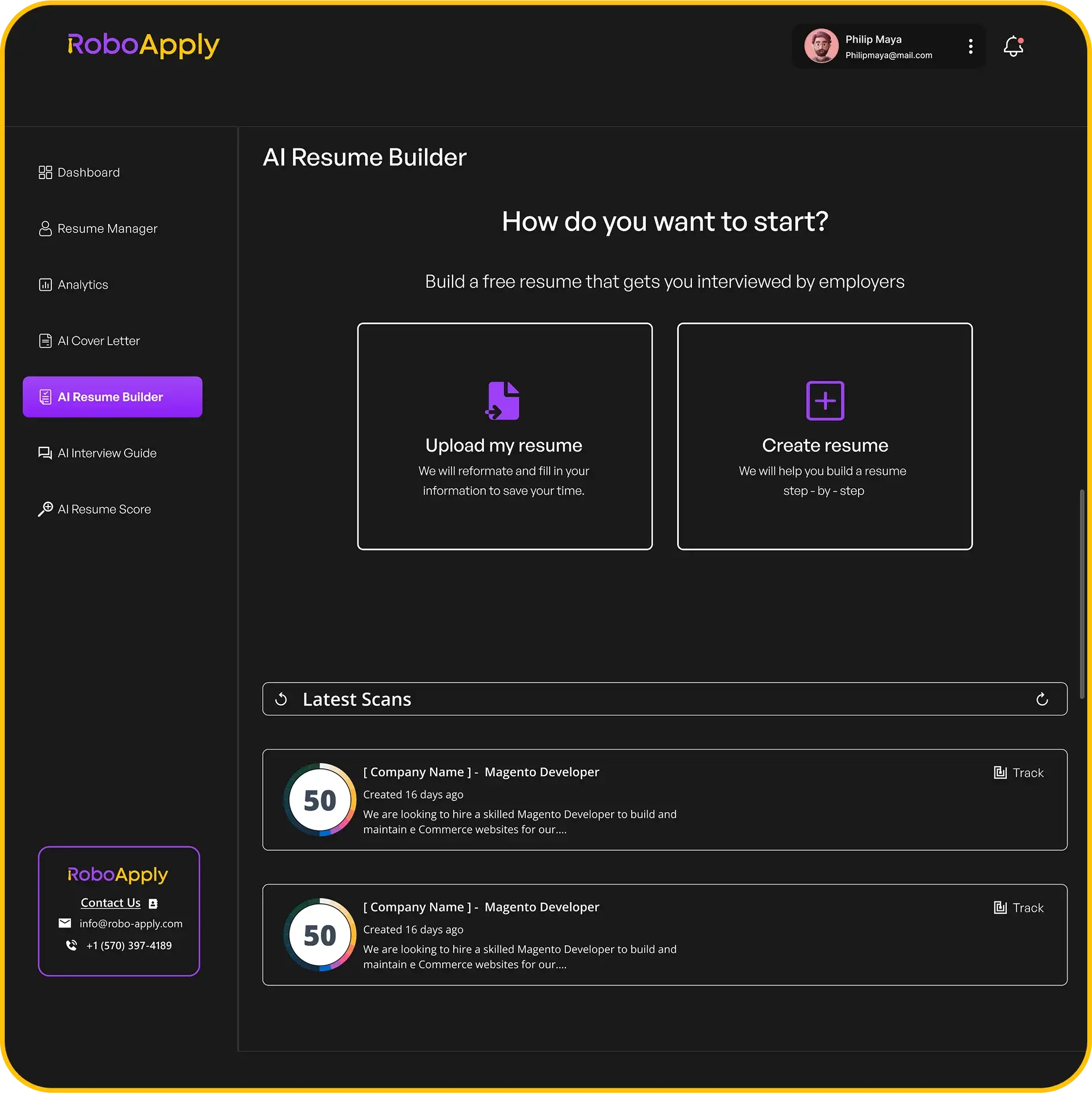
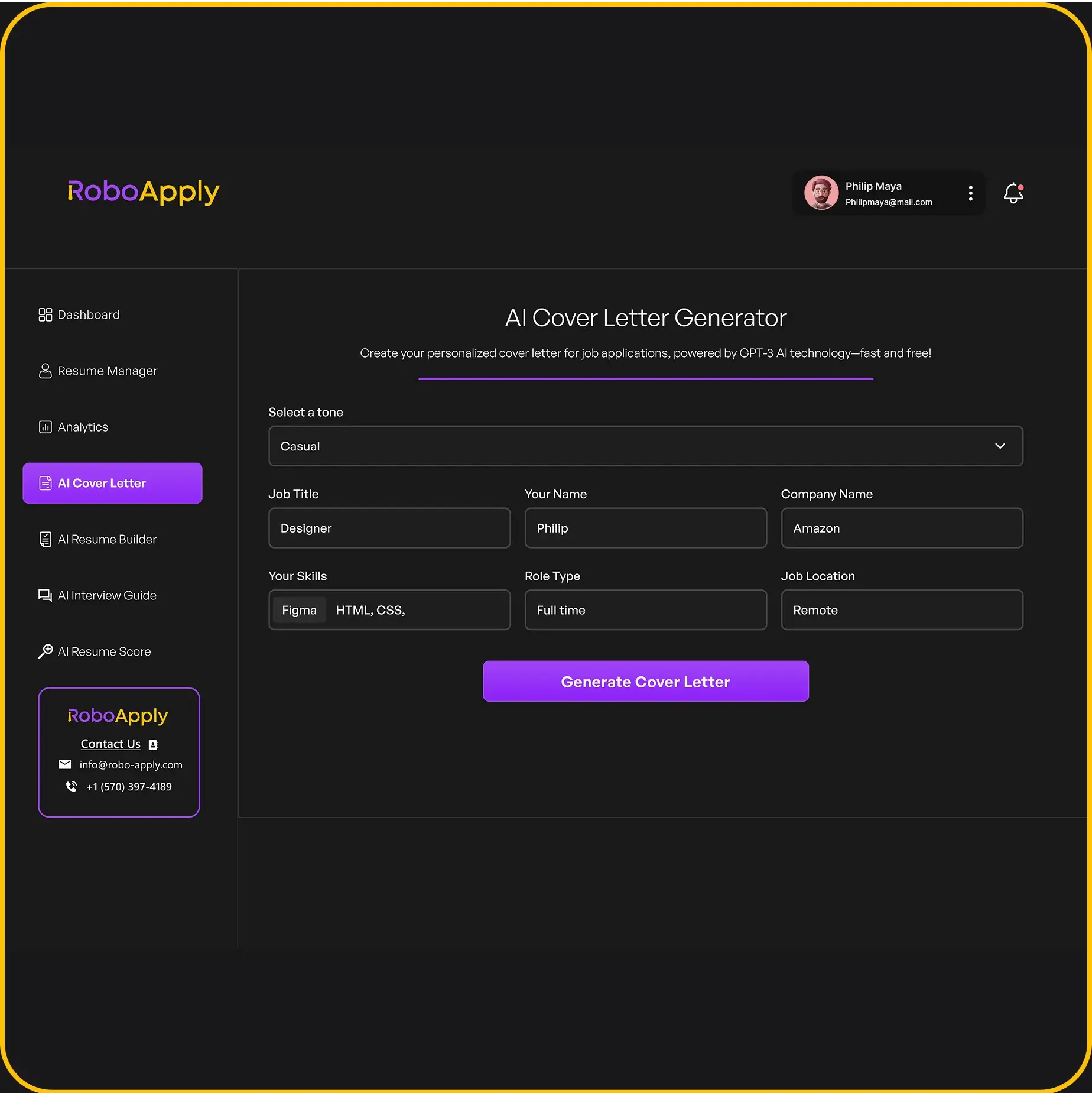
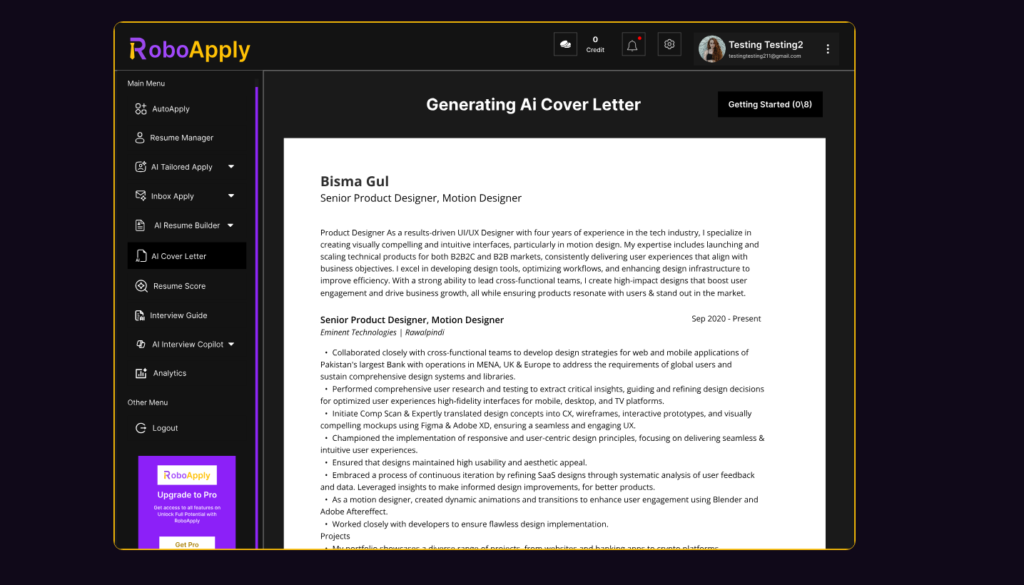
RoboApply automates this whole process. The AI Cover Letter generator gets civil engineering specializations. Analyzes descriptions automatically. Emphasizes your matching experience naturally.
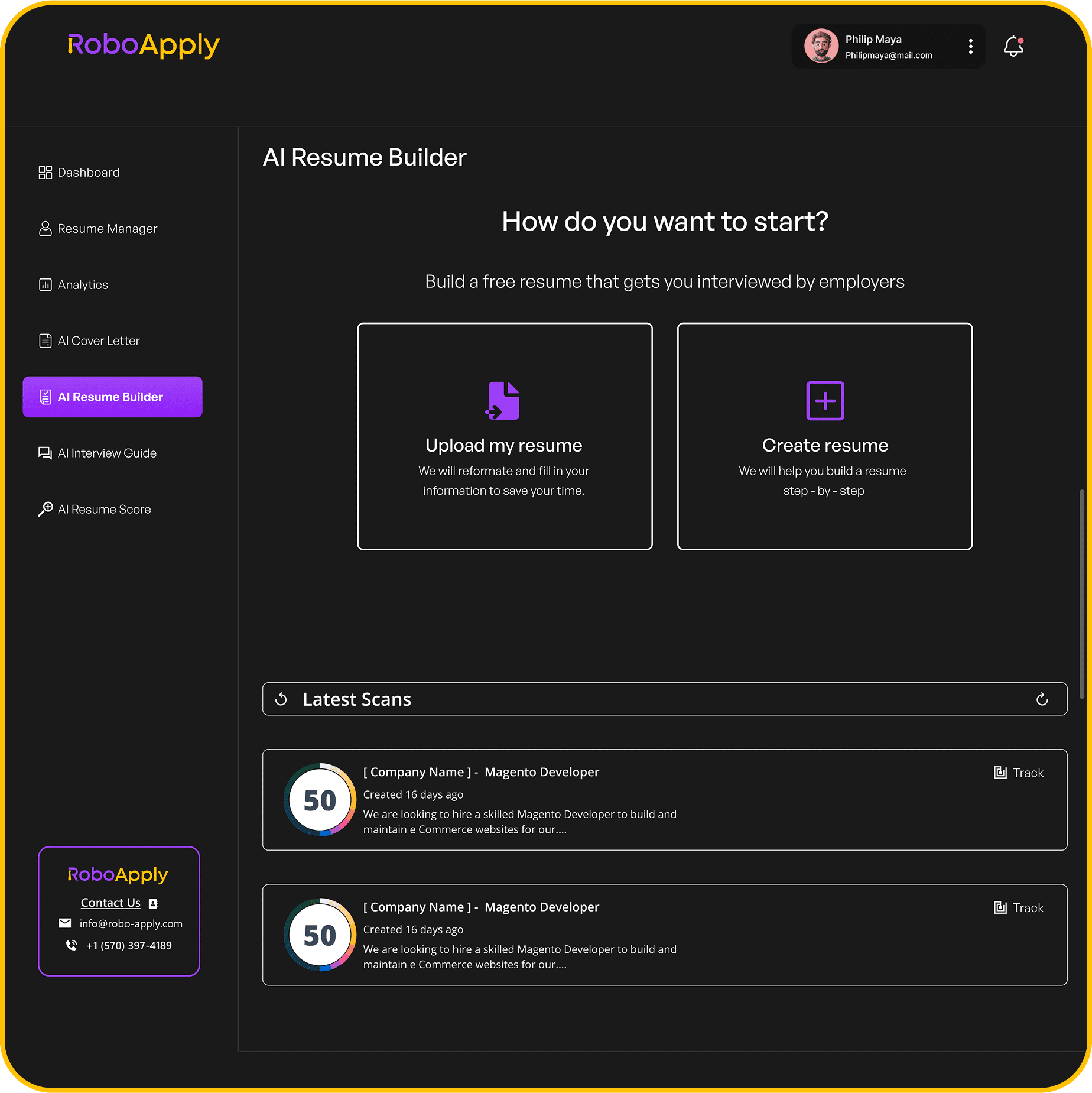
The AI Resume Builder creates technical resumes highlighting relevant projects. Your letter and resume work together. Keywords match across both.
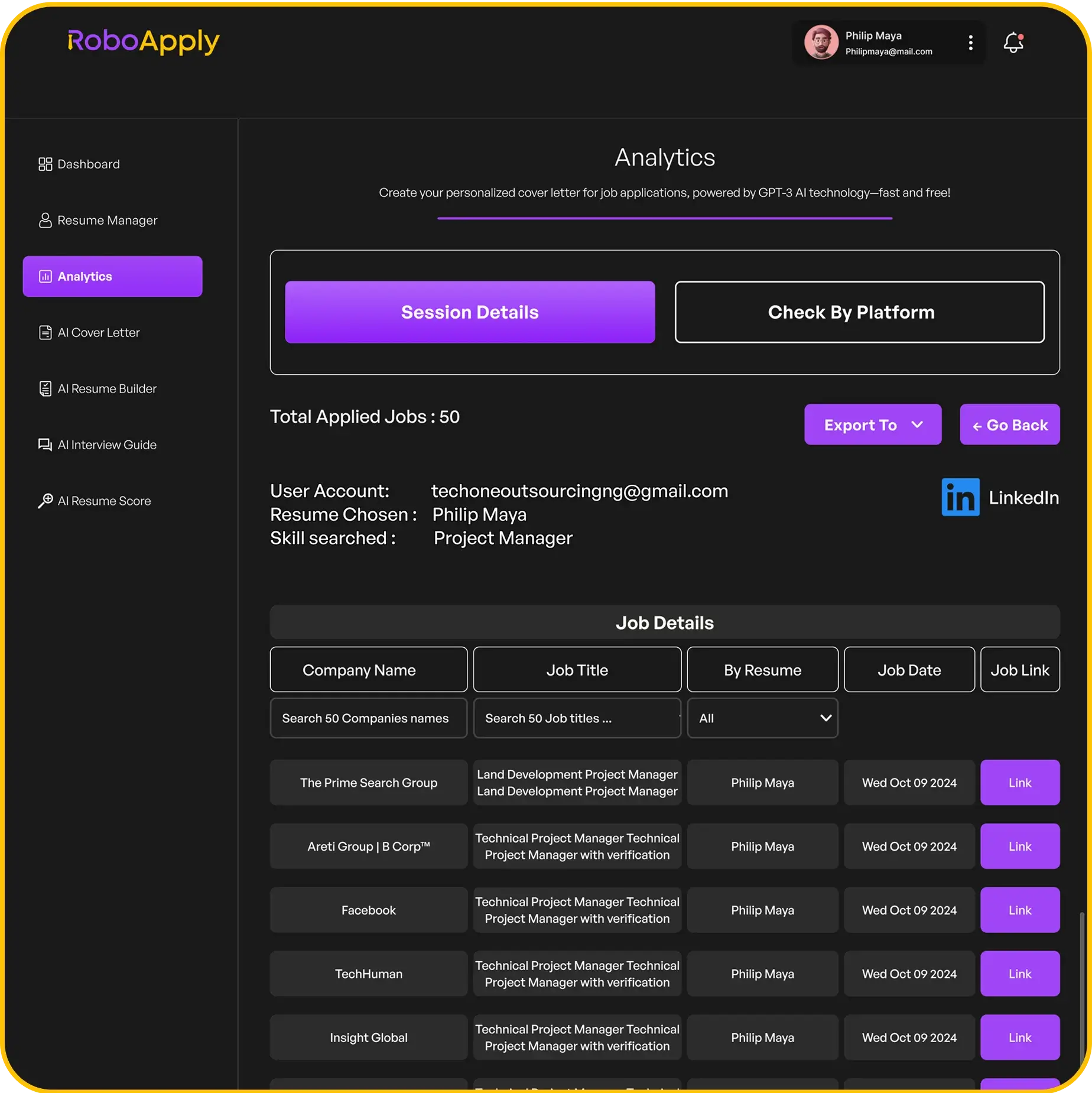
AI Auto Apply finds matching positions across LinkedIn, Indeed, other boards. Customizes materials. Submits everything automatically while you network.
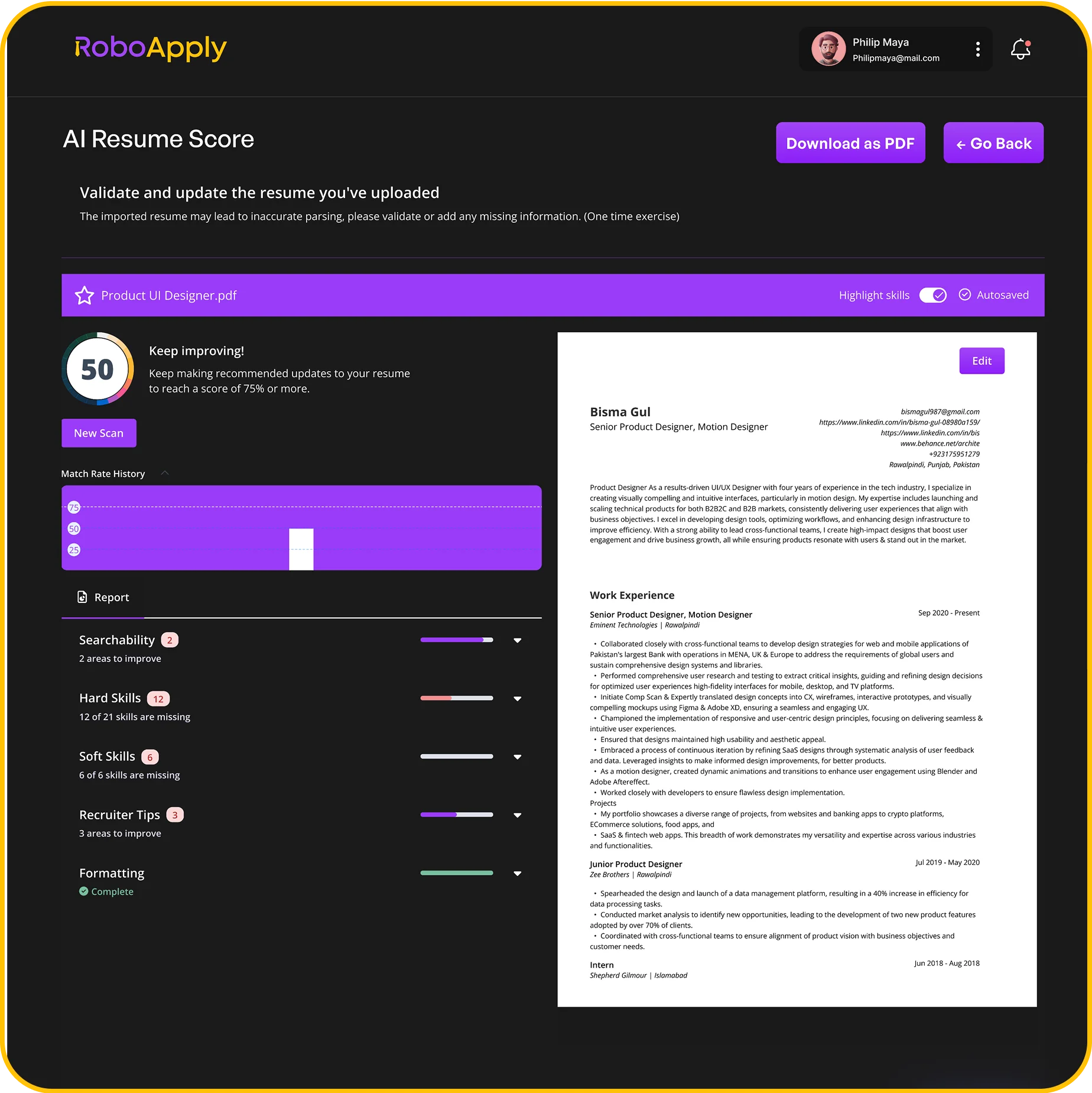
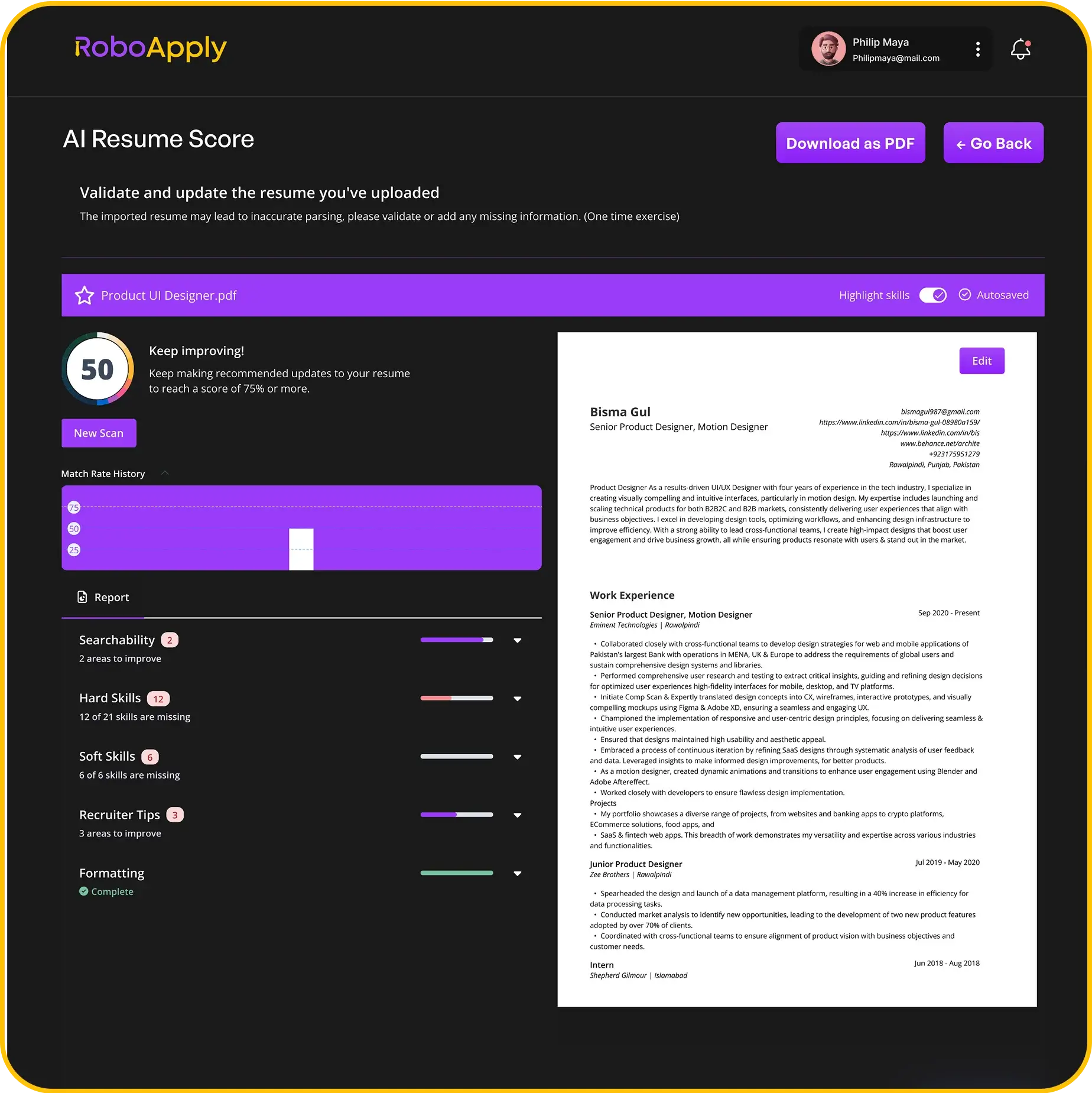
The Resume Score shows how ATS reads your docs. Technical terms register properly. Software names appear in searchable fields.
Start with the free plan testing everything. Three free resumes and applications show full functionality.
Frequently Asked Questions
What should a civil engineer job cover letter emphasize most?
Specific project examples with quantified outcomes, relevant software proficiency, regulatory compliance experience, and problem-solving through real engineering challenges you’ve handled.
How long should a civil engineering cover letter be?
Three to four paragraphs fitting one page. Hiring managers scan for 30 seconds. Brevity keeps attention while proving qualifications effectively.
Should I mention my PE license in my cover letter?
Yes, mention Professional Engineer licensure prominently if licensed. Include license number and state. PE status strengthens applications significantly.
Do I need different letters for different specializations?
Absolutely. Structural, transportation, water resources, geotechnical roles need different emphasis. Customize matching each specialization’s requirements completely.
What technical details matter most in cover letters?
Specific software proficiency, project scales and budgets, regulatory frameworks you’ve worked within, measurable outcomes like cost savings or schedule improvements.