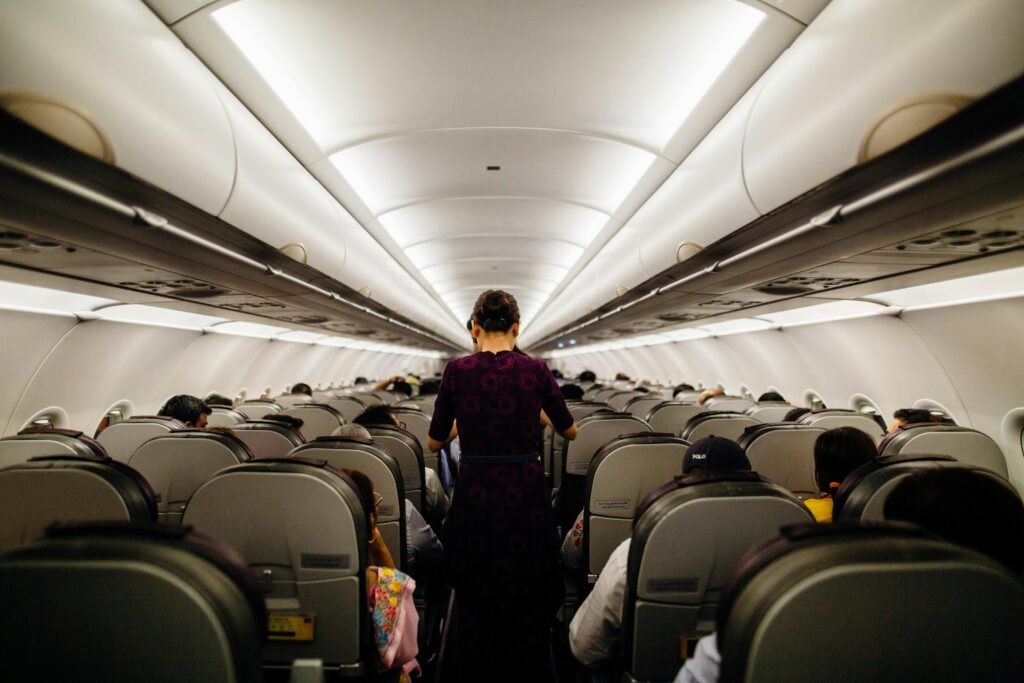
A cabin crew cover letter is your first real chance to show an airline you understand the job before you walk through the door. Airlines receive hundreds of applications for every open position, and recruiters spend less than 30 seconds on the initial screen. What you write in those first few lines either earns a closer read or lands in the rejection pile.
This guide covers what to include, how to structure each section, and what separates letters that get responses from those that do not.
What Airline Recruiters Look for First
Most applicants focus entirely on listing their experience. Recruiters are doing something different when they read cover letters. They are checking for signals that you understand the role before training even begins.
Three things stand out consistently in aviation hiring.
Safety Awareness
Cabin crew are first responders at 35,000 feet. The Federal Aviation Administration is clear that safety is the primary function of the role, with service coming second. Your cover letter should reflect this hierarchy. Applicants who lead with their passion for travel or their friendly personality miss this entirely.
Reference a time you handled a real emergency, a medical situation, or a high-pressure moment where your composure made a difference. This does not have to be aviation-specific. Healthcare workers, military personnel, and event managers all carry relevant experience.
Customer Service With Measurable Results
Generic service language gets filtered out quickly. Phrases like “I am a people person” or “I enjoy helping others” carry no weight. What does carry weight is a specific number or outcome. “Managed 200+ guest interactions per shift with a 97% satisfaction score” tells a recruiter something concrete. That is the level of specificity worth including.
Cross-Cultural Communication
According to the International Air Transport Association, modern cabin crew roles require adaptability in cross-cultural service, not just language fluency. If you have worked in environments with international guests, multilingual customers, or culturally diverse teams, that belongs in your letter. Mention it clearly rather than burying it at the end.
How to Structure Your Cabin Crew Cover Letter
A strong cabin crew cover letter follows a four-part structure. Each section has a specific purpose, and staying within one page is non-negotiable. Recruiters in aviation treat length as a signal of whether you can communicate efficiently.
Opening Paragraph
Your first paragraph needs to name the role, reference the specific airline, and tie your strongest credential to their known priorities. Do not open with your name or a general statement about your interest in aviation.
Every major carrier has a distinct identity. Southwest Airlines and Emirates are both respected, but they recruit for very different cultures. Showing you know the difference tells the recruiter you did your research, and that alone separates your letter from the generic stack.
A strong opening might reference the airline’s known service standards, a specific route expansion, or a publicly stated company value. Keep it to two or three sentences. The goal is to earn the next paragraph, nothing more.
Middle Section
This is where most applicants lose momentum. Two focused paragraphs work better than three vague ones. The first covers your service and interpersonal experience, with at least one measurable result included. The second addresses your safety awareness, certifications, and any aviation-adjacent training.
According to the Bureau of Labor Statistics, competitive cabin crew candidates typically combine customer service backgrounds with emergency response readiness. Both belong in your middle section, not just one or the other.
If you are applying to an international carrier, language skills and cross-cultural work experience fit here as well. Before finalizing this section, it is also worth reviewing your resume to confirm the two documents are telling the same story. A guide on career change resume objective examples can help if you are framing transferable experience for the first time.
Closing Paragraph
The closing is where many applicants undermine the rest of their letter. Phrases like “I hope you will consider me” or “I know I may not have everything you need” signal hesitation, and recruiters notice. Close directly. State your availability, mention any flexibility on location or schedule, and make a clear ask for an interview. Two sentences is enough.
Common Formatting Mistakes That Cost You the Interview
Format affects readability in ways most applicants overlook. Many airlines use Applicant Tracking Systems to process cover letters before a human sees them. Research from the Nielsen Norman Group on document scanning behavior shows that recruiters follow predictable visual patterns, and left-aligned text with clear paragraph breaks consistently performs better than dense or decorated layouts.
Follow these formatting rules before you submit:
- Use Arial, Calibri, or Times New Roman at 11 or 12pt
- Set margins to one inch on all sides
- Keep the document to one page without exception
- Save as PDF unless the airline specifies another format
- Include your name, phone, email, and LinkedIn at the top
- Avoid graphics, photos, colored text, or unusual layouts
A clean, professional document signals attention to detail. In aviation, that detail-orientation is not a soft skill. It is directly tied to how well you follow safety procedures on the job.
The most common rejection triggers at the screening stage include addressing the letter to the wrong airline, exceeding one page, and failing to mention safety at all. Copy-paste errors with the airline name are more common than most applicants realize, and they end an application immediately.
Tailoring Your Letter for Different Airline Types
A cover letter written for one airline rarely works for another without revision. The adjustments do not have to be extensive, but they do need to reflect the carrier’s actual culture and priorities. Here is how to approach the main categories:
Budget carriers prioritize high-volume service, positive energy in fast-paced conditions, and schedule flexibility. Full-service domestic carriers want a balance of safety compliance and service quality, with an awareness of regulatory requirements. Premium international carriers, such as Emirates, Qatar Airways, or Singapore Airlines, recruit explicitly for multilingual ability, cultural adaptability, and premium service standards. Regional carriers often look for schedule flexibility, comfort working in smaller crews, and experience across varied environments.
Adjusting your letter for each type takes about ten minutes once you have a solid base version. That ten minutes makes a measurable difference in response rates. A study published by NBER on job search effort and outcomes found that targeted applications consistently outperform generic ones across industries, and aviation is no exception.
Entry-Level, Experienced, and Career Change Letters
The core structure stays the same across all three applicant types, but the emphasis shifts depending on where you are coming from.
Entry-level applicants should lead with service volume and metrics from hospitality, retail, or healthcare. The goal is to show that your environment was demanding and that you performed well under that demand. Safety certification and a clear willingness to train are essential to include.
Experienced cabin crew applicants should reference their previous airline, route type, and recurrent training dates upfront. Regulatory familiarity and specific emergency procedure experience belong in the middle section. Transition training readiness is worth stating explicitly.
Career changers face the most writing challenge because the connection between past experience and cabin crew competencies is not always obvious to a recruiter. Healthcare workers, military personnel, teachers, and event managers all carry directly applicable skills, but those skills need to be named and connected to the job description. Vague statements about transferable skills do not do this work. Concrete examples do.
If you are working through a full career transition, it is worth reading about how many jobs are available in basic industries to understand the broader labor context around aviation hiring, and reviewing calling a job after applying for practical guidance on following up after submission.
Applying to Multiple Airlines Without Starting Over
Writing a strong base letter once is manageable. Rewriting it from scratch for every airline is not. Most active job seekers apply to multiple carriers at the same time, and each application needs to reflect that specific airline’s culture, route network, and job description language.
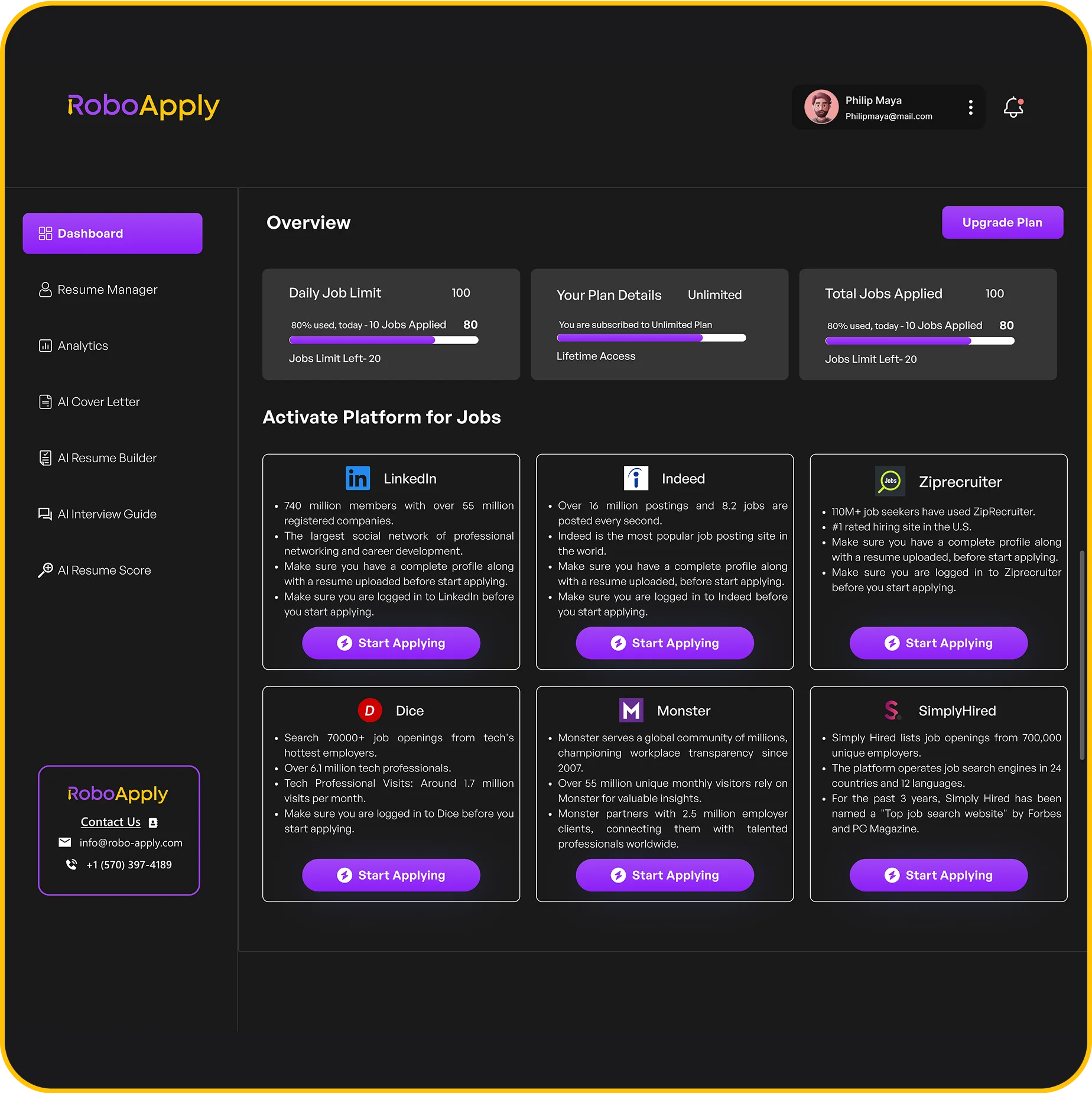
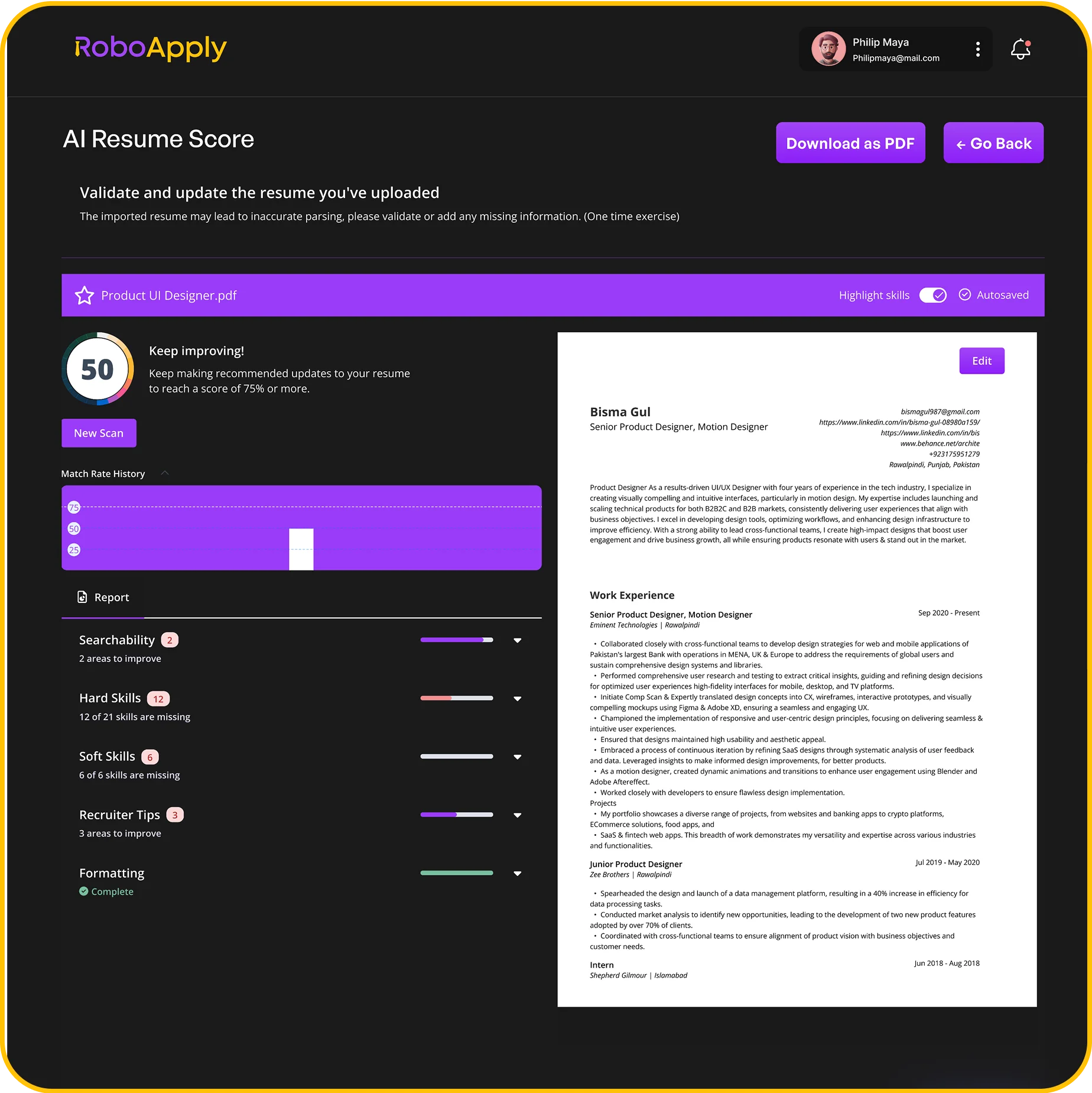
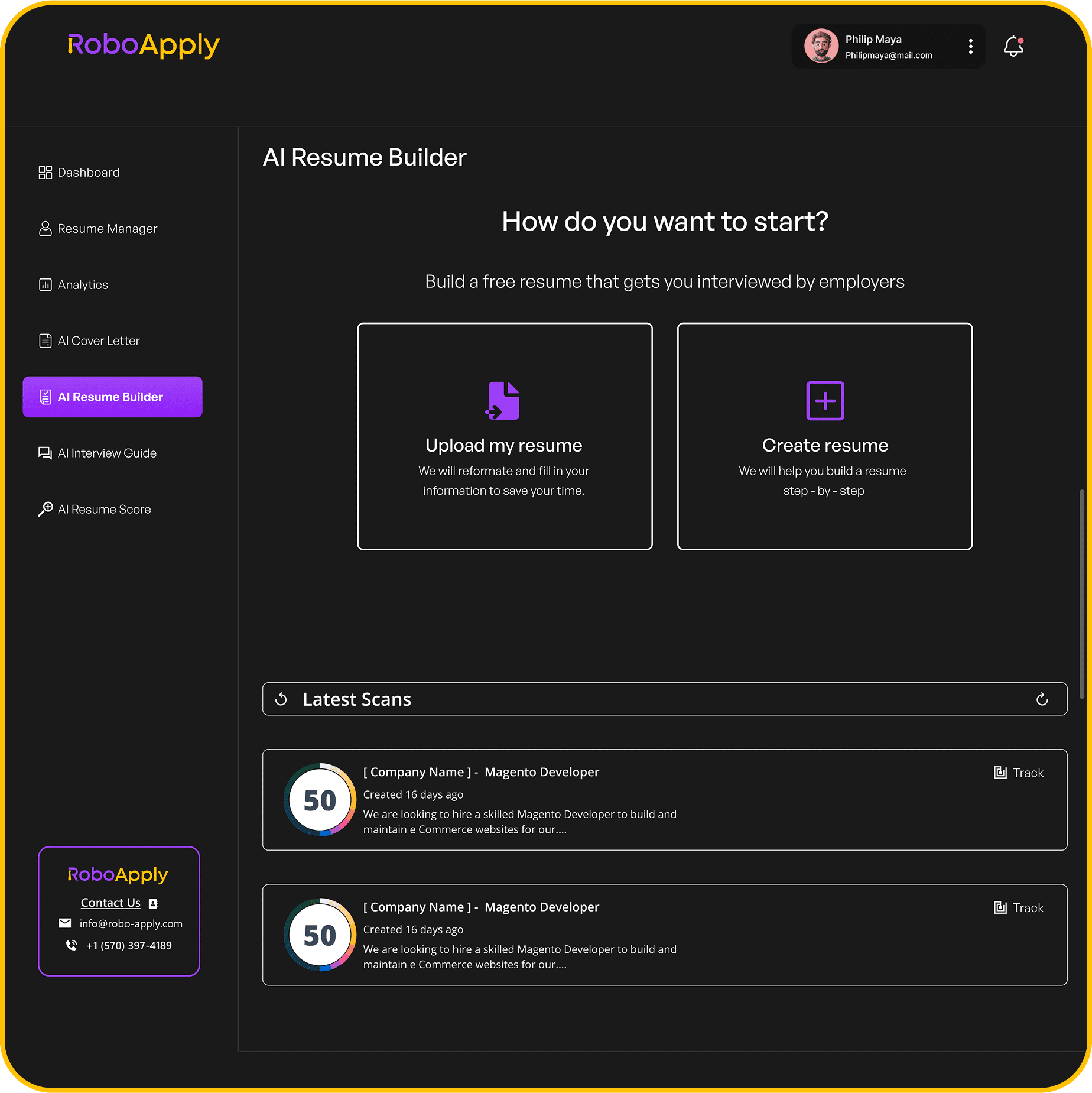
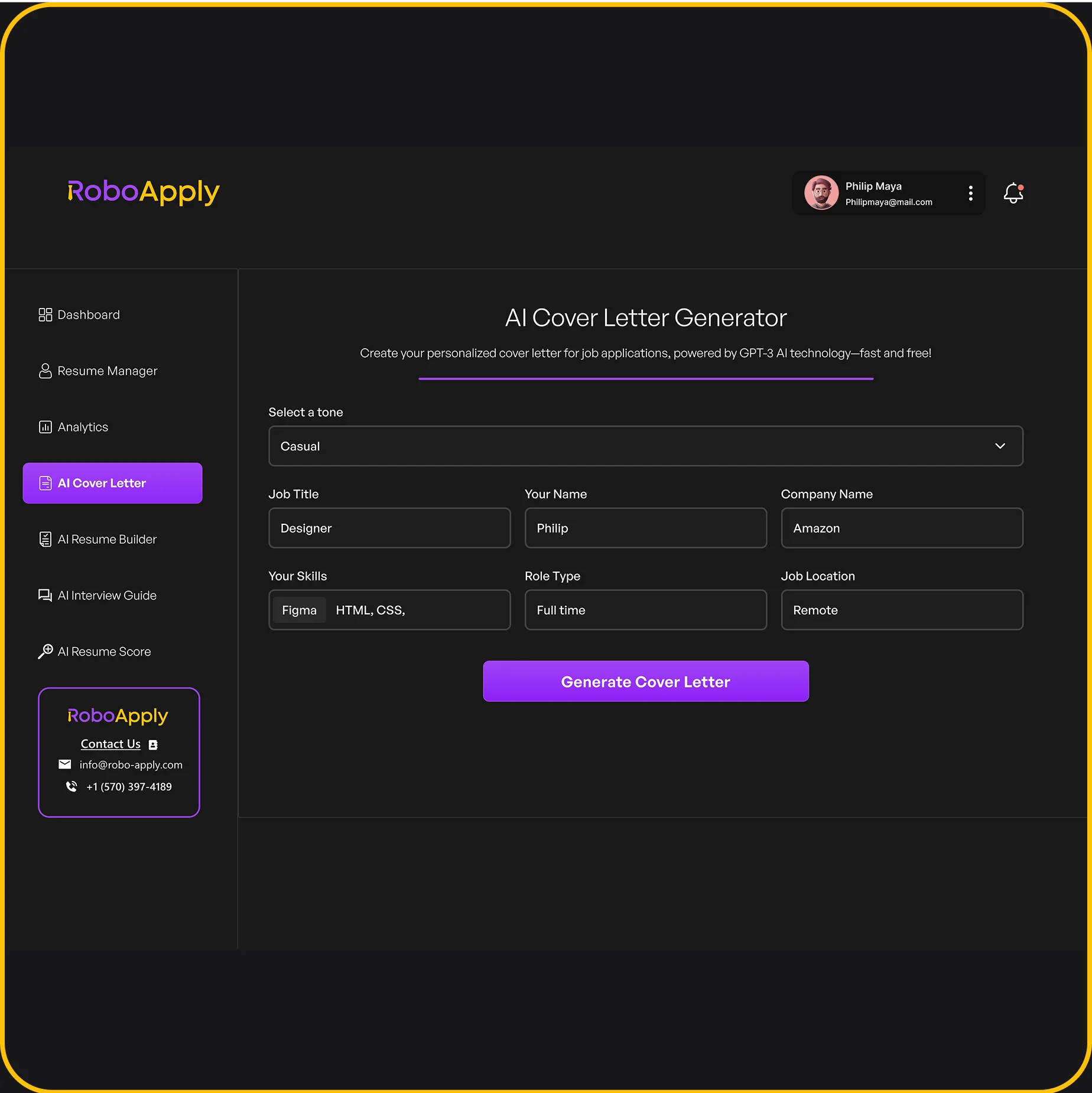
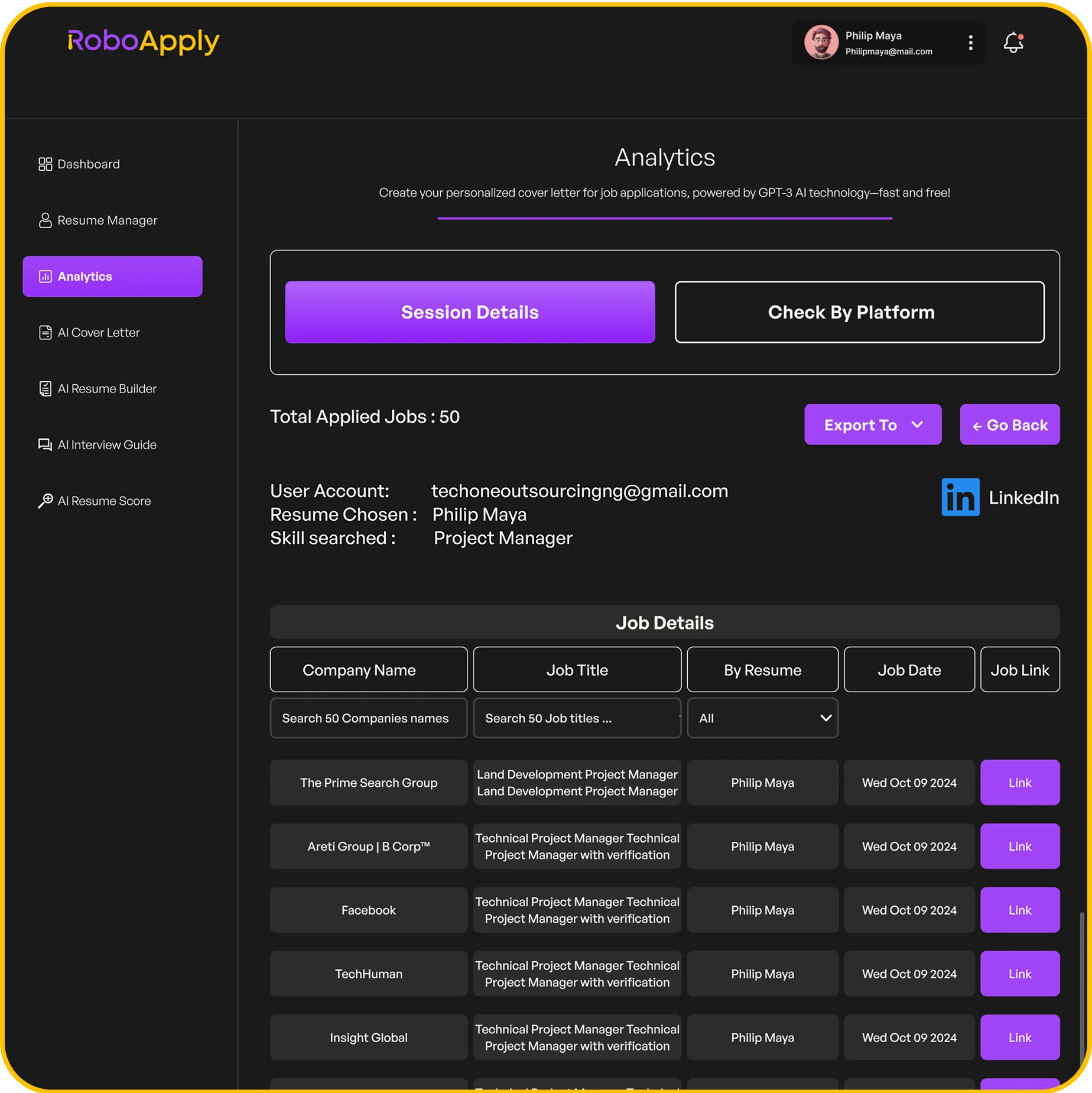
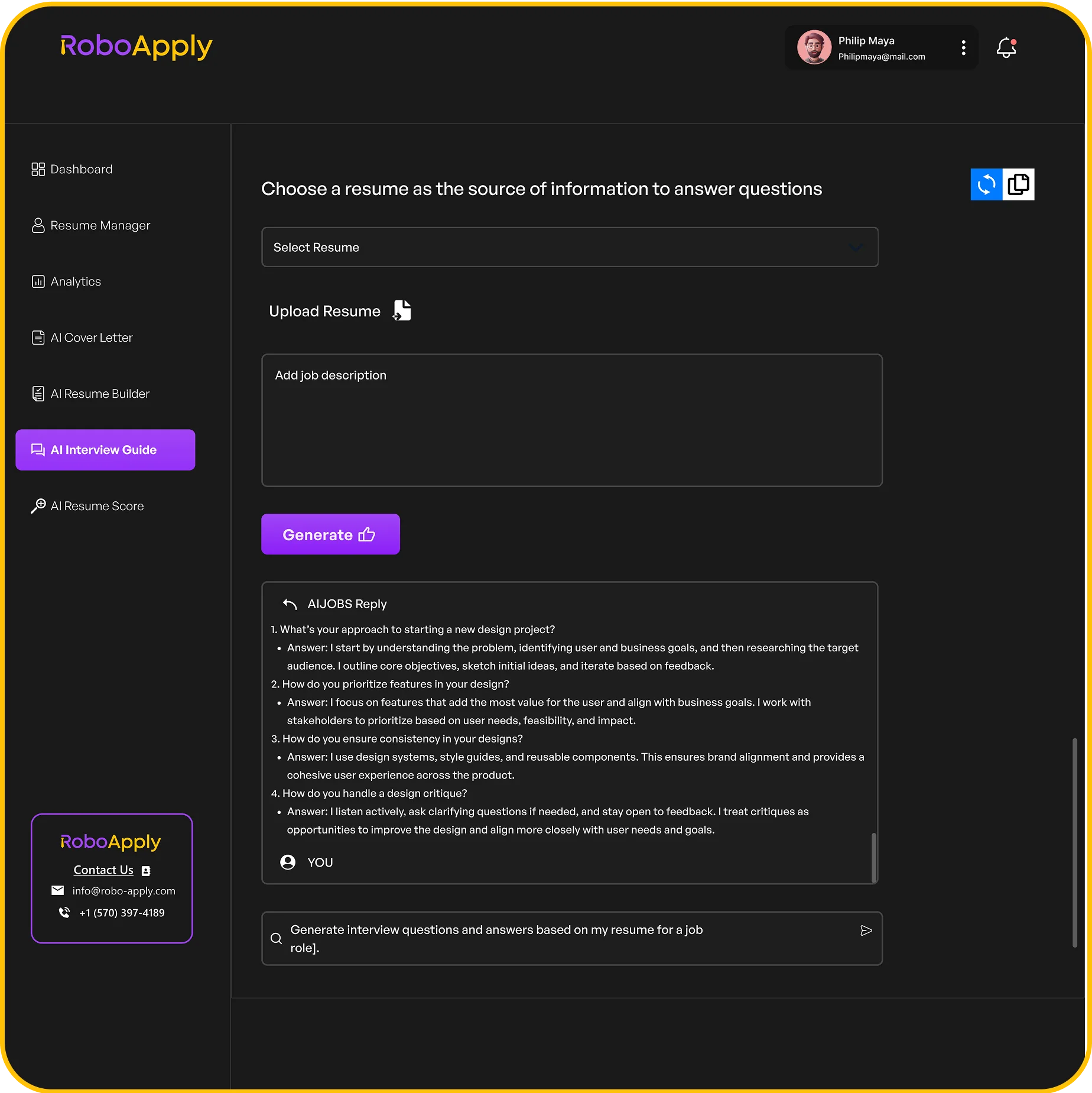
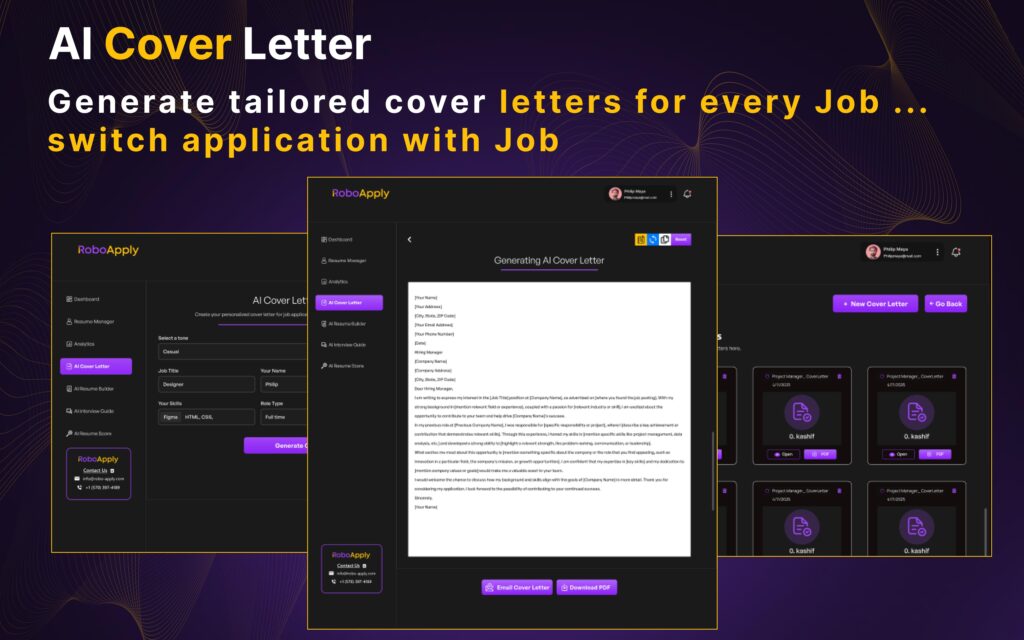
RoboApply’s AI Cover Letter Generator builds a personalized version from your resume and any job description in seconds. You select the tone, export to PDF or Word, and submit. For applicants managing multiple applications at once, the AI Auto Apply feature handles submissions across LinkedIn, Indeed, ZipRecruiter, and other major boards automatically, with each application matched to the specific posting.
The Analytics dashboard tracks every submission in one place so you can see which applications received responses and where to follow up. Before finalizing your application package, it is also worth confirming details like whether to include references on a resume and how many bullet points per job on a resume to make sure your resume and cover letter work together cleanly.
Download Your Cabin Crew Cover Letter Templates
Frequently Asked Questions
How long should a cabin crew cover letter be?
One page is the standard. Brevity signals communication efficiency, which is a core cabin crew competency in itself.
Should I name the specific airline in my cover letter?
Yes, every time. Generic letters perform worse. Name the airline and reference something specific about their service model or culture.
What skills should a cabin crew cover letter highlight?
Lead with customer service experience, safety awareness, and cross-cultural communication. Language skills and emergency certifications strengthen the letter further.
Do airlines use ATS to screen cover letters?
Many do. Use plain formatting, standard fonts, and keywords pulled directly from the job posting to pass the initial screen.
Is a cover letter required for cabin crew applications?
Not always, but submitting one increases your chances. It gives you space to explain fit that a resume alone cannot communicate.