Questions to ask interviewer at end of interview should focus on role expectations, team dynamics, and company culture. Ask “What does success look like in the first 90 days?” and “How does the team collaborate on projects?” You’ll want 3-5 prepared questions. Choose questions revealing information you can’t find online. Your questions prove genuine interest and help you evaluate fit.
Most candidates ask generic questions or nothing at all. They miss their chance to learn critical information. Your questions aren’t just polite conversation fillers. They’re your opportunity to interview the company right back.
Research from Glassdoor shows 70% of hiring managers view candidate questions as measuring genuine interest. Your questions signal whether you’re serious about the role. They reveal how you think and what you value professionally.
Why Your Interview Questions Matter
The questions you ask at interview end serve multiple strategic purposes. They’re not just about gathering information. They’re demonstrating your qualities as a candidate.
Proving Your Interest and Preparation
Generic questions suggest you’re mass-interviewing without real interest. Specific questions prove you researched thoroughly. You understand their business. You’re evaluating this opportunity carefully.
Strong questions accomplish several goals:
- Demonstrate you researched the company and role
- Show critical thinking about the position
- Signal you’re evaluating mutual fit seriously
- Prove professional maturity and communication skills
- Keep you memorable after the interview ends
Employers want candidates who care about where they work. Your questions prove you’re not just desperate for any job. You’re selective about finding the right opportunity.
Gathering Critical Decision Information
Interviews let you evaluate employers too. You need information they won’t volunteer. Your questions uncover red flags before you accept offers.
Use your question time to investigate:
- Actual day-to-day responsibilities versus posted descriptions
- Team culture and management styles
- Why the position is open
- Success metrics and performance expectations
- Career development and advancement opportunities
This information determines whether you’ll be happy if hired. Understanding career paths helps you ask strategic questions.
Best Questions About the Role
Role-specific questions help you understand what you’re signing up for. Job descriptions rarely tell the complete story. Your questions reveal reality.
Daily Responsibilities and Priorities
Ask about typical days and weeks. Descriptions list duties. You need to know how time actually gets spent.
Effective questions include:
- “What would my typical day or week look like?”
- “What are the immediate priorities for this role in the first month?”
- “How much of the time is spent on [specific responsibility] versus [another]?”
- “What projects would I be working on initially?”
These questions reveal whether the role matches what you expected. They show you’re thinking practically about actually doing the work.
Success Metrics and Expectations
Understand how performance gets measured. Vague expectations create problems. Clear metrics help you succeed from day one.
Ask these clarifying questions:
- “How do you measure success for this position?”
- “What does excellence look like in this role?”
- “What would you want me to accomplish in the first 90 days?”
- “How often are performance reviews conducted?”
These questions prove you’re results-oriented. You want to know how to excel. That mindset appeals to employers. Similar to resume formatting, clarity matters in expectations.
Strategic Questions About Team and Culture
Team dynamics significantly impact job satisfaction. Your questions should uncover how people actually work together. Company websites show ideal cultures. Your questions reveal reality.
Understanding Team Structure
Learn who you’ll work with daily. Team composition affects your experience dramatically. You need to know reporting relationships and collaboration patterns.
Ask about team dynamics:
- “Can you tell me about the team I’d be joining?”
- “Who would I collaborate with most closely?”
- “How does this role fit into the larger team structure?”
- “What’s the team’s communication style and collaboration approach?”
These questions show you value teamwork. You understand success requires good working relationships. You’re evaluating cultural fit thoughtfully.
Company Culture Insights
Culture determines whether you’ll enjoy working there. Ask questions revealing how things actually operate versus mission statements.
Probe culture through questions like:
- “How would you describe the company culture?”
- “What do you enjoy most about working here?”
- “How does the company support work-life balance?”
- “Can you give an example of how the company lives its values?”
The interviewer’s answer reveals more than the words. Watch their enthusiasm. Hesitation signals problems. Genuine excitement indicates healthy culture. Understanding professional standards applies throughout evaluation.

Questions Revealing Growth Opportunities
Career development matters long-term. Ask questions uncovering advancement potential. Stagnant positions lead to frustration. Growth opportunities keep you engaged.
Ask about professional development:
- “What opportunities exist for professional development and learning?”
- “How do people typically advance in this role?”
- “Does the company support continuing education or certifications?”
- “What career paths have previous people in this position taken?”
These questions show ambition. You’re planning beyond just getting hired. You want to grow. That forward-thinking appeals to employers seeking long-term employees.
Questions to Avoid Completely
Certain questions hurt your candidacy. They signal wrong priorities or poor judgment. Save these topics for after receiving offers.
Compensation and Benefits Inquiries
Don’t ask about salary, vacation, or benefits in initial interviews. These discussions happen during offer negotiations. Asking too early suggests money matters more than the work.
Skip questions about:
- Starting salary or pay ranges
- Vacation days or time off policies
- Health insurance or retirement benefits
- Work from home schedules
- Perks and amenities
Wait for employers to raise compensation. They will once they want to hire you. Asking prematurely damages your negotiating position. Similar to following up timing, patience matters.
Easily Researched Information
Don’t waste their time asking questions Google answers. This proves you didn’t prepare. It signals laziness or disinterest.
Never ask:
- “What does your company do?”
- “How many employees do you have?”
- “Where are your offices located?”
- Information clearly stated on their website
Do your homework before interviews. Ask questions showing you researched thoroughly. Build on information you found rather than requesting basics.
How to Ask Your Questions Effectively
The way you ask questions matters as much as the questions themselves. Deliver your questions confidently. Show genuine curiosity through tone and body language.
Timing Your Questions Properly
Wait for the interviewer to invite questions. Don’t interrupt their interview flow. They’ll usually ask “Do you have any questions for us?” at the end.
Have 3-5 questions prepared. You won’t ask all of them. The conversation might answer some naturally. Flexibility shows you listened carefully. Understanding specialized opportunities helps across industries.
Showing Genuine Interest
Ask questions you actually care about. Fake interest shows. Genuine curiosity comes through naturally in your tone and follow-ups.
Listen actively to their answers. Ask follow-up questions based on what they say. This creates conversation rather than interrogation. Natural dialogue builds rapport.
Preparing for Your Interview Success
Managing multiple interviews requires preparation systems. You’re customizing questions while tracking different companies. You need efficient preparation strategies.
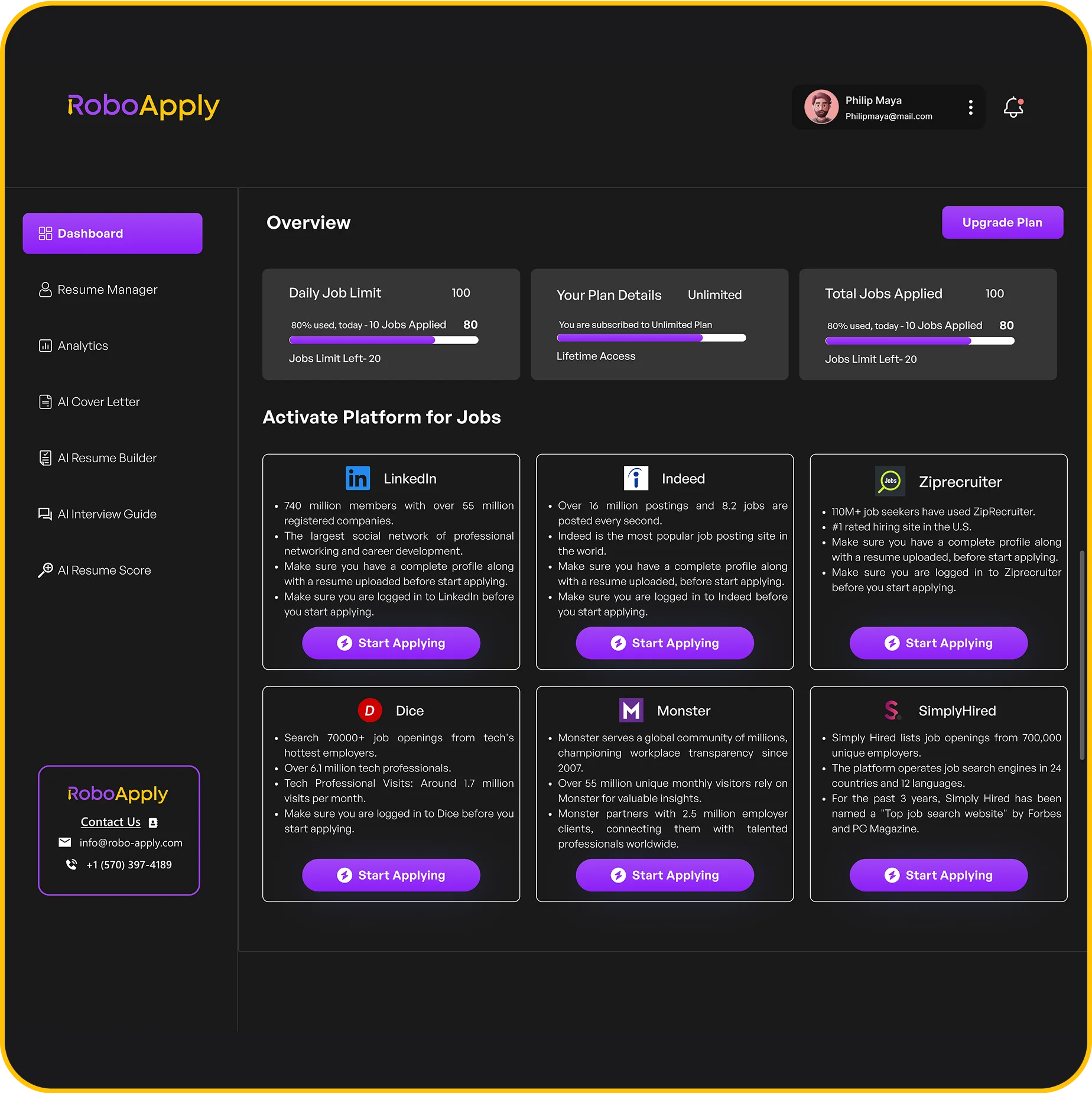
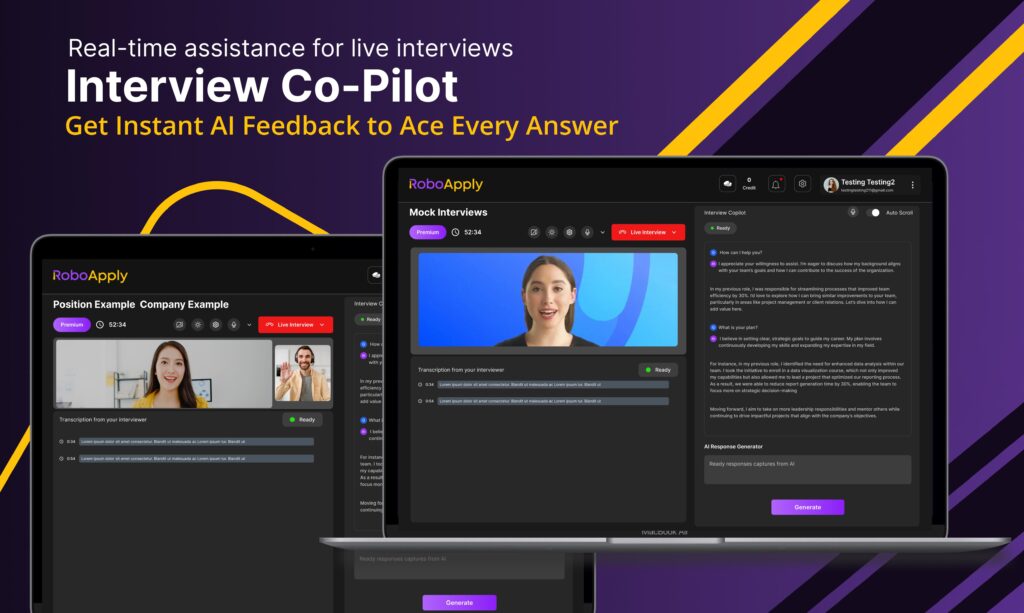
RoboApply’s Interview Copilot helps you prepare questions for specific companies. The system suggests relevant questions based on the role and company type. You’ll walk into interviews fully prepared.
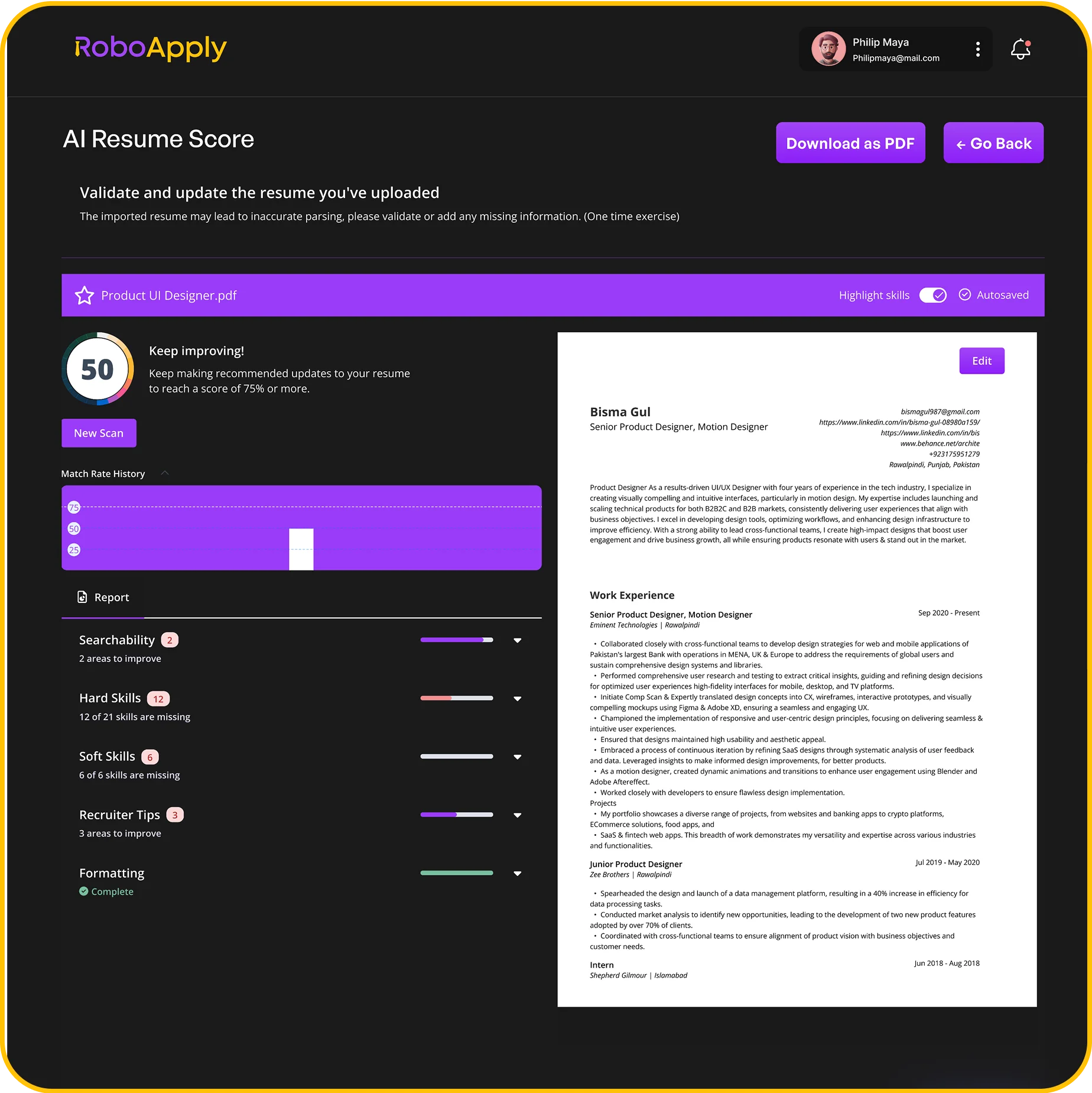
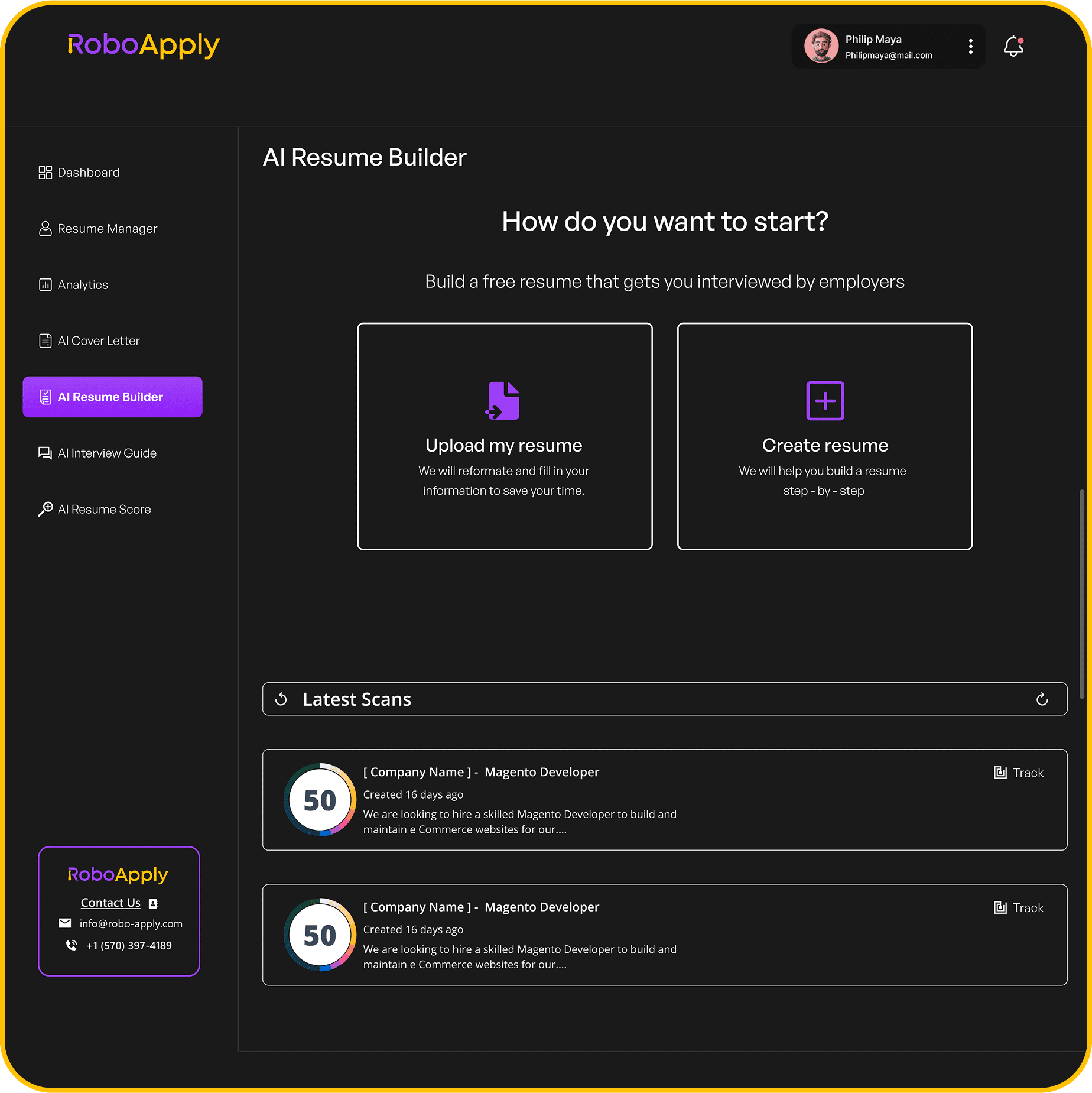
The AI Resume Builder creates strong applications that lead to more interviews. When you’re landing more interviews, you need efficient preparation systems. The platform helps you manage multiple opportunities simultaneously.
Analytics dashboard tracks your interview performance over time. You’ll see which questions generate best conversations. This data helps you refine your interview question strategy continuously.
Frequently Asked Questions
What are the best questions to ask interviewer at end of interview?
Ask about role expectations in first 90 days, team dynamics, success metrics, growth opportunities, and what they enjoy about working there personally.
How many questions should I ask at end of interview?
Prepare 3-5 questions. You likely won’t ask all of them. Some get answered during conversation. Having backup questions shows thorough preparation.
Should I ask about salary at end of interview?
No, avoid salary questions in first interviews. Wait for employers to raise compensation. Asking too early signals wrong priorities to hiring managers.
What if interviewer already answered my prepared questions?
Say “You’ve actually answered most of my questions already.” Then ask one remaining question showing you listened carefully throughout the interview.
Can I ask about work-life balance in interviews?
Yes, but frame it professionally. Ask “How does the team manage workload during busy periods?” rather than “How many hours weekly?”