Career change resume examples show you exactly how to position yourself for a new field. Your current resume won’t work. It talks about your old job, and recruiters need to see your new potential.
Most people make the same mistake. They hope hiring managers will connect the dots between their experience and the open role. That never happens.
Recruiters spend six seconds scanning each application. They won’t figure out how your skills transfer. You need a complete rewrite.
Why Your Current Resume Won’t Get Interviews
Standard resumes list jobs chronologically. Great for staying in the same field. Terrible for career changes.
Recruiters look at your most recent title first. Wrong title? They move to the next application.
Your achievements don’t matter if they can’t see past your job history. The real problem runs deeper than format.
Your accomplishments make sense in your old industry. Take them out of context and they’re meaningless. A teacher who “managed classroom behavior” doesn’t sound like someone who can “coordinate teams.”
Different fields speak different languages. Retail managers discuss “floor coverage.” Project managers talk about “resource allocation.
Same skills. Different words. Research from Harvard Business Review found that hiring managers spend more time on resumes using familiar terminology.
Some people try functional resumes. Bad idea. A 2023 Jobscan study showed 78% of recruiters distrust that format.
What Actually Gets You Hired
Hybrid resumes solve both problems at once. You lead with a positioning summary. Then list relevant skills.
Finally, show work history with reframed descriptions. This structure controls what they see first. Your capabilities become the headline.
These career change resume samples show exactly how professionals made successful transitions.
Teacher to Corporate Trainer
Teachers have amazing transferable skills. They design programs, measure outcomes, and present daily. Their resumes rarely show this.
Sarah made the jump from high school teacher to Fortune 500 trainer. Her resume summary for career change read:
“Learning professional with 7 years designing training programs that improve performance by 35%. Expert in creating content and adapting delivery for adult learners.”
No mention of teaching. No classroom terms. Just training outcomes companies value.
Her work bullets connected directly to corporate training:
- “Developed lesson plans” became “created instructional content for diverse learning needs”
- “Graded assignments” turned into “conducted performance assessments with targeted feedback”
She got three interviews her first month.
Retail Manager to Project Manager
Michael ran a busy retail store for six years. He managed budgets, led teams, and solved problems constantly. His old resume made him sound like a shopkeeper.
His career change resume example started with:
“Operations leader with 6 years managing teams and $2M budgets. Delivered 15+ improvement initiatives on time and under budget.”
His bullets proved project management skills:
- “Managed store operations” became “coordinated projects involving inventory, staffing, and vendors
- “Trained employees” turned into “led team development and mentored 5 associates”
The Project Management Institute confirms that transferable skills matter more than industry background for entry roles.
Sales to Marketing
Jake sold pharmaceuticals for five years. He understood buyer behavior, objections, and competitive positioning. His sales resume focused on quotas.
Marketing directors want strategy. His new cv career change example said:
“Marketing strategist with 5 years developing acquisition strategies that increased revenue by 40%. Expert in analyzing buyer behavior and optimizing messaging.”
His experience section got the biggest transformation:
Before: “Exceeded sales quota by 130%” After: “Developed targeted campaigns using buyer research, achieving 65% engagement”
Before: “Presented product benefits” After: “Created content demonstrating ROI to key decision-makers”
Same work. Completely different story.

How to Structure Your Career Change Resume
Format matters just as much as content does. These career change resume summary examples show the right structure.
Write a Summary That Repositions You
Your summary has one job. Make them see you in the new role. Three sentences to accomplish this.
Don’t explain why you’re changing careers. Strong resume summary examples for career change focus on value:
- “Data analyst with 4 years transforming datasets into insights. Reduced reporting time by 50%.”
- “Customer success leader with 6 years building retention strategies that increased lifetime value by 35%.”
Each positions the person for their target. No previous industries mentioned. No transition explanation.
List Skills From Job Descriptions
Pull up three job postings for roles you want. Write down every skill they mention. Those exact skills go in your resume.
Bureau of Labor Statistics data shows operations roles grew 8% faster than average last year. Companies need specific capabilities.
List them exactly as they appear in postings.
Reframe Every Work Bullet
This takes the most effort. Every point needs complete rewriting. Use this formula: Action verb + task + measurable result.
Administrative professionals often undersell their work. They “answered phones.” Actually, they coordinated complex operations.
The transformation looks different:
Before: “Managed executive calendars”
After: “Coordinated projects for 3 executives, prioritizing competing demands”
Before: “Maintained filing systems”
After: “Implemented new system, reducing processing time by 30%”
Same work. Better framing.
Mistakes That Kill Applications
Watch for these common errors in career change resume samples.
Using Your Old Title
Never start with your current role. “Experienced teacher seeking training opportunities” positions you as a teacher. Wrong direction.
Lead with what you’re becoming. “Learning professional specializing in adult education” positions you correctly from word one.
Keeping Industry Terms
Translate everything. Healthcare terms mean nothing to tech companies. Retail language doesn’t work in finance.
Education acronyms confuse corporate recruiters. Your resume summary for career change examples should speak the target industry’s language exclusively.
Writing Vague Bullets
Generic descriptions prove nothing. “Responsible for customer service” tells them zero. How many customers?
What improved? What did you accomplish? LinkedIn research shows resumes with numbers get 78% more interview requests.
Every bullet needs metrics.
Using Tools to Speed Up the Process
Creating multiple versions takes forever. Different jobs need different resumes. Each should match specific requirements.
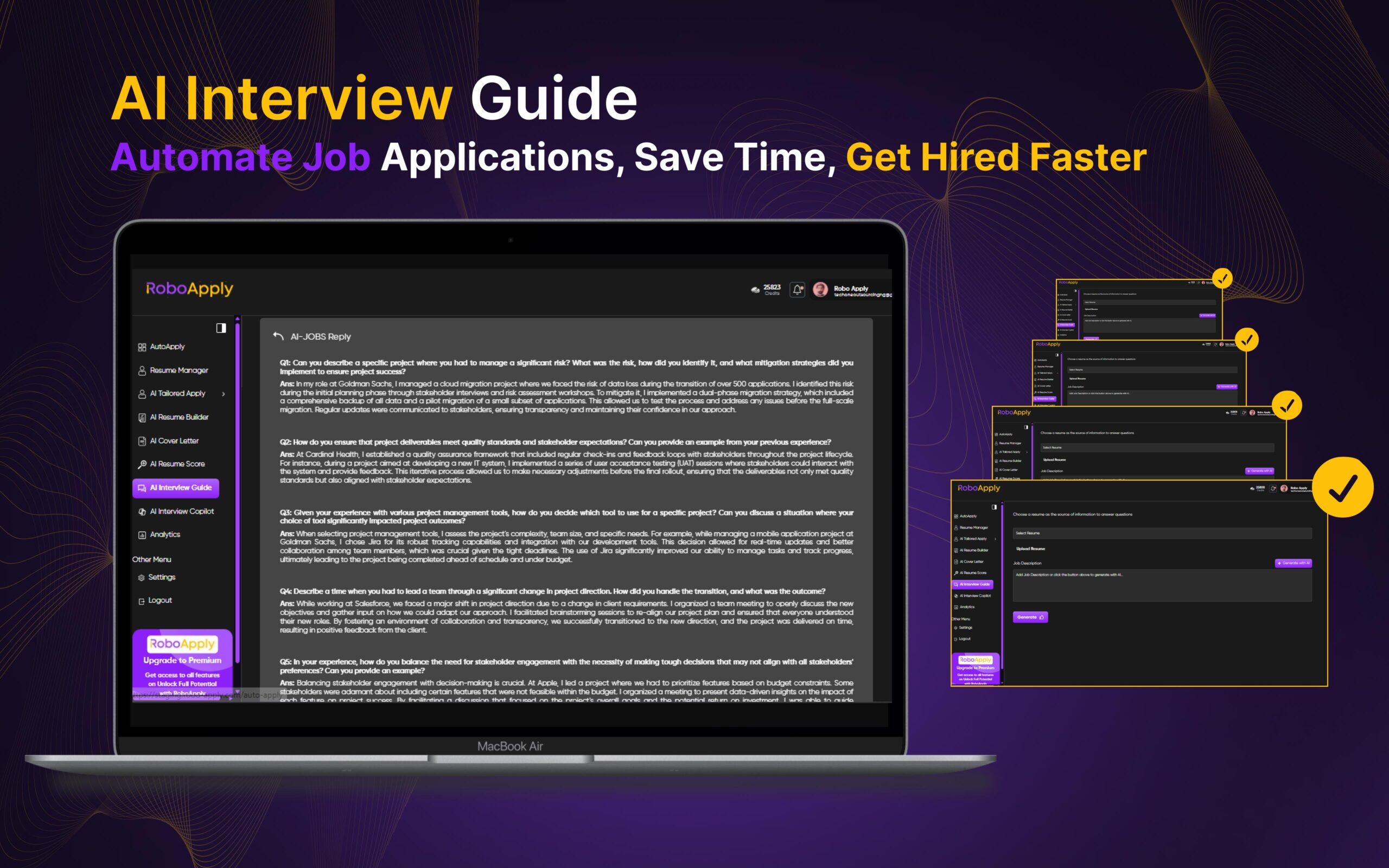
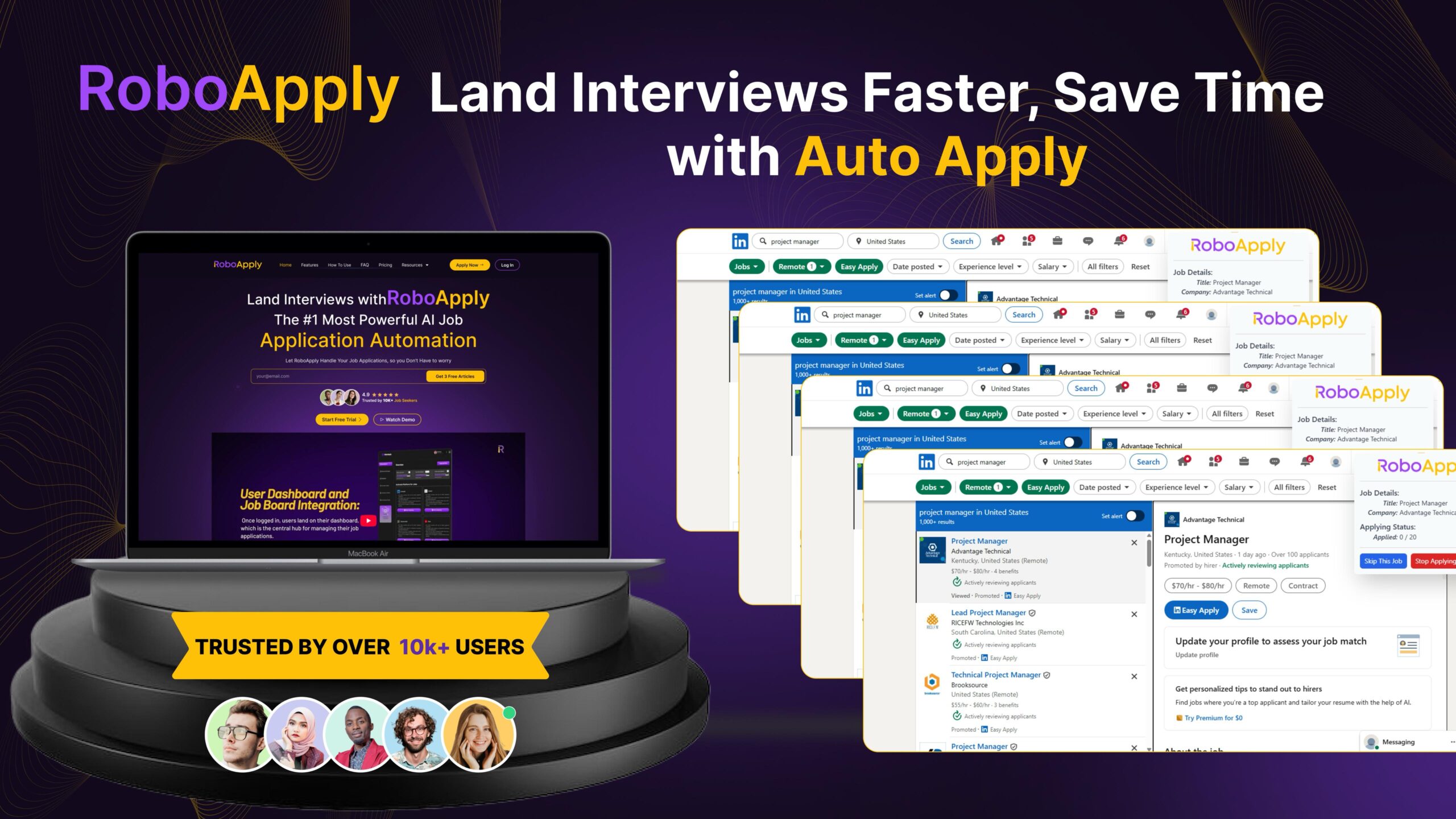
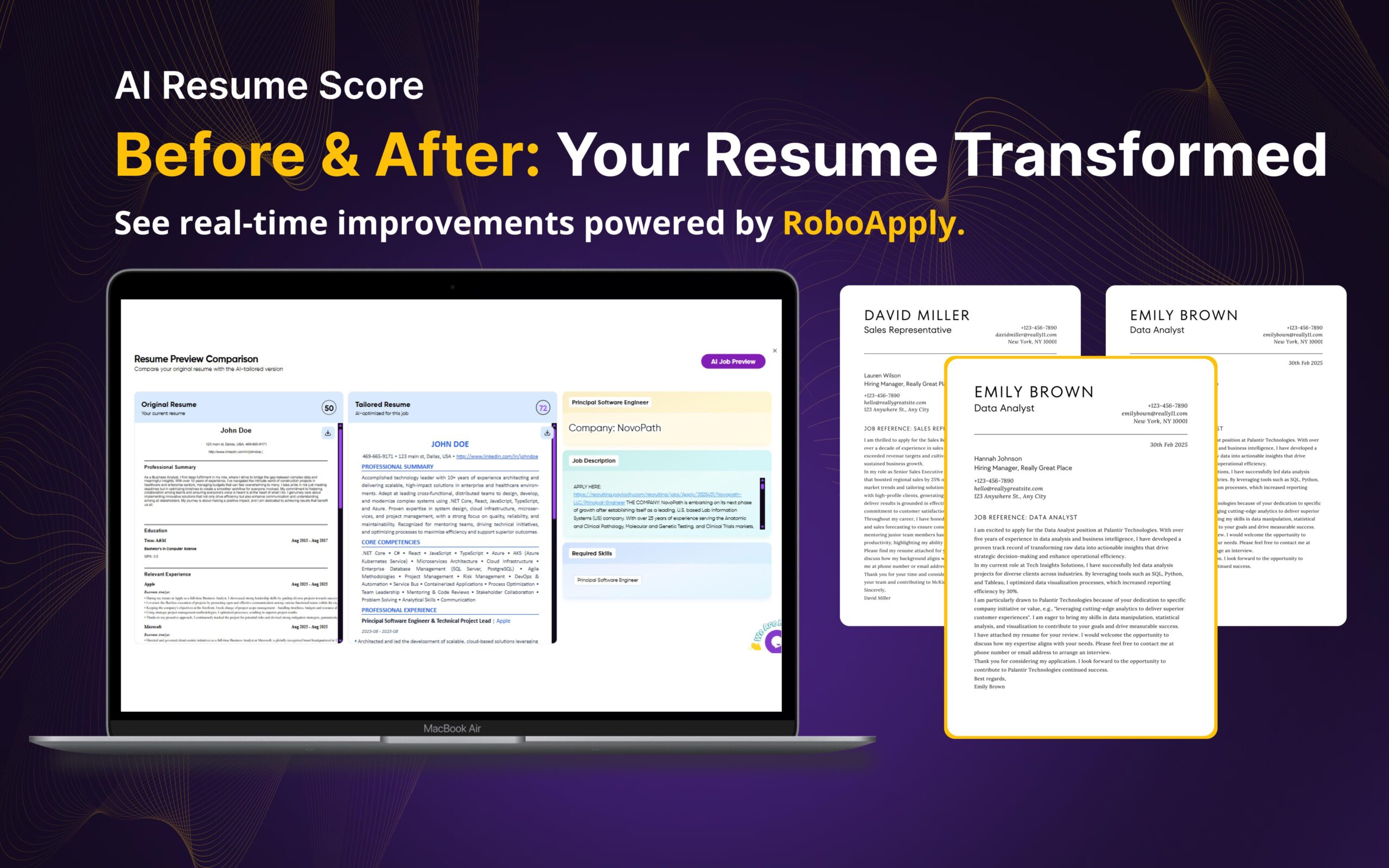
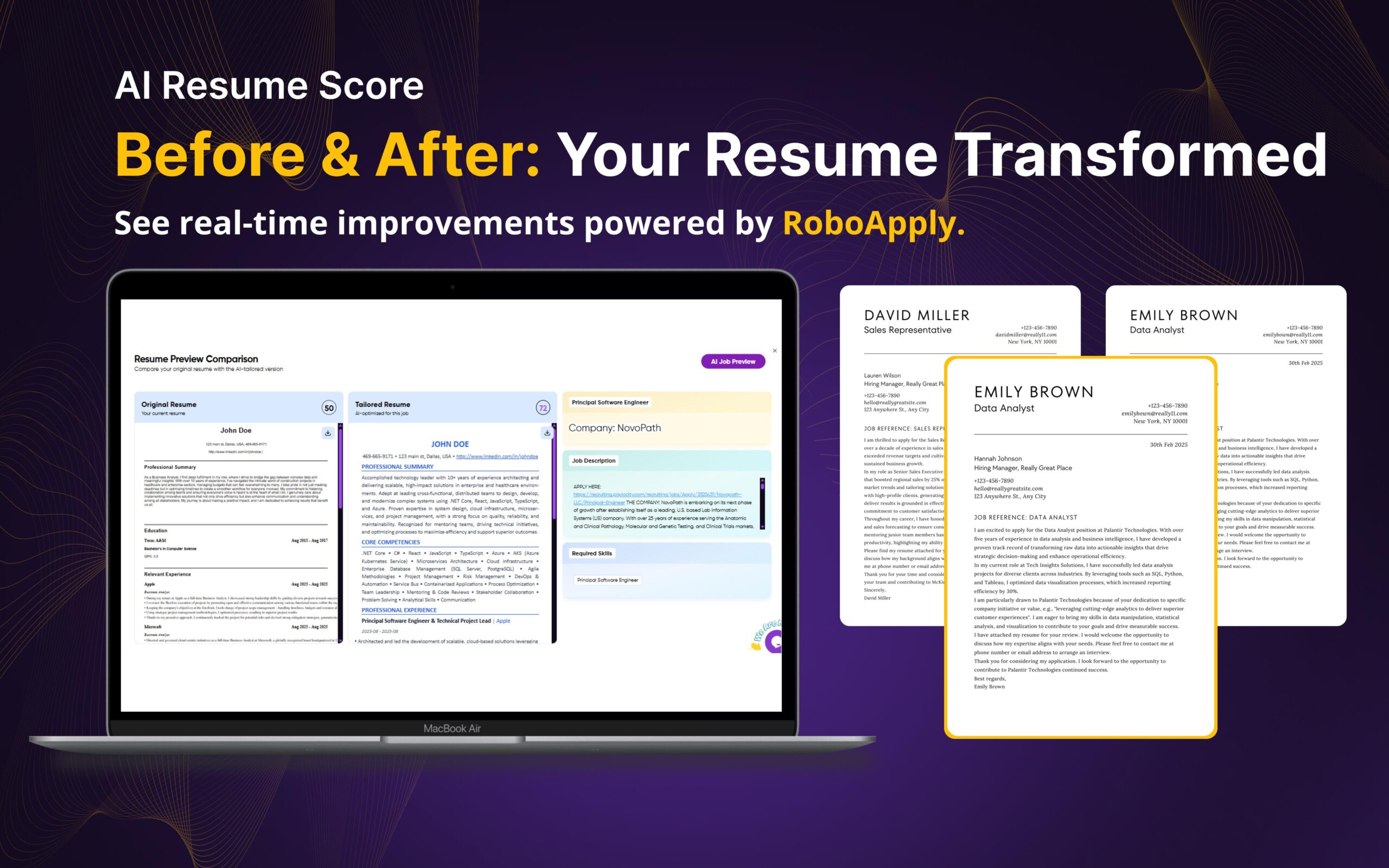
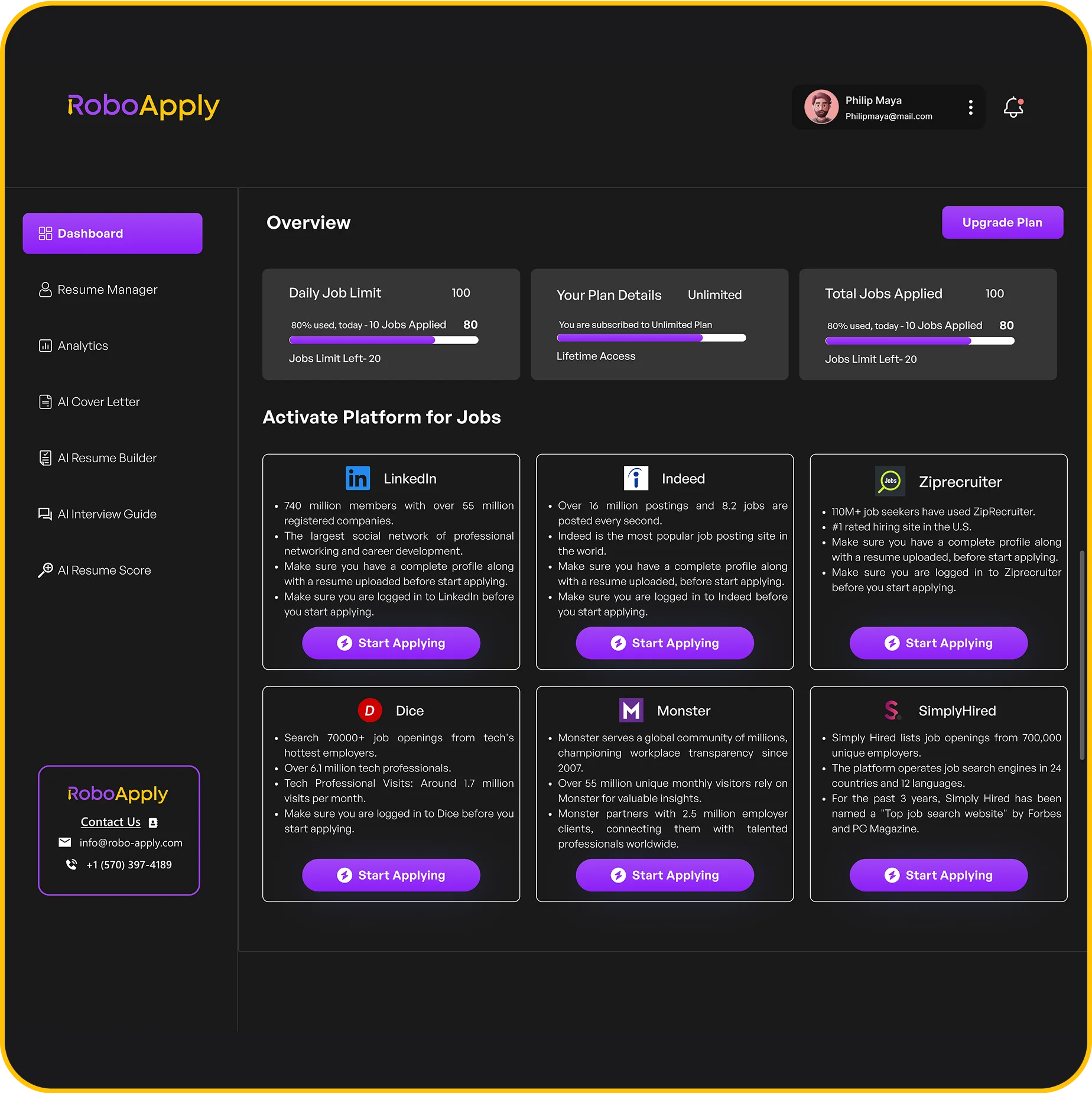
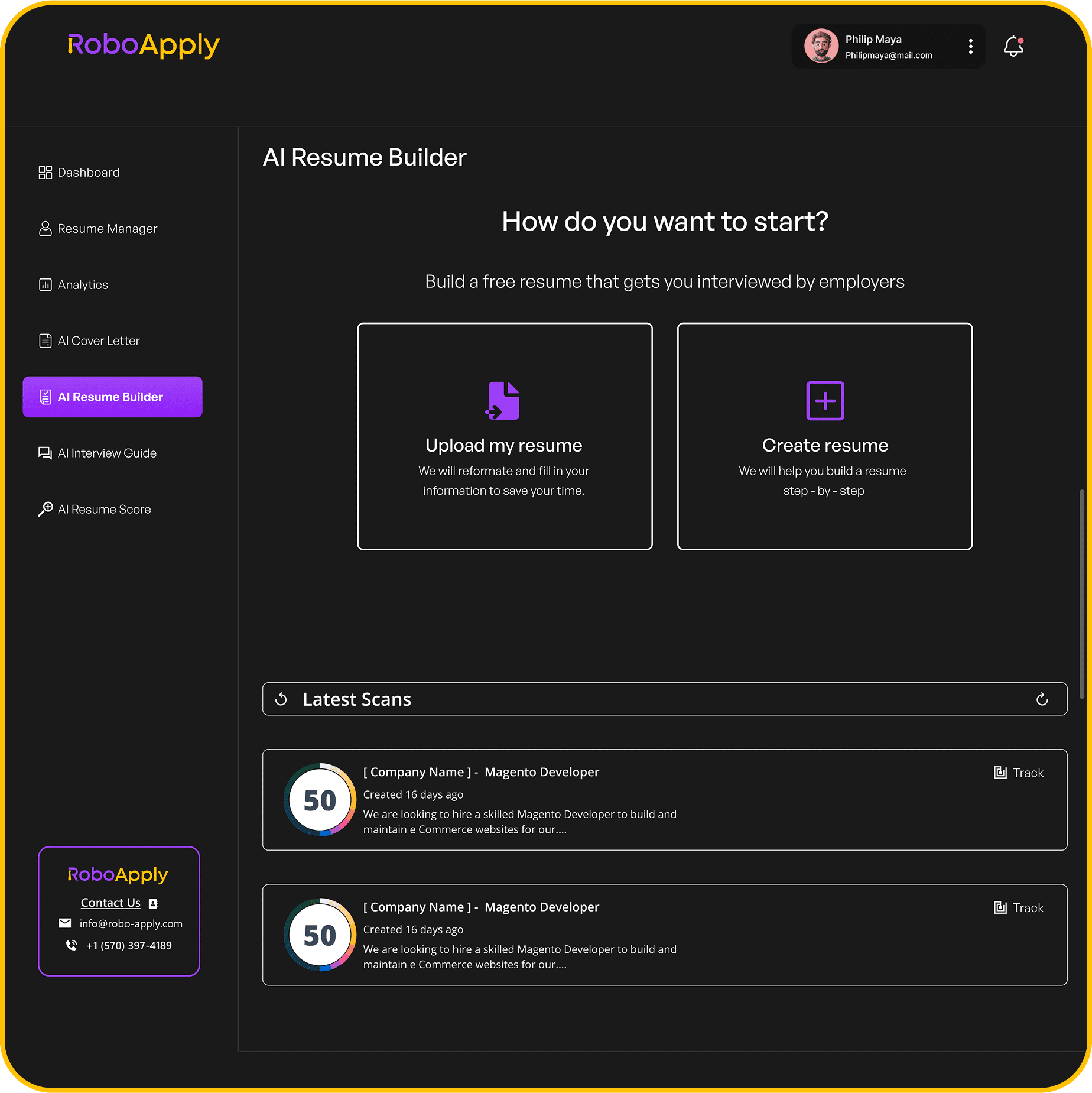
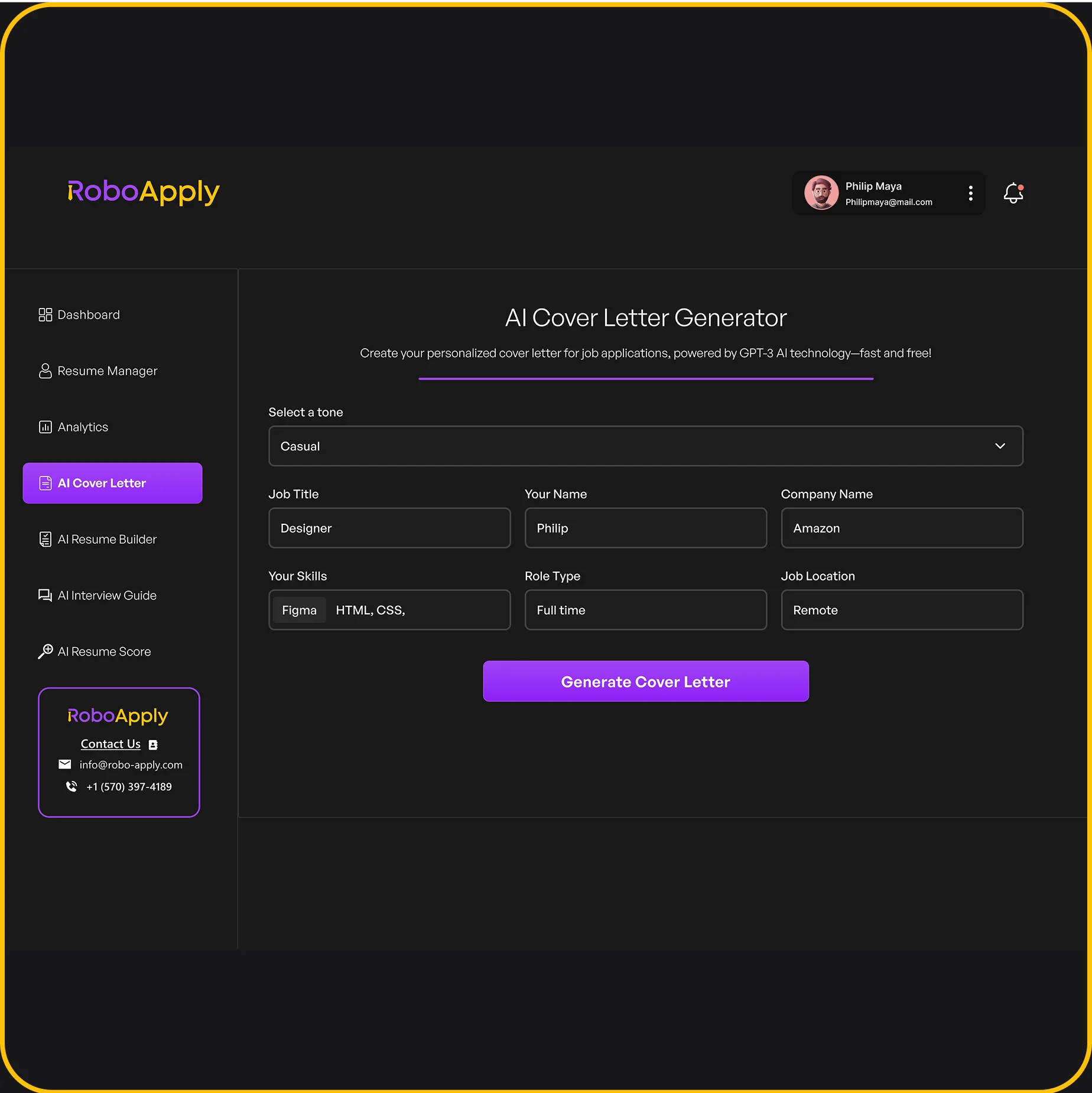
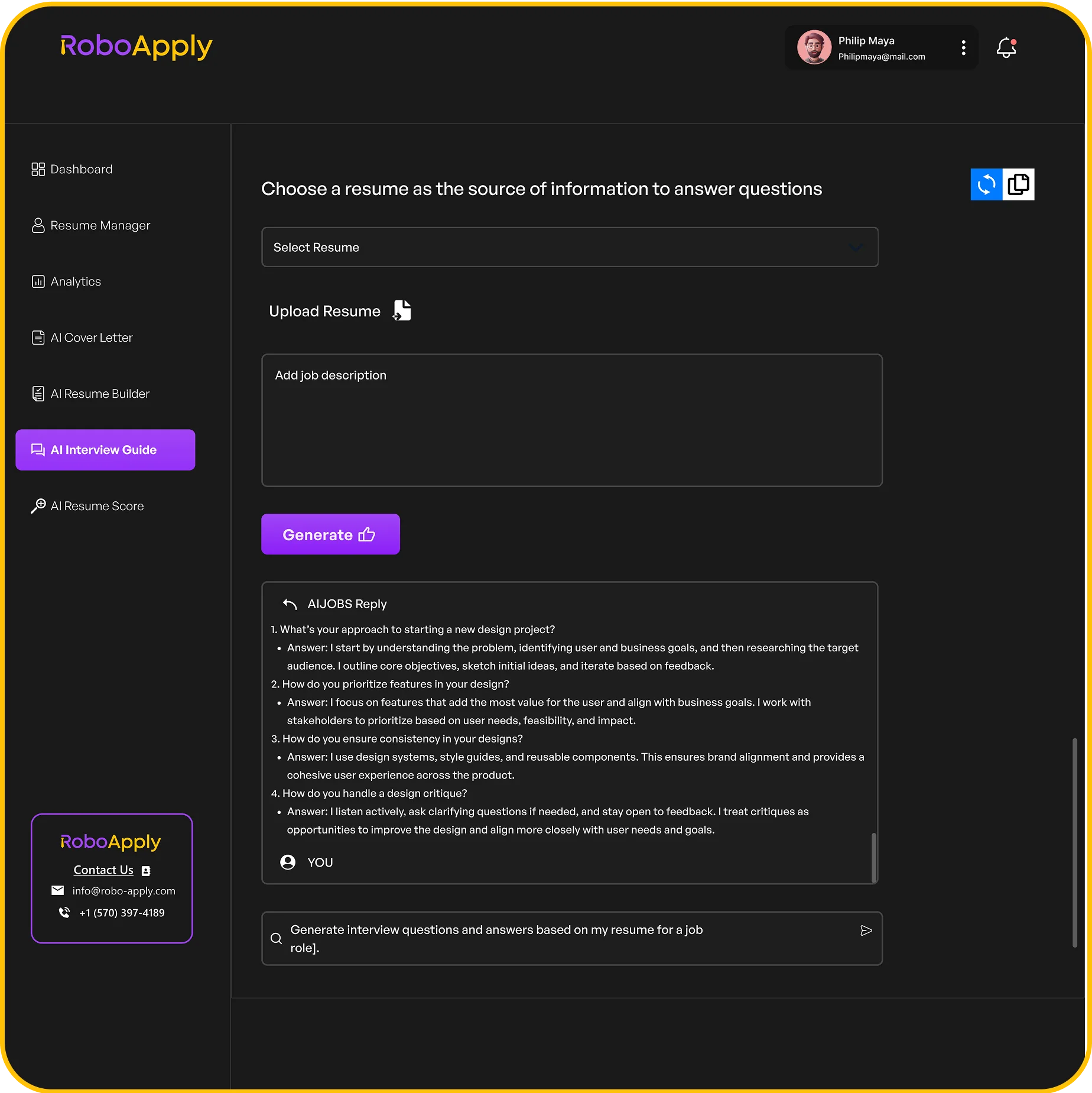
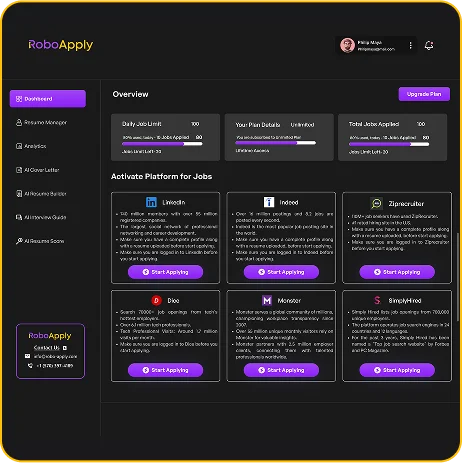
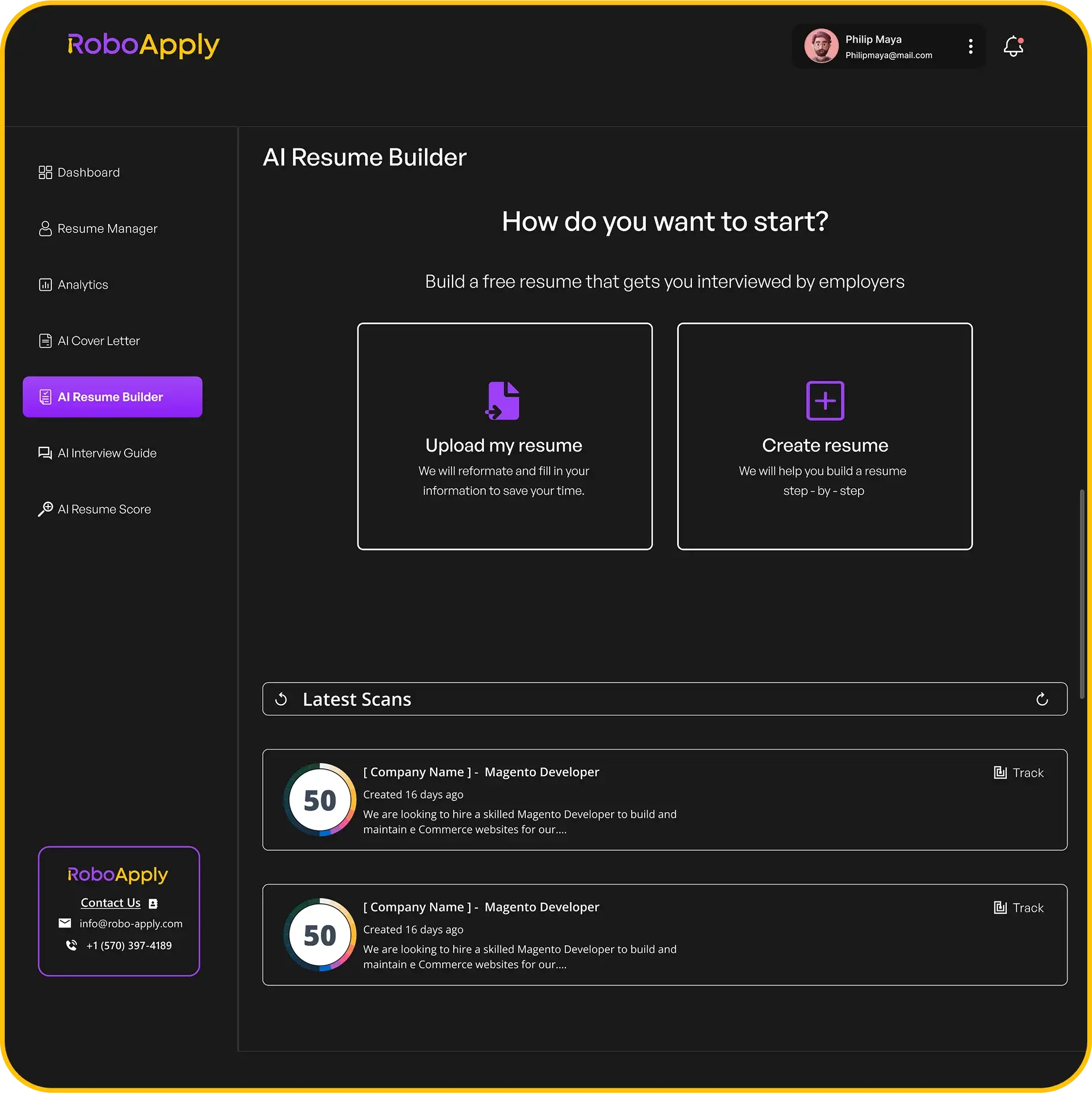
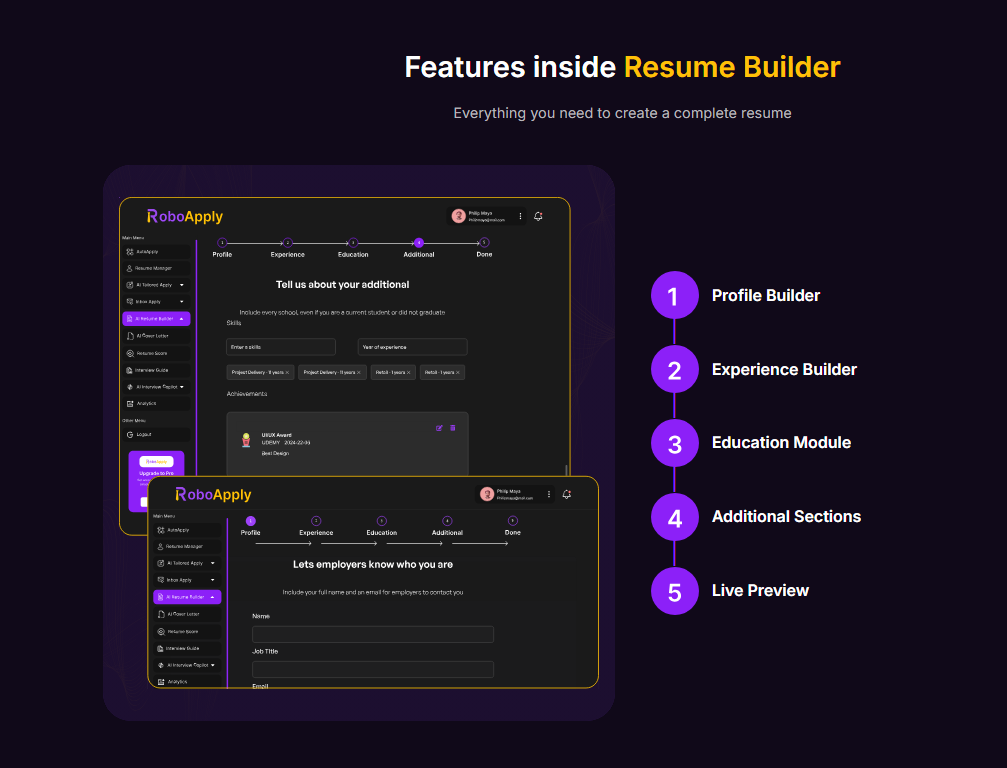
Modern platforms make this easier. RoboApply’s AI Resume Builder suggests keywords from job descriptions. The AI Tailored Apply adjusts your resume automatically for each application.
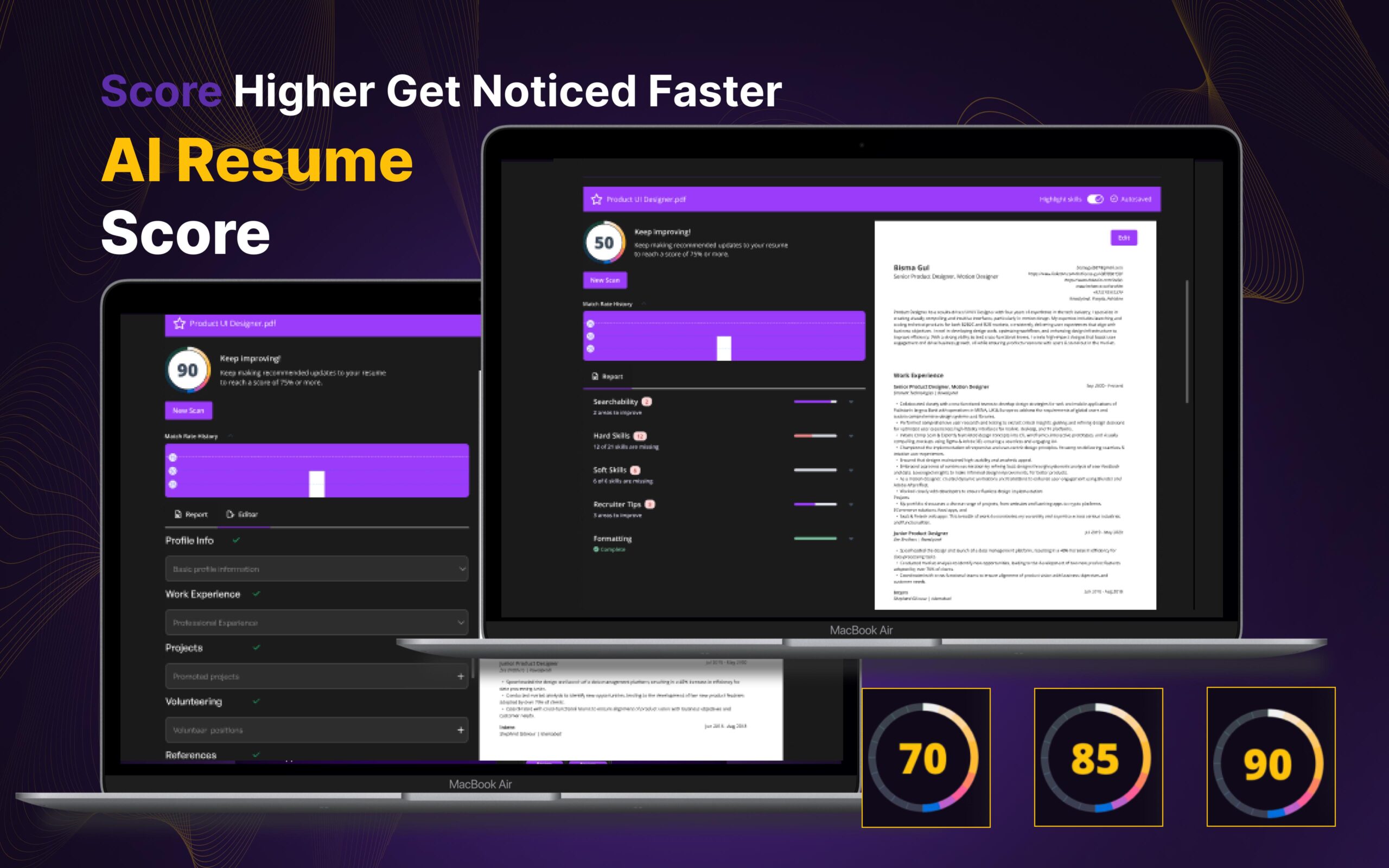
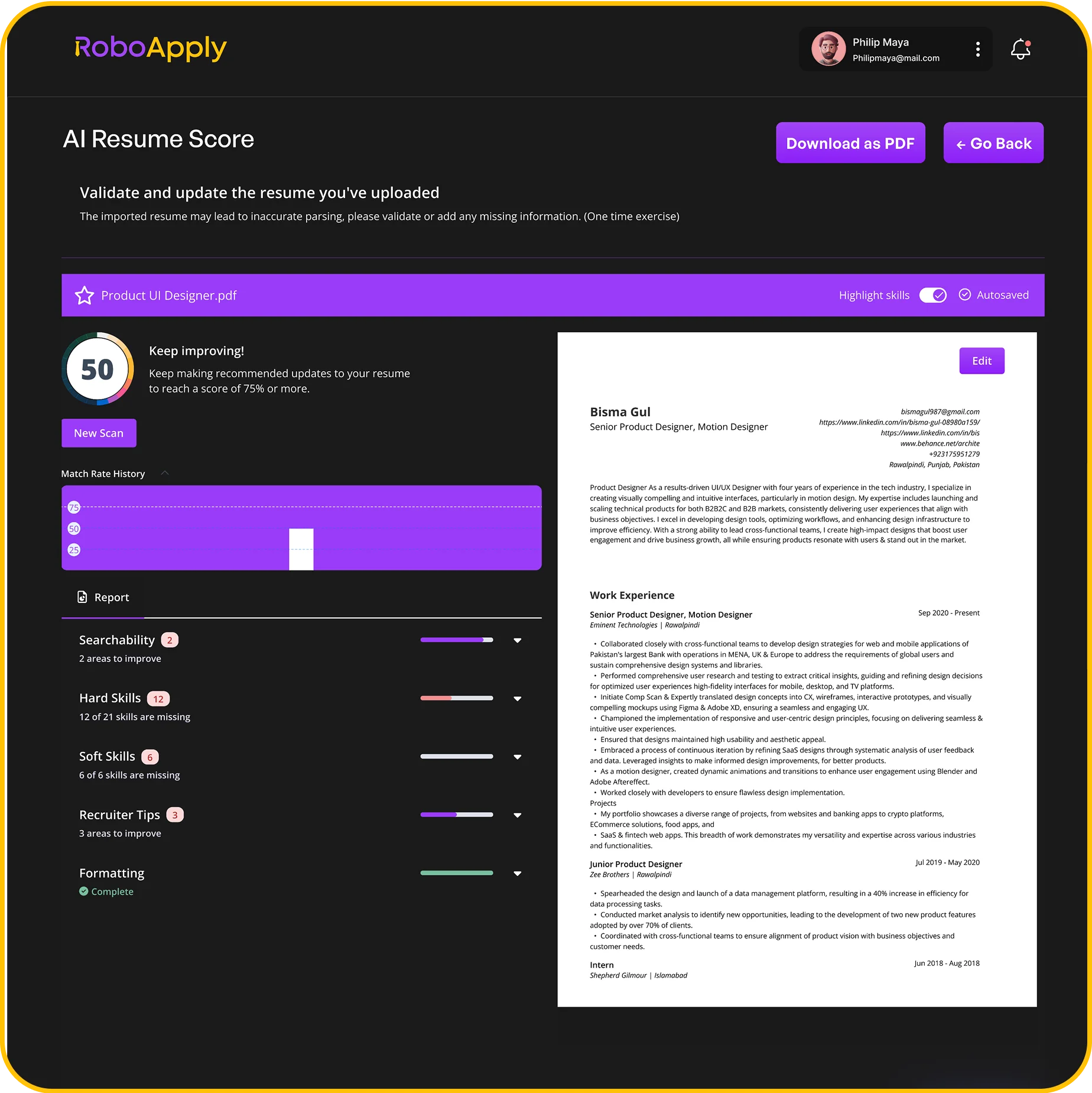
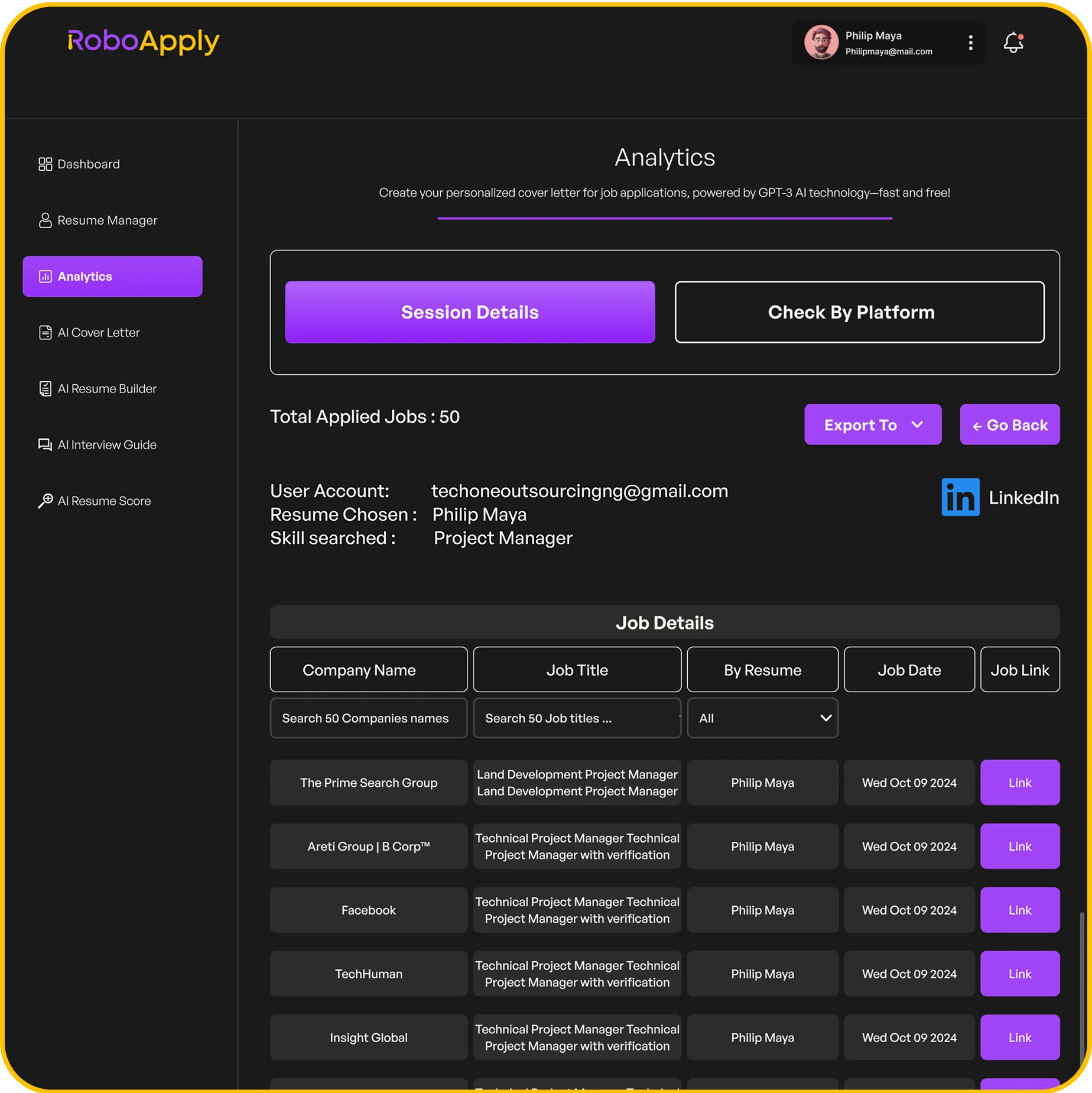
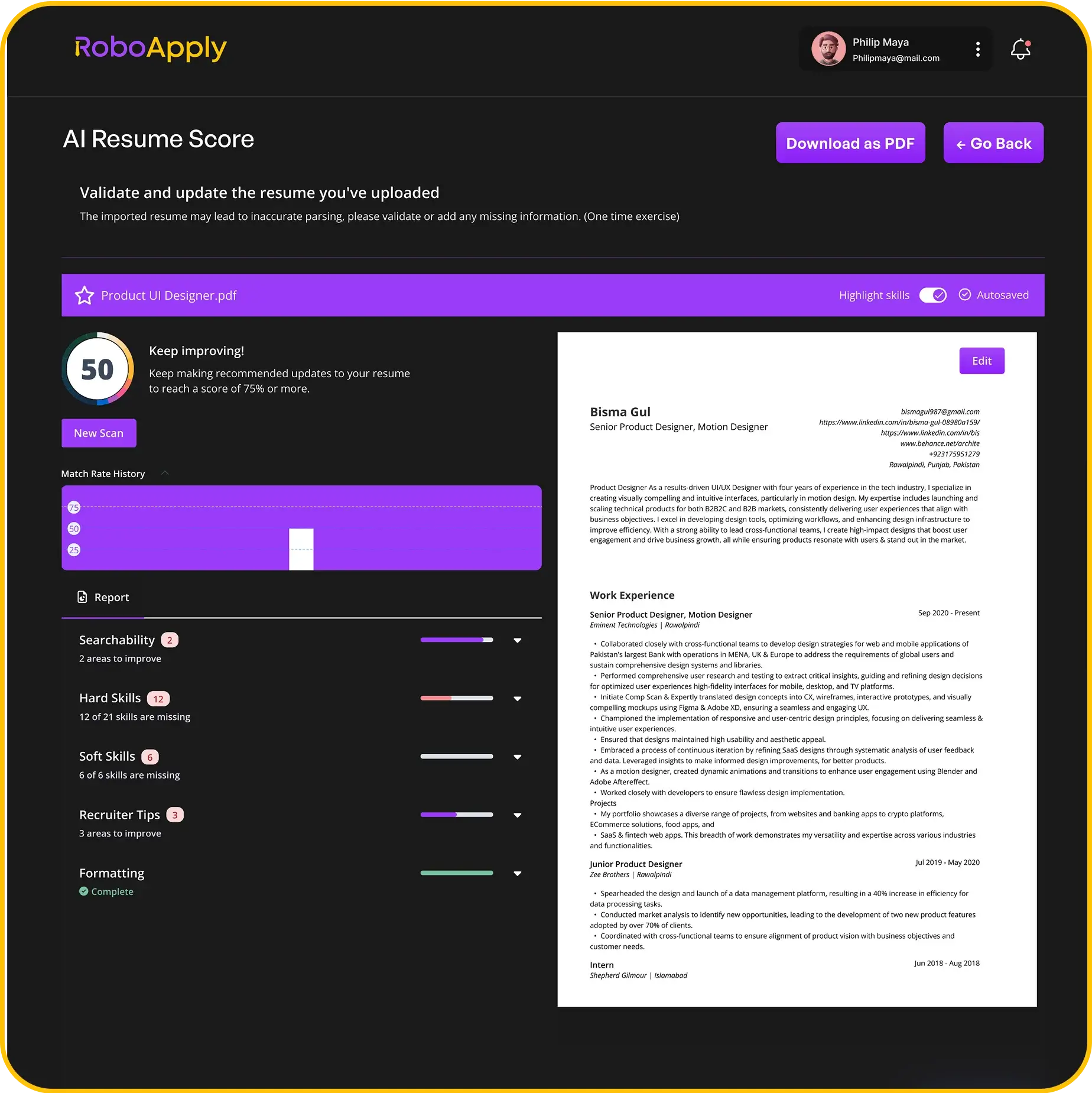
The Resume Score feature shows what recruiters see before you submit. The analytics dashboard tracks which versions perform best.
Smart automation saves hours without cutting quality.
Download Career Change Resume Templates
We built five complete templates you can customize:
- Teacher to trainer
- Retail to project management
- Sales to marketing
- Admin to operations
- Customer service to account management
Each follows the hybrid format with strong summaries and reframed experience. Use them as starting points for your own career change cv example.
Frequently Asked Questions
What makes a good career change resume?
A good career change resume highlights transferable skills first, uses hybrid format, and reframes experience with your target industry’s language without explaining the career switch.
Should I explain my career change on my resume?
No. Position yourself for the new role without explaining the change on your resume. Save that conversation for your cover letter or interview.
How long should a career change resume be?
Keep it to one page if you have less than 10 years of experience. Two pages work for extensive relevant achievements that directly support your target role.
What format works best for career changes?
Hybrid formats work best for career transitions. Lead with skills and achievements, then provide work history. Avoid purely chronological or functional formats.
Do I need different resumes for different jobs?
Yes. Each application needs a customized resume matching specific job requirements. Generic resumes get rejected by ATS systems and recruiters looking for exact keyword matches.