An objective for resume for manager positions? Skip it. Seriously. Use a professional summary instead for 95% of management jobs. Summaries showcase what you’ve accomplished as a leader and the results you’ve driven. Objectives just talk about what you’re hoping to get out of the job. Nobody hiring managers cares about your career goals.
Here’s the brutal truth. Most managers blow their resume’s best real estate on terrible objectives. You’ve seen them. “Seeking a challenging management position where I can grow professionally and utilize my skills.” That sentence could’ve been written by literally anyone. You’re up against 50 other managers who want the same job. Your opening paragraph needs to hit different.
TopResume’s research shows recruiters give your resume about 6 or 7 seconds on the first pass. That opening chunk determines everything. Weak objectives almost never survive this brutal speed-dating round of resume screening.
Resume Objectives vs Professional Summaries
Look, these aren’t just two different names for the same thing. Objectives and summaries do completely different jobs on your manager resume. Getting this wrong costs you interviews.
What Resume Objectives Actually Say
Objectives state what you’re looking for. They’re all about your goals and what you hope to gain from the next gig. The classic format goes something like “Seeking X position to achieve Y personal goal.”
Here’s what they typically sound like. “Objective: To obtain a senior management position in a dynamic organization where I can utilize my skills and advance my career.” Notice anything? This entire sentence focuses on what you want. Zero mention of what you bring to the table.
Hiring managers reading this are thinking “cool story, but what can you do for us?” They’ve got problems that need solving. Your advancement goals don’t solve their problems.
Objectives made sense back in the day when resumes were just factual documents listing where you worked. But the job market’s changed a ton since then. Competition got fierce. Managers need every possible advantage now.
How Professional Summaries Work Better
Summaries flip the script completely. They lead with your value. You’re highlighting management experience, real achievements with numbers attached, and expertise that matches what they need. The whole focus stays on what you bring them.
Strong summaries read like this. “Operations Manager with 8 years driving 30% efficiency improvements across manufacturing facilities. Led teams of 50+ employees while reducing costs $2M annually through process optimization.”
See how different that hits? You’re proving what you can do through specific results. Numbers don’t lie. Understanding opportunities across basic industries helps you write summaries that connect with what employers need.
When Managers Should Actually Use Objectives
Okay, so there are a few situations where objectives make sense. They’re pretty rare though. Knowing when they work helps you make the call.
Career Changers Moving Into Management
Maybe you’ve been crushing it as an individual contributor for years and now you’re ready to move into your first management role. Problem is, you don’t have management experience to fill a summary with. An objective explains where you’re headed.
Try something like this. “Aspiring operations manager bringing 6 years of process improvement experience. Seeking to leverage Lean Six Sigma expertise in a supervisory role overseeing production teams.”
This works because you’re being honest about the transition while proving you’ve got solid fundamentals. You’re not pretending to have experience you don’t have.
Entry-Level Management Gigs
Recent MBA grads or new managers with maybe a year or two of leadership experience sometimes benefit from objectives. You just haven’t racked up enough management wins yet for a killer summary.
But honestly? Even entry-level managers should think hard about skipping objectives altogether. Lead with your education and any team stuff you did during school or internships. Objectives still feel kinda weak compared to showing what you’ve done.
Industry Switches at Management Level
Let’s say you managed retail teams for 10 years but now you’re pivoting to healthcare management. Your experience doesn’t obviously translate. An objective can bridge that gap by spelling out your intentions.
Something like “Retail Operations Manager seeking to apply customer service excellence and team leadership expertise to healthcare facility management. Bringing proven track record managing 100+ employee locations.”
This makes the industry jump crystal clear while emphasizing the management skills that transfer. Like knowing when to follow up on applications, being clear about your intentions helps in these weird situations.

How to Write Manager Resume Summaries That Work
Since summaries beat objectives almost always for managers, let’s dig into writing ones that don’t suck. These strategies separate forgettable summaries from openings that get you interviews.
Build your summary around three pieces that work together. Start with your management title and years doing it. Add your biggest quantified win or area where you kill it. Close with the value you deliver.
Here’s what that looks like in action:
- Lead with credentials like “Senior Marketing Manager with 12 years experience”
- Add your achievement such as “increased campaign ROI 45% while managing $5M budgets”
- Close with value like “specializing in digital transformation for B2B companies”
This formula works because it proves you’re qualified, shows real results, and demonstrates you’re relevant to what they need. You’re answering their key questions right away.
Putting Numbers on Management Wins
Numbers prove your management chops way better than fancy adjectives ever will. “Effective team leader” is meaningless noise. “Managed teams of 30+ across 3 locations while maintaining 92% retention” shows you can walk the walk.
Quantify these parts of your management game whenever you can. Team sizes you’ve led, budgets you’ve controlled, revenue or cost impact from your calls, percentage improvements you’ve pushed through, locations or departments you’ve overseen, and projects you delivered on time and on budget.
Even soft wins can get numbers attached to them. “Improved employee satisfaction scores from 6.2 to 8.4 through new recognition program” crushes “Increased employee morale” every single time. Getting resume formatting right helps throughout your whole application.
Customizing for Different Jobs
Generic summaries tank just like generic objectives. Customize your summary for each management gig you’re chasing. This doesn’t mean starting over every time. It means emphasizing different wins based on what they care about.
Going for operations management? Lead with efficiency gains and cost cuts. Targeting sales management? Emphasize revenue growth and team quota crushes. Chasing project management? Highlight on-time delivery and happy stakeholders.
Read their job posting like you mean it. Figure out their top three priorities. Make sure your summary tackles those specific needs through stuff you’ve done. This targeted approach works way better.
Mistakes That Kill Manager Resumes
These screw-ups destroy manager resumes before recruiters finish reading. Dodging them puts you ahead of most people applying who make the same tired mistakes.
Being Vague Without Real Examples
“Results-oriented manager with strong leadership skills” could describe literally anyone breathing. It’s filler garbage wasting valuable space. Vague language screams you don’t have real wins to share.
Swap generic claims for specific examples. Instead of “strong communicator,” try “presented quarterly results to C-suite executives and board members.” Rather than “proven leader,” use “mentored 15 managers who earned promotions within 2 years.”
Specifics prove you can do the job. Vague stuff just wastes space where you could show real achievements.
Listing Duties Instead of Wins
Your summary shouldn’t catalog what you were supposed to do. Hiring managers assume managers manage stuff. They want to know how well you managed and what came out of it.
Bad version says “Responsible for managing retail operations and overseeing staff.” Better version states “Grew store revenue 23% while reducing shrinkage to lowest levels in district through improved inventory controls and staff training.”
See the difference? Second one proves you didn’t just occupy a chair. You moved the needle. That’s what scores interviews.
Writing in Passive Voice
Passive voice makes management summaries sound wimpy. “Teams were led through organizational change” sounds like you’re not sure who did it. “Led 5 teams through merger integration, maintaining productivity throughout transition” sounds confident and in control.
Active voice puts you front and center on achievements. You drove results. You built teams. You implemented changes. This confidence shows up in how you write. Following professional standards includes using strong, active language.
Making Your Manager Resume Better
Whether you go with an objective or summary, your whole resume needs work. These tactics help managers build applications that get through ATS systems and impress actual humans.
Strong manager resumes lead with leadership wins backed by numbers. You’re proving through data that you’ve successfully handled people, projects, and resources. Every bullet point should show management capability through specific outcomes.
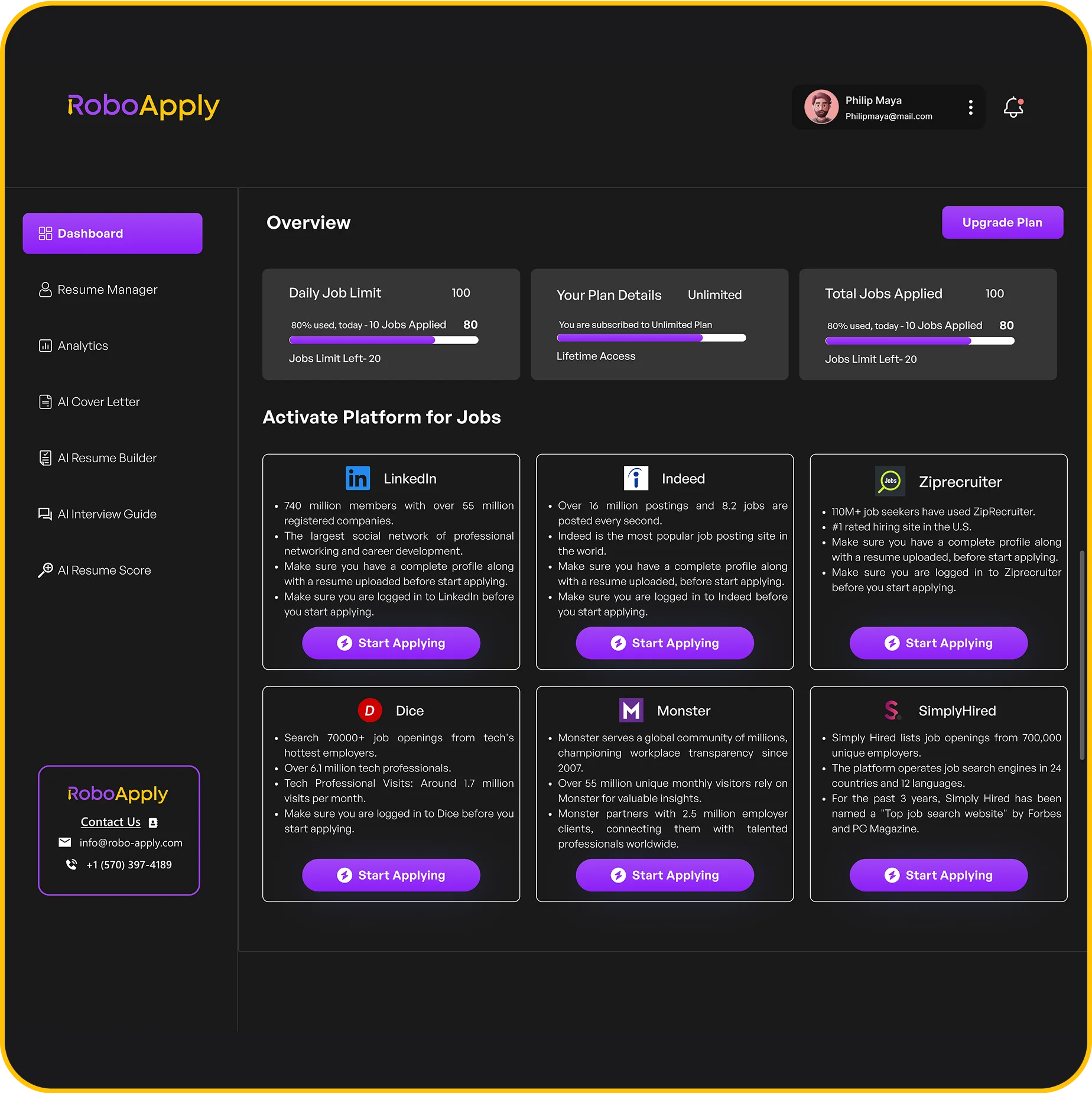
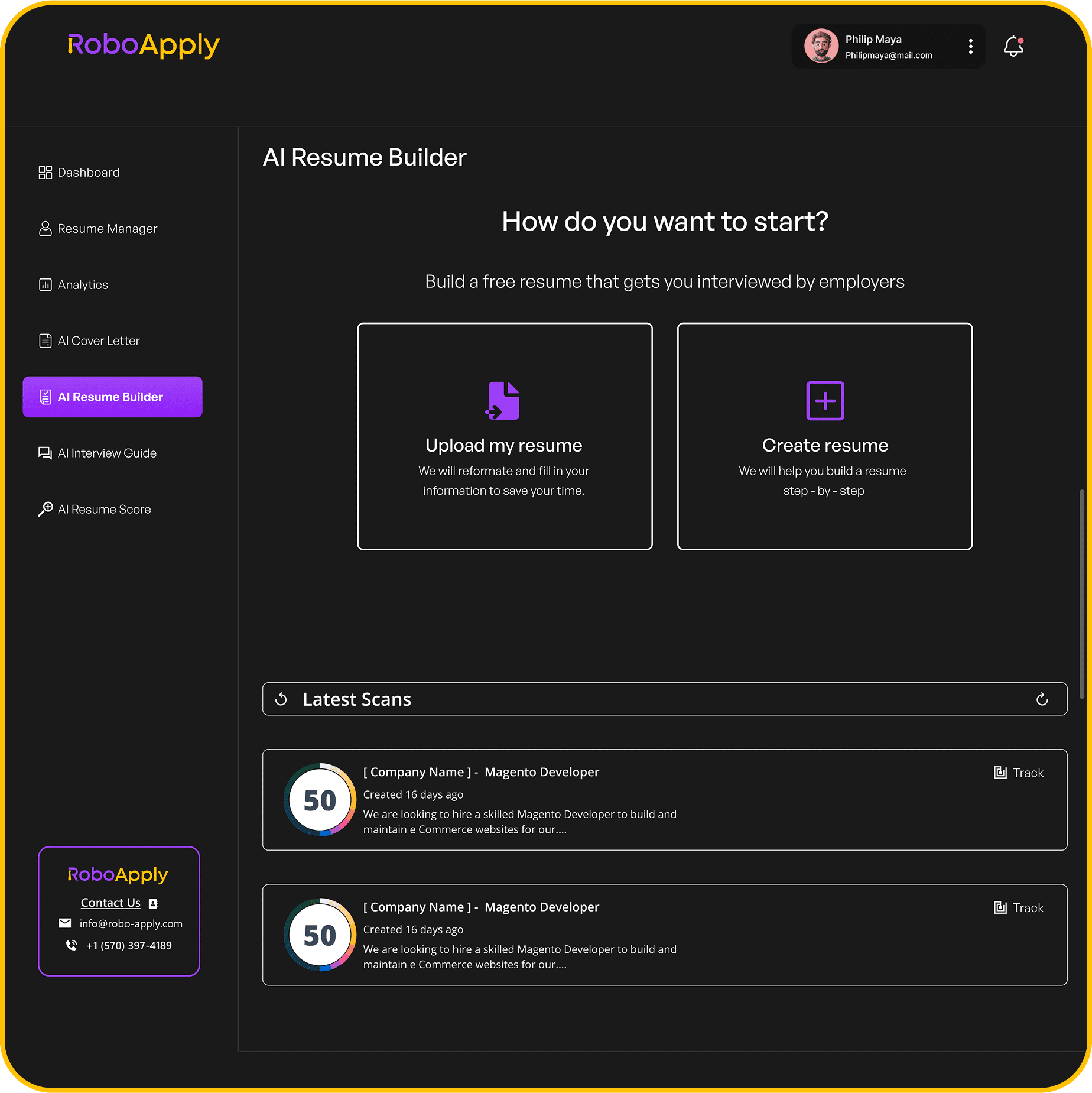
RoboApply’s AI Resume Builder helps managers create resumes that emphasize leadership achievements. The platform formats management experience for both robots and humans reading it. Your best stuff shows up where it should.
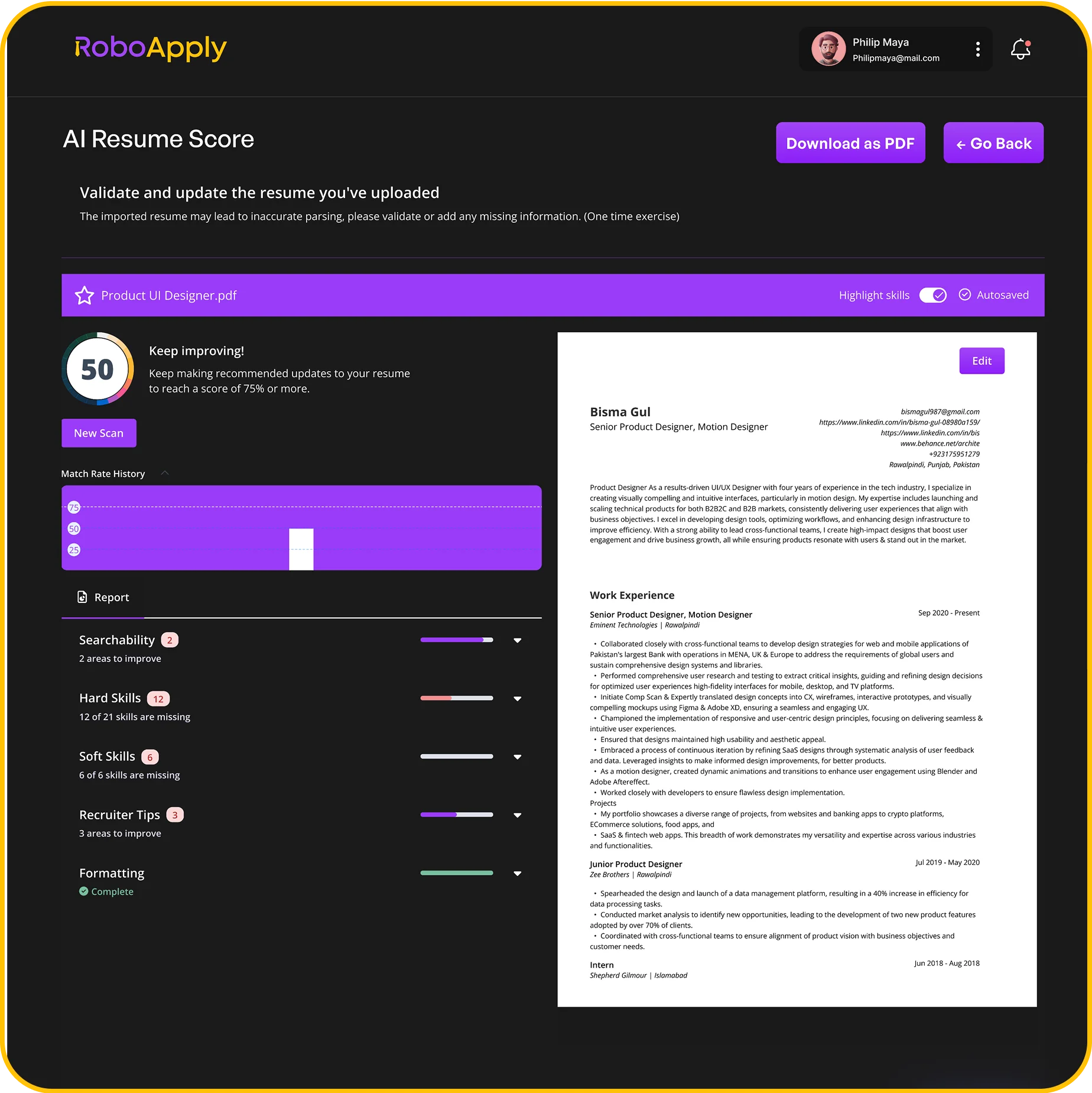
The Resume Score tool analyzes your manager resume against what works. You’ll see if your summary helps or hurts. The system gives you actual fixes you can make right away.
AI Auto Apply uses your resume across hundreds of management applications. You’re not doing the same customization over and over. The platform handles the grunt work while you prep for interviews.
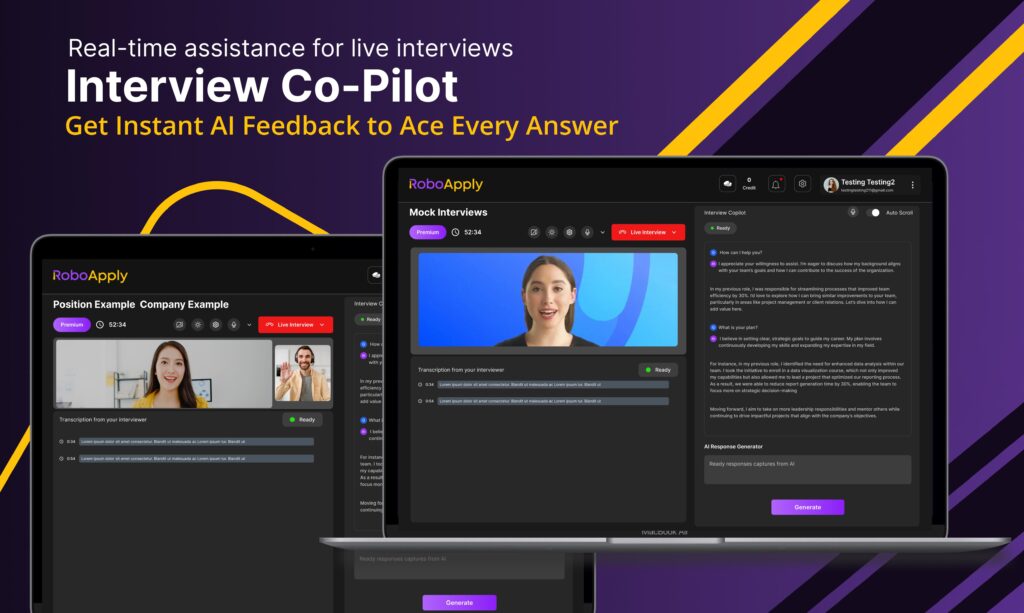
Interview Copilot gets you ready to talk about your management background without sounding rehearsed. You’ll practice explaining your leadership approach and specific examples naturally.
Frequently Asked Questions
Should I use an objective for resume for manager positions?
No, use a professional summary instead for almost all management jobs. Summaries showcase real achievements and results. Objectives focus on your wants rather than employer value.
How long should a manager resume summary be?
Keep summaries to 3-4 sentences tops, maybe 50-75 words. Hit your management experience, biggest win, and relevant expertise without rambling or overdoing it.
What goes in a manager resume summary?
Include management title, years of experience, quantified achievements, team sizes you’ve led, budgets managed, and specific skills relevant to jobs you’re targeting right now.
Can I use an objective if I’m changing industries?
You can, but a summary explaining transferable management skills works way better. Objectives still feel dated. Focus on leadership results that work across industries.
Should I customize my summary for each application?
Yeah, emphasize different achievements based on what each company needs. Read their postings carefully and highlight management experience that matches what they’re looking for.