When do meta internships open? They open in August for summer positions, with applications accepted through January. The meta software engineer internship typically posts in late August. Meta’s internship program recruits year-round though, with fall internships opening in March and winter roles appearing in July.
You need to apply early. Really early. Meta receives thousands of applications for every intern spot. The application process takes weeks. Waiting until December means you’re competing for limited remaining positions.
This guide covers everything you need to know about Meta’s internship timeline. You’ll learn exactly when to apply, how the interview process works, and what actually improves your chances.
Meta Internship Application Timeline by Season
Understanding when different meta internship cycles open helps you plan your application strategy. Each season follows its own schedule.
Summer Internship Timeline
Summer 2027 applications open in August 2026. That’s almost a full year before your actual start date. The meta summer internship is their largest program, hiring across software engineering, product management, data science, and more.
Applications stay open through January typically. But here’s the reality: most positions fill by November. Tech companies recruit early. FAANG companies especially move fast on strong candidates.
Your timeline should look like this:
- August-September: Submit application, polish resume
- September-October: Complete online assessment if selected
- October-December: Technical interviews scheduled
- November-January: Offers extended to successful candidates
The meta swe internship and other technical roles follow this exact schedule. Non-technical positions like the meta product manager internship might extend slightly later.
Fall and Other Seasonal Internships
Fall internship applications open around March. These positions start in August or September and run through December. Meta’s fall program is smaller but less competitive than summer.
Winter internships appear in July for January start dates. These are the least common. Most students can’t participate due to academic schedules.
Meta University, their program for sophomore students, follows a different timeline. Applications open in September for the following summer.
How Meta’s Recruitment Process Actually Works
The application process at Meta takes 4-8 weeks from submission to final decision. Understanding each stage helps you prepare effectively.
Initial Application and Resume Screening
You apply through Meta’s careers page. The system scans your resume for keywords matching the role. Research from Jobscan shows that 98% of Fortune 500 companies use applicant tracking systems.
Your resume needs specific technical skills listed. For a meta software engineering internship, include programming languages, data structures knowledge, and relevant projects. Check how many bullet points per job on resume for optimal formatting.
A referral significantly boosts your chances. Employees can refer candidates directly to recruiters. Connect with Meta engineers on LinkedIn. Ask thoughtfully about their experience. Don’t immediately request referrals though.
Technical Assessment Phase
Selected candidates receive a HackerRank coding challenge. You’ll solve 2-3 algorithm problems in 90 minutes. The difficulty sits between LeetCode medium and hard.
Practice is essential. Meta tests problem-solving through questions on arrays, strings, trees, and graphs. TopCoder competitive programming offers similar practice problems.
Passing the assessment moves you to phone interviews. Response time matters here. Complete assessments within 48 hours of receiving them.
Technical Interviews
You’ll face 1-2 technical phone screens before onsite interviews. Each lasts 45 minutes. Expect live coding questions similar to your assessment.
The recruiter schedules these 1-3 weeks after your assessment. Communicate your availability clearly. Being flexible speeds up the process.
Onsite interviews happen virtually now. You’ll complete 2-3 technical rounds plus 1 behavioral interview. Technical interviews focus on coding, data structures, and system design fundamentals.
Behavioral questions assess cultural fit. Meta wants candidates who contribute to their mission. Prepare examples showing initiative, collaboration, and impact. The entire meta interview process emphasizes both technical skills and alignment with company values.

What Actually Improves Your Application Success Rate
Thousands of students apply to meta each cycle. Your application needs specific elements that separate you from other candidates.
Building a Competitive Technical Profile
Your coding skills matter most for engineer roles. Meta expects strong fundamentals in algorithms and data structures. Competitive candidates typically solve 100+ LeetCode problems before applying.
Projects demonstrate real skills better than coursework alone. Build something users actually use. Deploy it publicly. GitHub repositories with quality code show more than perfect GPAs.
Previous internships at tech companies strengthen applications significantly. But don’t worry if you lack FAANG experience. Strong projects and solid interview performance matter more than your resume alone.
Standing Out in a Competitive Pool
Timing your application strategically helps. Submit within the first month applications open. Early applicants get reviewed faster and face less competition.
Your cover letter should reference specific Meta products or technologies. Generic applications get rejected quickly. Show you understand what makes Instagram, WhatsApp, or Meta’s other platforms technically interesting.
Follow up appropriately after applying. Wait 2-3 weeks, then check your application status. Don’t spam recruiters though. One polite inquiry is enough. Learn more about calling a job after applying etiquette.
Mentors inside Meta can provide insider perspective. Reach out to alumni from your school working there. Ask about their experience and advice. Genuine conversations lead to referrals naturally.
Preparing for Meta’s Technical Bar
Meta’s interview process tests practical coding ability. You need to solve problems efficiently under pressure. Preparation takes months, not weeks.
Technical Interview Preparation Strategy
Start with fundamentals. Master arrays, linked lists, stacks, queues, trees, and graphs. These appear in every technical interview. Harvard’s CS50 provides excellent free foundations.
Practice coding without an IDE. Meta interviews happen on whiteboards or basic text editors. You can’t rely on autocomplete or debugging tools.
Time yourself during practice. Most interview questions should take 30-40 minutes. Faster solutions leave time for follow-up questions or system design discussion.
Study past interview questions on Glassdoor and LeetCode. Meta favors certain problem types. Arrays and string manipulation appear frequently. Understanding question patterns helps recognition during actual interviews.
Beyond Coding: The Complete Candidate
Technical skills alone don’t guarantee offers. Meta evaluates communication, collaboration, and cultural fit equally.
Explain your thought process while coding. Interviewers want to understand your problem-solving approach. Silence during coding makes evaluation difficult.
Ask clarifying questions before starting solutions. Confirming requirements prevents solving the wrong problem. This also demonstrates thoroughness.
Stay on top of Meta’s products and technologies. Understand their technical challenges at scale. Read engineering blogs. Follow announcements. Show genuine interest beyond just getting an internship.
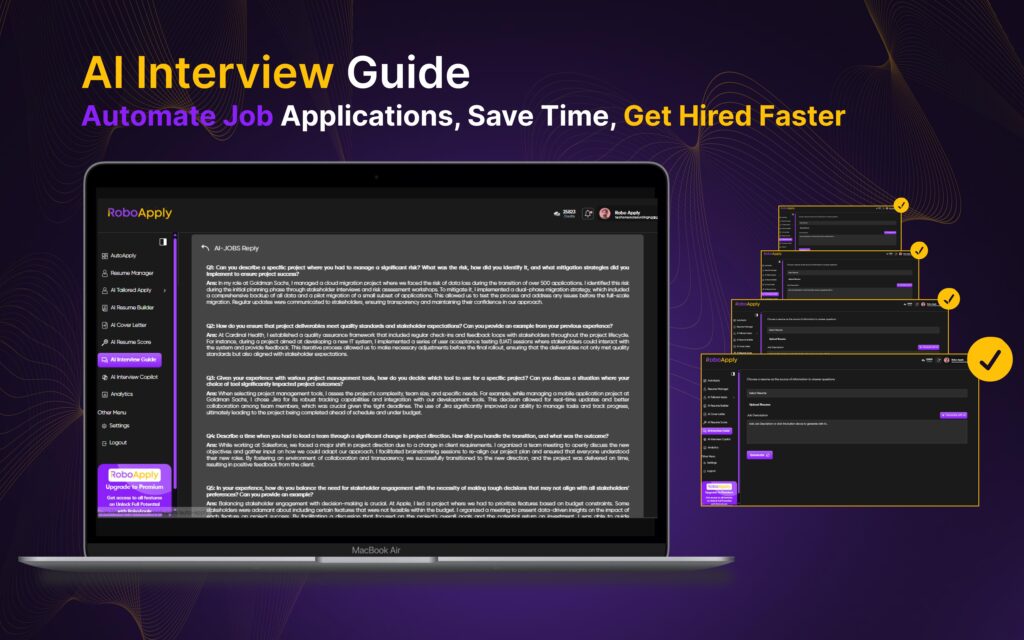
How RoboApply Streamlines Your Internship Search
Landing a meta internship requires applying to dozens of positions simultaneously. You’re targeting Meta plus other tech companies as backups. Managing applications manually becomes overwhelming fast.
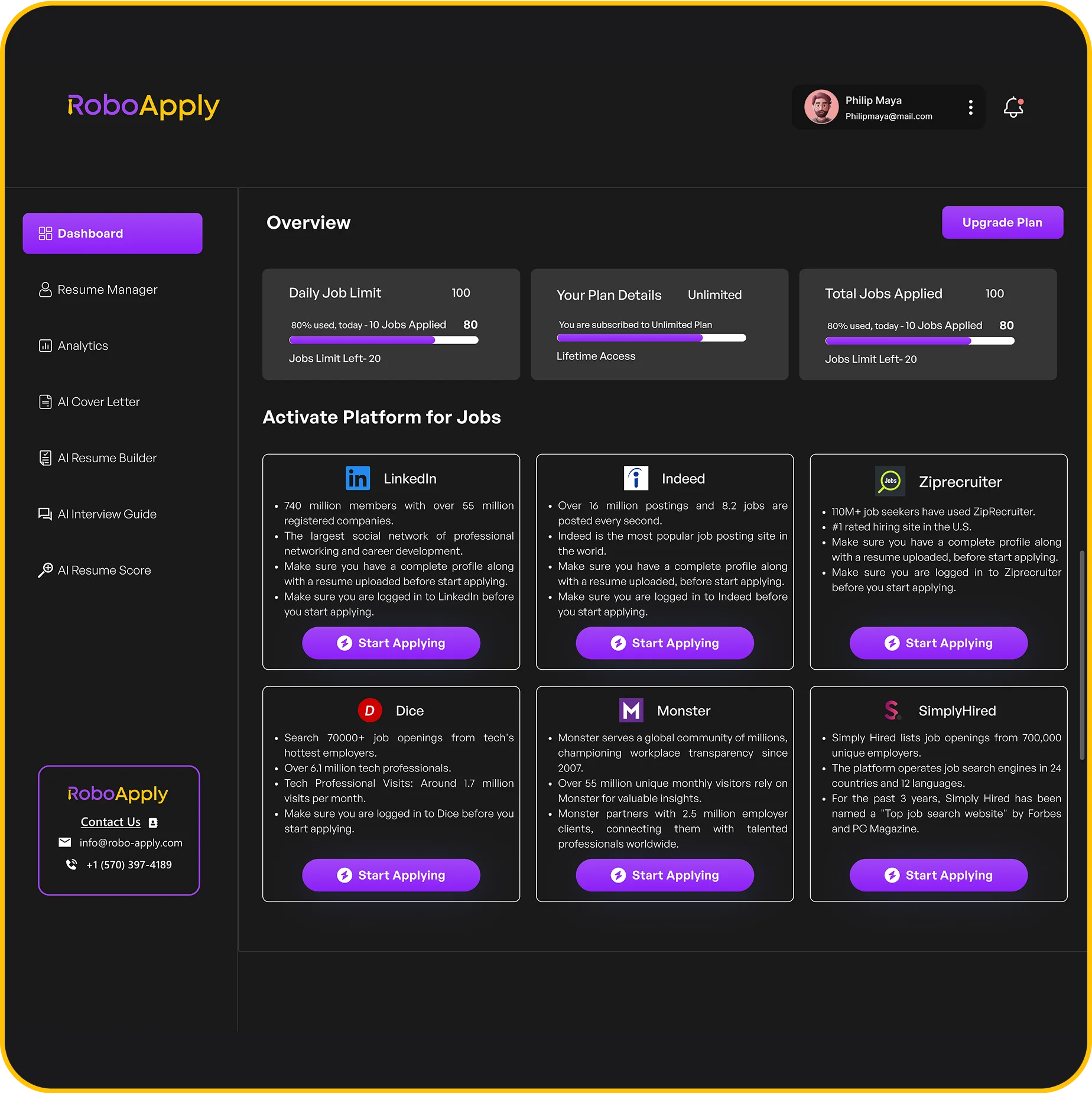
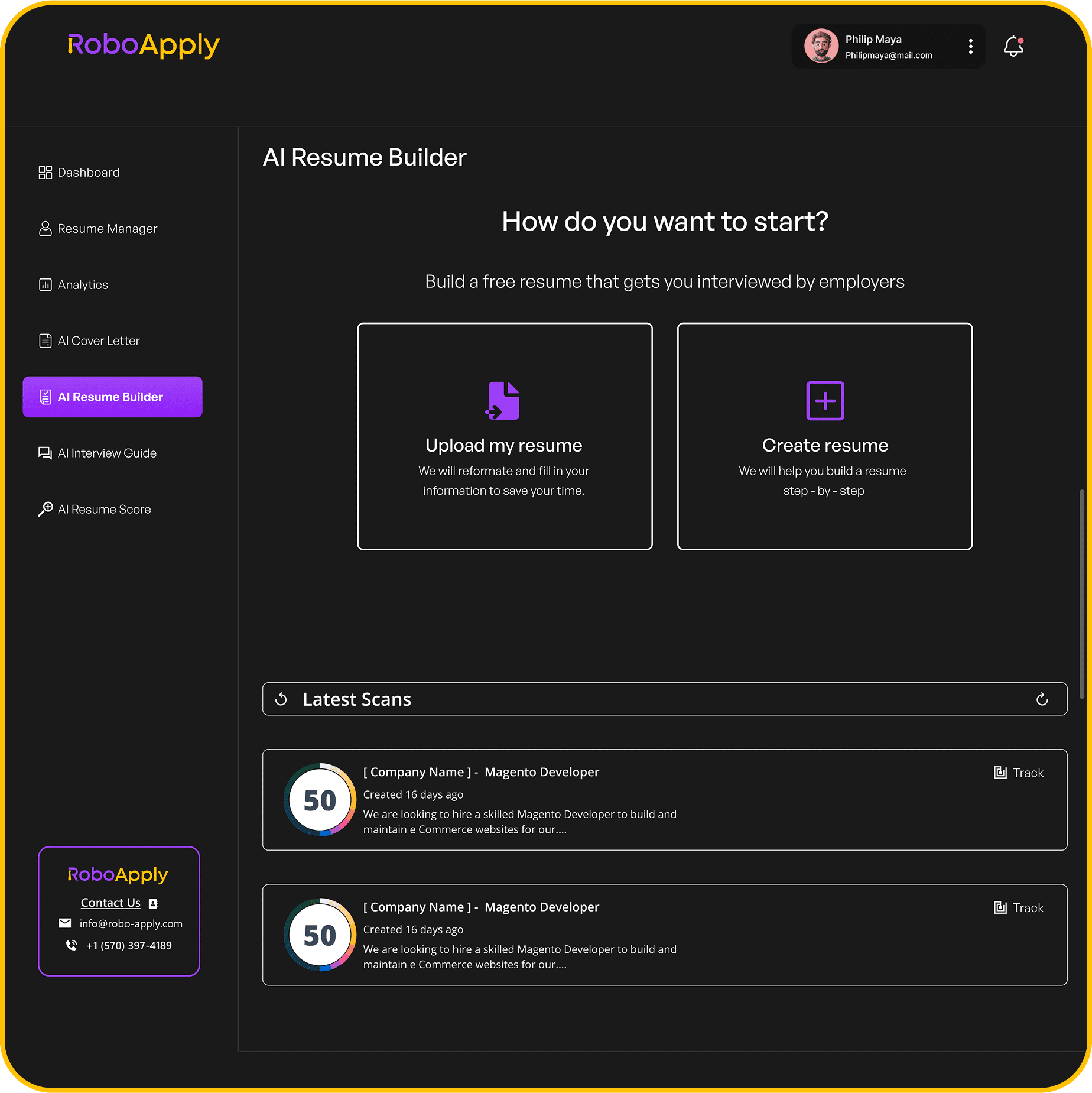
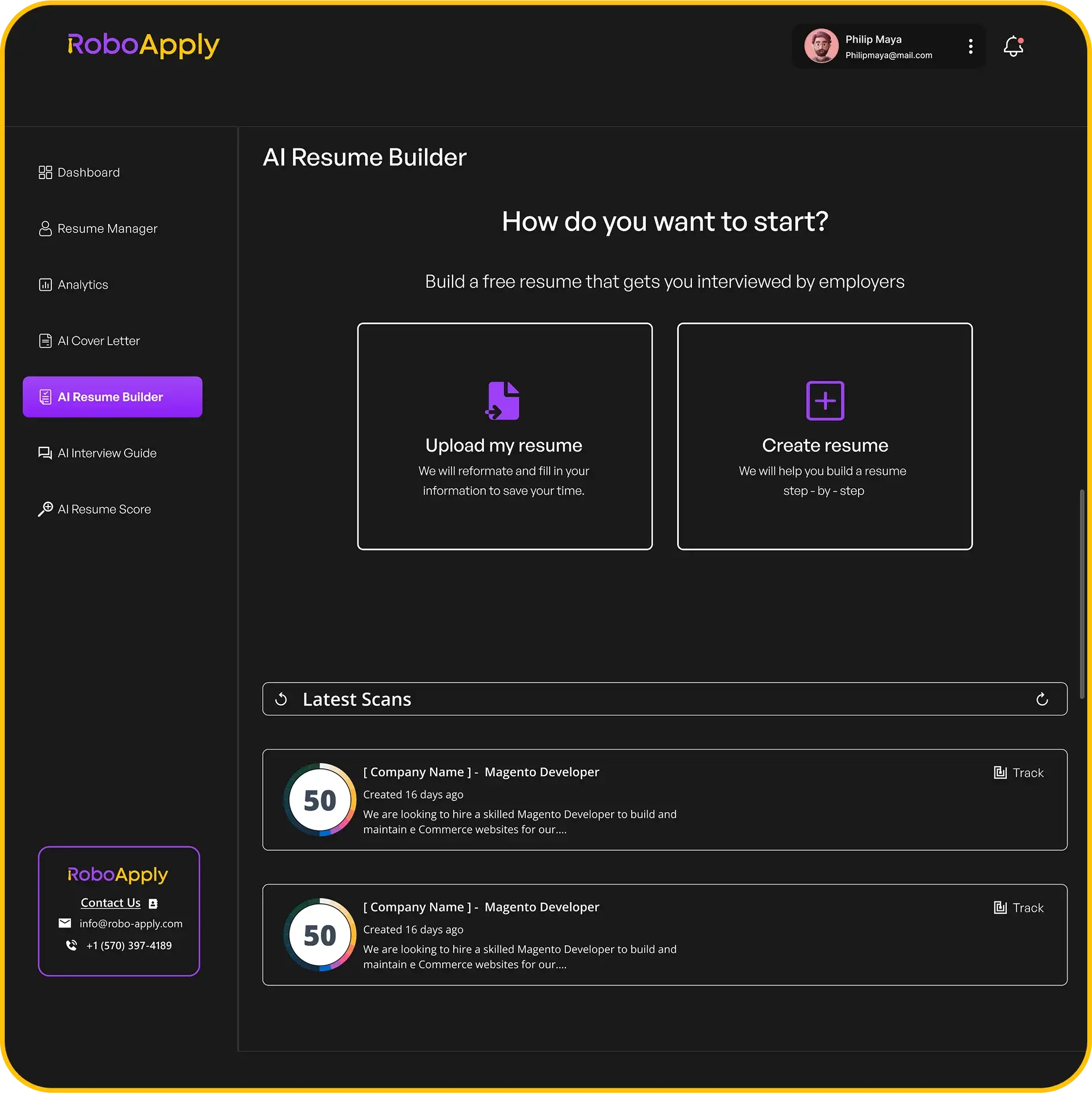
RoboApply automates the repetitive parts of your internship search. The AI Resume Builder creates multiple resume versions optimized for different roles. One format for the meta sde intern position. Another highlighting projects for the meta mba internship.
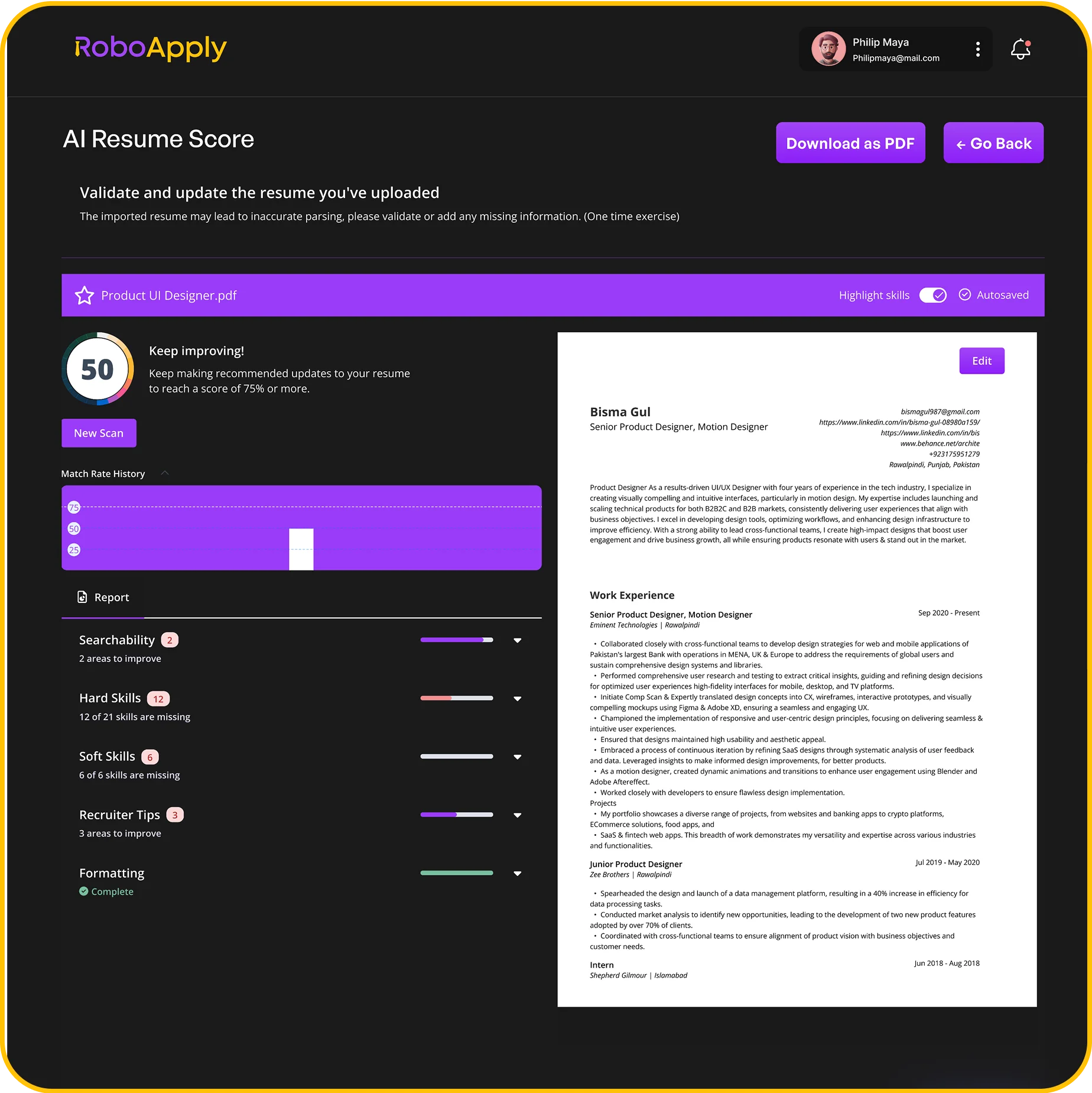
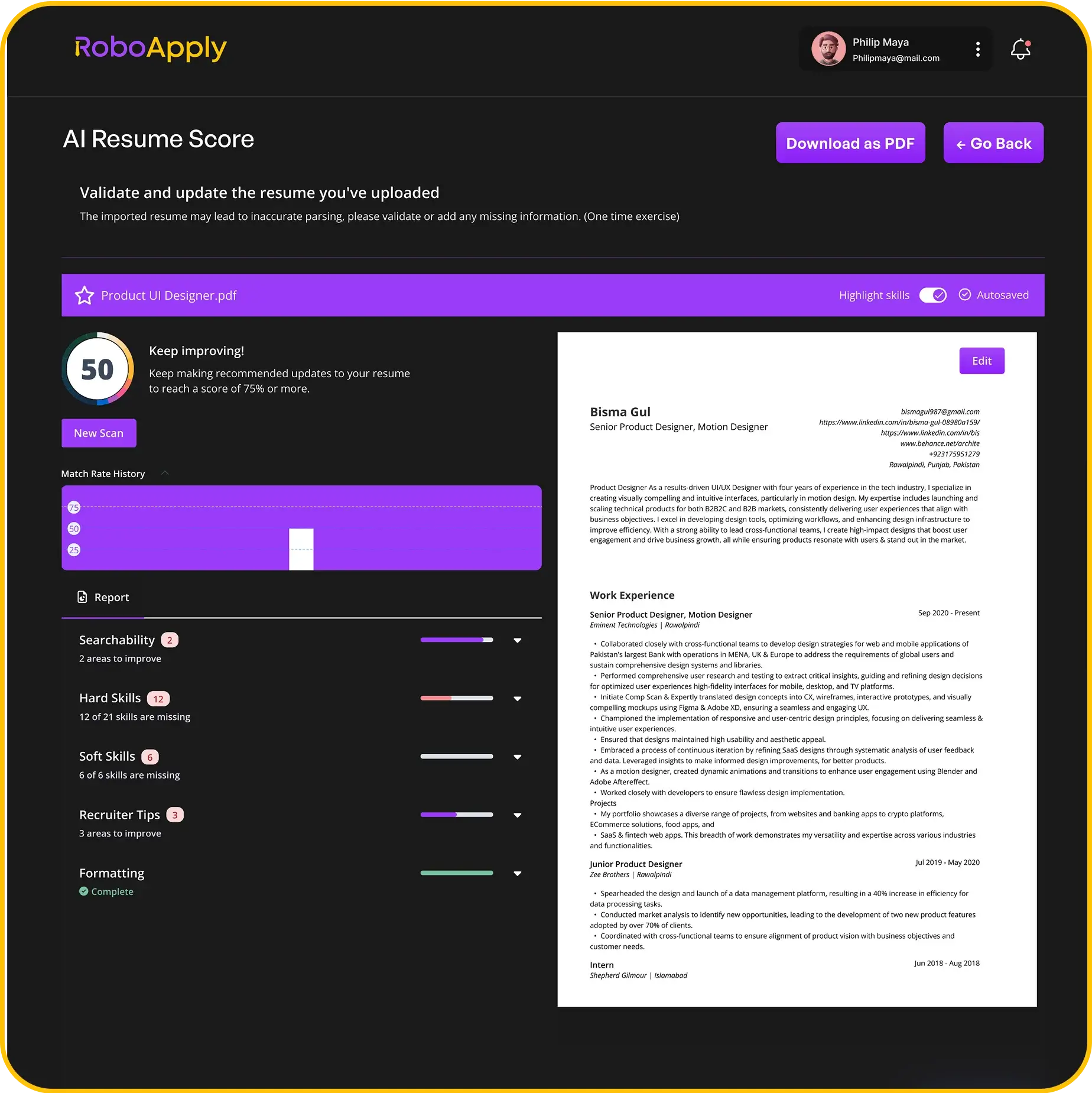
The Resume Score feature shows exactly what ATS systems see. You’ll know if your resume passes initial screening before submitting. This matters enormously when applications get reviewed by algorithms first.
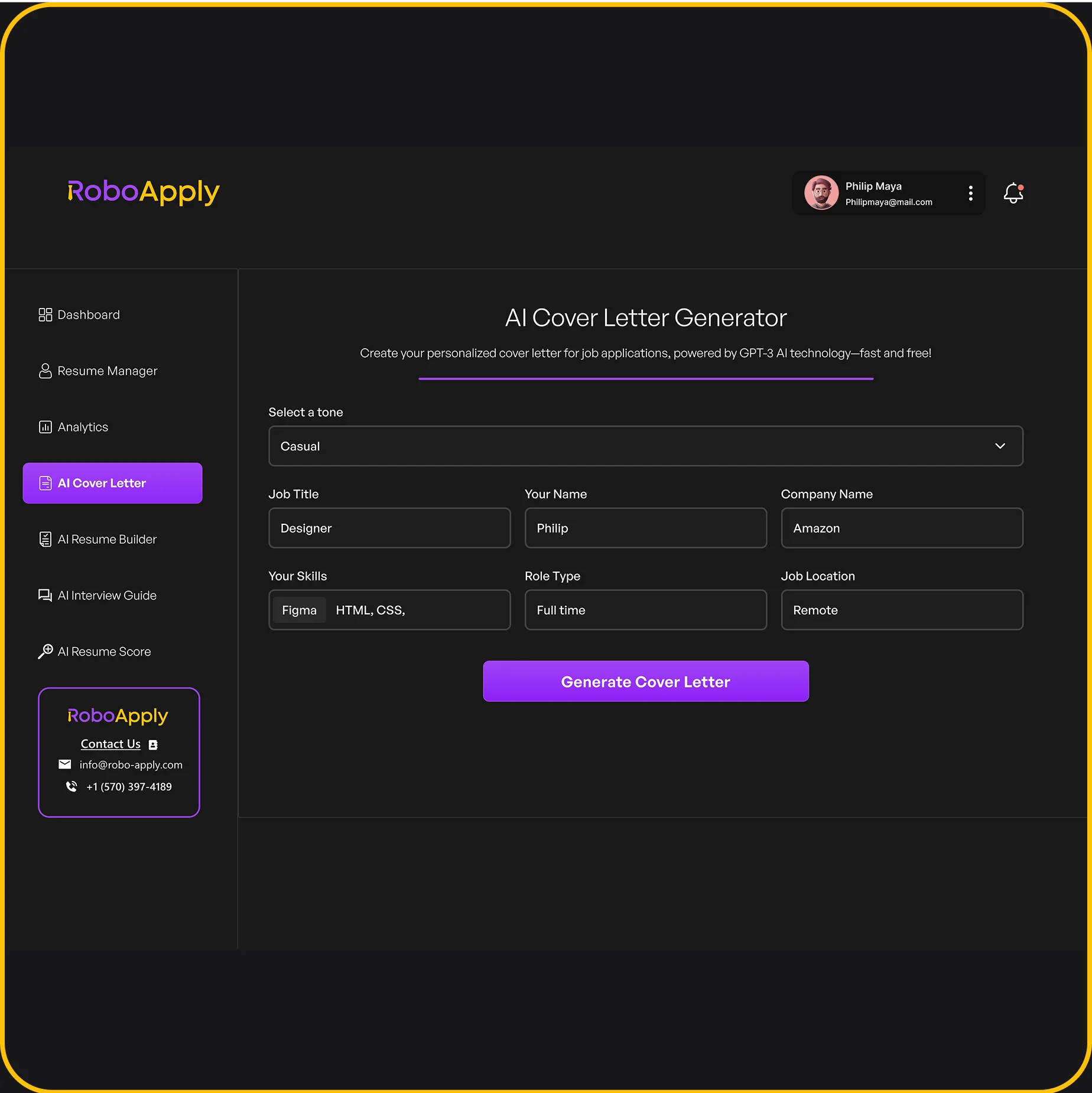
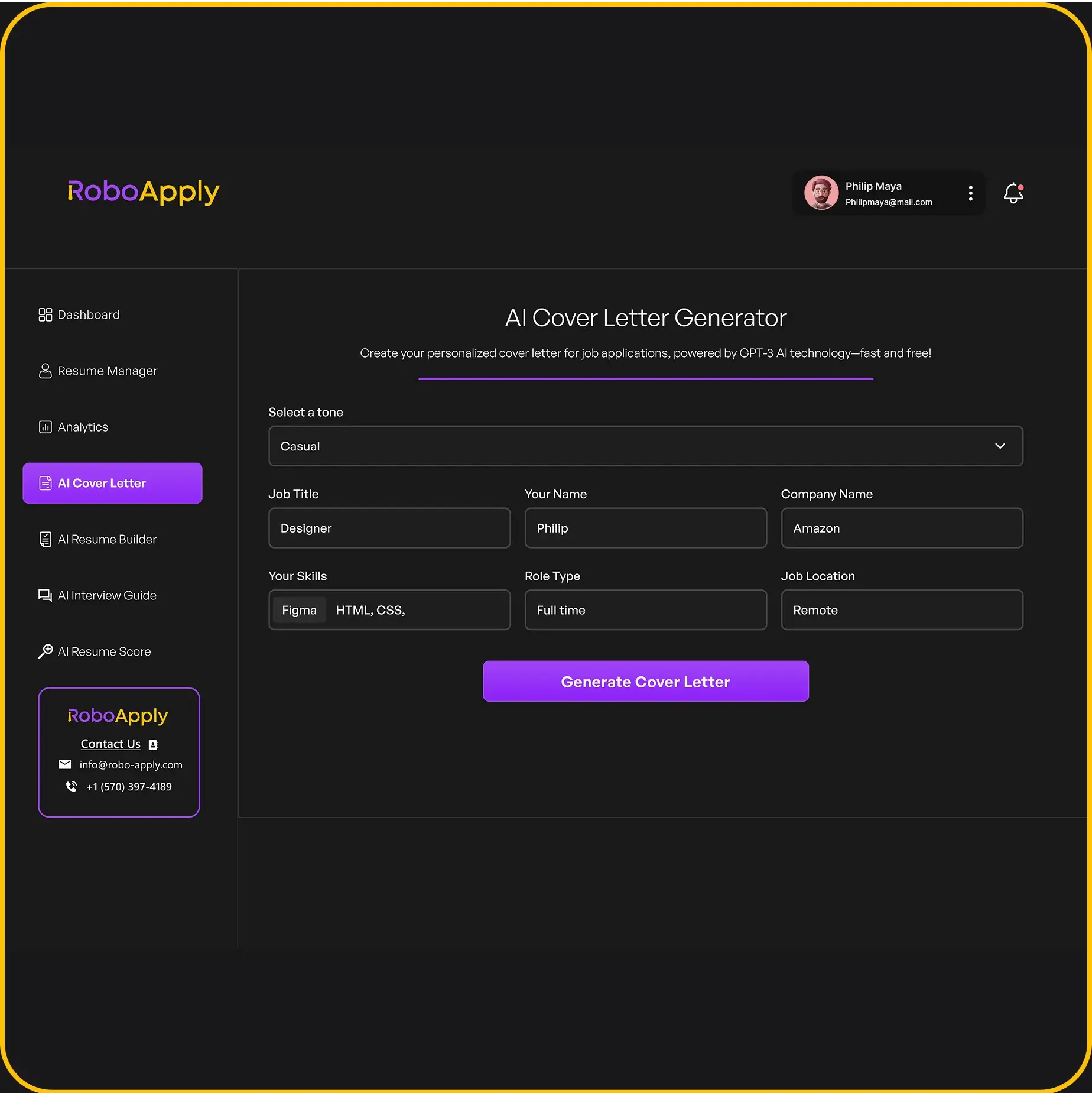
Your cover letter needs customization for every application. The AI Cover Letter generator creates personalized versions referencing specific companies and roles. Each letter connects your experience to stated requirements naturally.
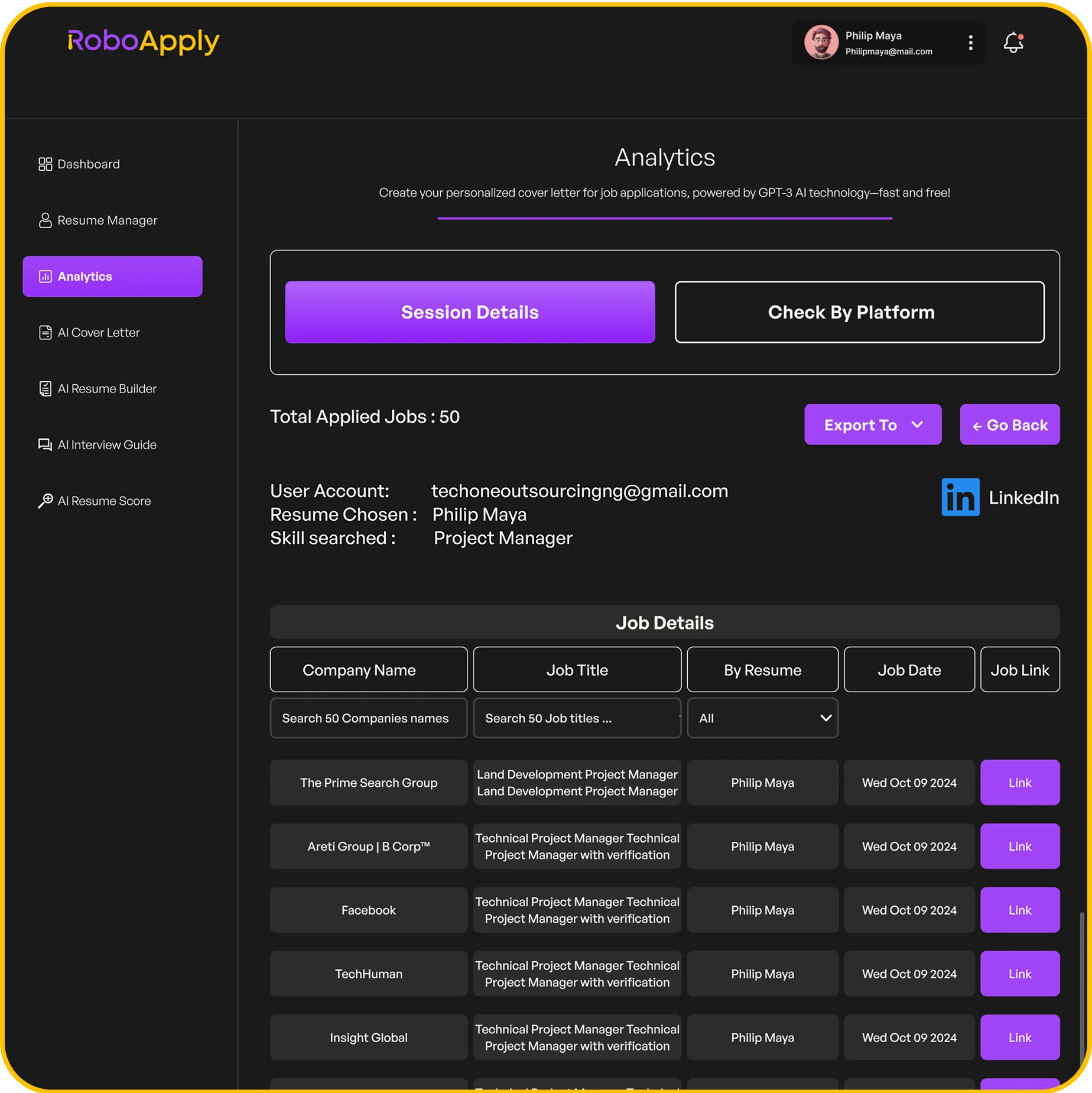
AI Auto Apply submits applications to hundreds of tech internship positions automatically. You set criteria once. The system finds matches across LinkedIn, Indeed, and company sites. Applications go out 24/7 while you’re studying or working on projects.
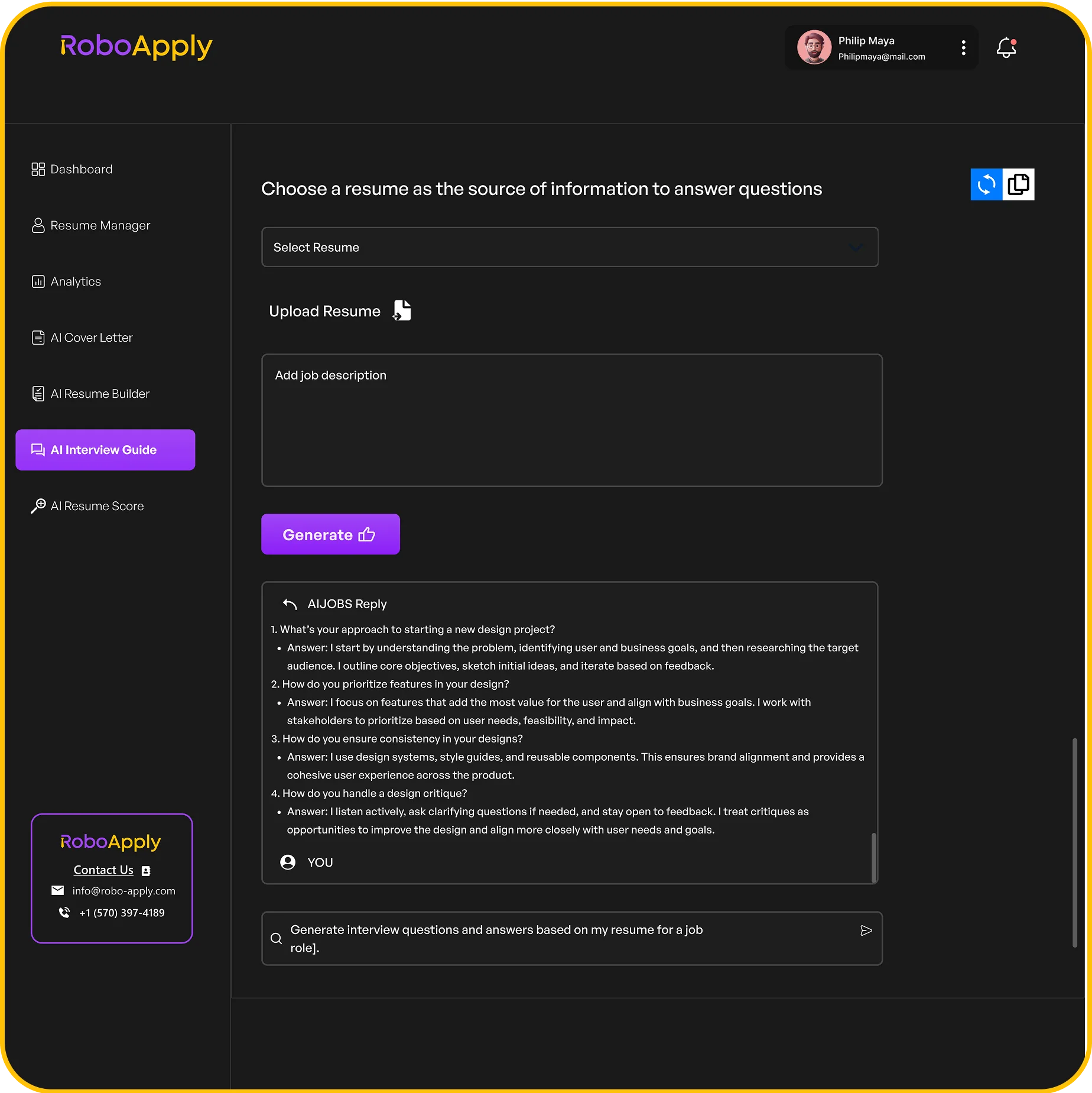
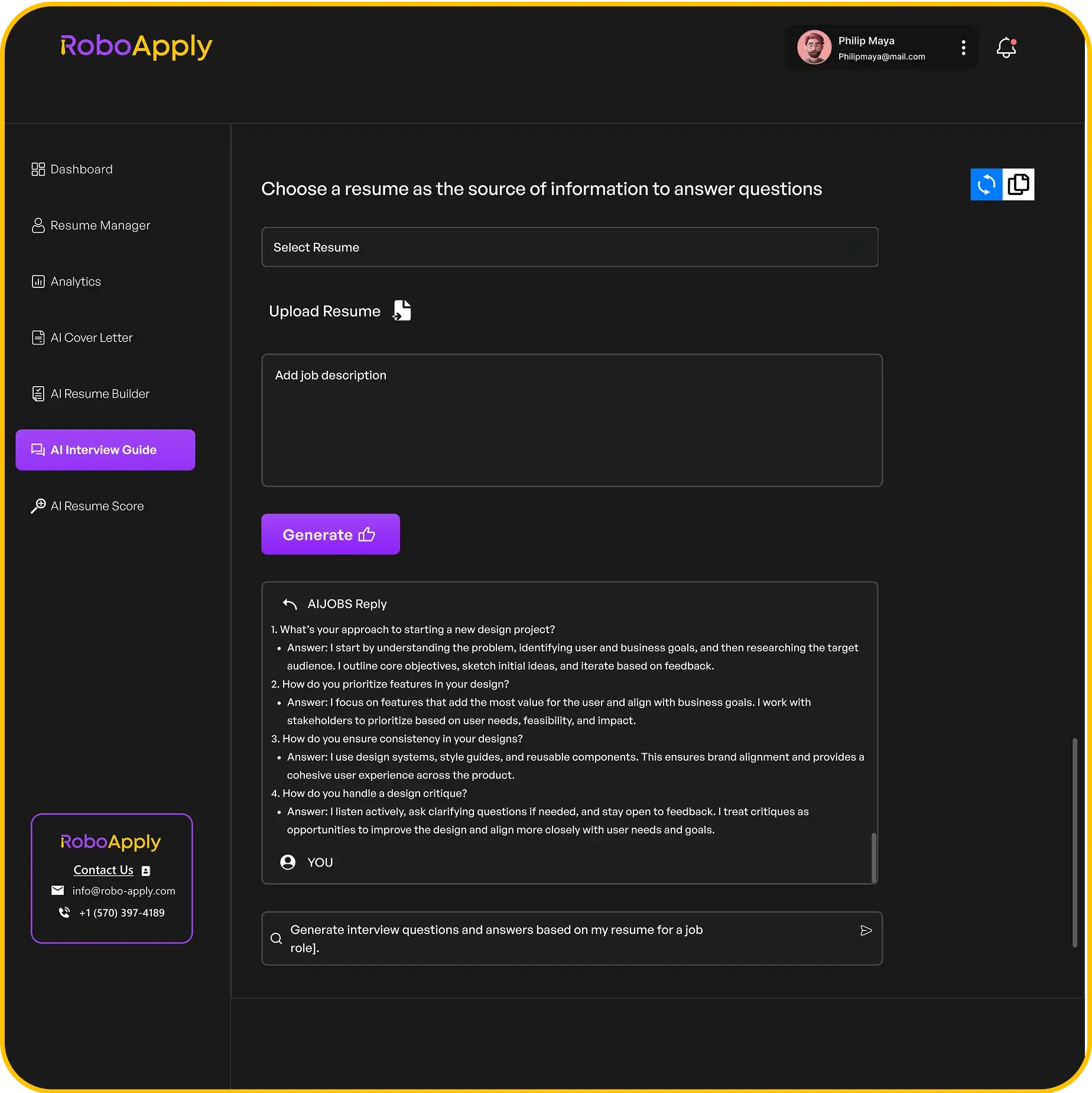
Interview prep integrates seamlessly. The AI Interview Copilot generates role-specific technical questions. Practice behavioral scenarios. Get real-time feedback improving your responses.
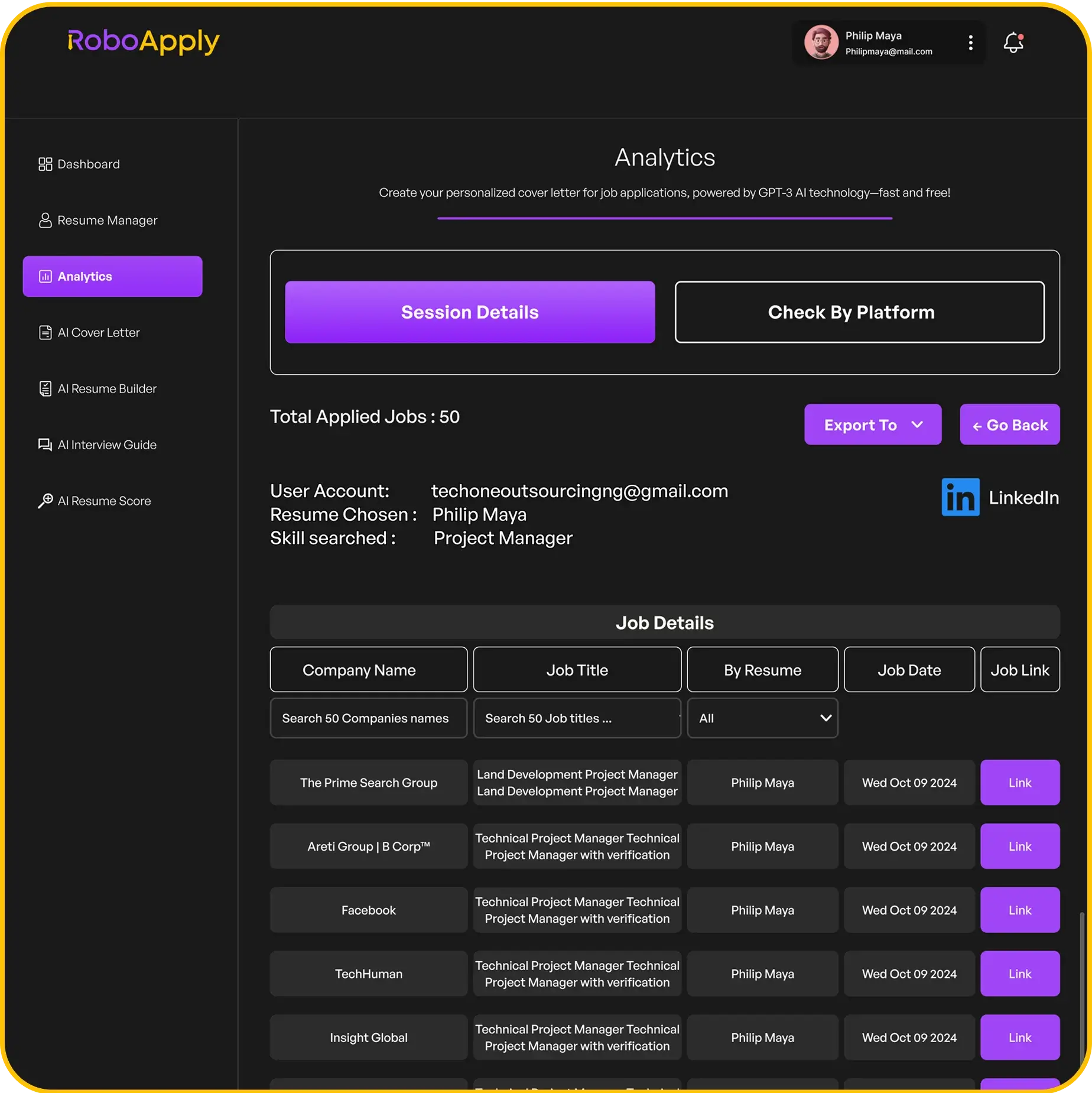
Track everything through centralized Analytics. See which applications generate responses. Monitor interview schedules. Optimize your strategy based on actual data.
Start with the free plan to test functionality. Three free applications demonstrate the complete system. The 90-day guarantee eliminates risk entirely.
Maximizing Your Chances of Landing Meta Internships
Success requires strategy beyond just strong technical skills. You’re competing against candidates from top schools with impressive backgrounds.
Apply broadly across Meta’s different internship tracks. Don’t just target software engineering if you’re interested in product or data science too. More applications mean more interview opportunities.
Network actively with Meta employees. Comment on LinkedIn posts from their engineers. Ask thoughtful questions about their work. Genuine engagement sometimes leads to referrals.
Consider putting references on a resume if you have strong academic or professional connections. Professors or previous internship managers can vouch for your abilities.
Research shows persistence matters. Many successful interns applied multiple times before getting offers. Getting rejected once doesn’t eliminate future opportunities.
Alternative paths exist if direct applications don’t work. Meta recruits from bootcamps and non-traditional backgrounds. Focus on building skills and impressive projects. Those speak louder than credentials alone.
Planning Your Application Strategy
Start preparing at least 6 months before applications open. Technical interview prep takes serious time. You can’t cram algorithms and data structures in a few weeks.
Create a timeline working backward from application deadlines. Set monthly goals for LeetCode problems solved, projects completed, and skills learned.
Balance your efforts across multiple companies. Don’t put all hopes on Meta alone. Apply to other top tech companies simultaneously. Check opportunities in basic industries and specialized fields as backup options.
Your career development continues beyond securing one internship. Each experience builds toward full-time roles. Return offers from internships become full-time job opportunities. Plan strategically for long-term growth.
Frequently Asked Questions
When do Meta summer 2027 internships open?
Meta summer internships typically open in late August 2026, nearly a year before the actual start date. Apply early for best chances.
How long does Meta’s intern application process take?
The entire meta application process takes 4-8 weeks from submission to final offer. Technical interviews happen 2-4 weeks after assessments.
Do I need a referral to get a Meta internship?
Referrals significantly help but aren’t required. Strong technical skills and impressive projects can get you interviews without internal connections.
What programming languages does Meta use for intern interviews?
Meta allows Python, Java, C++, or JavaScript for coding interviews. Choose your strongest language. Problem-solving matters more than language choice.
Can I apply to multiple Meta internship positions simultaneously?
Yes, you can apply to different roles like software engineer, data science, and product manager. Each application gets reviewed separately.