Knowing how to land a Meta internship puts you ahead of hundreds of thousands of applicants competing for a limited number of spots each year. Meta, formerly Facebook, hires interns across software engineering, product management, data science, design, and business functions. The process is selective, the timelines are earlier than most candidates expect, and the bar for quality is high across every track. This guide covers what the program looks like, when to apply, how to prepare your application, and what the interview process involves.
What the Meta Internship Program Includes
Meta’s internship program is one of the most structured in the tech industry. Interns work on real projects with full-time teams, receive mentorship, and get access to the same internal resources as employees. Understanding what the program offers helps you align your application to the right track.
Internship Tracks at Meta
Meta hires interns across multiple disciplines. The most competitive is software engineering, but strong candidates exist across all areas.
Common internship tracks include:
- Software engineering (front-end, back-end, infrastructure, machine learning)
- Product management
- Data science and analytics
- Product design and UX research
- Marketing and communications
- Finance and operations
Each track has distinct requirements. Software engineering roles require demonstrated coding ability. Product roles require evidence of cross-functional thinking and data interpretation. Design roles require a portfolio.
Pay and Program Length
Most Meta internships run 12 to 16 weeks, with the majority starting in May or June. According to Levels.fyi’s internship compensation data, Meta software engineering interns rank among the highest-paid in the industry, often earning above $50 per hour plus a housing stipend. Meta also converts a strong percentage of interns to full-time offers.

When to Apply for a Meta Internship in 2026
Timing is one of the most commonly misunderstood parts of how to land a Meta internship. Most candidates apply too late and find that their target roles have already filled.
The Application Timeline for 2026
For summer 2026, Meta typically opens internship applications in August and September of 2025. Recruiting moves fast. First-round interviews often begin in October, and many positions close before the end of the year. Meta’s own careers page is the primary source for current openings and program-specific details.
Read more about Meta’s historical application windows in our breakdown of when Meta internships open.
Why Early Applicants Win
Rolling recruitment works in favor of whoever applies first. Recruiters have more bandwidth early in the cycle. Roles haven’t started filling. And candidates who apply in August or September get earlier interview slots, leaving time to prepare for later rounds if needed. Applying in January or February for a summer internship is late by Meta’s standards.
How to Land a Meta Internship: Application and Resume
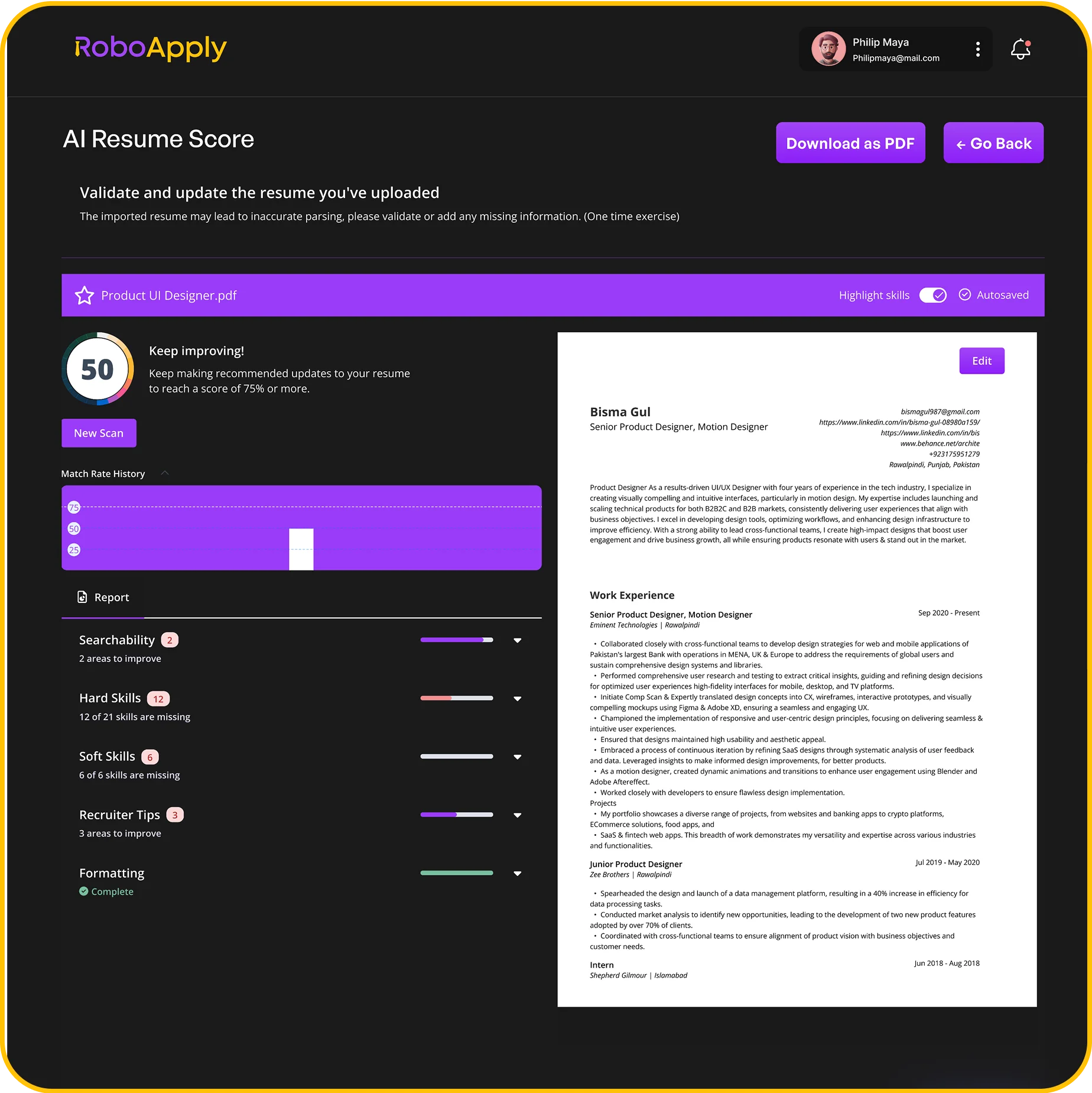
Your resume is the first filter. Meta’s applicant tracking system (ATS) scans for specific keywords, formatting patterns, and experience signals before a human ever reviews it. A strong resume for Meta is one page, keyword-aligned, and full of quantified results.
Build a Resume That Clears the ATS
Here is what a strong Meta internship resume includes:
- One page, standard formatting, clean fonts
- Quantified accomplishments (numbers, percentages, scale)
- Relevant class projects, open-source contributions, or personal builds
- A skills section with programming languages, tools, and frameworks
- Keywords pulled directly from the job description
NACE’s research on early career hiring consistently shows that candidates who match resume language to job postings receive significantly more screening calls. Our resume formatting tool guide covers ATS-friendly formatting in detail.
Write an Internship Cover Letter That Works
Meta does not always require a cover letter, but submitting one gives you an advantage. A strong cover letter connects your specific experience to the role’s requirements and shows genuine interest in Meta’s products and mission. Our internship and entry-level cover letter guide walks through what to include and what to skip.
How to Land a Meta Internship: Interview Preparation
How to land a Meta internship comes down largely to interview performance. Meta’s interview process has two main components: a technical assessment and a behavioral round.
The Technical Interview at Meta
Software engineering candidates complete two to three coding rounds. Questions focus on data structures and algorithms at the medium to hard difficulty level. Common topics include graphs, trees, dynamic programming, arrays, and string manipulation. Candidates must explain their reasoning out loud and justify time and space complexity.
Harvard Business Review’s work on structured interview performance finds that consistent preparation outperforms last-minute cramming in technical screens. Practice on platforms like LeetCode with at least 60 to 80 problems before your first interview.
Behavioral Interview Approach
Meta evaluates culture fit through behavioral questions. The STAR method (Situation, Task, Action, Result) is the expected format. Meta’s internal principles emphasize speed, impact, and building community. Prepare three to five strong examples covering collaboration, ownership, and problem-solving under ambiguity.
Skills Meta Looks for in Intern Candidates
Recruiters and hiring managers at Meta look for a consistent set of signals across all tracks.
Core qualities Meta evaluates in internship candidates:
- Strong foundation in data structures and algorithms (for engineering roles)
- Clear written and verbal communication
- Demonstrated ownership in past projects or coursework
- Ability to operate in ambiguous situations
- Cross-functional collaboration experience
- Product or user-centric thinking (for PM and design roles)
- Portfolio or GitHub presence with active, completed projects
Speed Up Your Meta Internship Search with RoboApply
Preparing for a Meta internship requires significant time investment. Optimizing your resume, writing targeted cover letters, and practicing interviews all take hours. RoboApply helps you move faster without cutting corners.
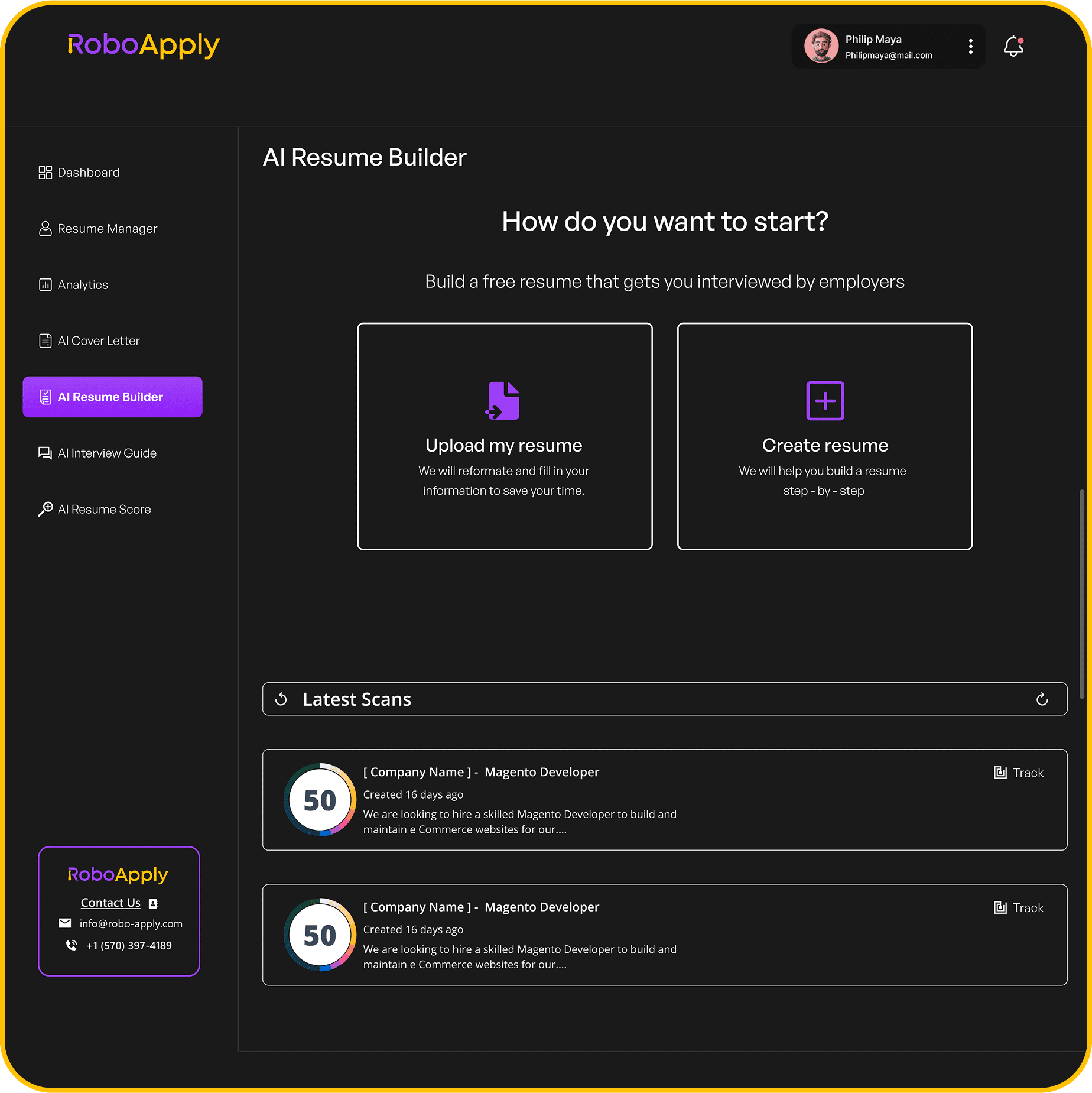
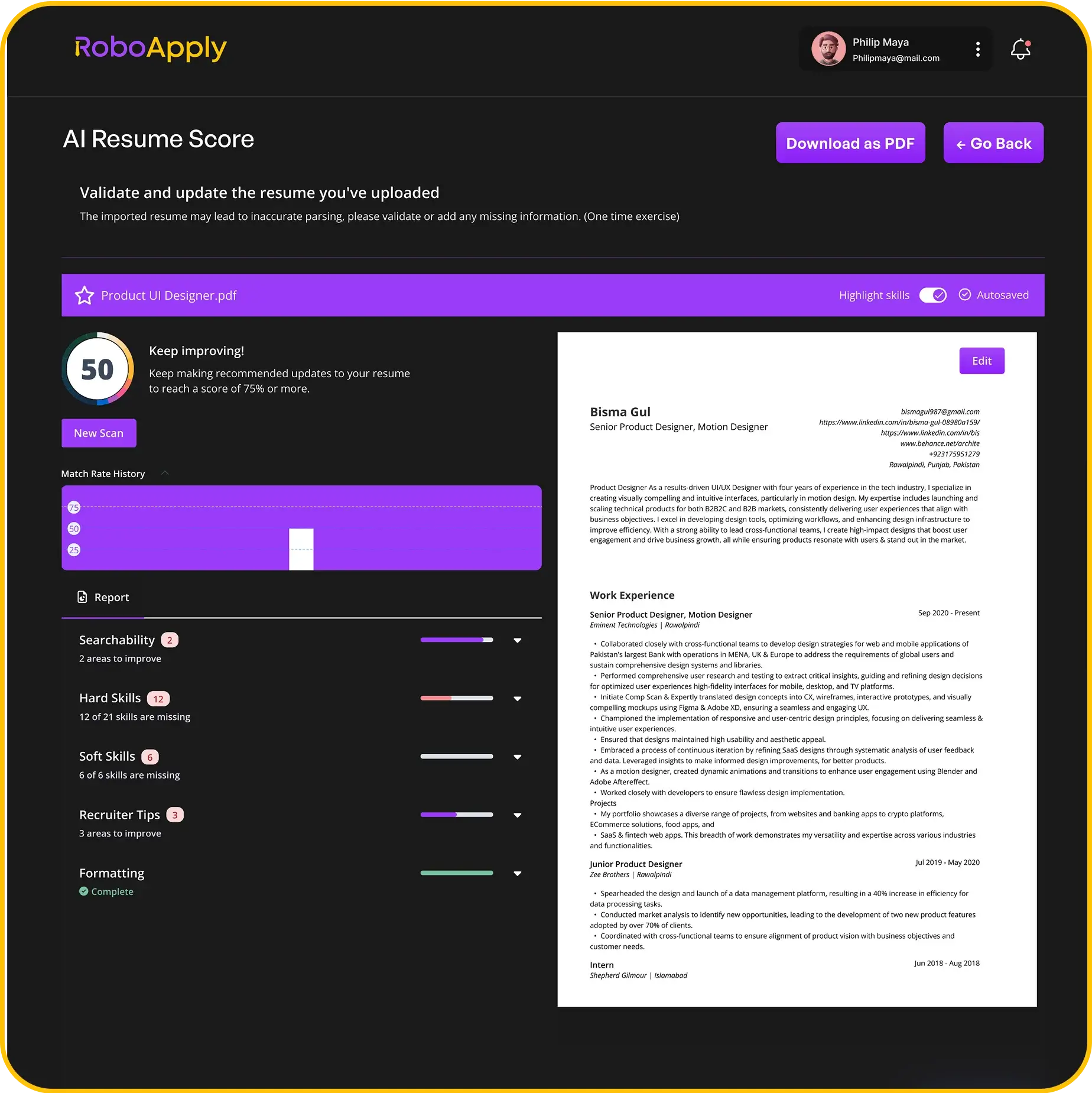
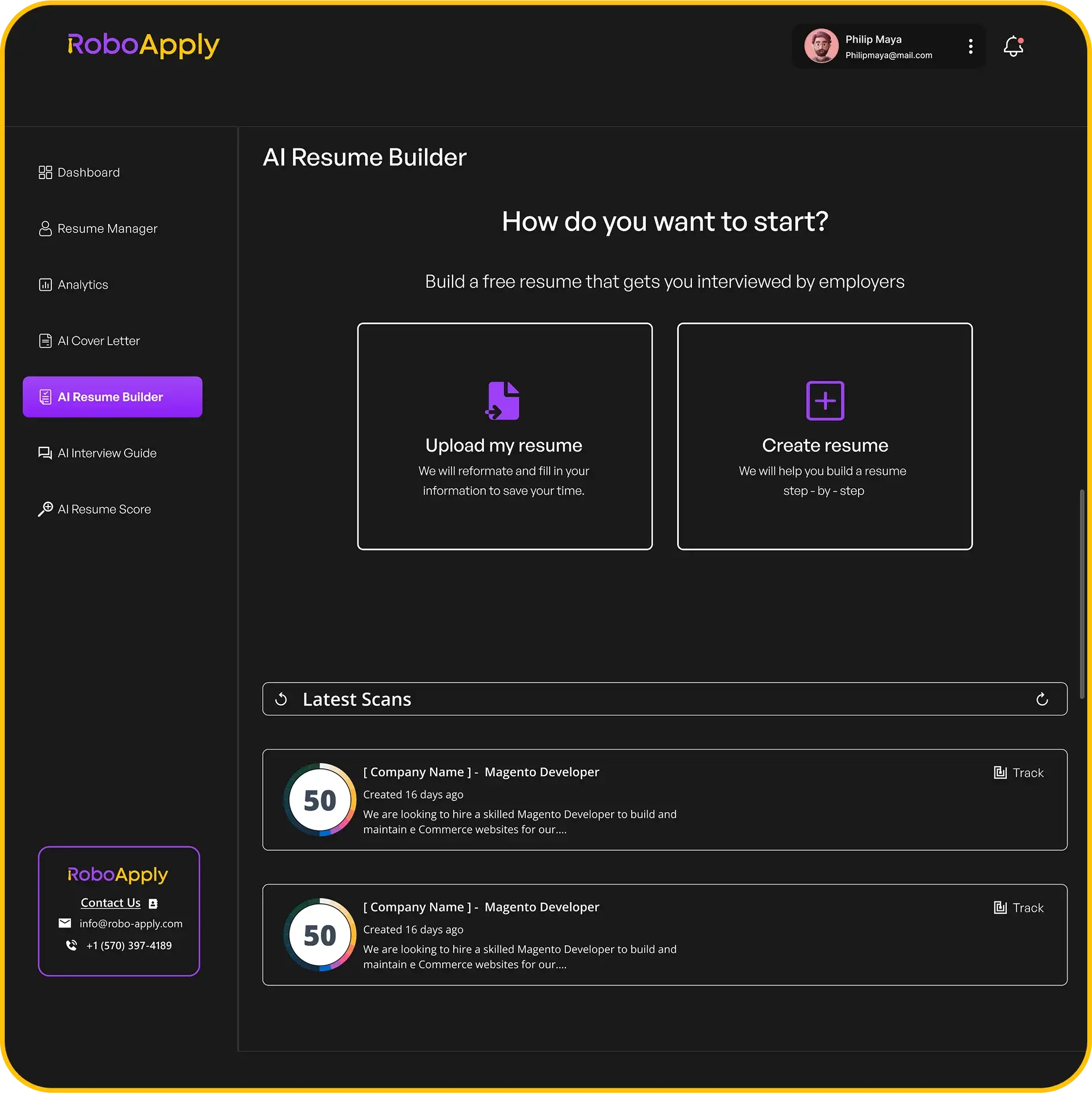
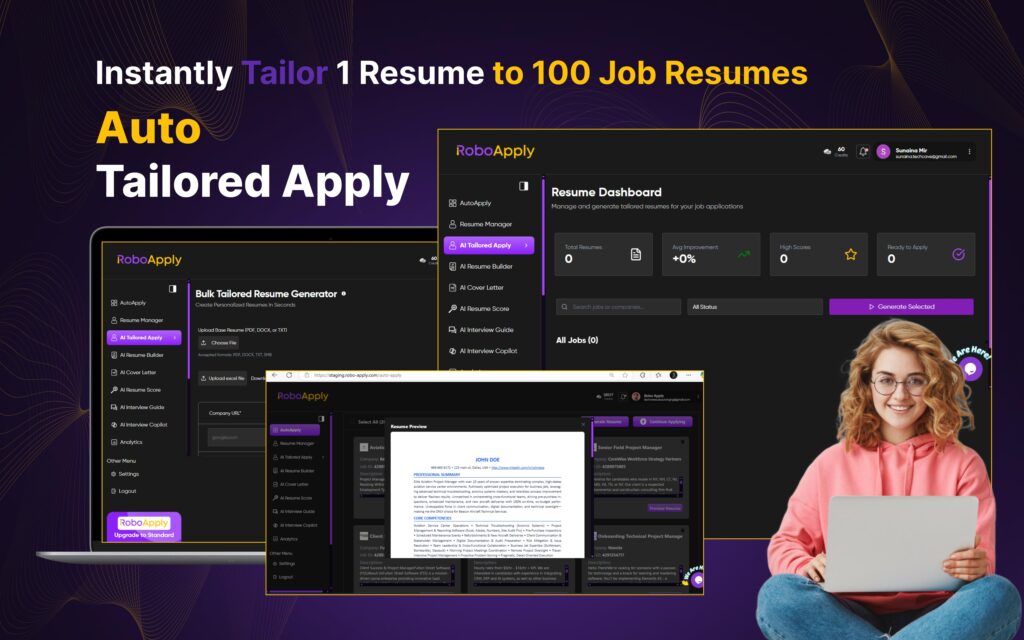
The AI Resume Builder generates ATS-optimized, one-page resumes in minutes. The AI Tailored Apply feature rewrites your resume to match any specific Meta job description, aligning your experience and keywords to each role automatically. This is especially useful if you’re applying to multiple Meta tracks or variations of the same position across different teams.
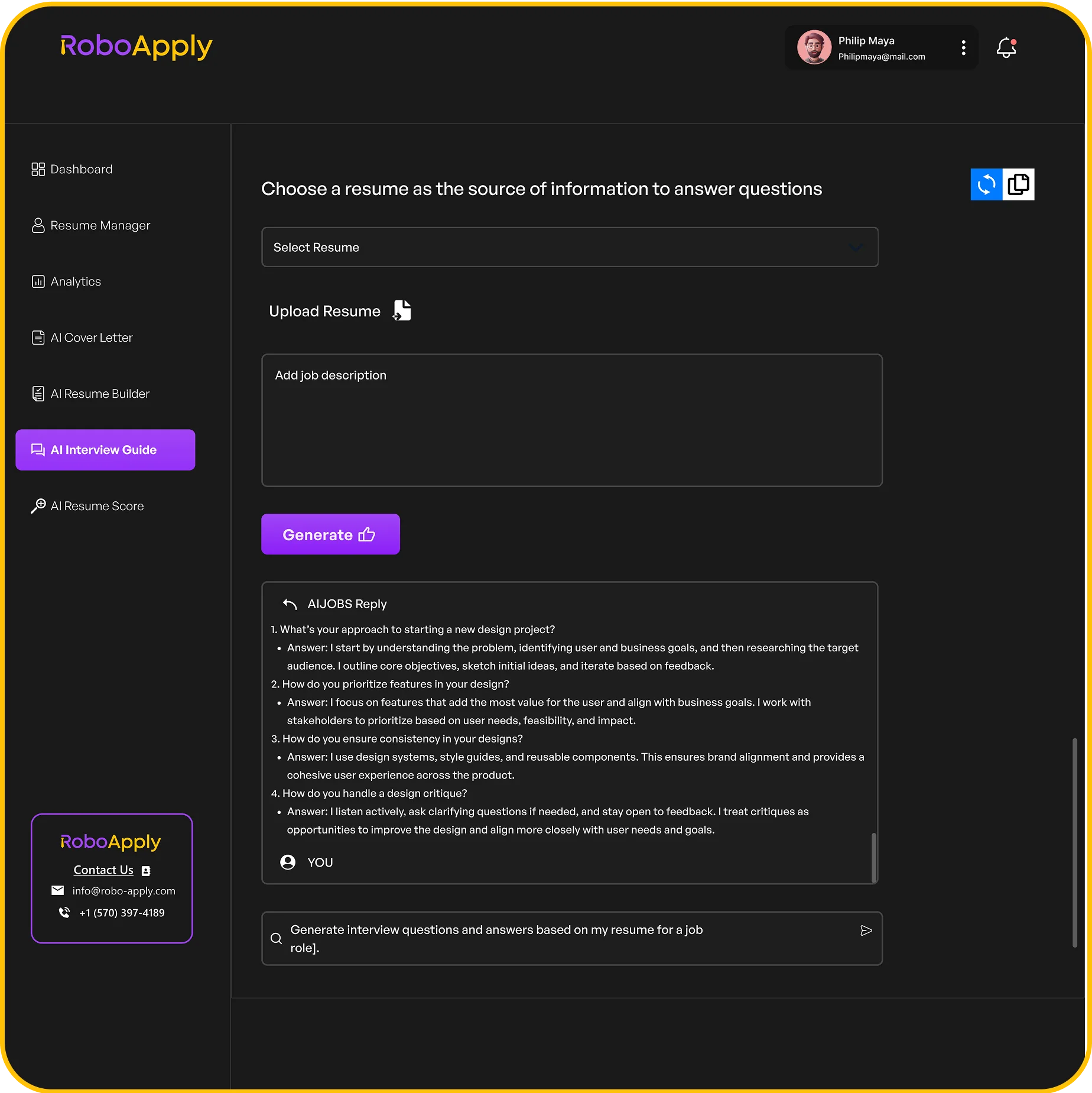
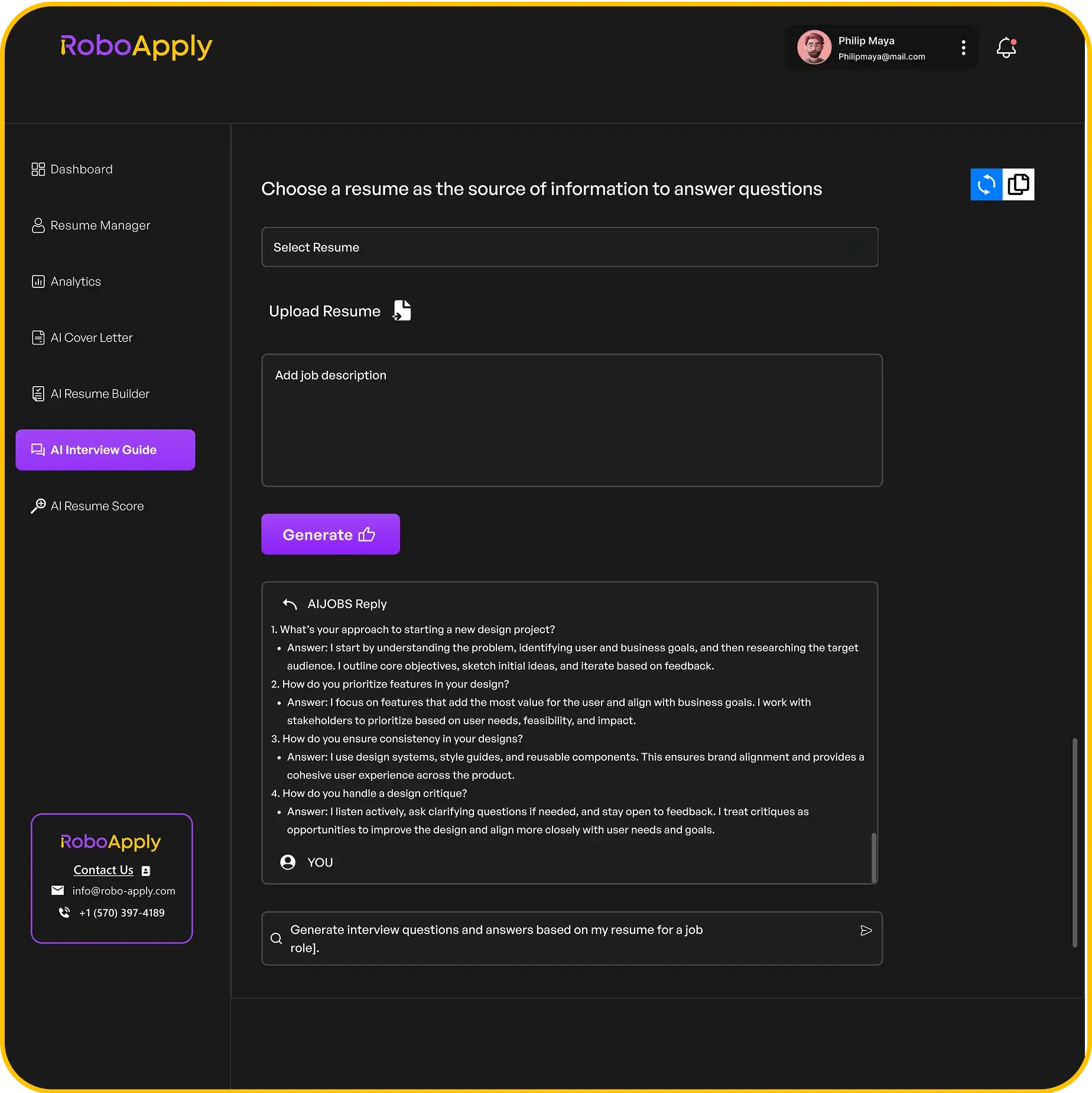
For interview prep, the Interview Copilot generates role-specific practice questions, evaluates your responses, and gives real-time feedback on tone, clarity, and delivery. Available on Standard and Premium plans, it’s the closest thing to a dedicated interview coach without the cost of one.
RoboApply vs. Other Application Tools
Several tools claim to simplify the internship application process. Here is how the options compare.
LazyApply lacks resume customization and does not offer an interview copilot or direct outreach features. Its automation has become unreliable for many users. Simplify does not auto-apply to job boards and has no interview preparation or inbox outreach capabilities. Both tools leave significant gaps when applying to a highly competitive program like Meta’s.
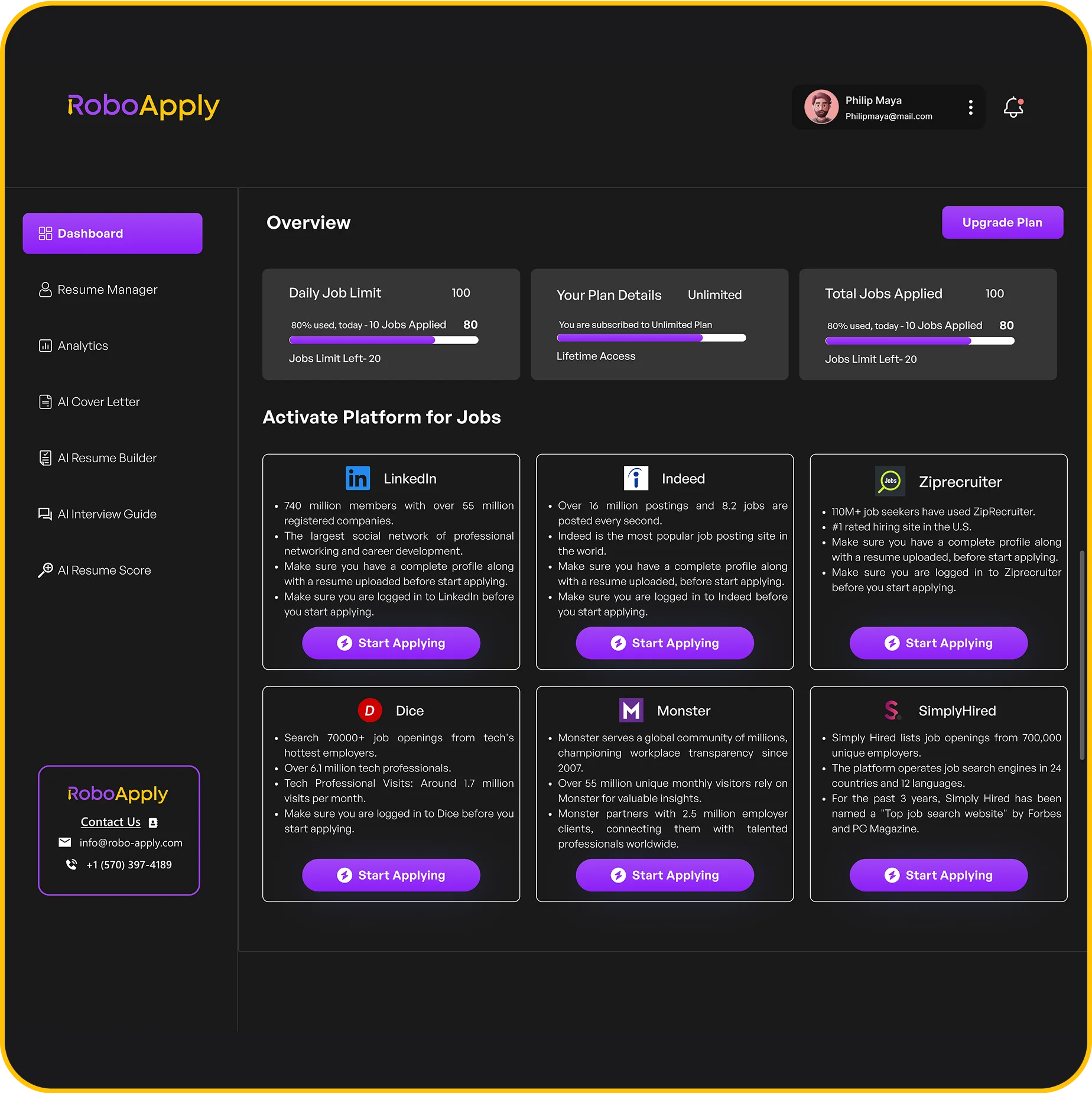
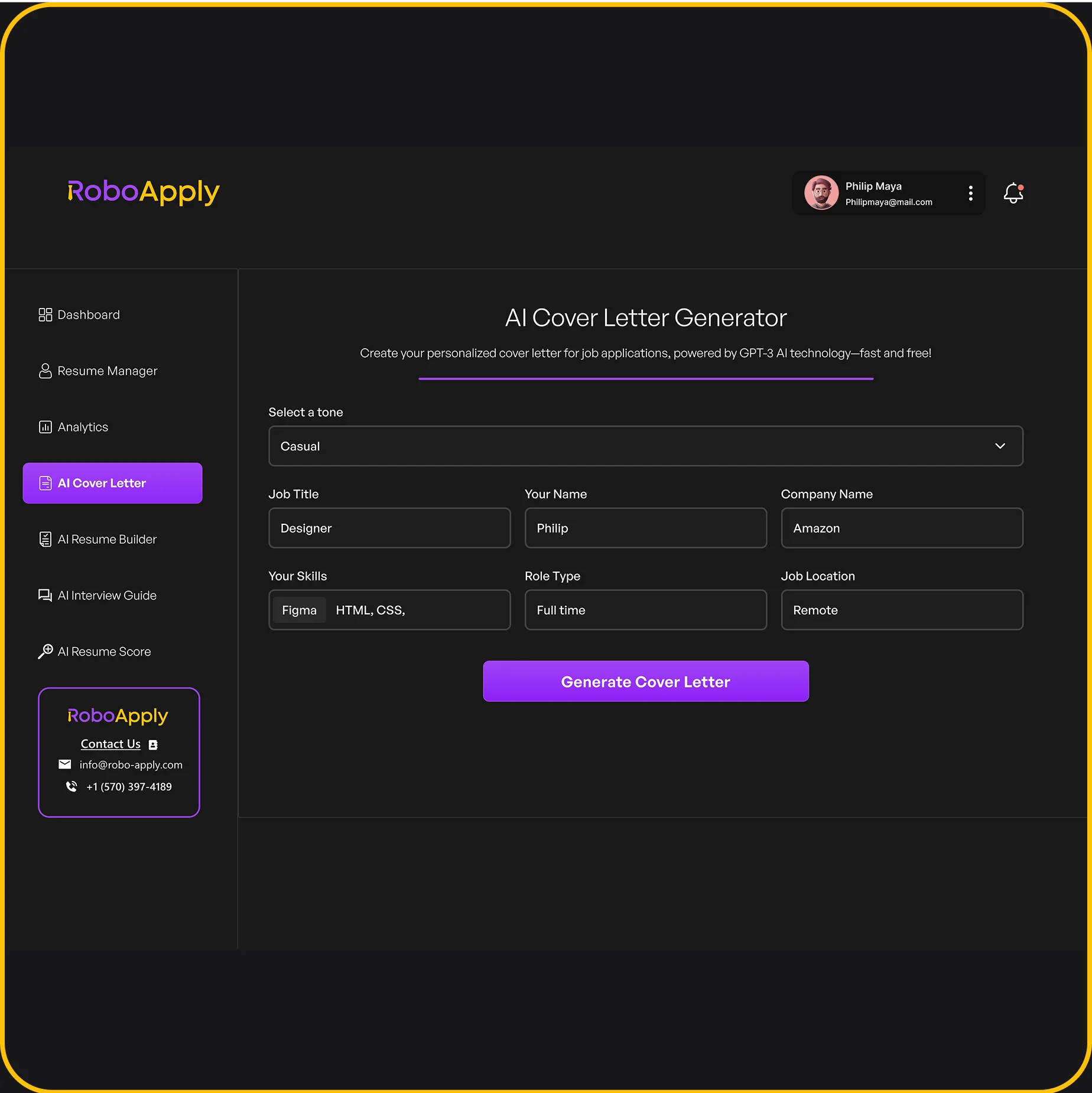
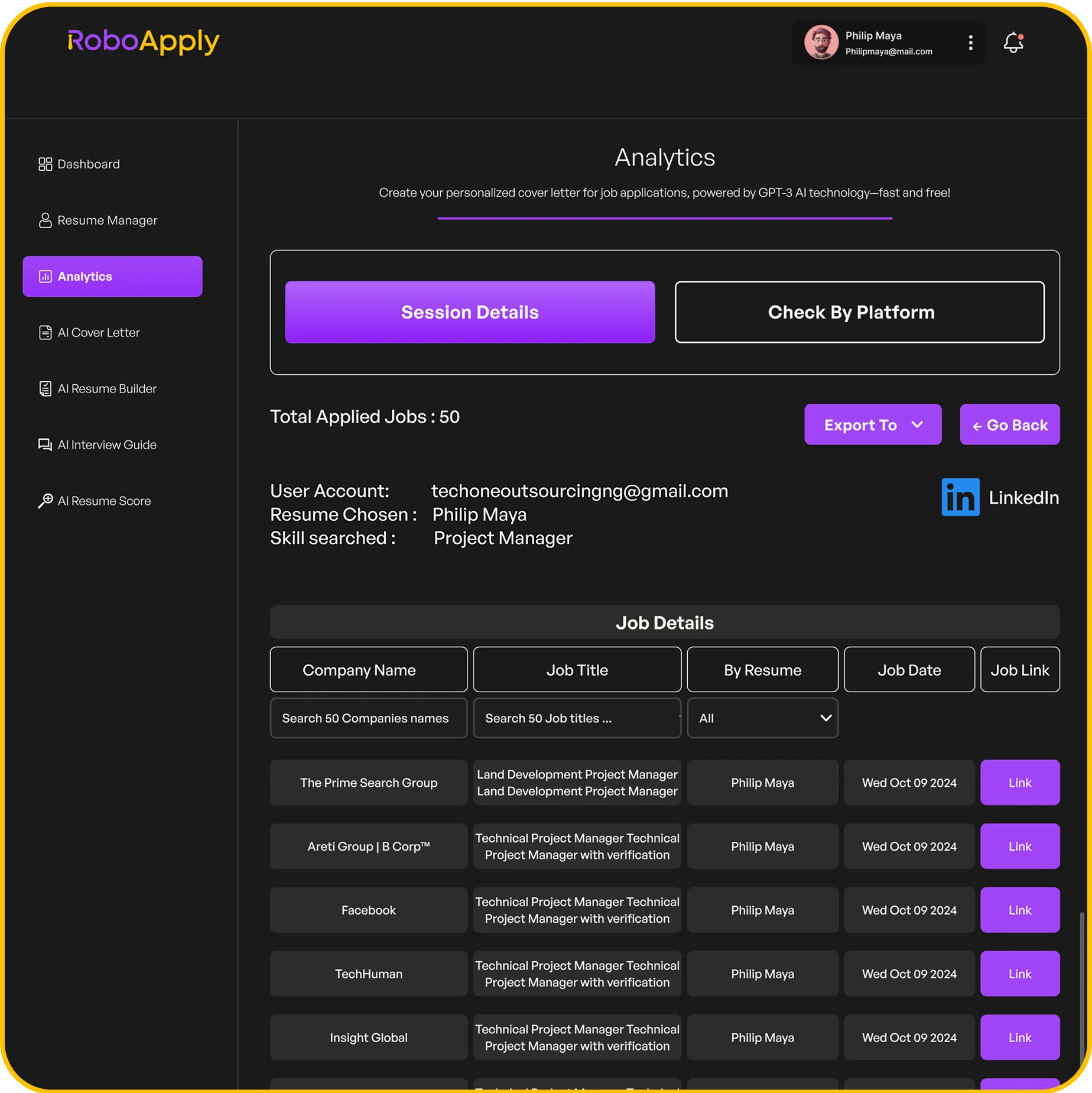
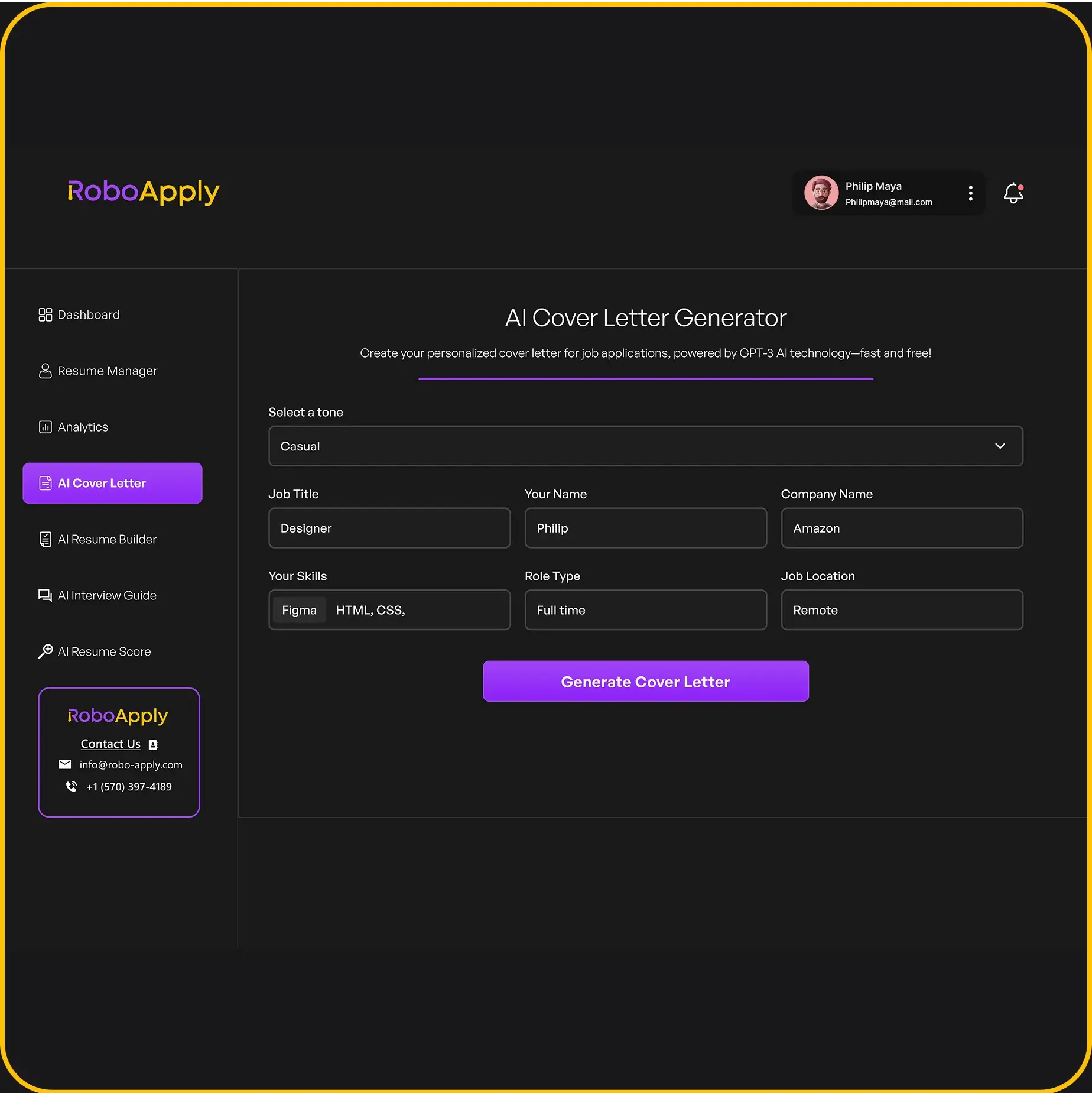
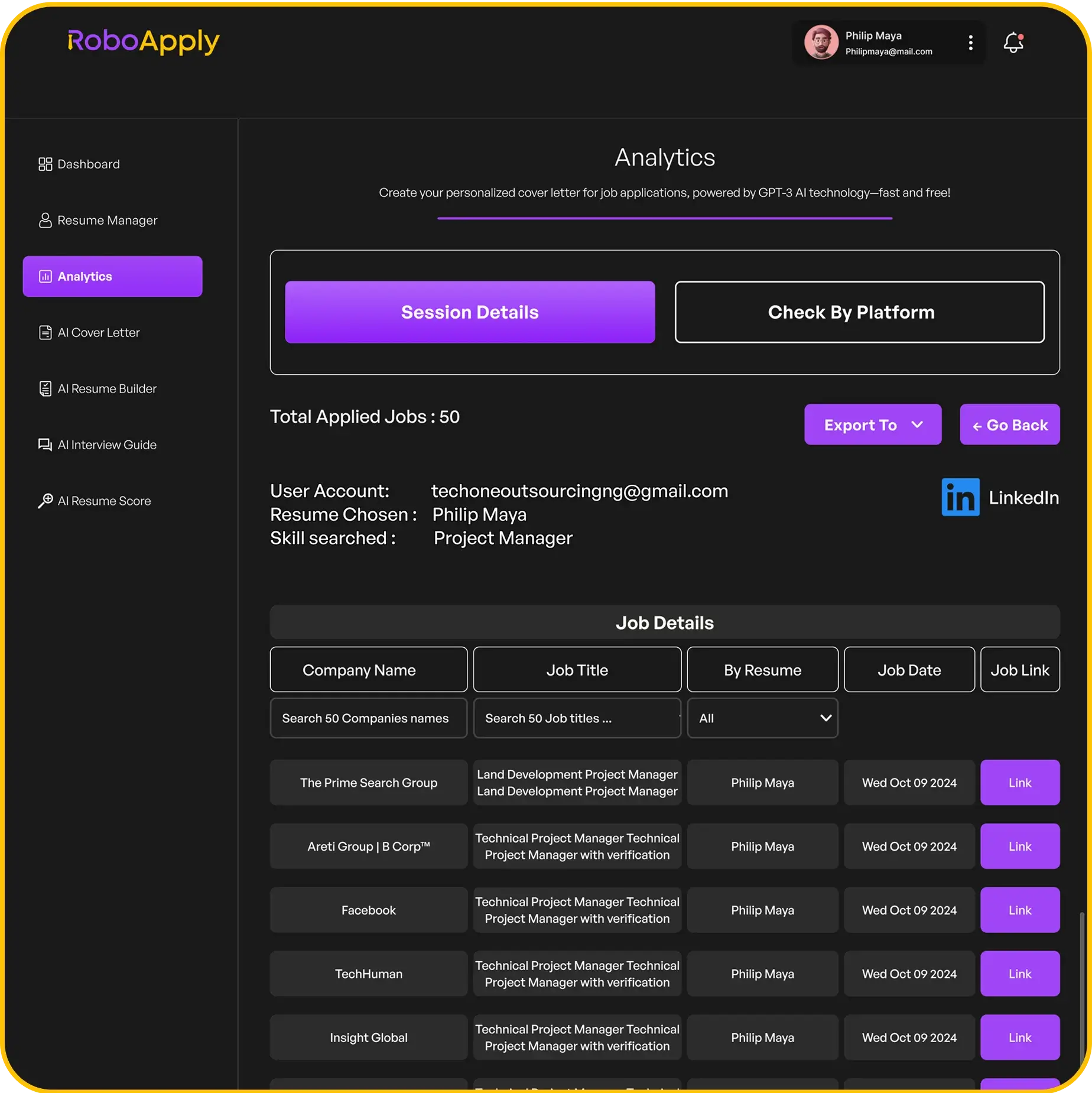
RoboApply covers the entire process. The AI Cover Letter Generator writes job-aligned cover letters in seconds. Inbox Apply lets you reach Meta recruiters directly by email, bypassing job board queues entirely. The Analytics dashboard tracks every application across platforms so you always know what has been submitted and what is pending. For a full comparison of application tools, see our breakdown of LazyApply alternatives.
Frequently Asked Questions
How early should I apply for a Meta internship in 2026?
Apply by September or October 2025. Most roles fill before the end of the calendar year, months before the internship begins.
Does Meta require a cover letter for internship applications?
A cover letter is not always required, but submitting one consistently improves your chances of moving to the screening stage.
What GPA does Meta look for in intern candidates?
Meta does not publish a GPA cutoff. Most successful candidates report GPAs of 3.5 or higher, but strong project work can offset a lower GPA.
How many interview rounds does the Meta internship process include?
Most candidates complete two to three technical coding rounds and one or two behavioral interviews depending on the role.
Can non-computer science majors land a Meta internship?
Yes. Meta hires interns across product management, design, marketing, data science, and business operations for students from a wide range of majors.