Is real estate investment trusts a good career path? Yes, REIT careers offer excellent prospects with median salaries of $65,000-$110,000, strong job stability, and diverse opportunities across property management, finance, and operations. REITs combine real estate expertise with financial analysis. You’ll find stable employment, advancement opportunities, and specialized skill development in this growing sector.
Real estate investment trusts employ over 325,000 Americans directly. The industry manages $4.5 trillion in assets nationwide. Research from Nareit shows REIT employment grew 8% annually over the past decade. These companies need analysts, managers, and specialists continuously.
Career stability matters more than ever. REITs survived economic downturns better than traditional real estate development. Your job won’t disappear because of construction market volatility. These companies generate consistent income through property portfolios.
What Are Real Estate Investment Trusts
REITs are companies owning and operating income-producing real estate. They must distribute 90% of taxable income as dividends. Understanding this structure helps you evaluate career opportunities accurately.
How REITs Operate
REITs pool investor capital to purchase and manage property portfolios. They generate revenue through rents, leases, and property appreciation. This business model creates specific career needs.
REIT types include several categories:
- Equity REITs owning physical properties
- Mortgage REITs financing real estate through loans
- Hybrid REITs combining both approaches
- Public REITs traded on stock exchanges
- Private REITs available to select investors
- Public non-traded REITs registered but not exchange-listed
Each type requires different skill sets. Equity REITs need property managers. Mortgage REITs need financial analysts. Your background determines which sector suits you best.
Industry Sectors and Specializations
REITs specialize in specific property types. This specialization creates niche career opportunities. You’ll develop expertise in particular real estate sectors.
Common REIT sectors include:
- Residential (apartments, single-family homes)
- Office buildings and corporate campuses
- Retail (shopping centers, malls)
- Industrial (warehouses, distribution centers)
- Healthcare (hospitals, medical offices, senior housing)
- Data centers and technology infrastructure
- Self-storage facilities
- Hotels and hospitality properties
Sector choice affects your daily work significantly. Healthcare REITs need regulatory knowledge. Industrial REITs focus on logistics. Choose sectors matching your interests and skills. Understanding career paths helps across sectors.
Career Opportunities in REITs
REIT companies offer diverse roles beyond traditional real estate. You’ll find positions spanning finance, operations, analysis, and management. Understanding available paths helps you target applications effectively.
Entry-Level Positions
Starting roles provide foundation for REIT career advancement. Most positions require bachelor’s degrees in relevant fields. You can begin earning while learning industry specifics.
Common entry points include:
- Property management assistants earning $40,000-$55,000 annually
- Financial analysts starting at $55,000-$70,000
- Asset management coordinators making $45,000-$60,000
- Leasing consultants earning $38,000-$52,000 plus commissions
- Portfolio analysts starting at $50,000-$65,000
Requirements typically include:
- Bachelor’s degree in finance, real estate, or business
- Strong analytical and Excel skills
- Understanding of financial statements
- Communication abilities for stakeholder interaction
- Interest in real estate and investment markets
Many companies offer rotational programs for recent graduates. You’ll experience multiple departments before specializing. This exposure helps you find your best fit.
Mid-Career Professional Roles
Experience and proven performance lead to specialized positions. Most workers reach these levels within 5-8 years. Compensation increases significantly with expertise.
Mid-career opportunities include:
- Property managers earning $65,000-$90,000
- Senior financial analysts making $75,000-$100,000
- Asset managers earning $80,000-$120,000
- Investment analysts making $70,000-$95,000
- Portfolio managers earning $85,000-$125,000
- Investor relations specialists making $70,000-$100,000
These positions require:
- 5-7 years REIT or real estate experience
- Advanced financial modeling capabilities
- Property valuation and underwriting skills
- Relationship management with investors or tenants
- Understanding of capital markets
Professional certifications boost advancement. CFA, CPA, or CCIM credentials command premium compensation. Companies often sponsor exam costs and study time. Similar to specialized trades, credentials matter significantly.
Senior Leadership Positions
Senior roles offer six-figure salaries with equity compensation. Industry expertise matters more than MBA degrees alone. Technical knowledge combined with business acumen creates opportunities.
Leadership positions include:
- Regional property managers earning $100,000-$150,000
- Directors of acquisitions making $120,000-$180,000
- Chief financial officers earning $200,000-$400,000+
- Portfolio directors making $130,000-$200,000
- Executive vice presidents earning $180,000-$350,000+
These roles require:
- 12+ years real estate investment experience
- Proven track record managing large portfolios
- Deep understanding of capital allocation
- Board presentation and investor communication skills
- Strategic planning and market analysis expertise
The path to leadership remains accessible through performance. Companies promote from within frequently. Your institutional knowledge becomes invaluable over time.

Advantages of REIT Careers
REIT careers offer specific benefits other real estate sectors can’t match. These advantages significantly impact long-term career satisfaction and financial security.
Stable Compensation and Benefits
REITs provide predictable income through dividend requirements. This stability extends to employee compensation. You’re not dependent on commission-only structures.
Compensation advantages include:
- Base salaries plus annual bonuses tied to performance
- Public REIT stock options and restricted stock units
- Comprehensive health insurance with employer contributions
- 401(k) matching typically 4-6% of salary
- Professional development and certification sponsorship
- Paid time off starting at 3-4 weeks annually
According to SHRM research, REIT employees receive benefits packages worth 35-40% of base salary. This addition significantly increases total compensation value.
Industry Growth and Demand
REITs continue expanding as investment vehicles. Baby boomer retirement drives healthcare REIT growth. E-commerce expansion increases industrial REIT demand. These trends create job opportunities.
Growth drivers include:
- Aging population needing senior housing
- E-commerce requiring distribution centers
- Data center demand from cloud computing
- Single-family rental market expansion
- Infrastructure modernization needs
Research from CBRE confirms REIT sector job growth outpaces traditional real estate. You’re entering an expanding field rather than declining industry.
Transferable Skills Development
REIT experience develops capabilities valuable across industries. Your skills transfer beyond real estate investment specifically.
You’ll gain expertise in:
- Financial analysis and modeling
- Property valuation and underwriting
- Capital markets and investment strategy
- Stakeholder communication and reporting
- Portfolio management and risk assessment
- Regulatory compliance and reporting
These skills position you for transitions into private equity, investment banking, or corporate real estate. Your options expand rather than narrow. Understanding resume presentation helps showcase these skills.
Challenges to Consider
REIT careers aren’t perfect for everyone. Understanding potential drawbacks helps you make informed decisions. These challenges affect different people differently based on preferences.
Market Cycle Sensitivity
REITs correlate with interest rates and economic conditions. Rising rates pressure property values. Recessions reduce occupancy and rents. This cyclicality affects job security occasionally.
However, REITs handle cycles better than development companies. Diversified portfolios provide stability. Essential property types maintain demand. Healthcare and residential REITs prove particularly recession-resistant.
Performance Pressure
Public REITs face quarterly earnings pressure. Analysts scrutinize results constantly. This environment creates stress for employees in investor-facing roles.
You’ll experience:
- Quarterly earnings deadlines
- Investor relations demands
- Stock price sensitivity to performance
- Constant comparison to competitors
- Pressure maintaining dividend distributions
Private REITs offer less public scrutiny. Consider company structure matching your stress tolerance. Understanding professional communication helps navigate these pressures.
Geographic Concentration
REIT headquarters cluster in major markets. New York, San Francisco, Chicago, and Dallas dominate employment. Career advancement might require relocating to these cities.
Property-level positions offer broader geographic distribution. Asset management and corporate roles concentrate in headquarters. Consider whether you’re willing to live in major metropolitan areas.
Breaking Into REIT Careers
Once you’ve decided this path suits you, take concrete steps toward entry. The application process requires strategic approaches targeting specific company needs.
Educational Preparation
Most REIT positions require relevant bachelor’s degrees. Finance, real estate, and business administration work best. Some companies accept economics or accounting degrees.
Strengthen your candidacy through:
- Real estate finance or investment coursework
- Financial modeling and Excel proficiency
- Internships at REIT companies or brokerages
- Student participation in real estate organizations
- Understanding of property valuation methods
Graduate degrees help but aren’t required initially. Gain work experience first. Companies value practical knowledge over additional education alone. Understanding various opportunities helps you prepare effectively.

Application Strategy
REIT companies hire through multiple channels. Target your approach based on company size and structure. Public REITs use formal recruiting. Private REITs often hire through networks.
Effective strategies include:
- Applying directly through company career pages
- Attending real estate and finance industry conferences
- Networking through NAREIT and local REIT associations
- Leveraging alumni connections at target companies
- Working with recruiters specializing in real estate
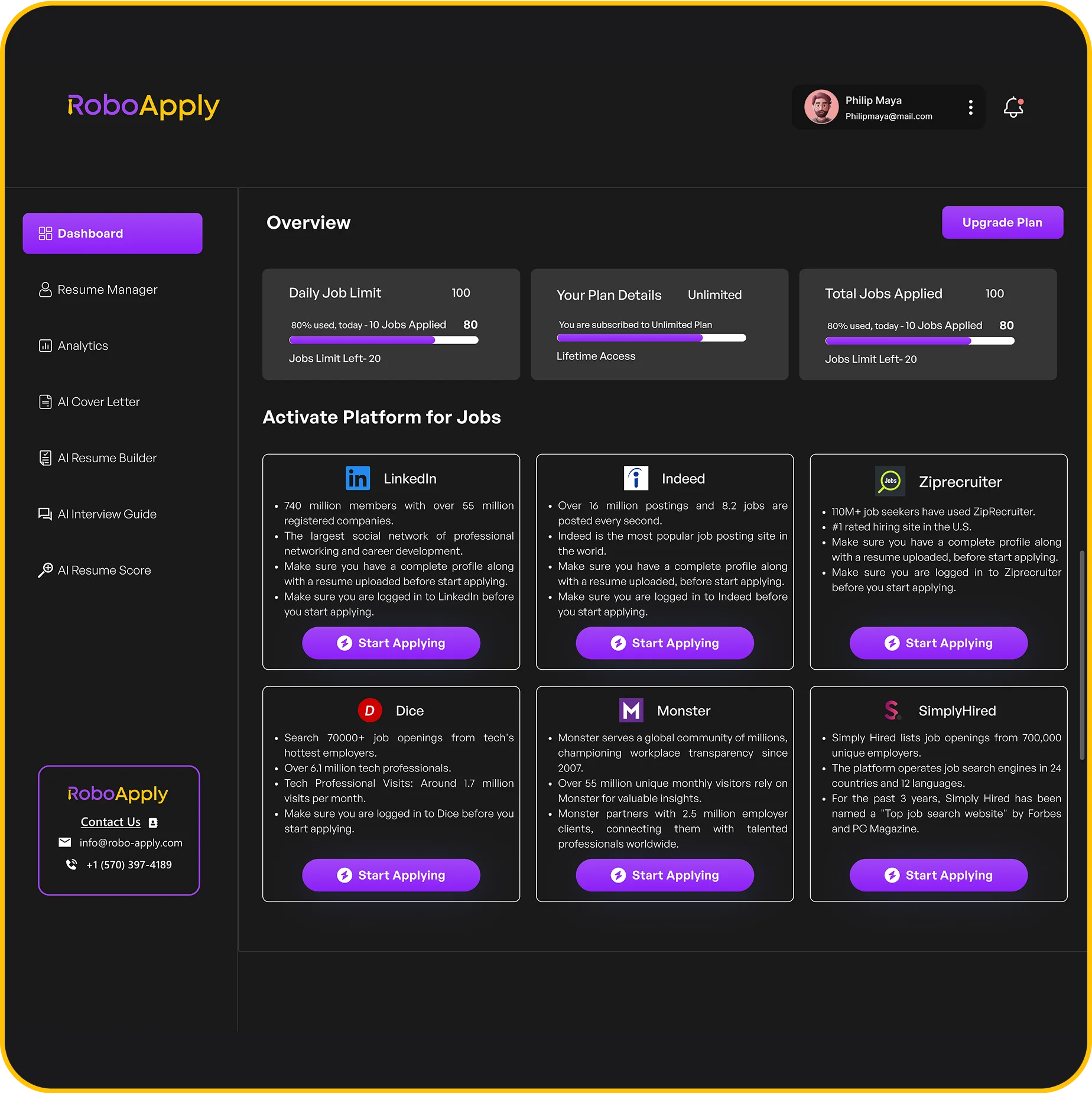
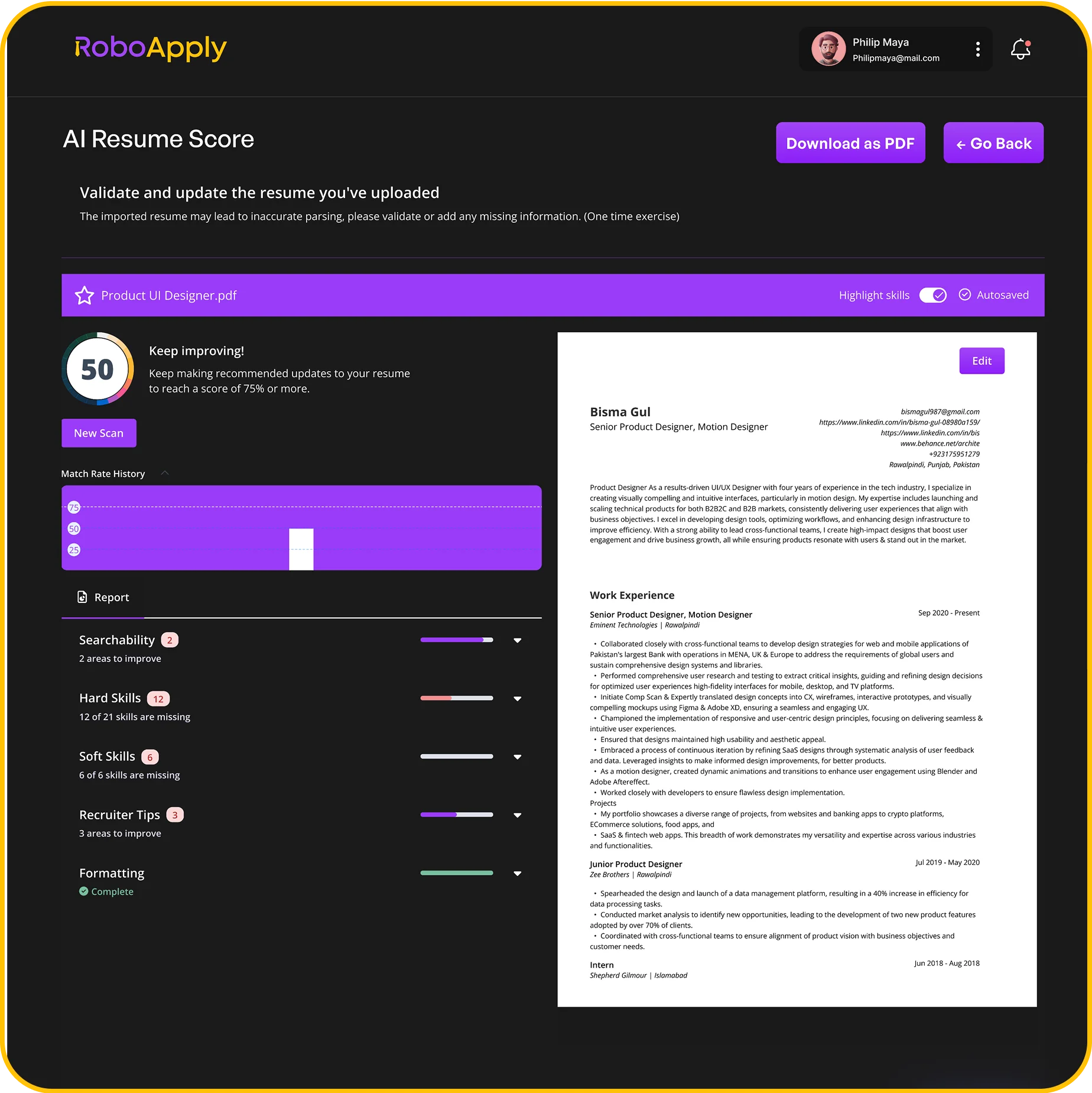
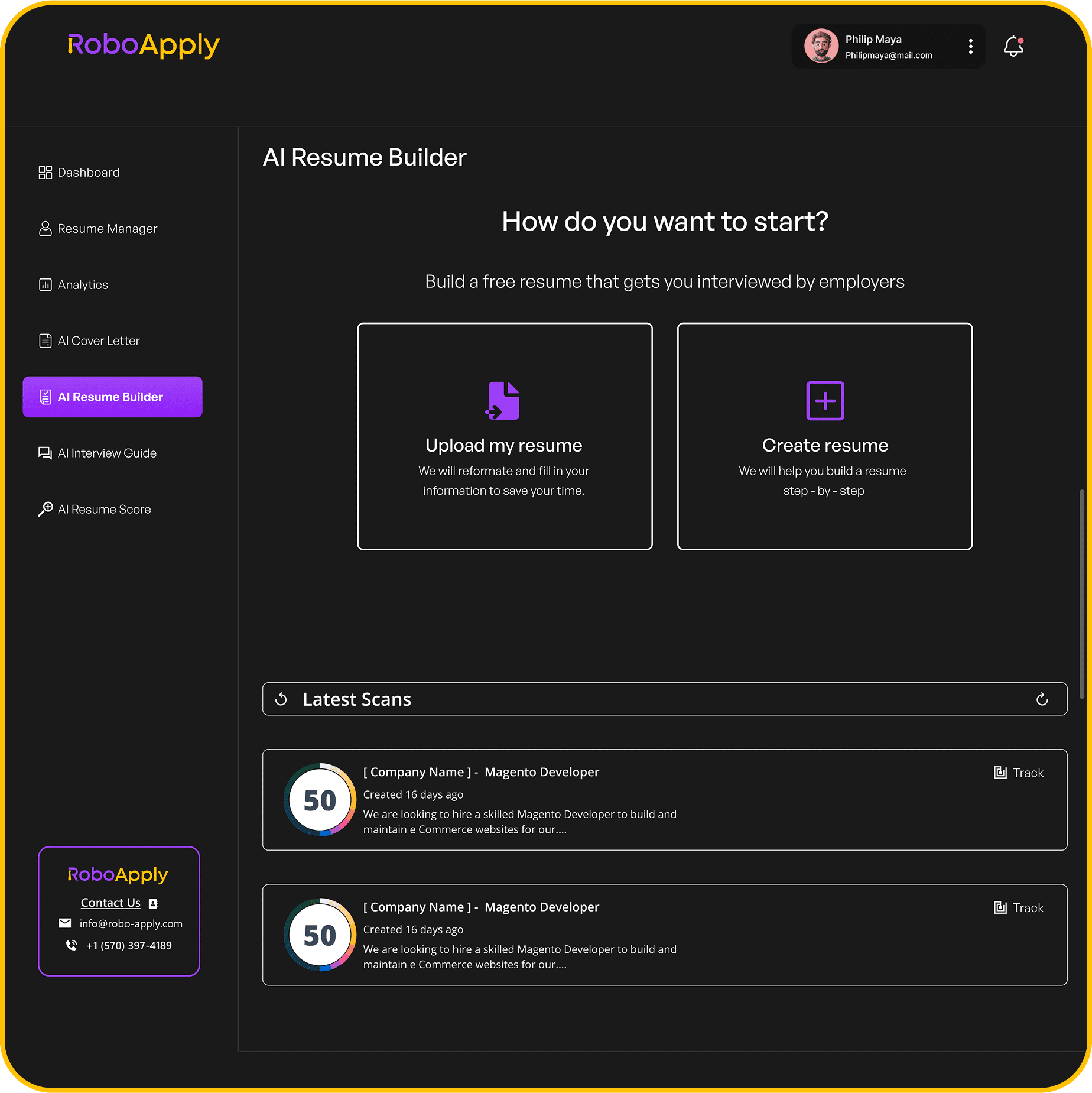
RoboApply’s AI Resume Builder helps you create REIT-optimized resumes highlighting relevant experience. The platform formats your financial and analytical background appropriately. Your qualifications appear prominently automatically.
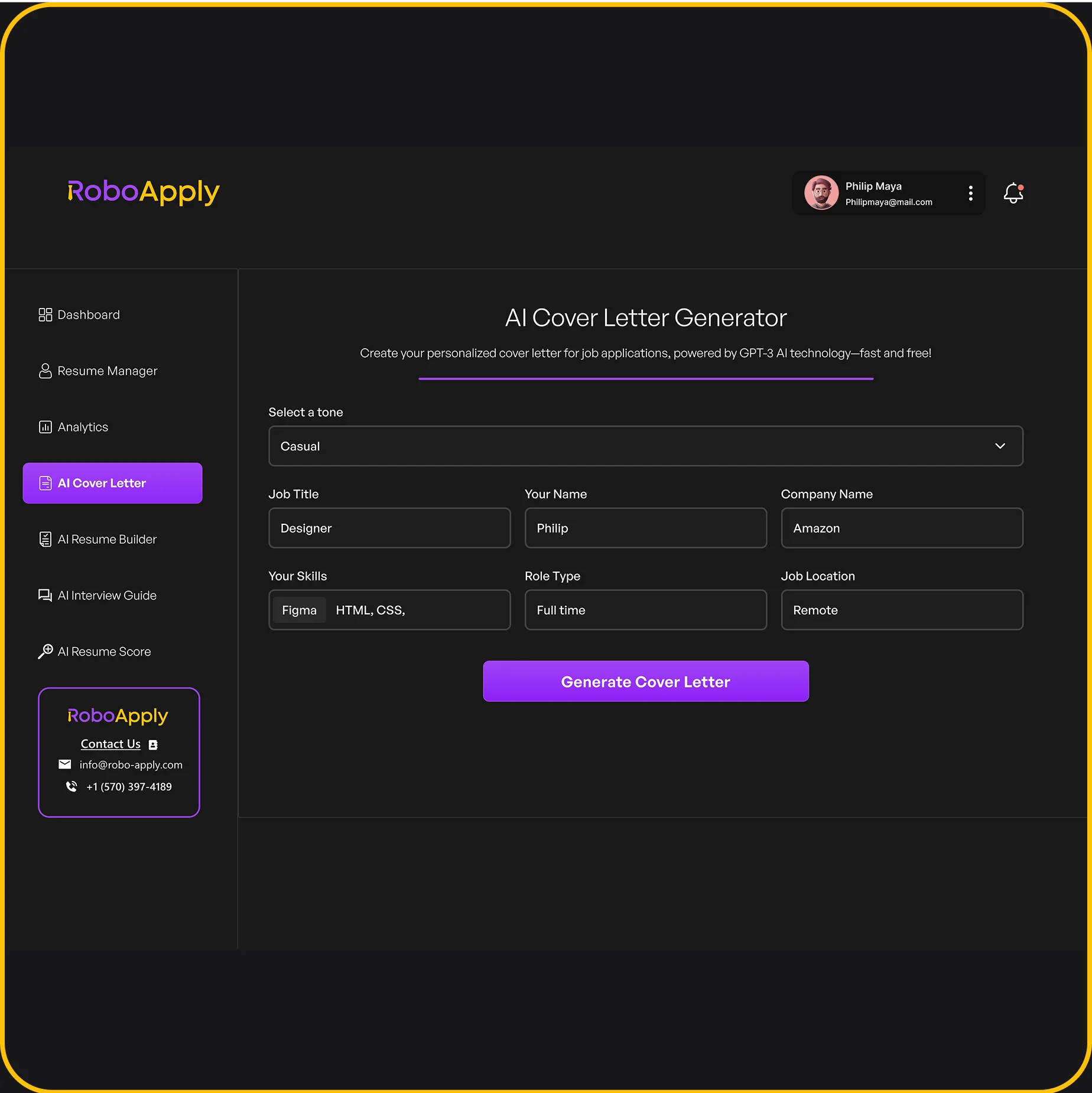
The AI Cover Letter Generator creates targeted letters emphasizing your real estate interest. Each application highlights your analytical capabilities and industry knowledge naturally.
AI Auto Apply submits applications to multiple REIT companies efficiently. Your profile reaches more hiring managers without repetitive manual entries. You’re applying strategically while preparing for technical interviews.
Interview Copilot prepares you for REIT interviews. You’ll practice discussing financial concepts and property analysis. The tool helps you articulate your interest in real estate investment confidently.
Frequently Asked Questions
Is real estate investment trusts a good career path for finance graduates?
Yes, REITs offer excellent opportunities for finance majors. You’ll use financial analysis, modeling, and valuation skills daily while learning real estate investment fundamentals.
What’s the average salary in REIT careers?
Entry-level positions start at $40,000-$70,000. Mid-career professionals earn $65,000-$125,000. Senior management positions reach $100,000-$400,000+ annually with equity compensation included.
Do I need a real estate license for REIT jobs?
Most corporate REIT positions don’t require real estate licenses. Property management and leasing roles may need state-specific licensing depending on responsibilities and location requirements.
Are REIT careers stable long-term?
Yes, REITs offer above-average job stability. Dividend requirements create consistent business models. Diversified portfolios reduce market volatility impact compared to traditional development companies.
How do I transition into REIT careers?
Start with internships or entry analyst positions. Highlight financial analysis and Excel skills. Show genuine interest in real estate markets. Network through industry organizations actively.