Should I include GPA on resume? Include your GPA only if it’s 3.5 or higher and you graduated within the last 3 years. Recent graduates with strong GPAs benefit from listing them. Experienced professionals should skip GPA entirely. Focus resume space on work accomplishments instead. Your professional results matter more than college grades.
Most job seekers agonize over this decision. They’re unsure whether GPA helps or hurts their chances. The answer depends entirely on your situation. Your GPA strengthens some applications while weakening others.
Research from the National Association of Colleges and Employers shows 67% of employers screen for minimum GPAs. However, only for entry-level positions. Experienced candidates aren’t asked about grades at all.
When to Include Your GPA on Your Resume
Specific situations benefit from listing your GPA. These scenarios prove academic excellence matters for the role. Understanding when GPA adds value helps you make strategic decisions.
Recent College Graduates
You graduated within the past 1-3 years. Your work history is limited. GPA demonstrates your capabilities when experience can’t yet.
Include your GPA when:
- You graduated within the last 3 years maximum
- Your cumulative GPA is 3.5 or higher
- The job posting specifically requests GPA
- You’re applying to competitive graduate programs
- Your major GPA exceeds 3.7 even if cumulative is lower
Fresh graduates compete primarily on academic performance. Your GPA proves you can handle challenging work. It signals discipline and intelligence to employers.
Exceptions exist for every rule. Some industries care more about GPA than others. Consulting firms and investment banks scrutinize GPAs heavily. Tech startups often ignore them completely. Understanding career opportunities helps target applications strategically.
Competitive Industry Requirements
Certain fields maintain strict GPA standards. These industries use academic performance as initial screening criteria. Your GPA determines whether you pass the first filter.
Industries typically requiring GPA disclosure:
- Management consulting (McKinsey, Bain, BCG require 3.5+)
- Investment banking and finance (bulge bracket firms expect 3.7+)
- Accounting at Big Four firms (3.5+ preferred)
- Competitive graduate programs (MBA, law, medical school)
- Federal government positions and fellowships
These sectors receive thousands of applications. GPA provides quick screening mechanism. They’re not reading resumes with GPAs below their thresholds. Similar to understanding professional standards, knowing industry expectations matters.
Academic Honors and Distinctions
You graduated with honors. Your GPA supported Dean’s List or scholarship awards. These achievements deserve recognition on your resume.
List GPA when accompanied by:
- Cum laude, magna cum laude, or summa cum laude honors
- Dean’s List or President’s List recognition
- Academic scholarships or merit-based awards
- Departmental honors or thesis distinctions
- Phi Beta Kappa or honor society membership
Academic honors provide context for your GPA. They prove you didn’t just pass classes. You excelled consistently throughout college. Employers recognize these achievements immediately.
When to Leave GPA Off Your Resume
Many situations call for omitting GPA entirely. Your resume strengthens without it. Understanding when GPA hurts rather than helps prevents application mistakes.
Experienced Professionals
You’ve worked 3+ years since graduation. Your professional accomplishments matter infinitely more than college grades. Employers evaluate your work results, not academic performance.
Skip GPA completely when:
- You graduated more than 3 years ago
- You have substantial work experience to highlight
- Your GPA falls below 3.5 threshold
- You’re changing careers where GPA seems irrelevant
- The job posting doesn’t mention GPA requirements
Professional experience trumps academic achievement always. Nobody cares you earned a 3.8 GPA ten years ago. They care about the revenue you generated last quarter. Understanding resume formatting helps prioritize relevant information.
Below Threshold Performance
Your GPA sits below 3.5. Including it actively hurts your application. Omitting GPA is better than listing mediocre academic performance.
Remove GPA from resume when:
- Your cumulative GPA falls below 3.5
- Your major GPA also sits below 3.5
- You struggled academically but excelled professionally
- Your grades don’t reflect your current capabilities
- Work experience better demonstrates your value
Employers assume missing GPAs indicate below-average performance. However, they can’t reject you for omitted information. They can reject you for listed low GPAs. Let your work speak instead.
Career Changers and Non-Traditional Paths
You’re transitioning careers. Your college major doesn’t relate to target roles. Your GPA becomes irrelevant to the position.
Omit GPA for:
- Career changes where degree field differs from role
- Self-taught skills in technology or creative fields
- Entrepreneurial experience replacing traditional employment
- Military service or non-traditional career paths
- International degrees where GPA scales differ
Focus resume space on transferable skills and relevant accomplishments. Your college GPA from a psychology degree doesn’t matter for software engineering roles. Your coding portfolio matters instead. Similar to specialized compensation, relevant skills trump credentials.

How to List GPA Properly on Your Resume
When you do include GPA, format it correctly. Improper formatting confuses recruiters or seems dishonest. Follow these specific guidelines for professional presentation.
Correct GPA Formatting
List your GPA in the education section only. Include it on the same line as your degree. Use consistent decimal formatting throughout.
Proper format examples:
- “Bachelor of Science in Computer Science, GPA: 3.78/4.0”
- “B.A. Economics, University of Michigan, GPA: 3.65”
- “Major GPA: 3.82 (Cumulative: 3.54)” when major GPA is stronger
Always include the scale. 3.78/4.0 clarifies your achievement level. Some schools use different scales. Listing 3.5/5.0 prevents confusion about performance.
Major GPA vs. Cumulative GPA
Your major GPA significantly exceeds your cumulative GPA. List both to demonstrate subject mastery. This approach works when early struggles don’t reflect later excellence.
Use major GPA when:
- Major GPA is 3.7+ but cumulative sits at 3.3-3.5
- Your major directly relates to target position
- Early gen-ed classes lowered cumulative average
- You want to highlight subject-specific excellence
Example: “B.S. Finance, Major GPA: 3.85 (Cumulative: 3.52)” shows finance mastery despite overall average. This honesty prevents seeming deceptive while highlighting strengths.
What Not to Do
Certain GPA listing practices seem dishonest. They damage your credibility when discovered. Avoid these common mistakes completely.
Never do these things:
- Round up GPA (3.49 becomes 3.5 is acceptable, 3.4 to 3.5 isn’t)
- List major GPA only without noting it’s major GPA
- Include GPA from only your best semesters
- Use creative scales to inflate perceived performance
- Lie about GPA hoping verification won’t happen
Background checks verify education increasingly. Dishonesty about GPA gets offers rescinded. Omitting GPA entirely beats misrepresenting it always.
GPA Alternatives That Prove Your Value
Your GPA doesn’t reflect your capabilities. Other achievements demonstrate your excellence better. These alternatives prove your value without academic performance metrics.
Academic Achievements and Projects
Highlight specific accomplishments beyond GPA. These prove what you actually learned and created. Employers value tangible outputs over abstract numbers.
Alternative achievements include:
- Senior thesis or capstone project results
- Published research or academic papers
- Academic competition placements or awards
- Relevant coursework in specialized areas
- Teaching assistant or tutoring experience
Example: “Conducted senior thesis analyzing market trends, presented findings to 200+ industry professionals” proves research and communication skills. GPA can’t demonstrate these capabilities directly.
Professional Certifications and Skills
Certifications prove current competency. They matter more than college grades for many roles. List relevant credentials prominently on your resume.
Valuable certifications include:
- Industry-specific licenses and credentials
- Technical certifications (AWS, Google, Microsoft)
- Professional designations (CPA, CFA, PMP)
- Specialized training programs completed
- Online course completion from recognized platforms
These credentials demonstrate ongoing learning. You’re developing skills beyond college. That matters more to employers than decade-old GPA. Understanding following up effectively matters throughout applications.

Optimizing Your Resume Beyond GPA
Whether you include GPA or not, your resume needs optimization. Focus on elements that actually influence hiring decisions. Your accomplishments matter more than academic metrics.
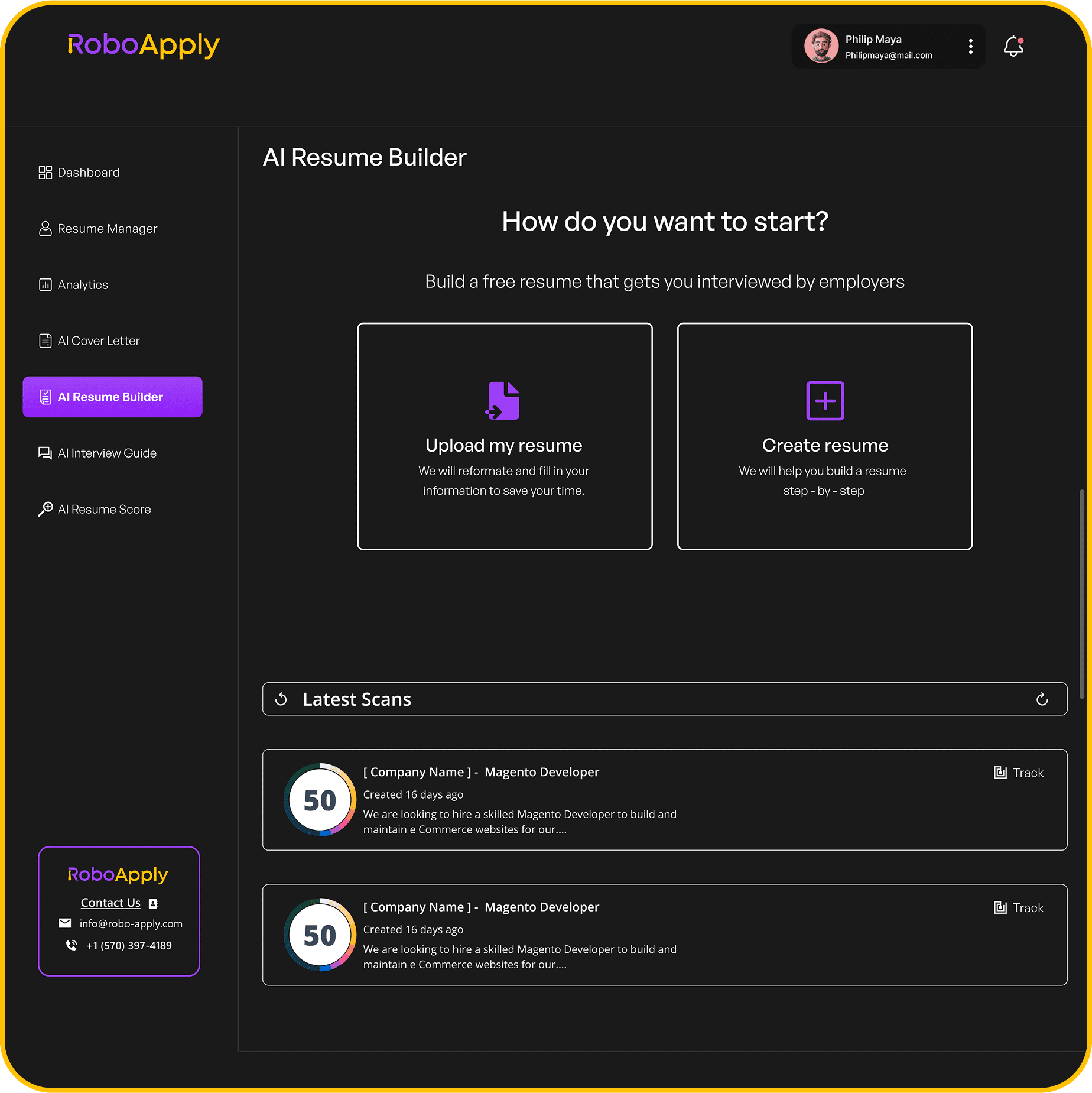
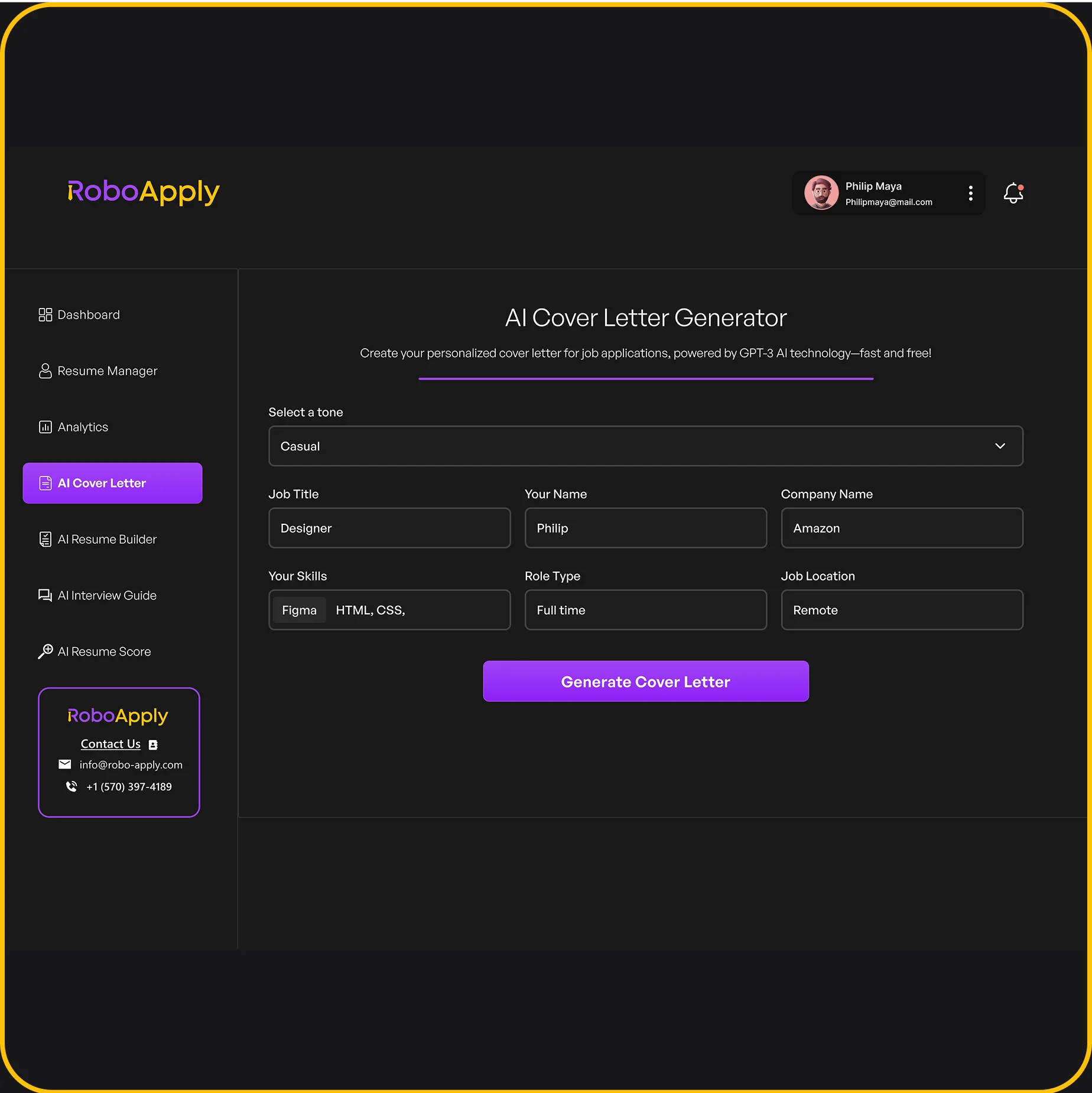
RoboApply’s AI Resume Builder helps you create optimized resumes emphasizing your strongest qualifications. The platform determines whether GPA strengthens your specific application. Your resume highlights relevant achievements automatically.
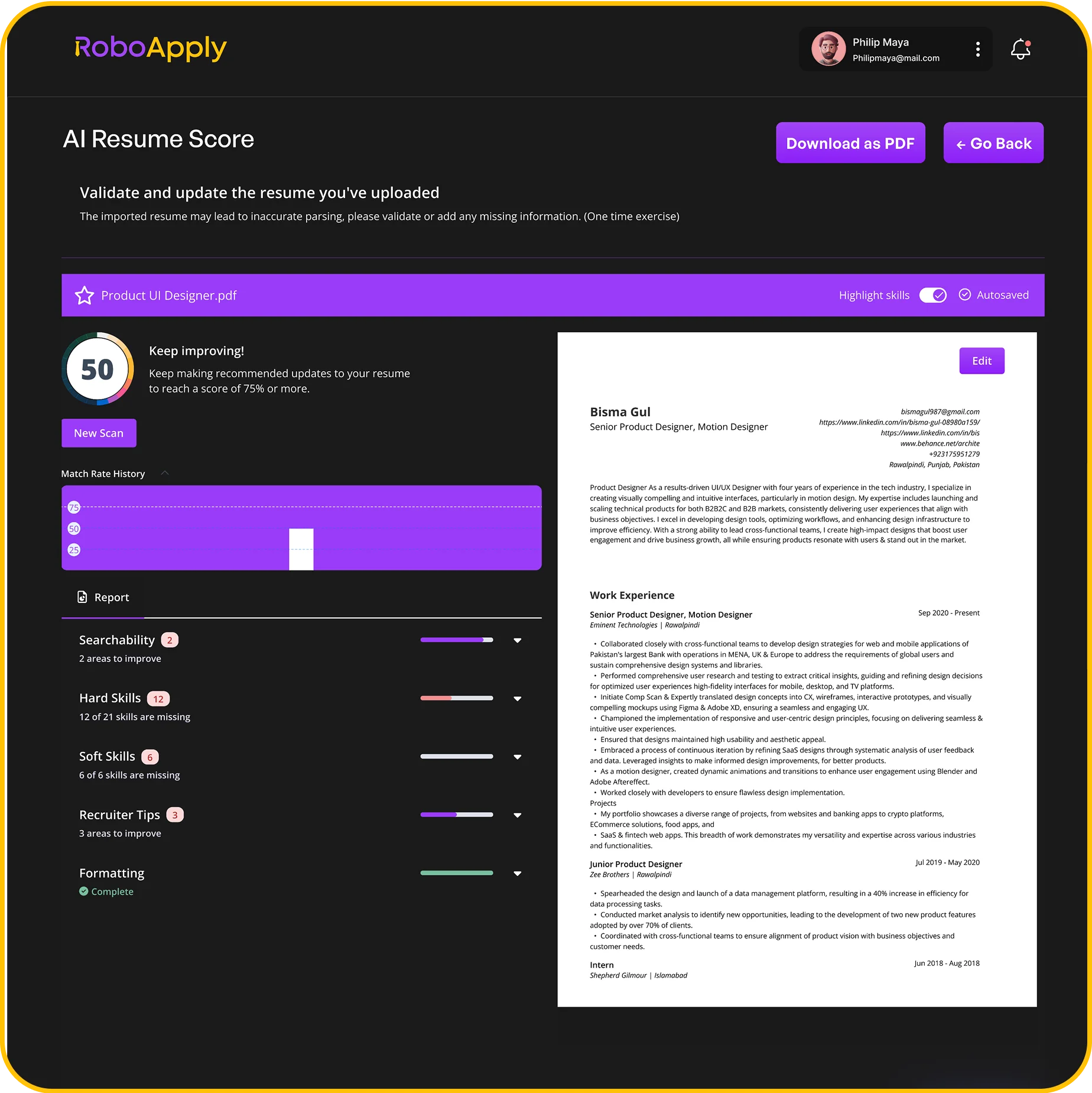
The Resume Score feature analyzes your current resume against industry standards. You’ll see whether GPA inclusion helps or hurts. The system provides actionable improvement suggestions immediately.
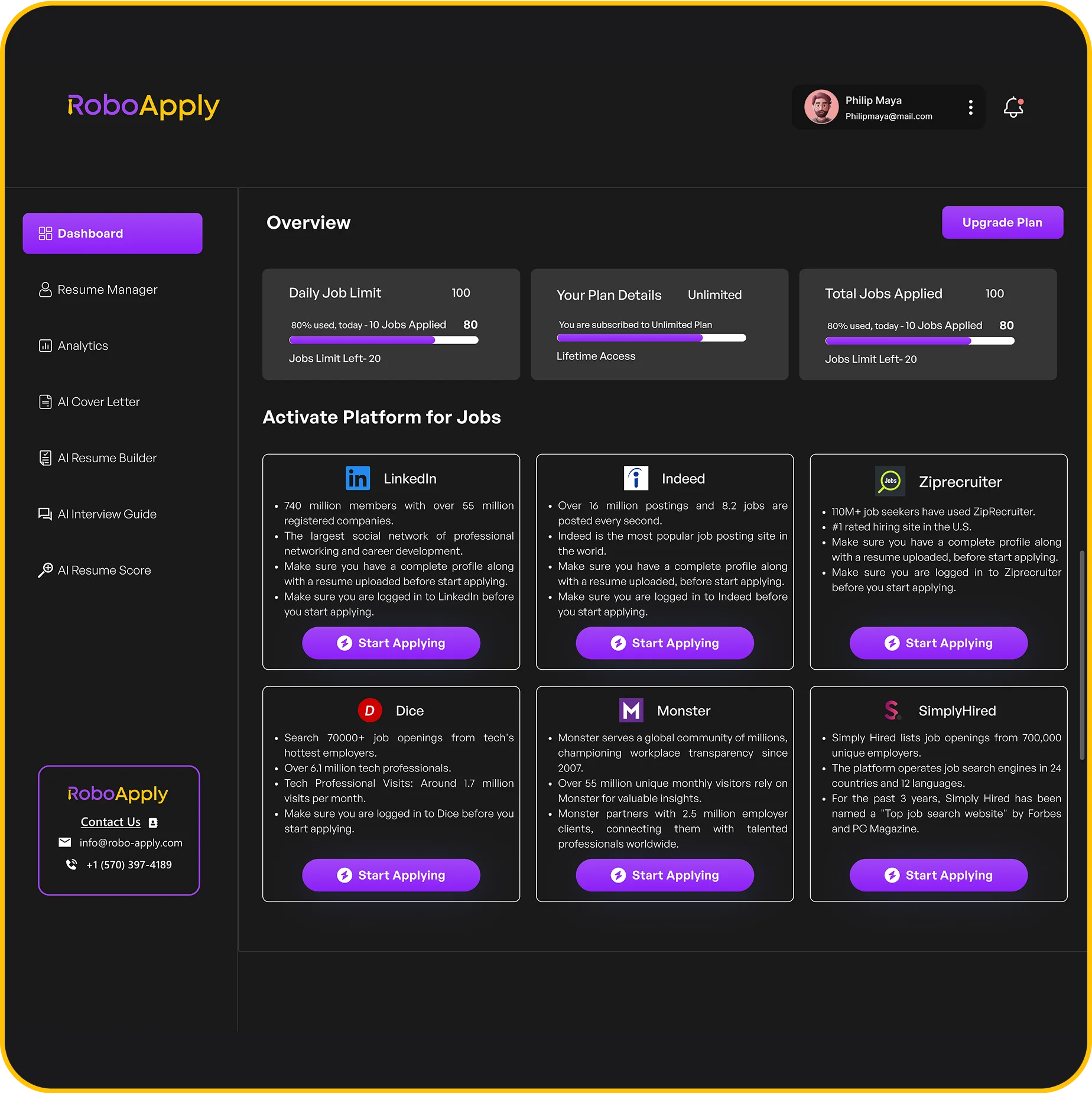
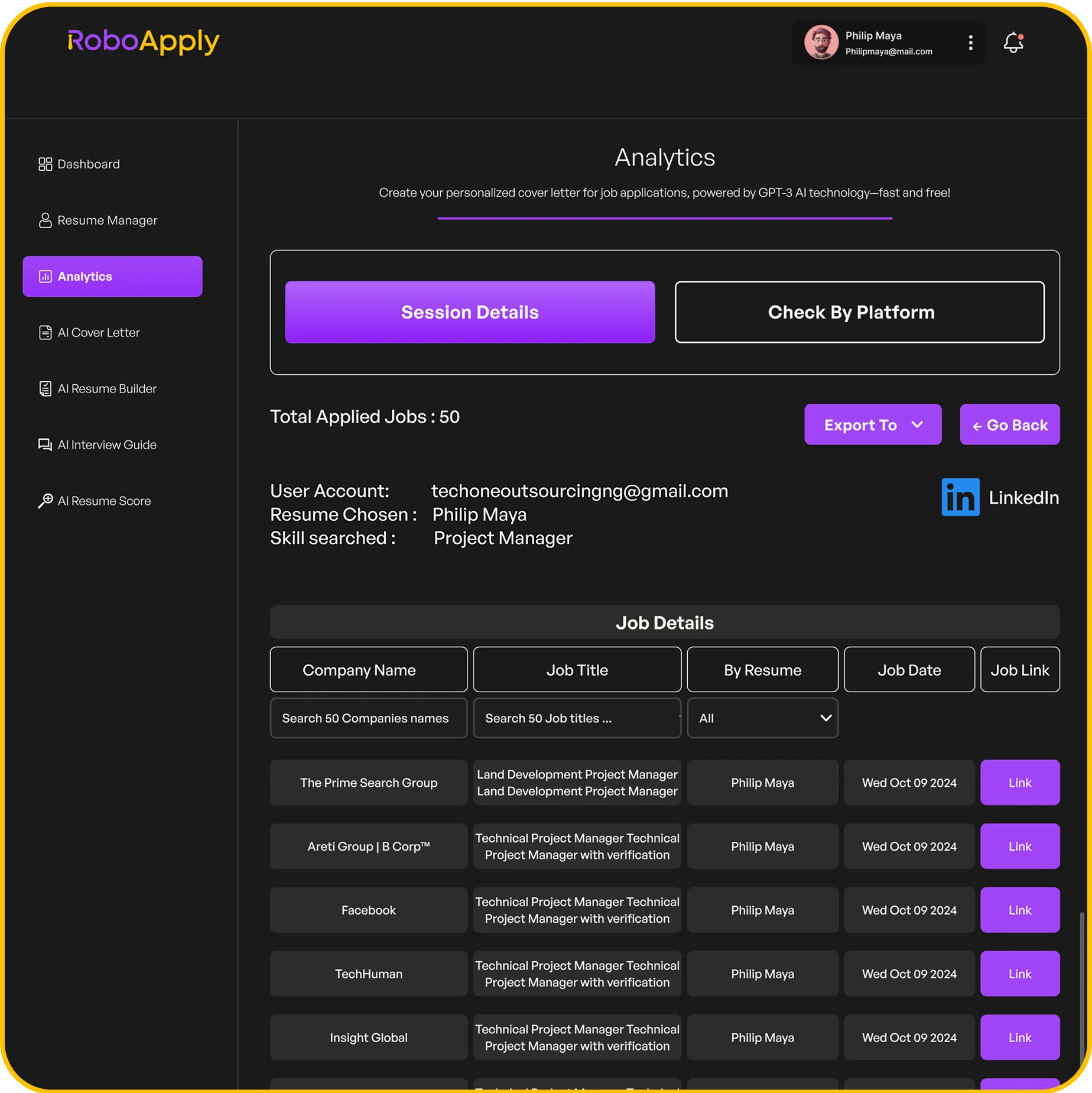
AI Auto Apply uses your optimized resume across hundreds of applications. You’re not manually customizing each submission. The platform handles distribution while you focus on interview preparation.
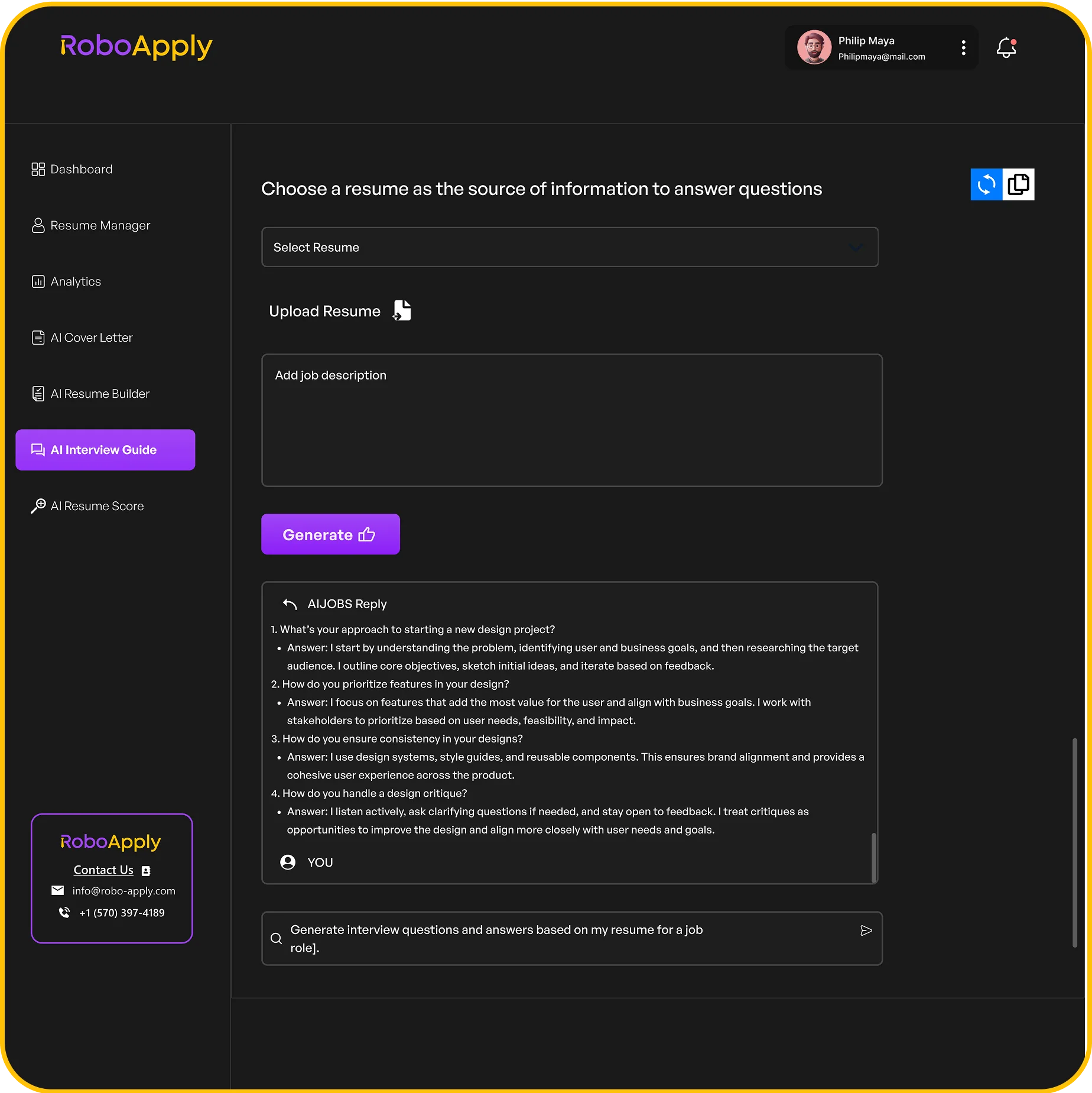
Interview Copilot prepares you to discuss your background confidently. You’ll practice explaining academic performance or career progression naturally. The tool ensures consistency between resume content and interview responses.
Frequently Asked Questions
Should I include GPA on resume if it’s 3.4?
No, omit GPAs below 3.5. The threshold signals strong performance. Anything lower weakens your application. Focus resume space on work accomplishments instead.
Do employers check GPA on resumes?
Entry-level employers often verify GPA through background checks. Experienced candidate employers rarely check. Lying about GPA risks offer rescission. Omit rather than inflate.
How long should I keep GPA on my resume?
Remove GPA 3 years after graduation maximum. Professional experience becomes more relevant. Employers evaluate recent work performance over college grades from years ago.
Should I include GPA for internships?
Yes, include GPA for internship applications if it’s 3.3 or higher. Students have limited experience. Academic performance matters more for internships than full-time positions.
Can I list just my major GPA?
Yes, if major GPA significantly exceeds cumulative. Label it clearly as “Major GPA” with cumulative in parentheses. Transparency prevents appearing deceptive.