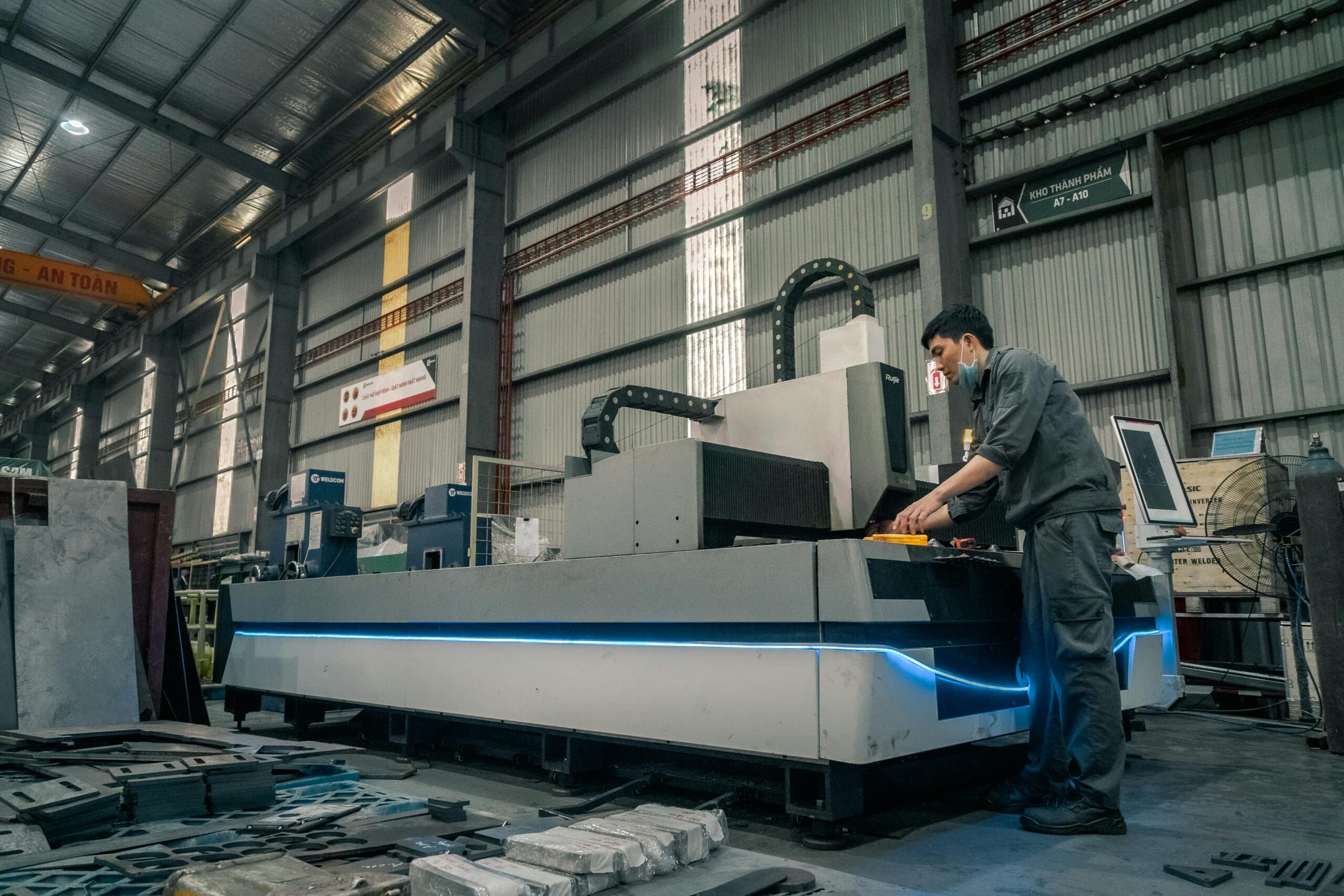
How many jobs are available in capital goods? Over 2 million Americans work in capital goods manufacturing including machinery, industrial equipment, aerospace, and heavy construction equipment. The sector offers 150,000+ annual job openings across production, engineering, skilled trades, and management roles. Entry-level positions start at $35,000-$45,000 while experienced engineers and managers earn $75,000-$120,000 annually.
Most people searching this question don’t understand what capital goods actually includes. You’re not just looking at factories making tractors. This sector spans aerospace engineering, robotics manufacturing, industrial automation, and precision machinery production.
Research from the Bureau of Labor Statistics projects 4-7% job growth in capital goods through 2032. Strong demand for automation equipment and infrastructure investment creates steady employment opportunities despite economic fluctuations.
Understanding Capital Goods Employment
Capital goods manufacturing creates durable products used by businesses rather than consumers. This sector employs workers building equipment, machinery, and tools other companies need for production.
The capital goods industry differs fundamentally from consumer goods manufacturing. You’re producing industrial machinery that lasts decades rather than disposable products replaced yearly. This affects employment stability, skill requirements, and career trajectories.
What Industries Count as Capital Goods
Capital goods encompasses several distinct manufacturing sectors each requiring specialized skills and offering different employment opportunities.
Major capital goods industries include these sectors:
- Industrial machinery manufacturing producing assembly line equipment, processing machinery, and material handling systems
- Aerospace and defense building commercial aircraft, military equipment, and space technology
- Construction equipment manufacturing heavy machinery like excavators, bulldozers, and cranes
- Agricultural equipment producing tractors, harvesters, and precision farming technology
- Electronic and electrical equipment making industrial control systems, transformers, and power generation equipment
- Railroad and transportation equipment building locomotives, rail cars, and transit systems
Each subsector maintains distinct labor markets with specialized skill requirements. Aerospace demands precision engineering. Agricultural equipment needs mechanical expertise. Understanding these differences helps you target job searches appropriately. Understanding opportunities across basic industries provides broader employment context.
Major Employers in Capital Goods
Large corporations dominate capital goods employment offering stable careers with advancement opportunities. Knowing major players helps you focus applications strategically.
Top capital goods employers include Caterpillar with 107,000+ employees manufacturing construction and mining equipment, John Deere employing 77,000+ in agricultural and construction machinery, Boeing with 170,000+ workers in aerospace and defense, General Electric employing thousands in aviation, power, and renewable energy equipment, and 3M with diversified manufacturing across multiple capital goods sectors.
These companies offer comprehensive benefits, training programs, and clear career progression. Smaller specialized manufacturers also employ thousands across niche markets. Following professional standards helps when applying to major manufacturers.
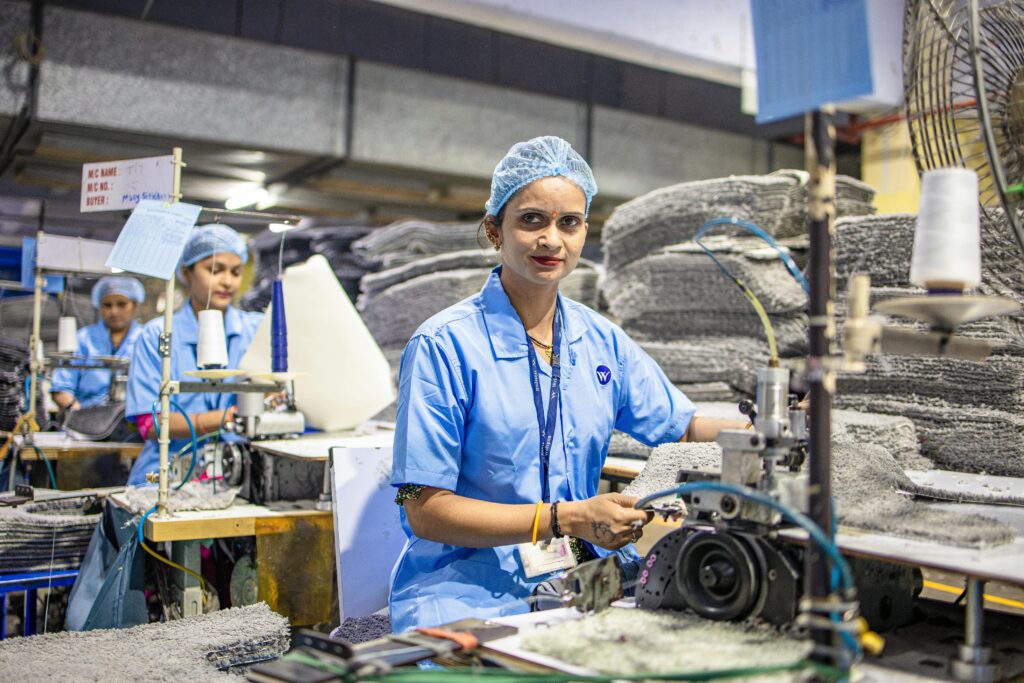
Capital Goods Job Types and Salaries
Capital goods careers span production floor roles through engineering and management positions. Understanding available job types helps you identify opportunities matching your skills and education.
Production and assembly workers form the foundation of capital goods employment. These roles include machine operators, assemblers, welders, and quality inspectors. You’ll operate CNC machines, assemble components, or ensure finished products meet specifications. Entry-level production jobs start at $32,000-$42,000 annually with experienced workers earning $45,000-$60,000.
Skilled trades represent critical capital goods positions requiring specialized training. Machinists, toolmakers, maintenance technicians, and electricians keep production running smoothly. These roles demand technical certifications or apprenticeship completion. Skilled trades workers earn $45,000-$75,000 depending on specialty and experience.
Engineering positions design and improve capital goods products. Mechanical engineers, electrical engineers, and industrial engineers solve complex manufacturing challenges. You’ll need bachelor’s degrees minimum with many roles preferring master’s education. Engineers earn $70,000-$110,000 with senior positions reaching $120,000+.
Management and supervisory roles oversee production teams and operational efficiency. Production managers, plant managers, and operations directors coordinate manufacturing processes. These positions require years of industry experience plus business or engineering degrees. Management salaries range $75,000-$130,000 annually. Similar to understanding specialized trade compensation, capital goods pay varies widely.
Supply chain and logistics professionals manage materials flow and distribution. Procurement specialists, inventory managers, and logistics coordinators ensure production materials arrive on time. These roles offer $45,000-$75,000 salaries depending on experience level.
Geographic Distribution of Capital Goods Jobs
Capital goods employment concentrates in specific regions based on industry specialization and historical manufacturing presence. Understanding geographic patterns helps you target job searches to high-opportunity locations.
The Midwest dominates capital goods manufacturing with extensive machinery and equipment production. States like Illinois, Wisconsin, Michigan, Ohio, and Indiana host major manufacturers and supplier networks. Chicago, Milwaukee, Detroit, and Cincinnati offer strong capital goods job markets.
The Southeast attracts capital goods manufacturers through business-friendly policies and lower costs. North Carolina, South Carolina, Georgia, and Alabama host aerospace, machinery, and agricultural equipment plants. Charlotte, Atlanta, and Greenville show growing capital goods employment.
California leads in aerospace and advanced technology capital goods. Southern California’s aerospace corridor and Northern California’s tech manufacturing create specialized opportunities. However, high living costs offset higher salaries in these markets.
Texas offers diverse capital goods employment across aerospace, oil and gas equipment, and industrial machinery. Houston, Dallas, and San Antonio host major manufacturers serving domestic and export markets. Like knowing when to follow up on applications, location affects job search strategy.
Skills Needed for Capital Goods Careers
Capital goods employers seek specific technical and soft skills proving you can handle demanding manufacturing environments. Developing these capabilities improves your hiring chances significantly.
Technical skills vary by position but commonly include blueprint reading, CNC machine operation, welding certification, electrical systems knowledge, CAD software proficiency, quality control methods, and preventive maintenance procedures. Production roles emphasize hands-on technical abilities while engineering positions require design software expertise.
Soft skills matter equally in capital goods manufacturing. Attention to detail prevents costly errors in precision manufacturing. Problem-solving ability helps troubleshoot production issues quickly. Teamwork skills enable collaboration across shifts and departments. Communication capabilities ensure safety protocols and quality standards are followed.
Certifications strengthen capital goods applications considerably. Relevant credentials include CNC machining certificates, welding certifications, Six Sigma quality training, OSHA safety certifications, and professional engineering licenses. Industry-specific certifications demonstrate commitment and competence. Understanding resume formatting helps showcase these qualifications effectively.

Optimizing Your Capital Goods Job Search
Finding capital goods manufacturing positions requires strategic searching across company websites, industry job boards, and professional networks. These tools help you discover and apply to opportunities efficiently.
RoboApply’s AI Resume Builder creates manufacturing-optimized resumes emphasizing your technical skills and production experience. The platform formats your background for capital goods hiring managers.
The Resume Score feature analyzes your application against capital goods requirements. You’ll see which skills to emphasize and how to present your manufacturing background effectively.
AI Auto Apply manages applications across multiple capital goods manufacturers. You’re not manually filling repetitive forms at Caterpillar, Boeing, John Deere, and dozens of other companies.
Frequently Asked Questions
How many jobs are available in capital goods?
Over 2 million Americans work in capital goods manufacturing. The sector offers 150,000+ annual job openings across production, engineering, trades, and management roles.
What is the average salary in capital goods?
Average capital goods salaries range $35,000-$45,000 for entry-level production roles to $75,000-$120,000 for engineers and managers depending on position and experience.
Is capital goods a good career path?
Yes, capital goods offers stable employment, competitive wages, comprehensive benefits, and clear advancement paths. The sector maintains steady demand despite economic cycles.
What skills do you need for capital goods jobs?
Capital goods jobs require technical skills like CNC operation, welding, blueprint reading, and CAD software plus soft skills including problem-solving and teamwork.
Where are most capital goods jobs located?
Capital goods jobs concentrate in the Midwest including Illinois, Wisconsin, Michigan, and Ohio. The Southeast and Texas also offer growing opportunities.