How many words should a cover letter be? A cover letter should be 250 to 400 words, which translates to about three to four paragraphs on a single page. This length gives you enough space to highlight your qualifications and explain your interest without overwhelming hiring managers who review dozens of applications daily.
The ideal cover letter length strikes a balance between providing enough information and respecting the reader’s time. Too short and you miss opportunities to showcase your fit. Too long and you risk losing their attention before they reach your key points.
Why Cover Letter Length Matters
Hiring managers spend an average of six to seven seconds reviewing each resume, according to research from recruitment experts. Your cover letter gets even less time if it appears too dense or lengthy. The right word count ensures your message gets read rather than skimmed or skipped entirely.
A concise cover letter demonstrates several professional qualities. You respect the reader’s time by getting to the point quickly. You show strong communication skills by conveying information efficiently. You prove you can prioritize by focusing on the most relevant details.
Length also affects formatting and readability. A 250 to 400-word cover letter fits perfectly on one page with proper margins and spacing. This single-page format looks professional and remains easy to read on screens or printed paper.
According to studies on application materials, recruiters prefer cover letters that can be read in under a minute. Anything longer risks getting set aside for later review, which often means never.
Ideal Word Count Breakdown by Section
Understanding how many words should a cover letter be becomes easier when you break it down by section. Each part serves a specific purpose and deserves appropriate space in your cover letter word count.
Here’s how to distribute your 250 to 400 words effectively:
- Opening paragraph: 50 to 75 words identifying the position and why you’re a strong candidate
- Body section: 150 to 200 words across one or two paragraphs highlighting relevant qualifications
- Closing paragraph: 50 to 75 words reiterating interest and suggesting next steps
Your opening paragraph identifies the position you’re applying for, mentions how you learned about it, and includes one compelling reason why you’re a strong candidate. Get straight to the point without lengthy preambles.
The body section highlights your most relevant qualifications, connects your experience to job requirements, and provides specific examples of your accomplishments. Focus on two to three key points rather than listing every qualification.
Your closing paragraph reiterates your interest, mentions your availability for an interview, thanks them for their consideration, and includes a call to action.
For guidance on other application materials, resources on whether to put references on a resume can help you understand what information belongs where.
Factors That Influence Cover Letter Length
Several factors might push you toward the shorter or longer end of the recommended range. Understanding these considerations helps you make smart decisions about your ideal cover letter length.
Industry Standards
Different industries have varying expectations for cover letter length. Creative fields like marketing, design, or communications often appreciate slightly longer letters that showcase personality and writing ability. Technical fields like engineering or IT typically prefer concise, bullet-point-focused letters.
Research typical cover letter practices in your target industry. Review job postings carefully for clues about company culture and communication preferences.
Experience Level
Entry-level candidates often write shorter cover letters because they have less experience to discuss. Mid-career professionals might need more space to highlight relevant accomplishments without making the letter feel cramped.
Senior-level positions sometimes warrant slightly longer letters to address leadership experience and strategic thinking. However, even executives should keep cover letters under 500 words.
Application Instructions
Some job postings specify cover letter requirements. Follow these instructions exactly. If they request a brief introduction, stick to 200 words. If they ask for detailed information about specific qualifications, you might stretch to 450 words.
When no guidance is provided, default to the 250 to 400-word standard. This range works for most situations.
Understanding professional communication across different contexts helps. Resources like how many jobs are available in basic industries show how different sectors operate.

Common Cover Letter Length Mistakes
Many job seekers struggle with cover letter length, making predictable errors that hurt their chances. Watch out for these common pitfalls when determining how long should a cover letter be:
- Writing too much by treating your cover letter like a detailed career history
- Writing too little with only 100 words that feel incomplete and low-effort
- Padding with fluff using unnecessary phrases that waste valuable space
- Repeating resume content instead of providing context and specific examples
- Ignoring formatting that makes even perfect word counts look overwhelming
According to research on hiring practices, overly long cover letters get rejected 40% more often than appropriately concise ones. Recruiters simply don’t have time to read essays.
On the flip side, a 100-word cover letter feels incomplete. You’re not giving yourself enough space to make a compelling case. Two or three sentences don’t qualify as a cover letter.
Some candidates hit word count by adding unnecessary phrases like “I am writing to express my sincere interest.” This padding wastes valuable space. Every sentence should add meaningful information about your qualifications or interest in the role.
For more on professional communication after applying, calling a job after applying offers insights that can strengthen your follow-up strategy.
How to Keep Your Cover Letter Concise
Knowing the optimal cover letter length is one thing. Actually writing a tight, focused cover letter takes practice. Use these strategies to stay within the 250 to 400-word range:
Start with a strong outline before writing. Identify your three main points and stick to them. This prevents rambling and ensures every paragraph serves a clear purpose.
Use specific examples rather than general statements. Instead of “I have excellent communication skills,” write “I presented quarterly results to 50+ stakeholders, leading to budget approval.” Specific details are more compelling and often shorter.
Cut unnecessary modifiers and qualifiers. Words like “very,” “really,” “quite,” and “extremely” rarely add value. Strong nouns and verbs carry more impact in your professional cover letter length.
Read your draft aloud to catch wordy phrases. If something sounds awkward or long-winded when spoken, it probably reads that way too. Tighten your language for clarity.
Use active voice consistently. Passive constructions take more words and sound less confident. “I managed a team” beats “A team was managed by me” every time.
Understanding professional document preparation helps across contexts. Resources on how many bullet points per job on resume provide insights into effective written communication.
Formatting Tips for Proper Length
Proper formatting helps you achieve the right cover letter format while maintaining readability. Follow these guidelines to make your 250 to 400 words look professional:
Use standard business letter format with your contact information at the top, followed by the date and employer details. This structure adds visual organization without inflating word count.
Choose a clean, professional font like Arial, Calibri, or Times New Roman in 10 to 12-point size. Avoid tiny fonts to cram in more words or huge fonts to artificially inflate length.
Set one-inch margins on all sides. This creates appropriate white space and ensures your letter fits comfortably on one page. Use single spacing within paragraphs and double spacing between paragraphs.
Keep paragraphs to four to five lines maximum. Even if your word count is perfect, dense blocks of text look intimidating. Break up longer sections for better readability.
According to professional writing standards, proper formatting can increase readability by up to 60%, making hiring managers more likely to read your entire letter.
For those exploring specialized career paths, checking resources like how much do underwater welders make shows how different fields have varying application expectations.
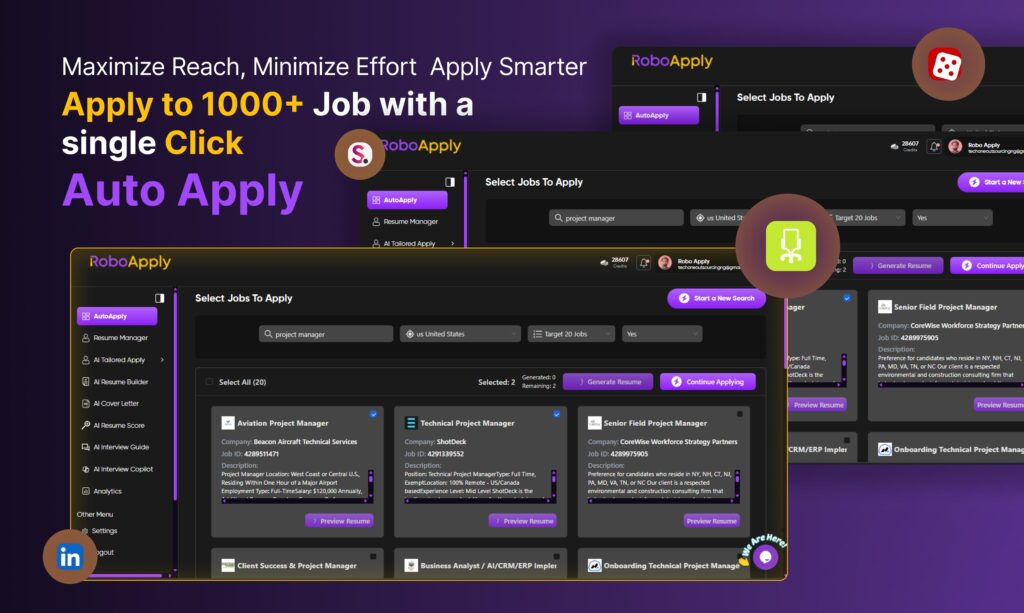
Streamlining Your Job Application Process
Creating the perfect cover letter length for multiple applications requires organization and efficiency. These tools help you manage cover letter writing tips across different opportunities while maintaining appropriate length and quality.
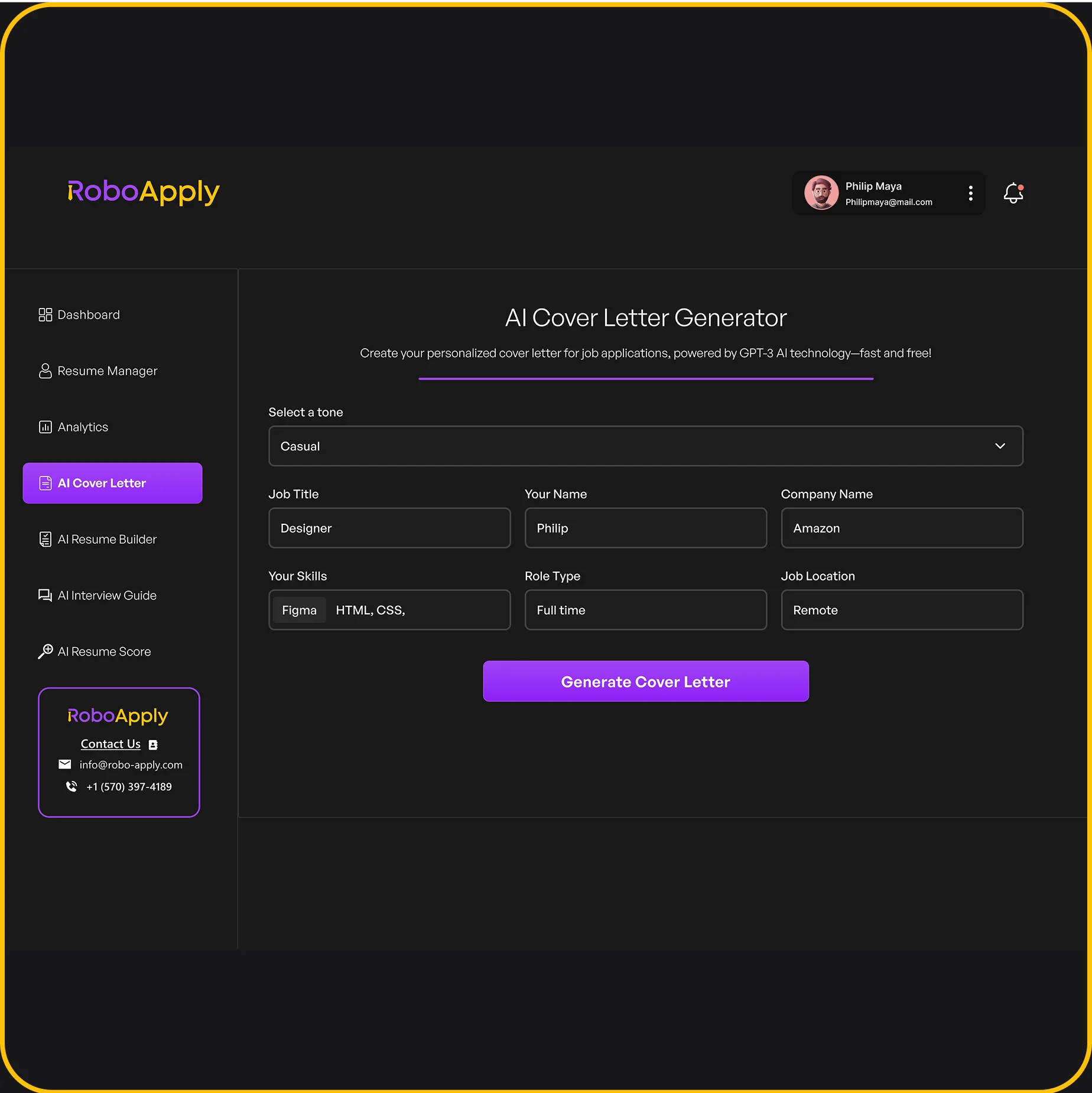
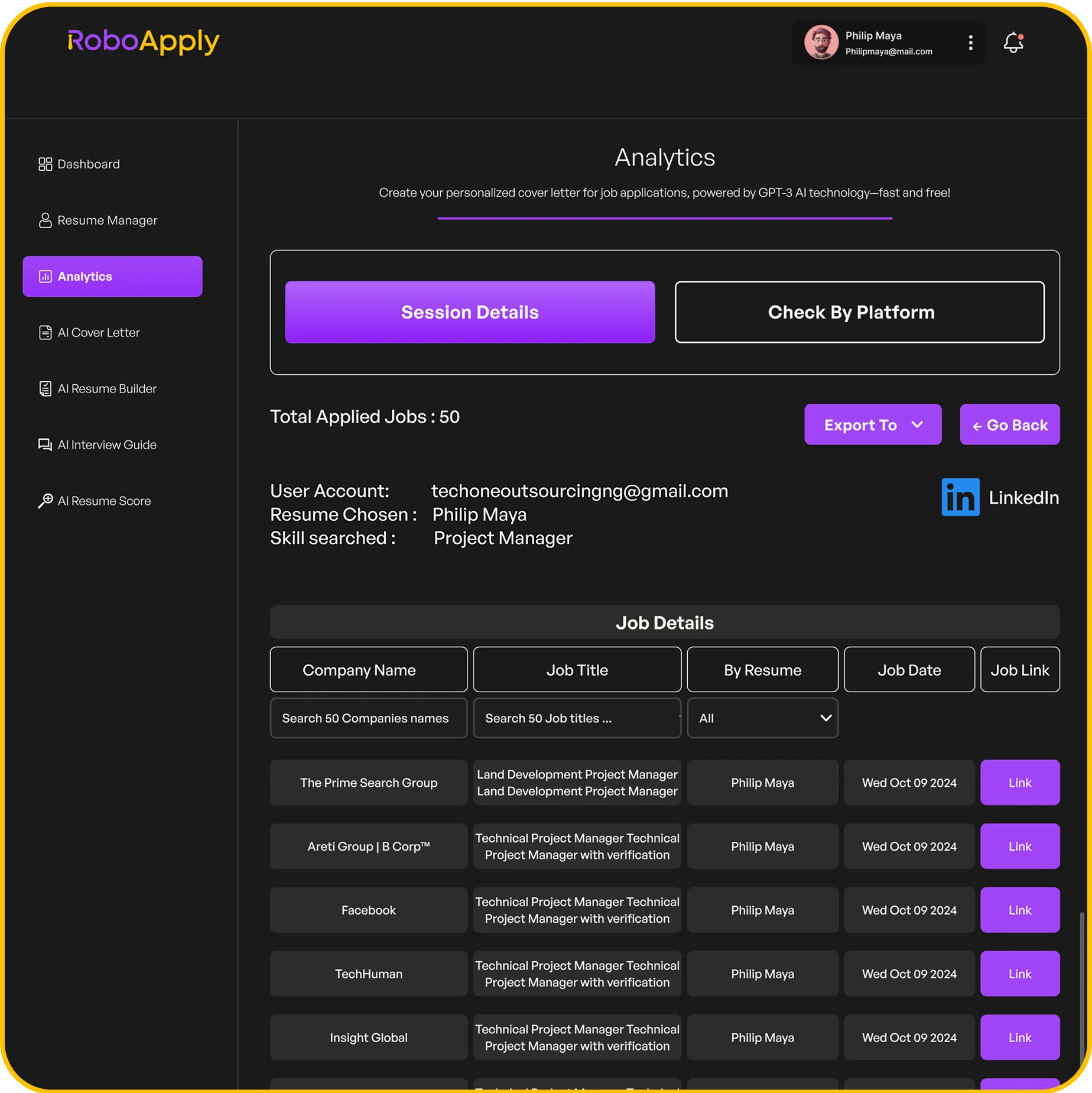
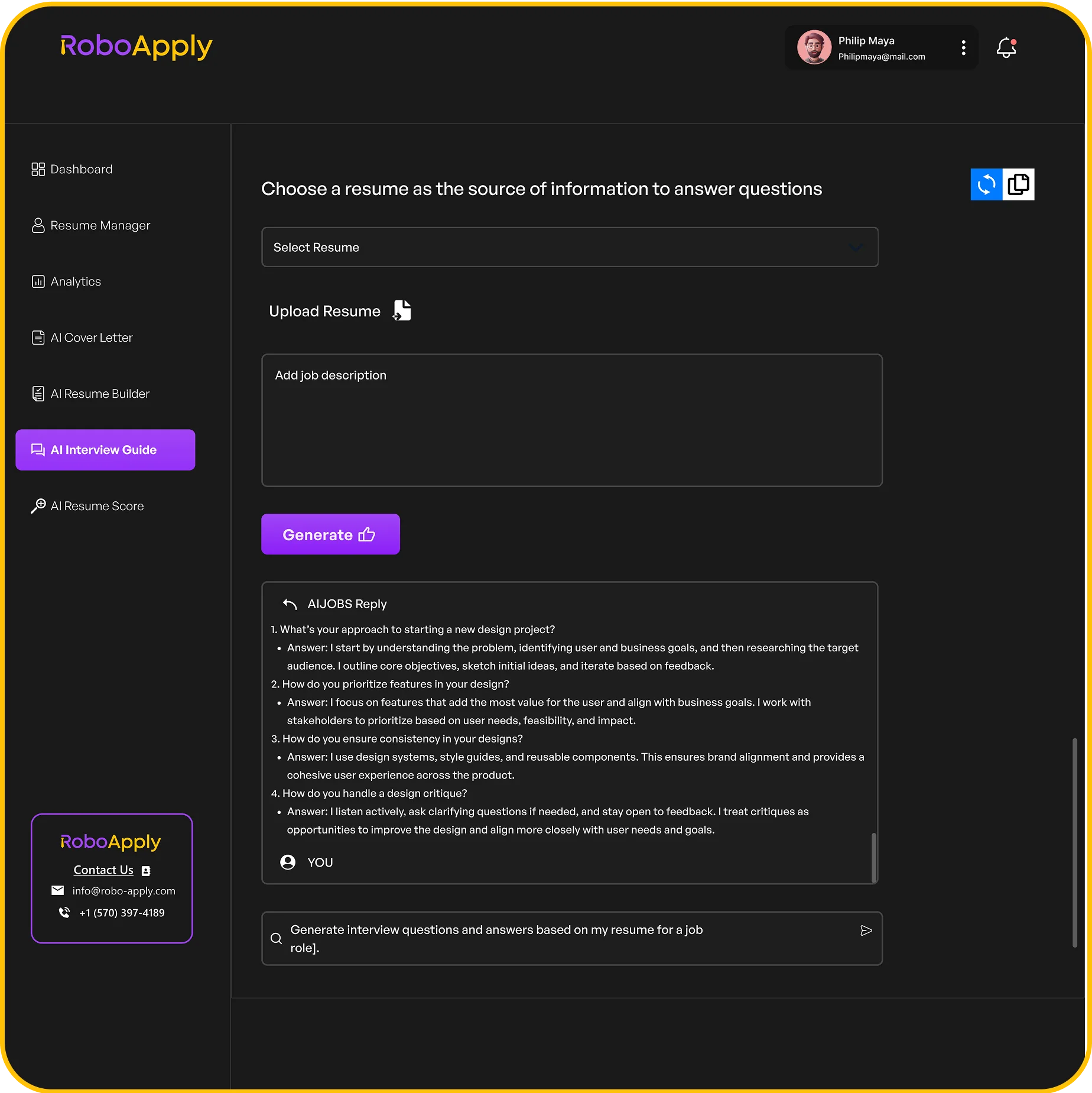
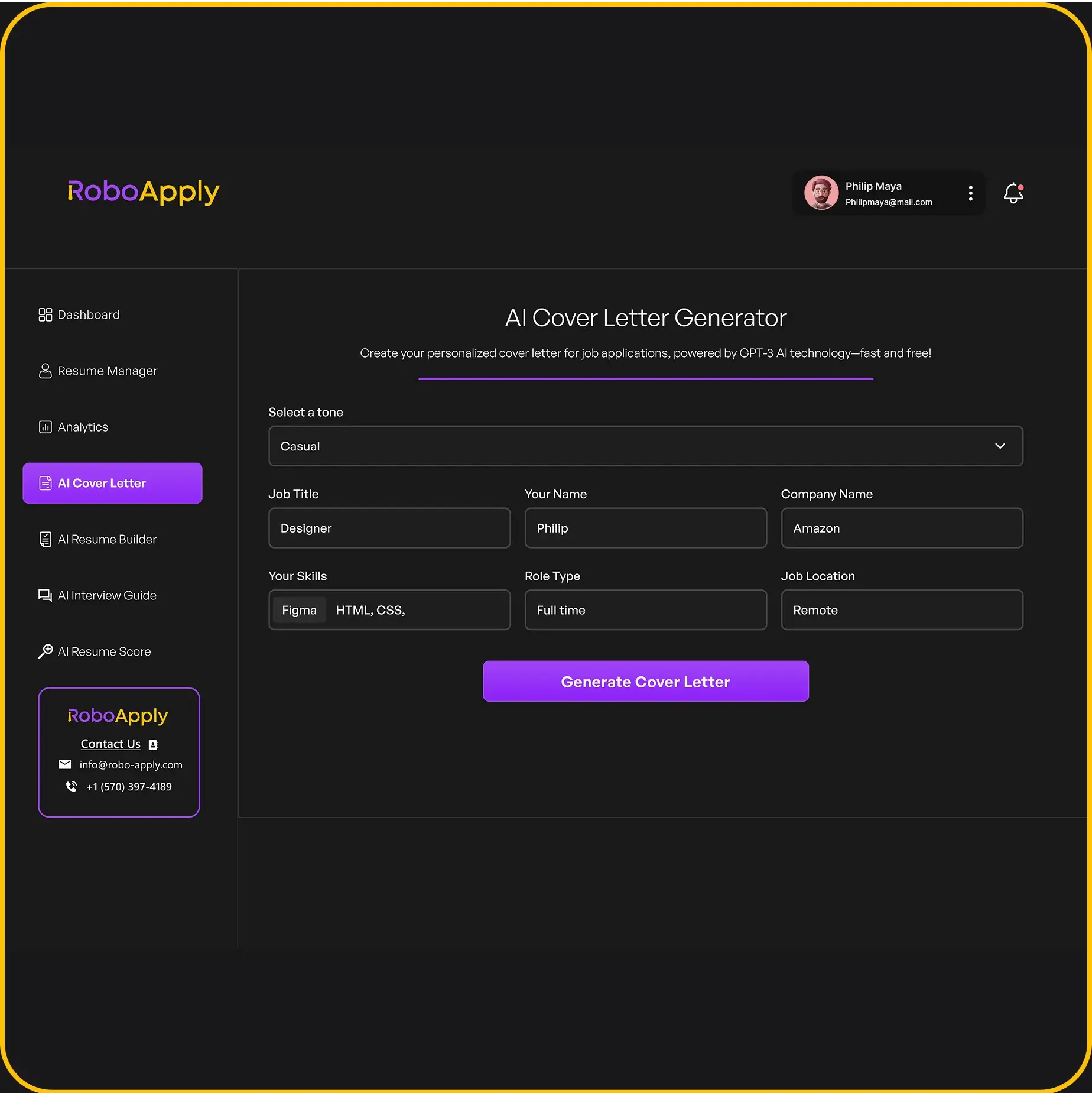
RoboApply’s AI Cover Letter generator creates optimized cover letters at the ideal length for each position. The platform analyzes job descriptions and tailors content to stay within the 250 to 400-word range.
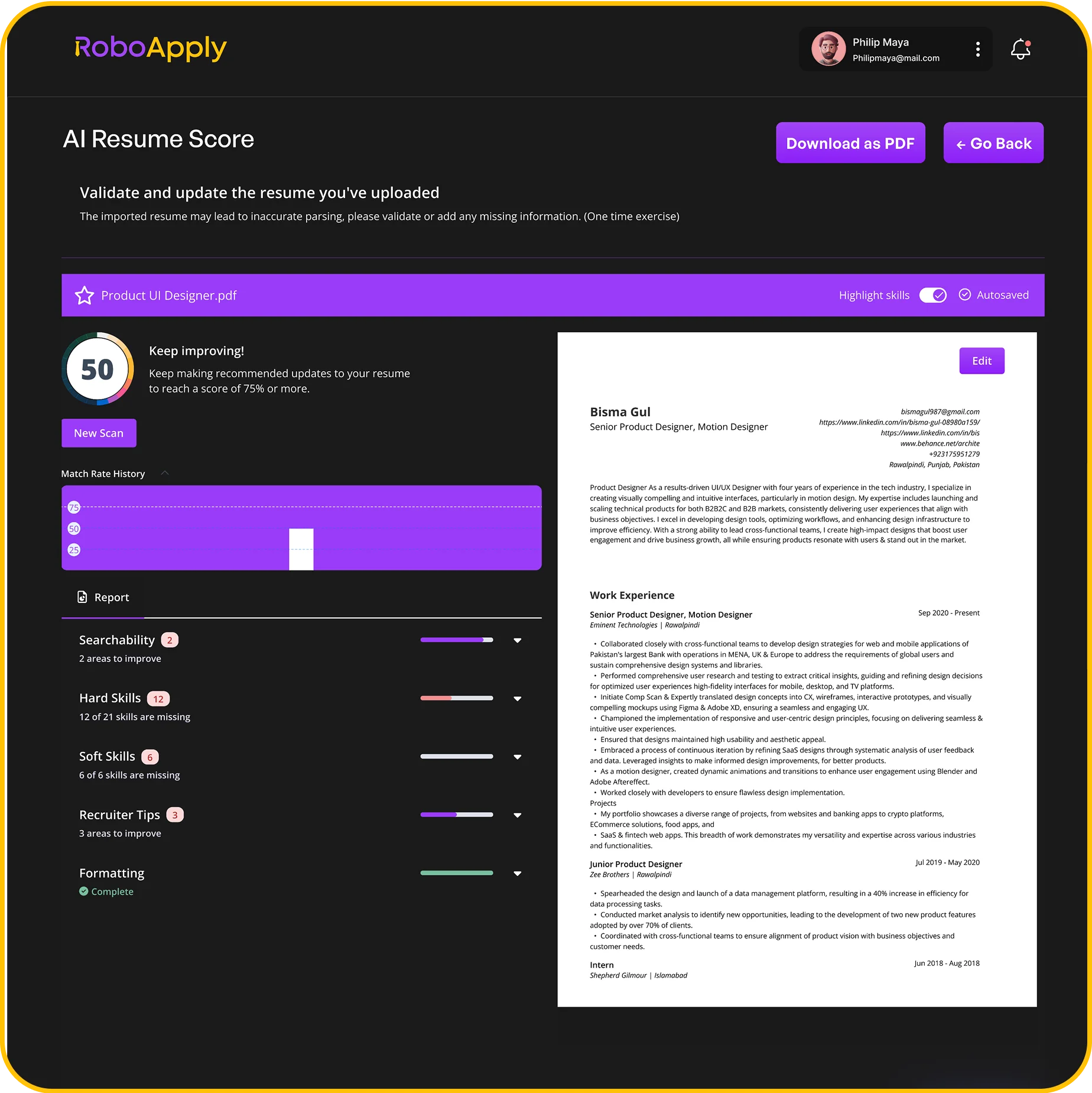
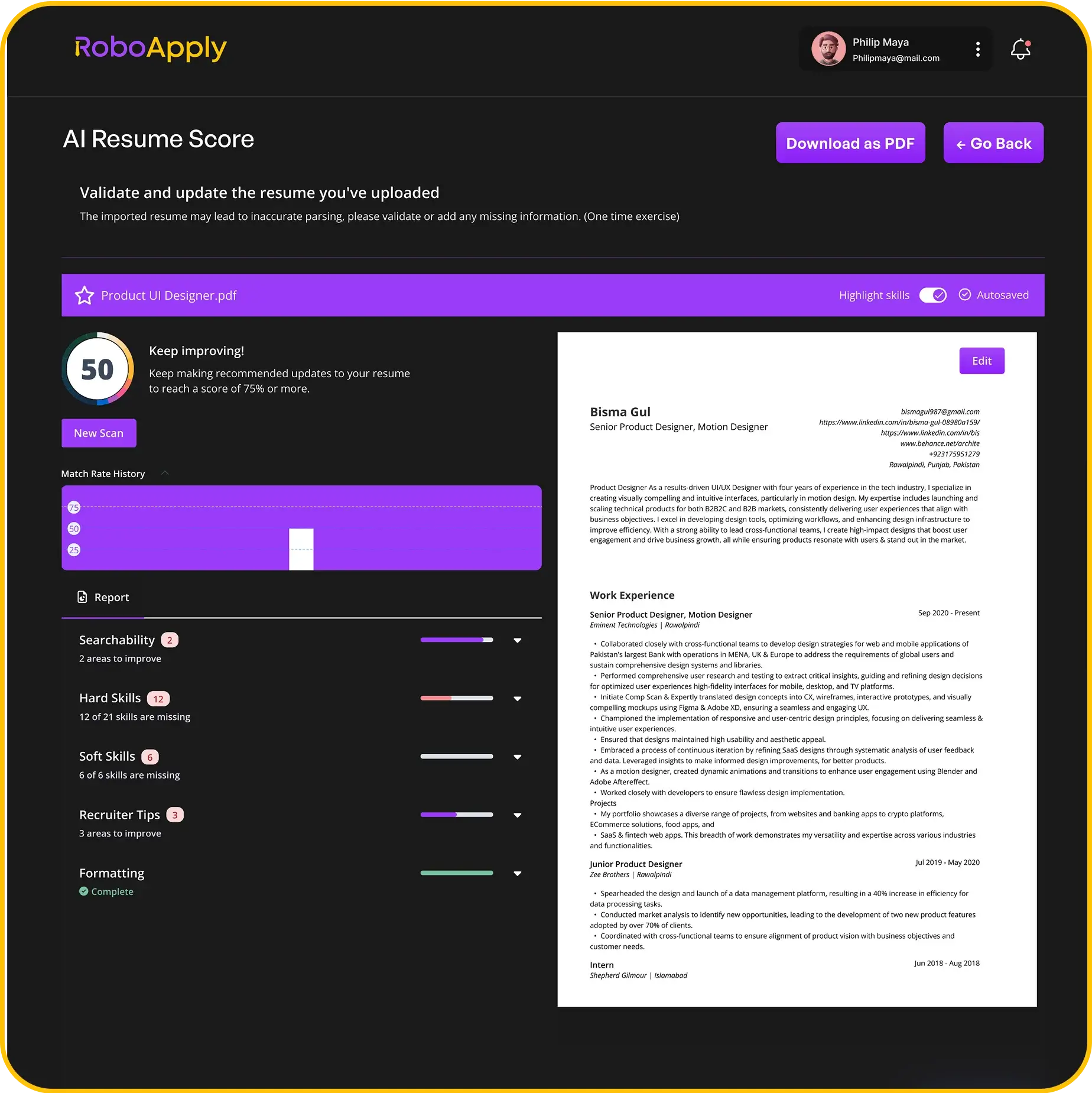
The Resume Score feature helps you understand which qualifications to emphasize in your cover letter. You’ll focus on the most relevant points without padding length.
AI Auto Apply manages applications across hundreds of positions. Each submission includes a properly formatted, appropriately lengthed cover letter that matches specific job requirements.
Frequently Asked Questions
How many words should a cover letter be for entry-level positions?
Entry-level cover letters should be 250 to 300 words, focusing on education, relevant coursework, internships, and transferable skills from part-time work or volunteer experience.
Can a cover letter be 500 words?
A 500-word cover letter exceeds recommended length and risks losing the reader’s attention. Aim for 250 to 400 words unless specific instructions request more detail.
Is 200 words too short for a cover letter?
Yes, 200 words is generally too brief to effectively introduce yourself, explain your qualifications, and close professionally. Aim for at least 250 words minimum.
How many paragraphs should a cover letter have?
A cover letter should have three to four paragraphs: an introduction, one to two body paragraphs highlighting qualifications, and a closing paragraph with next steps.
Should I adjust cover letter length for different jobs?
Yes, adjust slightly based on industry norms and job requirements, but always stay within 250 to 400 words unless specific instructions indicate otherwise.