Is basic industries a good career path? Yes, basic industries offer excellent career prospects with median salaries of $45,000-$85,000, strong job security, and minimal automation risk. These sectors produce essential materials like steel, chemicals, paper, and textiles that society needs regardless of economic conditions. You’ll find stable employment, union benefits, and advancement opportunities without requiring expensive degrees.
Basic industries employ over 12 million Americans across manufacturing, mining, forestry, and agriculture. Bureau of Labor Statistics data shows these positions offer competitive wages with benefits packages often exceeding white-collar jobs. The work provides tangible results you can see and measure daily.
Career stability matters more now than ever. Basic industries survived the 2008 recession, the pandemic, and economic downturns better than tech or finance. Your job won’t disappear because of a market crash or startup failure. These sectors produce goods people actually need.
What Are Basic Industries
Basic industries transform raw materials into essential products. They form the foundation of modern economies by creating materials other industries need. Understanding this sector helps you evaluate career opportunities accurately.
Core Sectors Within Basic Industries
Basic industries include four main categories. Each sector offers distinct career paths with different skill requirements and advancement opportunities.
Manufacturing represents the largest employment sector:
- Steel production and metal fabrication
- Chemical manufacturing and processing
- Paper and pulp production
- Textile and fabric manufacturing
- Glass and ceramics production
- Cement and construction materials
Mining and extraction operations include:
- Coal, metal, and mineral mining
- Oil and gas extraction
- Quarrying and stone cutting
- Rare earth element processing
Forestry and timber operations cover:
- Logging and lumber production
- Wood product manufacturing
- Paper mill operations
- Sustainable forest management
Agricultural processing involves:
- Grain milling and processing
- Sugar refining
- Vegetable oil production
- Food preservation and canning
Each sector requires different skills but shares common characteristics. They all produce tangible goods, offer stable employment, and resist economic volatility better than service industries.
How Basic Industries Differ From Other Sectors
Basic industries operate differently than tech, finance, or service sectors. Understanding these differences helps you make informed career decisions.
Key distinctions include:
- Physical production focus: You create actual products rather than services
- Capital-intensive operations: Companies invest heavily in equipment and facilities
- Longer employment tenures: Workers stay decades rather than years
- Union representation: Strong collective bargaining protects wages and benefits
- Regulatory compliance: Safety and environmental standards create job security
- Geographic stability: Facilities remain in place for generations
Research from the National Association of Manufacturers confirms these industries offer better job security than emerging sectors. You’re not competing with global freelancers or risking startup failures.
Career Opportunities in Basic Industries
Basic industries provide diverse career paths across skill levels. You’ll find opportunities whether you’re starting fresh or switching careers mid-life. Understanding how many jobs are available helps you evaluate prospects.
Entry-Level Positions and Requirements
Starting positions require minimal formal education. Most employers provide on-the-job training. You can begin earning immediately while learning specialized skills.
Common entry points include:
- Machine operators earning $35,000-$50,000 annually
- Quality control technicians starting at $38,000-$48,000
- Warehouse workers making $32,000-$45,000
- Production line workers earning $33,000-$47,000
- Maintenance helpers starting at $35,000-$50,000
Requirements typically include:
- High school diploma or GED
- Physical ability to lift 50+ pounds
- Willingness to work various shifts
- Basic math and reading comprehension
- Mechanical aptitude and problem-solving skills
Trade schools and community colleges offer relevant programs. Certifications in welding, machinery operation, or industrial maintenance significantly boost starting pay. Many employers reimburse tuition for employees pursuing relevant credentials.
Mid-Level and Specialized Roles
Experience and specialized training lead to better-paying positions. Most workers reach these levels within 3-7 years. The progression path remains clear and achievable.
Mid-career opportunities include:
- Certified welders earning $45,000-$75,000
- Industrial electricians making $55,000-$85,000
- Maintenance technicians earning $50,000-$75,000
- Quality assurance specialists making $48,000-$70,000
- Production supervisors earning $55,000-$80,000
- Equipment operators making $45,000-$70,000
These positions require:
- 3-5 years relevant experience
- Specialized certifications or apprenticeships
- Technical problem-solving abilities
- Leadership and communication skills
- Understanding of safety regulations
Advancement happens through demonstrated competence rather than networking or politics. Your work quality and reliability determine promotion timing. Similar to specialized trades, technical skills command premium compensation.
Management and Leadership Positions
Senior roles offer six-figure salaries without requiring MBA degrees. Industry experience matters more than formal credentials. Many plant managers started as line workers.
Leadership positions include:
- Plant managers earning $85,000-$140,000
- Production managers making $75,000-$120,000
- Safety directors earning $80,000-$130,000
- Operations managers making $70,000-$110,000
- Quality control managers earning $75,000-$115,000
These roles require:
- 10+ years industry experience
- Proven leadership and team management
- Deep understanding of production processes
- Budget and project management skills
- Regulatory compliance knowledge
The path to leadership remains accessible. Companies promote from within frequently. Your institutional knowledge becomes invaluable over time.
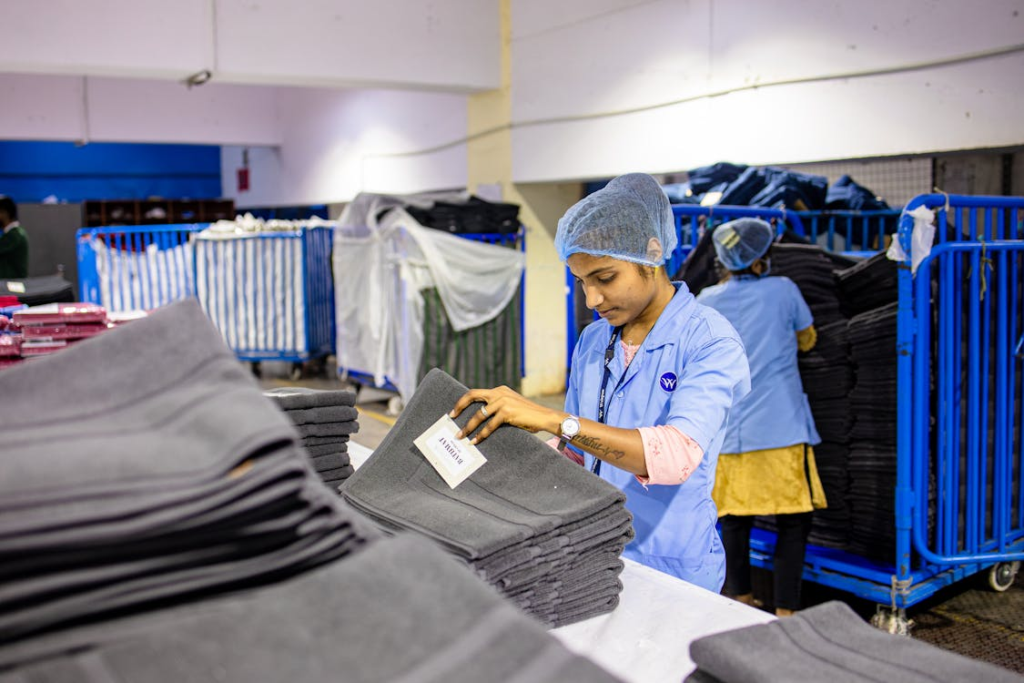
Advantages of Basic Industries Careers
Basic industries offer specific benefits that knowledge work can’t match. These advantages significantly impact long-term career satisfaction and financial security.
Job Security and Stability
Basic industries survive economic downturns better than other sectors. Society needs steel, paper, chemicals, and agricultural products regardless of market conditions. Your job won’t disappear during recessions.
Historical data proves this stability:
- Manufacturing employment recovered faster after 2008 than finance
- Basic industries maintained production through COVID-19 pandemic
- Automation threatens these jobs less than many predict
- Domestic manufacturing reshoring creates new opportunities
- Infrastructure investments guarantee continued demand
Economic Policy Institute research confirms basic industry workers experienced lower unemployment during recent recessions. Essential production continues when discretionary sectors contract.
Union representation strengthens job security further. Collective bargaining agreements protect against arbitrary termination. Seniority systems reward loyalty with preference during layoffs.
Comprehensive Benefits Packages
Basic industries typically offer superior benefits compared to service sectors. Union-negotiated packages often exceed what white-collar workers receive. These benefits significantly increase total compensation value.
Standard benefits include:
- Health insurance with low employee premiums
- Pension plans or generous 401(k) matching
- Paid vacation starting at 2-3 weeks annually
- Sick leave and personal days
- Life and disability insurance
- Tuition reimbursement programs
- Shift differential pay for nights and weekends
According to SHRM, manufacturing workers receive benefits packages worth 30-40% of base salary. This addition significantly increases effective compensation compared to gig economy or contract positions.
Healthcare benefits alone save thousands annually. Family coverage through employer plans costs significantly less than individual market insurance. Pension plans provide retirement security beyond Social Security.
Skills Development and Training
Basic industries invest heavily in workforce development. Employers benefit from skilled workers, creating alignment between company and employee interests. You’ll gain marketable skills while earning.
Training opportunities include:
- Apprenticeship programs combining work and instruction
- Safety certification courses (OSHA, forklift, confined space)
- Technical skill development (welding, machining, electrical)
- Leadership and supervision training
- Quality control and Six Sigma methodologies
- Computer-aided design and manufacturing systems
Companies pay for training rather than requiring employees to fund their own education. This approach contrasts sharply with knowledge work requiring expensive degrees with uncertain ROI.
Certifications earned through basic industries transfer across employers. Your welding certification, electrical license, or quality control credentials follow you throughout your career. Similar to understanding resume formatting, presenting credentials properly matters.
Challenges to Consider
Basic industries careers aren’t perfect. Understanding potential drawbacks helps you make informed decisions. These challenges affect different people differently based on preferences and circumstances.
Physical Demands and Work Environment
Basic industries involve physical labor in industrial settings. You’ll work on your feet, operate machinery, and handle materials. The environment differs significantly from climate-controlled offices.
Physical requirements include:
- Standing or walking for 8-12 hour shifts
- Lifting, pushing, or pulling heavy materials regularly
- Working in hot, cold, or noisy conditions
- Wearing personal protective equipment
- Exposure to chemicals, dust, or fumes (with safety controls)
- Repetitive motions causing potential strain
Safety regulations protect workers extensively. OSHA standards, union contracts, and company policies minimize risks. Modern facilities invest heavily in ergonomics and safety equipment.
However, physical work appeals to some people more than others. If you dislike desk jobs and prefer tangible work, basic industries suit you well. If you prefer sedentary work, consider other paths.
Shift Work and Schedule Demands
Many basic industries operate 24/7. Production continues around the clock to maximize efficiency. This scheduling affects work-life balance differently than standard office hours.
Common scheduling patterns include:
- Rotating shifts (days, evenings, nights)
- 12-hour shifts with extended days off
- Weekend and holiday work requirements
- Mandatory overtime during peak periods
- On-call expectations for maintenance staff
Shift differential pay compensates for inconvenient hours. Night shifts often pay 10-20% premiums. Weekend work receives additional compensation.
Some workers prefer shift work. You might get weekdays off while others work. Extended shifts mean more days off monthly. Understanding professional communication helps navigate scheduling requests.
Geographic Limitations
Basic industries cluster in specific regions. Steel mills locate near raw materials. Chemical plants concentrate in certain states. This geographic concentration limits location flexibility.
Major employment centers include:
- Rust Belt states for manufacturing and steel
- Gulf Coast for petrochemicals and refineries
- Pacific Northwest for timber and paper
- Midwest for agricultural processing
- Appalachia for mining and extraction
Career advancement might require relocation to regions with more opportunities. However, once established, you typically enjoy geographic stability. Plants remain operational for decades in the same location.
Consider whether you’re willing to live in industrial regions. Some people appreciate small-town living near plants. Others prefer urban areas with more amenities.
Making the Decision: Is It Right for You
Evaluating whether basic industries match your goals requires honest self-assessment. Consider your priorities, skills, and long-term objectives carefully.
Ideal Candidate Profile
Basic industries suit people with specific characteristics and preferences. You’ll thrive if you match this profile closely.
You’re a strong candidate if you:
- Prefer tangible work producing actual products
- Value job security over rapid advancement
- Don’t mind physical labor and industrial environments
- Want clear career progression paths
- Appreciate structured work environments
- Prefer stable employment over entrepreneurial risk
- Value comprehensive benefits packages
- Don’t require urban amenities and culture
- Enjoy mechanical and technical challenges
These industries particularly suit people without four-year degrees seeking middle-class careers. You’ll earn comparable wages to many college graduates without student debt.
Alternative Career Paths to Compare
Consider basic industries against other career options. Each path offers different tradeoffs between stability, income potential, and lifestyle factors.
Compare with:
- Skilled trades (plumbing, electrical, HVAC)
- Healthcare (nursing, technician roles)
- Technology (coding, IT support)
- Transportation and logistics
- Public sector employment
Basic industries offer better stability than tech but less flexibility. They provide better benefits than trades but potentially less income ceiling. They offer more physical work than healthcare but stronger union protection. Understanding various career options helps you choose wisely.
Launching Your Basic Industries Career
Once you’ve decided this path suits you, take concrete steps toward entry. The application process differs from white-collar job searches.
Finding Opportunities
Basic industry employers advertise through different channels than corporate America. You’ll find opportunities through multiple sources.
Job search strategies include:
- Applying directly at plant facilities
- Checking company websites for openings
- Working with union halls for apprenticeships
- Attending job fairs at community colleges
- Networking with current industry workers
- Using specialized job boards for manufacturing
Many facilities hire through employee referrals. Ask friends or family in basic industries about openings. Personal recommendations carry significant weight.
RoboApply’s AI Resume Builder helps you create industry-appropriate resumes highlighting relevant skills. The platform optimizes your application for basic industry hiring systems.
Application and Interview Process
Basic industries evaluate candidates differently than corporate roles. They prioritize reliability, safety awareness, and mechanical aptitude over polish and presentation.
Prepare by:
- Emphasizing attendance records and reliability
- Highlighting any relevant technical skills or certifications
- Demonstrating understanding of safety importance
- Showing willingness to learn and follow procedures
- Discussing physical capabilities honestly
- Asking informed questions about training and advancement
The AI Cover Letter Generator creates targeted letters emphasizing your fit for industrial environments. Each application highlights relevant experience and demonstrates genuine interest.
AI Auto Apply submits applications to multiple basic industry employers efficiently. Your profile reaches more hiring managers without repetitive manual entries.
Starting Strong
Your first months determine long-term success. Basic industries value workers who demonstrate reliability, safety consciousness, and willingness to learn.
Focus on:
- Perfect attendance and punctuality
- Following all safety procedures precisely
- Asking questions when uncertain
- Building relationships with experienced workers
- Volunteering for additional training
- Maintaining positive attitude during routine work
Interview Copilot prepares you for common basic industry interview questions. You’ll practice discussing your work ethic, safety awareness, and technical aptitude confidently.
Frequently Asked Questions
Is basic industries a good career path for people without college degrees?
Yes, basic industries offer excellent careers without requiring bachelor’s degrees. You’ll earn middle-class wages with comprehensive benefits and strong job security.
What’s the average salary in basic industries?
Entry-level positions start at $32,000-$50,000. Mid-career workers earn $45,000-$85,000. Management positions reach $85,000-$140,000 annually with benefits adding 30-40% more value.
Are basic industries jobs safe from automation?
Basic industries face less automation risk than predicted. Physical manipulation, quality judgment, and maintenance tasks remain difficult to automate. Demand for human workers continues strong.
Do basic industries require physical fitness?
Most positions require ability to stand for extended periods and lift 50+ pounds regularly. Specific demands vary by role. Companies accommodate some limitations through accommodation processes.
How long does it take to advance in basic industries?
Entry to skilled positions typically takes 3-7 years. Reaching supervision requires 5-10 years. Management positions open after 10-15 years for capable workers who pursue opportunities.