Good questions to ask at the end of an interview can completely change how interviewers remember you. When they say “Do you have any questions for me?” they’re not just being polite. This is your moment to stand out.
Most candidates blow this chance. They either freeze up and say no, or they ask something bland that ten other people probably already asked. The questions you choose here matter way more than you think.
Strong questions show you’ve actually researched the company. They prove you’re thinking about the role seriously. And honestly, you need this information anyway to figure out if the job even fits what you want.
Why Your Questions Leave a Bigger Impression Than You Realize
The questions you ask tell interviewers how you think. They show what matters to you and whether you’re genuinely interested or just collecting offers. Research from Harvard Business Review found that candidates who ask thoughtful questions are 40% more likely to get offers.
Good questions flip the script. You stop being interrogated and start having an actual conversation. That shift changes everything about those final minutes together.
You also get information that never shows up in job postings. Some details might be red flags. Others might make you way more excited about the opportunity. Either way, you need to know.
Questions That Prove You Understand the Role
These questions show you’re already thinking like someone who works there. They demonstrate you get what the job actually involves.
Ask what challenges the person in this role will face in the first 90 days. This shows practical thinking about your start. The Society for Human Resource Management found that understanding early challenges helps new hires succeed 58% faster.
Find out what success looks like after six months. Every manager defines this differently. Some care about numbers. Others value how you work with the team. You need to know their expectations upfront.
Ask how the team currently works together and what gaps exist. This tells you if you’re replacing someone who left, joining a brand new team, or stepping into a problem that needs fixing. Each scenario is totally different.
Questions about tools and systems matter too. Find out what platforms everyone uses daily. You’ll learn if you can start contributing right away or if you’ll spend weeks just learning the tech stack.

Good Questions to Ask at the End of an Interview About Culture
Culture determines if you’ll actually like working somewhere. These questions cut through the marketing talk and get to reality.
Ask what a typical week looks like for someone in this position. You’ll learn about meetings, collaboration patterns, and how much freedom you’d have. The Bureau of Labor Statistics reports that culture fit ranks as the third biggest factor in job satisfaction.
Find out how the company handled a recent challenge. Pay attention to their answer. It reveals whether leadership communicates honestly during tough times or keeps employees in the dark.
Questions about professional development show you’re thinking long-term. Ask how the company supports skill building. Some places invest heavily in training. Others expect you to figure everything out yourself.
Ask how wins get recognized. Some teams celebrate achievements publicly. Others barely acknowledge them at all. This tells you if your work would actually be valued.
Questions About Your Future Manager
Your direct manager shapes your daily experience more than almost anything else. These questions help you understand who you’d be working with.
Ask about their management style directly. Most managers appreciate this question and give honest answers. You’ll learn if they’re hands-on or hands-off, supportive or demanding.
Here are the most revealing questions:
- How do you prefer to communicate with your team?
- What does success look like to you in a team member?
- How do you handle disagreements within the team?
- What’s your approach to helping people grow professionally?
Find out how feedback works. Some managers give constant real-time input. Others save everything for annual reviews. Neither is wrong, but you need to know what you’re getting into.
Questions That Reveal Growth Opportunities
Career progression questions show you want more than just a paycheck. They prove you’re thinking about building something long-term.
Ask what paths previous people in this role have taken. Strong companies can point to specific examples. If they can’t answer clearly, that’s a warning sign about internal mobility.
Find out what big projects are coming up. This tells you if you’d work on exciting new stuff or just maintain what already exists. Both have value, but you should know which situation you’re walking into.
Ask how the position might evolve. Many roles change significantly as companies grow. Understanding potential evolution helps you see if the job stays interesting.
Questions about company growth plans matter too. Fast-growing startups offer different opportunities than stable corporations. Neither is better, but they fit different career stages.
Practical Questions About Work Environment
Day-to-day logistics affect your quality of life more than people admit. These questions uncover practical realities that matter.
Ask about remote work policies and how flexibility actually works in practice. Some companies say they’re flexible but expect you in the office constantly. Others genuinely support remote work. The difference matters.
Find out about typical working hours without directly asking about work-life balance. Try asking if people usually work evenings or weekends. Their answer tells you what to expect.
Questions about onboarding reveal how the company sets new hires up for success. According to Glassdoor research, strong onboarding improves retention by 82%. Ask what support you’d receive in your first weeks.
Questions About Next Steps
Closing questions should show continued interest while gathering information about what happens next.
Ask when you might expect to hear back. This is completely reasonable. Most interviewers actually appreciate candidates who are organized about following up.
Find out what remaining steps exist in the process. Some companies do multiple rounds while others make quick decisions. Knowing what’s ahead helps you prepare mentally.
Questions about who else is involved show business understanding. Ask if others weigh in on the final decision. This helps you understand the complete picture.
Questions You Should Skip
Some questions hurt your chances instead of helping. Knowing what to avoid matters just as much as knowing good questions to ask at the end of an interview.
Never ask about salary or benefits in first interviews unless they bring it up. These conversations happen later. Asking too early makes you seem interested only in compensation.
Don’t ask questions you could answer through basic research. Asking what the company does shows you didn’t prepare. Save your questions for things you can’t find online.
Avoid negative framing about problems or why previous people left. While you want to understand challenges, negative questions put interviewers on the defensive.
Better Interview Preparation With the Right Tools
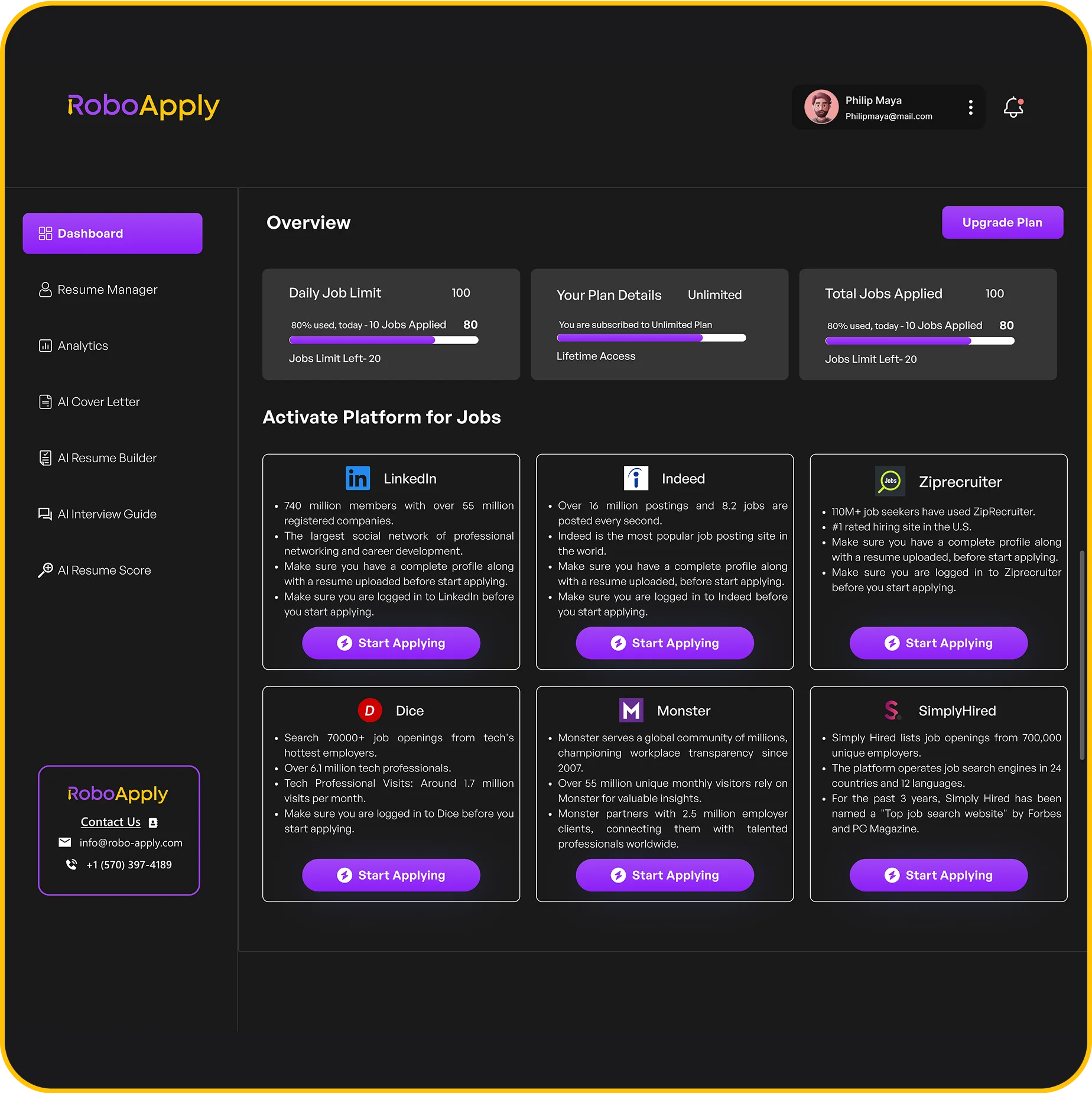
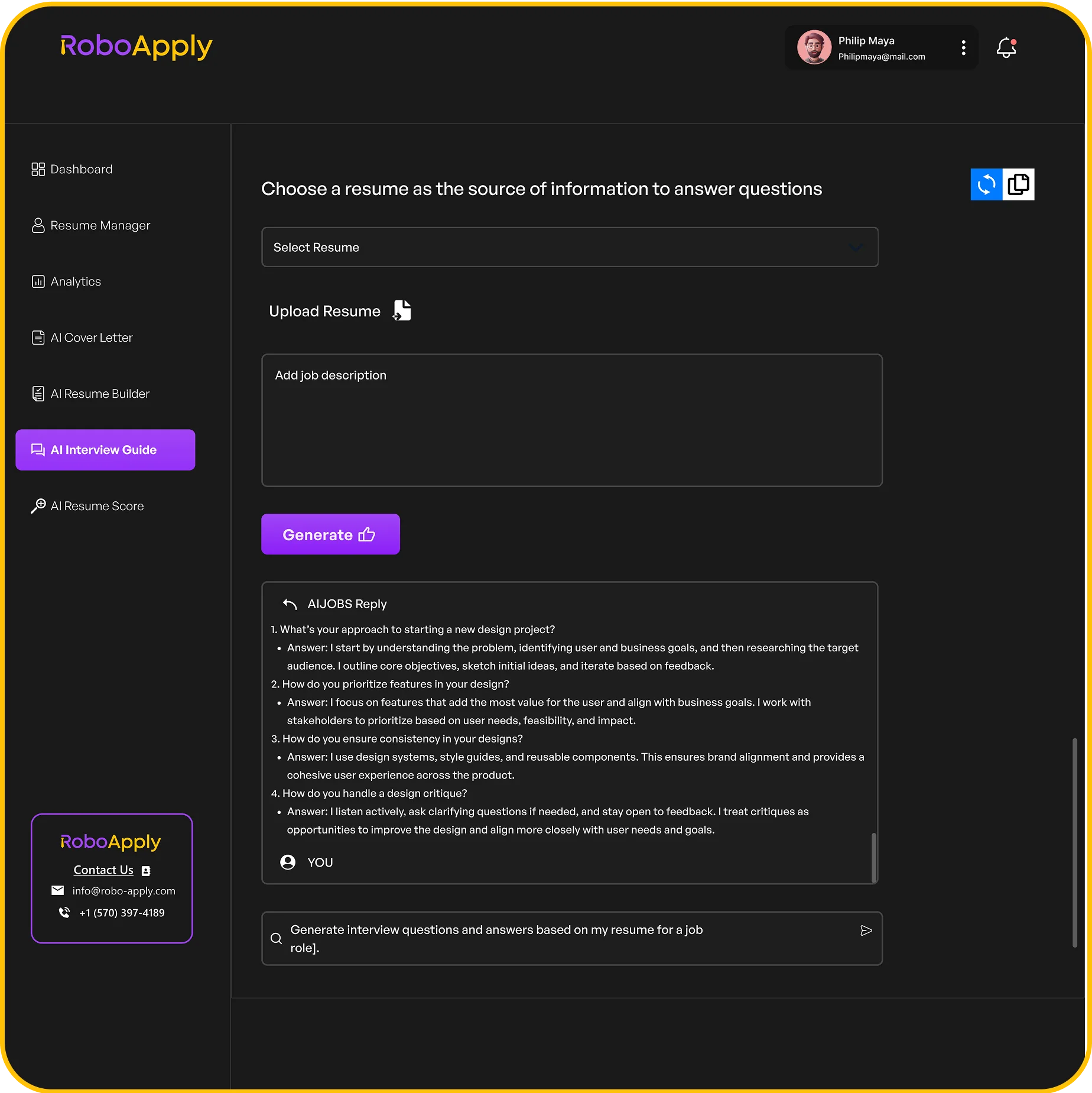
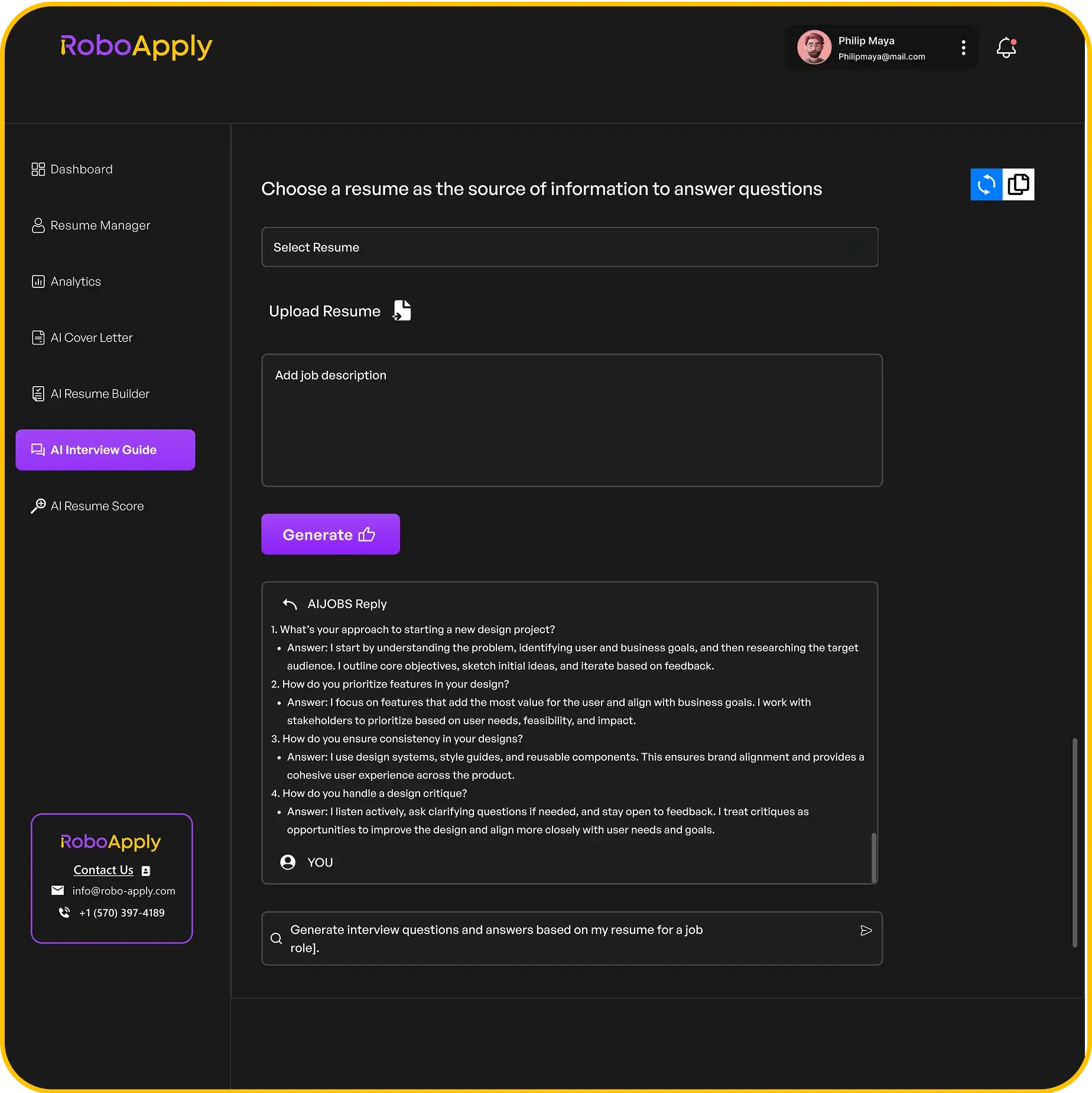
Smart preparation separates good candidates from great ones. RoboApply’s Interview Copilot analyzes job descriptions and generates role-specific questions you should ask. You show up with thoughtful questions customized to each opportunity.
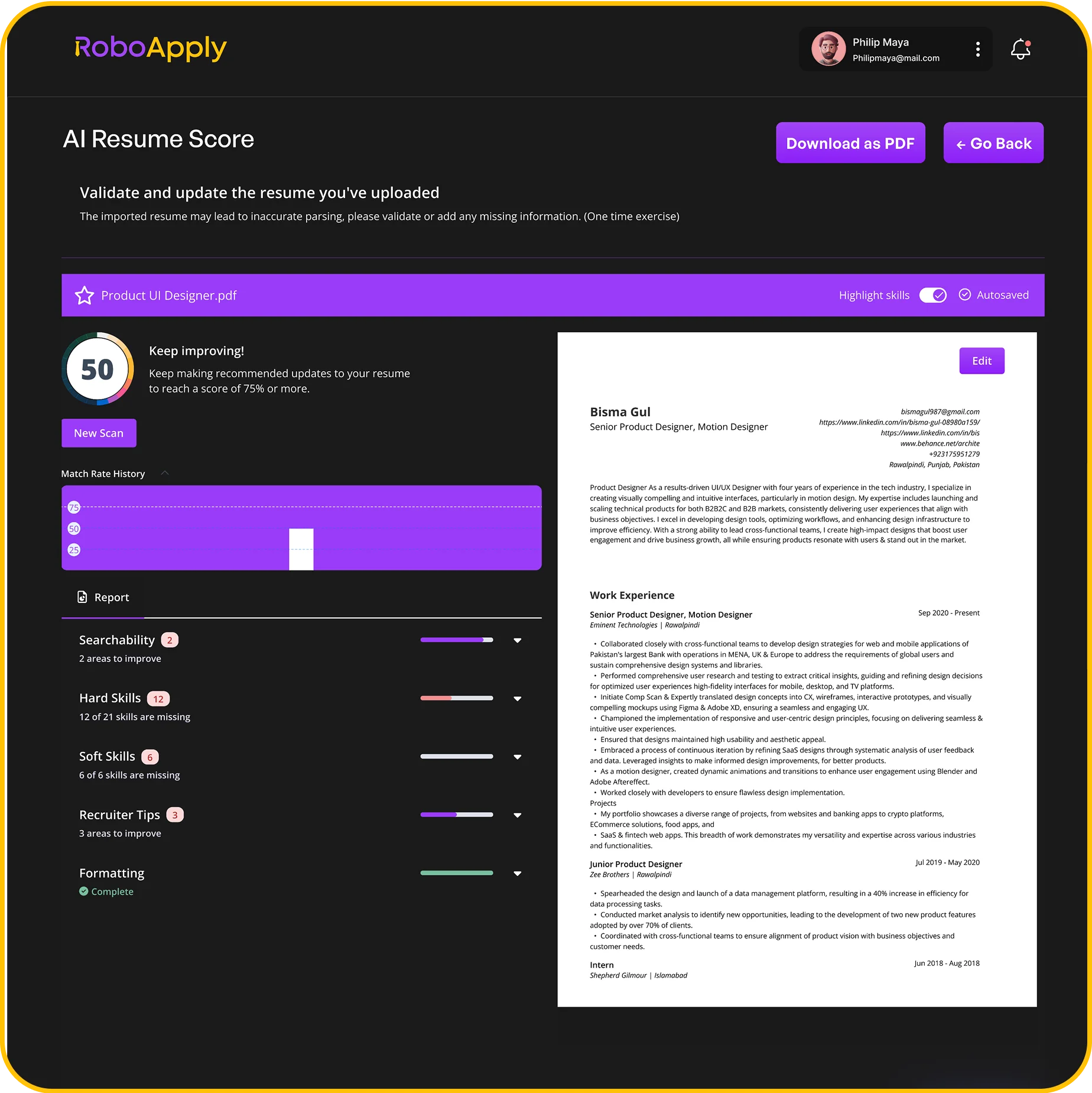
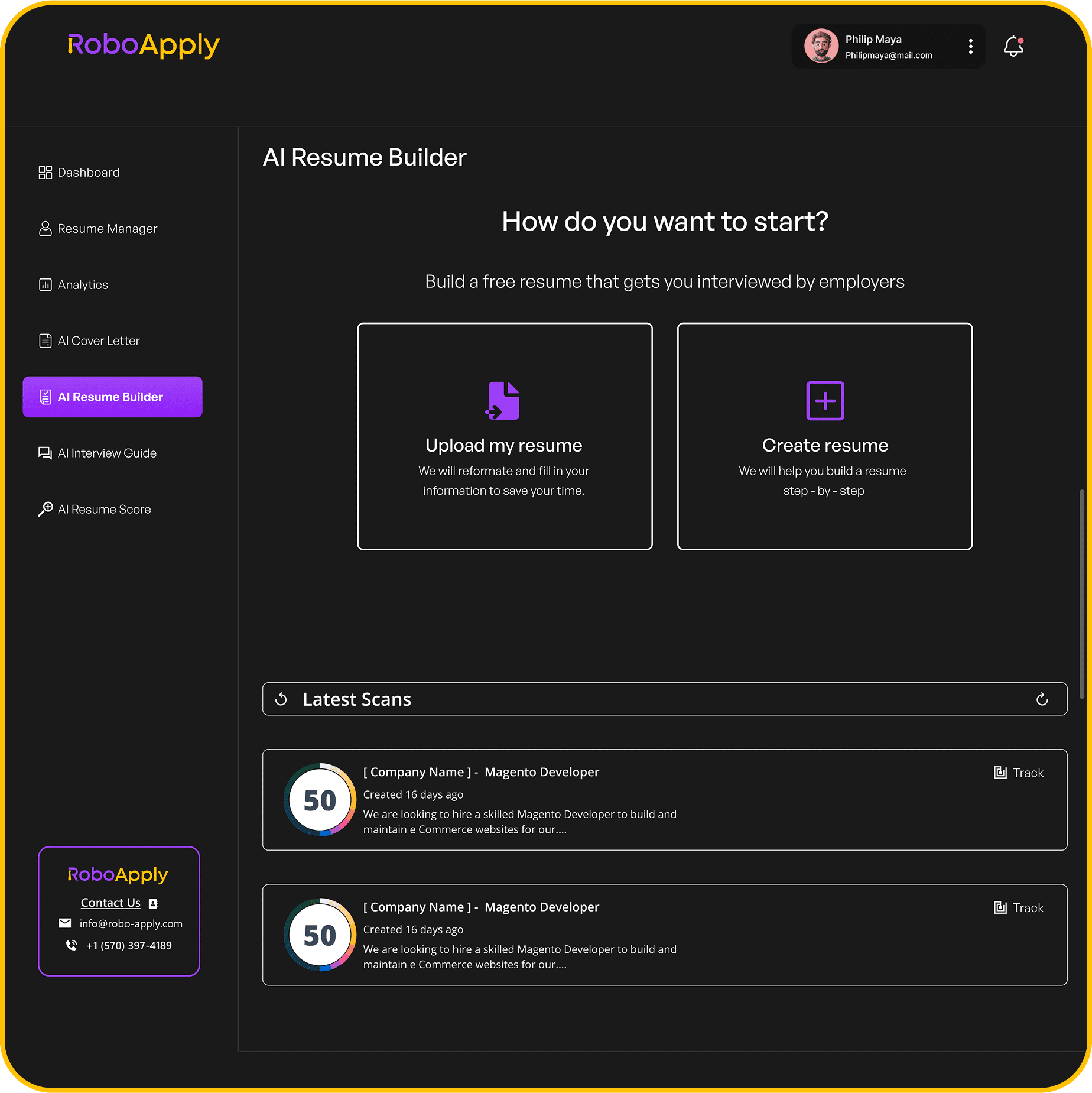
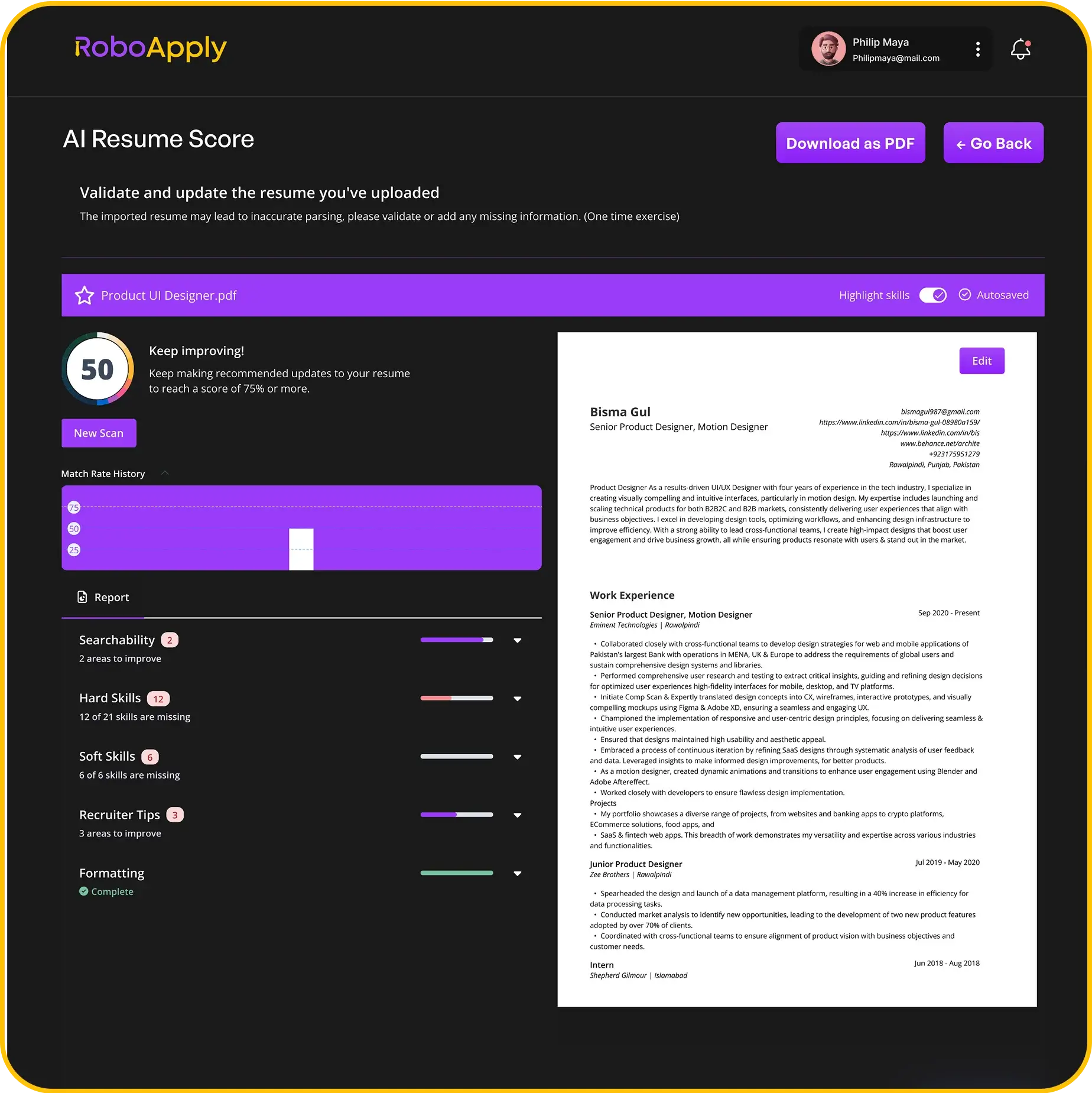
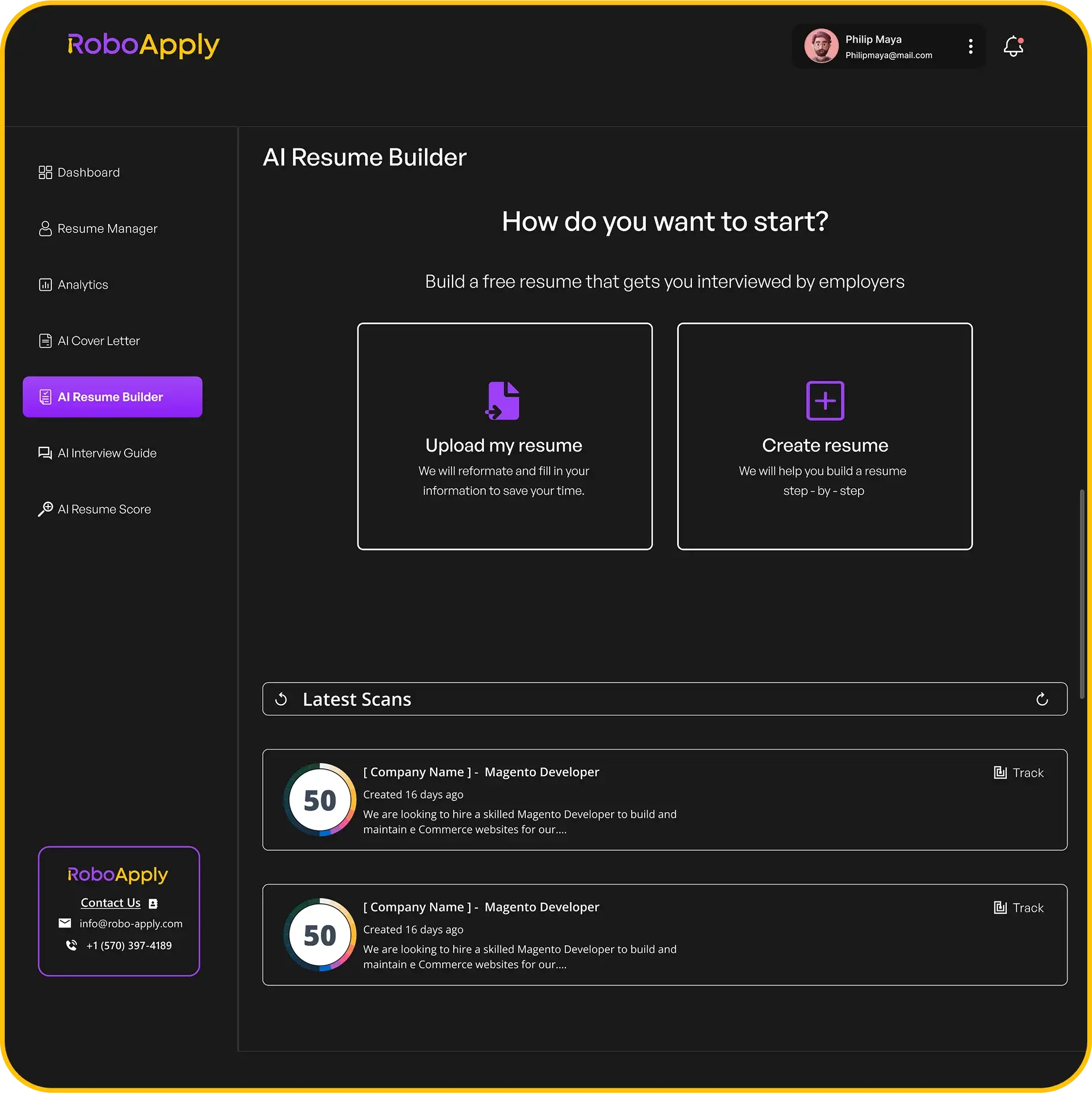
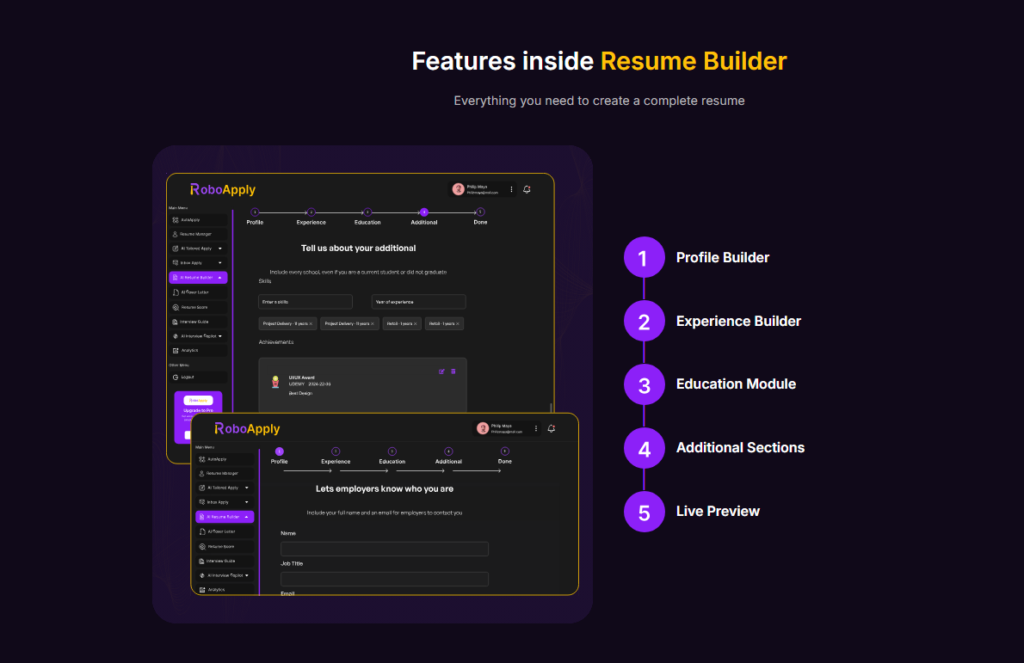
The AI Resume Builder helps you create resumes that actually get interviews. It optimizes your application for each job, increasing your chances of reaching the interview stage.
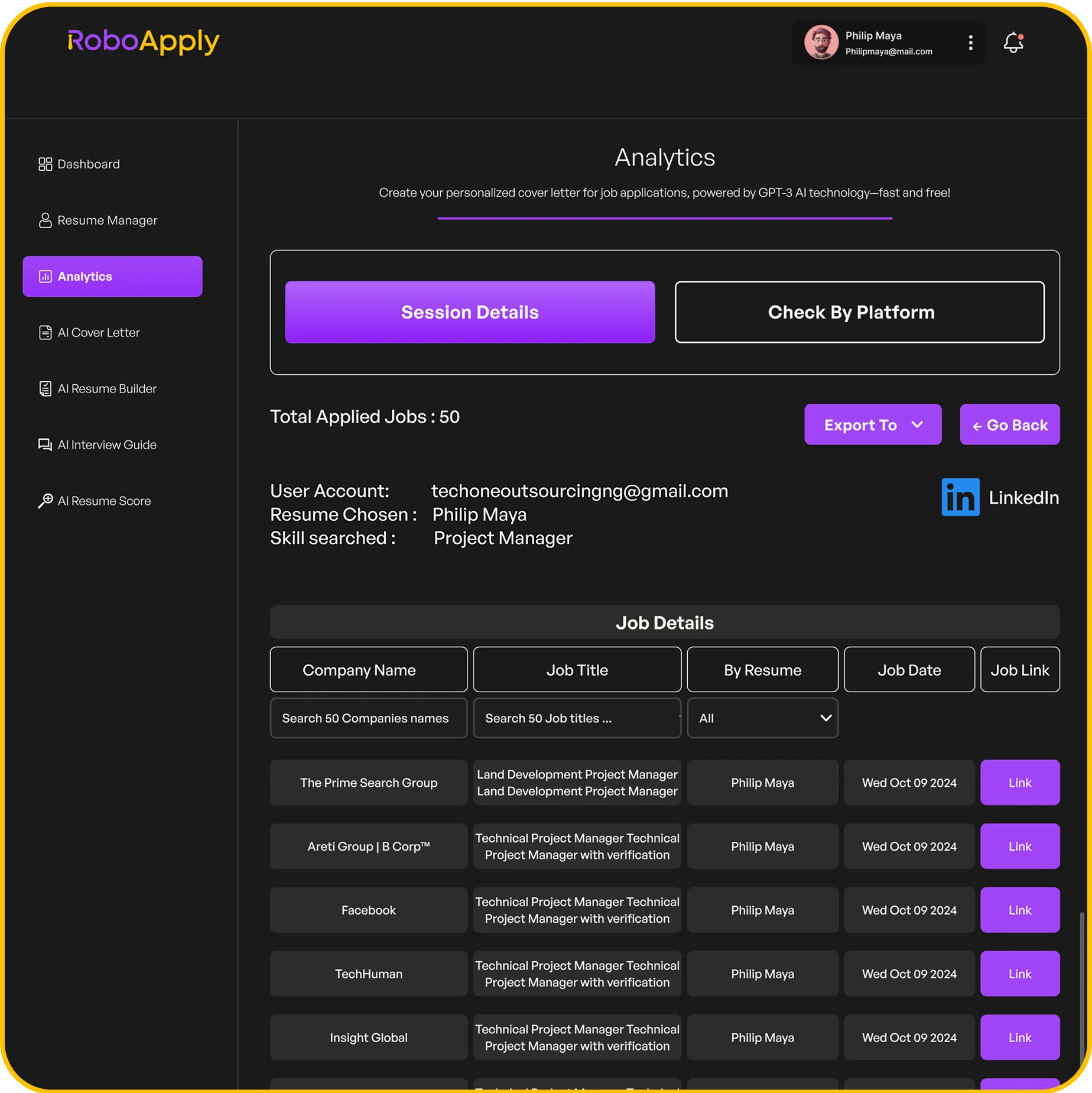
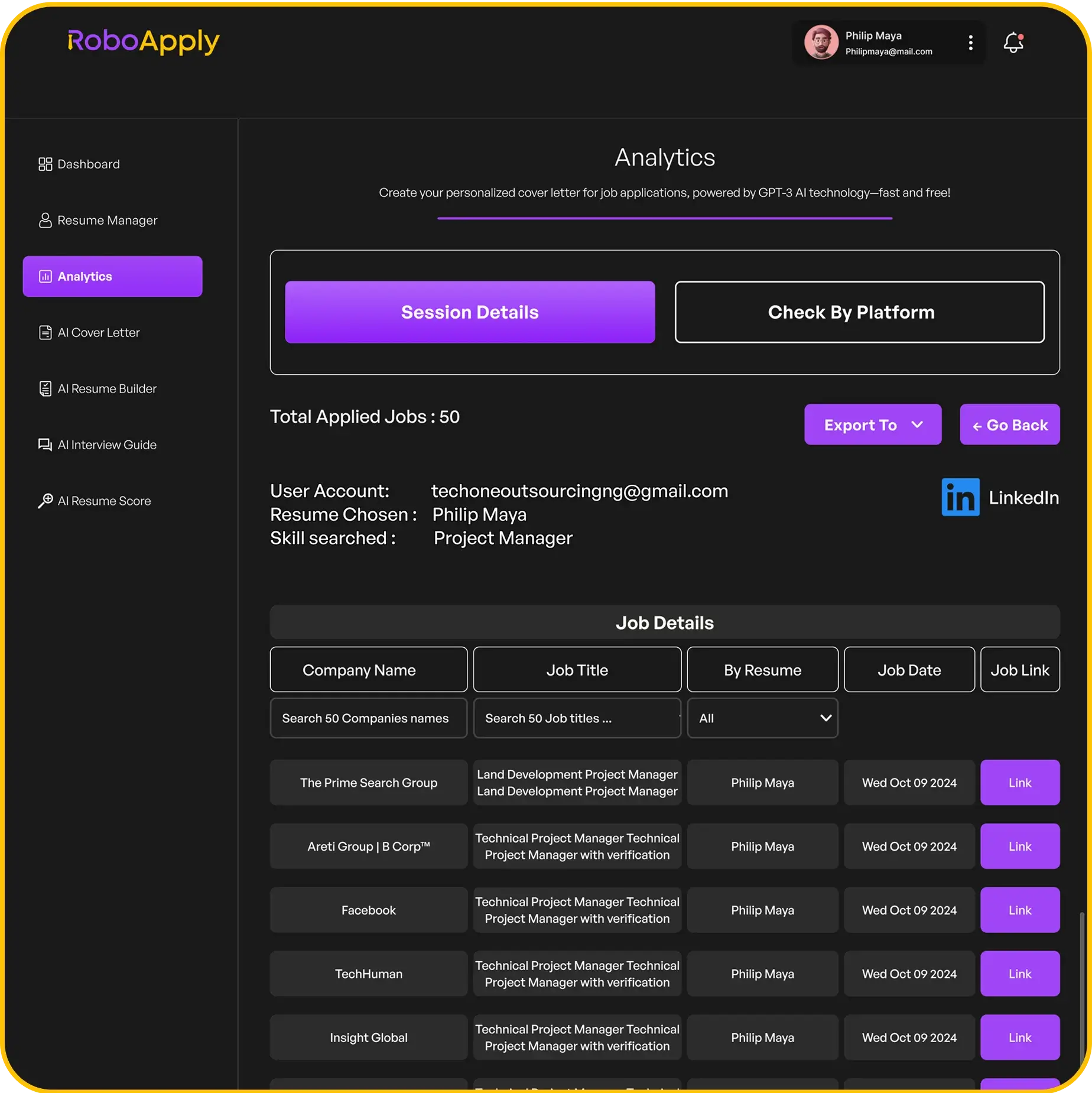
For broader searches, AI Auto Apply automates applications across major job boards while maintaining quality. This frees up time for interview preparation instead of repetitive form-filling.
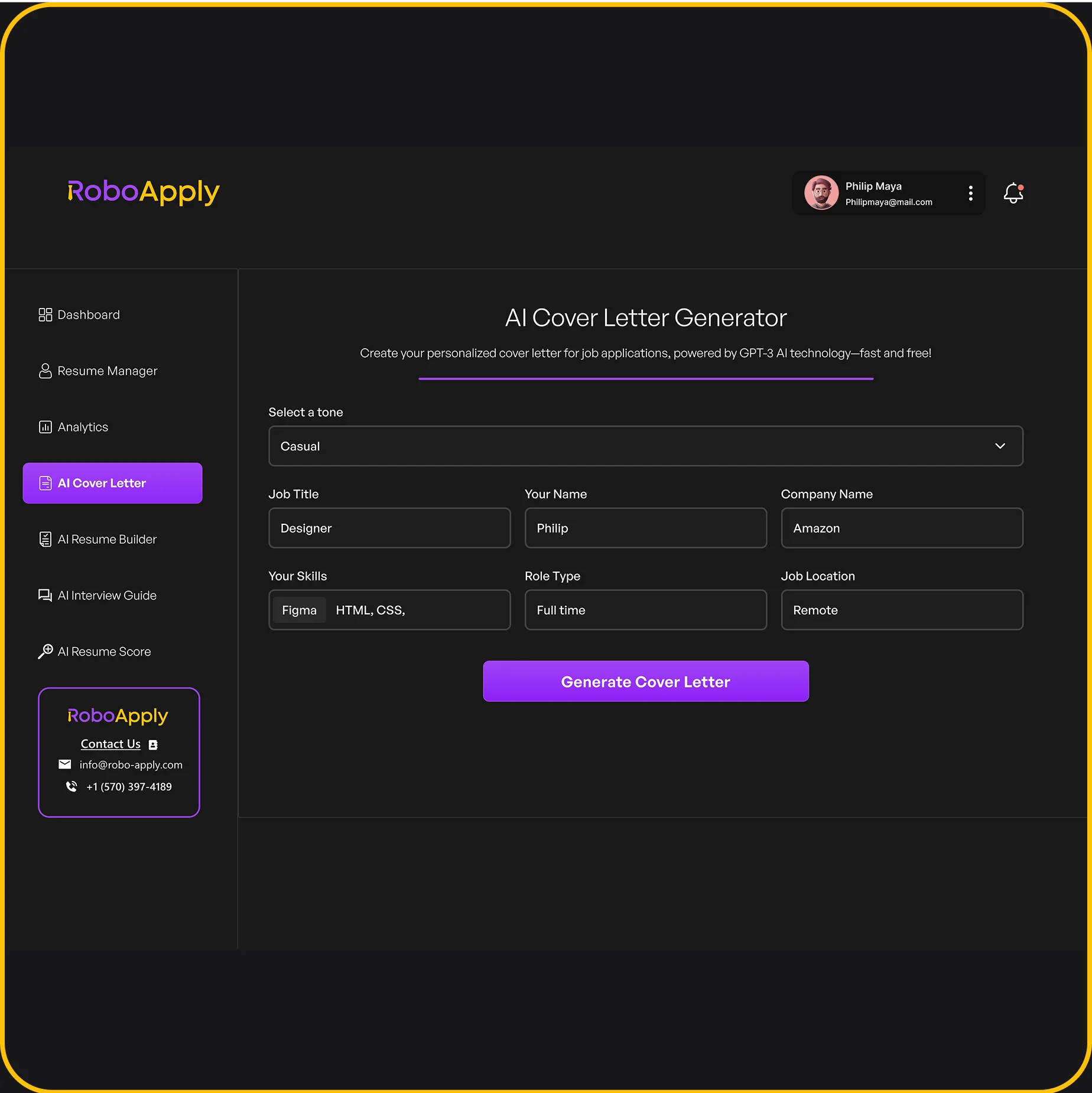
The AI Tailored Apply feature customizes your resume for each role automatically. Combined with strong interview questions, this creates a complete strategy for landing offers.
Frequently Asked Questions
What are good questions to ask at the end of an interview?
Ask about role challenges, team dynamics, success metrics, and company culture. Focus on gathering real information while showing genuine interest.
How many questions should I ask in an interview?
Prepare five to seven questions but expect to ask three to five. Some will get answered naturally during conversation.
Should I ask about salary during an interview?
Wait until later rounds or after receiving an offer. Let the employer bring up compensation topics first.
What if my questions were already answered?
Acknowledge this and ask follow-up questions that dig deeper. Show you were listening actively throughout the conversation.
Can I bring written questions to an interview?
Yes, bringing notes shows organization and preparation. Just don’t read robotically from your list during conversation.