Applying to healthcare careers requires specific credentials, targeted resumes, and understanding of medical terminology. You need licenses, certifications, and clinical experience highlighted properly. Your application materials must pass ATS systems while showcasing patient care abilities.
Healthcare hiring moves faster than other industries. Hospitals need staff immediately. Clinics fill positions within days. Your application strategy determines whether you get called or overlooked.
This guide covers everything you need to know. You’ll learn which documents matter most. How to position your clinical experience. What hiring managers actually look for in candidates.
What Makes Healthcare Applications Different
Healthcare applications follow stricter standards than other industries. You’re not just proving competence. You’re demonstrating patient safety capabilities.
Credentials matter enormously here. Research from the Bureau of Labor Statistics shows that 80% of healthcare positions require specific licenses or certifications. Your RN license. CNA certification. Medical assistant credentials. These aren’t optional extras.
Clinical experience gets weighted heavily too. Hiring managers want concrete proof you’ve worked with patients. They look for specific settings. Hospital floors. Outpatient clinics. Long-term care facilities. Emergency departments. Each environment demonstrates different competencies.
Healthcare employers verify everything thoroughly. They check license status. Confirm certifications. Contact clinical supervisors. The verification process takes longer than typical background checks. Plan accordingly when timing your applications.
Essential Credentials for Healthcare Job Applications
Different healthcare roles require different qualifications. Understanding these requirements saves you from wasting time on positions you’re not qualified for.
Nursing Positions
Registered nurses need active state licensure. Most hospitals require BSN degrees now. Some accept ADN with experience. Specialty certifications boost your competitiveness significantly.
Critical care nurses need CCRN credentials. Emergency nurses benefit from CEN certification. Pediatric nurses should hold PNCB certification. The American Nurses Association confirms specialized credentials increase starting salaries by 15-20%.
Allied Health Roles
Medical assistants need certification from AAMA or NHA. Respiratory therapists require state licensure and CRT or RRT credentials. Radiology techs must hold ARRT certification.
Physical therapists need doctoral degrees and state licensure. Occupational therapists require master’s degrees minimum. Speech pathologists must earn CCC-SLP certification through ASHA.
Support Staff Positions
Patient care technicians need CNA certification typically. Phlebotomists require certification from ASCP or NHA. Medical records specialists benefit from RHIT or RHIA credentials.
Even administrative healthcare roles prefer candidates with medical terminology knowledge. Billing specialists should understand CPT and ICD coding. Schedulers need familiarity with EMR systems.
Creating Healthcare-Specific Application Materials
Your resume and cover letter need healthcare focus from the first line. Generic business resumes don’t work here.
Structuring Your Healthcare Resume
Lead with your credentials section immediately after contact information. List your licenses, certifications, and specialized training first. Hiring managers scan for these qualifications before reading anything else.
Your clinical experience section should include:
- Specific patient populations served
- Clinical settings and environments
- Procedures performed independently
- EMR systems you’ve mastered
- Patient ratios you managed
- Outcome improvements you achieved
Quantify everything possible. “Provided care for 15-bed medical-surgical unit” beats “Worked on med-surg floor.” Numbers prove your scope and capacity.
Healthcare employers want specific technical skills listed. Don’t just write “patient care.” Specify wound care, IV insertion, medication administration, vital signs monitoring, patient education, or discharge planning.
Writing Effective Healthcare Cover Letters
Healthcare cover letters should address patient care philosophy immediately. Hiring managers want to see your approach to patient interaction. How you handle difficult situations. Your commitment to quality care.
Reference specific departments or specialties you’re applying to. Mention why that particular setting interests you. Connect your experience to their patient population.
Include concrete examples of patient outcomes you influenced. A satisfied patient family. A complication you caught early. A process improvement you suggested.
Harvard Medical School research shows cover letters mentioning specific patient care achievements receive 40% more interview requests than generic applications.
Optimizing Healthcare Applications for ATS Systems
Healthcare organizations use applicant tracking systems extensively. Your application needs proper optimization to reach human reviewers.
Keywords Healthcare ATS Systems Scan For
Medical terminology must appear naturally throughout your resume. Use exact phrases from job descriptions. If they write “medication administration,” don’t substitute “drug delivery.”
Common keywords include:
- Specific EMR systems (Epic, Cerner, Meditech, Allscripts)
- Clinical procedures relevant to the role
- Patient populations (pediatric, geriatric, oncology, cardiac)
- Compliance terms (HIPAA, OSHA, infection control)
- Quality metrics (patient satisfaction, safety scores)
- Specialized equipment operated
License numbers and certification credentials should appear clearly. Some ATS systems verify these automatically through state databases.
Formatting for Healthcare ATS
Healthcare ATS systems handle formatting differently than corporate systems. They scan for credentials sections. They look for clinical experience categories. They prioritize license verification.
Use standard section headers. “Clinical Experience” works better than “Professional Background.” “Licenses and Certifications” beats “Credentials.” ATS systems recognize conventional terminology more reliably.
Avoid tables, columns, headers, and footers. These confuse medical ATS parsing. Research from Jobscan indicates healthcare ATS systems have 23% higher parsing failure rates with formatted resumes than plain text versions.
Tailoring Applications to Specific Healthcare Settings
Different healthcare environments look for different qualities. Your application should emphasize relevant experience for each setting.
Hospitals want team collaboration abilities. They value experience with complex patients. They prioritize critical thinking under pressure. Emphasize code responses. Rapid assessment skills. Interdisciplinary coordination.
Outpatient clinics prefer patient education strengths. They value efficiency with high patient volume. Highlight scheduling coordination. Patient flow management. Preventive care focus.
Long-term care facilities seek patience and compassion. They want experience managing chronic conditions. Emphasize relationship building with patients. Family communication. Activities of daily living support.
Home health agencies need independent decision-making abilities. They value self-direction and time management. Highlight autonomous practice. Documentation accuracy. Patient advocacy.
Common Healthcare Application Mistakes to Avoid
Certain errors kill healthcare applications instantly. Avoid these completely.
Missing Credential Information
Forgetting license numbers costs you interviews. Not listing expiration dates raises red flags. Omitting state-specific licensure when applying across state lines eliminates you immediately.
Always include complete credential information. License type and number. Issuing state. Expiration date. Certification body. Date obtained.
Vague Clinical Descriptions
Writing “provided patient care” tells hiring managers nothing. They need specifics. Which types of patients? What acuity level? Which procedures independently? What outcomes?
Replace generic descriptions with concrete details. “Managed care for 6-8 post-operative cardiac patients daily including hemodynamic monitoring and pain management” demonstrates actual capabilities.
Overlooking Soft Skills
Healthcare requires technical competence and interpersonal excellence. Compassion matters. Communication abilities determine patient outcomes. SHRM healthcare research confirms that 70% of patient satisfaction scores relate to communication quality rather than clinical outcomes.
Demonstrate empathy through examples. Show how you explain complex information clearly. Prove your ability to calm anxious patients.
Ignoring Cultural Competence
Healthcare serves diverse populations. Employers need staff who work effectively across cultural differences. Language skills deserve prominent placement. Experience with specific communities matters.
List languages spoken and proficiency levels. Mention cultural competency training completed. Highlight experience serving diverse patient populations.
How RoboApply Streamlines Healthcare Job Applications
Healthcare job searching involves dozens of applications weekly. Each position requires credential verification. Every application needs tailoring to specific settings. The manual process consumes hours daily.
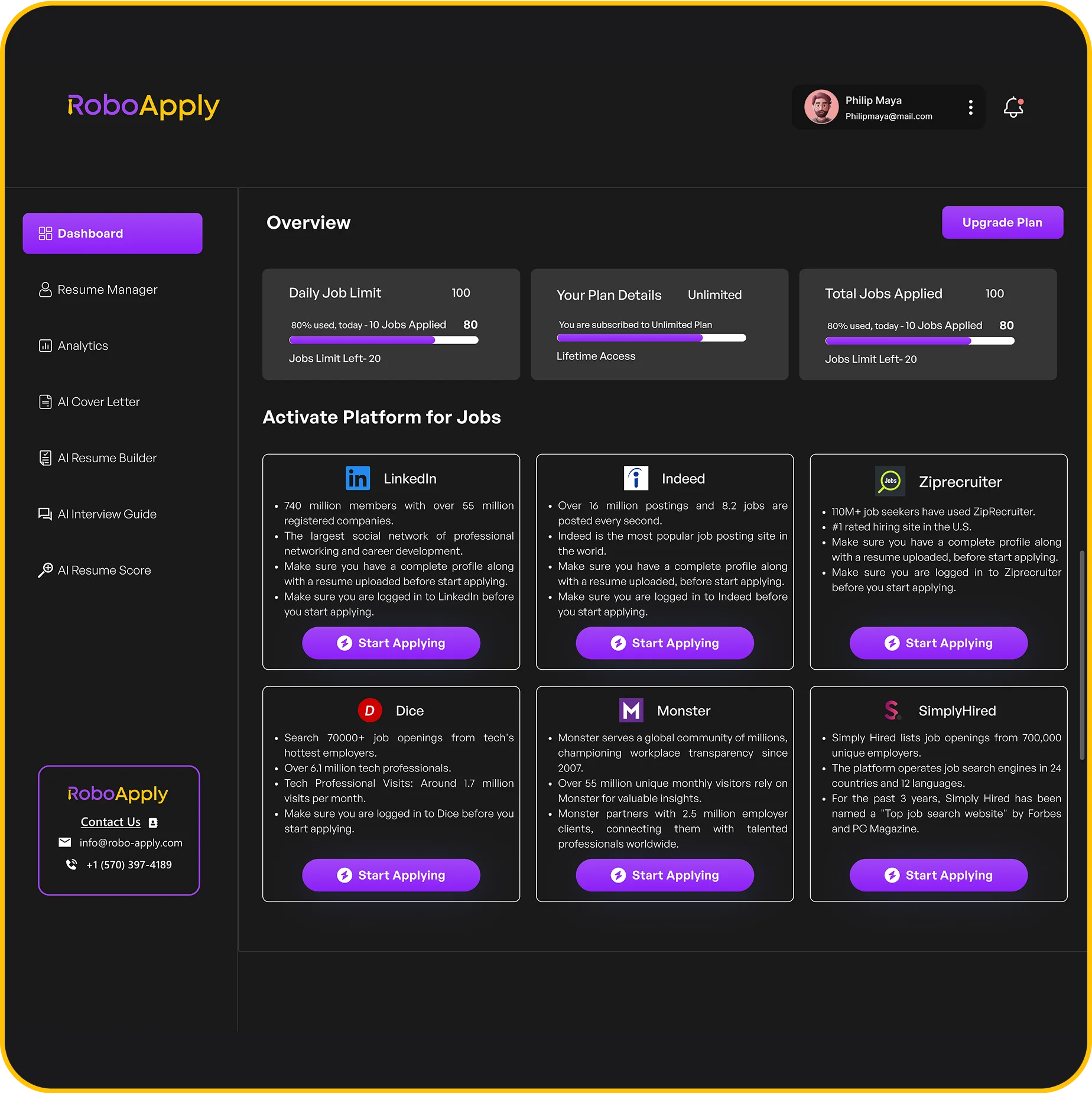
RoboApply automates healthcare applications while maintaining the personalization hiring managers demand. The platform understands medical terminology. It recognizes healthcare credentials. It optimizes for medical ATS systems.
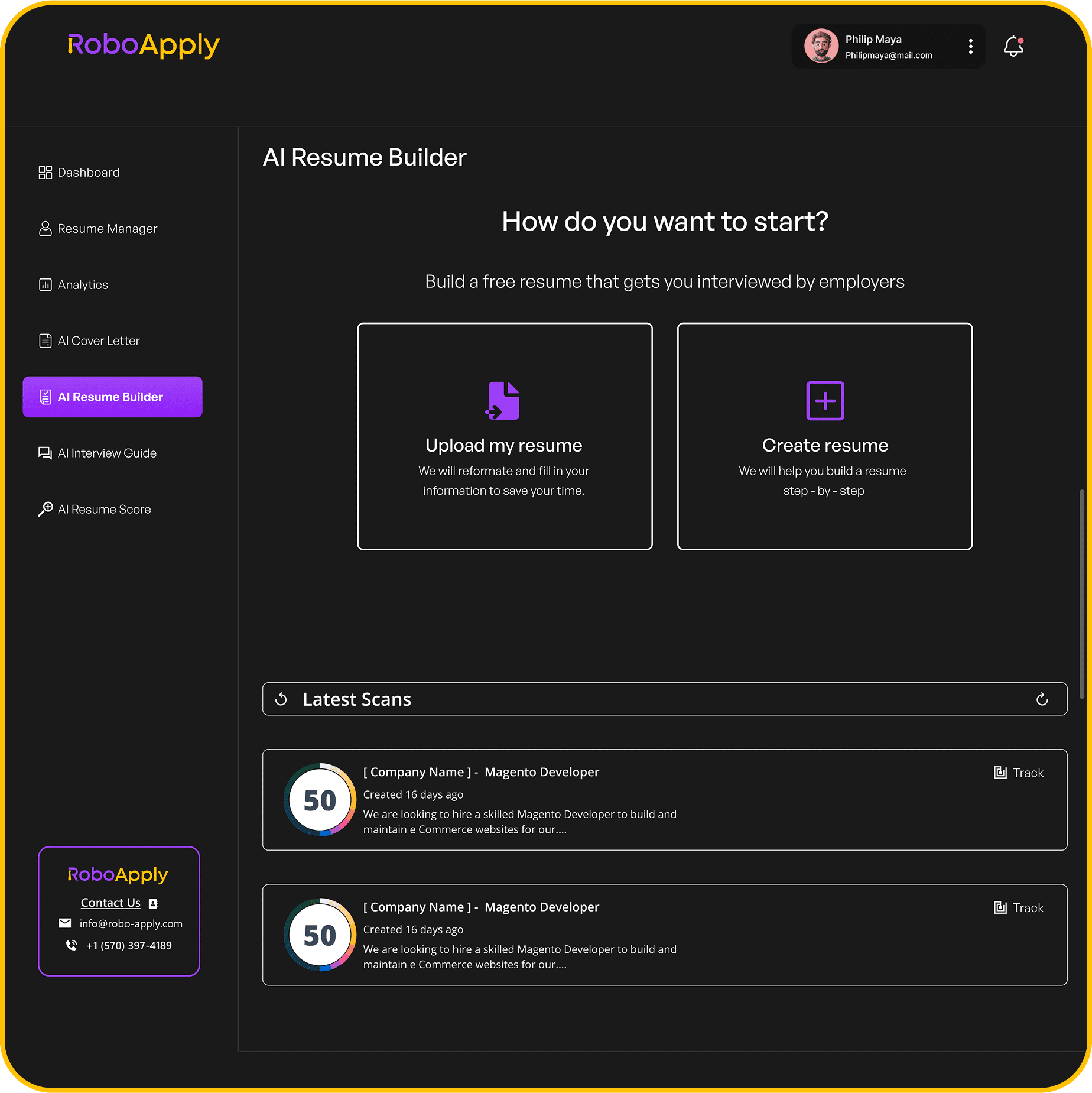
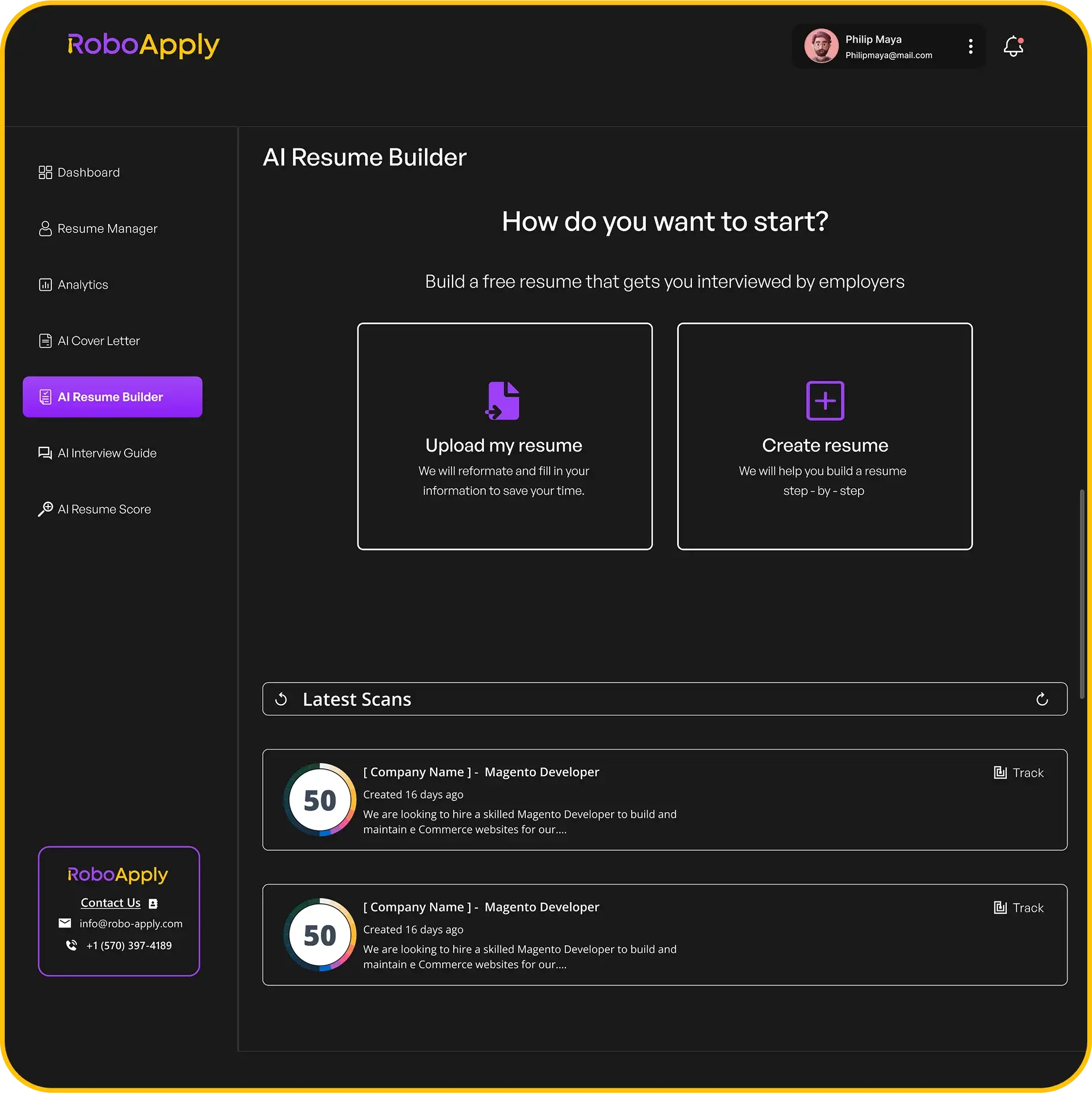
The AI Resume Builder creates healthcare-specific resumes automatically. It positions your clinical experience properly. It highlights relevant certifications for each role. It emphasizes the right patient populations for each setting.
Every resume gets tailored to specific healthcare environments. Hospital applications emphasize acute care abilities. Clinic applications highlight patient education. Long-term care applications focus on compassion and relationship building.
The AI Tailored Apply feature customizes applications for individual positions. It reads job descriptions. It identifies required credentials. It emphasizes your matching qualifications. Your license gets highlighted for positions requiring it. Your Epic experience gets featured when employers use Epic.
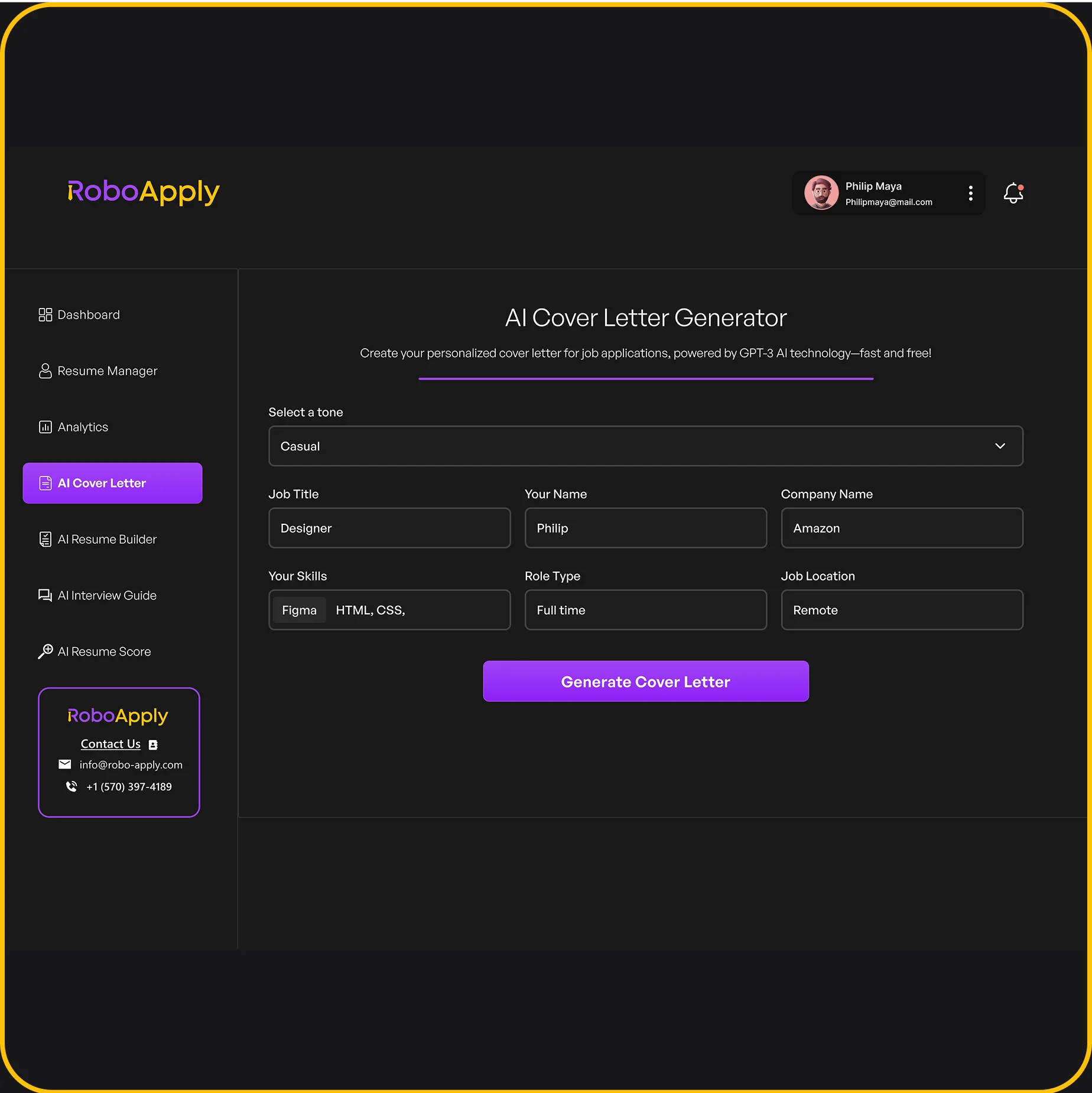
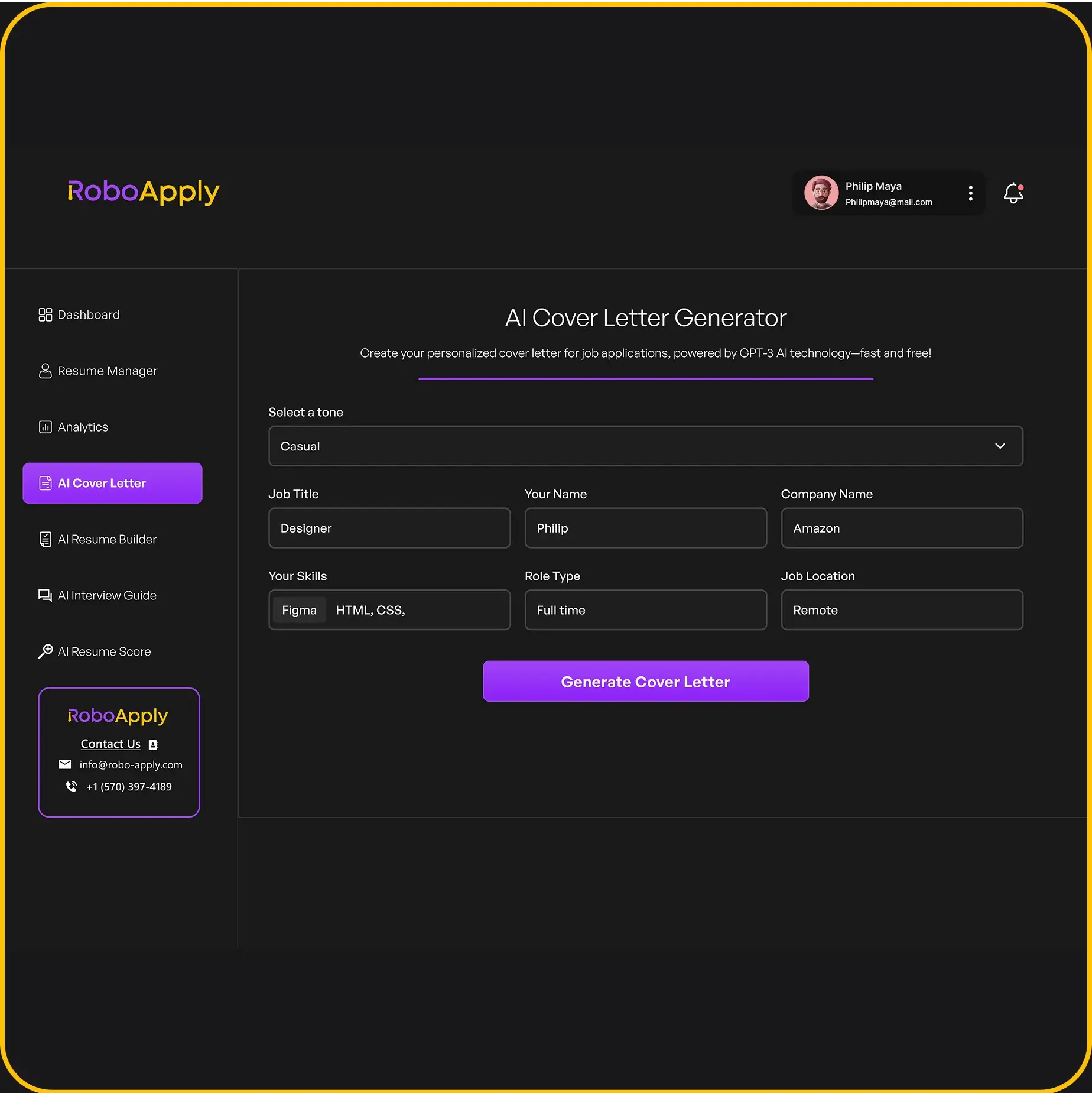
Cover letters receive the same intelligent customization through the AI Cover Letter generator. Each letter references the specific department. It mentions the patient population. It connects your experience to their stated needs.
AI Auto Apply submits healthcare applications continuously. It finds matching positions across Indeed, LinkedIn, and healthcare-specific job boards. It customizes materials for each application. It submits everything automatically.
The system handles credential verification documentation. It attaches license copies. It includes certification cards. It organizes everything hiring managers need for quick review.
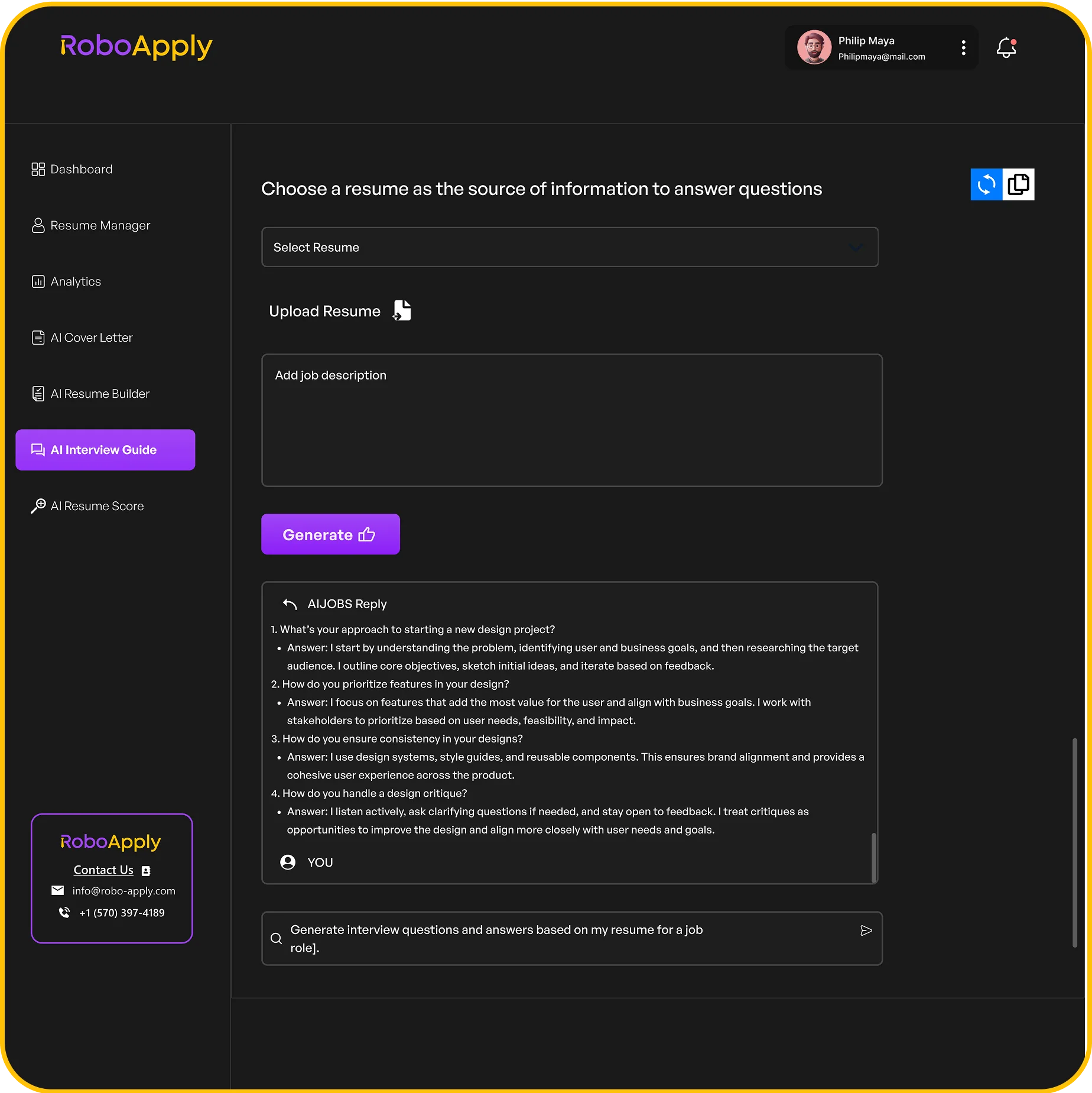
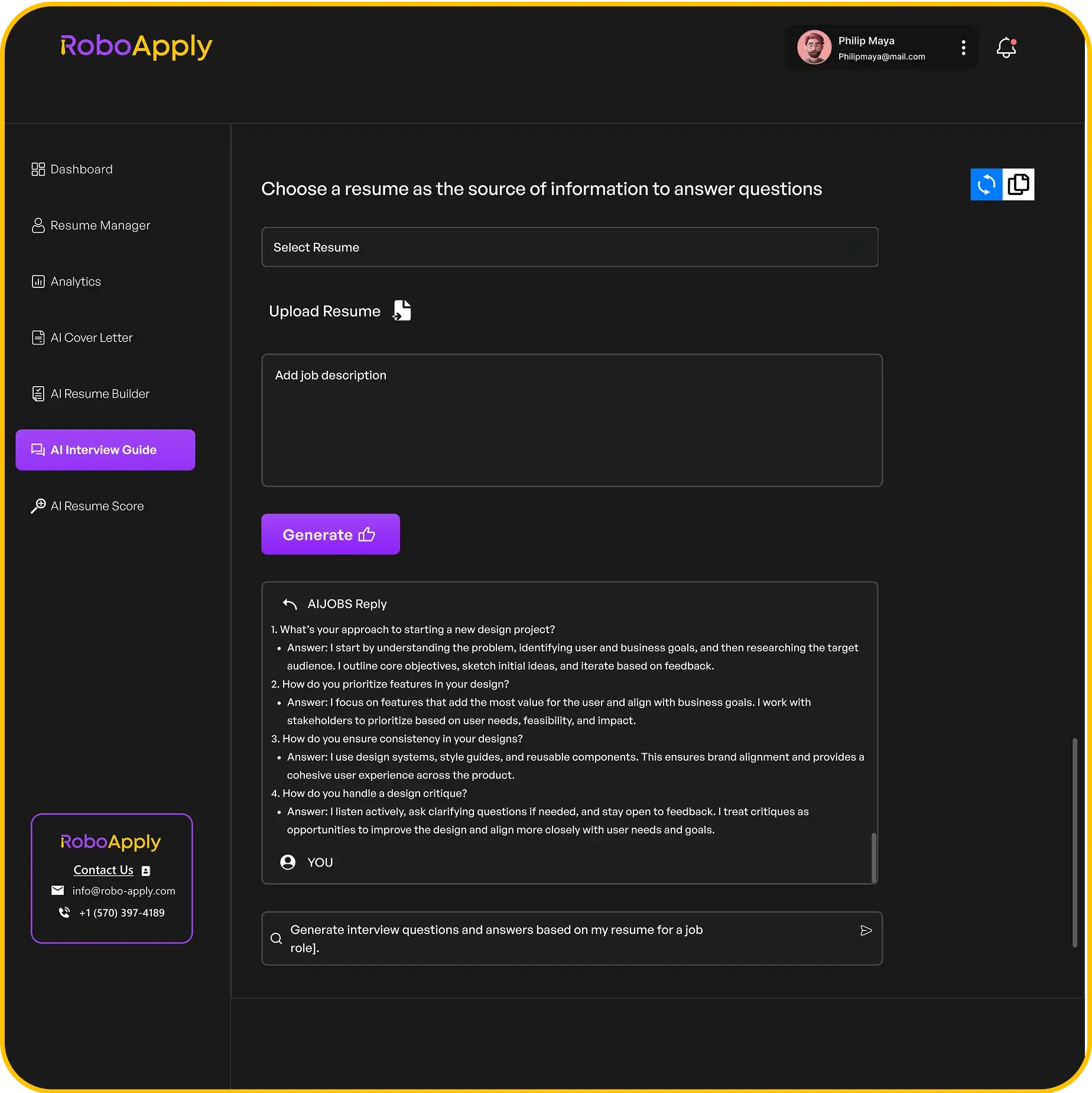
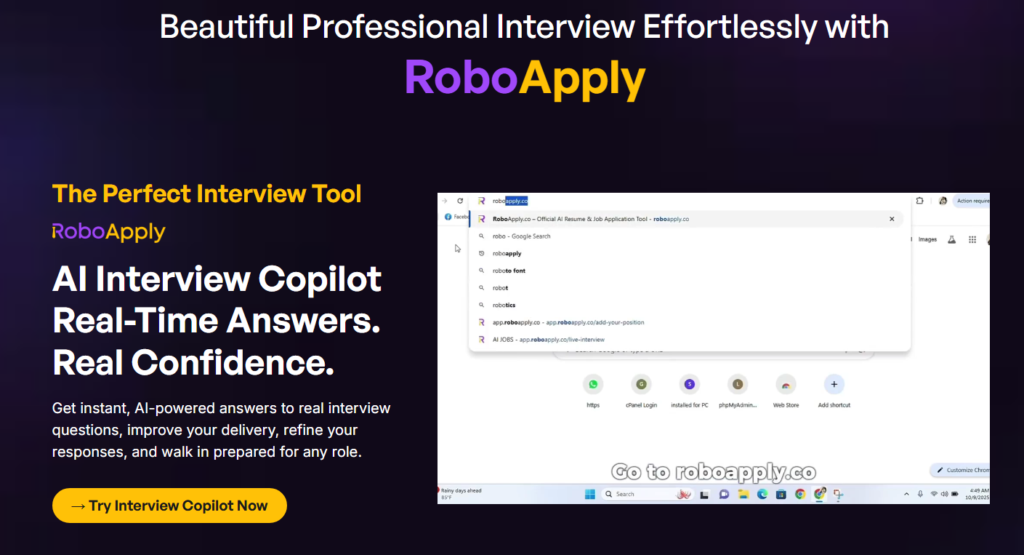
Interview preparation comes integrated through the AI Interview Copilot. You practice answering clinical scenario questions. You prepare for behavioral healthcare interviews. You refine your patient care philosophy explanations.
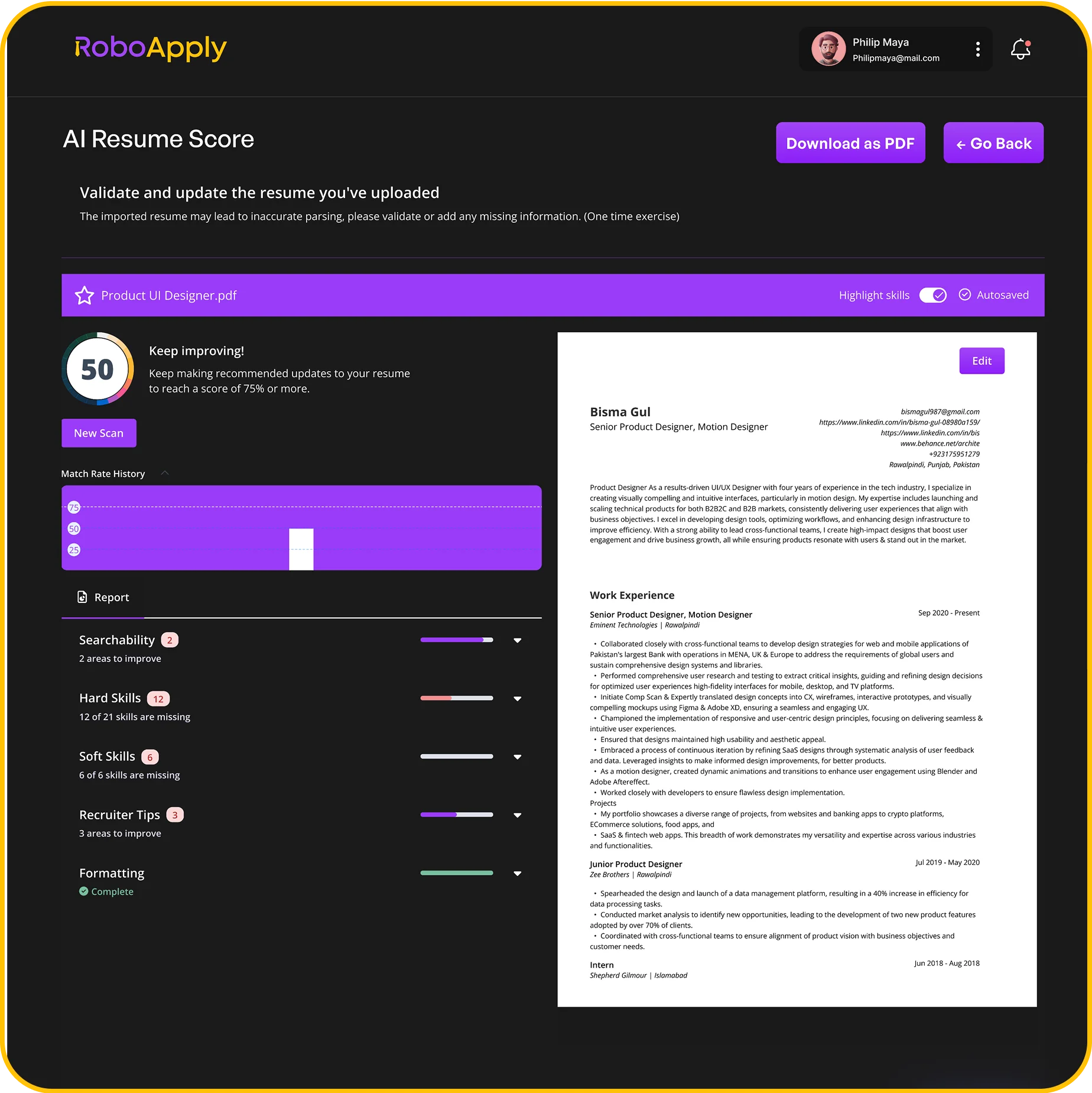
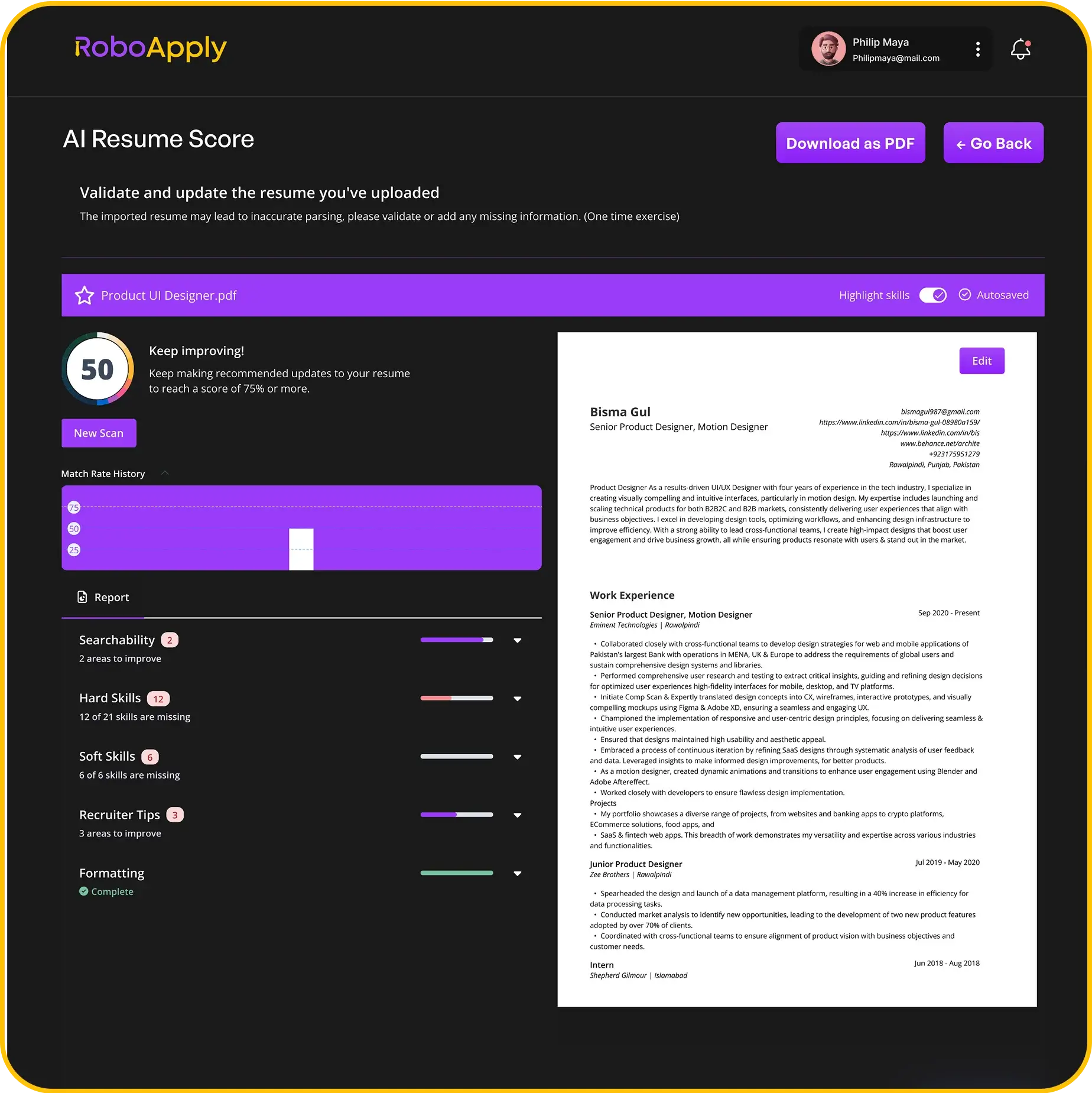
The Resume Score feature analyzes your healthcare resume specifically. It checks for proper credential formatting. It verifies medical terminology optimization. It ensures ATS compatibility for healthcare systems.
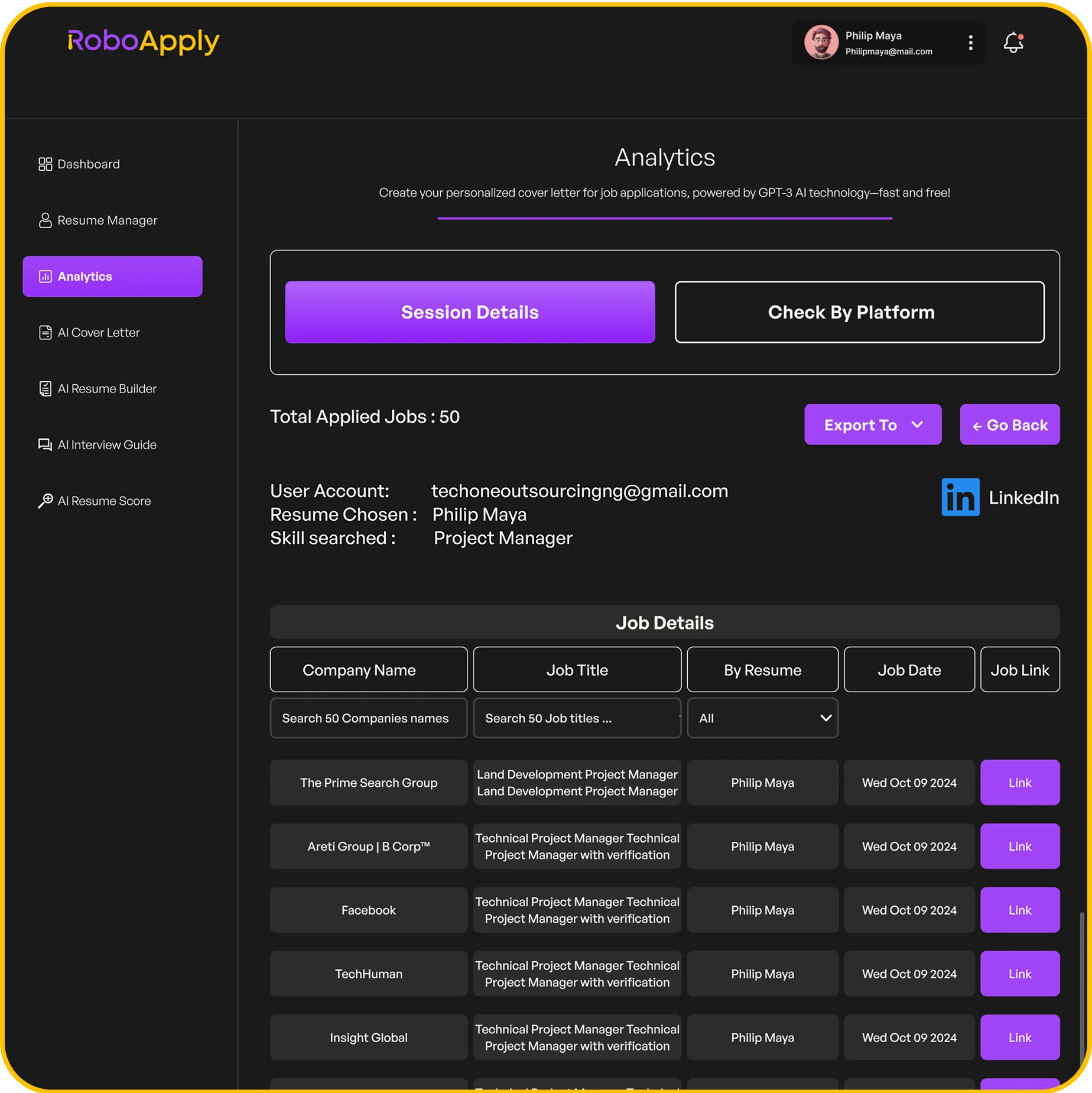
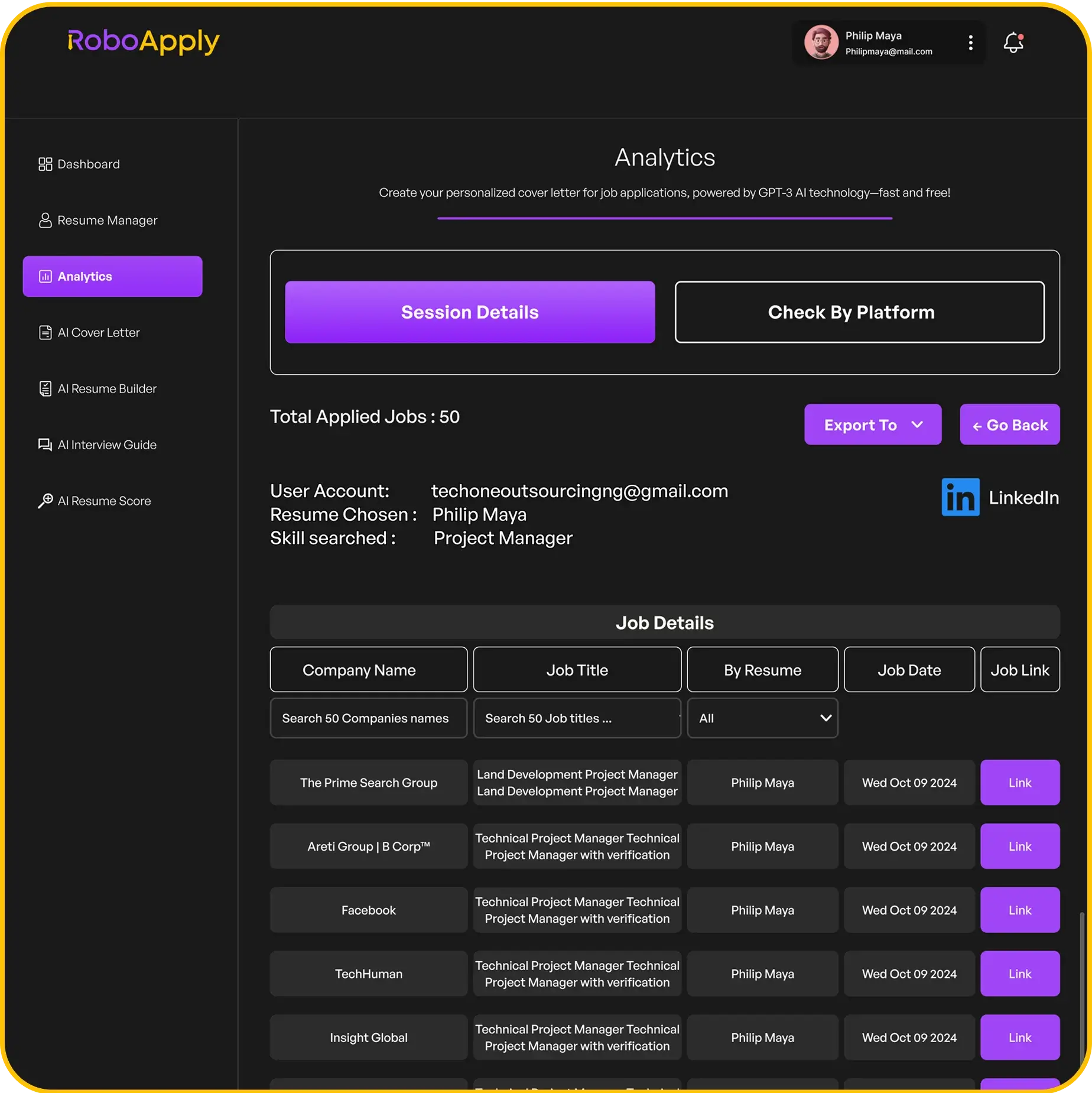
Tracking stays simple through centralized Analytics. You see which healthcare facilities respond most. Application success rates by specialty appear clearly. Response times help you follow up appropriately.
Start with the free plan to test everything. Three free healthcare resumes and applications let you experience the full system. The 90-day money-back guarantee removes all risk.
Taking Action on Healthcare Career Applications
Your healthcare career starts with proper application materials. Credentials positioned correctly. Clinical experience quantified effectively. Patient care abilities demonstrated clearly.
Apply strategically to positions matching your qualifications. Don’t waste time on roles requiring credentials you lack. Focus energy where you meet stated requirements completely.
Follow up on applications within one week. Healthcare hiring moves quickly. Positions fill fast. Prompt follow-up demonstrates your genuine interest and professionalism.
Your next healthcare opportunity is closer than you think.
Frequently Asked Questions
What credentials do I need when applying to healthcare careers?
Requirements vary by role. Nurses need active state licensure. Medical assistants require certification from AAMA or NHA. Check specific job postings for exact requirements.
How long does the healthcare hiring process typically take?
Most healthcare facilities complete hiring within two to four weeks. Urgent positions may hire within days. Credential verification extends timelines slightly.
Should I apply to healthcare jobs in different specialties simultaneously?
Yes, if you hold appropriate credentials for each. Tailor applications to emphasize relevant experience for each specialty. Avoid applying to roles requiring certifications you lack.
Do healthcare employers verify all licenses and certifications listed?
Absolutely. Healthcare organizations verify every credential thoroughly through state databases and certification bodies. Never list credentials you don’t actually hold.
Can I apply to healthcare positions in states where I’m not licensed?
Many states offer compact licensure for nurses. Other healthcare roles may require state-specific licenses. Research requirements before applying. Some employers sponsor licensure transfer.