Job interview preparation separates candidates who get offers from those who don’t. You can have the perfect resume. Your application might look flawless. But bombing the interview costs you everything you’ve worked toward.
Most job seekers wing their interviews. They show up hoping natural conversation carries them through. That approach fails consistently. Interviews require specific preparation strategies. You need to practice actual responses. Research must go deeper than skimming the company website.
This guide covers everything you need to prepare effectively. You’ll learn what actually matters in interview prep. We’ll show you proven strategies that work.
Understanding What Interviewers Actually Evaluate
Interviewers assess more than your qualifications. They’re judging cultural fit. Communication skills matter enormously. Your ability to think under pressure shows through every answer.
Research from SHRM reveals that 82% of hiring managers prioritize soft skills over technical abilities. You might have perfect credentials. But poor communication kills your chances instantly.
Interviewers watch how you structure answers. They notice whether you ramble or stay focused. Body language reveals confidence levels. Even small details like maintaining eye contact influence decisions.
Your preparation needs to address all these dimensions. Technical knowledge alone won’t carry you through. You must practice articulating your experience clearly. Confidence comes from thorough preparation.

Essential Research Before Any Interview
Research separates prepared candidates from those winging it. Start with the company’s recent news. Check their latest press releases. Read recent articles about their business. Understanding current priorities matters more than knowing their founding story.
Study the specific role deeply. Review the job description multiple times. Identify key responsibilities they emphasize. Note which skills appear repeatedly. Your preparation should focus on these priority areas.
Research your interviewers when possible. LinkedIn profiles reveal their backgrounds. You can find common ground or relevant talking points. Understanding their role helps you frame answers appropriately.
Industry trends provide valuable context. Harvard Business Review research shows that candidates demonstrating industry knowledge receive 40% higher ratings. You’re not just applying for a job. You’re joining their industry conversations.
Competitor analysis adds depth to your preparation. Know who competes in their space. Understand market positioning. This knowledge demonstrates strategic thinking during interviews.
Preparing Answers to Common Interview Questions
Certain questions appear in almost every interview. Preparing strong answers ahead prevents rambling when nervous. You need structured responses ready to deploy.
“Tell me about yourself” opens most interviews. Your answer should take 90 seconds maximum. Cover your current role. Highlight relevant experience. Explain why you’re interested in this position. Practice this until it flows naturally.
“Why do you want this job” requires honest, specific answers. Generic responses about “great company culture” fall flat. Reference specific aspects of the role. Connect their needs to your goals.
“What’s your greatest weakness” trips up many candidates. Avoid fake weaknesses like “I’m too much of a perfectionist.” Choose real areas you’re improving. Explain concrete steps you’re taking. This demonstrates self-awareness.
Behavioral questions starting with “Tell me about a time when” require prepared stories. Use the STAR method: Situation, Task, Action, Result. Prepare five to seven stories covering different competencies. TopResume data indicates that structured STAR responses improve interview scores by 35%.
Practicing Your Interview Performance
Reading about interviews doesn’t prepare you. You must practice out loud. Verbal practice reveals awkward phrasing. It helps you refine timing. Confidence builds through repetition.
Record yourself answering common questions. Watch the playback critically. You’ll notice filler words you didn’t realize you used. Body language issues become obvious. This self-assessment drives real improvement.
Practice with someone who’ll give honest feedback. Friends and family often provide gentle criticism. You need brutal honesty about rambling answers. Seek feedback from people with hiring experience when possible.
Mock interviews simulate real pressure. Dress professionally even for practice sessions. Take them seriously. The more realistic your practice, the better your actual performance.
Prepare questions you’ll ask interviewers. Forbes research from 2023 shows that candidates asking thoughtful questions receive 25% higher ratings. Your questions reveal how deeply you’ve thought about the role.
Don’t ask about salary or benefits in first interviews. Focus on role specifics, team dynamics, and success metrics. Save compensation discussions for later stages.
Day-of Interview Logistics
Preparation extends beyond answer prep. Logistics matter enormously. Technical difficulties or tardiness create terrible first impressions. Plan every detail ahead.
For virtual interviews, test your technology thoroughly. Check camera angles the day before. Ensure lighting shows your face clearly. Test audio quality. Join the call five minutes early.
For in-person interviews, plan your route with buffer time. Arriving 10 minutes early shows respect. Arriving 30 minutes early creates awkwardness. Aim for that sweet spot.
Prepare your outfit the night before. Professional dress varies by industry. Research company culture when possible. Err on the side of slightly overdressed.
Bring multiple resume copies. Have a notepad and pen. Carry mints for beforehand. These small details demonstrate professionalism.
Managing Interview Anxiety Effectively
Nervousness affects everyone. Some anxiety actually helps performance. Too much anxiety derails your answers. You need strategies to manage stress.
Physical preparation reduces anxiety. Get adequate sleep the night before. Eat a proper breakfast. Avoid excessive caffeine. Your physical state affects mental performance.
Breathing exercises calm nerves immediately. Before entering, take five slow deep breaths. This activates your parasympathetic nervous system. Physiological calmness translates to mental clarity.
Reframe anxiety as excitement. Research shows this mental shift improves performance. Tell yourself “I’m excited” instead of “I’m nervous.”
Remember that interviewers want you to succeed. They’re not trying to trip you up. They need to fill this position. Your success makes their job easier.
Post-Interview Follow-Up Strategy
Interview preparation doesn’t end when you walk out. Follow-up influences final decisions. Most candidates skip this step. That gives you competitive advantage.
Send thank-you emails within 24 hours. Reference specific conversation points. Reiterate your interest in the role. Keep it brief and professional. LinkedIn research indicates that thank-you notes improve hiring likelihood by 22%.
Address any concerns that arose during the interview. If you stumbled on a question, provide a better answer in your follow-up. This shows reflection.
Connect with interviewers on LinkedIn after a few days. Add a personalized note referencing your conversation. This keeps you visible during decision-making.
How RoboApply’s AI Interview Copilot Transforms Preparation
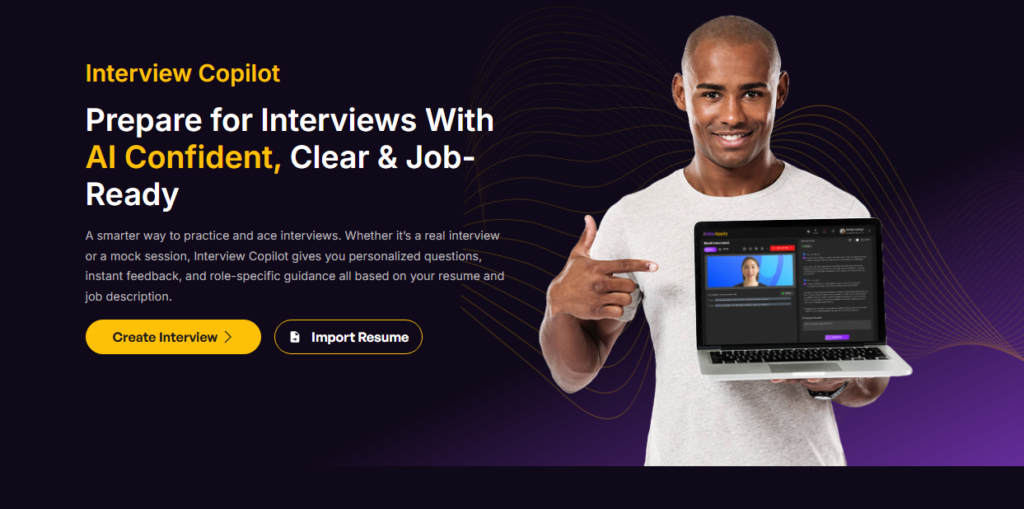
After understanding what effective preparation requires, finding the right tools becomes critical. RoboApply’s AI Interview Copilot addresses every challenge we’ve discussed.
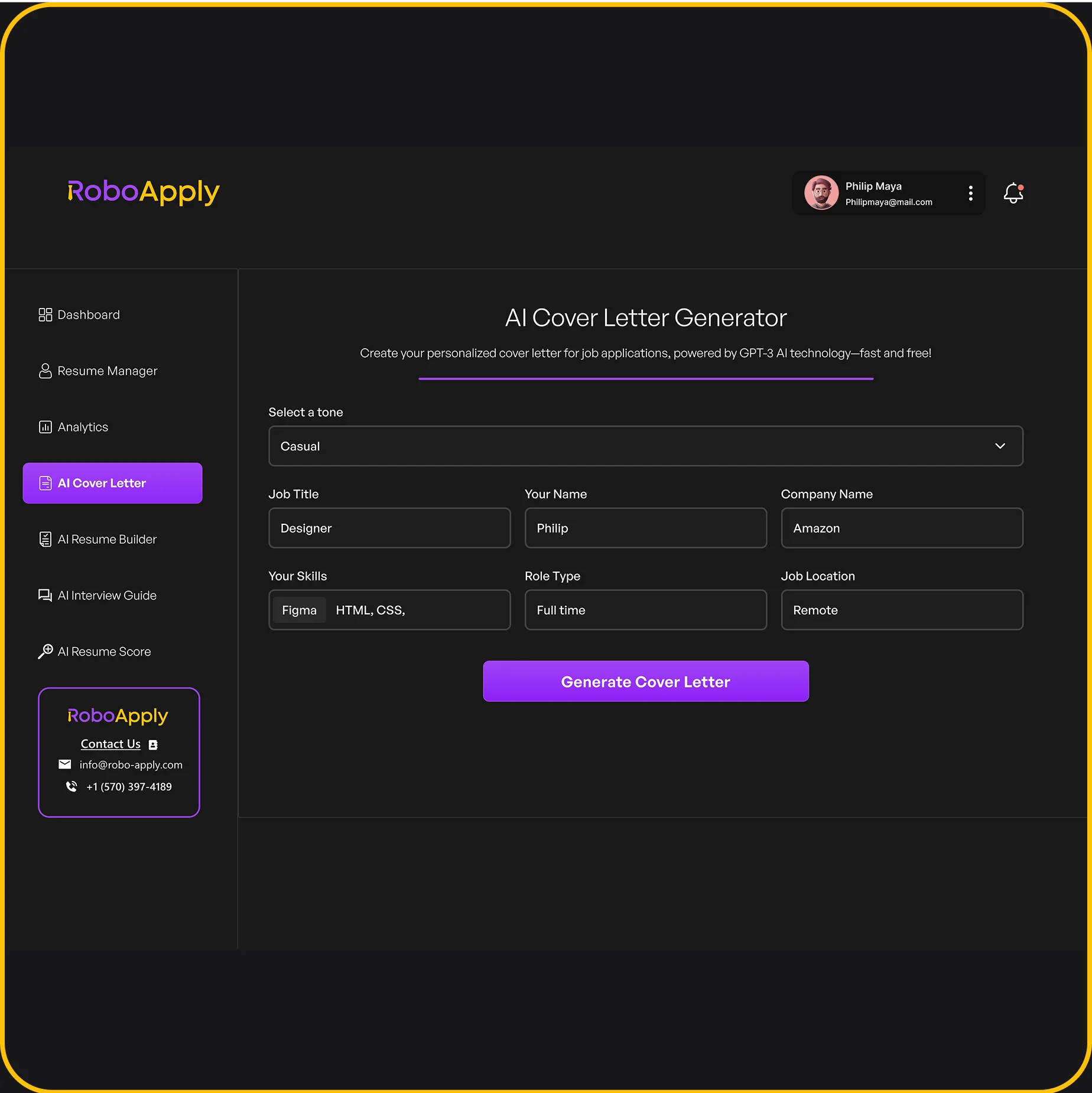
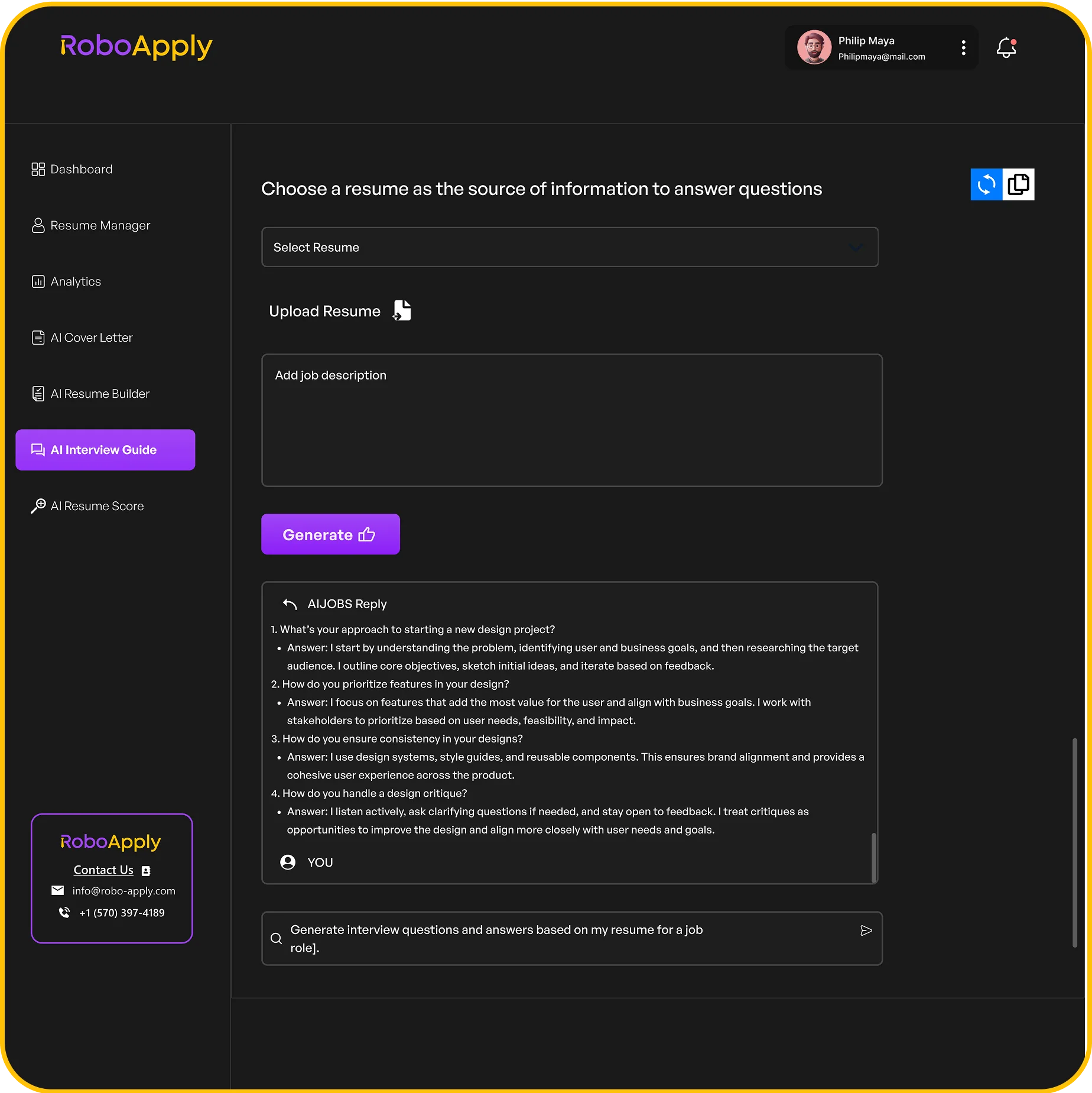
The platform generates role-specific interview questions automatically. Based on positions you’ve applied to, it creates realistic practice scenarios. You’re not preparing for generic interviews. You’re practicing for your actual upcoming conversations.
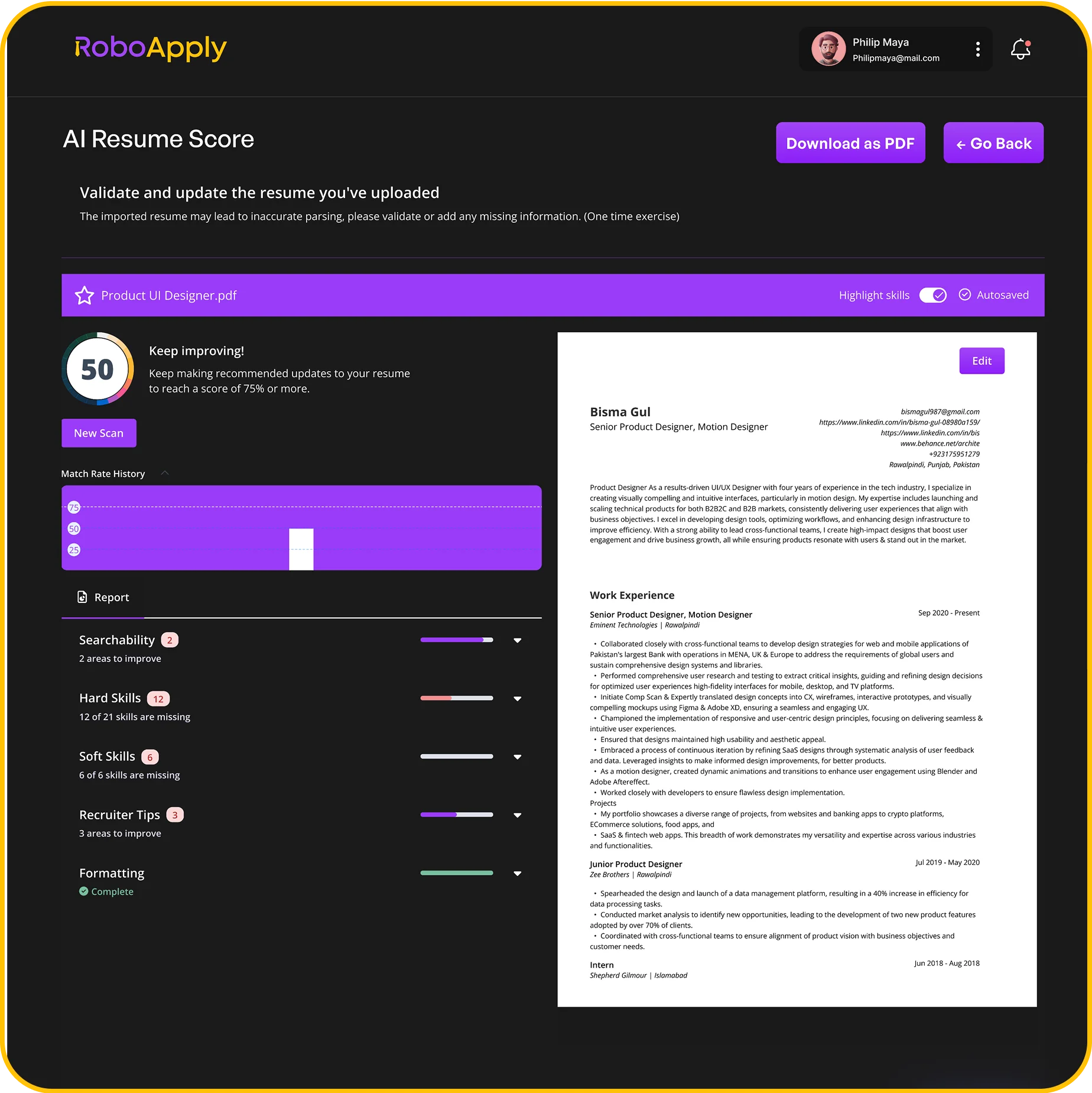
Real-time feedback improves your responses immediately. The AI analyzes your answers as you practice. It identifies rambling, weak examples, and missed opportunities. You see exactly what needs improvement before the actual interview.
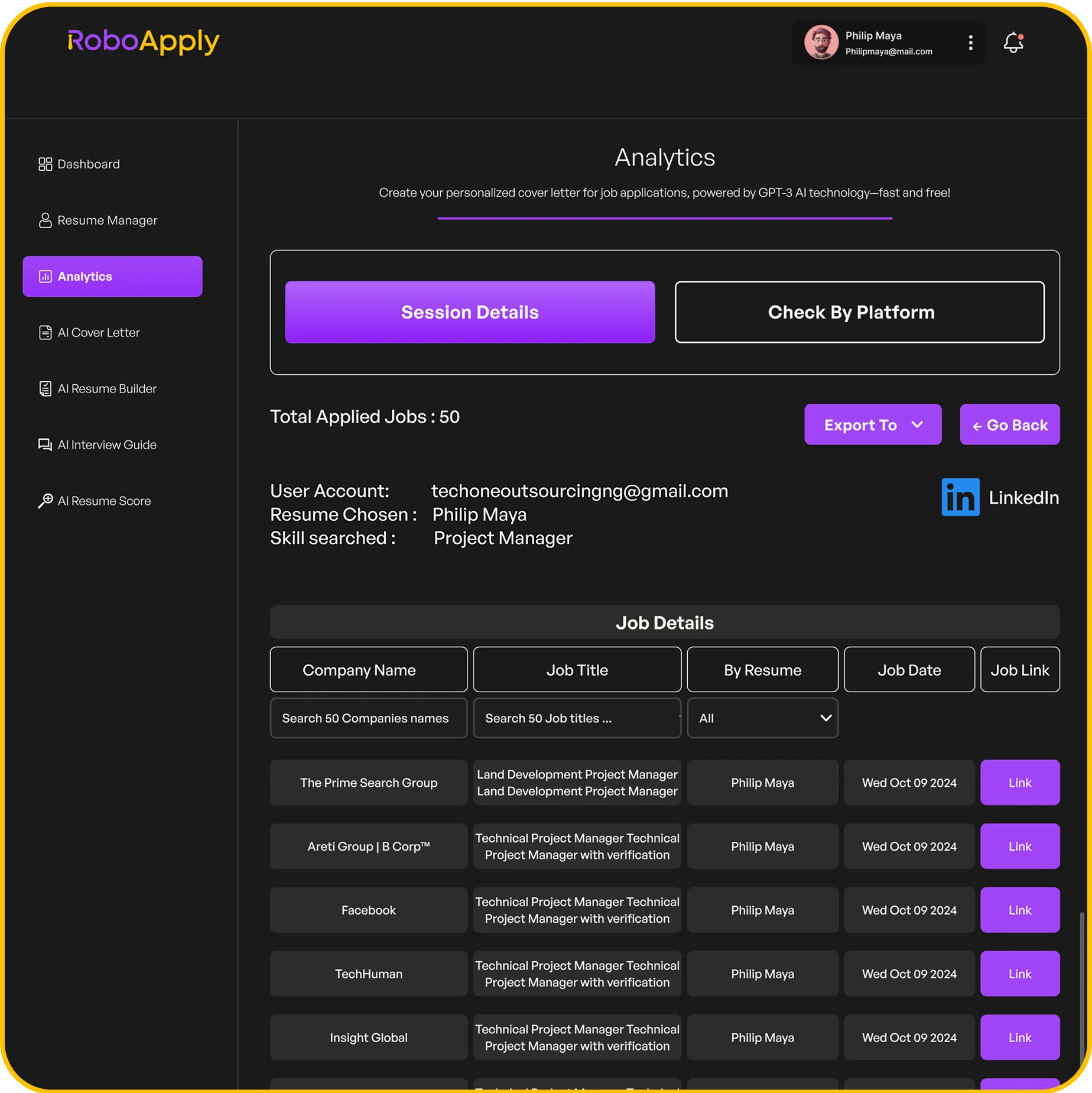
The system tracks your progress across practice sessions. You can see which question types you’re mastering. Areas needing more work become obvious. This data-driven approach optimizes your preparation time.
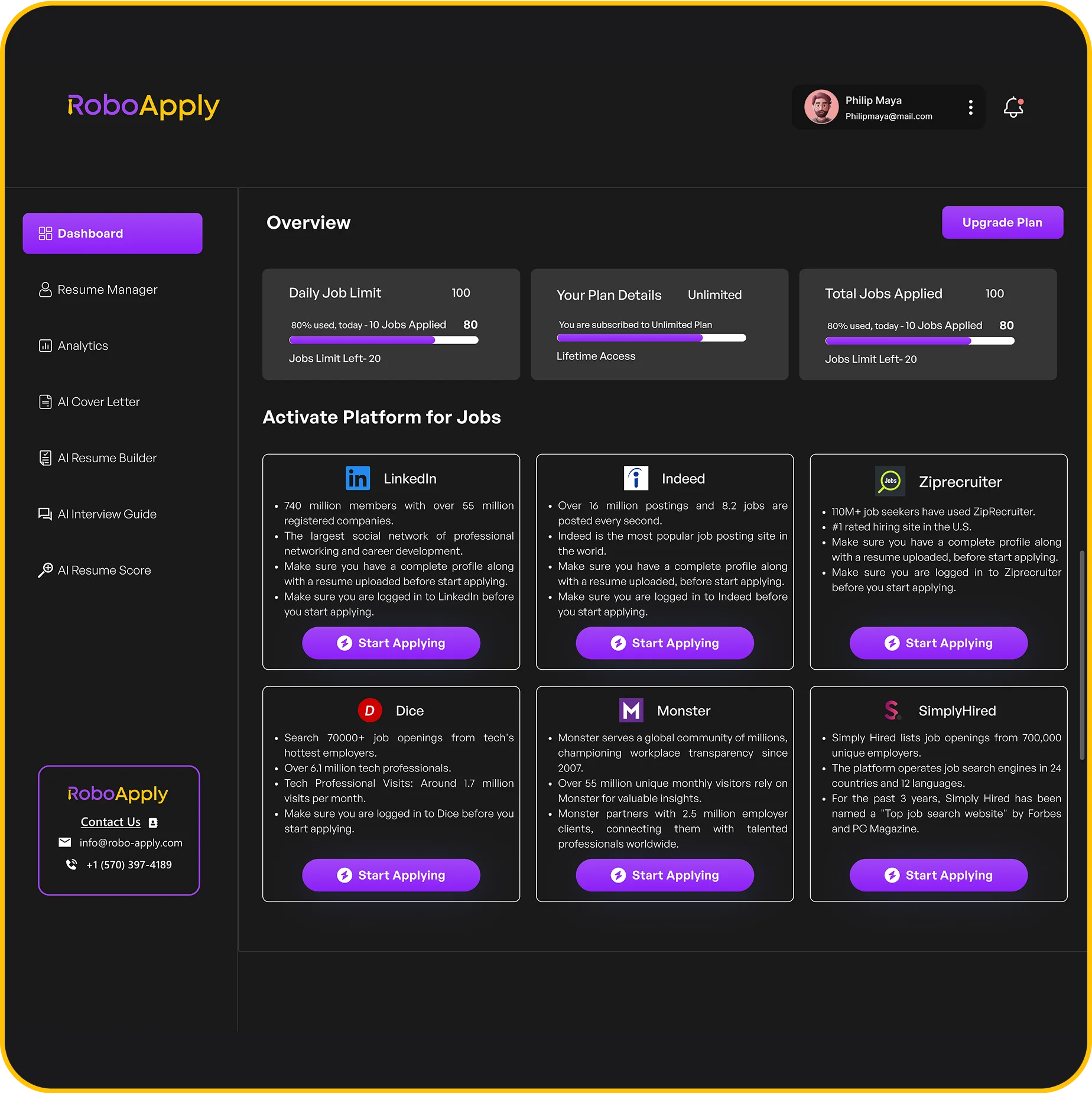
Integration with your application history creates seamless preparation. The AI Auto Apply system submits applications automatically. Then the Interview Copilot prepares you for those specific roles. Everything connects throughout your job search.
The platform references your actual resume and cover letters. Practice questions relate to experiences you’ve highlighted. This ensures consistency between your application materials and interview answers. Interviewers notice when candidates contradict their resumes.
Company research gets automated too. The system pulls relevant information about each employer. You receive briefings on recent news, competitive positioning, and industry trends. This research happens automatically for every interview scheduled.
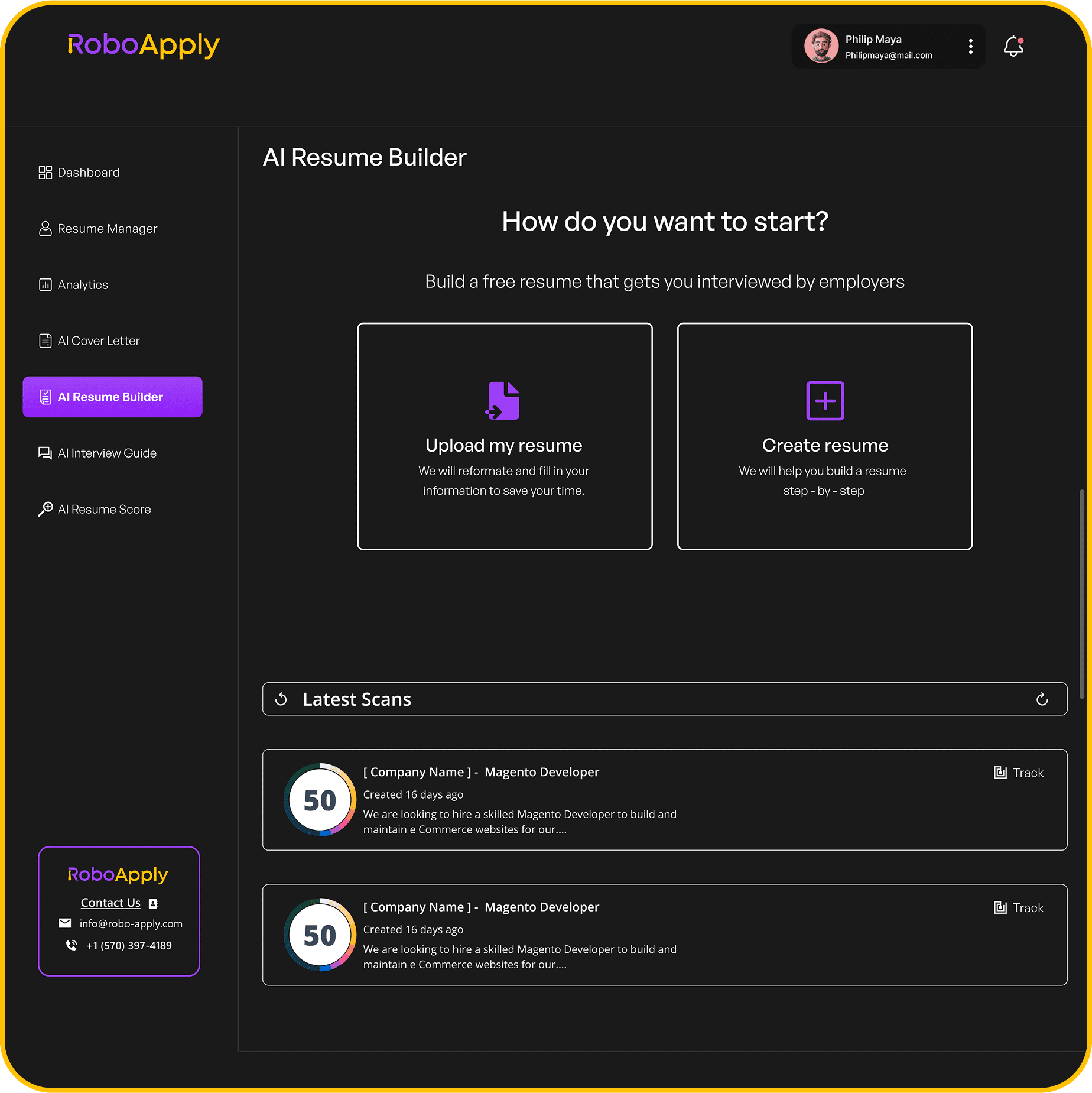
The AI Resume Builder and AI Cover Letter tools ensure your materials support interview success. Everything you’ve claimed in applications becomes practice material.
Analytics show which practice areas correlate with interview success. The platform learns from your outcomes. Preparation strategies adapt based on what actually works for you.
Mock interviews simulate real pressure without human schedulers. Practice whenever you want. Run through questions at midnight if that’s when you’re free. Unlimited practice costs nothing beyond your subscription.
The confidence boost from thorough preparation shows during actual interviews. You’ve answered these questions dozens of times. Nothing surprises you. That calm confidence influences every interaction.
Pricing makes sense for active job seekers. Start with the free plan to test everything. Three free interview practice sessions demonstrate full functionality. The 90-day money-back guarantee eliminates financial risk.
Maximizing Your Interview Success Rate
Preparation quality matters more than quantity. Focused practice on likely questions beats hours of random prep. Use your time strategically.
Prioritize behavioral questions for your industry. Different fields emphasize different competencies. Technical roles focus on problem-solving. Sales positions emphasize relationship-building.
Update your preparation as you gain interview experience. Note questions that surprised you. Add them to your practice rotation. Your preparation should evolve with each interview.
Balance confidence with humility during actual interviews. Confidence shows competence. Arrogance repels interviewers. This balance requires careful calibration through practice.
Your next job offer starts with proper interview preparation. The right approach makes all the difference. Stop winging interviews. Start preparing systematically.
Frequently Asked Questions
How long should I spend on job interview preparation?
Serious candidates spend 10-15 hours preparing per interview. This includes research, answer preparation, practice sessions, and mock interviews for optimal performance.
What are the most important interview questions to prepare?
Focus on “Tell me about yourself,” behavioral STAR questions, role-specific technical questions, and thoughtful questions you’ll ask interviewers about the position.
Should I memorize answers to interview questions?
No, memorization sounds robotic. Prepare key points and practice naturally expressing them. Flexibility allows you to adapt answers to conversation flow.
How can I reduce interview anxiety effectively?
Practice extensively, prepare thoroughly, use breathing exercises, reframe anxiety as excitement, and remember interviewers want you to succeed.
When should I start preparing for an interview?
Begin immediately after scheduling the interview. Minimum one week of preparation is ideal. More time allows deeper preparation and multiple practice sessions.