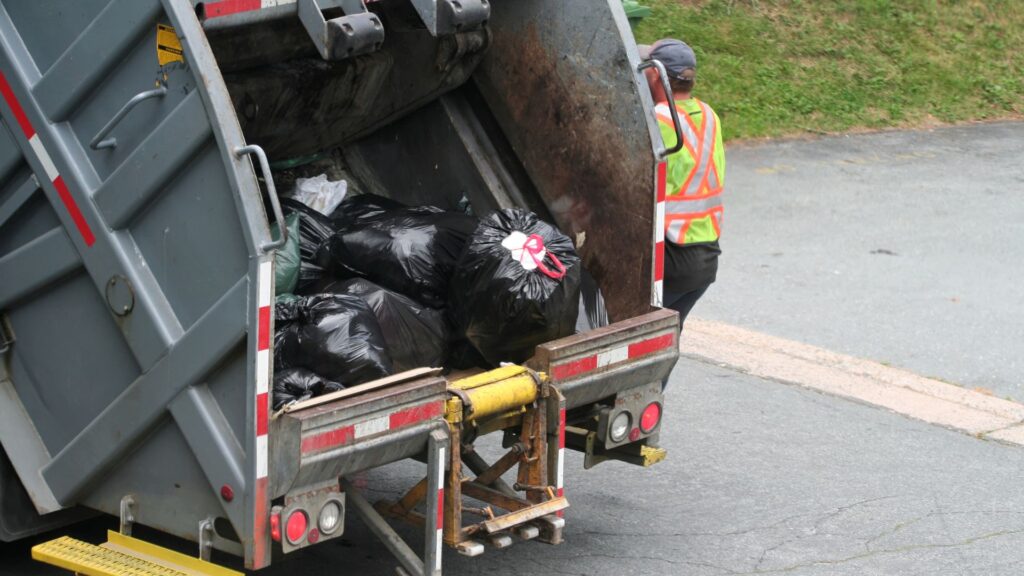
Garbage Companies Hiring don’t usually top anyone’s dream job list. Most people see a trash truck roll by and never think twice about who’s inside. Big mistake. Those drivers pull in $40,000 to $60,000 yearly with full benefits. No college debt. No previous experience needed for tons of roles.
The waste management world is hurting for workers right now. Companies are scrambling to fill open spots. This shortage works in your favor. Better starting pay. Signing bonuses popping up everywhere. Employers willing to train complete beginners from day one.
Here’s what nobody tells you about these jobs. They’re stable as hell. Economic downturns don’t stop trash from piling up. People still need their garbage collected during recessions. Cities keep these services running no matter what’s happening with stocks or housing markets.
Why These Jobs Beat What You’d Think
Waste management offers something pretty rare these days: real job security. Trash collection doesn’t slow down when times get tough. Your neighborhood needs pickup every week whether the economy’s booming or tanking.
Pay has jumped way up over the last five years. Entry spots now start between $15 and $25 per hour depending where you live. Do the math. That’s $31,000 to $52,000 before any overtime. Most workers clear $60,000 once extra hours get factored in.
Benefits packages often beat retail or restaurant work by miles. Health insurance kicks in after 30 to 90 days typically. Dental and vision usually come with it. Retirement plans with company matching are standard across the industry. Some union shops still have pension plans that guarantee income after you retire.
The work gives you something desk jobs can’t. You see actual results every single day. Finish your route and the whole neighborhood looks cleaner. No pointless meetings that go nowhere. No projects that might never matter. Just solid work with outcomes you can see.
Different Jobs Available in This Field
Way more positions exist than just driving trucks around. Dozens of roles span different skill levels and what you’re interested in doing. Knowing your options helps you go after jobs that actually fit what you want.
Driving and Collection Work
Residential drivers handle routes through neighborhoods each week. You need a commercial license and clean driving record. Companies pay $18 to $25 hourly to start. Routes run Monday through Friday usually. Weekends off.
Commercial drivers service business accounts and industrial sites. Bigger containers mean heavier lifting. More frequent stops throughout the day. Pay starts a bit higher at $20 to $28 per hour. Hours can be irregular since businesses need different pickup times than homes.
Helpers ride with drivers and grab what the truck can’t reach easily. No commercial license required here. You’re looking at $14 to $18 starting. The work’s physical but it’s a solid entry point. Lots of helpers become drivers after getting their CDL.
Working at Facilities
Transfer stations need operators managing where trucks dump loads. You direct traffic, run equipment, keep everything moving safely. Pay ranges from $16 to $22 hourly based on experience.
Maintenance techs keep trucks and equipment running properly. These spots need mechanical skills and heavy equipment knowledge. Starting pay hits $22 per hour. Climbs fast with specialized certifications. The Bureau of Labor Statistics notes skilled technicians earn median wages around $48,000 annually.
Landfill operators run heavy machinery at disposal sites. Equipment experience is required. Pay starts at $19 hourly. Move into supervisor roles and you’re looking at $60,000 or more yearly.
Support Roles Nobody Thinks About
Recycling coordinators manage sorting and processing programs. Environmental knowledge helps but isn’t always necessary. Pay varies widely depending on location and what you’re handling.
Safety managers make sure everyone follows OSHA rules and environmental regulations. Previous safety work helps but training often comes with the position. Salaries typically start around $50,000 per year.
Dispatchers coordinate routes and solve problems as they come up. Communication skills matter more than industry knowledge. Pay runs $15 to $19 hourly depending on company size.
Finding Companies That Are Actually Hiring
Tracking down Garbage Companies Hiring takes more work than scrolling one job board. Multiple resources exist that most folks never check. Using several methods at once boosts your odds dramatically.
Big national companies post openings on their career pages directly. Waste Management, Republic Services, Waste Connections all keep active job boards. Check weekly since good spots fill fast. Set up email alerts when available.
City and county governments hire sanitation workers too. Municipal jobs come with excellent benefits and serious security. The application process drags longer but stability makes it worthwhile. Government employment sites list federal positions while state and local pages handle regional openings.
Smaller private haulers constantly need workers but lack recruiting budgets. Drive around your area. Write down company names on trucks you see. Search their websites or call directly. These smaller operations often hire faster than big corporations do.
Staffing agencies place workers in waste management fairly often. PeopleReady or Labor Ready connect people with immediate openings. Temp spots can become permanent when you show up and work hard. The National Waste & Recycling Association says almost 40% of workers find jobs through temporary placements initially.
Job boards pull listings from everywhere. Indeed, ZipRecruiter, Glassdoor all show waste management positions. Set alerts for “waste management,” “sanitation worker,” “refuse collector,” “garbage truck driver.” New postings hit your email automatically.
What You Need to Actually Get Hired
Requirements change pretty dramatically based on which job you want. Some positions need almost nothing. Others require specific certifications and training. Knowing what employers expect helps you prepare and avoid applying for jobs you can’t get yet.
Most entry spots need a high school diploma or GED at minimum. Some companies take work experience instead. You’ve got to be 18 or older for most roles due to equipment and driving.
Valid driver’s license is basically universal even for non-driving work. You might need to move trucks in the yard or cover someone’s route. Keep your record clean. Multiple violations or DUI kills your chances immediately.
Physical fitness matters way more than people expect. You’re lifting containers constantly, climbing on and off trucks, working outside in whatever weather hits. Some companies require physical tests before hiring. Lifting 50 to 75 pounds repeatedly throughout shifts is standard stuff.
Background checks happen everywhere. Companies run criminal history on everyone applying. Serious offenses can knock you out depending on timing and type. Minor issues from years back typically won’t hurt much. Drug testing happens at hire and randomly during employment.
Getting Your Commercial License
Driver spots need commercial licenses. Specific class depends on vehicle size. Most residential routes require Class B CDL minimum. Bigger commercial vehicles might need Class A.
CDL training runs 3 to 6 weeks typically. Costs hit $3,000 to $7,000 if you’re paying yourself. Good news though. Many waste companies sponsor training. They cover CDL school in exchange for working 1 to 2 years usually.
Some companies hire you as a helper first then send you through training. You earn while learning. After getting licensed, you move into driving with higher pay. Tests whether you actually like this work before investing heavily.
Skills That Help You Stand Out
Mechanical knowledge gives you a real edge. Understanding equipment helps you handle minor route issues. This can fast-track you into maintenance roles paying significantly more.
Customer service experience counts way more than most think. Drivers deal with customers constantly. Handling complaints professionally and keeping good relationships on your route makes you valuable. Companies love workers who don’t create customer problems.
Speaking multiple languages opens more opportunities in diverse areas. Spanish fluency helps particularly in many markets. Companies value communicating clearly with everyone they serve.
What the Pay Actually Looks Like
Compensation has climbed steadily over the past decade. Understanding typical ranges helps you evaluate offers and know if you’re getting fair treatment. Location impacts wages heavily but patterns stay pretty consistent.
Here’s what different positions typically pay:
- Helper roles: $14 to $18 hourly starting ($29,000 to $37,000 yearly)
- Residential drivers: $18 to $25 hourly starting ($37,000 to $52,000 yearly)
- Commercial drivers: $20 to $28 hourly starting ($41,000 to $58,000 yearly)
- Experienced drivers: $25 to $35 hourly ($52,000 to $73,000 yearly)
- Maintenance techs: $22 to $32 hourly ($45,000 to $66,000 yearly)
- Supervisor positions: $60,000 to $85,000 annually
Benefits usually include health insurance after 30 to 90 days. Medical, dental, vision coverage from most companies. Family coverage costs more but is available. Some employers cover big chunks of premiums.
Retirement benefits are standard with larger employers. 401(k) plans with matching are common. Union positions sometimes include pensions guaranteeing income when you retire. Salary.com reports experienced workers in major metros can top $70,000 with overtime.
Paid time off builds based on tenure. Most companies start with 1 to 2 weeks annually. Increases as you rack up years. Sick days and personal days come separately from vacation usually.
Overtime happens constantly. Many drivers work 50 to 60 hours weekly during busy seasons. Time-and-a-half pay dramatically boosts total compensation. Some workers clear $70,000 to $90,000 yearly with consistent overtime.
Applying and Landing the Job
How you apply makes a huge difference in hearing back. Most people blast generic applications everywhere then wonder why their phone stays silent. Taking a smarter approach separates you from the pile.
Make a list of companies operating near you. Aim for 10 to 15 potential employers. National players, regional haulers, local operations. Municipal departments too since those often pay well.
Hit company websites and find their careers section. Many use applicant tracking systems scanning for keywords. Your application needs matching what they want. Read job descriptions carefully. Use their exact language when you can.
Fill out every field on applications completely. Incomplete stuff gets auto-rejected by systems. Take time providing all requested information. Double check before submitting.
Your resume should highlight relevant experience even outside waste management. Drove delivery trucks before? Operated heavy equipment? Worked physically demanding jobs? These relate directly to what they need.
Follow up after applying. Wait about a week then call asking for the hiring manager. Express interest and ask about timeline. Shows initiative and keeps your name fresh.
Prepare for interviews properly. Research the company beforehand. Know what services they provide and who competes with them. Prepare questions about routes, schedules, advancement paths. Enthusiasm plus preparation makes strong impressions.
Making Job Searches Way More Efficient
Applying to tons of positions eats serious time. You’re customizing applications, tracking submissions, following up with different companies. This manual work consumes hours daily.
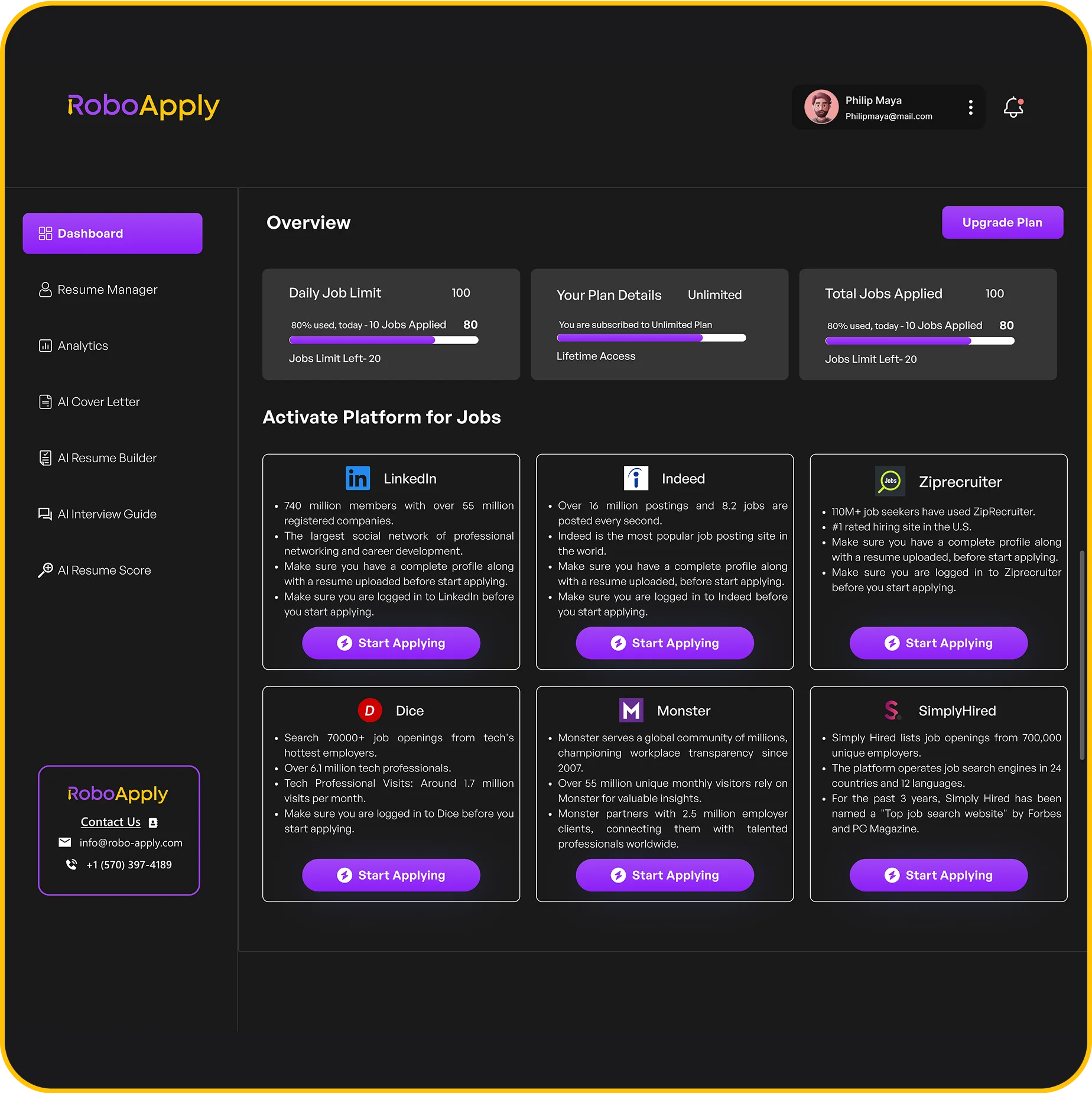
Technology simplifies a lot of repetitive work now. Instead of 30 minutes per application, you cover more ground faster while keeping quality high. Modern job search tools help you work efficiently across all industries including waste management.
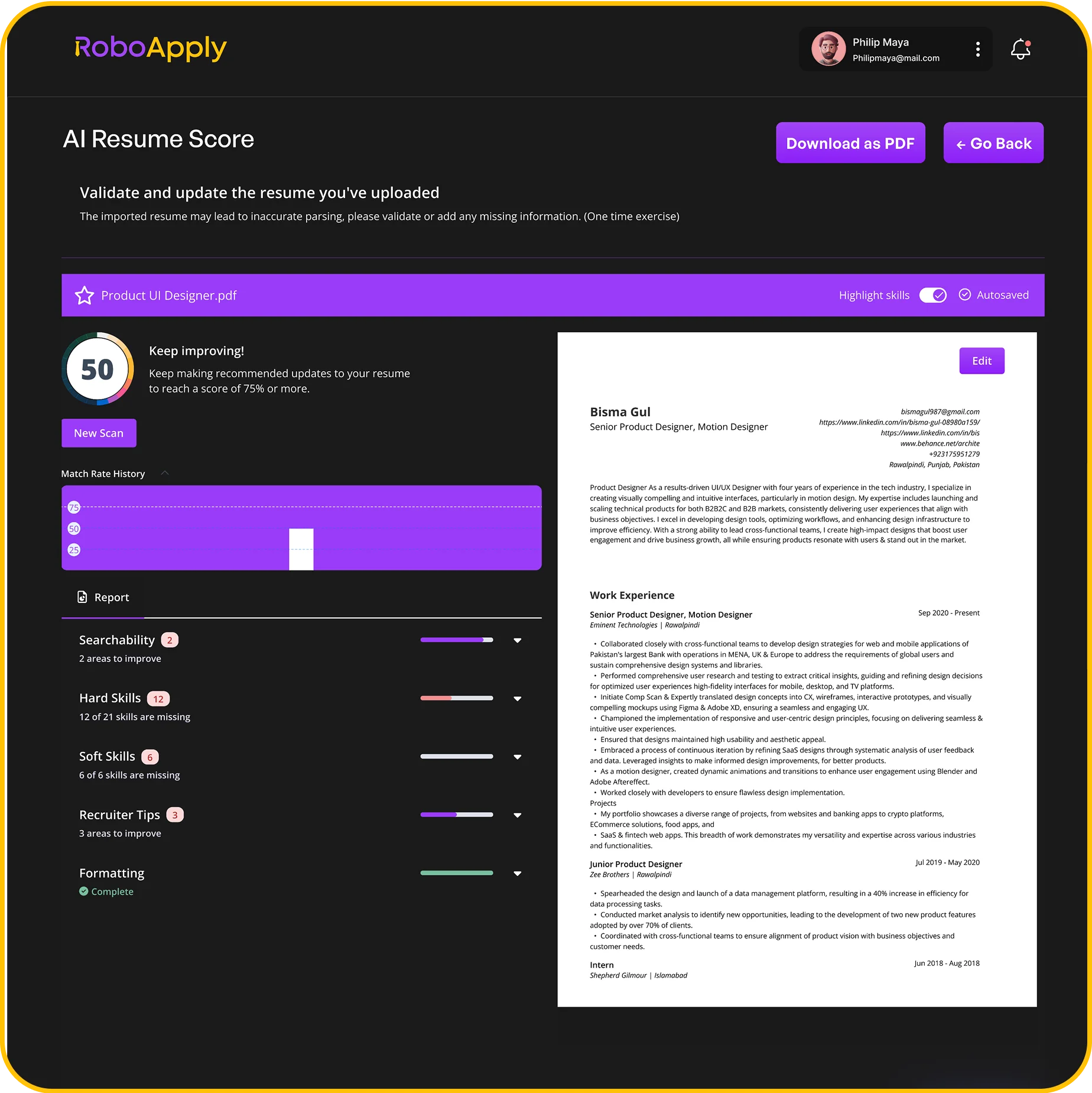
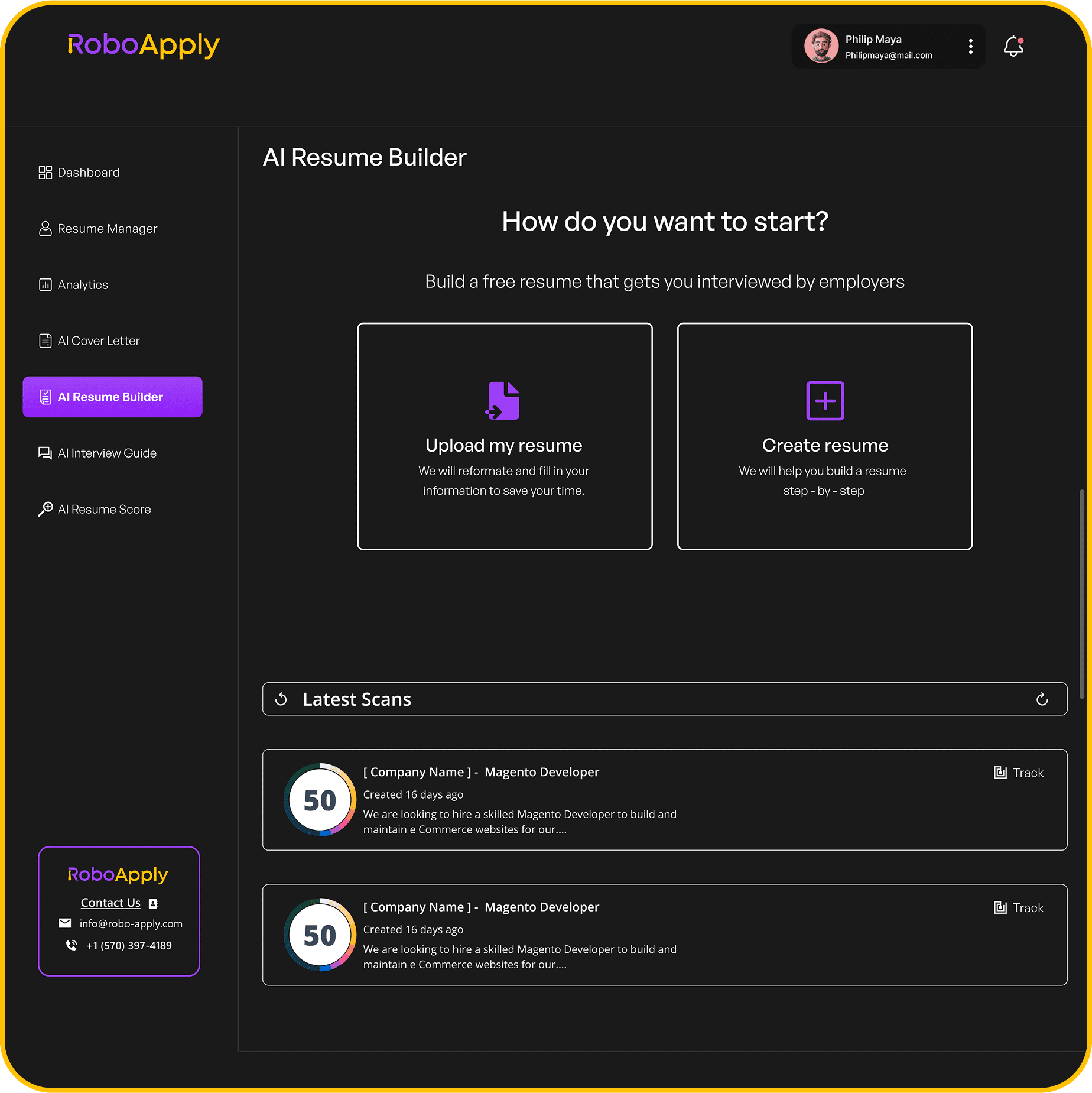
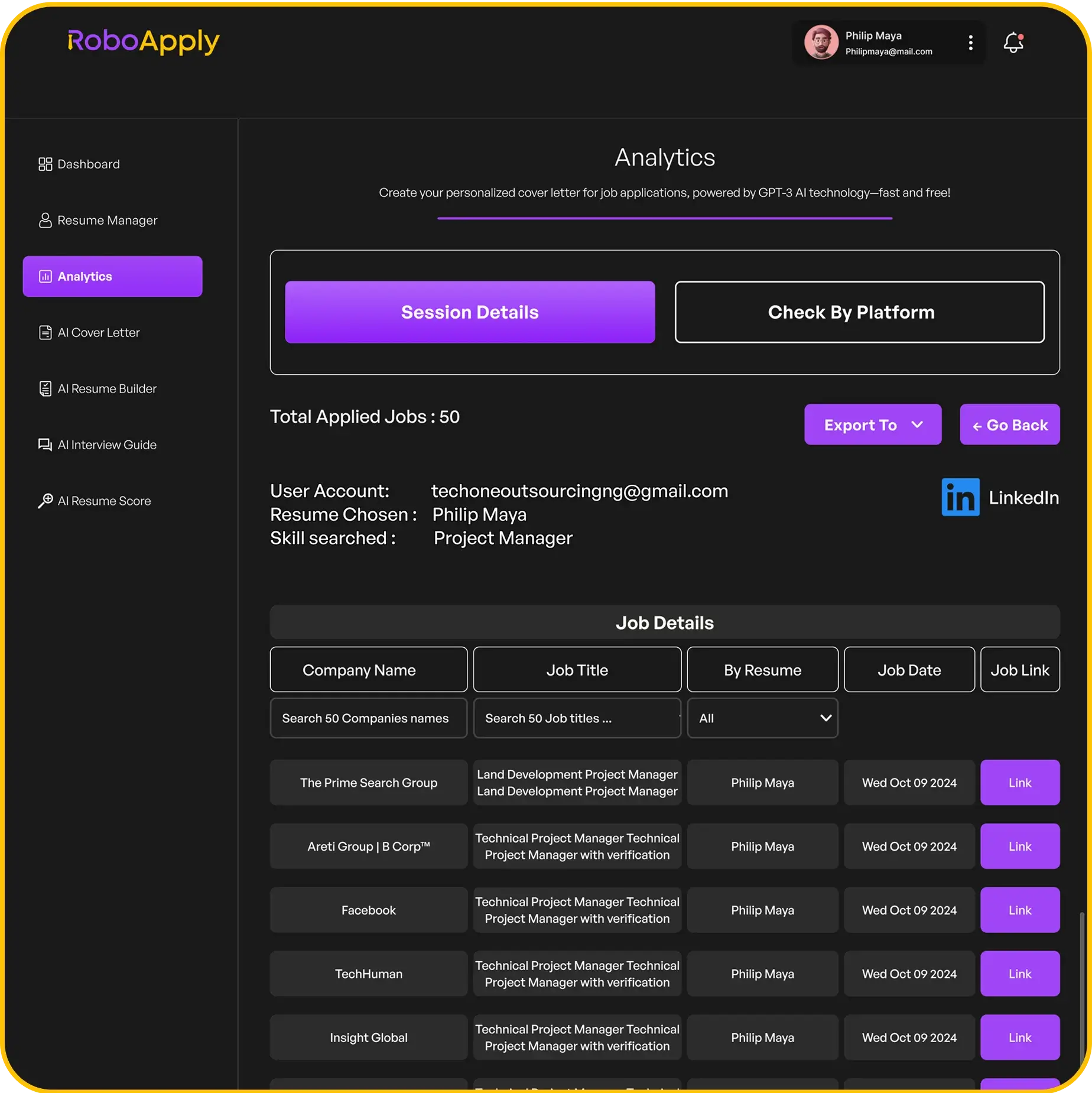
Resume builders adjust your resume based on each job’s needs automatically. They pull keywords from descriptions and weave them in naturally. Your resume matches employer wants without hours of manual editing.
Auto apply features submit applications while you handle other priorities. Systems customize materials for each role and handle entire submissions. Apply to 50 positions in the time manual work takes for 5.
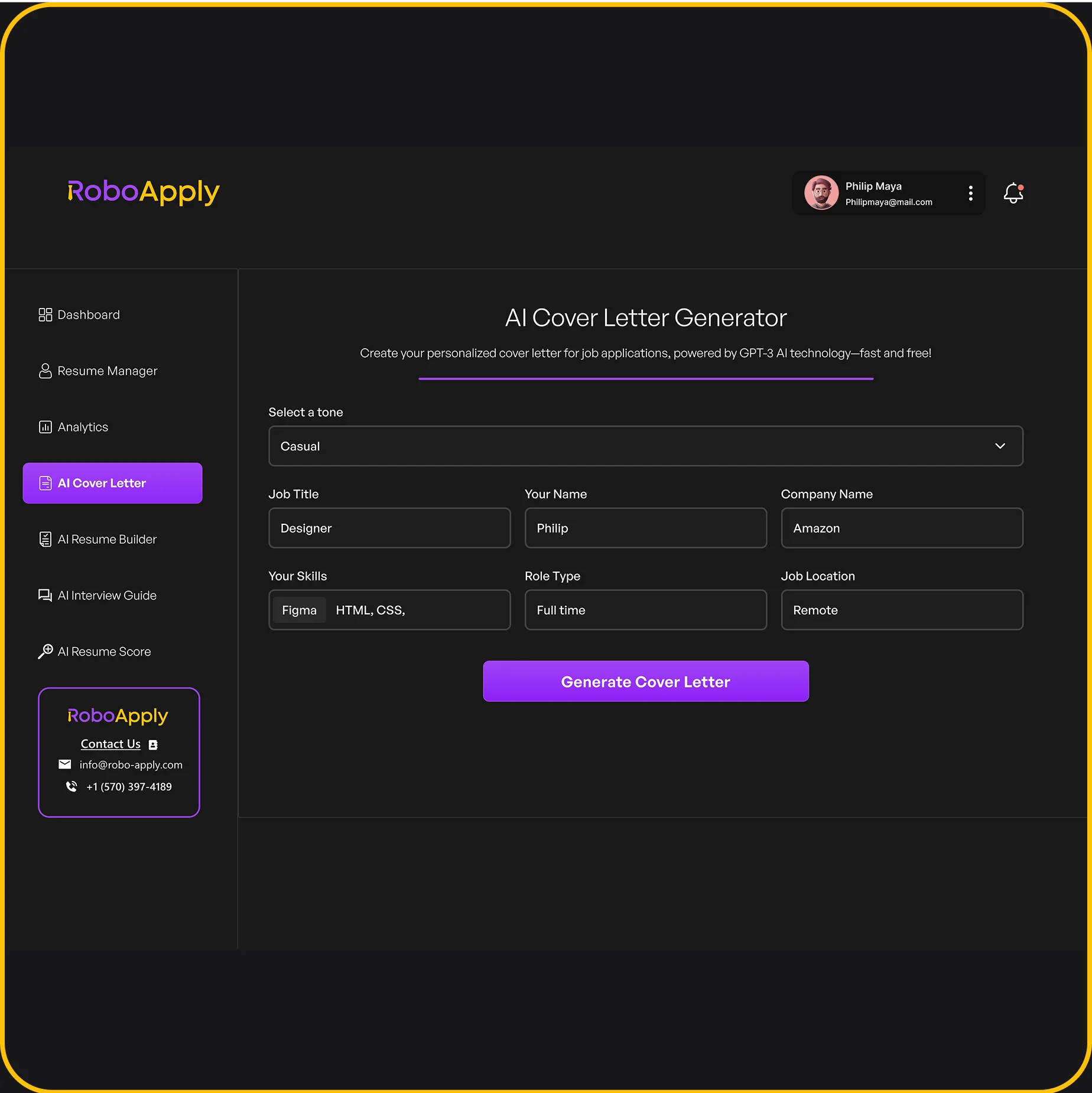
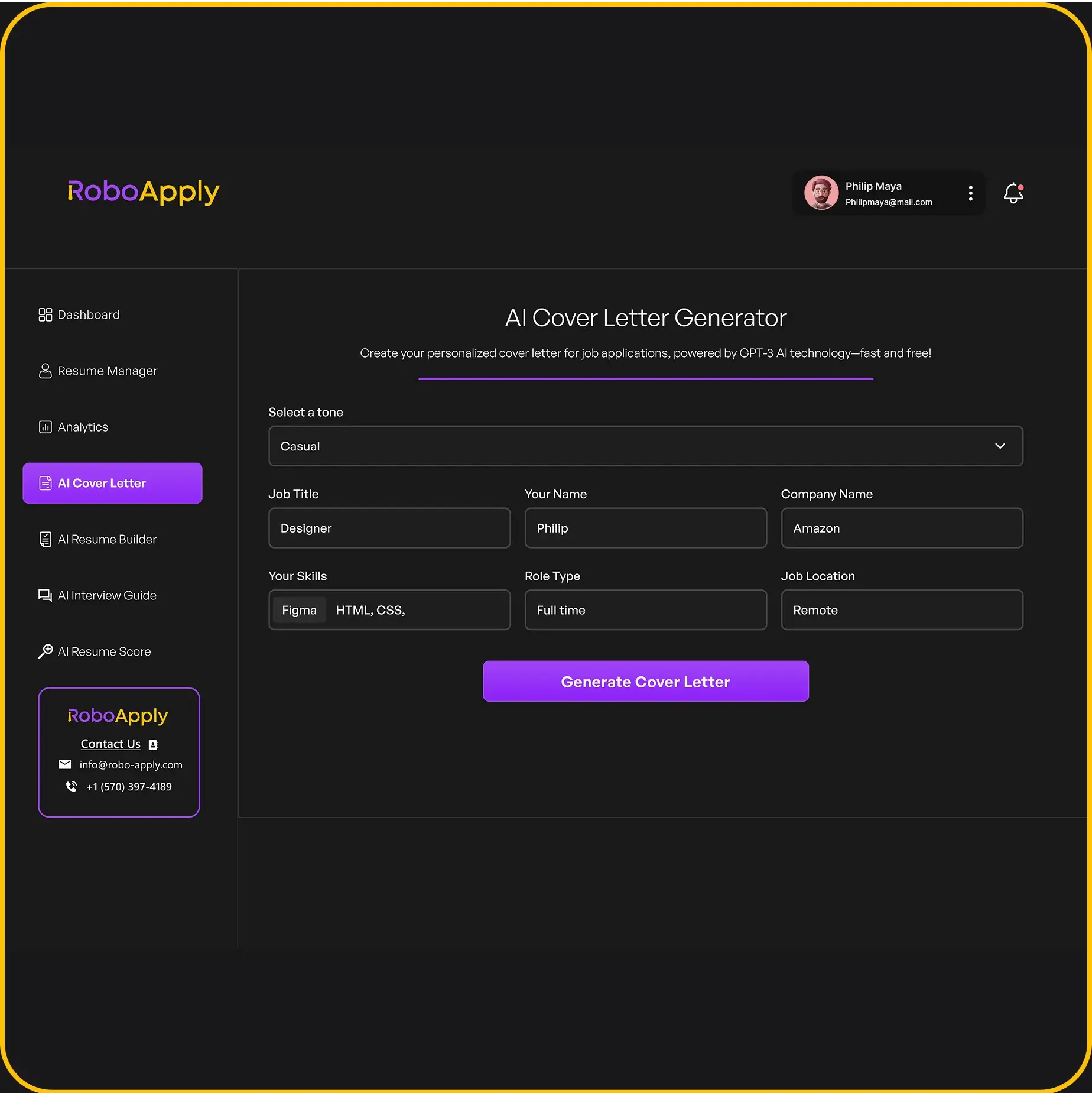
Cover letter tools create personalized letters for every application. They analyze descriptions and highlight your most relevant qualifications. Quality letters generate in seconds instead of requiring 20 minutes each.
Modern job seekers use these to compete effectively. You’re up against people applying to dozens of positions weekly. Matching that volume manually is basically impossible. Technology levels things and increases interview chances significantly.
Building a Career That Actually Lasts
Getting hired is just the beginning really. Building a career spanning years requires understanding how to succeed long-term. These strategies help you thrive and move up over time rather than just surviving.
Show up on time every single day. Routes run on schedule no matter what. Being reliable makes you valuable and opens advancement doors faster than almost anything.
Keep good attitudes even when conditions get brutal. You’ll work in scorching heat, freezing cold, pouring rain, heavy snow. Routes don’t stop for weather ever. Staying professional and positive during rough days impresses supervisors and sets you apart.
Build solid relationships with customers on your route. Remember their pickup days and handle special requests professionally. Happy customers praise good workers to management often. This recognition leads to raises and promotions frequently.
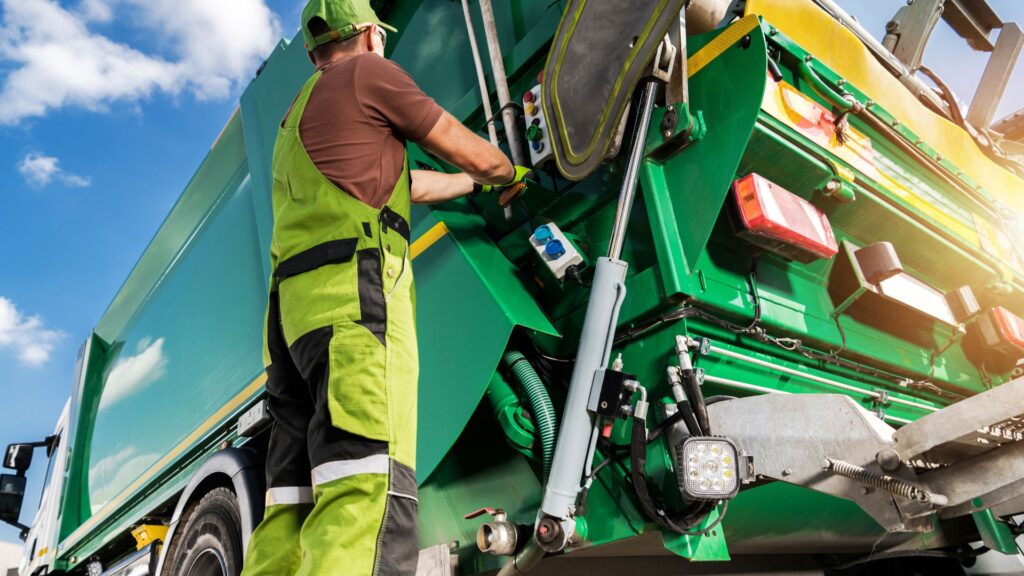
Take care of equipment you use daily. Report mechanical issues right away. Keep your truck clean and organized. Treating equipment well shows professionalism and cuts costly downtime.
Ask about advancement opportunities actively. Many companies promote from within preferentially. Showing you want to learn and grow positions you for better roles. Training programs and additional certifications boost earning potential significantly.
Frequently Asked Questions
What do Garbage Companies Hiring typically pay for entry-level positions?
Entry helpers earn $14 to $18 hourly. Route drivers with CDLs start at $18 to $25 per hour. Location and company size affect exact rates.
Do I need a CDL for all waste management jobs?
No. Helper positions don’t require commercial licenses. Only driving roles need CDLs. Many companies sponsor your training if you start as a helper.
How physically demanding is this work really?
Very demanding. You’ll lift 50 to 75 pounds repeatedly and work outside year-round. Good physical condition is essential for these positions.
What benefits come with these jobs?
Most companies offer health insurance, retirement plans, and paid time off. Benefits typically start after 30 to 90 days of employment.
How do I find local companies that are hiring?
Check company career pages, municipal job boards, and sites like Indeed. Drive around noting truck company names and apply directly to local haulers.