Did you know the average job seeker spends 15+ hours weekly submitting applications but receives only 2-3 interview requests? This frustration ends with a system that handles the heavy lifting while you focus on what matters: landing roles that fit your skills.
Imagine submitting tailored applications to thousands of opportunities with one click. This isn’t mass-spamming—it’s precision targeting. The right tool like an automated job application platform, analyzes job descriptions, optimizes your materials, and submits polished applications at scale. You maintain quality while saving 20+ hours weekly.
This approach goes beyond basic automation. Built-in features like ATS-friendly resume scoring and AI-generated cover letters ensure you meet hiring managers’ criteria. For example, the free resume builder adjusts formatting and keywords based on real employer requirements.
What separates effective tools from generic ones? Integration. Instead of juggling six apps for tracking applications or writing letters, one platform handles everything. See how this comparison of top career tools reveals why unified systems outperform single-task apps.
Key Takeaways
- Automated systems can submit thousands of customized applications while maintaining quality
- ATS optimization increases resume visibility by up to 70% compared to generic formats
- Integrated platforms eliminate the need for 5+ separate job search tools
- AI-generated cover letters adapt to specific roles in under 90 seconds
- Real-time tracking provides visibility into application status across all boards
Introduction: The Future of Job Automation in 2025
In 2025, finding your next role isn’t just about qualifications—it’s a race against time and volume. With hundreds applying for each opening, manual methods leave you buried in repetitive tasks instead of showcasing your strengths.
Modern Job Search Challenges
You’re competing in a market where 72% of roles get filled within two days. Platforms like LinkedIn and Indeed demand unique formats, while tracking responses across spreadsheets eats hours weekly. Customizing materials for each specific role becomes exhausting—yet generic applications rarely get noticed.
Speed matters more than ever. Miss the 48-hour window? Your chances drop by 60%. Meanwhile, balancing personalized resumes with consistent branding feels like solving a Rubik’s Cube blindfolded.
Why Automation Matters Today
Advanced tools now handle these complexities without losing the human touch. They adapt your materials to different platforms, apply within minutes of job postings, and track every response automatically. As one career coach notes: “Top candidates don’t work harder—they work smarter with systems that amplify their efforts.”
These solutions also learn what works. If a certain resume format gets more interviews, the tool applies those insights to future applications. Wondering if cover letters still matter in 2025? The right system generates tailored versions that match employer preferences while keeping your voice intact.
By cutting repetitive tasks, you reclaim 10-15 hours weekly for networking and skill-building. Explore time-saving strategies that turn the search process from overwhelming to optimized.
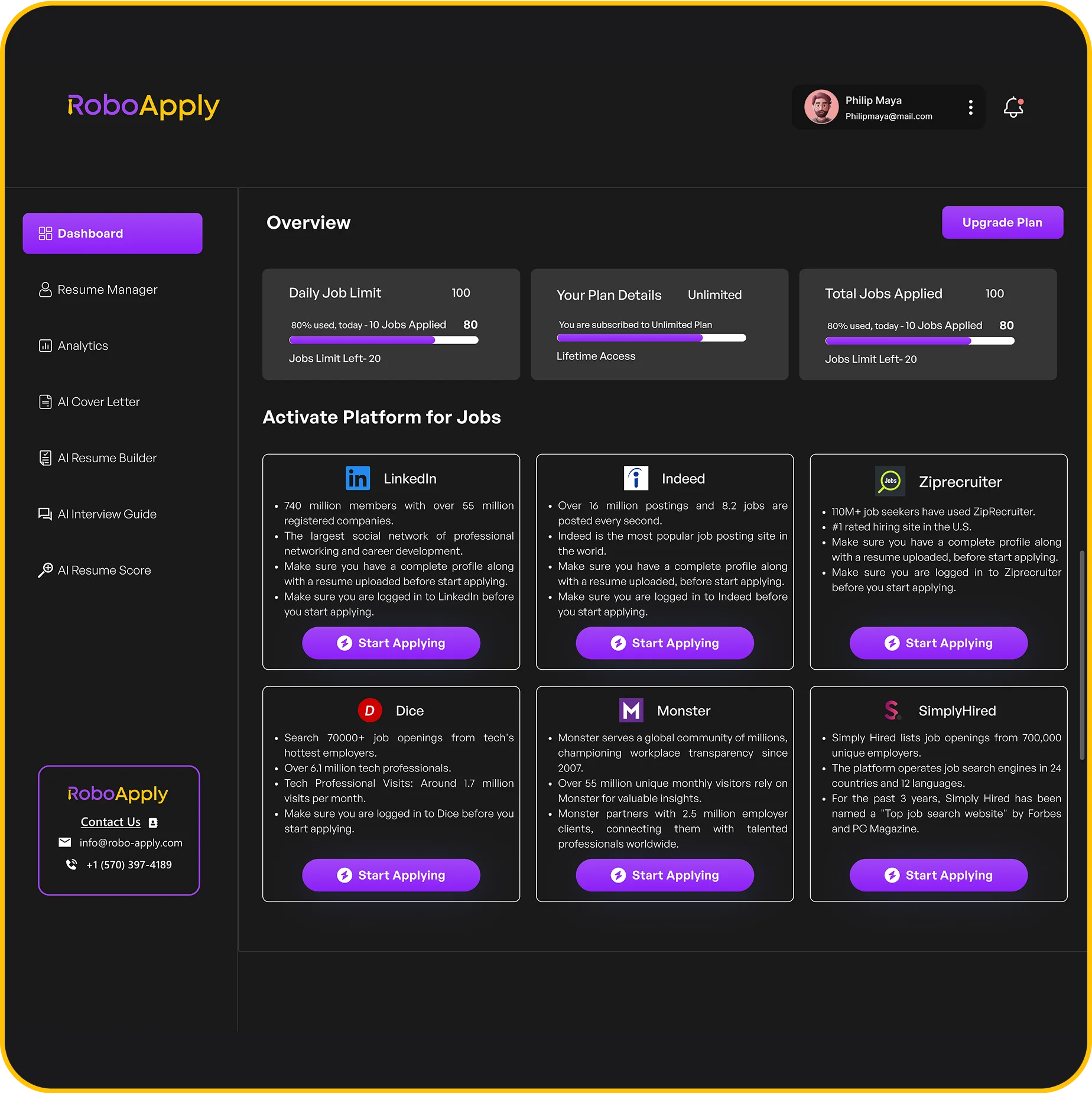
Exploring roboapply automated job application platform
Managing opportunities across multiple career sites often feels like herding cats. One system bridges the gap between scattered listings and organized results—no more missed deadlines or duplicate efforts.

Seamless Multi-Platform Integration
Connect your profiles from LinkedIn, Indeed, and other major boards into a single dashboard. The AI-powered Chrome extension scans job descriptions instantly, auto-filling forms with your pre-set qualifications. No more manual copy-pasting or formatting mismatches.
Need tailored materials? Access 200+ ATS-friendly resume templates that adjust layouts based on employer requirements. The tool’s smart analysis rewrites bullet points to mirror keywords from each posting. For example, a marketing role’s “SEO experience” demand triggers specific skill highlights in your CV.
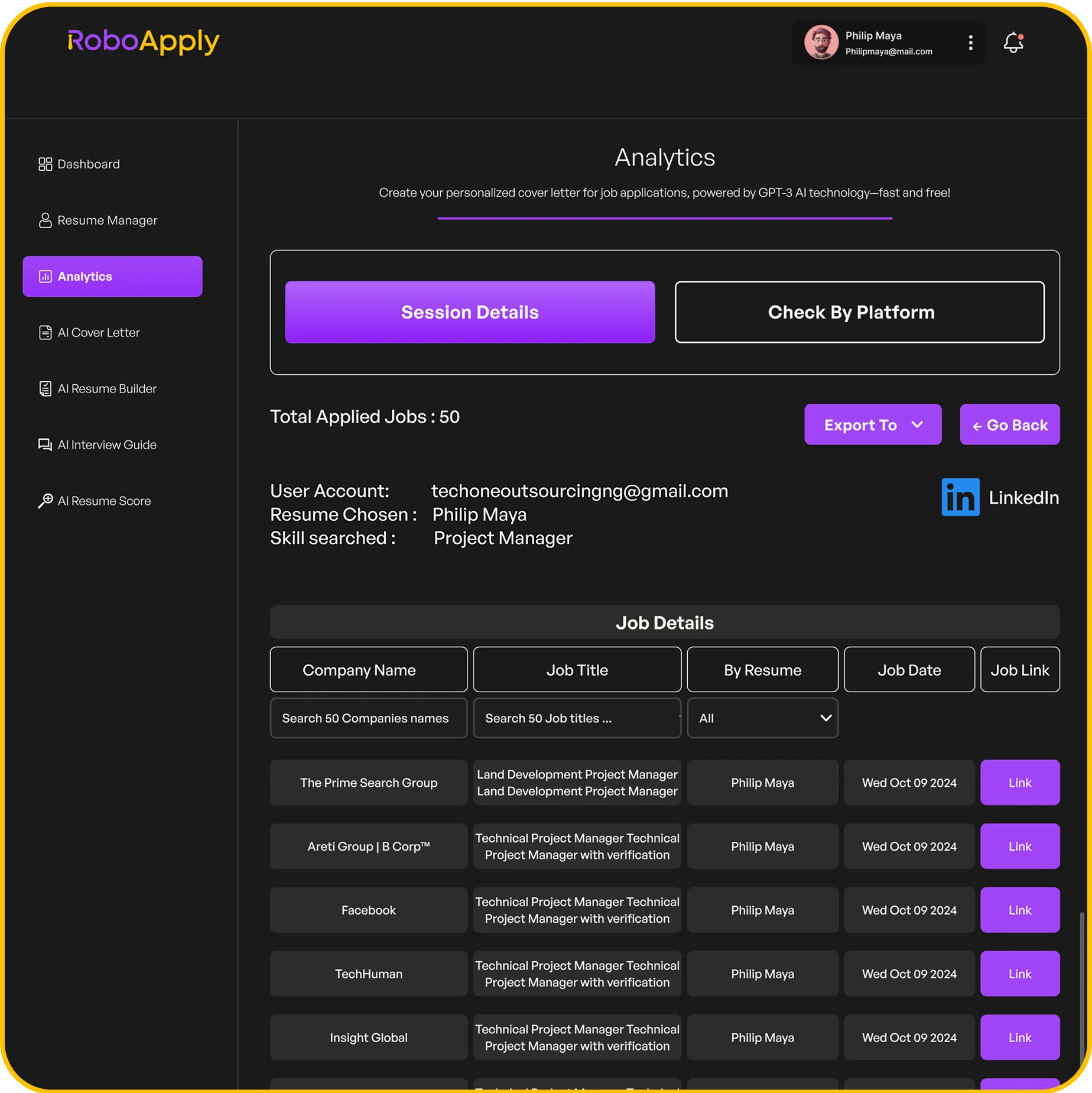
Track every submission through real-time updates—views, interview invites, or rejections—without logging into six sites. Missed a recruiter’s email? The built-in CRM sends polite follow-ups after 72 hours of silence. Explore common questions about managing these features effectively.
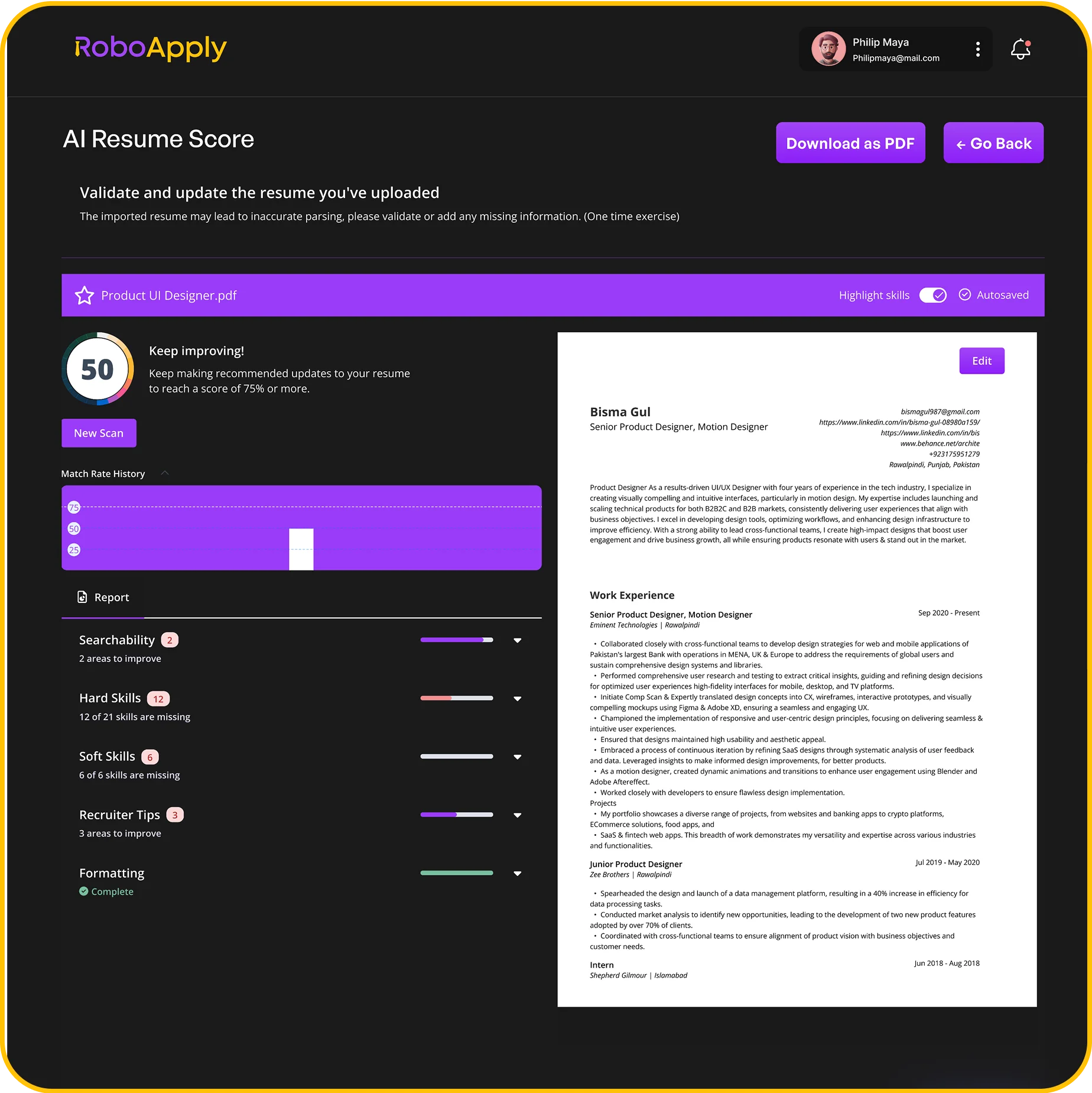
Struggling with relevance scores? Instant feedback flags weak areas like vague verbs or missing certifications. One user reported a 40% interview boost after optimizing their summary section using these insights.
Feature Comparison: RoboApply vs. LazyApply
Ever wondered why some candidates land interviews faster while others drown in application black holes? The answer lies in how effectively tools handle two critical areas: document quality and performance tracking.
Resume Building & Cover Letter Creation
Top-tier systems transform static documents into dynamic assets. Imagine uploading your basic resume and receiving instant feedback on ATS compatibility. One user reported a 40% interview increase after fixing vague bullet points flagged by real-time scoring.
The best solutions analyze job descriptions to suggest exact keywords for your field. For marketing roles, this might prioritize “campaign ROI analysis” over generic “social media skills.” Cover letters adapt similarly—AI drafts context-aware intros that reference specific company values found in career pages.
Application Tracking and Analytics
See which materials perform best through color-coded dashboards. Green-highlighted applications with 70%+ response rates? Focus on replicating those resume formats. Red alerts flag submissions needing follow-ups—saving 3-5 hours weekly chasing responses.
Advanced filters sort opportunities by:
- Recruiter view counts (prioritize trending applications)
- Response timelines (auto-reminders at 48/72-hour marks)
- Salary range matches (identify best-fit roles faster)
Curious how these features stack up against other options? Our comparison of leading tools reveals why integrated systems deliver 3x more interviews than basic template generators.
RoboApply’s Key Features: Beyond Automation
Your resume isn’t just a document—it’s your career story told through data. Modern solutions elevate this narrative by combining precision formatting with strategic keyword placement. Let’s explore how intelligent systems transform static files into dynamic career assets.
AI-Powered Resume Builder and Scoring
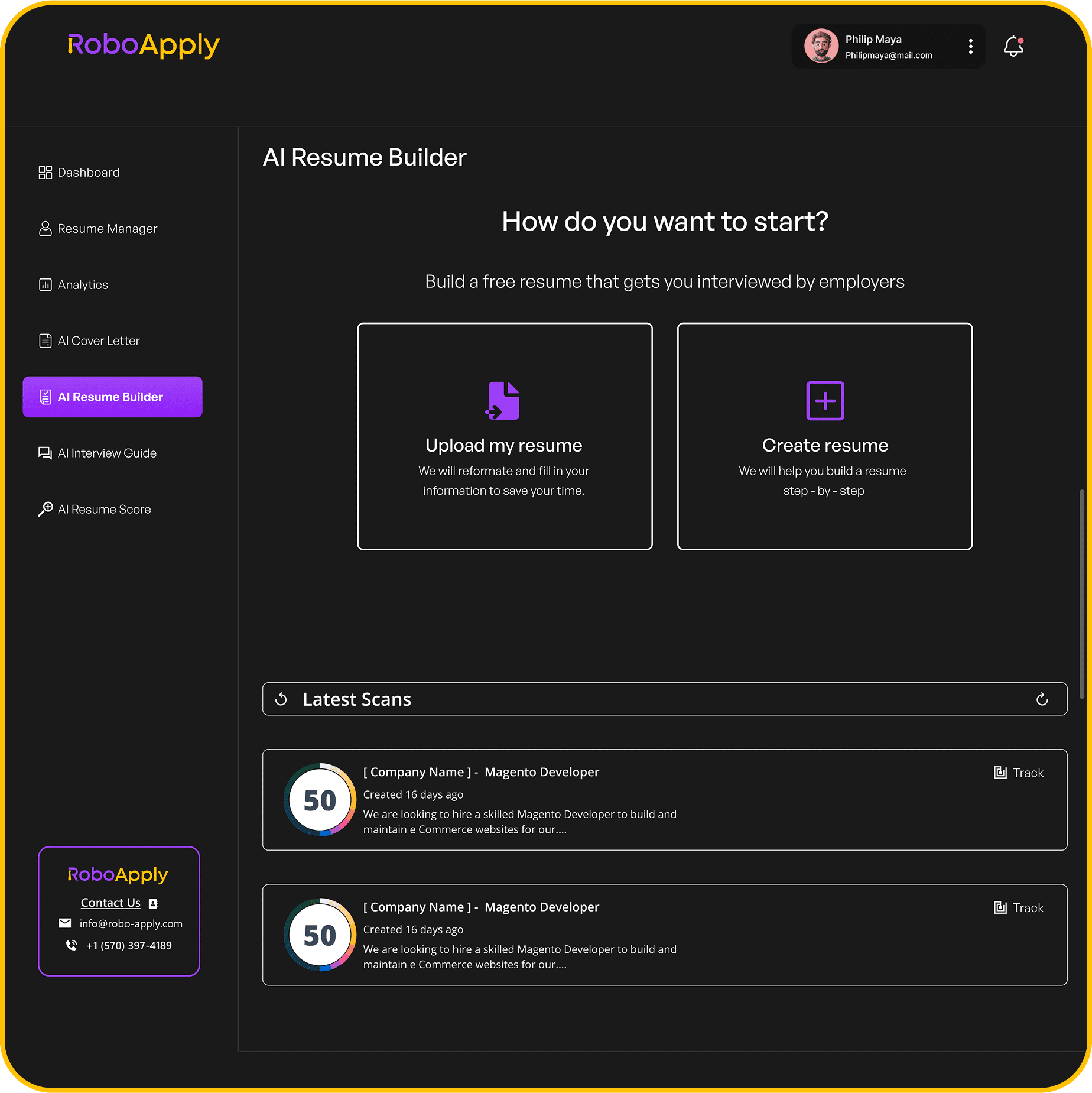
Upload your current resume, and watch it evolve. The system scans job descriptions to highlight exact skills employers seek. For example, a project manager role mentioning “Agile methodologies” triggers suggestions to emphasize Scrum experience and Jira proficiency.
Real-time scoring evaluates content structure and keyword density. One user improved their interview rate by 55% after fixing “vague objectives” flagged by the tool. The advanced resume builder even adjusts margins and fonts to meet strict ATS requirements.
Tailored Cover Letters and ATS Optimization
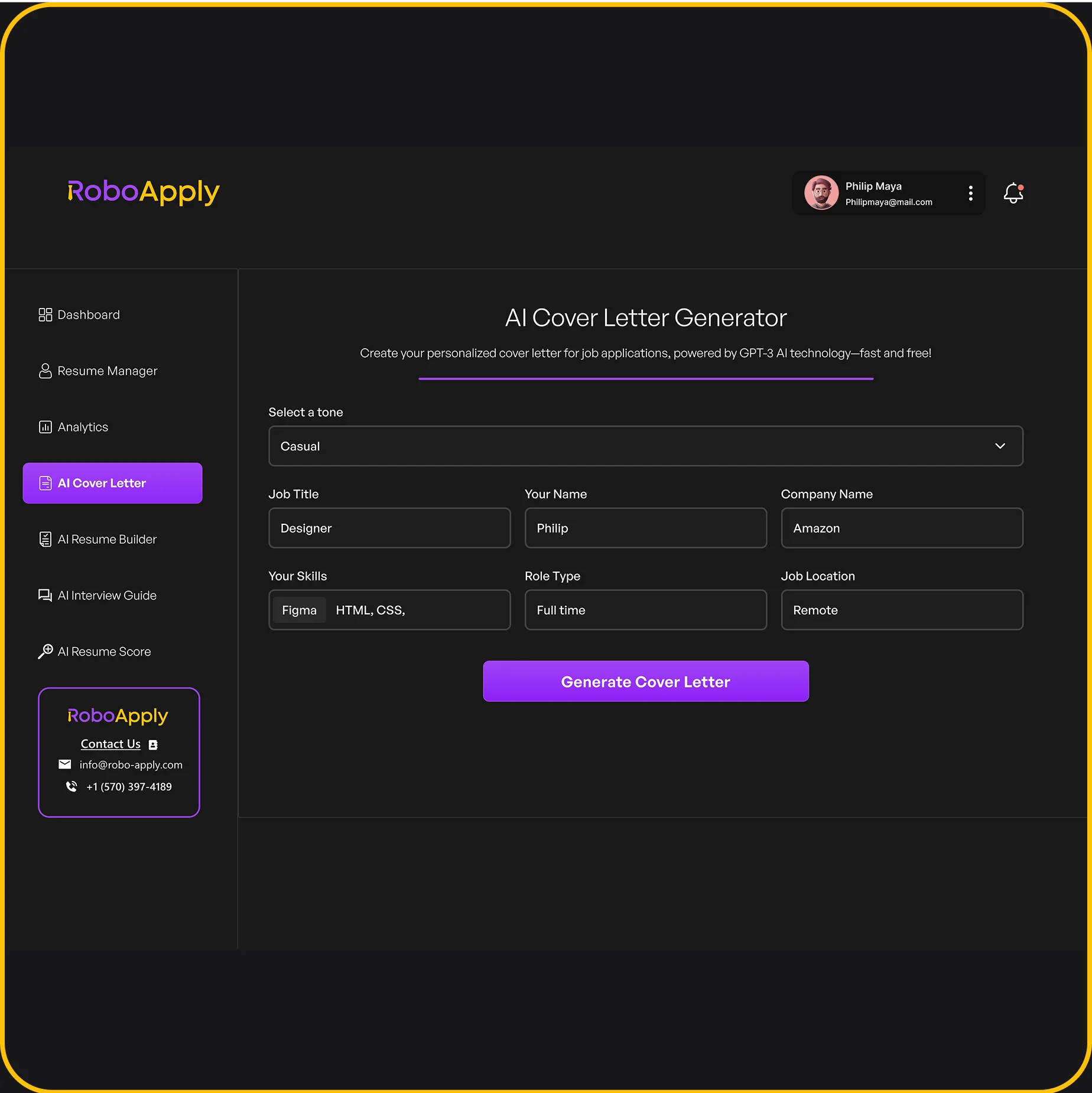
Generic templates won’t cut it when applying to competitive roles. The AI drafts letters referencing specific company values from career pages. Need to highlight remote work experience? It weaves in relevant phrases like “distributed team collaboration” based on the job description.
Documents automatically reformat for different tracking systems. A marketing director reported passing through 83% more ATS filters after using the built-in optimization tools. Combined with grammar checks that catch subtle tone issues, this creates polished applications that stand out.
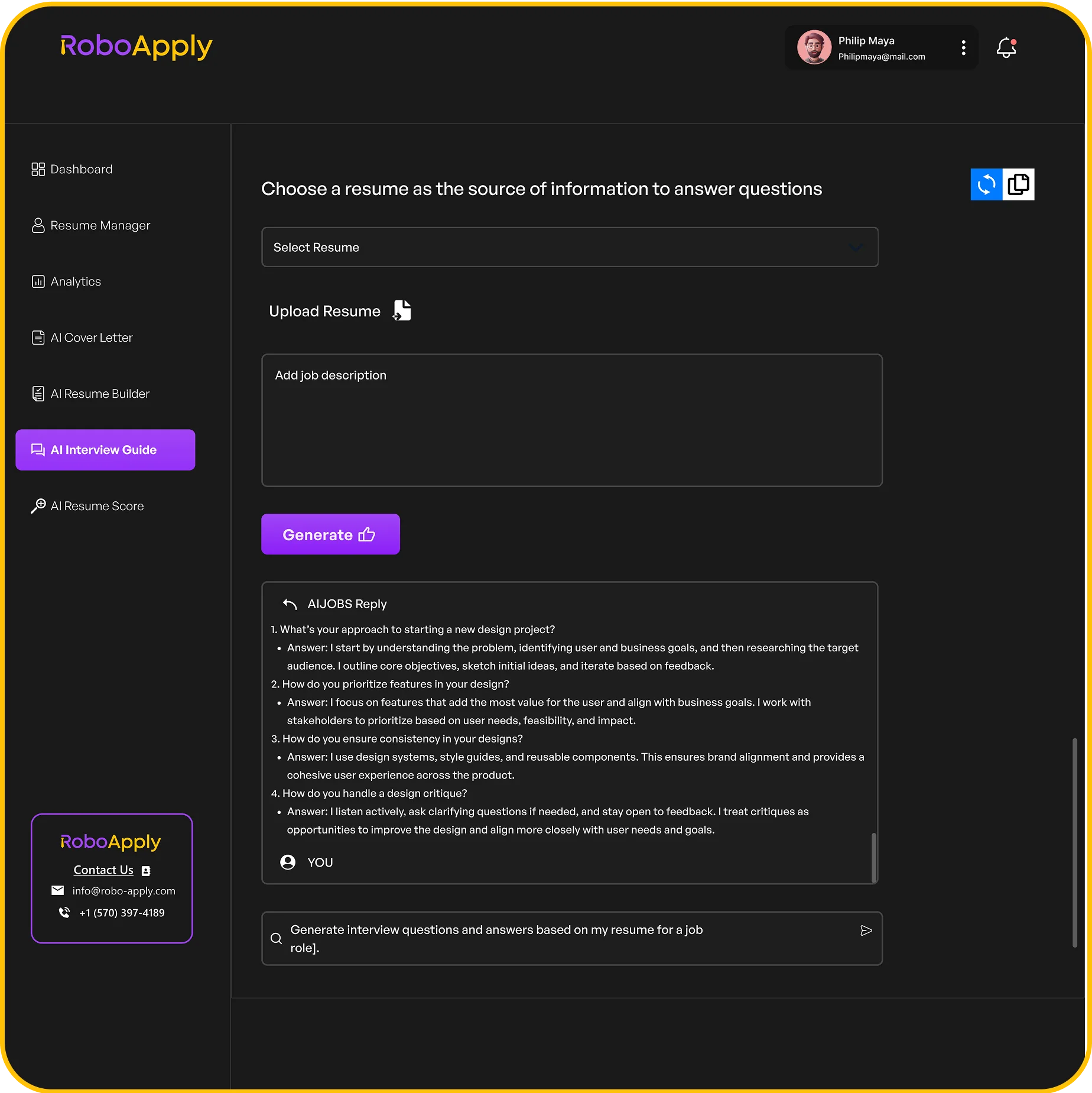
Preparing for interviews? The platform’s coaching feature analyzes your practice responses and suggests improvements. As one HR manager noted: “Candidates using smart prep tools consistently deliver clearer success stories.”
Streamlining the Job Application Workflow with RoboApply
Modern job seekers need tools that simplify application steps without sacrificing quality. Imagine handling multiple submissions across platforms in half the time—while maintaining tailored details for each role. The right system bridges efficiency and customization through intelligent workflows.
Step-by-Step Auto-Apply Process
Start by installing the Chrome extension and syncing your Google account. This creates a unified profile for all platforms, eliminating repetitive data entry. The setup wizard guides you through adding work history, skills, and salary preferences—details used to auto-fill forms later.
Set filters for location, industry, or remote roles to focus on relevant opportunities. When browsing listings, the tool extracts key requirements and matches them to your profile. One user landed 12 interviews in two weeks by targeting roles with “urgently hiring” tags using this feature.
- Review applications before submission to ensure accuracy
- Track responses through a centralized dashboard with color-coded status updates
- Batch-process submissions during peak hiring periods to maximize outreach
The platform’s smart tracking identifies which resume versions get the most views. For example, candidates in tech roles saw 30% more responses when emphasizing certifications over soft skills. Explore time-saving strategies that transform scattered efforts into organized results.
Final approval rests with you—modify any field before clicking submit. This balance of speed and control turns hours of work into minutes, letting you focus on preparing for interviews rather than formatting documents.

Enhancing Your Resume and Cover Letter Strategy
Your materials need to speak both human and machine languages to succeed. Start by analyzing job descriptions for repeated phrases—these often indicate ATS priorities. For example, if a role mentions “cross-functional collaboration” three times, make that term central to your resume summary.
Optimizing for ATS Compatibility
Formatting matters as much as content. Use standard headers like “Professional Experience” instead of creative titles. Avoid graphics—simple bullet points with metrics work best. One user increased interview invites by 65% after removing tables and icons from their resume.
Tools like AI-powered cover letter generators help maintain consistency across applications. They ensure each letter references specific company values while keeping keyword density at optimal levels. Always proofread generated content to preserve your authentic voice.
Test your materials with free ATS checkers before submitting. Look for:
- Proper keyword placement in the top third of documents
- Clear section hierarchy using H2/H3 tags where allowed
- Exact match of required certifications/degrees
Update your resume monthly, even when not actively searching. This habit lets you add new skills immediately, ensuring you’re always interview-ready.
FAQ
How does RoboApply ensure my resume passes applicant tracking systems (ATS)?
The platform uses AI to analyze job descriptions and optimize your resume’s keywords, formatting, and structure. It aligns content with ATS requirements while maintaining readability for hiring managers.
Can I customize cover letters for different roles using this tool?
Yes. The AI generates tailored cover letters by matching your skills to specific job requirements. You can edit drafts directly in the platform to add personal touches before submitting applications.
What makes RoboApply different from other job search tools like LazyApply?
Unlike basic automation tools, it combines multi-board integration with adaptive learning. The system refines application strategies based on employer responses and offers real-time analytics to track progress.
Does the platform integrate with LinkedIn and major job boards?
Absolutely. It syncs with Indeed, Glassdoor, and LinkedIn for seamless profile imports and one-click applications. You can manage all opportunities through a centralized dashboard.
How does the resume scoring feature work?
The AI evaluates your resume against industry standards and target roles, providing actionable feedback. Scores highlight strengths (e.g., keyword density) and weaknesses (e.g., unclear achievements) to guide improvements.
Is my data secure when using automated application tools?
RoboApply uses bank-grade encryption for all stored information. You control which employers receive your details, and the system never shares data without explicit permission.
Can I track interview invitations through the platform?
Yes. The analytics dashboard shows application statuses, interview requests, and employer follow-ups. You’ll get email/SMS alerts for time-sensitive responses to avoid missed opportunities.
How much time does RoboApply save during a typical job search?
Users report reducing application time by 60-70%. The tool automates repetitive tasks like form-filling and document adjustments, letting you focus on networking and interview prep.