What does a contractor do? A contractor performs specialized work on a project basis without being a permanent employee of a company. Contractors can be individuals or businesses who provide specific services, complete defined projects, or fill temporary workforce needs across industries including construction, IT, consulting, creative services, and professional services. They work independently, manage their own taxes, provide their own tools and equipment, and typically work under contracts that outline deliverables, timelines, and payment terms.
Understanding contractor roles helps whether you’re considering becoming one, hiring contractors, or working alongside them. Contractors represent a significant portion of the modern workforce.
Types of Contractors and What They Do
Contractors work across virtually every industry, but their specific duties and responsibilities vary dramatically by field. Understanding these different contractor types helps clarify what contractors actually do day-to-day.
Construction Contractors
Construction contractors manage building projects from residential homes to commercial developments. General contractors oversee entire construction projects, coordinating subcontractors, managing timelines, and ensuring work meets building codes.
These professionals read blueprints, estimate project costs, order materials, supervise work crews, and ensure safety compliance. They handle permitting, inspections, and communicate with property owners throughout projects.
IT and Technology Contractors
Technology contractors provide specialized technical services on a project or temporary basis. Software developers build applications, web developers create websites, cybersecurity consultants protect systems, and IT support specialists troubleshoot technical issues.
These contractors often work remotely, completing specific development projects, implementing new systems, or filling temporary technical staff needs. They bring specialized expertise without long-term employment commitments.
Professional Service Contractors
Consultants, accountants, lawyers, marketing specialists, and other professionals often work as contractors. They provide expert advice, complete specific projects, or handle specialized tasks that companies need occasionally rather than full-time.
According to research on contract work, professional service contractors represent one of the fastest-growing segments of the independent workforce.
For guidance on presenting contractor experience, resources on whether to put references on a resume can help you understand what hiring managers expect.

Key Responsibilities of Contractors
What does a contractor do beyond their specific technical work? Several core responsibilities apply across contractor types, distinguishing them from traditional employees.
Here are the primary responsibilities contractors handle:
- Project delivery by completing agreed-upon work within specified timelines and quality standards
- Self-management through organizing their own schedules, workspaces, and workflows without direct supervision
- Client communication by providing regular updates, addressing concerns, and managing expectations
- Financial management including invoicing, tracking expenses, managing taxes, and handling their own benefits
- Quality assurance by ensuring deliverables meet professional standards and contract requirements
- Problem-solving through addressing obstacles and finding solutions independently
Contractors don’t receive paid time off, health insurance, or retirement benefits from clients. They manage these aspects independently, often at higher hourly rates that compensate for these differences.
Professional contractors maintain clear boundaries between work and employment. They control how work gets done while clients control what work needs completing.
According to studies on independent work, successful contractors excel at self-direction, time management, and maintaining professional standards.
Resources on how many bullet points per job on resume provide insights into effective application formatting.
How Contractors Differ From Employees
Understanding what contractors do requires knowing how they differ from traditional employees. These distinctions affect everything from taxes to work arrangements.
Legal and Tax Differences
Contractors operate as independent businesses even if they’re individuals. They receive 1099 forms rather than W-2s, pay self-employment taxes, and can’t receive employee benefits.
Companies cannot control how contractors complete work, only what results they deliver. Misclassifying employees as contractors creates legal liability and potential penalties for businesses.
Work Arrangement Differences
Contractors typically work on defined projects with specific start and end dates. They might serve multiple clients simultaneously or sequentially. They provide their own equipment and work from their own locations.
Employees work ongoing schedules, use company equipment, work at company locations, and follow company policies. They receive steady paychecks regardless of workload fluctuations.
Relationship Differences
Contractor relationships remain transactional and project-focused. When the project ends, the relationship typically concludes unless new work arises. Employee relationships assume ongoing engagement with career development and training.
For those exploring opportunities across sectors, how many jobs are available in basic industries can help you understand employment trends.
Finding and Securing Contractor Work
What does a contractor do to find consistent work? Building a sustainable contracting career requires strategic networking, marketing, and business development.
Successful contractors develop strong professional reputations through quality work, reliable delivery, and positive client relationships. They maintain portfolios showcasing completed projects and gather client testimonials.
Online platforms like Upwork, Toptal, and industry-specific job boards connect contractors with clients. Professional networking through LinkedIn and industry associations generates quality leads.
Contractors must price their services appropriately, accounting for taxes, benefits, equipment costs, and desired profit margins. Rates vary dramatically by industry, location, and expertise level.
Clear contracts protect both parties by defining scope, deliverables, timelines, payment terms, and revision policies. Well-written contracts prevent disputes and ensure everyone understands expectations.
According to research on freelance rates, experienced contractors typically charge 30-50% more per hour than comparable employees to account for business expenses.
For more on professional communication, calling a job after applying offers insights on appropriate follow-up timing.
Advantages and Challenges of Contracting
Understanding what contractors do includes recognizing both benefits and difficulties of this work arrangement. These factors help you determine if contracting suits your goals and working style.
Contracting offers several advantages including:
- Flexibility to choose projects, set schedules, and work from preferred locations
- Higher earning potential from premium rates and multiple income streams
- Diverse experience through varied projects across different industries
- Tax deductions for business expenses that reduce taxable income
- Control over your career direction and professional development
Challenges include income instability between projects, lack of employer-provided benefits, self-employment tax burden, constant client acquisition needs, and isolation from team environments.
According to studies on gig economy work, successful contractors build financial reserves and maintain consistent marketing efforts.
For those considering specialized paths, exploring how much do underwater welders make shows how different fields offer varying compensation.
Streamlining Your Contractor Job Applications
Finding contractor positions requires presenting yourself professionally while applying efficiently across multiple opportunities and platforms.
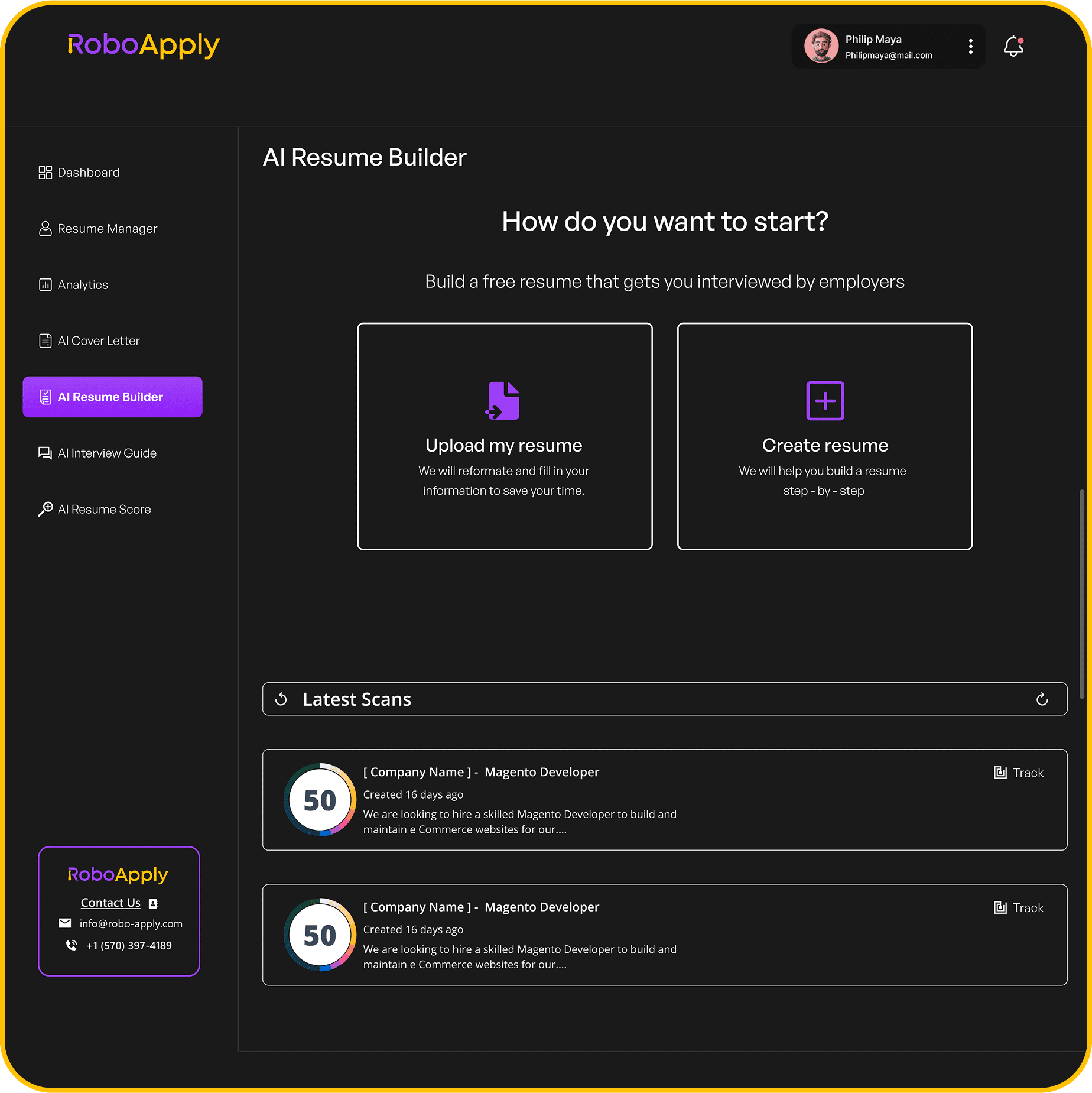
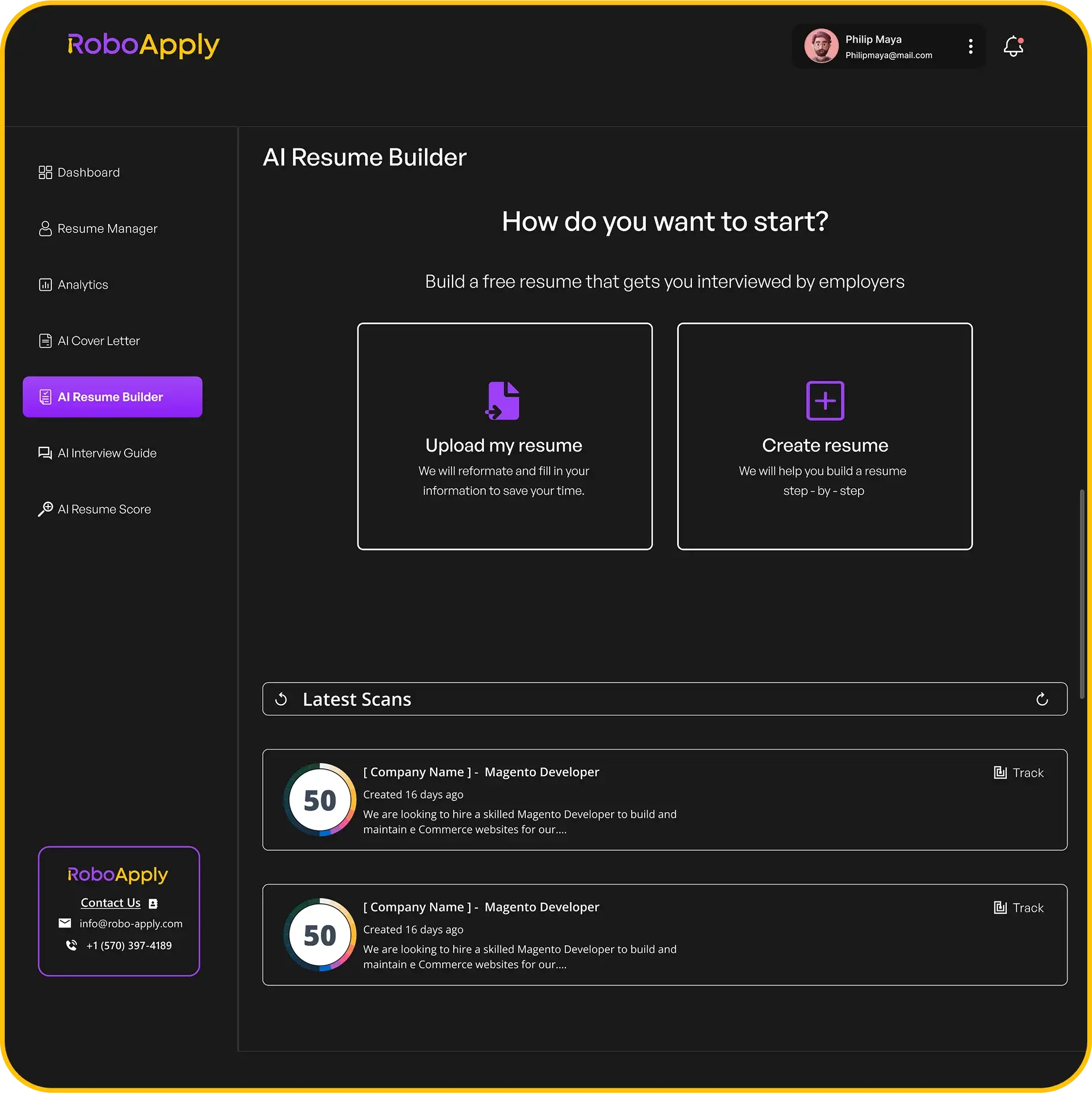
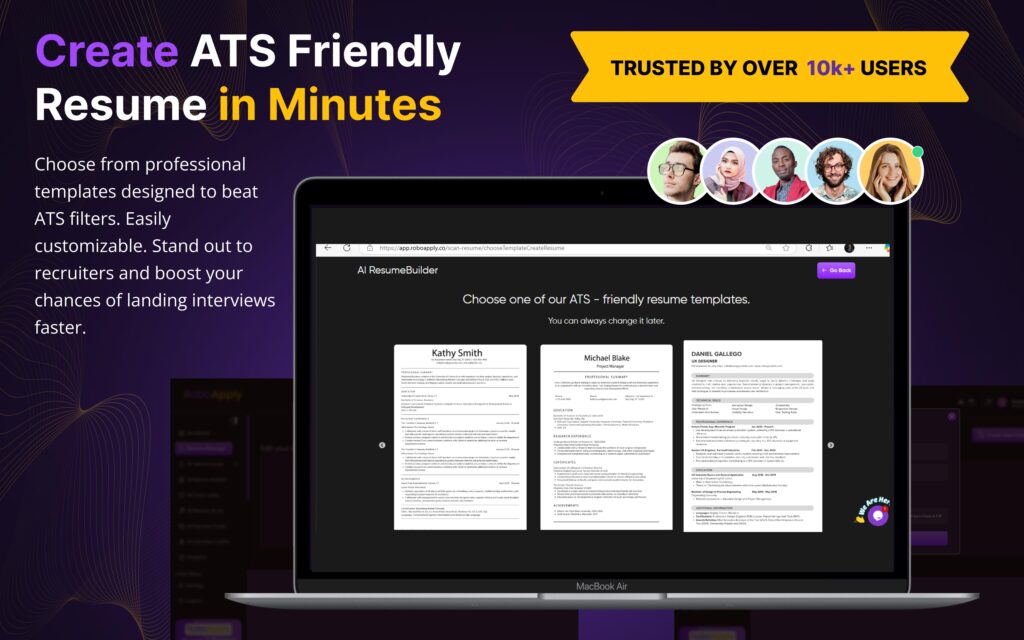
RoboApply’s AI Resume Builder creates optimized resumes emphasizing your project experience, technical skills, and contractor-specific achievements.
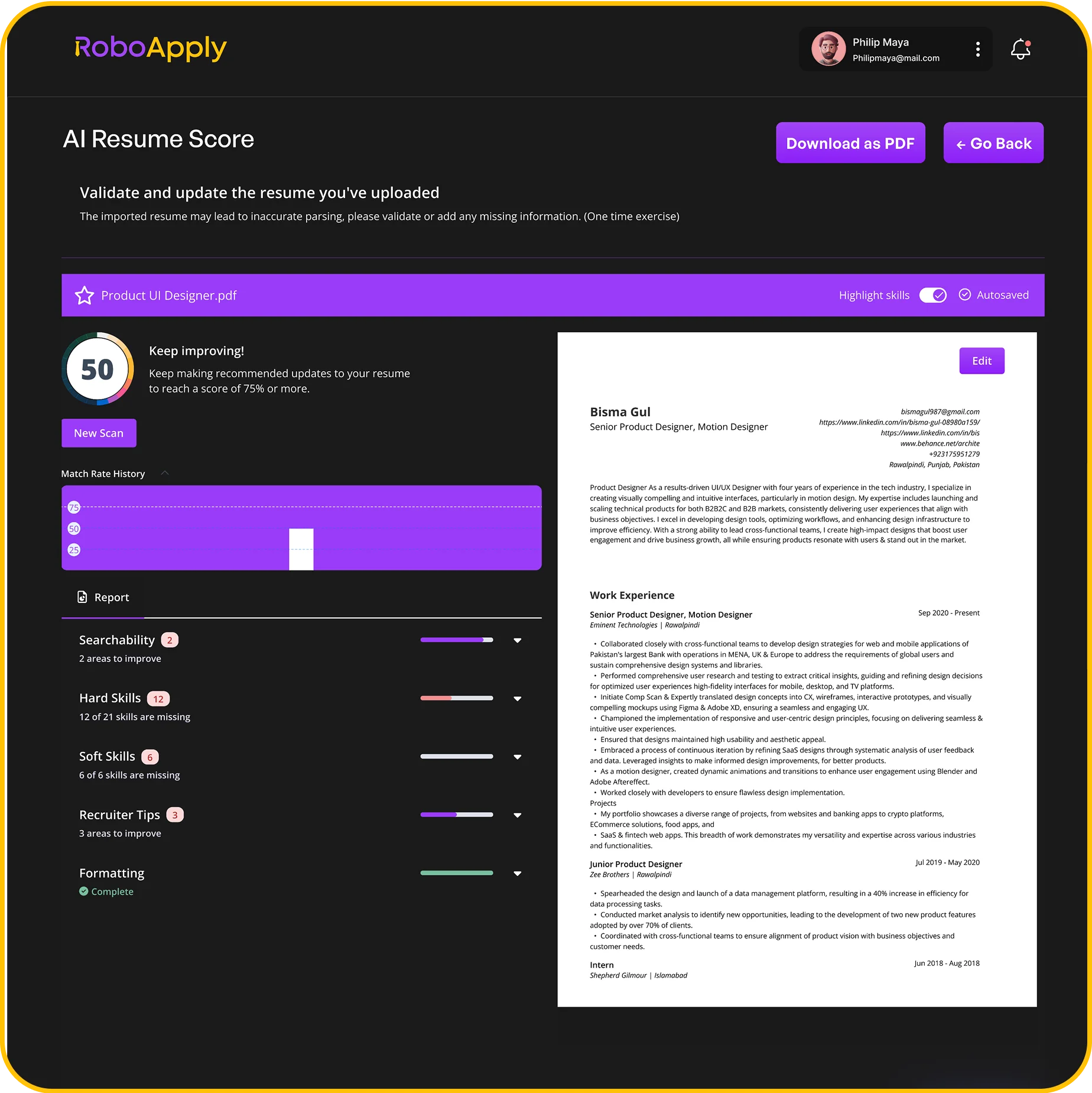
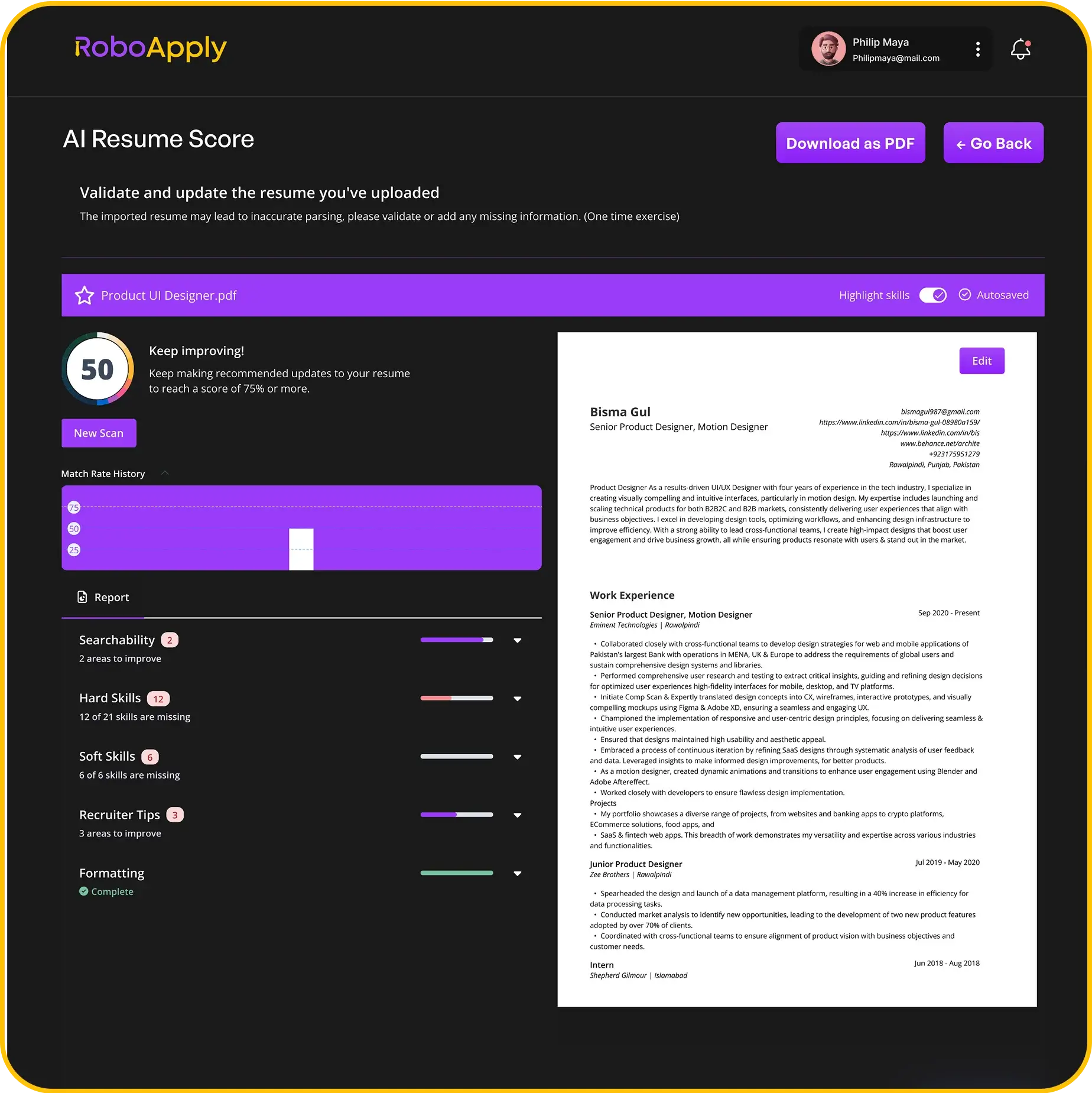
The Resume Score feature analyzes your application against job requirements. You’ll see which qualifications to emphasize for different contractor roles.
AI Auto Apply manages applications across hundreds of contract positions while ensuring each application highlights relevant project experience.
Frequently Asked Questions
What does a contractor do differently than an employee?
Contractors complete specific projects independently, manage their own taxes and benefits, provide their own equipment, and work under defined contracts rather than ongoing employment.
How much do contractors typically earn?
Contractor earnings vary widely by industry and expertise, typically charging 30-50% more per hour than employees to account for taxes, benefits, and business expenses.
Do contractors get benefits?
No, contractors don’t receive employer benefits like health insurance, paid time off, or retirement plans. They must arrange and fund these independently.
How do contractors find work?
Contractors find work through networking, online platforms, referrals, direct outreach to companies, industry associations, and maintaining strong professional reputations that generate repeat business.
Can contractors work for multiple clients?
Yes, contractors can work for multiple clients simultaneously unless their contracts include exclusivity clauses. Managing multiple projects requires strong organization and time management.