Teacher resume examples show exactly what works when you’re applying for education jobs. Schools get hundreds of applications for every open position. Your resume has about six seconds to make an impression before a principal moves on.
Teaching resumes work differently than corporate ones. Schools care about your certifications first, then your student results. Fancy graphics won’t help you here. The National Education Association found that principals look for two things right away: proper credentials and proof your students actually learn.
What Belongs on Every Teaching Resume
Your certification details need to sit right at the top. Schools can’t hire you without proper credentials, so make verification easy. List your teaching license number, the state that issued it, and what grades or subjects it covers.
Add any endorsements like ESL or Special Education. Professional experience comes next. This section either sells you or sinks you.
Stop writing job duties everyone already knows about. “Taught students” and “created lesson plans” tell principals nothing useful. They want numbers.
Did reading scores jump 25%? Did your debate team win state? Those details matter.
Your education section follows experience. Include degrees, universities, and graduation years. A GPA above 3.5 deserves a mention.
Otherwise, skip it. Toss in any honors or education awards you picked up.
Building Strong Experience Bullets
Each position needs the job title, school name, location, and your dates there. Then comes the important part. Your bullet points need to show what happened because you were there.
Start with action verbs that pack punch. Skip weak phrases like “responsible for” or “helped with.” Go straight to the good stuff like developed, increased, implemented, and led.
Principals want to see specific results from your teaching. Research from the American Educational Research Association backs this up. Quantifiable outcomes beat vague descriptions every single time.
Here’s what matters most on any example teacher resume:
- Specific percentage improvements in test scores or assessments
- Student achievements like competition wins or scholarships
- Parent satisfaction ratings or communication systems you built
- Classroom management results with fewer disruptions
- Collaboration examples with other teachers or specialists
Numbers prove you can teach effectively. A kindergarten teacher might write: “Built phonics program that moved 22 of 24 students to grade-level reading by year end.” That’s way better than “taught reading to kindergarten students.”
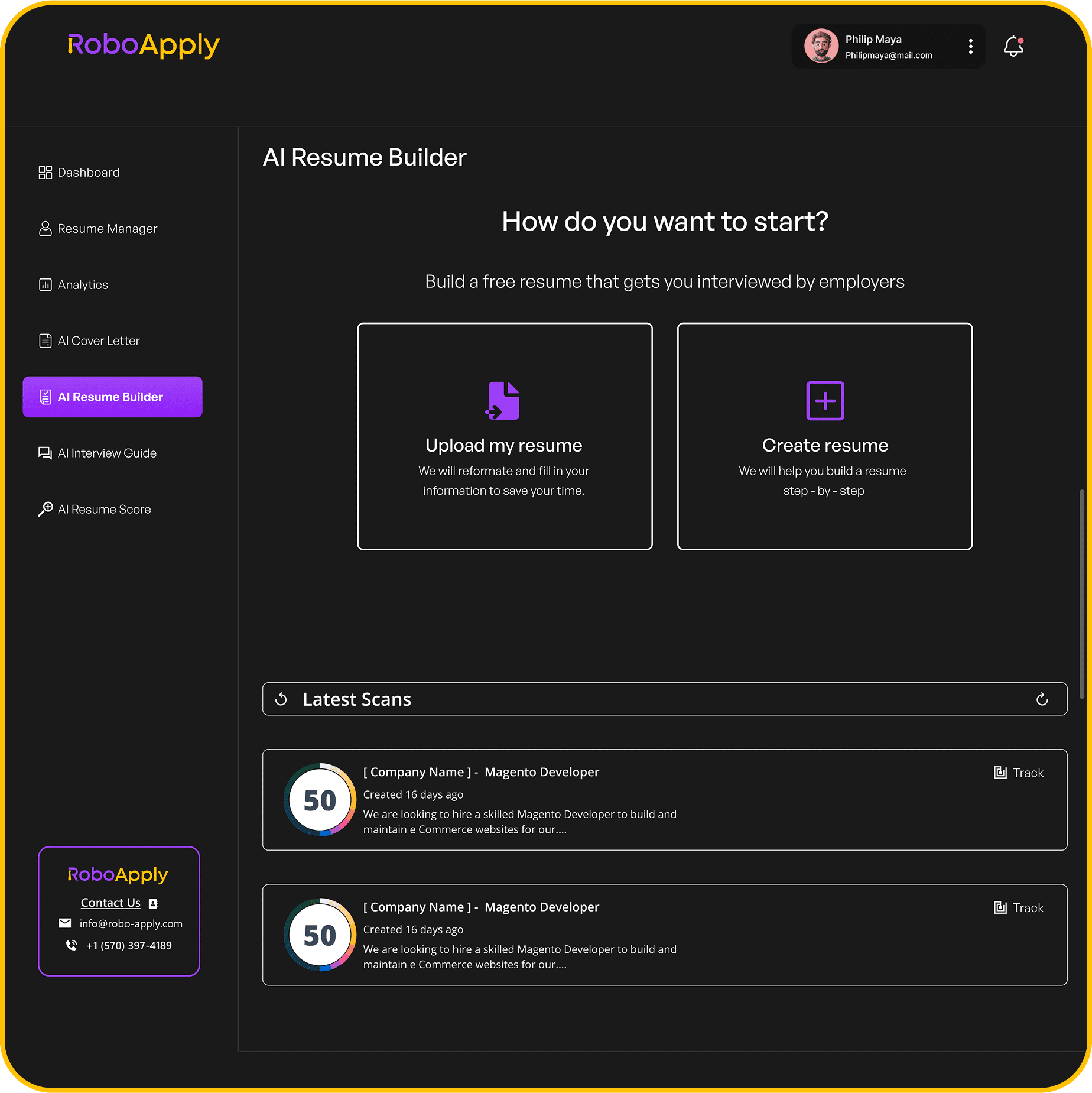
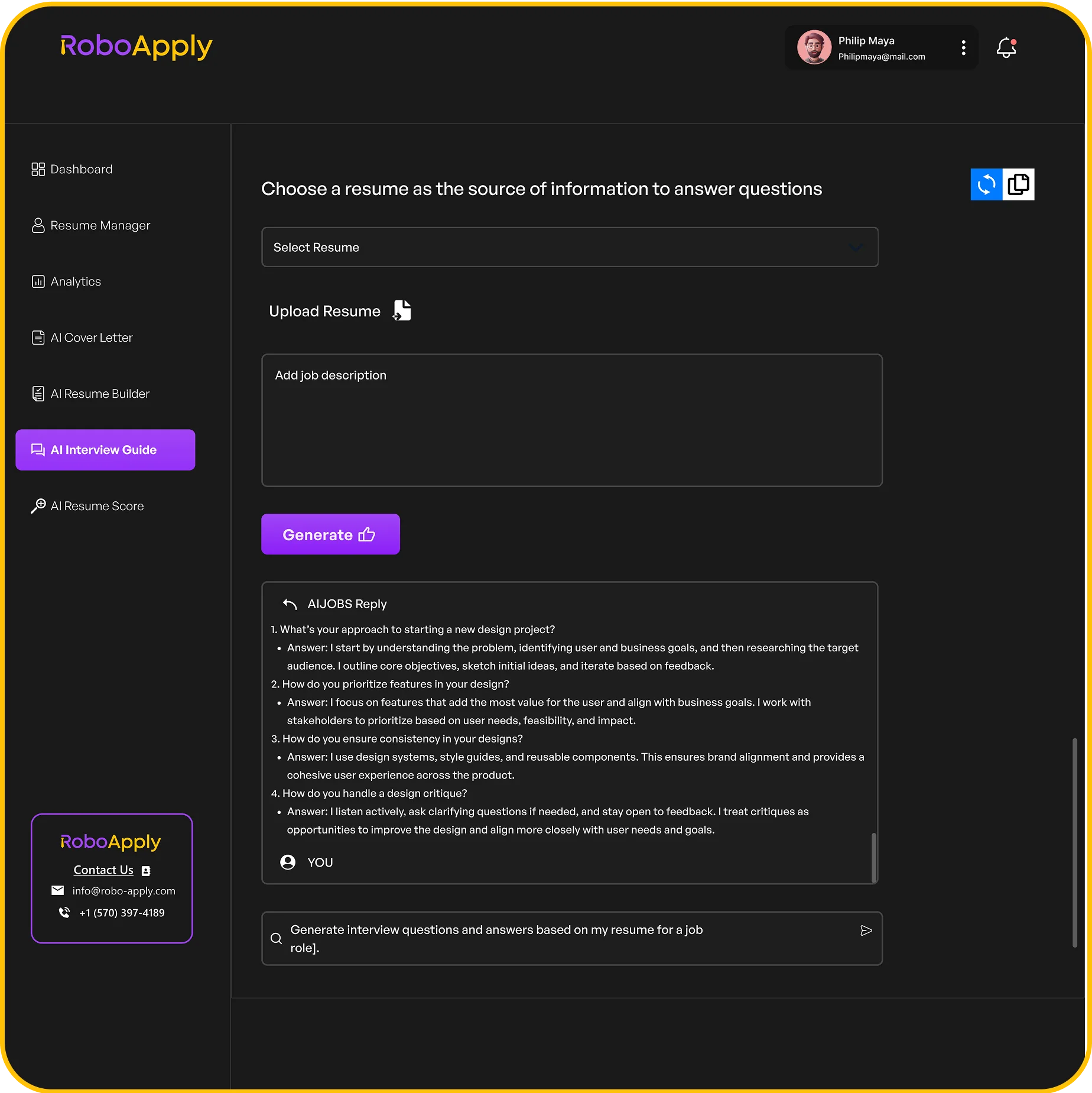
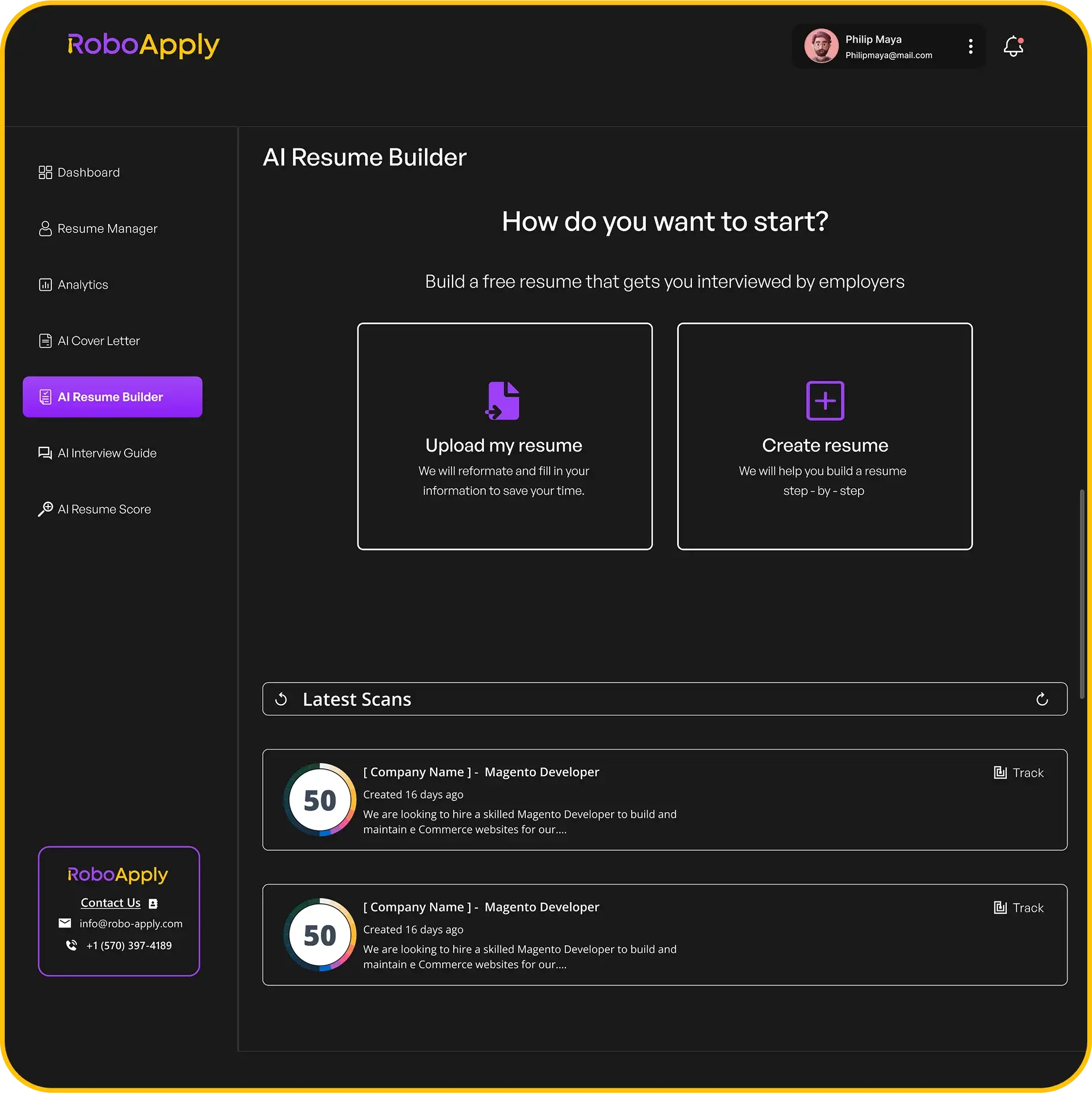
Consider using RoboApply’s AI Resume Builder to help structure your experience bullets with the right metrics and action verbs that principals look for.

Teacher Resume Example Formats by Education Level
Elementary, high school, and special education positions need different strategies. What works for a second-grade teacher won’t impress a high school principal. Each teaching resume example should reflect the specific requirements of your target level.
Elementary Teacher Resume Example
Elementary resumes focus on foundational skills and child development. You’re teaching kids to read, write, and be students. That takes specific abilities worth highlighting.
Keep your professional summary short. Two sentences max. Try something like: “Second-grade teacher with five years building literacy skills in diverse classrooms.”
Elementary principals care most about reading growth. The EdWeek Research Center confirms literacy outcomes matter more than anything else at this level. If you’ve helped struggling readers catch up, say so clearly.
Mention specific programs you’ve used. Fountas and Pinnell, Words Their Way, and similar curricula mean something to elementary administrators. They’re hiring someone who knows the tools already.
Download Link Here
Parent communication belongs on elementary resumes too. Schools want teachers who keep families in the loop. Weekly newsletters, Seesaw updates, or conference systems all count.
High School Teacher Resume Example
High school resumes shift focus to subject expertise. You need deep content knowledge plus the ability to prep students for what comes next. Your academic credentials in your subject area matter here.
AP courses, dual enrollment classes, or honors sections deserve prominent placement. Schools actively hunt for teachers who can handle advanced material. High school teacher resume examples emphasize different metrics than elementary ones.
Focus on achievements that matter at this level:
- AP exam pass rates versus state or national averages
- Competition results in your subject area
- College acceptance rates from your classes
- Student publications or performance achievements
The College Board reports that high schools specifically recruit teachers with strong AP track records. Those pass rates open doors. Leadership beyond your classroom helps too.
Department chair roles, curriculum writing, or new teacher mentoring show you contribute to the whole school community.
Special Education Teacher CV Example
Special education resumes must prove you understand IEP development and compliance. The legal side matters as much as the teaching side. Focus on student progress despite real challenges.
Show how you moved kids forward academically while managing complex needs. Be specific about disabilities you’ve worked with and settings where you’ve taught. Your skills section needs technical terminology.
Include assessment tools like DIBELS, behavior programs like PBIS, and assistive technology you’ve implemented. Data collection methods matter too. A strong teacher cv example for special education demonstrates both legal knowledge and practical teaching success.
Getting Past Applicant Tracking Systems
Most school districts run resumes through software before humans see them. Your resume needs to pass this digital filter first. Research from Jobscan shows about 75% of resumes get rejected by these systems.
Stick to simple layouts. No graphics, photos, or creative designs. Use standard fonts like Arial or Calibri in 11 or 12 point.
Save files as Word documents unless applications specifically want PDFs. Some older systems can’t read PDFs properly. Name your file professionally: “FirstName_LastName_Resume.docx.”
Skip tables, text boxes, headers, footers, and multiple columns. These look nice but confuse the software. Everything needs to sit in a single column.
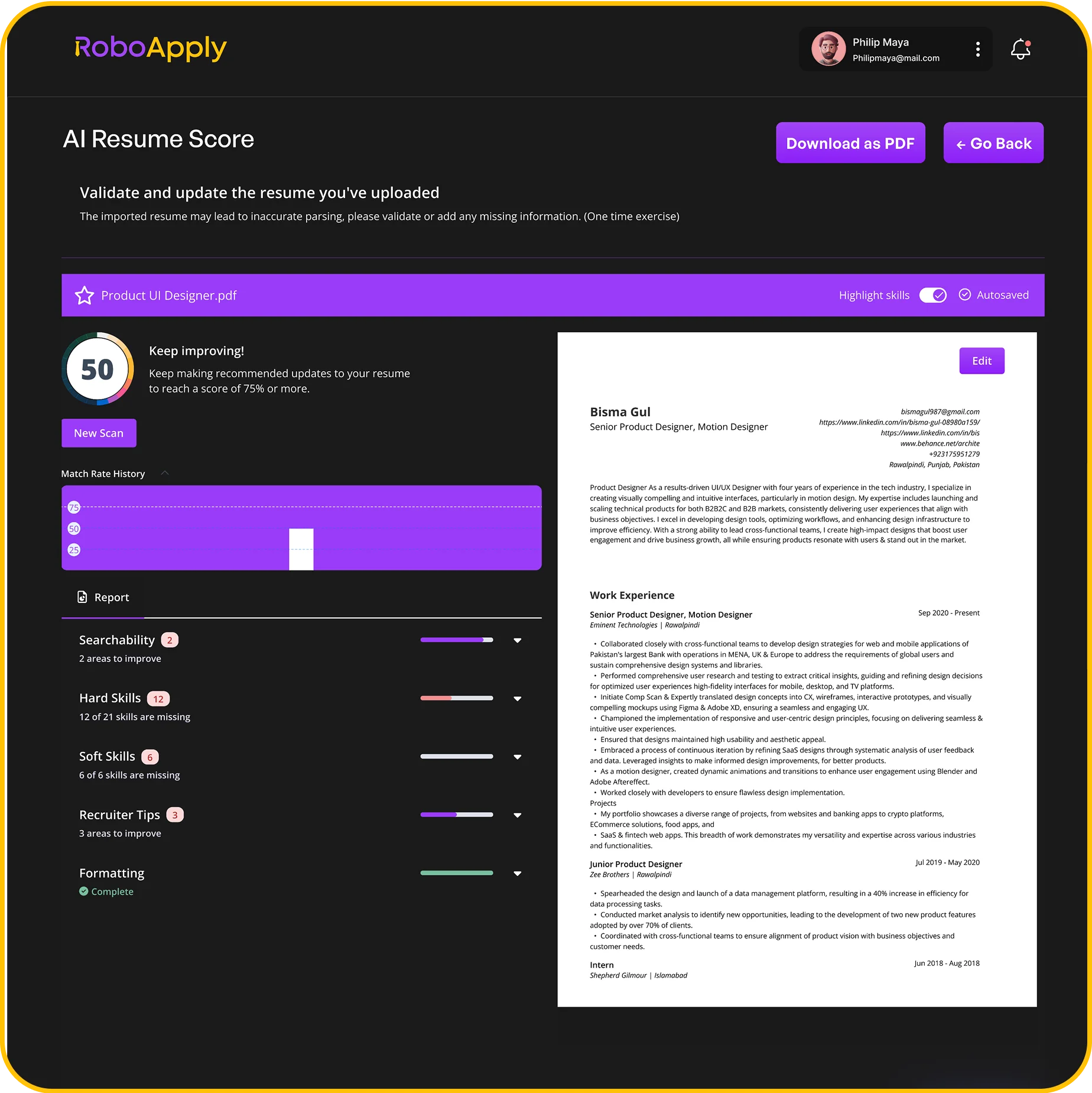
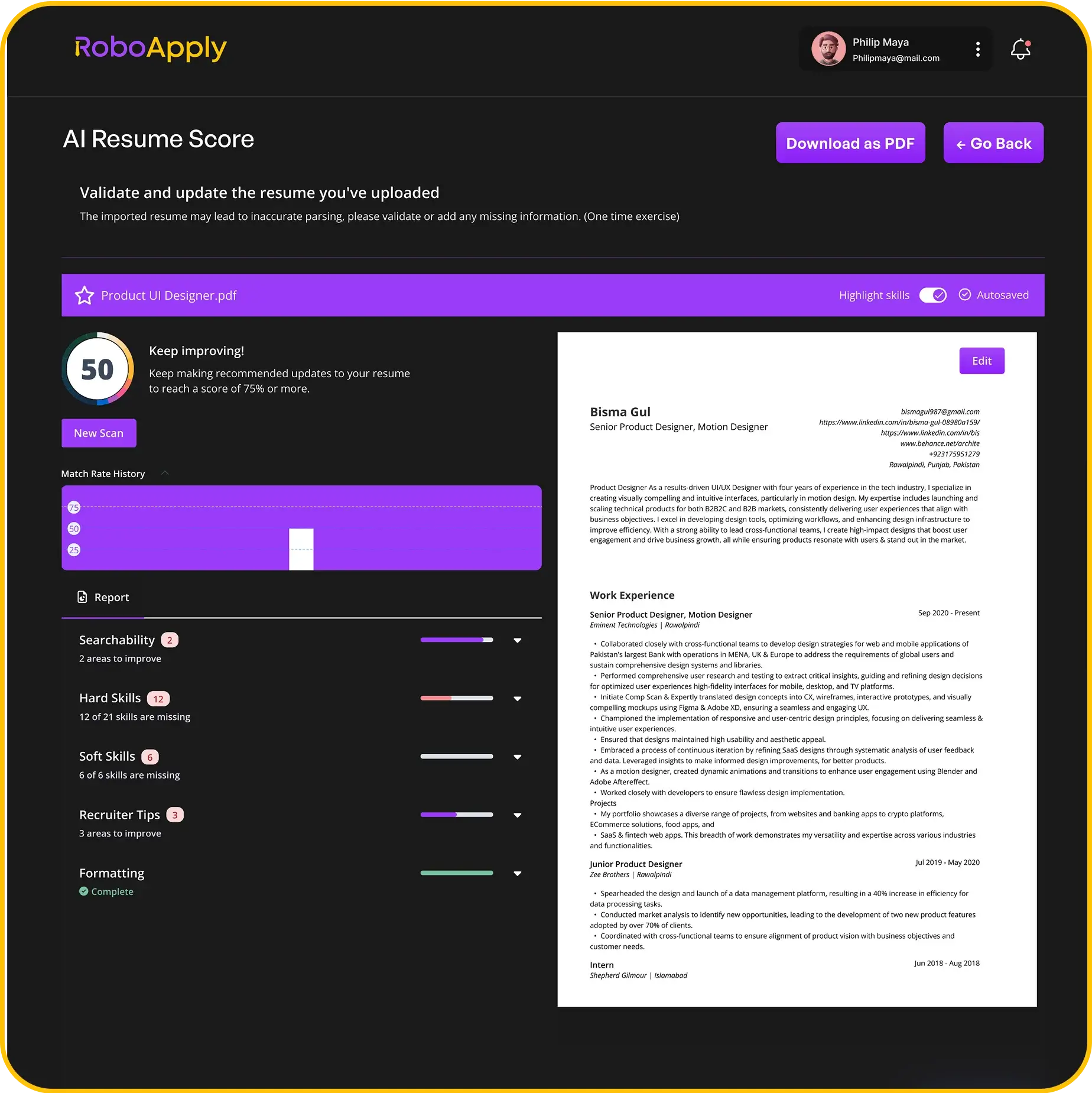
Before submitting, use RoboApply’s AI Resume Score to check how well your resume matches ATS requirements and job descriptions.
Matching Keywords Naturally
Job postings contain keywords the system searches for. Read postings carefully and work relevant terms into your resume naturally. If a school wants “differentiated instruction experience,” use that exact phrase somewhere.
Don’t stuff keywords awkwardly into sentences though. Principals eventually read your resume, and obvious stuffing looks desperate. Weave important terms into your real accomplishments instead.
Adjust your skills section for each job. One school might want Google Classroom expertise while another prefers Schoology. Customize accordingly for every teaching resume example you submit.
Mistakes That Kill Teacher Resumes
Teachers keep making the same errors that tank their chances. You can dodge these problems easily once you know what they are. Expired certifications or missing license numbers cause immediate rejection.
Schools verify credentials before making offers. Check your certification status annually and update everything. Generic duty descriptions bore principals to death.
“Planned lessons” and “graded assignments” appear on every single resume. Everyone does those things. What makes your teaching stand out?
Unprofessional email addresses hurt you. Use firstname.lastname@gmail.com instead of something like coolteacher99 or partygirl2024. Skip personal details like age or marital status too.

Streamlining Your Application Process
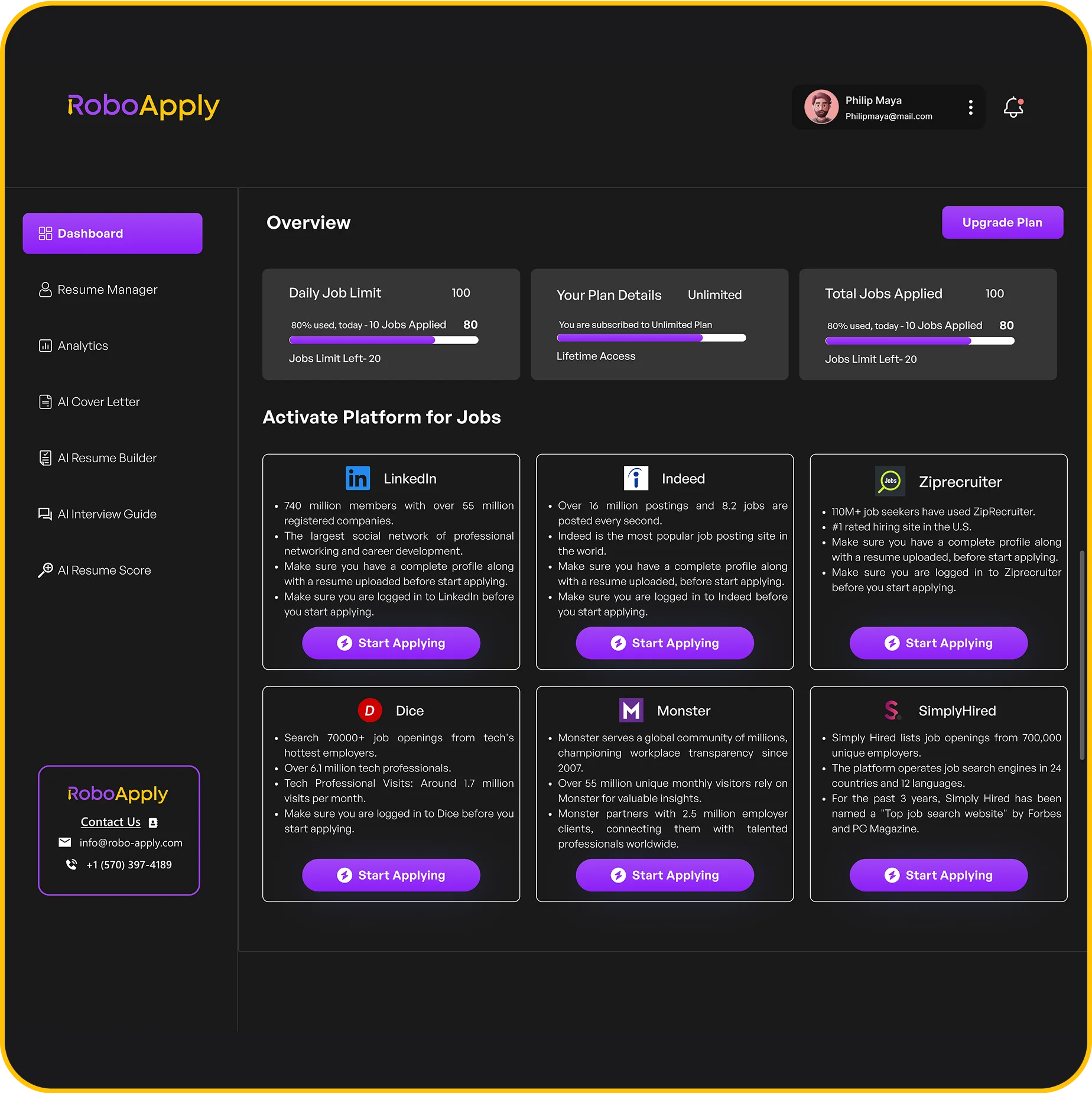
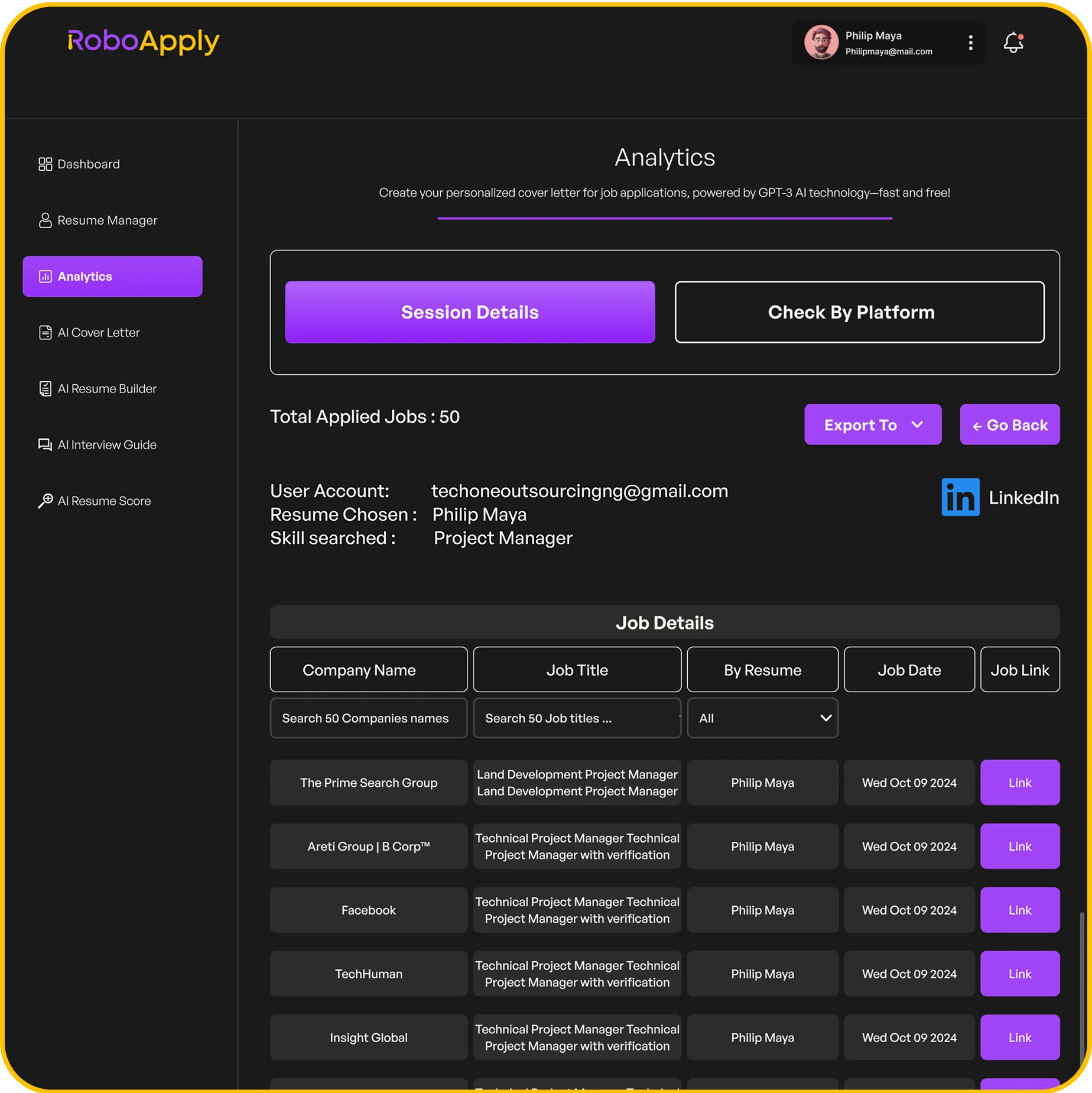
Creating custom resumes for 20 or 30 positions takes forever. Peak hiring season gets overwhelming fast when you’re manually tailoring each application. RoboApply helps teachers manage this challenge efficiently.
The platform’s AI-powered resume tools suggest relevant content based on your actual experience. You can create versions for different grade levels without starting fresh each time. Submit customized applications across job boards while maintaining quality.
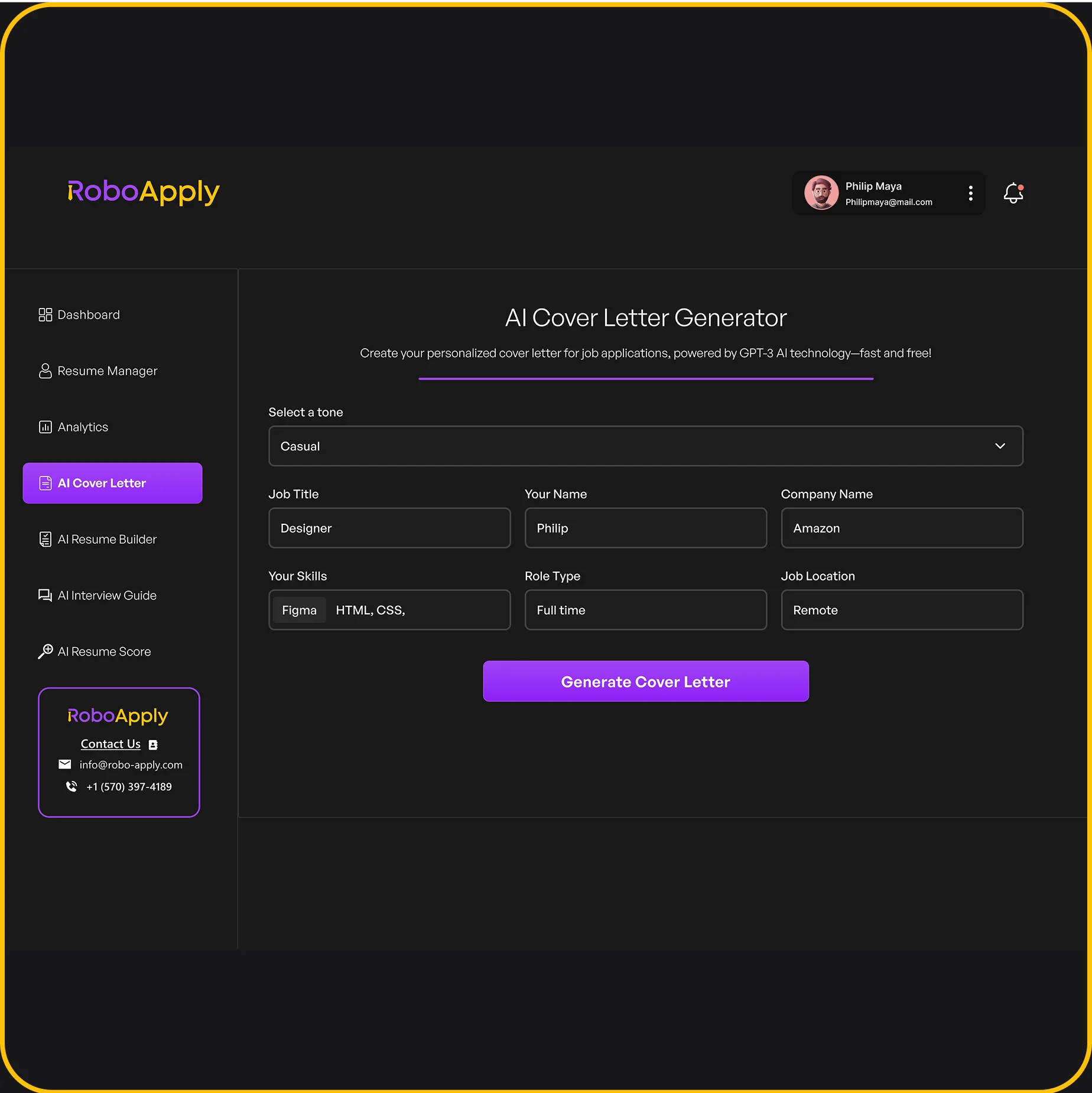
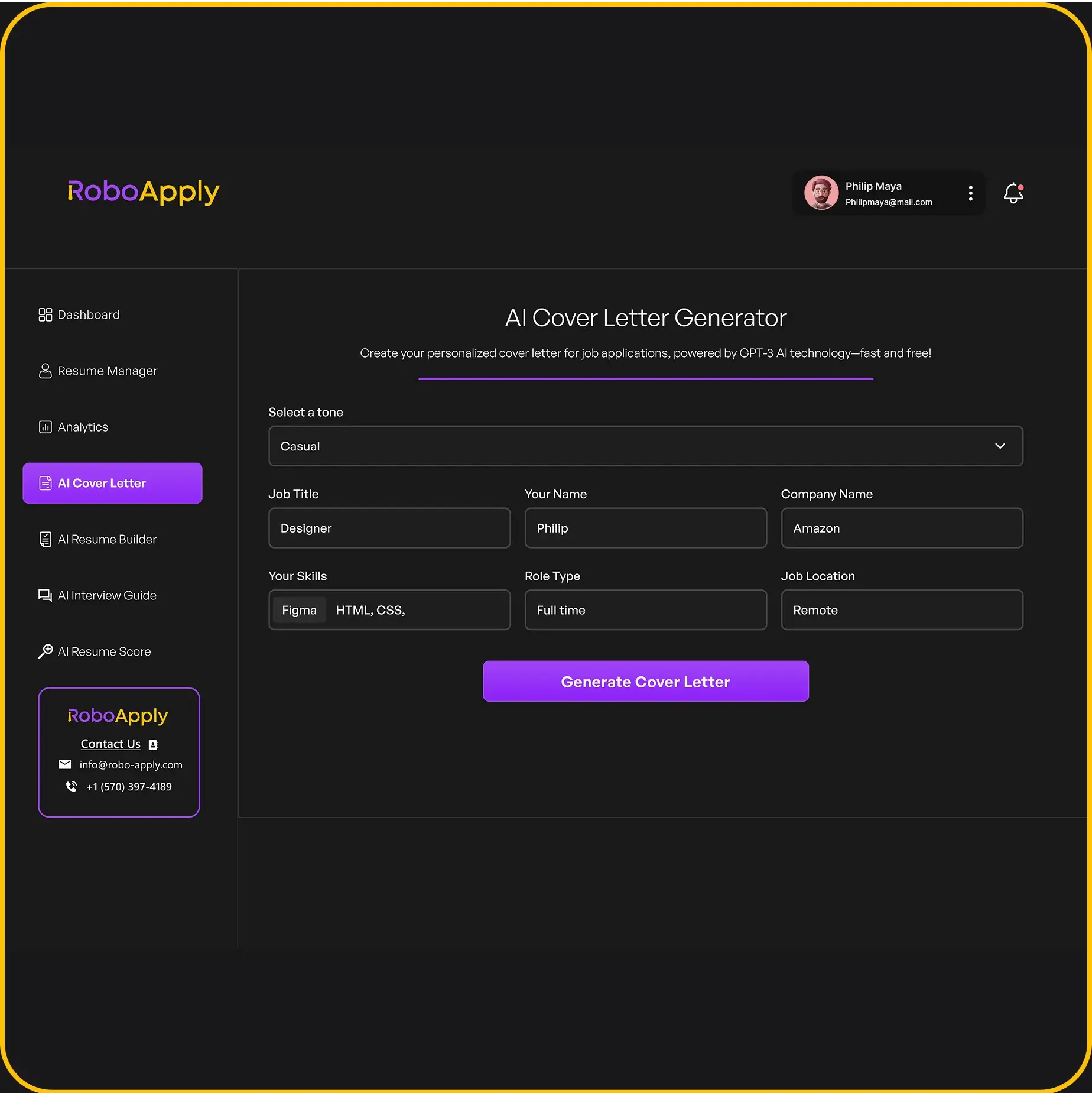
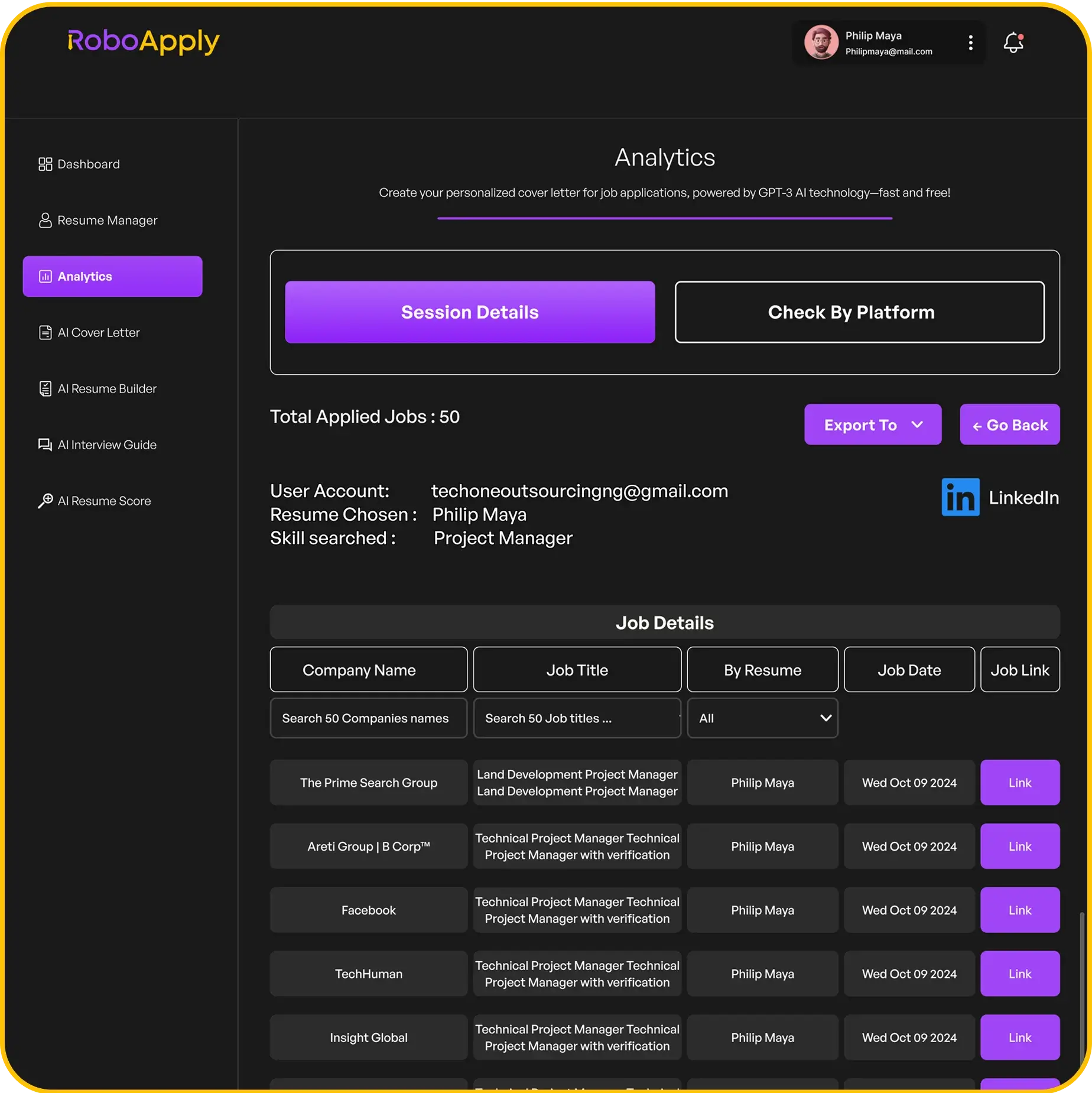
When you’re applying to multiple districts simultaneously, RoboApply’s Auto Apply feature handles the repetitive work. Track everything in one dashboard. Pair strong resumes with personalized cover letters using the AI Cover Letter Generator.
This gives you complete, professional application packages for every opportunity. The system maintains quality while dramatically reducing the time spent on each application.
Frequently Asked Questions
What should a teacher resume include?
A teacher resume needs certification details, professional experience with measurable outcomes, education credentials, relevant skills, and any specialized training or endorsements you hold.
How long should a teacher resume be?
Keep your resume to one page if you’re a new teacher and two pages maximum if you have extensive experience beyond ten years.
Should I include student teaching on my resume?
New teachers should include student teaching with specific details, but experienced educators can remove this section after gaining full-time classroom positions.
What’s the best format for a teacher resume?
Use a chronological format with clear sections, simple fonts, and no graphics or tables that confuse applicant tracking systems used by school districts.
How do I make my teaching resume stand out?
Include specific metrics showing student achievement, use action verbs, customize for each position, and highlight specialized skills or programs relevant to the job posting.