You’ve sent out 50 applications. Still no callbacks. Sound familiar?
Finding a job takes more than clicking “submit” on every posting you see. You need 13 job application strategy examples that actually work to stand out from the crowd.
Here’s the thing. Most people approach job hunting all wrong. They blast their resume everywhere and hope something sticks. That strategy fails because over 98% of Fortune 500 companies use applicant tracking systems to filter candidates before anyone human even looks.
Your resume might be great. But if it doesn’t match what the system’s looking for, nobody will ever see it.

Why Smart Application Strategies Matter
Random applications waste your time. Period.
Recruiters spend about 6 seconds reviewing each resume. That’s it. Six seconds to make an impression or get tossed aside.
Without a strategy, you’re just another name in a stack of 200 applications. Companies use filters and screening tools to cut that pile down fast. Your job is to make sure you survive each round of cuts.
People who customize their applications are 40% more likely to hear back. That’s not a small difference. It’s the gap between getting interviews and staying unemployed.
Target Quality Over Quantity
Stop applying to everything. Seriously.
Pick 5-10 jobs per week where you actually match the requirements. Meet at least 70% of what they’re asking for. Otherwise, you’re wasting everyone’s time.
Quality applications take effort. You’ve got to customize your resume, write a real cover letter, and research the company. When you spread yourself too thin, everything you send out gets weaker.
Companies can tell when you’ve read the job description versus when you’re just throwing stuff at the wall.
Beat the Applicant Tracking Systems
Most companies use software to screen applications first. Your resume needs to pass this robot before any human sees it.
Use standard headings like Work Experience and Education. Don’t get creative with formatting. No tables, no graphics, nothing fancy. Simple fonts. Clean layout.
Save your resume as a .docx file unless they specifically want PDF. Some systems can’t handle PDFs and will auto-reject you.
Here’s the critical part. Use exact keywords from the job posting. If they say “project management,” use those words. Don’t say “managed projects” instead. The system looks for specific terms and scores you accordingly.
Customize Every Application
Send the same resume twice? That’s a mistake you can’t afford.
Each application should match the specific role. Highlight experience that fits what they need. Put relevant stuff first. Bury things that don’t matter for this particular job.
Rewrite your summary for each company. Use their name. Reference the actual position. Show you’ve done more than copy-paste.
Match their language too. If they use certain terms or phrases, work those in naturally. It shows you speak their world.
Apply Early
Applications in the first 96 hours get way more attention than ones that come in later.
Recruiters are fresh early on. They review carefully. Later? They’re drowning in resumes and rushing to make decisions.
Set up job alerts. Check them daily. Apply within 24-48 hours of something posting. Get in that first batch.
Use Your Network
Here’s something most people don’t realize. 85% of jobs get filled through networking, not job boards.
Talk to people at companies you want to work for. Reach out to former colleagues. Ask for informational interviews. Attend industry events. Join professional groups.
Employee referrals matter. A lot. When someone internal vouches for you, your application jumps the line. You skip ahead of hundreds of strangers applying cold.
Write Specific Cover Letters
Generic cover letters are worse than no cover letter. Write each one for that exact job at that exact company.
Start with why you want this role. Reference something specific about their company. Show you’ve done research.
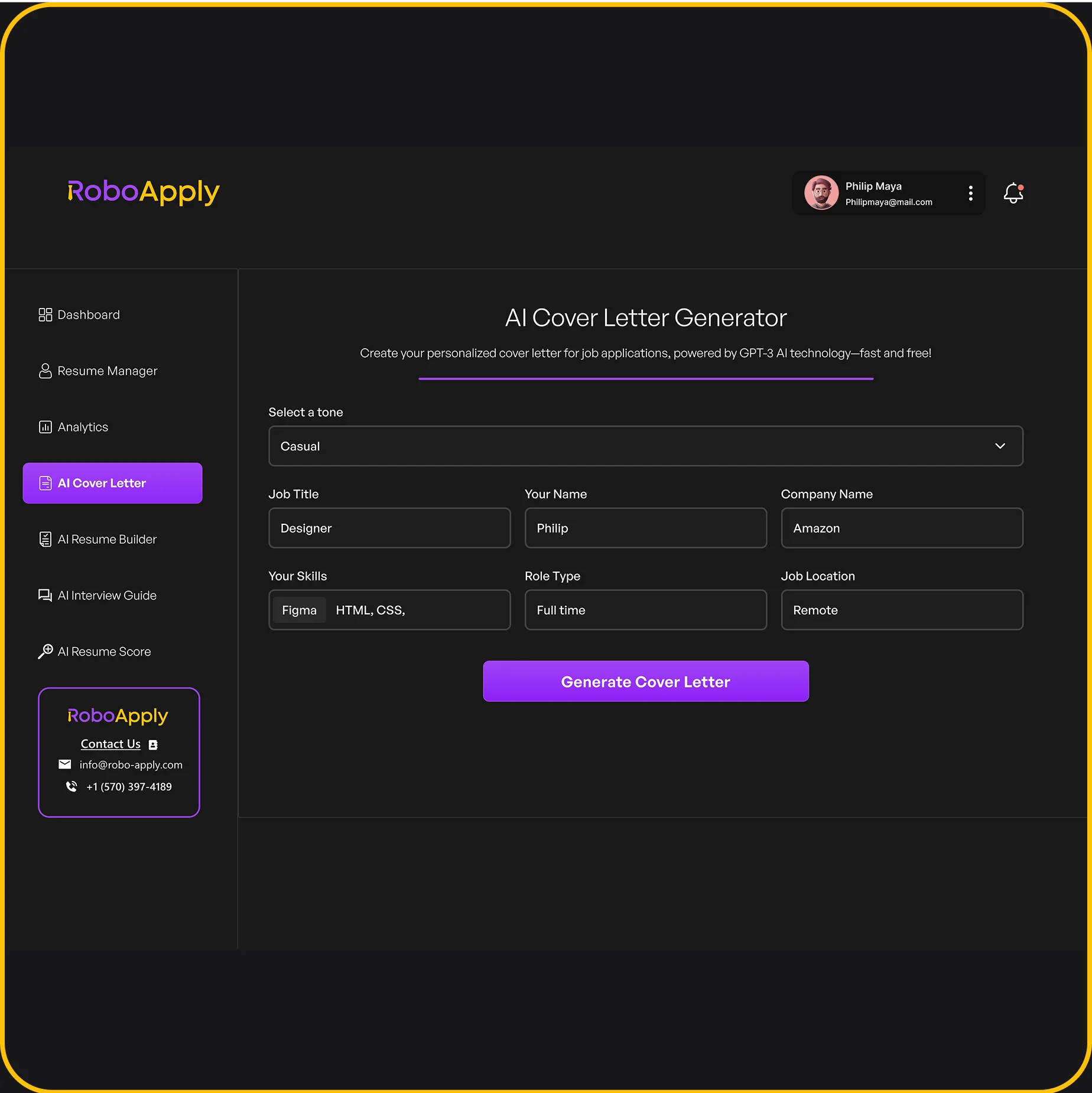
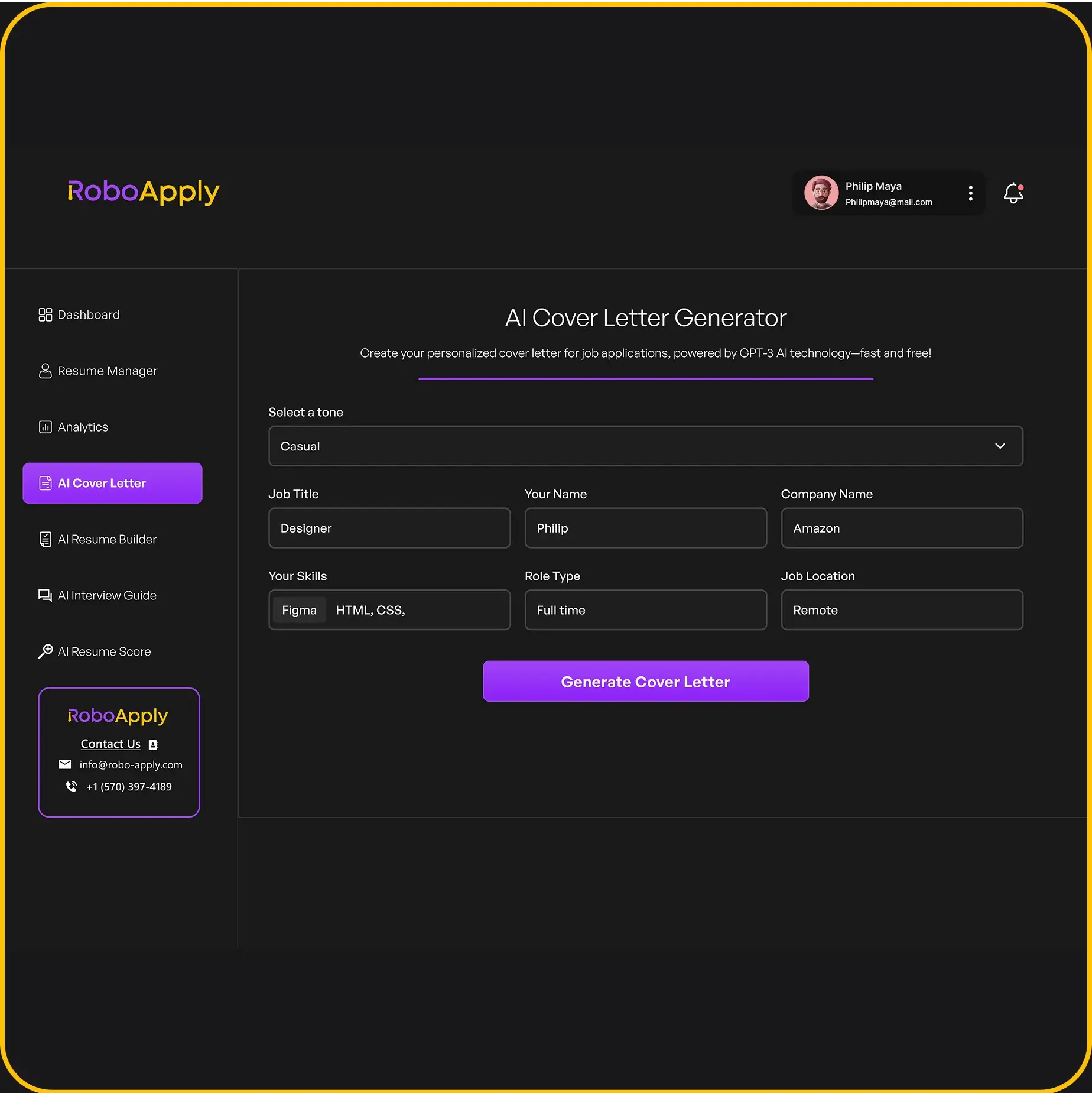
Connect your experience to what they need. Don’t rehash your resume. Explain how you’ll solve their problems.
Three paragraphs work best. Keep it tight. Make every sentence count.
Follow Up
Most people apply and disappear. Don’t be most people.
Wait one week. Send a short email. Say you’re still interested. Ask about their timeline. Keep it professional.
Don’t be annoying. Don’t demand anything. Just remind them you exist and you’re ready when they are.
If something relevant happens after you apply, mention it. Finished a certification? Completed a project? That’s worth sharing.
Research Before Applying
Spend 15 minutes learning about each company. Check their website. Read recent news. Look at their social media. See what employees say about working there.
This research helps you customize smarter. You’ll know what they care about. What challenges they face. What language they use.
Look up the hiring manager on LinkedIn if you can. Understanding their background helps you connect better.
Show Numbers
Numbers grab attention. Always.
Don’t say you “improved sales.” Say you “increased sales by 34% in six months.” See the difference?
Quantify everything possible. How many people on your team? What percentage did costs drop? How much revenue did you bring in?
Even estimates work. “Managed approximately 8 people” beats “managed a team” every time.
Optimize LinkedIn
Recruiters search LinkedIn constantly. Your profile needs keywords they’re hunting for.
Put industry terms in your headline, summary, and job descriptions. Think like a recruiter. What would they search to find someone like you?
Keep everything current. Update regularly. Turn on “Open to Work” but make it visible to recruiters only.
Get recommendations from people you’ve worked with. Those endorsements add credibility.
Address Red Flags Early
Got employment gaps? Career changes? Explain them briefly.
Don’t make excuses. Don’t over-explain. Just address it and move on to what you learned.
Frame everything positive. Travel taught you adaptability. A career switch shows you’re finding the right fit.
Control your story. Don’t let them guess.
Use Multiple Channels
Job boards are fine. But they’re not enough.
Check company websites directly. Join industry-specific boards. Work with recruiters in your field. Attend networking events. Tap your alumni network.
Lots of jobs never make it to Indeed or LinkedIn. You’ve got to dig deeper.
Track Everything
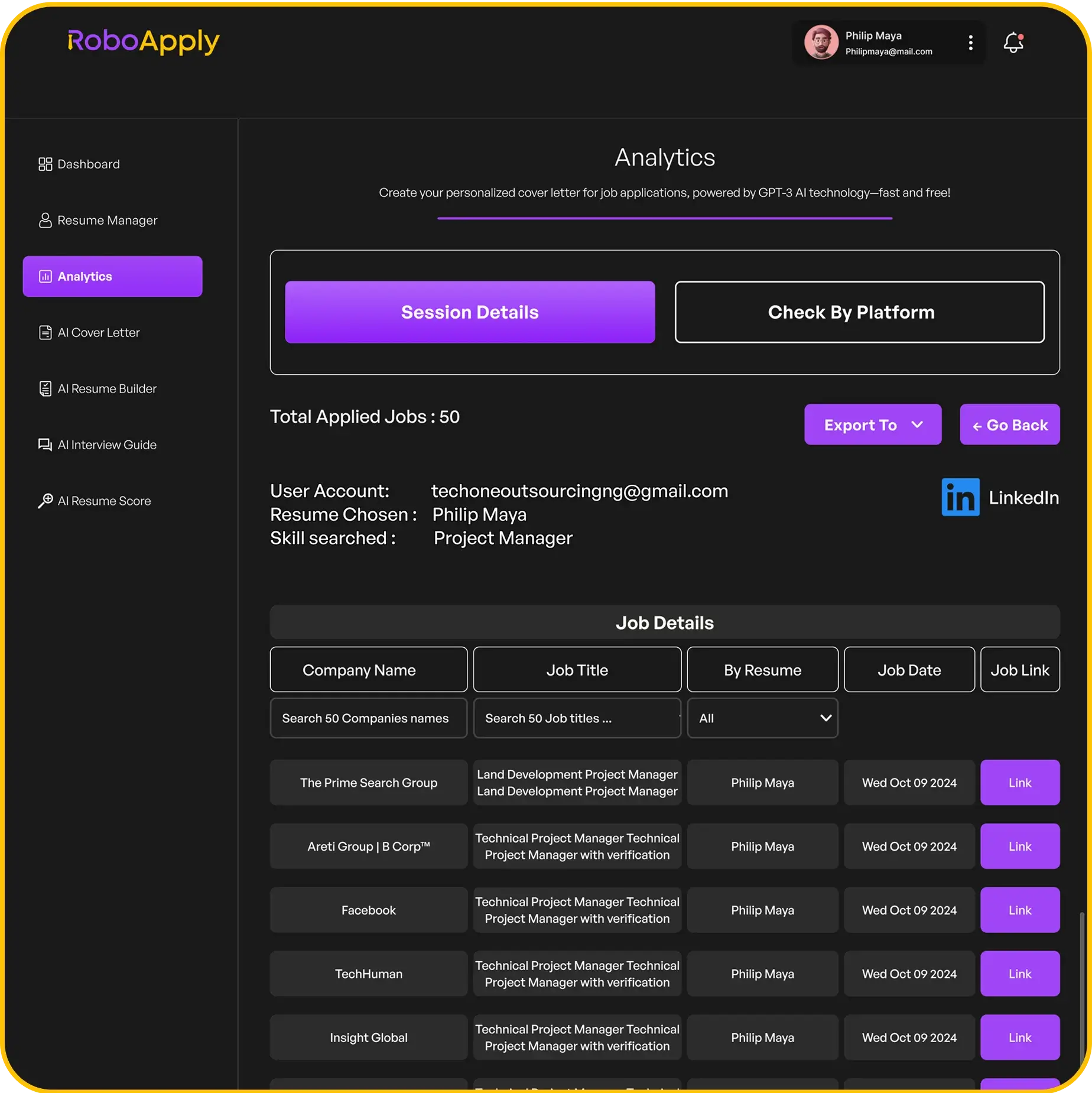
Make a spreadsheet. Every application goes in it. Company name, position, date, contact info, follow-up dates.
Review it weekly. Follow up where needed. Update statuses. Spot patterns in what’s working.
This system stops you from forgetting applications or looking dumb by applying twice.
Making It Work
Pick three strategies to start. Don’t try all 13 at once.
Build habits around the ones you choose. Track what generates responses. Double down on what works.
Set weekly goals you can actually hit. Five quality applications beat 30 rushed ones.
These job application strategy examples work when you work them. Consistency matters more than perfection.
Scale Your Efforts
Doing all this manually takes forever. That’s where tools help.
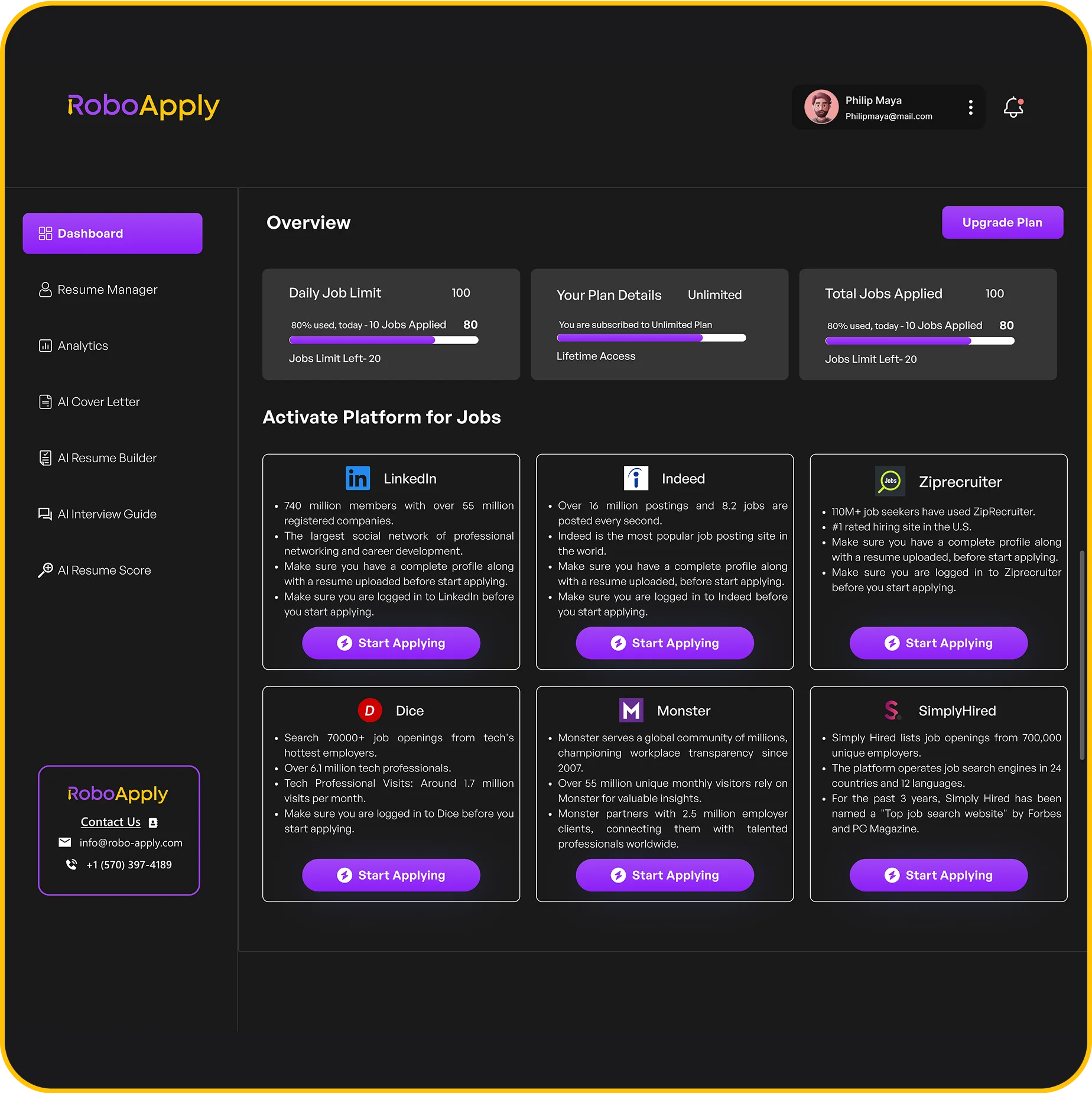
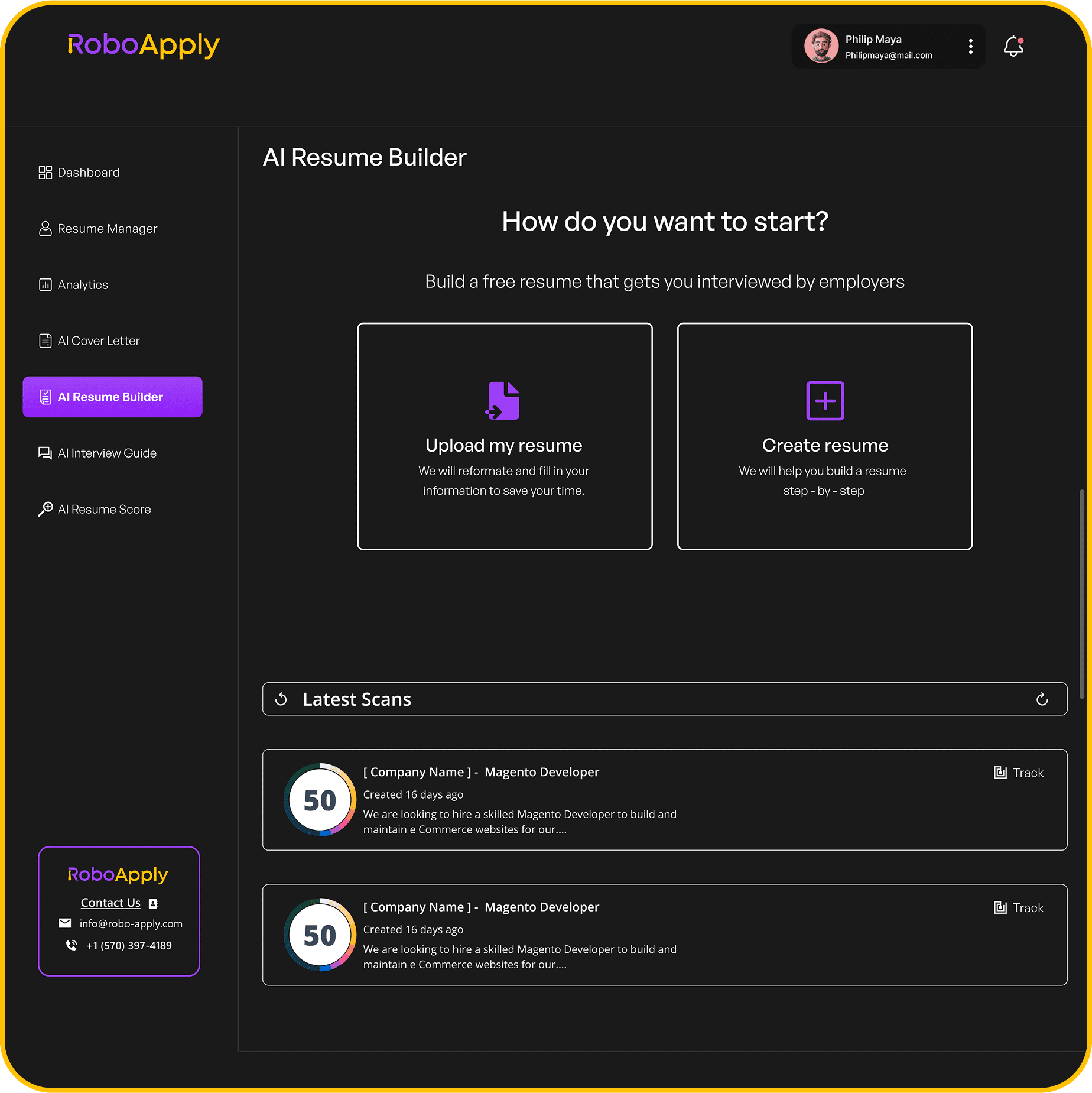
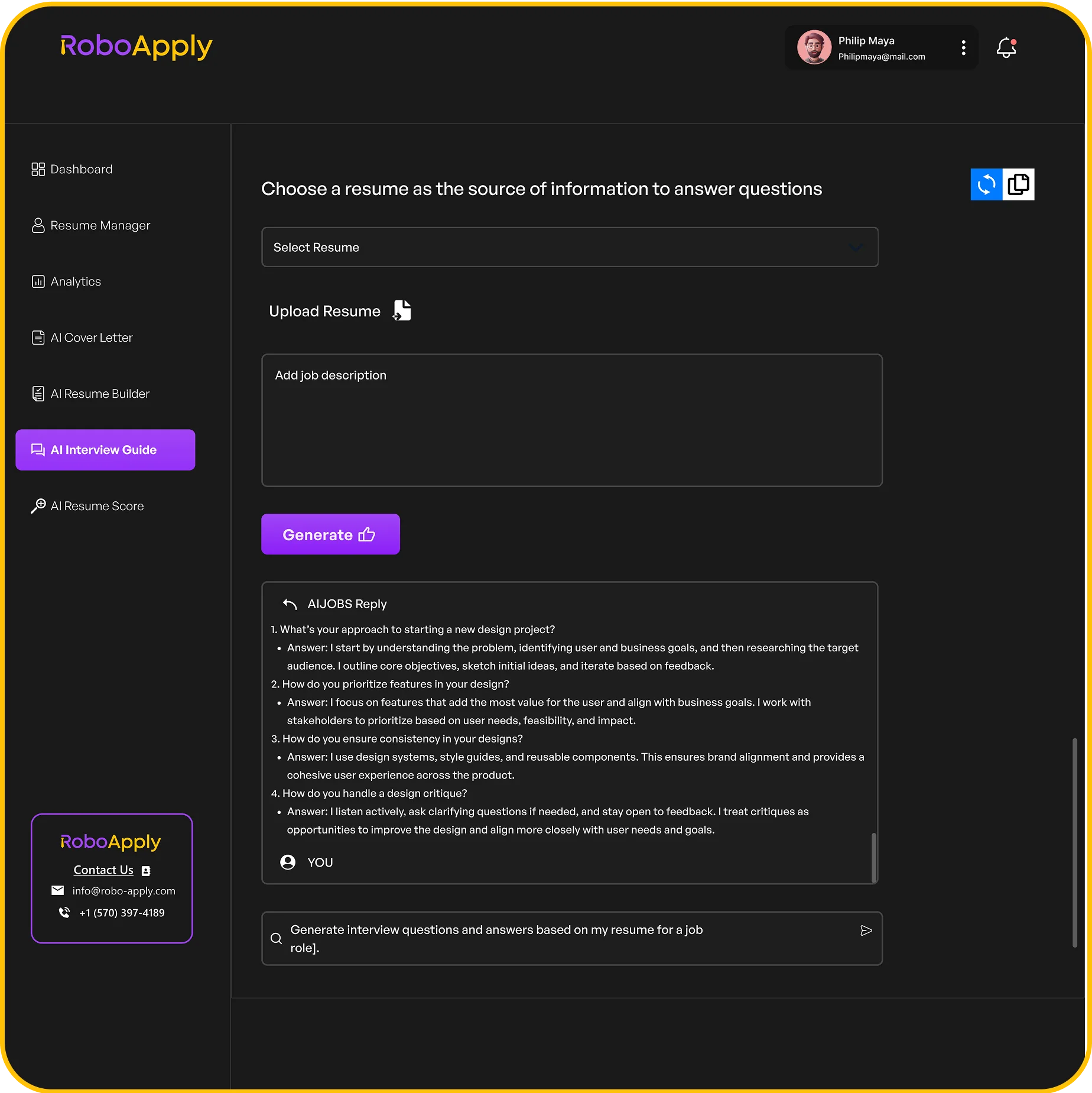
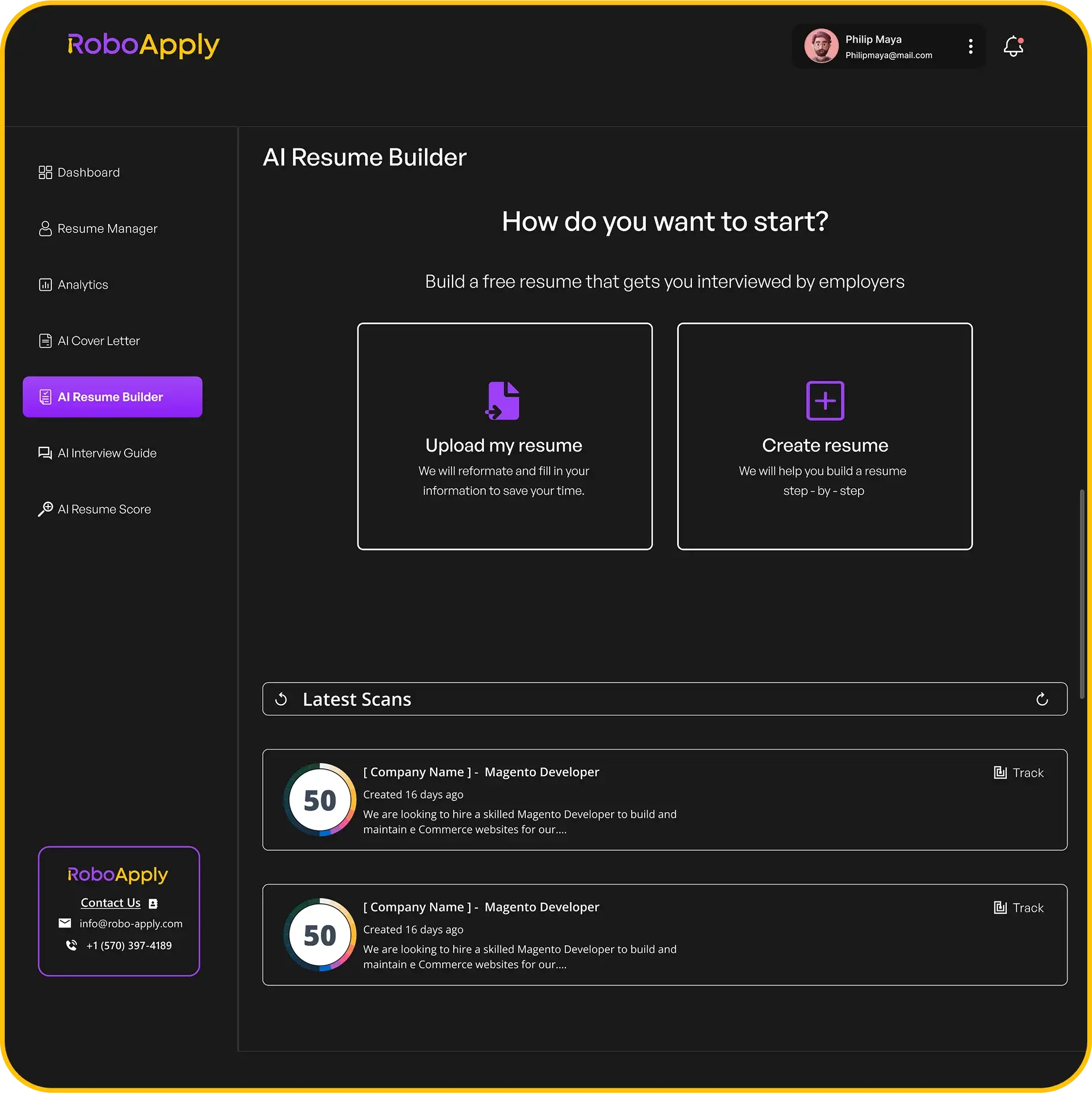
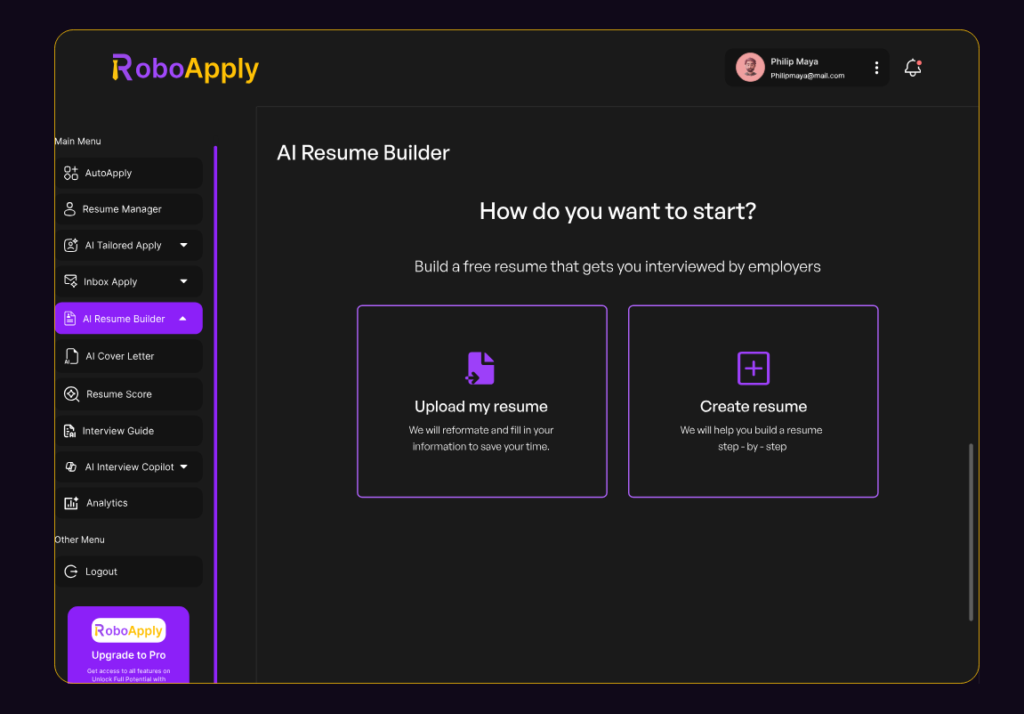
RoboApply handles the repetitive stuff while keeping things personal. The AI Resume Builder creates ATS-friendly resumes fast. AI Auto Apply submits applications across LinkedIn, Indeed, and other major boards automatically.
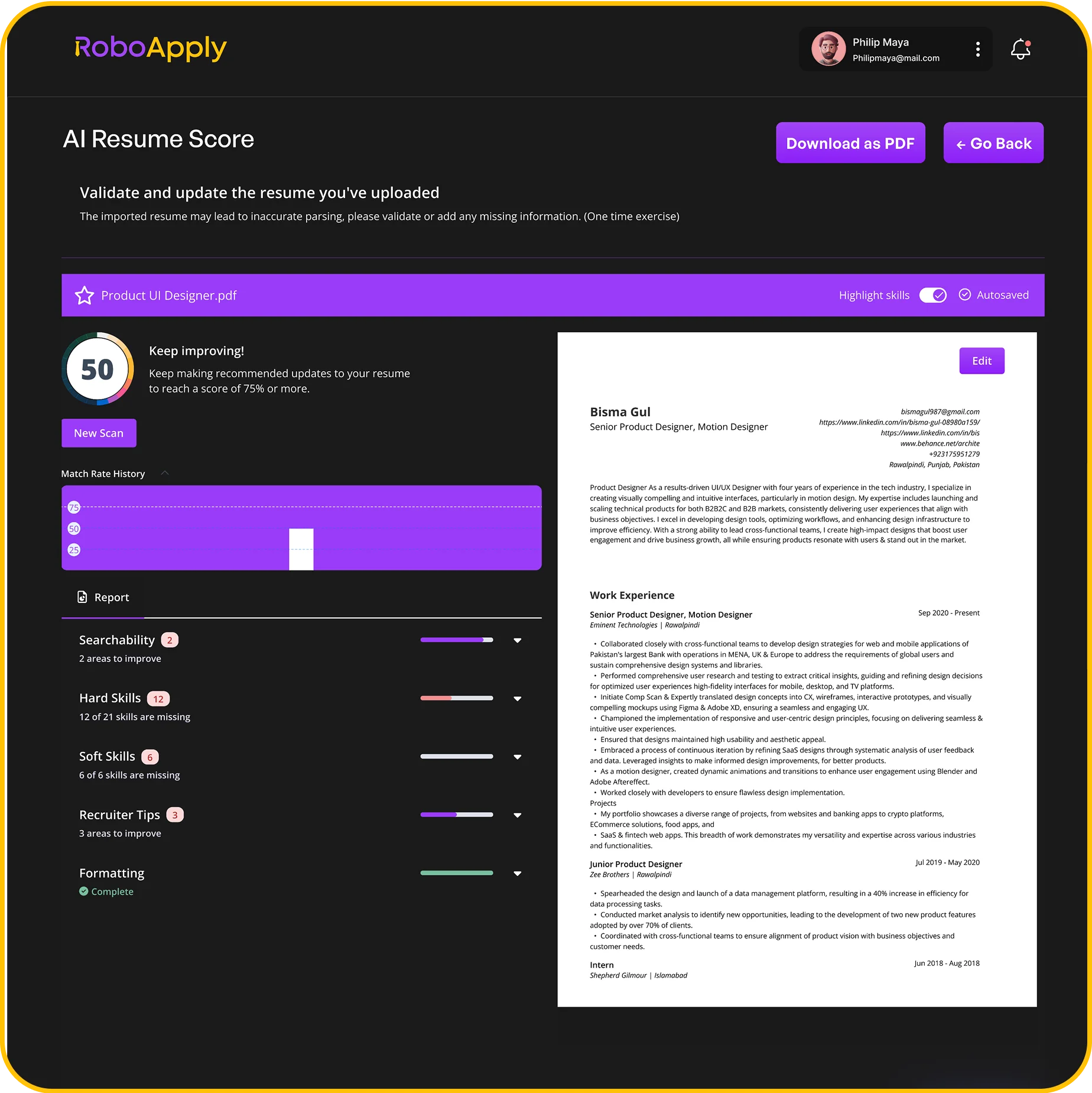
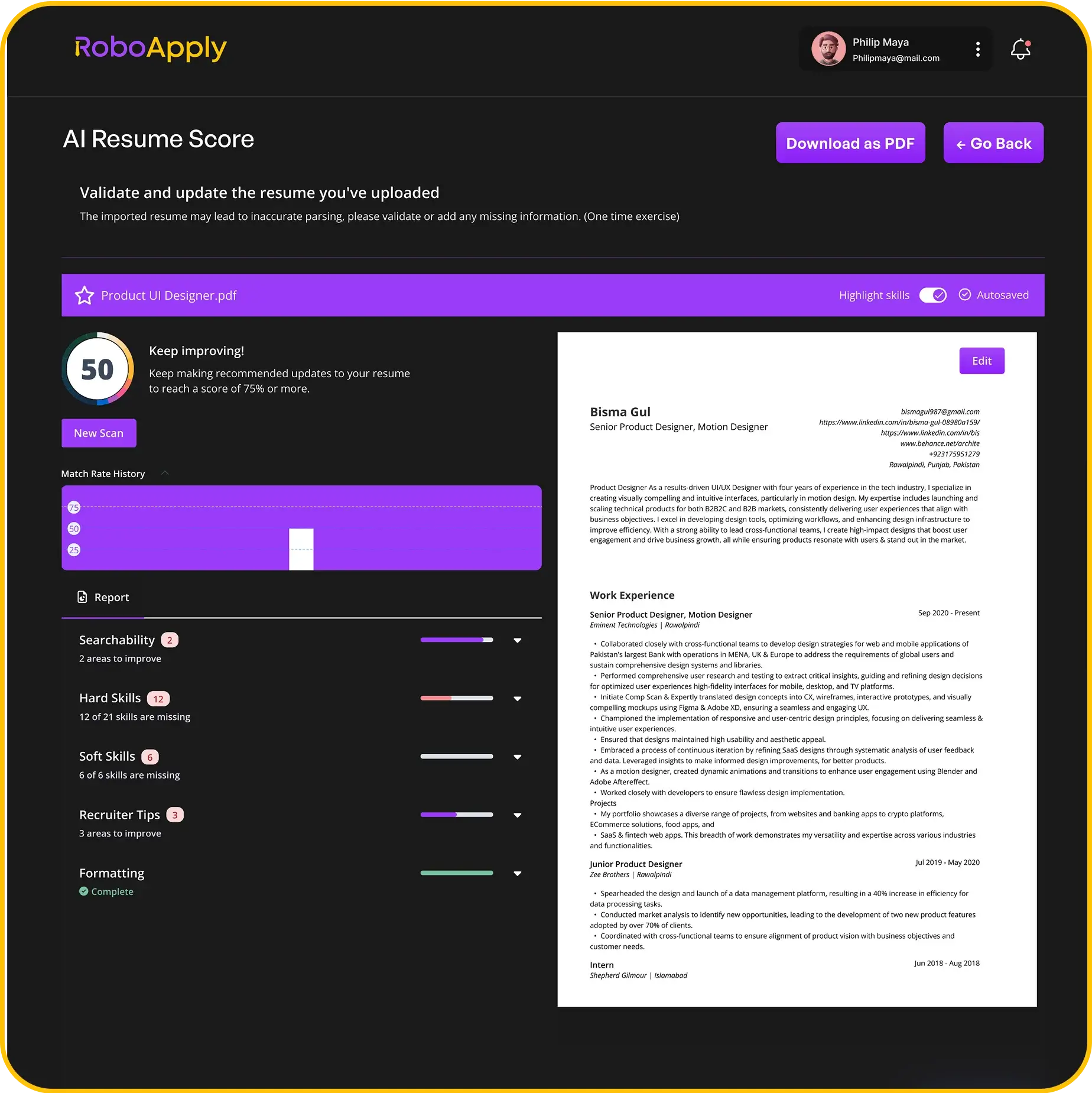
AI Tailored Apply customizes your resume for each posting. It matches keywords and highlights relevant experience without you spending hours on it . AI Resume Score shows where to improve before you hit submit.
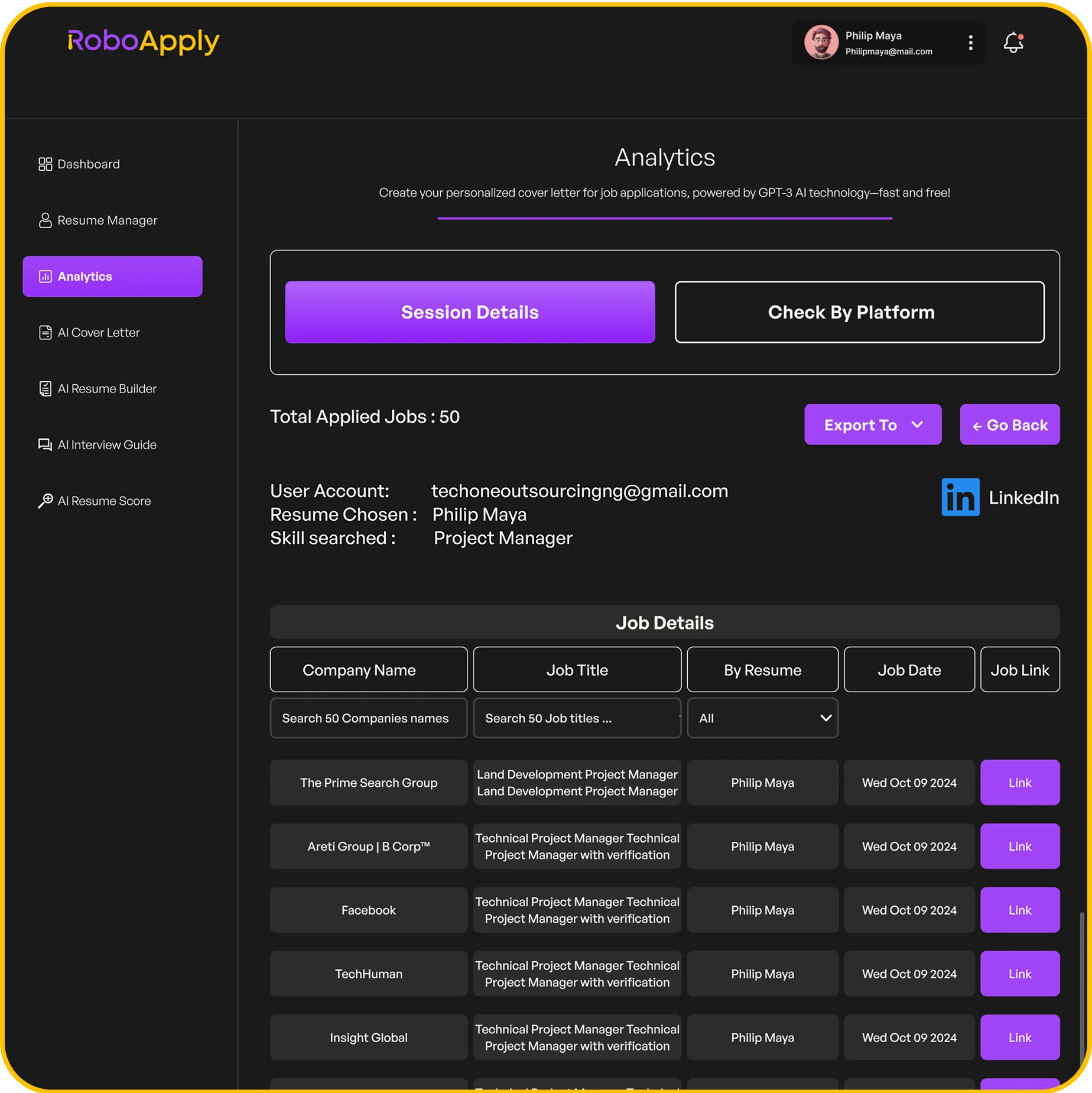
Track everything in one dashboard. See what’s pending, what needs follow-up, what turned into interviews.
You keep the strategy. Automation handles the grind.
Frequently Asked Questions
What makes a job application strategy effective?
Effective strategies customize applications for specific roles, use relevant keywords, and reach employers when they’re actively reviewing candidates rather than sending generic applications randomly.
How many jobs should I apply to per week?
Focus on 5-10 quality applications weekly where you meet most requirements. Customized applications to good-fit roles outperform mass applications to poorly matched positions.
When is the best time to submit applications?
Apply within 24-96 hours after a job posts. Early applications get more attention from recruiters who aren’t yet overwhelmed with hundreds of submissions.
Should I always write a cover letter?
Write specific cover letters for positions you really want. Generic ones hurt more than help. Skip them for mass applications but include them for targeted roles.
How long should I wait before following up?
Wait one week after applying, then send a brief professional email asking about timeline and reiterating your interest without being pushy or demanding.