Big law bonuses are year-end compensation paid to associates at large law firms beyond base salary. First-year associates receive $15,000-$20,000 bonuses while senior associates earn $100,000+. Bonuses follow the Cravath scale used by most firms. Payment typically occurs in late January or early February. Bonuses reward billable hours, firm performance, and associate contributions.
Most law students and young lawyers don’t understand how big law compensation really works. You’re not just getting a salary. Bonuses represent 15-30% of total compensation depending on your class year and hours billed.
Research from the National Association for Law Placement shows average big law associate compensation reaches $225,000-$385,000 when combining salary and bonuses. Understanding bonus structures helps you evaluate offers and plan finances throughout the year.
Understanding Big Law Bonus Structure
Big law firms follow relatively standardized bonus systems despite being separate businesses. This consistency stems from competitive pressure to match peer firms attracting and retaining top legal talent.
The bonus structure divides into two main components working together to determine your total year-end payment. Market bonuses represent the baseline all firms pay to remain competitive. Special bonuses reward exceptional performance or extraordinary hours beyond normal expectations.
Market Bonuses and the Cravath Scale
Market bonuses follow the Cravath scale named after Cravath, Swaine & Moore, which traditionally sets compensation standards other firms match. When Cravath announces bonuses each December, most major firms follow within days or weeks.
The 2024-2025 Cravath scale sets these market bonus levels:
- First-year associates receive $20,000 bonuses
- Second-year associates get $30,000 bonuses
- Third-year associates earn $45,000 bonuses
- Fourth-year associates receive $65,000 bonuses
- Fifth-year associates get $80,000 bonuses
- Sixth-year associates earn $90,000 bonuses
- Seventh-year associates receive $95,000 bonuses
- Eighth-year associates get $100,000 bonuses
These amounts assume associates meet minimum billable hours requirements typically set at 1,900-2,000 hours annually. Falling short reduces or eliminates bonuses depending on firm policies. Understanding opportunities across basic industries provides compensation context.
Special and Discretionary Bonuses
Beyond market bonuses, firms award additional compensation recognizing exceptional contributions. These special bonuses vary by firm and individual performance unlike standardized market bonuses.
Special bonus categories include hours-based bonuses paying $5,000-$15,000 for billing 2,200-2,400+ hours, deal or case completion bonuses rewarding successful major transactions, origination bonuses for bringing in new clients, and discretionary bonuses recognizing outstanding work quality or firm citizenship.
Hours-based bonuses scale with billable time. Billing 2,200 hours might earn $7,500 extra. Reaching 2,400 hours could add $15,000 on top of market bonuses. Some firms cap special bonuses while others pay unlimited amounts for extraordinary hours. Following professional standards helps in competitive legal hiring.

Big Law Bonus Payment Timing and Taxes
Bonus payment timing significantly impacts financial planning and tax obligations. Understanding when bonuses arrive and how they’re taxed helps you manage expectations and plan accordingly.
Most big law firms pay bonuses in late January or early February. This timing allows firms to close their fiscal years, calculate profitability, and determine final bonus pools. Associates typically receive official bonus announcements in December but don’t see payments until the following calendar year.
Tax Implications of Large Bonuses
Big law bonuses face substantial tax withholding often surprising first-year associates expecting bigger checks. Federal, state, and local taxes combine reducing your bonus 35-50% depending on location.
Bonus taxation works differently than regular salary. Employers withhold at supplemental income rates typically 22% federal plus state and local taxes. If you’re in high-tax states like California or New York, total withholding reaches 40-45% before you receive payment.
Year-end tax planning becomes critical when bonuses represent 20-30% of annual income. Consider increasing 401(k) contributions, bunching charitable deductions, or deferring income to manage tax liability strategically. Some associates adjust W-4 withholding anticipating large bonuses avoiding underpayment penalties. Like understanding specialized compensation, legal pay requires planning.
Factors Affecting Big Law Bonus Amounts
Several variables beyond class year determine actual bonus payments. Understanding these factors helps you maximize compensation and set realistic expectations throughout the year.
Billable hours represent the primary bonus determinant at most firms. Missing the 1,900-2,000 hour threshold reduces or eliminates bonuses completely. Most firms use tiered systems where 1,700-1,799 hours earn partial bonuses, 1,800-1,899 hours get 75-90% bonuses, and 1,900+ hours receive full market bonuses.
Pro-rated bonuses apply to associates who started mid-year or took extended leaves. If you joined in July, expect roughly 50% of full-year bonuses. Parental leave, medical leave, or sabbaticals reduce bonuses proportionally based on time away.
Firm profitability affects discretionary bonuses though not market bonuses. Highly profitable years might generate larger special bonuses or firm-wide adjustments. Struggling years could reduce or eliminate discretionary payments while maintaining market bonuses to stay competitive. Understanding resume formatting helps legal applications.
Practice group performance influences bonuses at some firms. Busy groups billing high rates might receive premium bonuses. Slower practice areas could face reduced discretionary payments despite meeting individual hours requirements.
Comparing Big Law Bonuses to Other Legal Careers
Big law associate bonuses dramatically exceed compensation in other legal career paths. Understanding these differences helps you evaluate whether big law’s demanding lifestyle justifies the financial premium.
Government attorneys rarely receive bonuses. Federal prosecutors and public defenders earn fixed salaries ranging $60,000-$130,000 depending on experience without additional year-end payments. State and local government lawyers earn similar ranges without bonuses.
In-house corporate counsel receive bonuses but at lower rates than big law. Junior in-house attorneys earn $10,000-$25,000 bonuses. Senior counsel and directors receive $25,000-$75,000 bonuses. General counsels at large corporations earn six-figure bonuses but these represent executive compensation not associate-level pay.
Smaller law firms offer inconsistent bonus structures. Some boutiques match big law bonuses competing for talent. Most small firms pay modest bonuses of $5,000-$20,000 or none at all. Compensation focuses on base salary and profit-sharing for partners. Like knowing when to follow up on applications, timing varies by setting.

Optimizing Your Big Law Job Search
Securing big law positions offering competitive bonuses requires strategic applications highlighting your qualifications effectively. These tools help you navigate competitive legal hiring processes.
RoboApply’s AI Resume Builder creates legal-industry-optimized resumes emphasizing your law school achievements and relevant experience. The platform formats complex legal credentials for firm hiring committees.
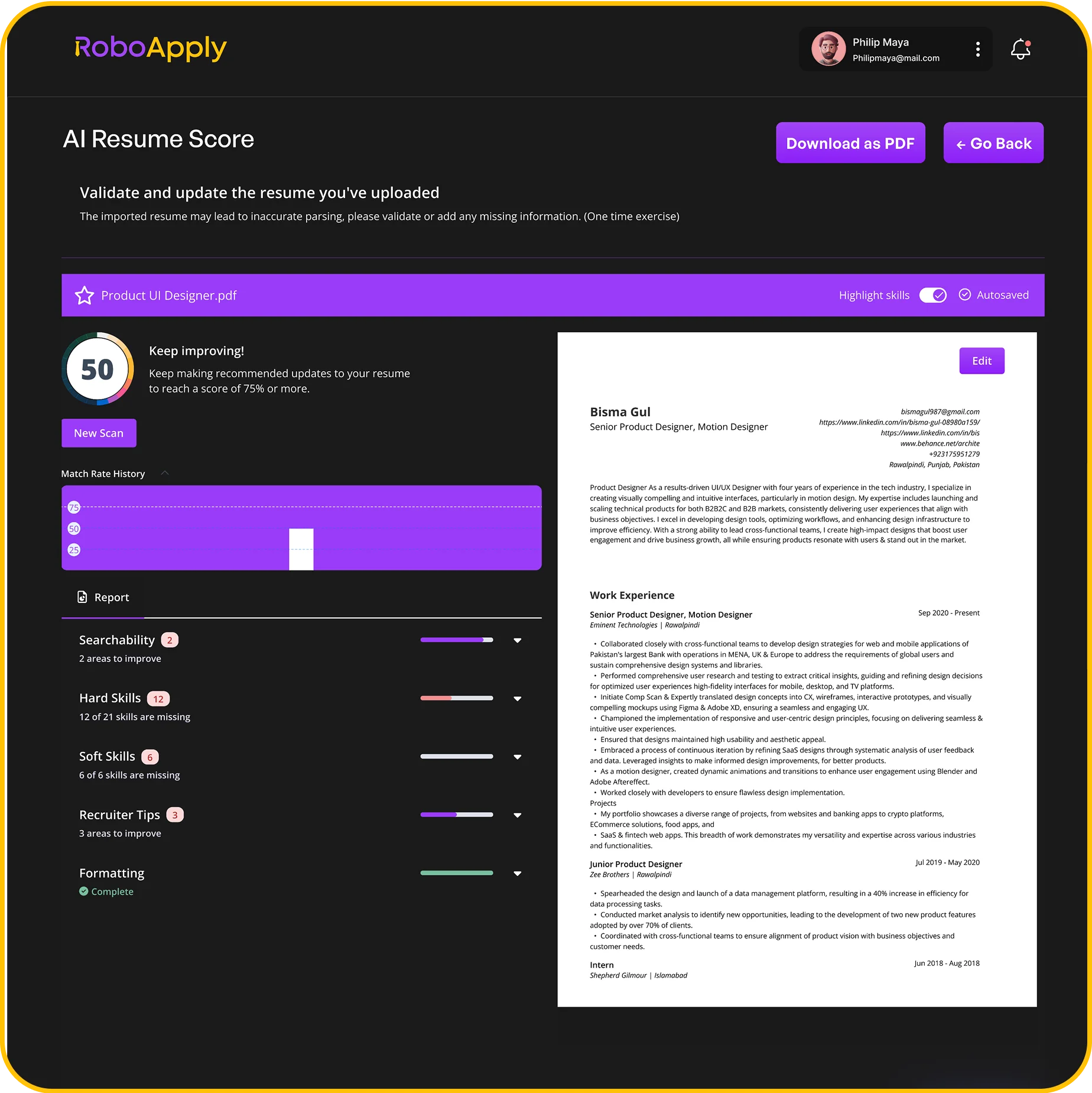
The Resume Score feature analyzes your application against big law requirements. You’ll see which accomplishments to emphasize and how to position your legal background.
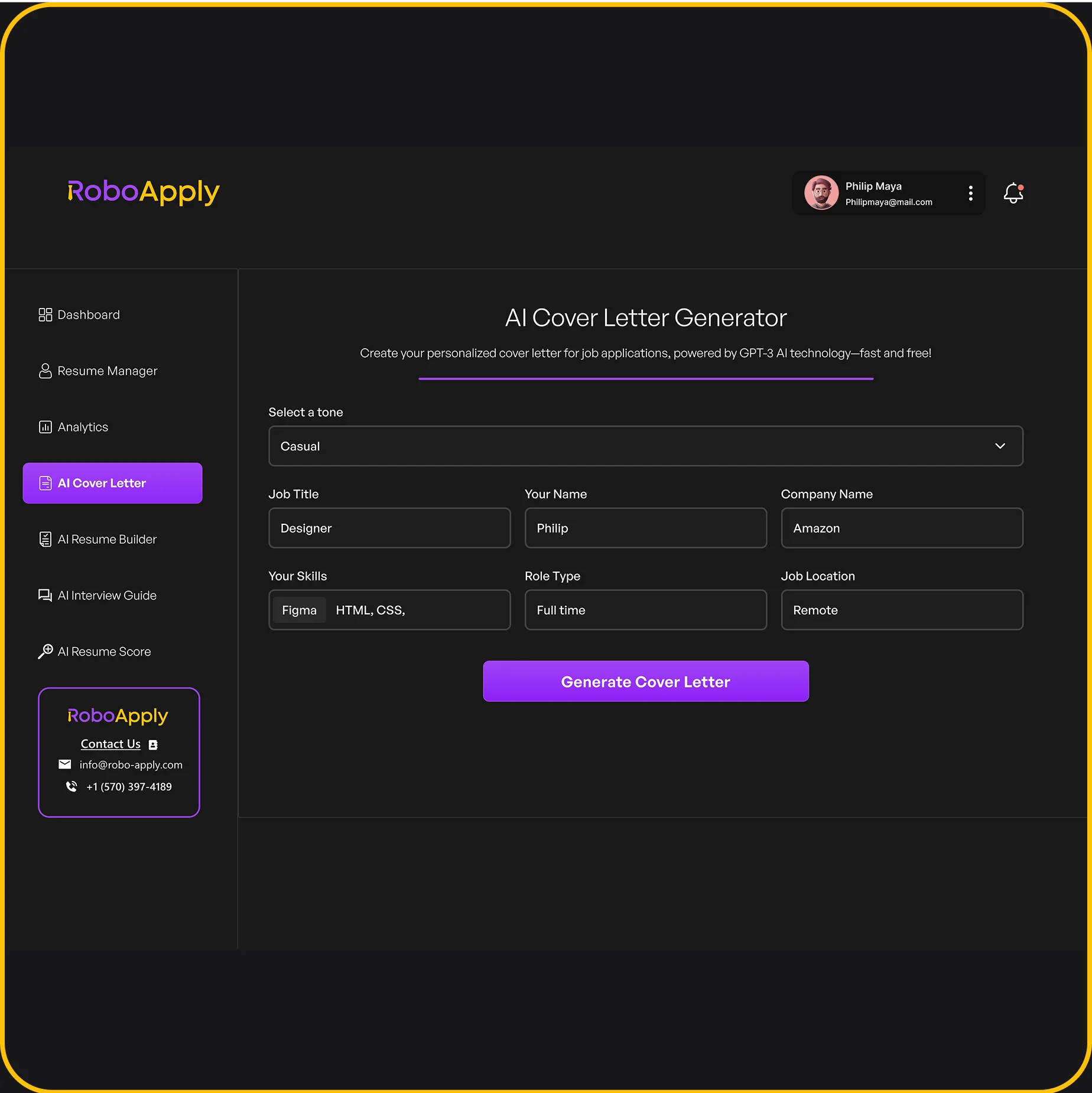
AI Cover Letter Generator produces customized letters for each firm application. You’re not starting from scratch for every V100 application.
AI Auto Apply manages applications across multiple big law firms efficiently. You’re not manually filling repetitive forms at different firms.
Frequently Asked Questions
How much are big law bonuses?
Big law bonuses range from $20,000 for first-year associates to $100,000+ for eighth-year associates. Special bonuses add $5,000-$15,000 for exceeding billable hours requirements.
When do big law firms pay bonuses?
Big law firms typically pay bonuses in late January or early February. Firms announce bonus amounts in December but payment occurs the following calendar year.
What are billable hour requirements for bonuses?
Most big law firms require 1,900-2,000 billable hours annually for full market bonuses. Billing fewer hours results in reduced or eliminated bonuses.
Do all big law firms follow the Cravath scale?
Most major big law firms match the Cravath scale for market bonuses to remain competitive. Some firms pay above Cravath while smaller firms might pay less.
Are big law bonuses guaranteed?
Market bonuses are essentially guaranteed if you meet billable hours requirements and remain employed through bonus payment date. Special bonuses depend on performance and firm discretion.