Who do I address cover letter to? Address your cover letter to the specific hiring manager or recruiter by name whenever possible, using their full name and proper title (Mr., Ms., Dr.). If you cannot find a specific name after thorough research, use “Dear Hiring Manager” or “Dear [Department] Hiring Team” as your salutation. Avoid outdated phrases like “To Whom It May Concern” or “Dear Sir or Madam” which feel impersonal and suggest you didn’t invest time researching the company.
Properly addressing your cover letter demonstrates attention to detail and professionalism that sets you apart from candidates who use generic greetings.
Why Proper Cover Letter Addressing Matters
Who do I address a cover letter to matters more than most job seekers realize. The greeting represents your first impression and signals how much effort you invested in the application.
Hiring managers notice when candidates personalize their cover letters. A specific name shows you researched the company and took time to identify the decision-maker.
According to research on job application effectiveness, cover letters addressed to specific individuals get read 40% more often than those with generic salutations.
Generic greetings like “To Whom It May Concern” immediately signal a form letter sent to multiple companies. These phrases feel outdated and impersonal in modern hiring contexts.
For guidance on other application elements, resources on whether to put references on a resume can help you understand what hiring managers expect.
How to Find the Hiring Manager’s Name
Determining who do I address a cover letter to requires detective work, but multiple sources can reveal the right person’s name.
Check the Job Posting Carefully
Many job postings include the hiring manager’s name or indicate who to contact with questions. Look for phrases like “reporting to,” “will work with,” or contact information at the bottom.
Sometimes postings list an HR representative or recruiter as the contact person. Use that name if provided.
Search the Company Website
Company websites often list team members, especially for smaller organizations. Check the “About Us,” “Team,” or “Leadership” pages.
Look for press releases or company news mentioning department heads or recent hires in leadership positions.
Use LinkedIn Strategically
LinkedIn serves as the most powerful tool for finding hiring managers. Search for employees at the target company, filtering by department or job function.
Check who posted the job if it came from LinkedIn. That person often handles applications.
According to data on professional networking, 87% of recruiters use LinkedIn regularly.
Call the Company Directly
When online research fails, calling the company’s main line often works. Simply ask the receptionist: “I’m applying for the [Position Title] role and want to address my cover letter appropriately. Could you tell me the hiring manager’s name?”
Most receptionists willingly share this information.
Understanding professional document preparation helps. Resources on how many bullet points per job on resume provide formatting insights.

Proper Cover Letter Salutation Formats
Once you determine who do I address a cover letter to, using the correct format ensures professionalism.
Here are the standard formats for different scenarios:
- Use “Dear Mr. Smith” or “Dear Ms. Johnson” when you know the person’s gender
- Use “Dear Dr. Williams” for people with doctoral degrees
- Use “Dear Alex Thompson” when the name doesn’t indicate gender clearly
- Use “Dear Hiring Manager” when you cannot find a specific name
- Use “Dear [Department] Hiring Team” as an alternative generic greeting
Use “Mr.” for men and “Ms.” for women unless you know they prefer “Mrs.” Modern business communication favors “Ms.” as the professional standard.
For people with doctoral degrees, use “Dr.” regardless of whether they work in academia.
When uncertain about gender, use the full name without a title. This avoids potentially offensive misgendering.
According to research on business communication, modern business writing favors clarity and directness.
For more on professional communication, calling a job after applying offers follow-up timing insights.
Common Mistakes When Addressing Cover Letters
Understanding who do I address a cover letter to includes knowing what to avoid.
Here are mistakes that damage your cover letter’s impact:
- Using “To Whom It May Concern” which sounds outdated
- Addressing “Dear Sir” which assumes male leadership
- Using incorrect titles or misspelling the person’s name
- Addressing someone who left the company
- Using overly casual greetings like “Hi” or “Hey”
- Forgetting to include a greeting altogether
Misspelling the hiring manager’s name is particularly damaging. Always verify spelling by checking multiple sources.
Using incorrect titles shows carelessness. If someone earned a doctoral degree, referring to them as “Mr.” or “Ms.” dismisses that achievement.
Some candidates address letters to CEOs who won’t read applications. Address your letter to the person most likely to review it.
If you’re exploring opportunities, how many jobs are available in basic industries can help you understand employment trends.
When Generic Salutations Are Acceptable
Determining who do I address a cover letter to sometimes leads nowhere. In specific situations, generic greetings are acceptable.
Blind job postings deliberately conceal company identity. These postings provide no company name or hiring manager information. Use “Dear Hiring Manager” without concern.
Recruitment agencies often handle applications without revealing which hiring manager will review materials. Address your letter to the recruiter or use “Dear Hiring Team.”
Large companies with automated application systems may not assign specific reviewers until after initial screening. Generic greetings are understood.
Startup companies with very small teams might not have formal HR departments. “Dear [Company Name] Team” works well here.
For specialized paths, how much do underwater welders make shows how different fields have varying expectations.

Streamlining Your Cover Letter Creation
Creating properly addressed cover letters for multiple applications requires organization and efficiency.
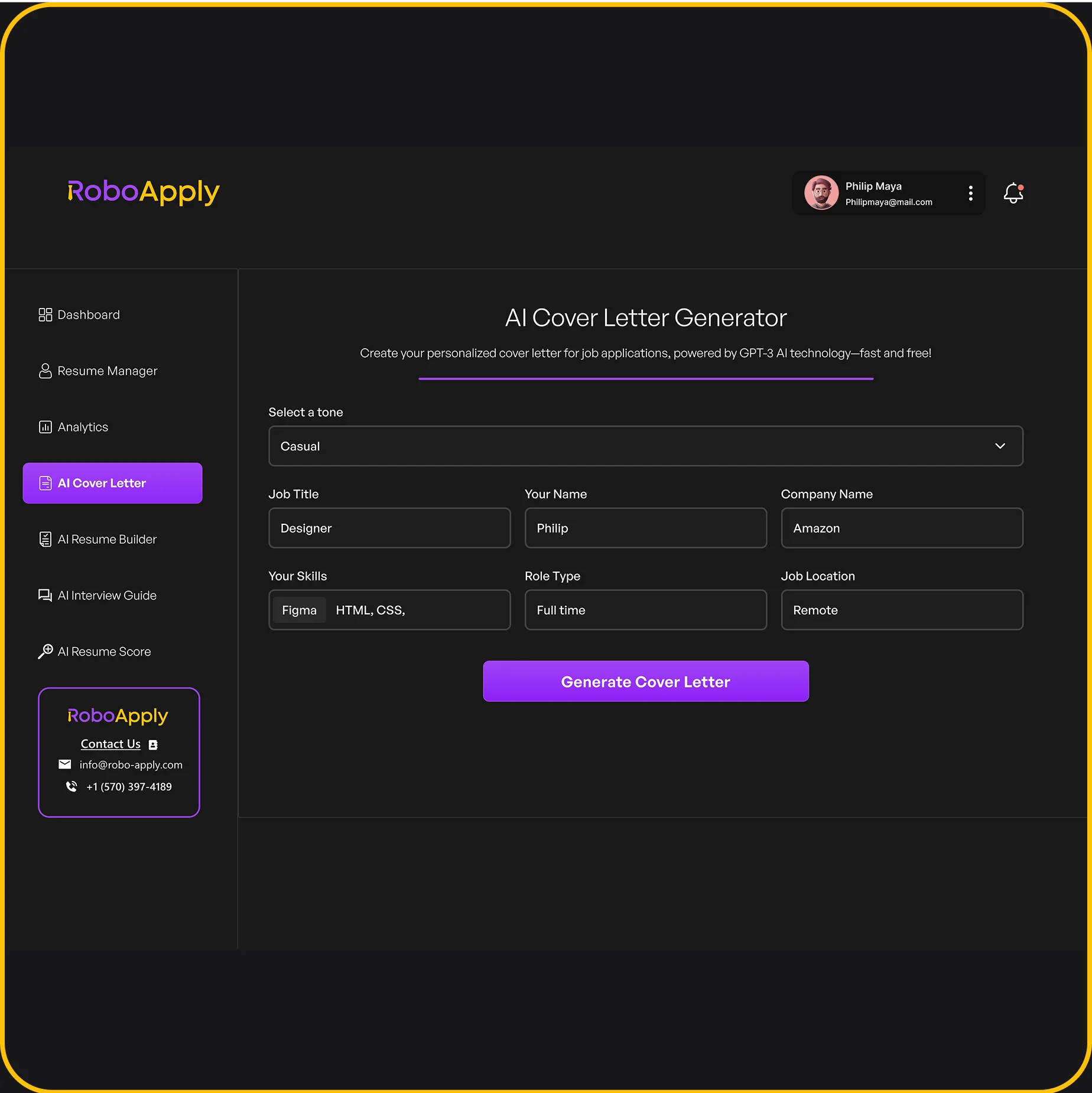
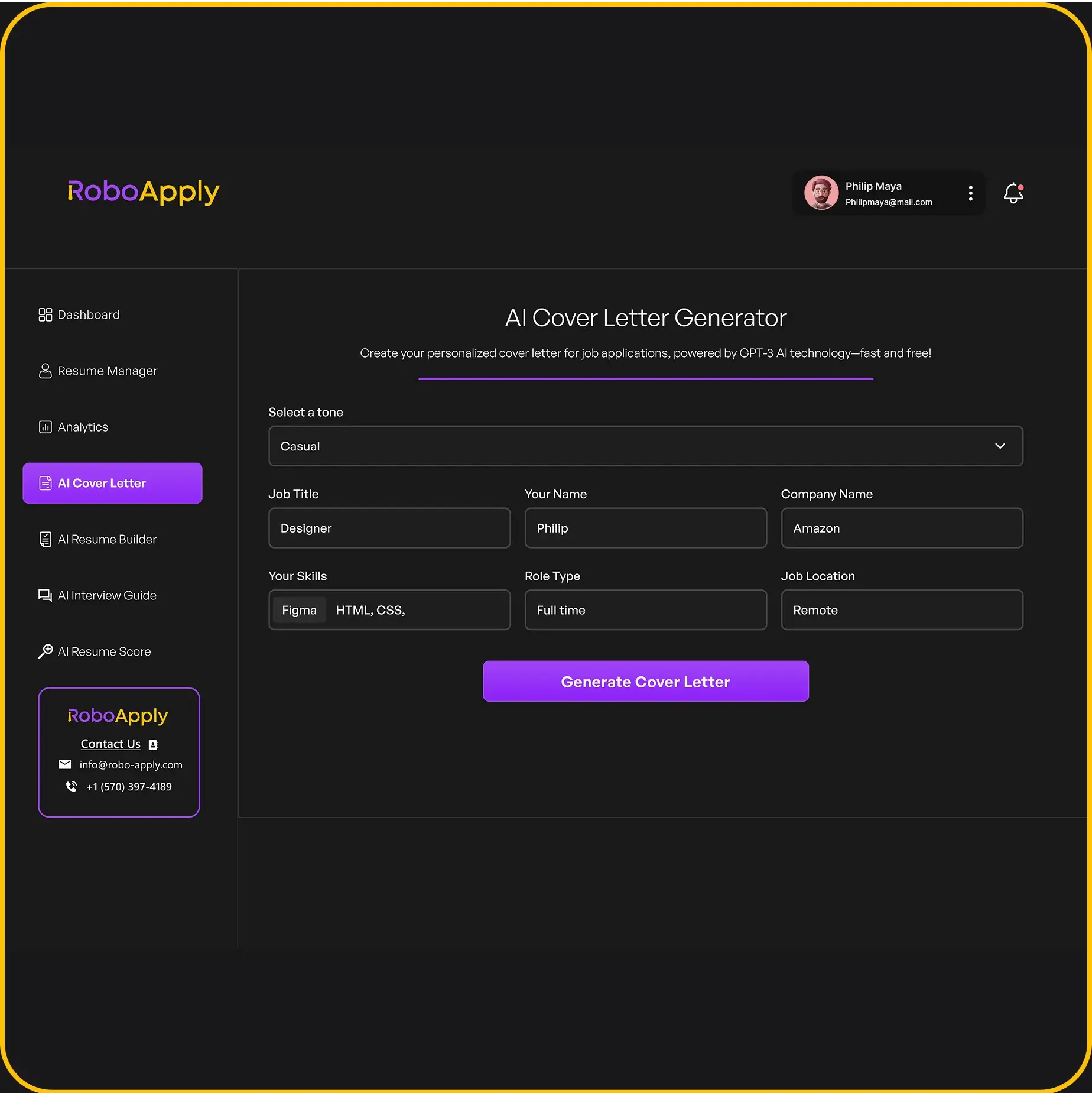
RoboApply’s AI Cover Letter generator creates optimized cover letters with proper salutations based on job posting information.
The Resume Score feature analyzes your complete application package including cover letter addressing.
AI Auto Apply manages applications across hundreds of positions, generating appropriate cover letters with proper greetings for each opportunity.
Frequently Asked Questions
Who do I address a cover letter to if no name is given?
Use “Dear Hiring Manager” or “Dear [Department] Hiring Team” when you cannot find a specific name after researching the company website, LinkedIn, and job posting.
Should I use Mrs. or Ms. in a cover letter?
Use “Ms.” unless you know the person prefers “Mrs.” Ms. is the professional standard that doesn’t reference marital status, similar to how “Mr.” works.
Can I address a cover letter to a recruiter?
Yes, address your cover letter to the recruiter if they’re your main contact, especially when applying through recruitment agencies or if they posted the job.
What if I address my cover letter to the wrong person?
A minor error won’t eliminate you, but it reduces your application’s impact. Always verify names and titles through multiple sources before submitting.
Is it OK to call a company to ask who to address a cover letter to?
Yes, calling the company to ask for the hiring manager’s name is professional and shows initiative. Receptionists typically provide this information willingly.